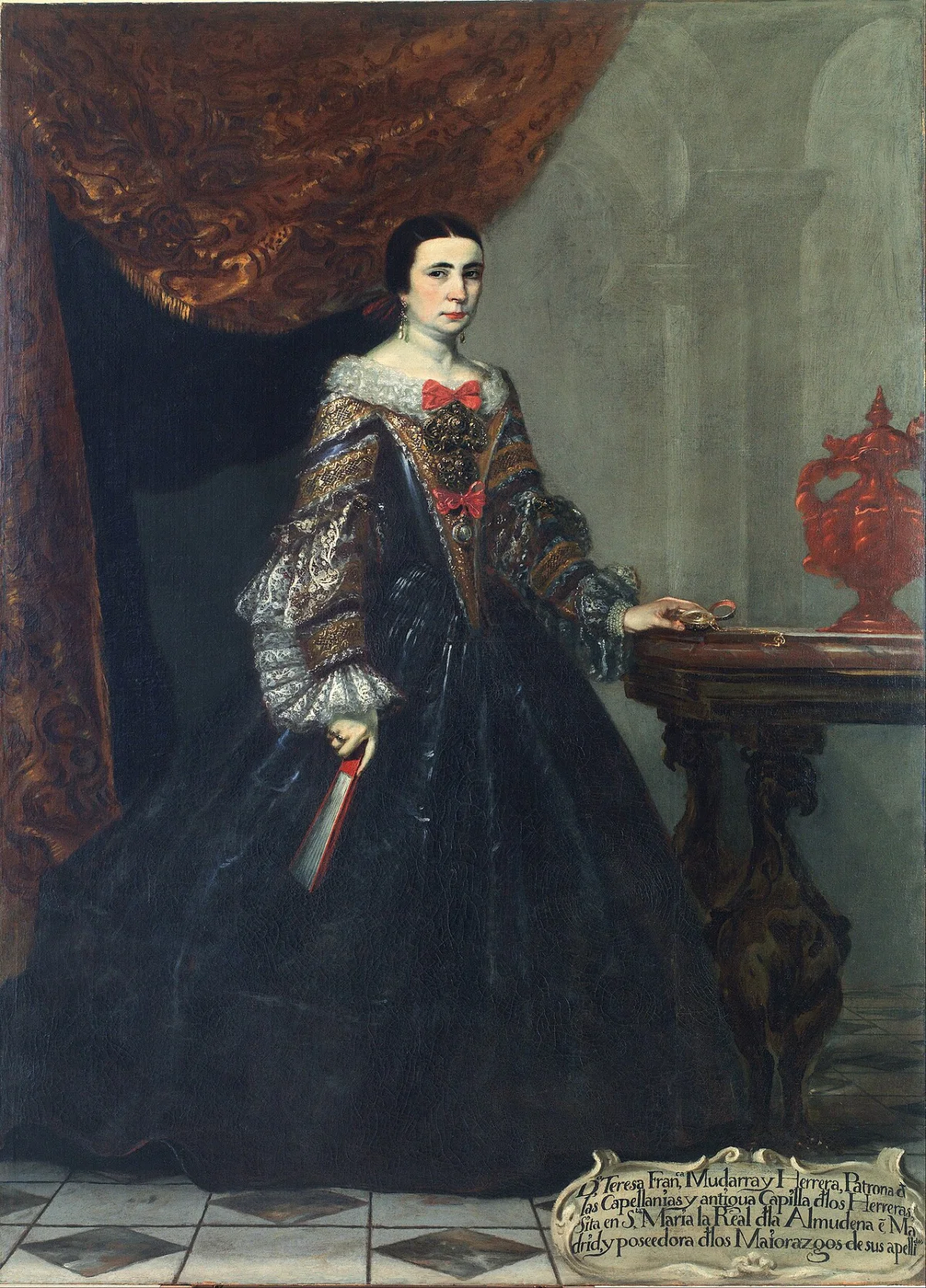
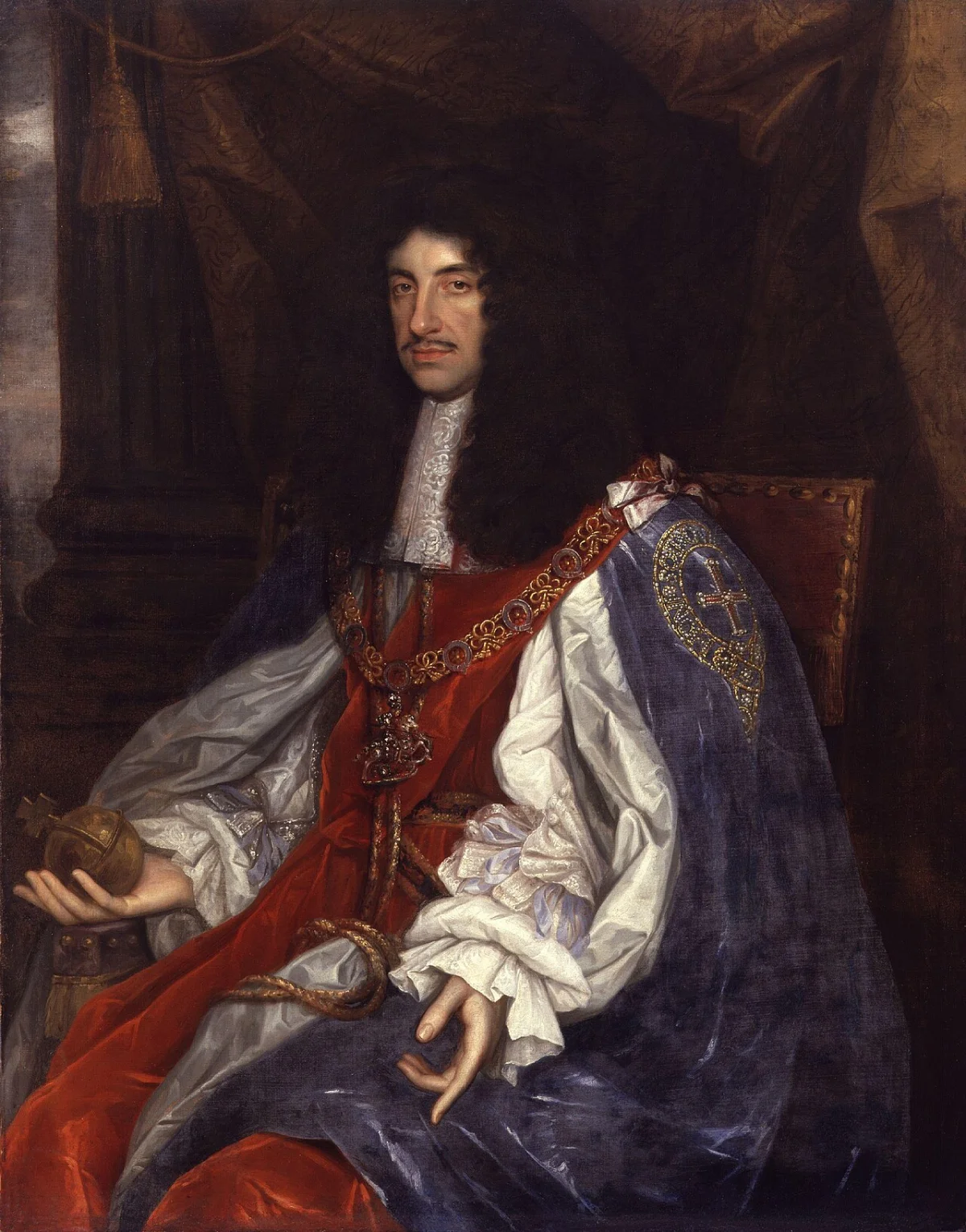
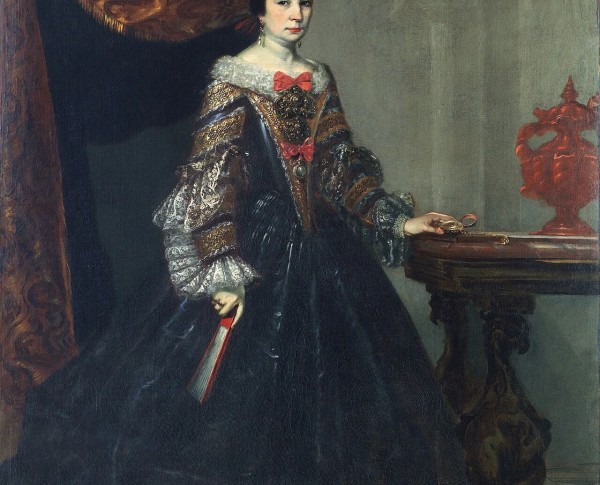
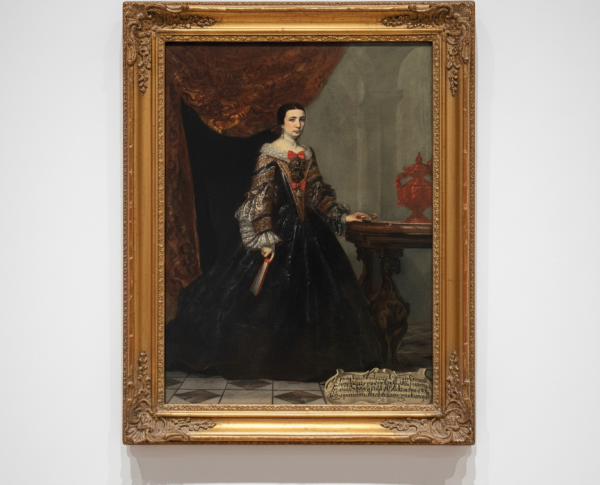
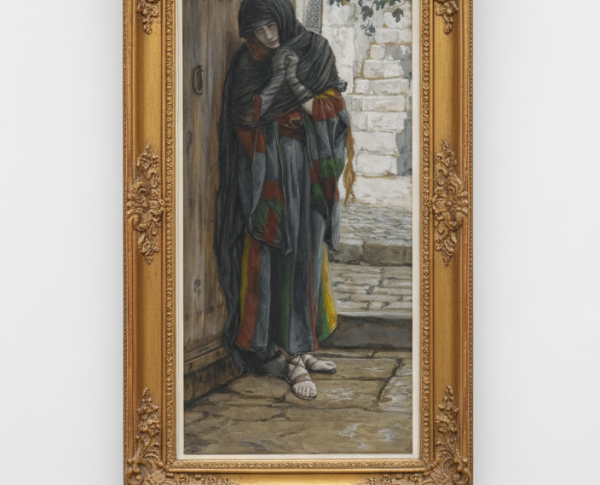
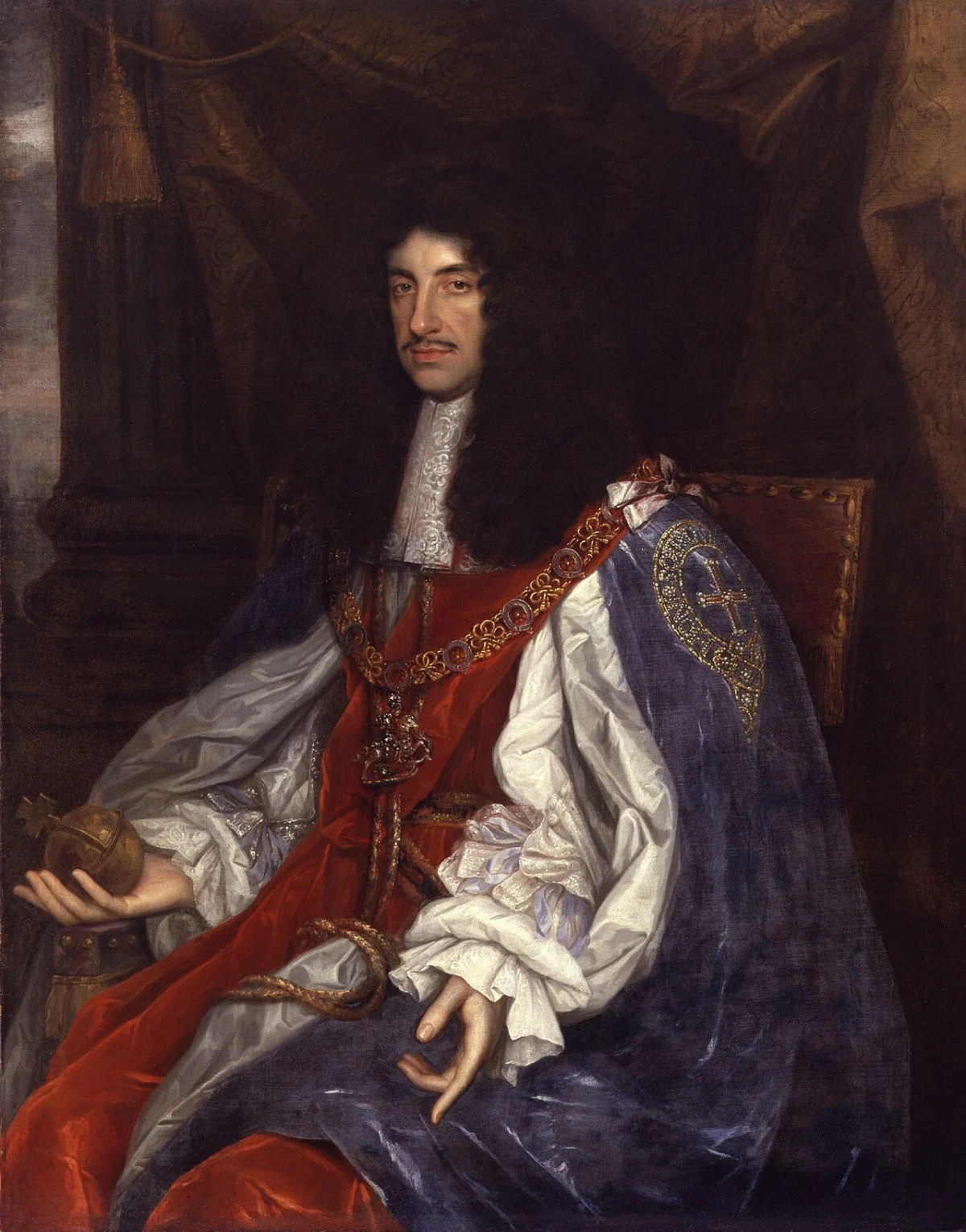
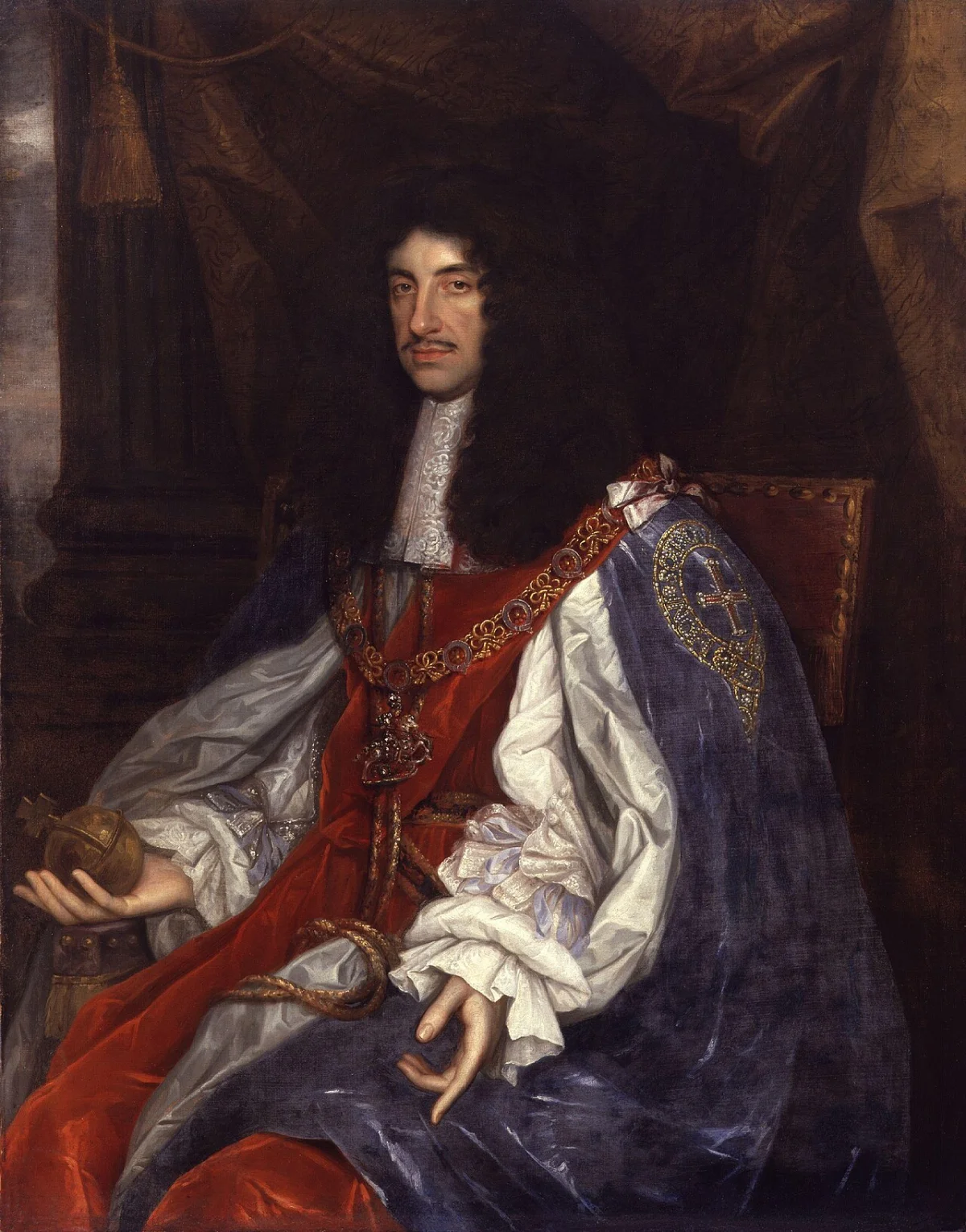
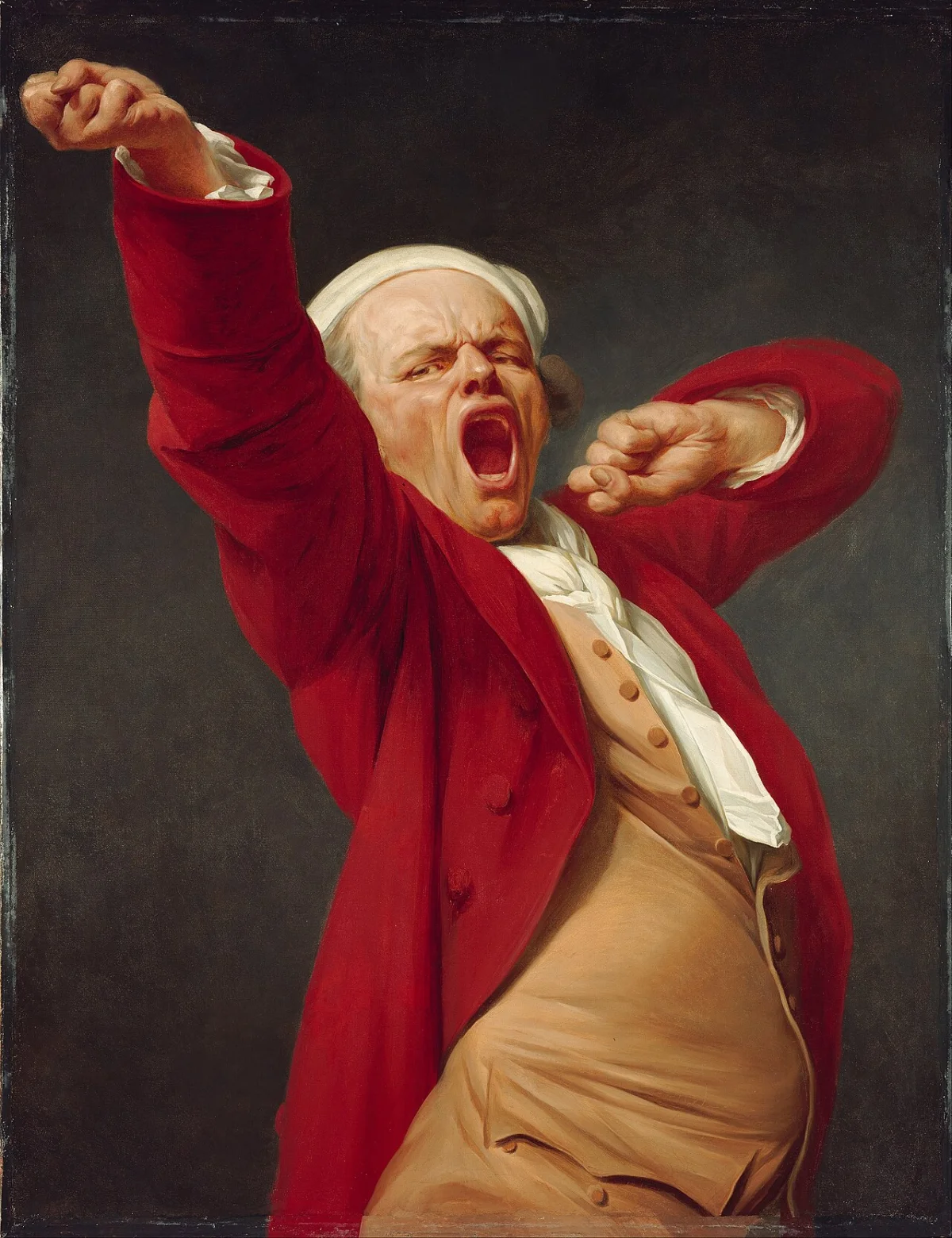
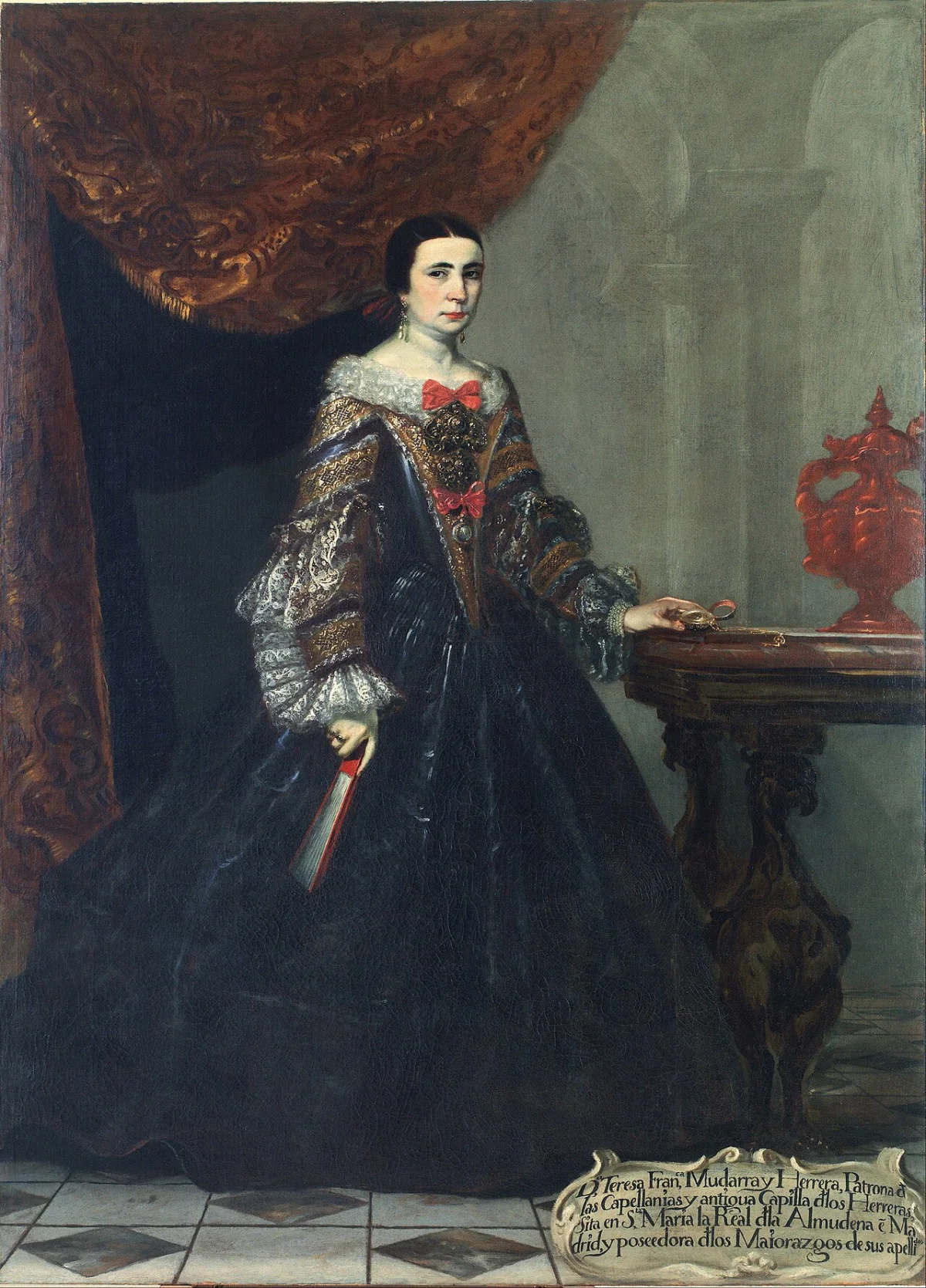
"Portrait of Charles II" is meticulously crafted using oil on canvas, a medium favored by Baroque artists for its depth and vibrancy. Claudio Coello’s attention to detail is evident in the lifelike rendering of fabrics and regal features, reflecting his mastery over the oil on canvas technique. This painting, along with other notable works like "Q19161243" and "Teresa Francisca Mudarra y Herrera," exemplifies the technical brilliance that characterizes Baroque masterpieces.
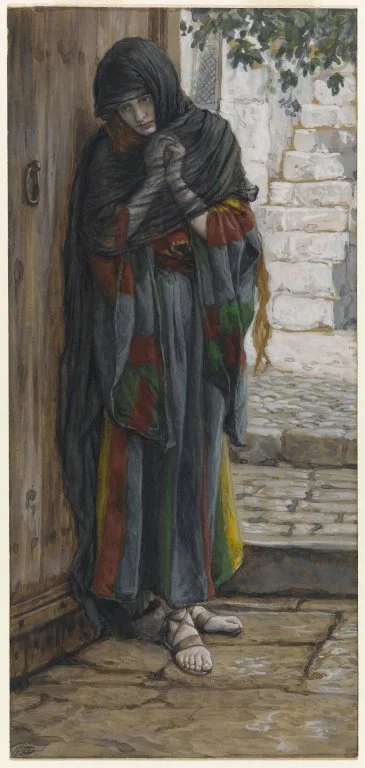
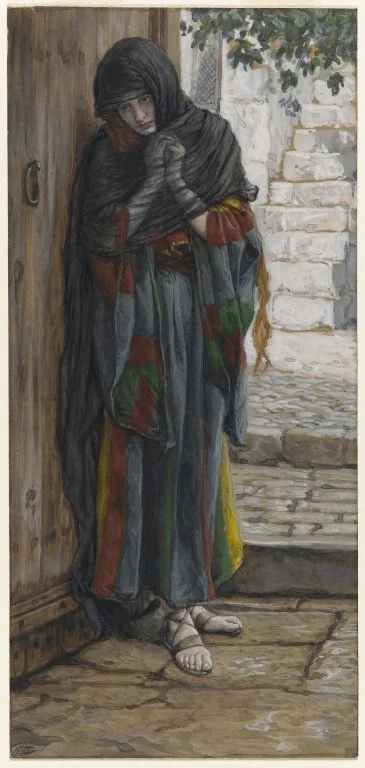
Within this fine art painting for sale, Claudio Coello weaves subtle symbols that speak to the power and vulnerability of Charles II. The careful composition and choice of regal attire reveal layers of meaning, inviting viewers to look beyond the surface. Such storytelling aligns with the Baroque movement’s penchant for drama and allegory. Collectors often seek related works, such as "Repentant Mary Magdalene," to complement their appreciation for Coello’s narrative artistry.
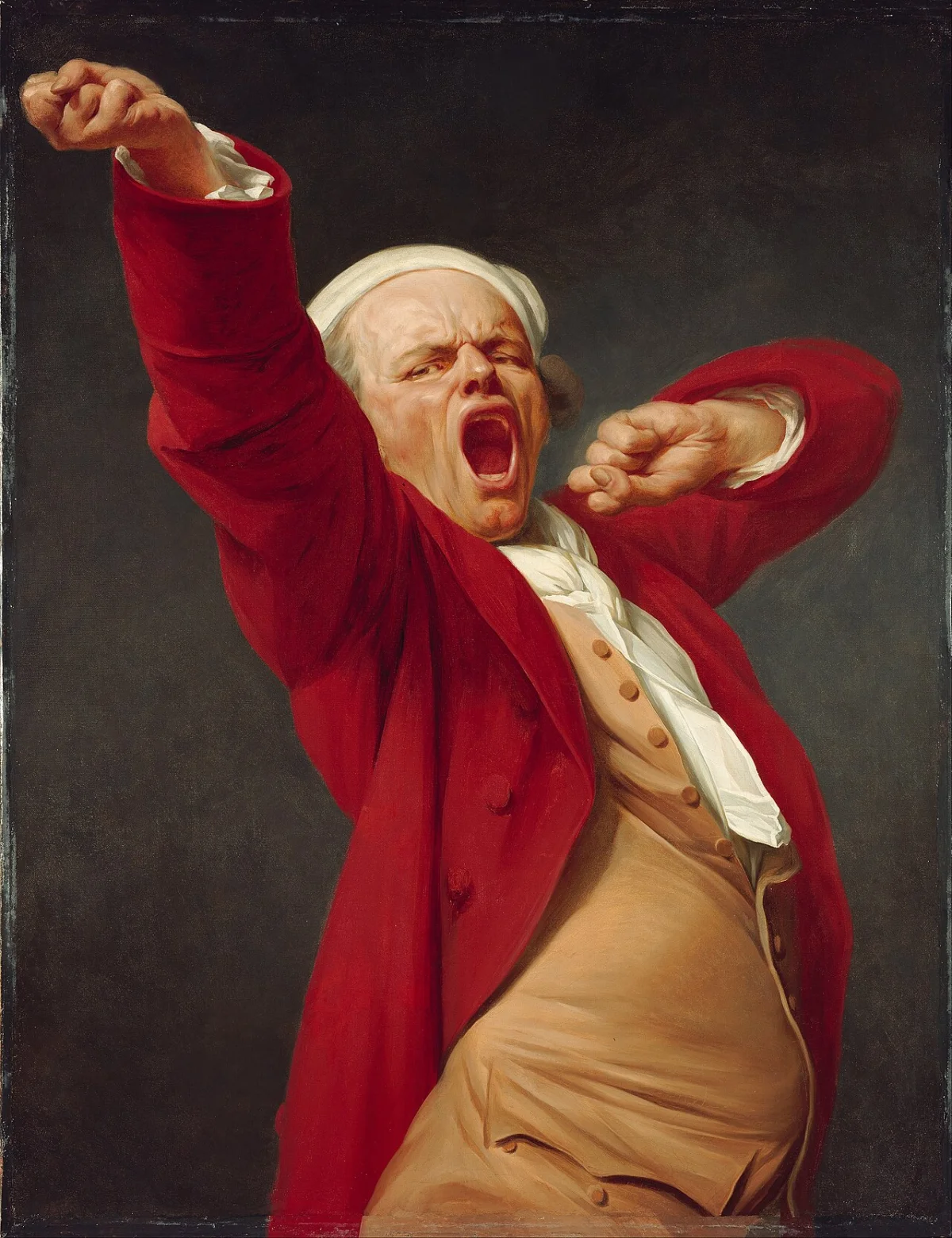
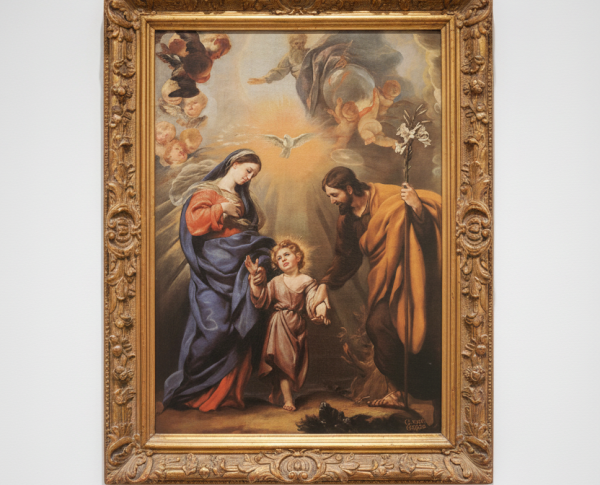
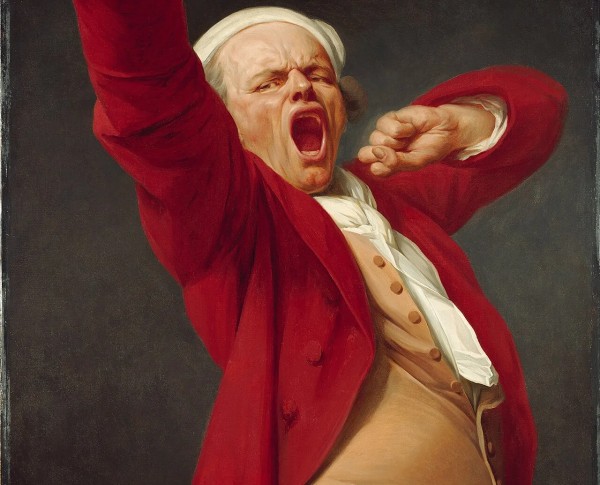
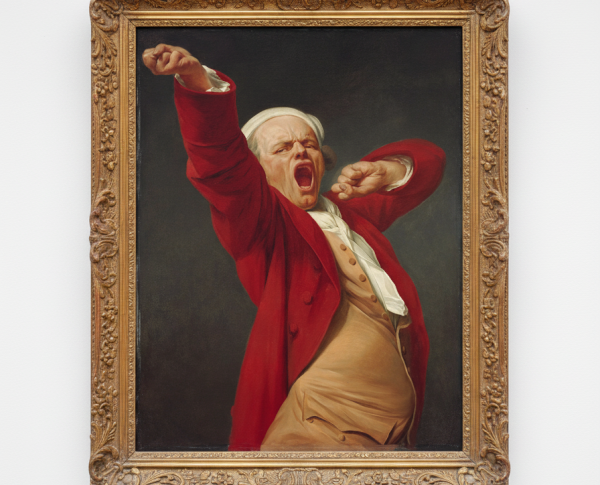
Owning "Portrait of Charles II" by Claudio Coello is more than acquiring a beautiful object; it is investing in a piece of Baroque history. Each hand-painted oil painting from this period, including related products like "Holy Family" and "Self-Portrait," enriches any collection. The enduring appeal of Coello’s work ensures that this painting remains a prized fine art painting for sale among discerning collectors and admirers of Baroque elegance.
When Art Meets History
"Portrait of Charles II" by Claudio Coello stands as a testament to the Baroque movement’s grandeur and historical significance. This hand-painted oil painting encapsulates the regal presence of a monarch while reflecting the political climate of 17th-century Spain. Coello, renowned for his masterful portraits, infuses the canvas with the same dynamism seen in related works like "Doubting Thomas" and "The Calling of Saint Matthew," making it an essential piece for art historians and enthusiasts alike.
Techniques That Speak
Claudio Coello’s "Portrait of Charles II" demonstrates the artist’s exceptional skill with oil on canvas, a hallmark of the Baroque era. Through dramatic contrasts of light and shadow, Coello brings the monarch’s features to life, highlighting the intricate textures of fabrics and skin. Similar to his approach in "Mountain landscape with lightning," this painting showcases the meticulous attention to detail that defines Baroque masterpieces and elevates them among the finest oil paintings of the period.
Emotions on Display
The emotional depth in "Portrait of Charles II" reveals Claudio Coello’s mastery at capturing the complexities of royal life. The sitter’s gaze and posture convey both authority and vulnerability, hallmarks of the Baroque movement’s expressive style. As with his other fine art painting for sale, such as "The Calling of Saint Matthew," Coello’s work invites viewers to explore the intricate interplay of power and humanity, making each portrait a window into the soul of its subject.
Coveted by Collectors
"Portrait of Charles II" remains a highly sought-after fine art painting for sale among collectors passionate about Baroque masterpieces. Claudio Coello’s reputation, bolstered by related paintings like "Doubting Thomas," ensures that his works retain significant value and desirability. The timeless appeal of oil on canvas, combined with the historical importance of this portrait, makes it a cherished addition to any distinguished collection of European art from the Baroque period.
Related Baroque Hand-Painted Oil Paintings by Other Artists
Other Famous Baroque Artists:
Frequently Asked Questions About Portrait of Charles II
What is the historical significance of the "Portrait of Charles II"?
The "Portrait of Charles II" is significant as it represents the restoration of the monarchy in England after the tumultuous period of the English Civil War and the Commonwealth. Painted during the late 17th century, it symbolizes the return to royal authority and the stability that Charles II brought to the nation.
Who was Claudio Coello, and what is his role in the painting's history?
Claudio Coello was a prominent Spanish painter of the Baroque period, known for his portraits and religious works. His role in the history of the "Portrait of Charles II" is crucial, as he captured the king's likeness with great detail and grandeur, reflecting the artistic trends of his time.
What artistic techniques did Coello employ in this portrait?
Coello utilized techniques such as chiaroscuro to create depth and volume, as well as rich color palettes to convey the opulence of the royal attire. His brushwork is characterized by fine detail, particularly in the depiction of textures like fabric and skin.
What symbols are present in the "Portrait of Charles II"?
The painting includes several symbols of monarchy and power, such as the crown, scepter, and elaborate robes. These elements serve to emphasize Charles II's authority and divine right to rule, reinforcing the image of a strong and benevolent king.
How does the composition of the painting reflect the status of Charles II?
The composition features Charles II in a commanding pose, often depicted with a slight turn of the body that suggests both openness and authority. The use of a grand background enhances his regal presence, positioning him as the focal point of the artwork.
What influences can be seen in Coello's style in this portrait?
Coello's style in the "Portrait of Charles II" reflects influences from both Spanish and Italian Baroque art. The dramatic use of light and shadow, combined with a focus on realistic human expression, showcases the merging of these artistic traditions during the period.
In what context was the portrait created?
The portrait was created during a time of political restoration and cultural revival in England. It served not only as a personal likeness of Charles II but also as a public statement of the monarchy's renewed legitimacy and the flourishing of arts and culture under his reign.
What impact did the "Portrait of Charles II" have on future royal portraits?
The "Portrait of Charles II" set a precedent for future royal portraits by establishing a standard for grandeur and idealization. Subsequent artists drew inspiration from Coello's portrayal of royal figures, emphasizing both their physical attributes and their symbolic roles as leaders.
What is the current condition of the painting, and how has it been preserved?
The current condition of the "Portrait of Charles II" reflects careful preservation efforts, including controlled lighting and climate conditions in its display environment. Conservation techniques have been employed to maintain the integrity of the paint and canvas, ensuring its longevity for future generations.
How does this portrait compare to other portraits of Charles II from the same period?
This portrait is distinguished by its attention to detail and the emotional depth captured in Charles II's expression. Compared to other portraits of the king from the same period, it is noted for its vibrant colors and dynamic composition, which convey a sense of vitality and charisma.






















_GFM_Painting_(1).webp)


 100% Hand-Painted: Finished in 3-6 Weeks

.png)
















_(1).webp)