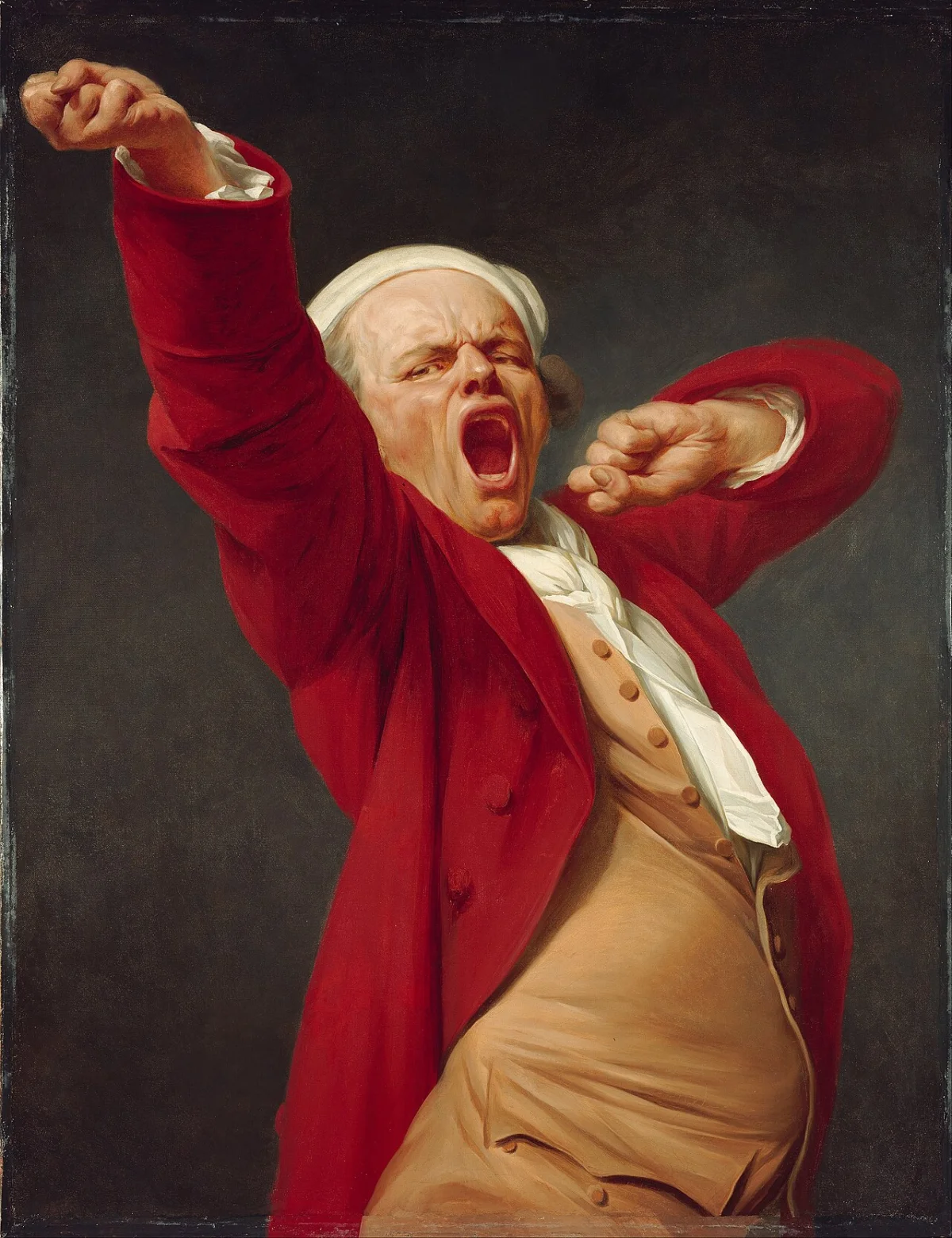
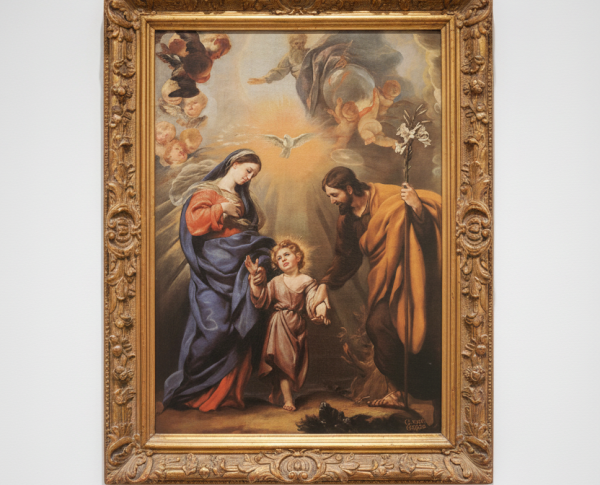
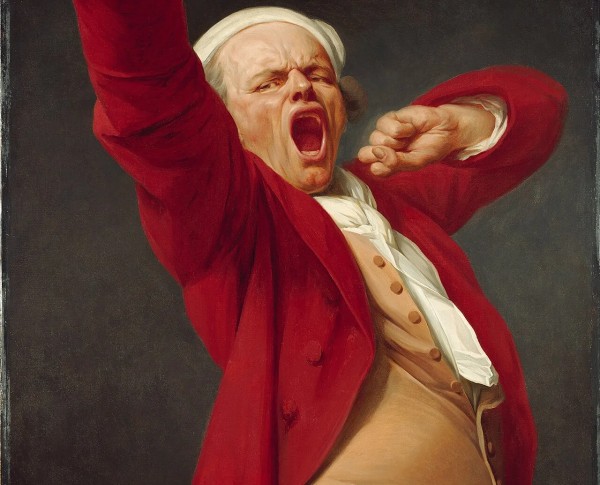
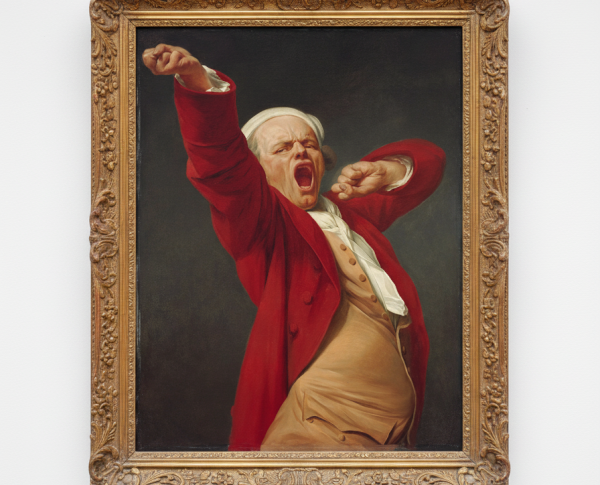
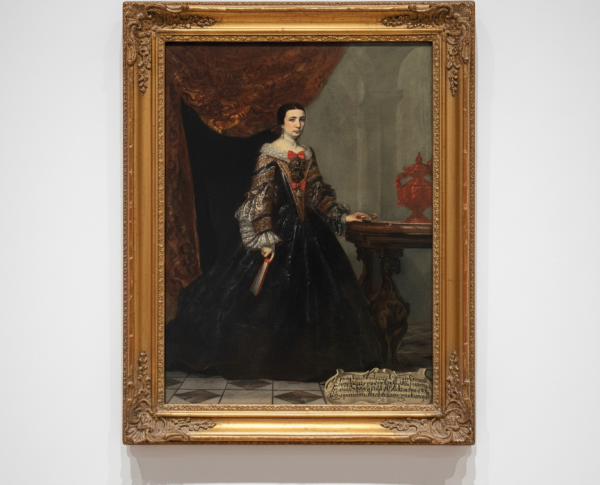
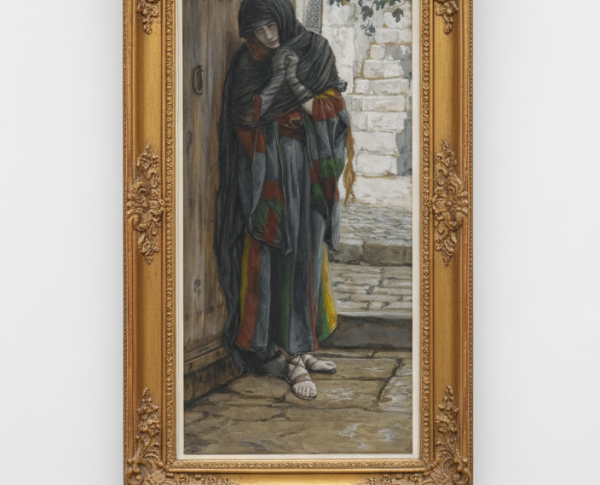
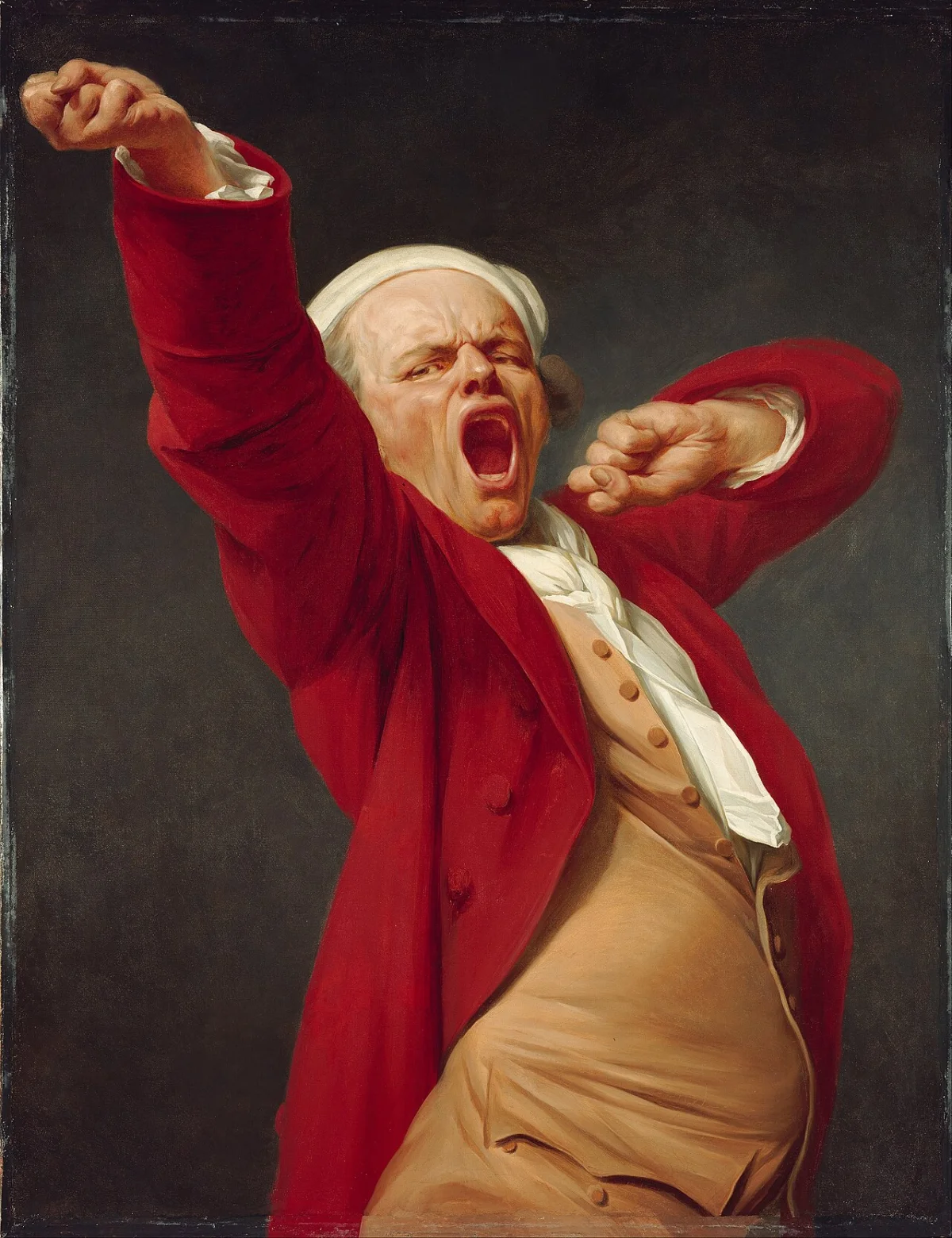
Claudio Coello’s "Self-Portrait" demonstrates exceptional control and finesse, as each brushstroke brings vitality to the canvas. The oil on canvas technique, typical of the Baroque era, permits a rich layering of colors and lifelike textures. Coello’s approach in this masterpiece is mirrored in related works such as "Holy Family," emphasizing his reputation as a leading Baroque artist whose paintings continue to inspire collectors and enthusiasts of classic oil on canvas art.
Within Coello’s "Self-Portrait," subtle symbols and narrative elements unfold, inviting viewers to interpret the artist’s intent. This fine art painting for sale not only captures a likeness but also hints at the artist’s status and intellectual pursuits during the Baroque movement. Collectors often pair it with other works like "Holy Family," appreciating the storytelling power and symbolism embedded in each meticulously crafted fine art painting for sale by Claudio Coello.
Owning Claudio Coello’s "Self-Portrait" means acquiring a piece of Baroque history. The hand-painted oil painting is a testament to Coello’s legacy and the enduring appeal of Spanish Baroque art. Collectors seeking unique pieces often also consider related masterpieces such as "Holy Family," recognizing the value and prestige these works bring to any collection. This self-portrait remains a prized fine art painting for sale among connoisseurs worldwide.
When Art Meets History
Claudio Coello’s “Self-Portrait” stands as a testament to the rich legacy of the Baroque movement. Created by one of Spain’s most renowned painters, this hand-painted oil painting captures not only the likeness of its creator but also the spirit of an era defined by grandeur and emotion. Alongside masterpieces like “Doubting Thomas” and “The Calling of Saint Matthew,” Coello’s self-portrait offers a fascinating glimpse into the historical context that shaped Baroque art.
Techniques That Speak
The artist’s mastery is evident in the meticulous brushwork and dramatic contrasts of light and shadow in this oil on canvas. Claudio Coello’s technique showcases the dynamic energy typical of Baroque painting, drawing viewers into the subject’s world. Similar to his works such as “Mountain landscape with lightning,” Coello’s use of color and texture in “Self-Portrait” demonstrates his ability to infuse life into every composition, making each piece a striking visual experience.
Emotions on Display
In “Self-Portrait,” Claudio Coello channels the intensity and introspection characteristic of the Baroque movement. The expressive gaze and subtle gestures reveal the artist’s inner world, inviting viewers to connect on a personal level. This fine art painting for sale stands alongside emotionally charged works like “Doubting Thomas” and “The Calling of Saint Matthew,” all of which exemplify Coello’s talent for conveying the depth of human feeling through art.
Coveted by Collectors
A masterpiece by Claudio Coello, “Self-Portrait” is highly sought after by collectors of Baroque art. Its historical significance and exquisite execution make it a prized addition to any collection. Like “Mountain landscape with lightning,” this hand-painted oil painting commands attention at auctions and galleries, where fine art enthusiasts eagerly seek out original works by Coello and his contemporaries. The allure of Baroque artistry continues to captivate art lovers worldwide.
Related Baroque Hand-Painted Oil Paintings by Other Artists
Other Famous Baroque Artists:
Frequently Asked Questions About Self-Portrait
What is the historical context of Claudio Coello's "Self-Portrait"?
"Self-Portrait" was created during the Spanish Baroque period, a time characterized by dramatic expression and intricate detail in art. Coello, a prominent artist of this era, reflects the cultural and artistic movements of 17th-century Spain.
What artistic techniques are evident in "Self-Portrait"?
Coello employs techniques such as chiaroscuro, which enhances the contrast between light and shadow, creating a three-dimensional effect. The meticulous brushwork and attention to detail exemplify the skill and precision typical of Baroque painting.
What symbolism can be found in "Self-Portrait"?
The painting often symbolizes the artist's introspection and self-awareness. The use of certain colors and the positioning of the figure may represent Coello's personal journey and his role within the artistic community of his time.
How does "Self-Portrait" reflect the characteristics of Baroque art?
The painting embodies the Baroque style through its emotional depth, dramatic use of light, and dynamic composition. Coello's portrayal of himself is both intimate and grand, capturing the essence of the Baroque fascination with individualism and human emotion.
What influence did Claudio Coello have on later artists?
Coello's mastery of portraiture and his innovative techniques influenced subsequent generations of artists. His ability to convey personality and emotion in his subjects set a standard for future portrait artists in Spain and beyond.
What materials did Claudio Coello use for "Self-Portrait"?
Coello likely used oil paints on canvas, a common medium during the Baroque period, which allowed for rich color saturation and detailed texture. This choice of materials contributed to the painting's longevity and visual impact.
How does "Self-Portrait" compare to other self-portraits of the Baroque period?
Unlike many contemporaneous self-portraits that often depict artists in a more formal or idealized manner, Coello's work presents a more personal and introspective view, emphasizing individuality and emotional depth.
What role does light play in "Self-Portrait"?
Light serves as a crucial element in "Self-Portrait," highlighting the artist's features and creating a sense of depth. The strategic use of light enhances the emotional tone of the painting, drawing the viewer's attention to the subject's expression.
What themes are explored in "Self-Portrait"?
The painting explores themes of identity, self-reflection, and the nature of the artistic profession. Coello's portrayal invites viewers to contemplate the relationship between the artist and their work, as well as the broader human experience.
How has "Self-Portrait" been received by art critics over time?
Art critics have praised "Self-Portrait" for its technical excellence and emotional resonance. The painting is often regarded as a significant contribution to the Baroque canon, showcasing Coello's skill and the evolving nature of self-portraiture in art history.






















_GFM_Painting_(1).webp)


 100% Hand-Painted: Finished in 3-6 Weeks

.png)
















_(1).webp)