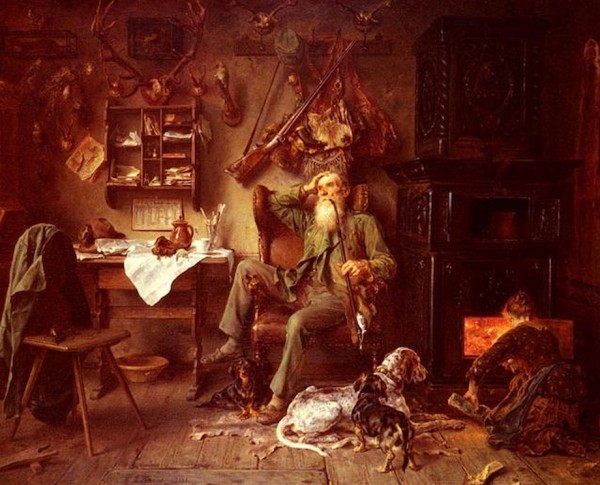
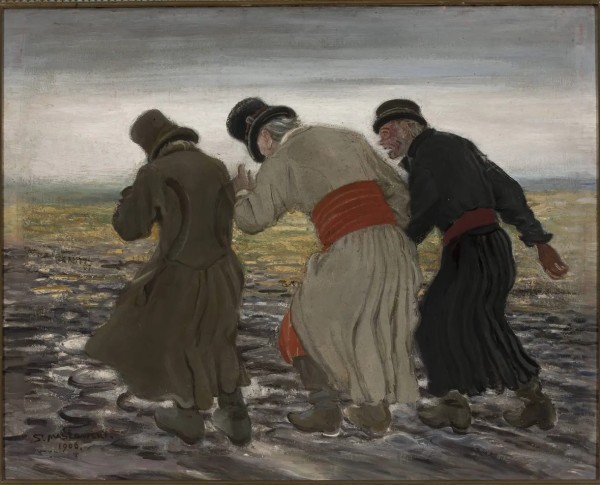
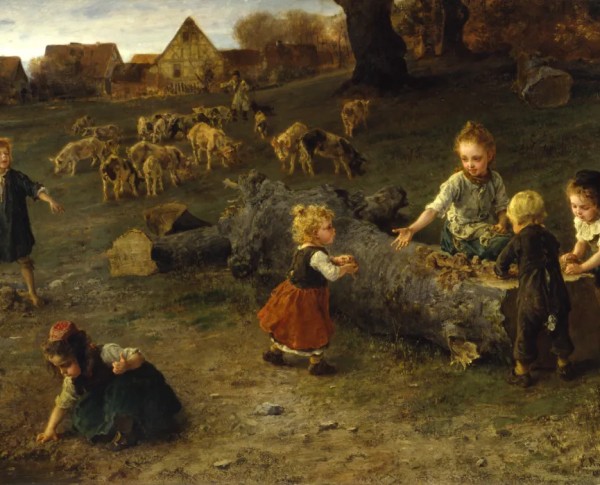
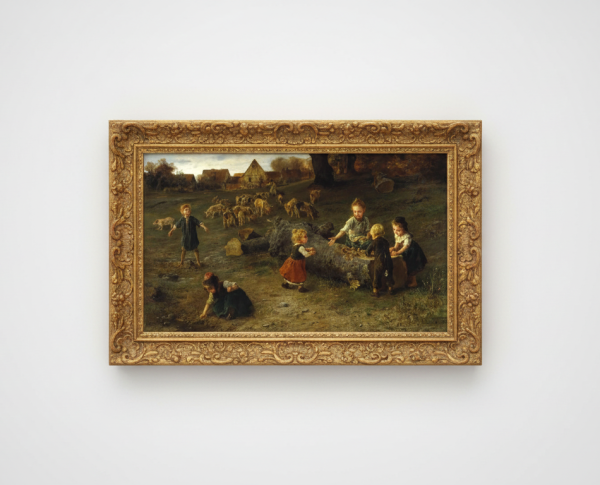
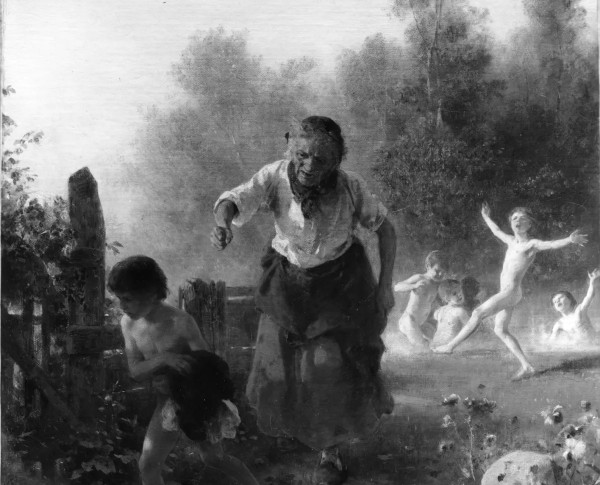
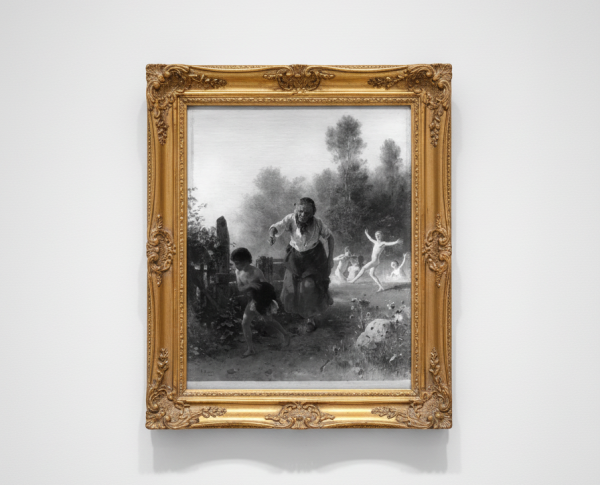
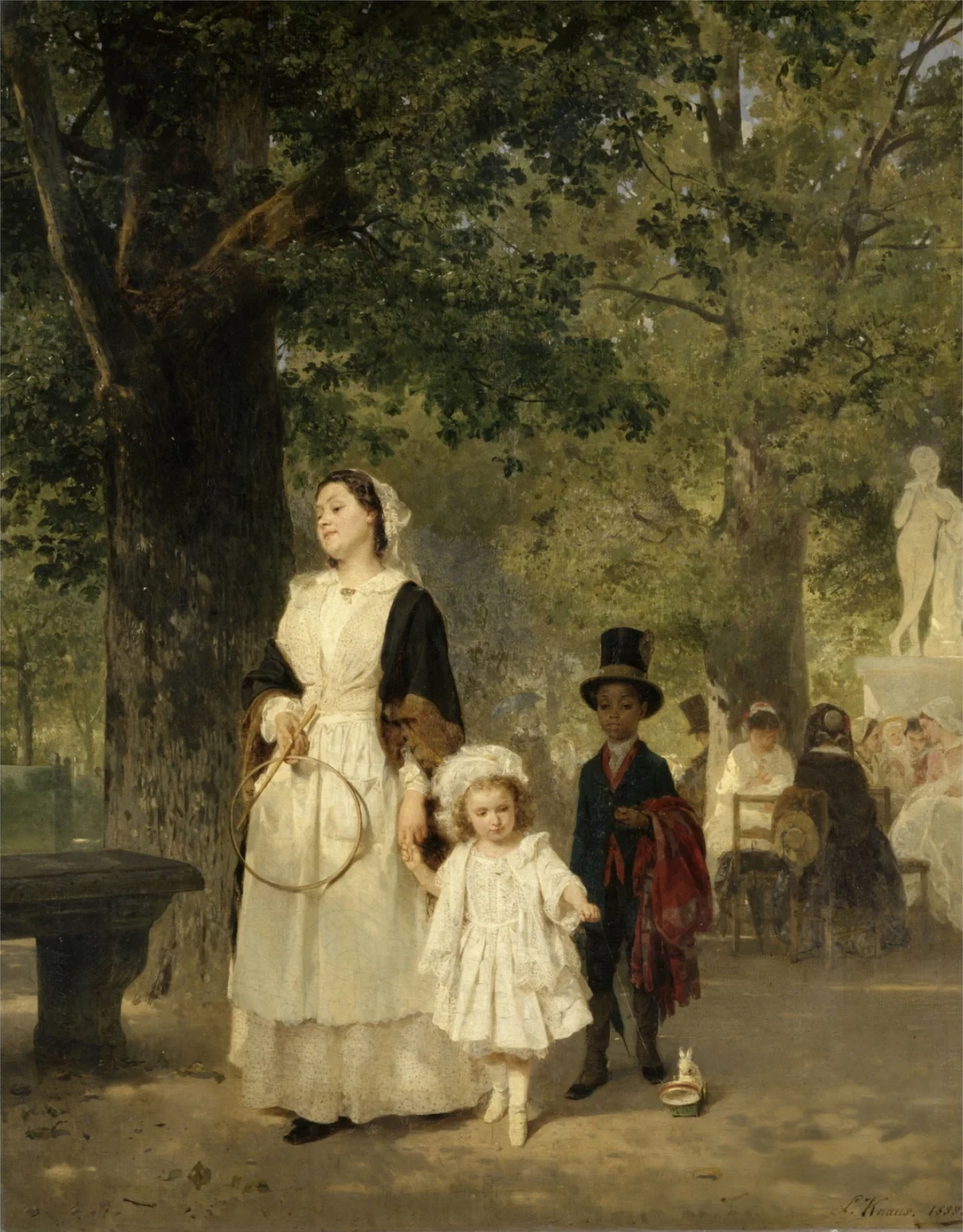
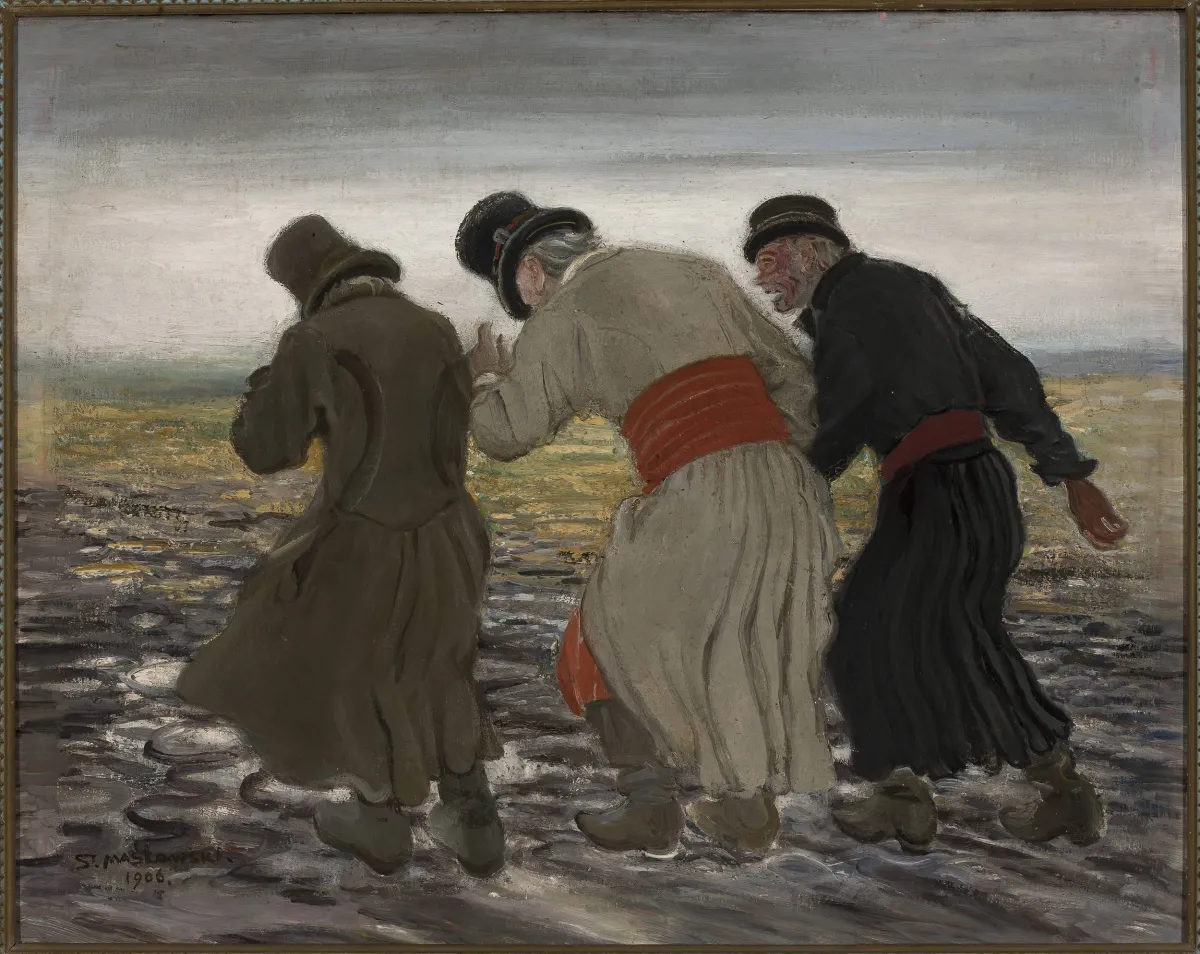
Ludwig Knaus’s "Promenade" showcases his mastery with oil on canvas, expertly blending color and light to create a vivid scene. The artist’s refined technique is evident in the delicate rendering of figures and lush surroundings, hallmarks of the Academic Art movement. Art lovers seeking similar works may also appreciate "Drunken peasants" or "Q17494002," which exemplify Knaus’s signature style and the enduring appeal of oil on canvas compositions.
Every element within "Promenade" by Ludwig Knaus tells a story, inviting viewers to uncover the subtle symbols woven into this fine art painting for sale. The Academic Art movement prized narrative and realism, qualities that shine through in Knaus’s work. Collectors and admirers often find themselves drawn to related products like "Mud Pies" and "The Truant," each painting offering unique insights into daily life and deeper societal themes.
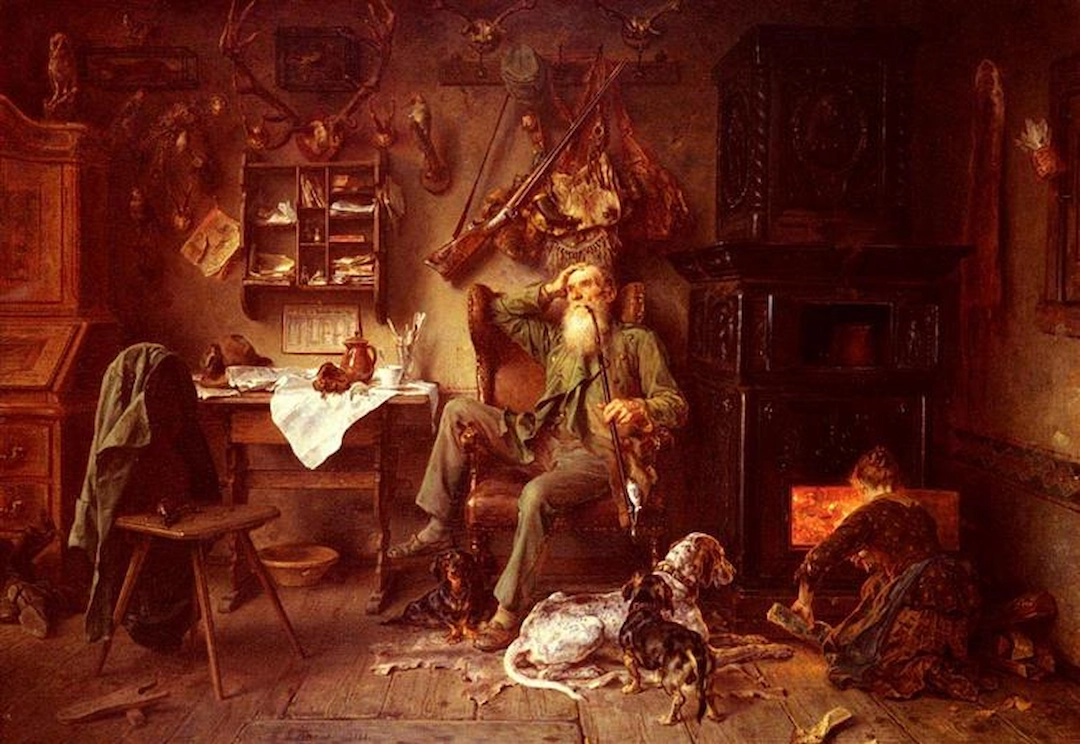
Owning a hand-painted oil painting like "Promenade" by Ludwig Knaus is a testament to refined taste and appreciation for Academic Art. This masterpiece, along with other notable works such as "A Forester at Home" and "Drunken peasants," elevates any collection. Whether you’re seeking a fine art painting for sale or exploring the legacy of Ludwig Knaus, these pieces represent the pinnacle of 19th-century artistry and cultural significance.
When Art Meets History
"Promenade" by Ludwig Knaus stands as a testament to the rich tradition of Academic Art. This hand-painted oil painting captures the essence of 19th-century European society, reflecting the customs and elegance of its time. Ludwig Knaus, renowned for his ability to depict everyday life with grace, brings history to the canvas. Similar to works like "Rest on the Flight into Egypt" and "Love's Offering," "Promenade" bridges the gap between art and historical narrative.
Techniques That Speak
Ludwig Knaus’s mastery shines through in the "Promenade," an exquisite oil on canvas piece. The careful brushwork and attention to detail exemplify the hallmarks of the Academic Art movement. Knaus’s technique, also visible in paintings such as "Odalisque with a Fan" and "Psyche with Putti," uses light and composition to guide the viewer’s gaze. The use of oil on canvas allows for rich textures, making the scene come alive with vibrancy and depth.
Emotions on Display
The "Promenade" evokes a range of emotions, from quiet joy to contemplative reflection, embodying the spirit of Academic Art. Ludwig Knaus skillfully portrays his subjects with sensitivity, inviting viewers to connect with their stories. Like "Jeune femme denudée sur canape (Young woman naked on a settee)," this fine art painting for sale captures subtle expressions and gestures, making each character relatable. The emotional depth in Knaus’s work continues to resonate with art lovers today.
Coveted by Collectors
As with many masterpieces of the Academic Art movement, "Promenade" by Ludwig Knaus is highly sought after by collectors worldwide. The hand-painted oil painting not only showcases Knaus’s exceptional talent but also offers a glimpse into a bygone era. Collectors often seek related works such as "Rest on the Flight into Egypt" and "Love's Offering" to complete their collections. Investing in such fine art pieces ensures the preservation of cultural heritage and timeless beauty.
Related Academic Art Hand-Painted Oil Paintings by Other Artists
Other Famous Academic Art Artists:
Frequently Asked Questions About Promenade
What is the historical context of "Promenade"?
"Promenade" was painted during the late 19th century, a time characterized by significant social and cultural changes in Europe. The painting reflects the leisure activities of the bourgeoisie, capturing the essence of urban life during this period.
Who was Ludwig Knaus and what is his significance in art history?
Ludwig Knaus was a prominent German painter known for his depictions of everyday life and social scenes. His work often highlights the interactions between different social classes, making him a key figure in the Realism movement.
What artistic techniques did Knaus employ in "Promenade"?
Knaus utilized a combination of naturalistic detail and vibrant color palettes to create a lively atmosphere. His use of light and shadow enhances the three-dimensionality of the figures and the surrounding environment.
What themes are explored in "Promenade"?
The painting explores themes of leisure, social interaction, and the dynamics of urban life. It captures a moment of tranquility amidst the hustle and bustle of city living, inviting viewers to reflect on their own experiences of public spaces.
What is the significance of the setting in "Promenade"?
The setting of "Promenade" is significant as it represents a public space where different social classes converge. This reflects the changing dynamics of society during Knaus's time, highlighting the importance of public life in urban culture.
How does "Promenade" reflect the Realism movement?
"Promenade" exemplifies the Realism movement by focusing on ordinary subjects and everyday life. Knaus's attention to detail and authentic representation of social interactions align with the movement's goal of depicting reality without idealization.
What role does color play in "Promenade"?
Color plays a crucial role in "Promenade," as it enhances the vibrancy of the scene and conveys the mood of the moment. Knaus's use of warm tones creates a welcoming atmosphere, inviting viewers to engage with the painting.
Are there any symbolic elements in "Promenade"?
Yes, the figures in "Promenade" can be seen as symbols of social interaction and community. Their positioning and expressions suggest a shared experience, emphasizing the importance of connection in urban life.
How does "Promenade" compare to other works by Knaus?
<p"promenade" shares="" similarities="" with="" other="" works="" by="" knaus="" in="" its="" focus="" on="" social="" themes="" and="" everyday="" life.="" however,="" it="" stands="" out="" due="" to="" lively="" depiction="" of="" public="" interaction,="" showcasing="" knaus's="" ability="" capture="" dynamic="" moments.=""
What impact did "Promenade" have on contemporary artists? "Promenade" has influenced contemporary artists by highlighting the importance of social themes and public spaces in art. Its realistic portrayal of urban life continues to inspire artists to explore similar subjects in their own work.






















_GFM_Painting_(1).webp)


 100% Hand-Painted: Finished in 3-6 Weeks

.png)















_(1).webp)