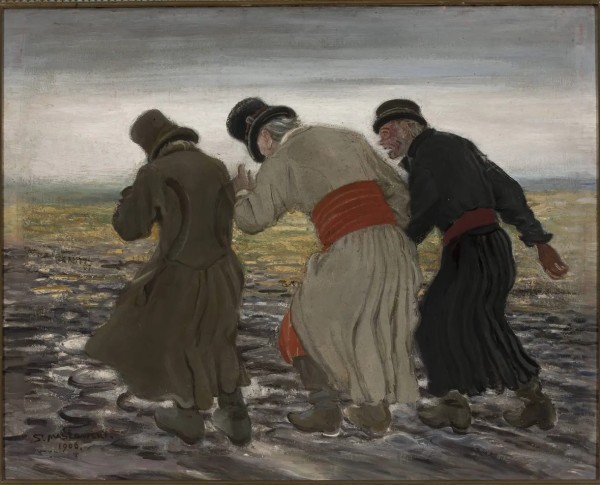
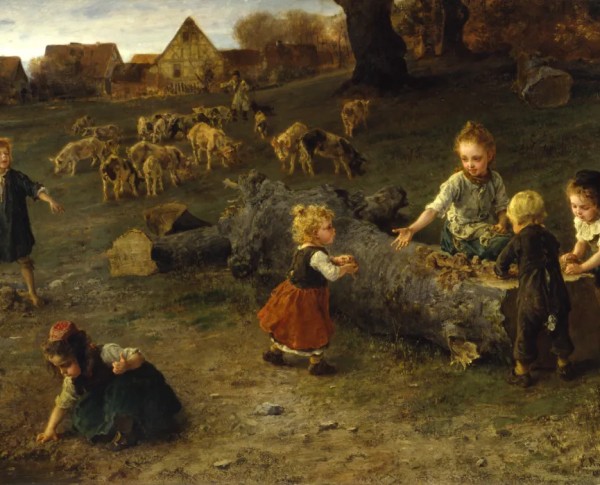
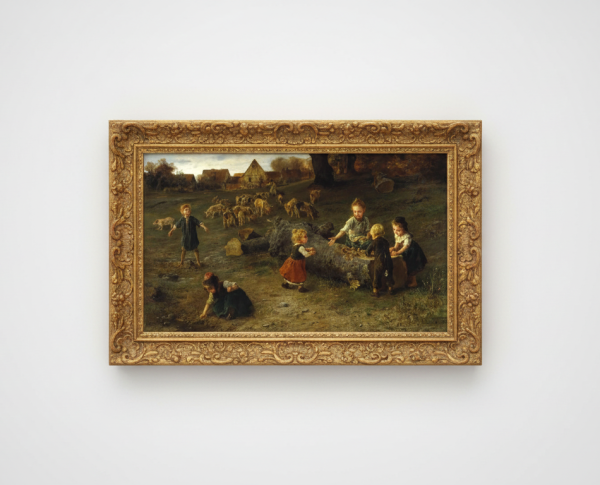
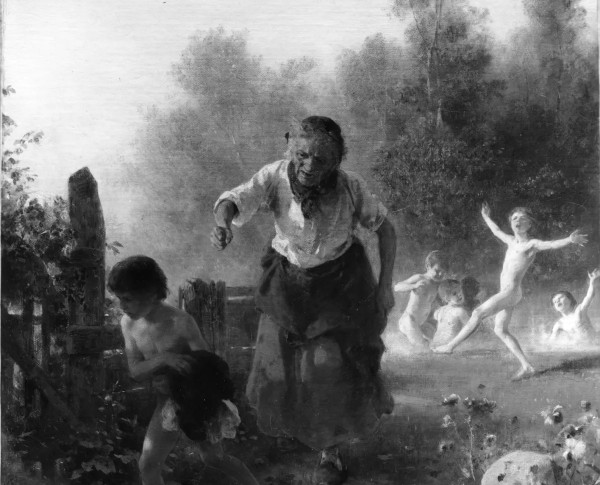
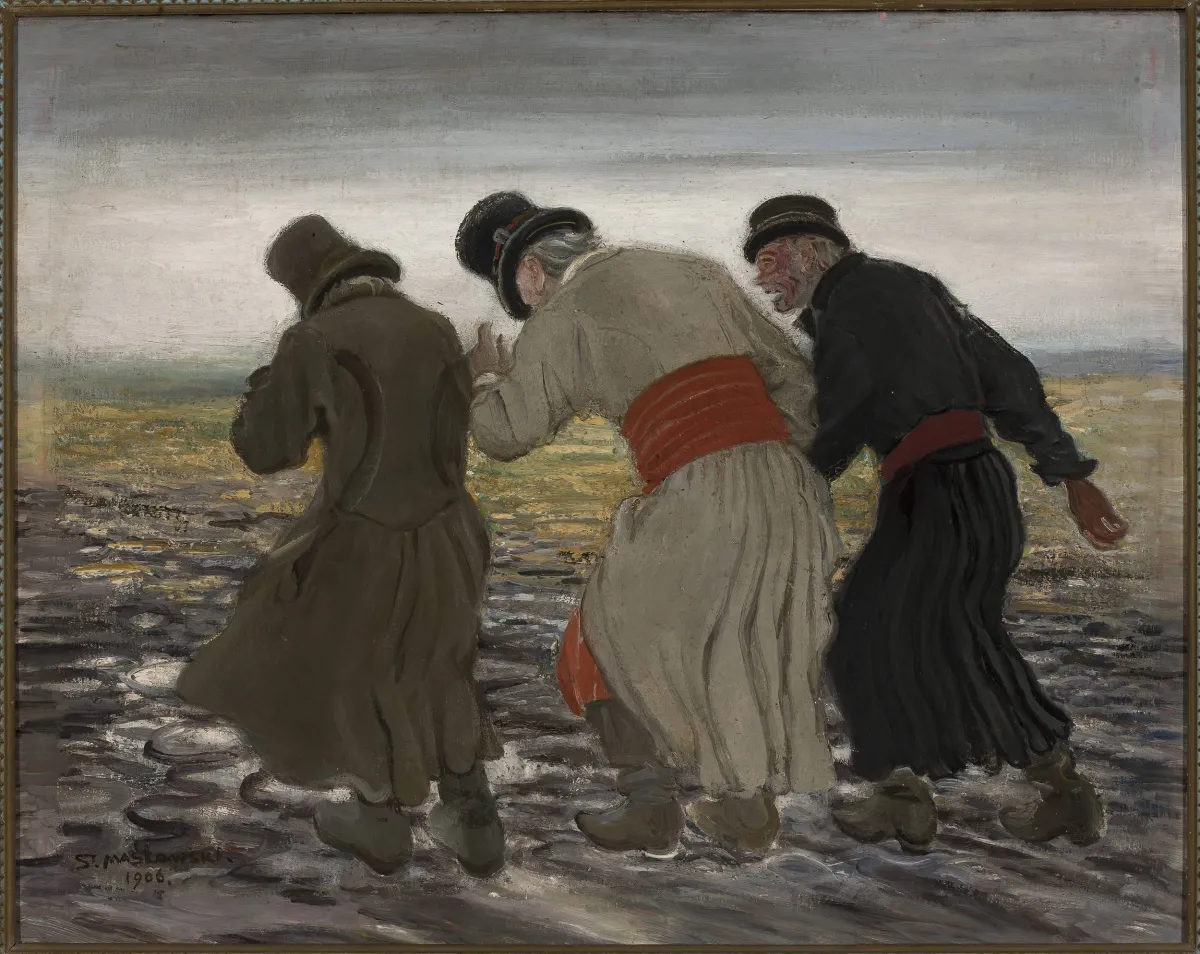
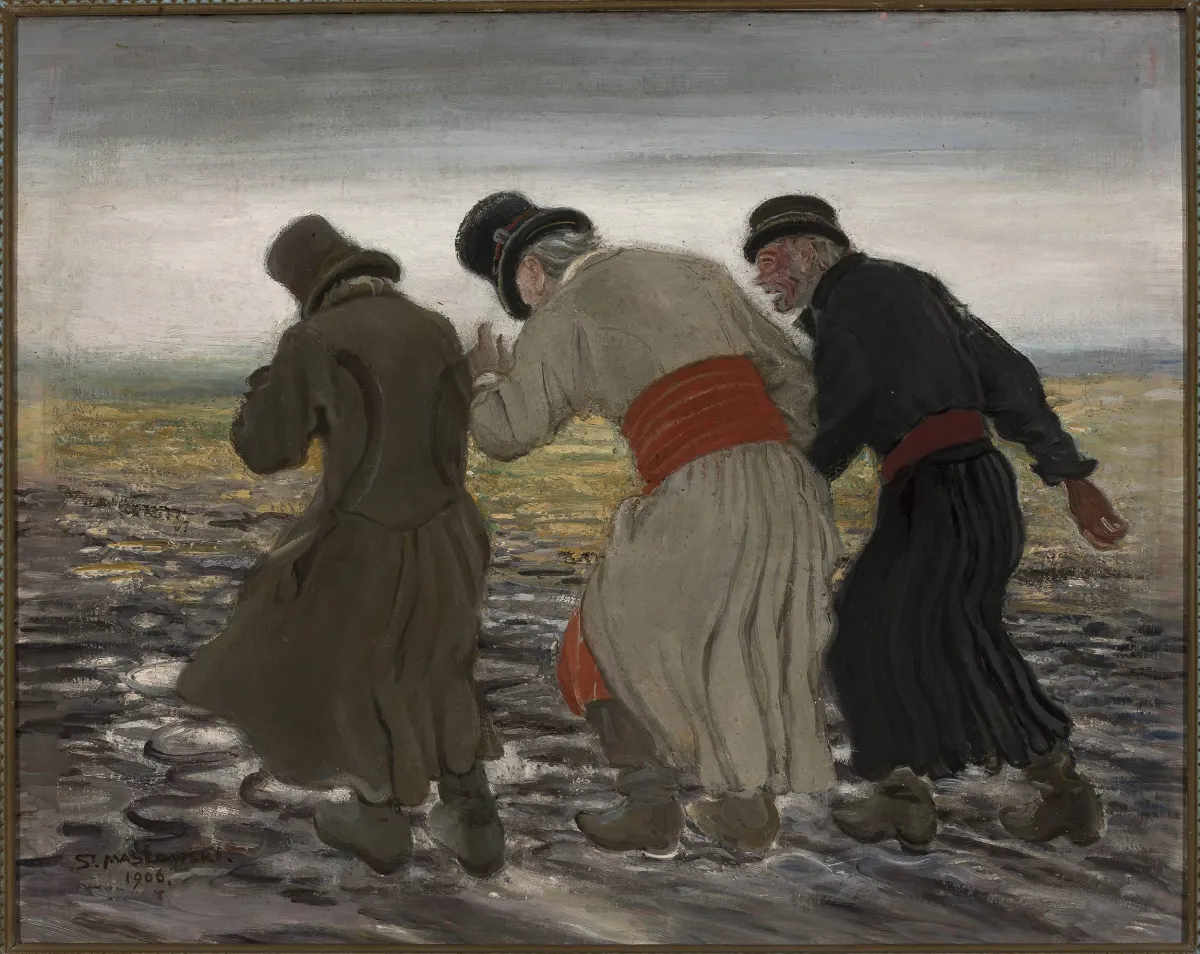
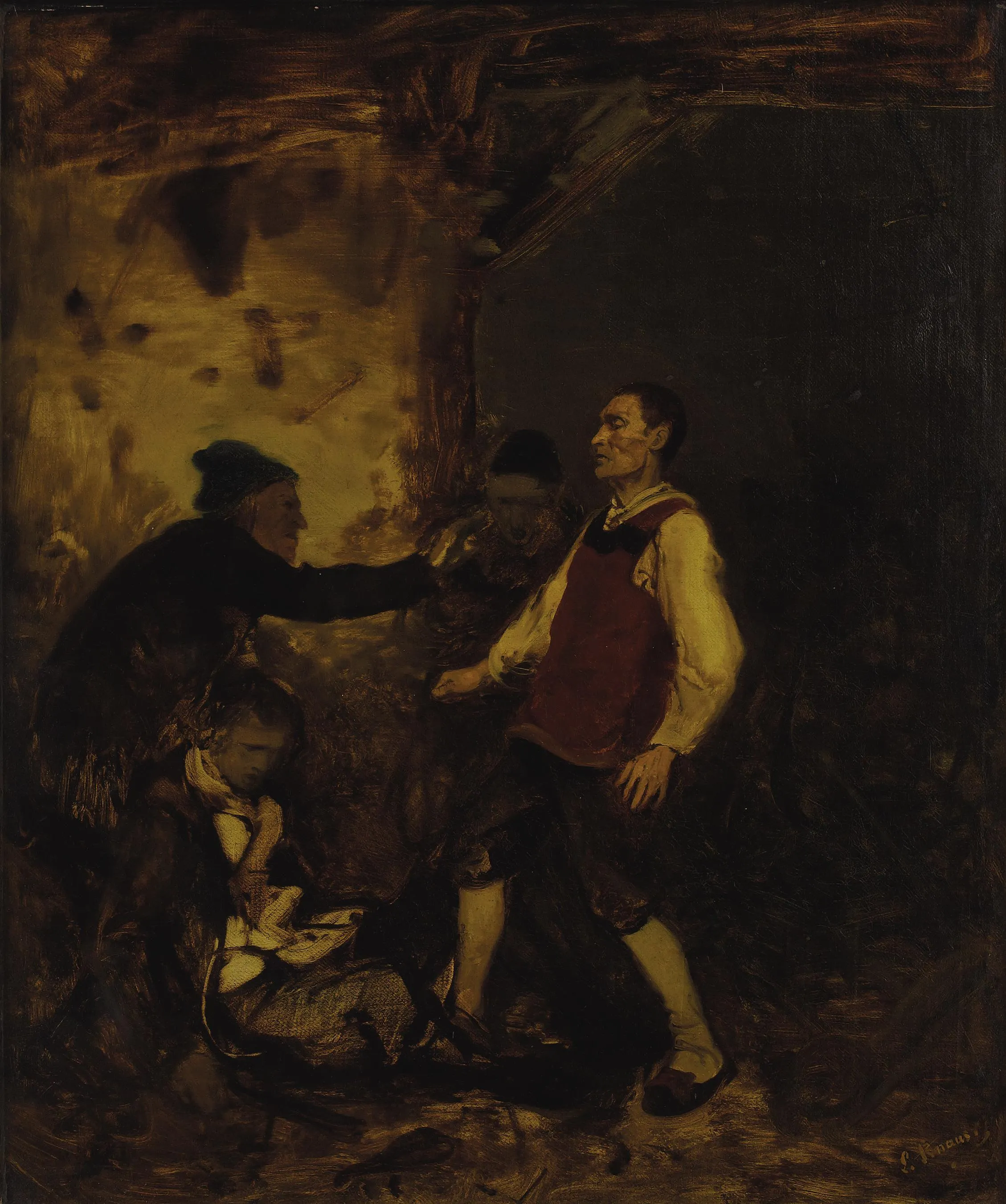
Ludwig Knaus’s "Drunken Peasants" demonstrates impeccable technique and a keen eye for detail, hallmarks of the Academic Art movement. The artist’s use of oil on canvas brings the scene to life, with rich textures and vibrant colors that highlight the expressive faces and dynamic postures of his subjects. This painting exemplifies the technical mastery that defined Knaus’s career, making it a standout piece for those who appreciate classic European artistry.
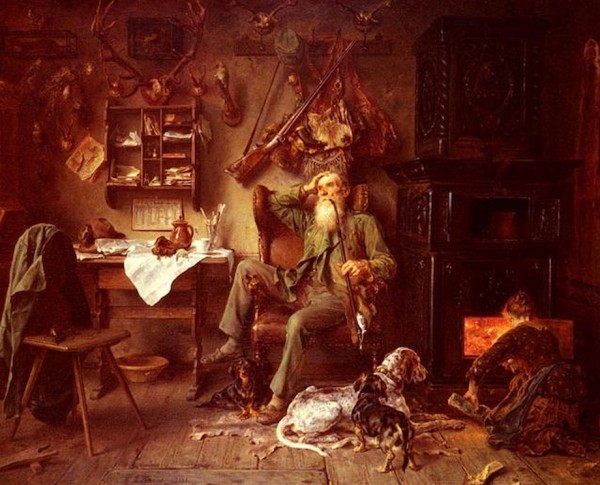
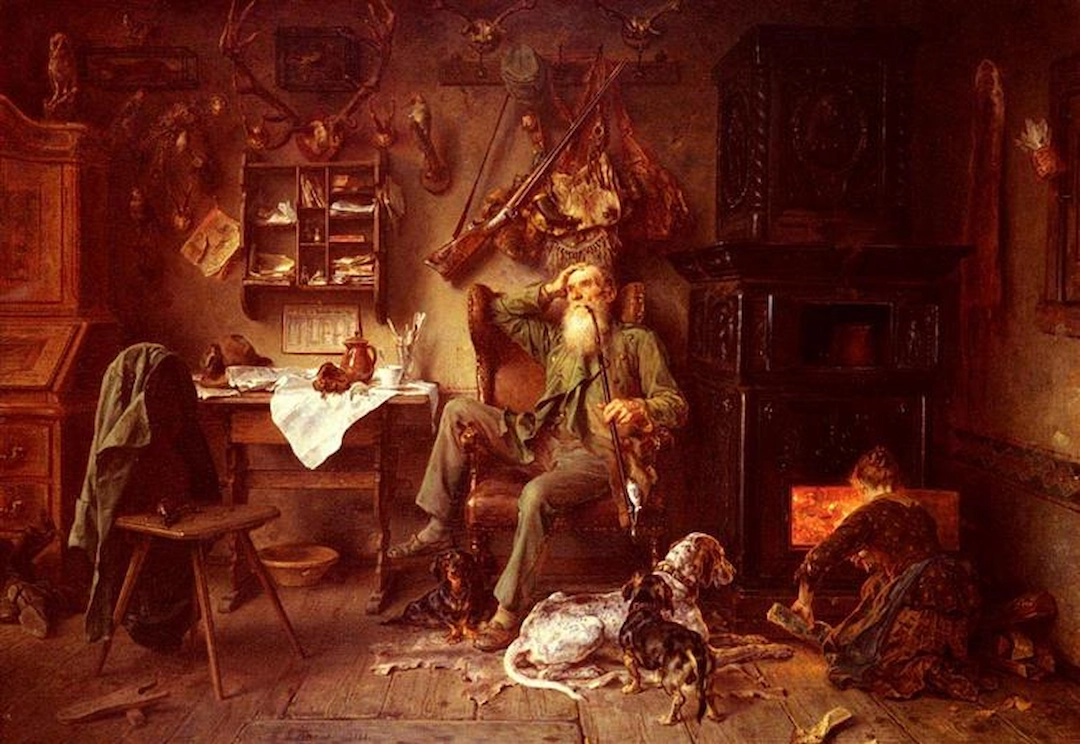
Within "Drunken Peasants," Ludwig Knaus weaves stories of rural camaraderie and indulgence, using symbolism and careful composition to convey deeper social messages. The fine art painting for sale not only entertains with its lively depiction but also invites viewers to reflect on themes of community and festivity. Collectors interested in narrative-rich Academic Art will find this piece resonates alongside works like "A Forester at Home, Q17494002."
For collectors, Ludwig Knaus’s "Drunken Peasants" stands as a prized addition to any fine art collection. This hand-painted oil painting exemplifies the best of the Academic Art movement, offering both historical significance and enduring visual appeal. Enthusiasts searching for a remarkable fine art painting for sale may also consider related products such as "A Forester at Home, Q17494002" to complement their collection with another iconic work by the same artist.
When Art Meets History
Ludwig Knaus’s “Drunken Peasants” is a striking example of the Academic Art movement, offering a vivid glimpse into 19th-century rural life. This hand-painted oil painting captures the social customs and traditions of its era, much like Knaus’s other works such as “Love’s Offering” and “Odalisque with a Fan.” Through detailed storytelling, Knaus brings history to life, making “Drunken Peasants” a centerpiece in the study of European genre scenes and fine art painting for sale.
Techniques That Speak
Knaus’s mastery of oil on canvas is evident in every brushstroke of “Drunken Peasants.” His technique, typical of Academic Art, involves meticulous attention to detail and a rich, realistic palette. The interplay of light and shadow, as seen in related works like “Jeune femme denudée sur canape,” enhances the depth and atmosphere. This hand-painted oil painting demonstrates Knaus’s dedication to lifelike representation, making the scene both captivating and technically impressive for art enthusiasts.
Emotions on Display
The emotional resonance of “Drunken Peasants” lies in Knaus’s ability to capture the joy and revelry of rural festivities. The artist’s skillful rendering imbues each figure with personality, similar to his approach in “Psyche with Putti.” This oil on canvas draws viewers into the lively scene, allowing them to experience the warmth and camaraderie of the moment. Through expressive gestures and vibrant colors, Knaus’s fine art painting for sale evokes a sense of celebration and human connection.
Coveted by Collectors
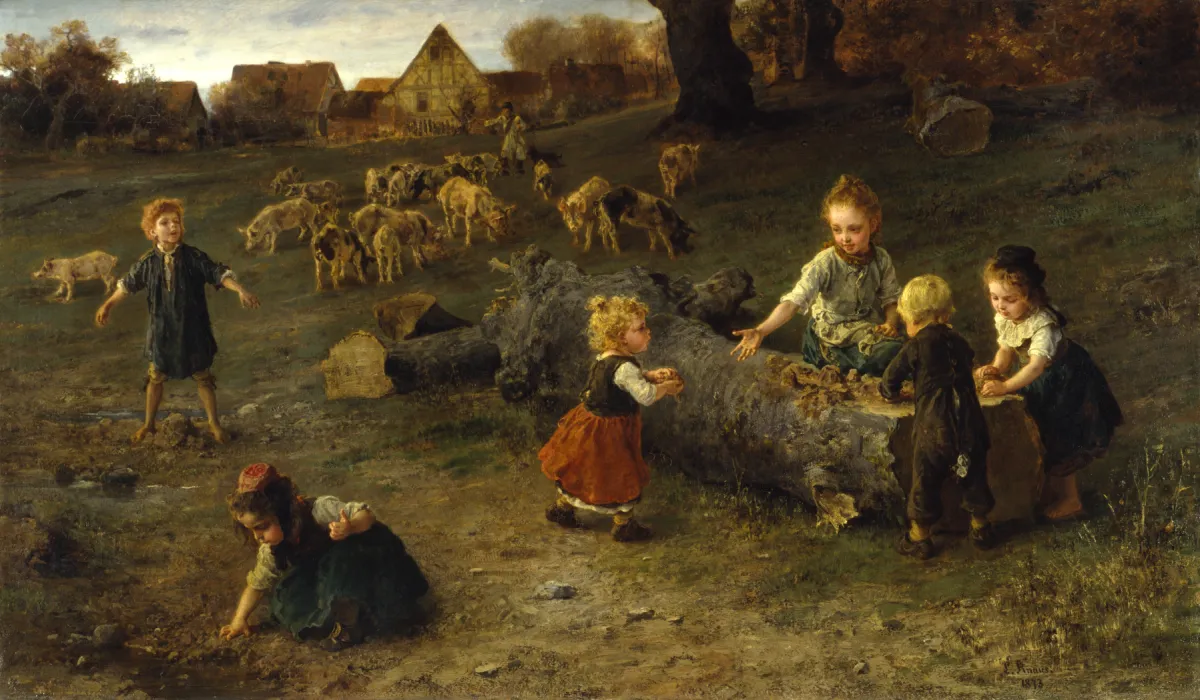
“Drunken Peasants” by Ludwig Knaus remains highly sought after among collectors of Academic Art. Its status as a hand-painted oil painting, paired with its historical significance, enhances its desirability alongside related masterpieces like “Odalisque” and “Odalisque with a Fan.” For those seeking a fine art painting for sale that embodies both technical prowess and narrative depth, Knaus’s work stands out, making it a prized addition to any distinguished collection.
Related Academic Art Hand-Painted Oil Paintings by Other Artists
Other Famous Academic Art Artists:
Frequently Asked Questions About Drunken Peasants
What is the historical context of "Drunken Peasants"?
"Drunken Peasants" was painted during the 19th century, a time characterized by significant social and political changes in Europe. The painting reflects the realities of rural life and the struggles of the peasant class during this period.
Who is the artist behind "Drunken Peasants"?
The painting was created by Ludwig Knaus, a German painter known for his depictions of everyday life and social themes. Knaus was active during the 19th century and contributed significantly to the genre of realism in art.
What artistic style is represented in "Drunken Peasants"?
"Drunken Peasants" is representative of the Realism movement, which sought to portray subjects as they are, without romanticization. Knaus's work often emphasizes the everyday experiences of ordinary people, capturing their emotions and struggles.
What themes are explored in "Drunken Peasants"?
The painting explores themes of social class, intoxication, and the human condition. It highlights the vulnerabilities of the peasant class and the impact of alcohol on their lives, serving as a commentary on societal issues of the time.
How does Knaus use color in "Drunken Peasants"?
Knaus employs a muted color palette that reflects the somber mood of the scene. The earthy tones contribute to the realism of the painting, grounding the viewer in the harsh realities faced by the subjects.
What is the significance of the figures depicted in "Drunken Peasants"?
The figures in the painting represent the struggles of the lower class in 19th-century Europe. Their expressions and postures convey a sense of despair and resignation, inviting viewers to empathize with their plight.
How does "Drunken Peasants" reflect societal attitudes of its time?
The painting reflects the societal attitudes towards poverty and alcoholism prevalent in the 19th century. It serves as a critique of the neglect faced by the peasant class and raises awareness of their difficult circumstances.
What techniques did Knaus use to achieve realism in "Drunken Peasants"?
Knaus utilized techniques such as detailed brushwork, accurate anatomy, and naturalistic lighting to achieve a sense of realism. His attention to detail helps to create a vivid portrayal of the subjects and their environment.
What impact did "Drunken Peasants" have on the art community?
"Drunken Peasants" contributed to the discourse on realism in art, influencing other artists to explore social themes and the lives of ordinary people. It helped to elevate the status of genre painting within the art community.
How is "Drunken Peasants" viewed in contemporary art discussions?
In contemporary art discussions, "Drunken Peasants" is often analyzed for its social commentary and historical significance. It is regarded as an important work that highlights the intersection of art and social issues, prompting reflection on the ongoing challenges faced by marginalized communities.






















_GFM_Painting_(1).webp)


 100% Hand-Painted: Finished in 3-6 Weeks

.png)















_(1).webp)