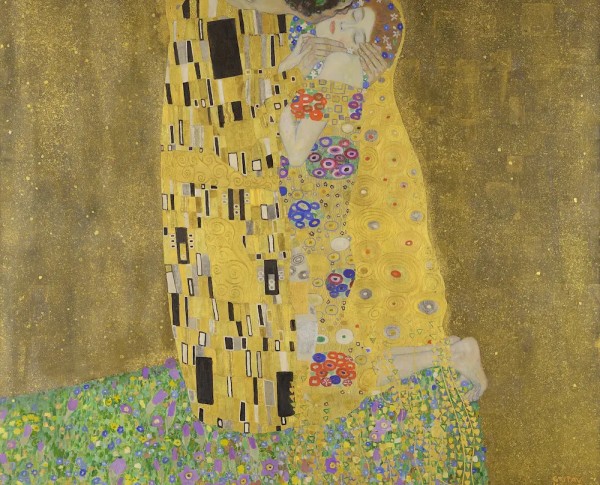
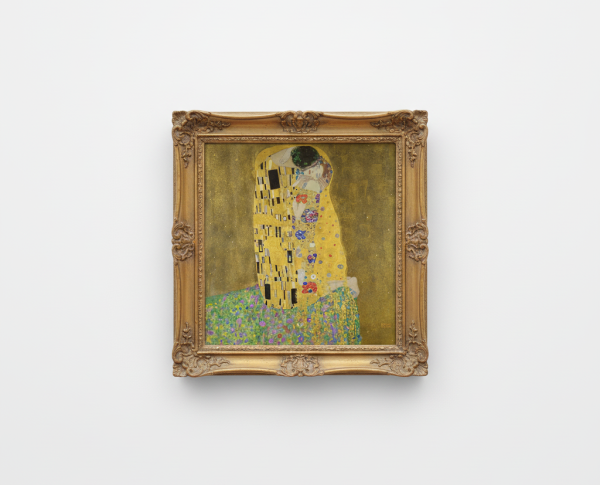
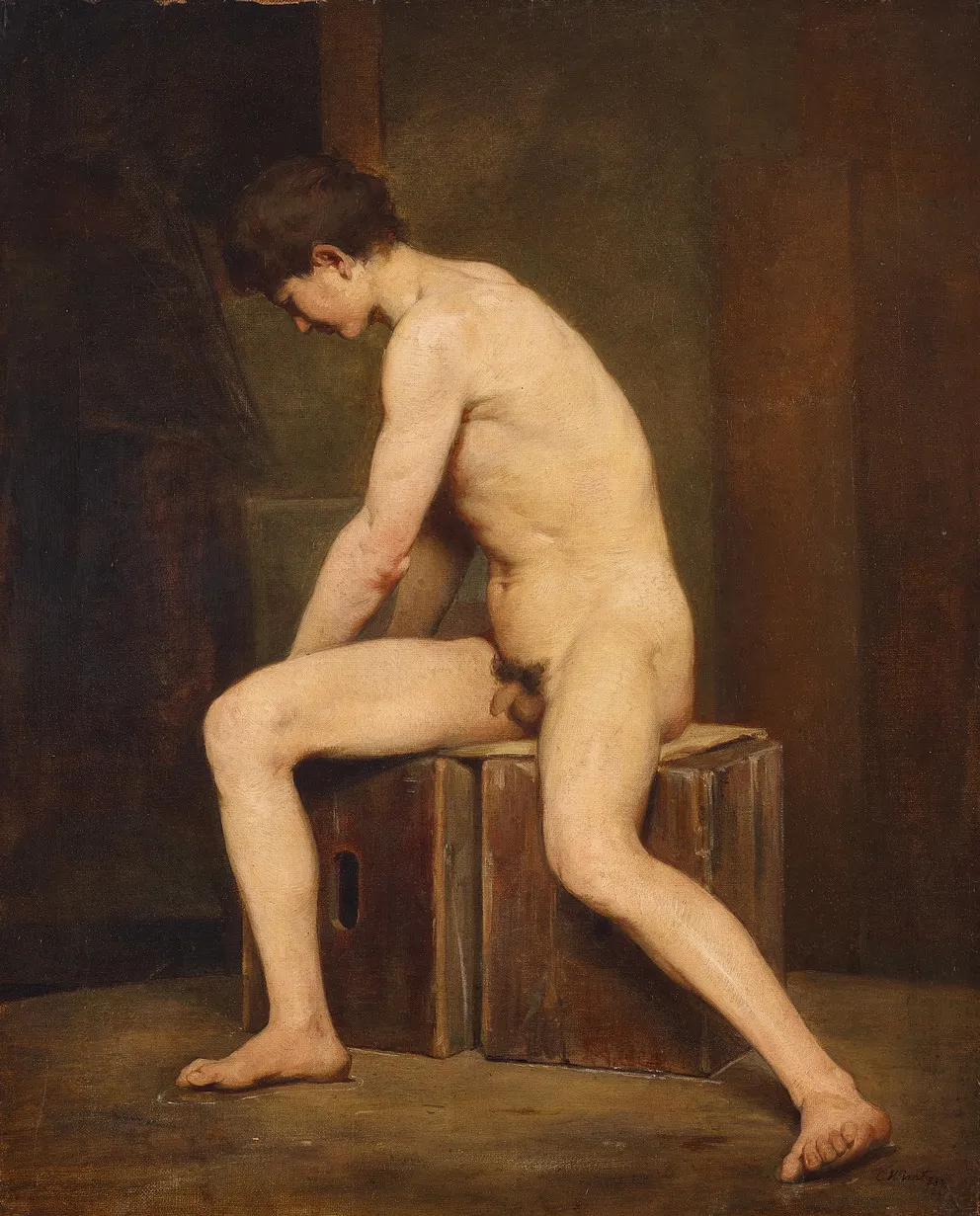
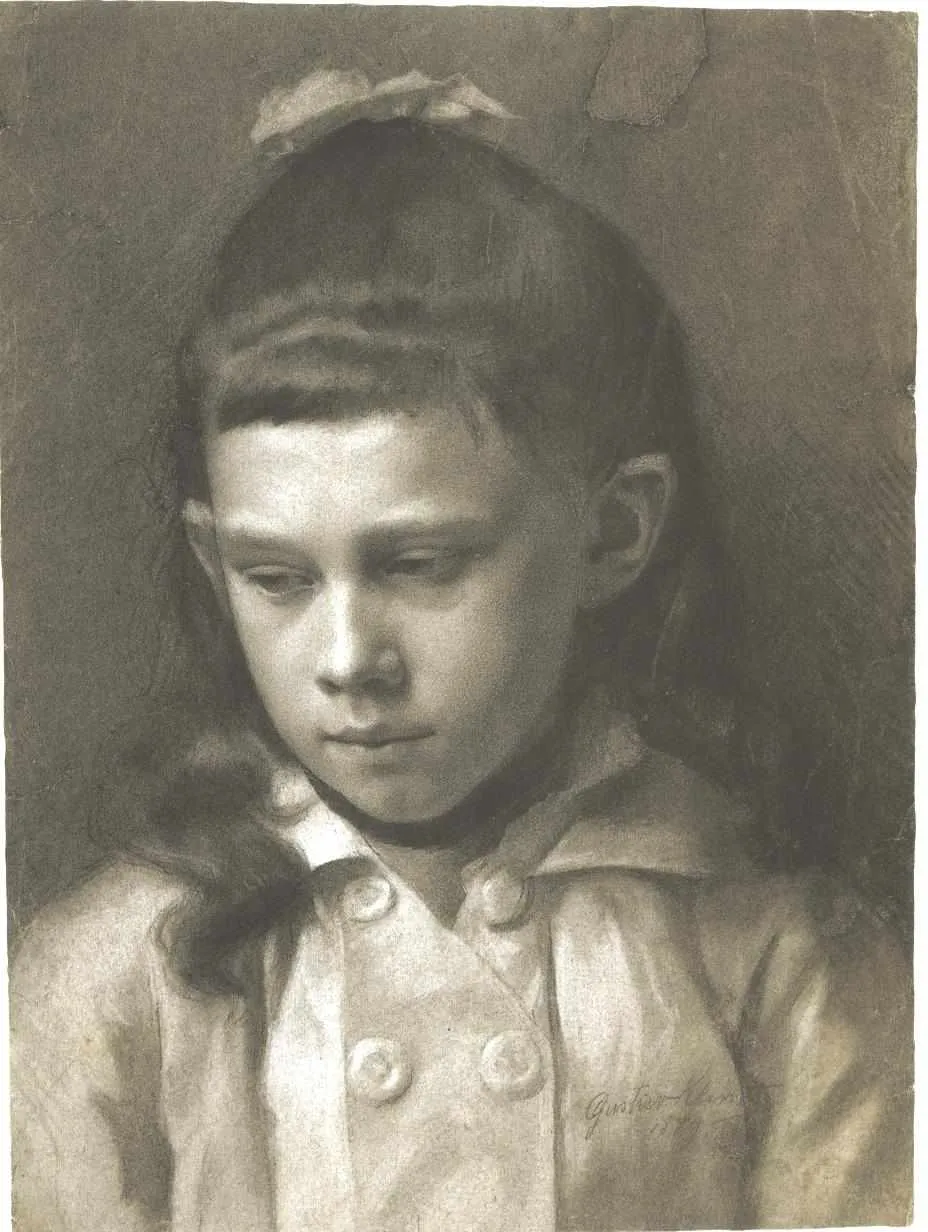
Gustav Klimt's "Sitting Nude Man Turned to the Left" showcases his remarkable skill in rendering the human form through oil on canvas. The Vienna Secession movement is renowned for encouraging artists like Klimt to experiment with texture and composition. This painting, along with related works like "Portrait of a Girl" and "Head Slightly Turned Left," highlights the artist’s commitment to fine detail and expressive brushwork that define his enduring legacy.
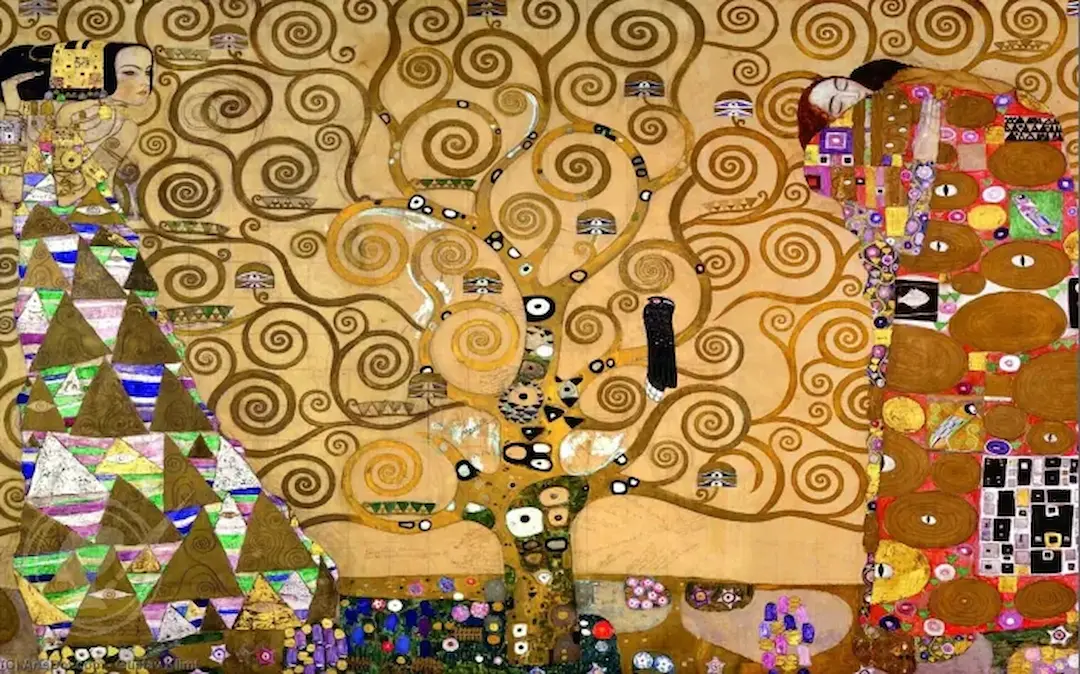
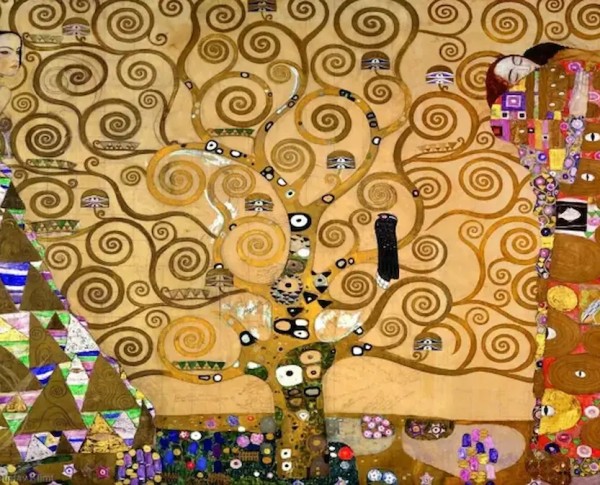
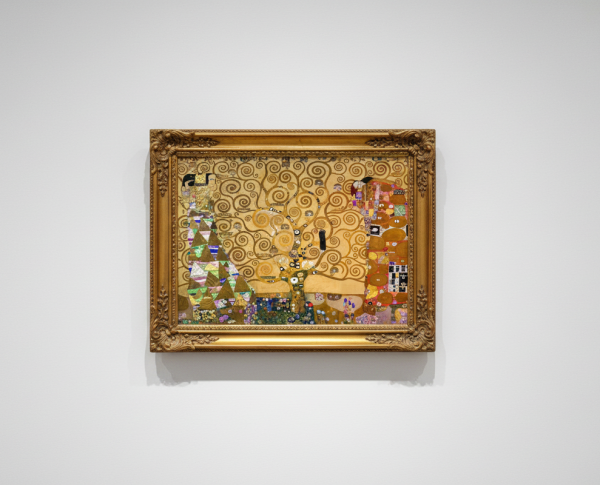
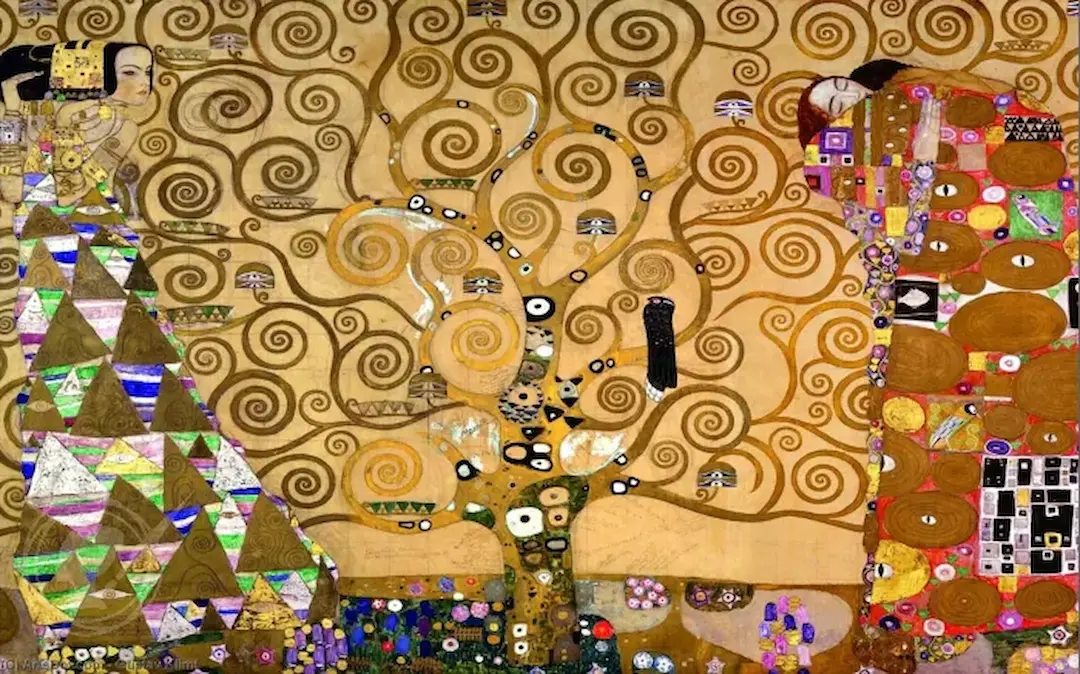
Within "Sitting Nude Man Turned to the Left," Gustav Klimt weaves subtle narratives and iconography emblematic of the Vienna Secession. The fine art painting for sale invites viewers to interpret the sitter’s pose and expression, evoking themes of vulnerability and contemplation. For those drawn to Klimt’s symbolic storytelling, pieces like "Portrait of a man with beard in three quarter profile" and "The Tree of Life" offer equally rich visual experiences.
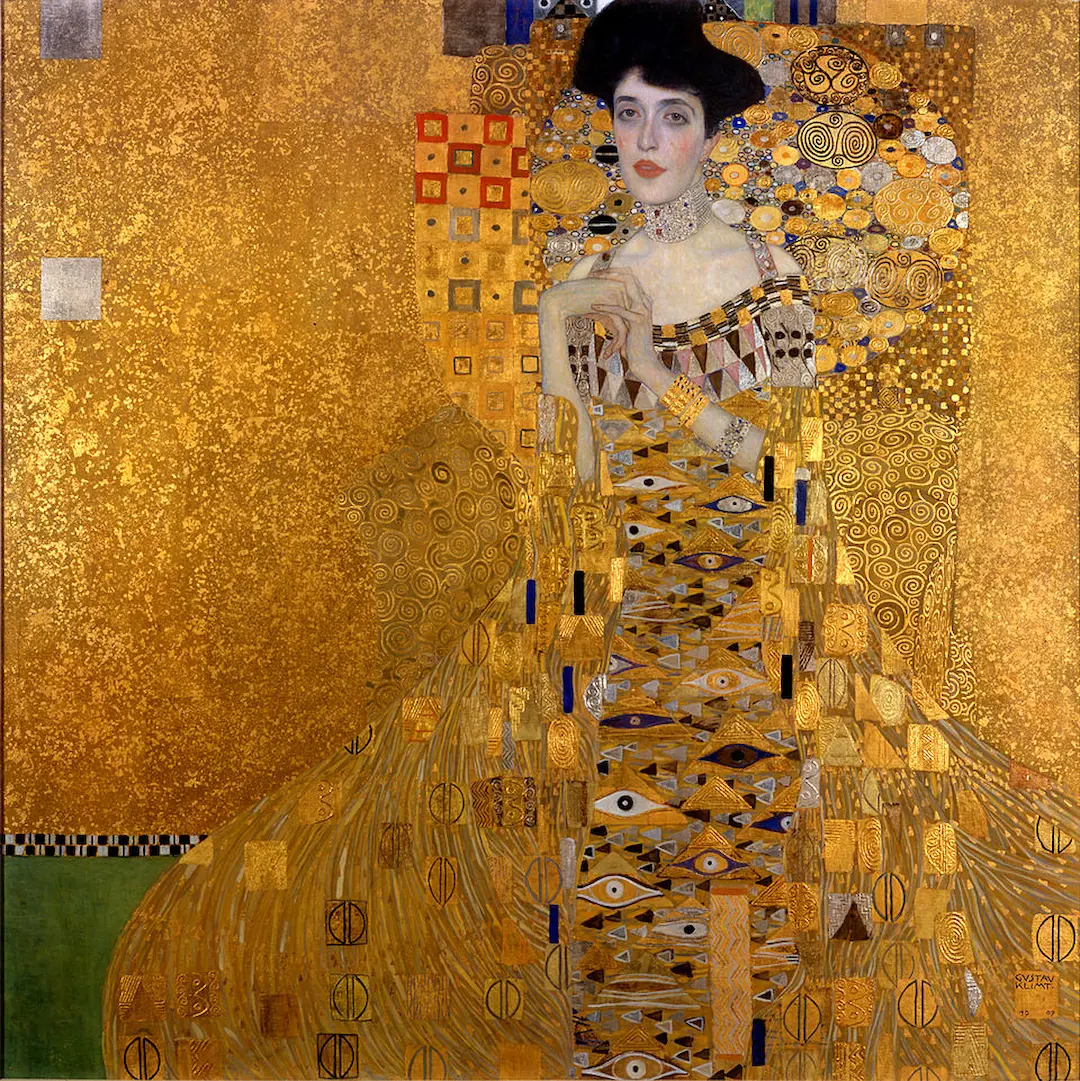
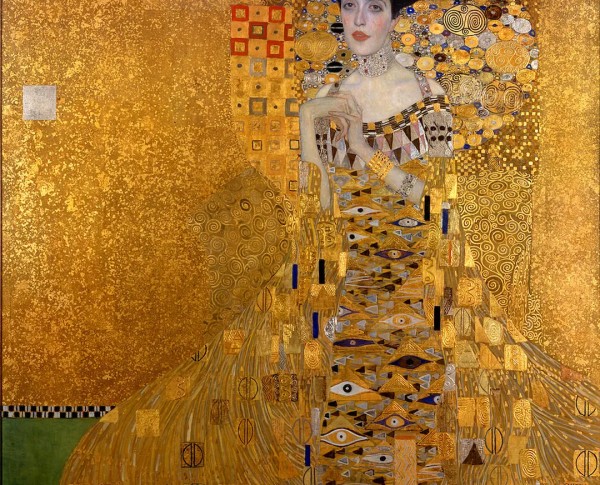
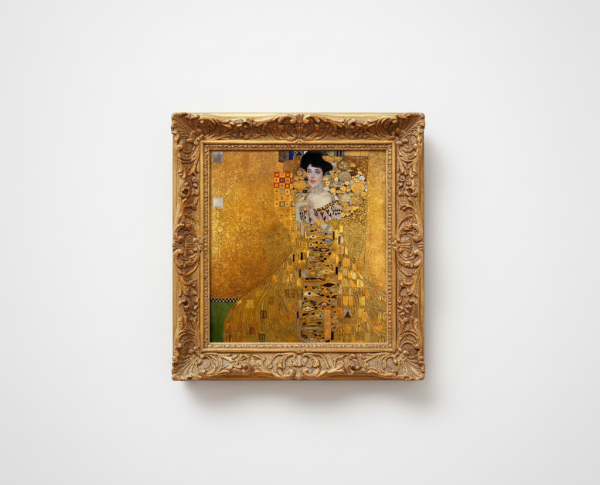
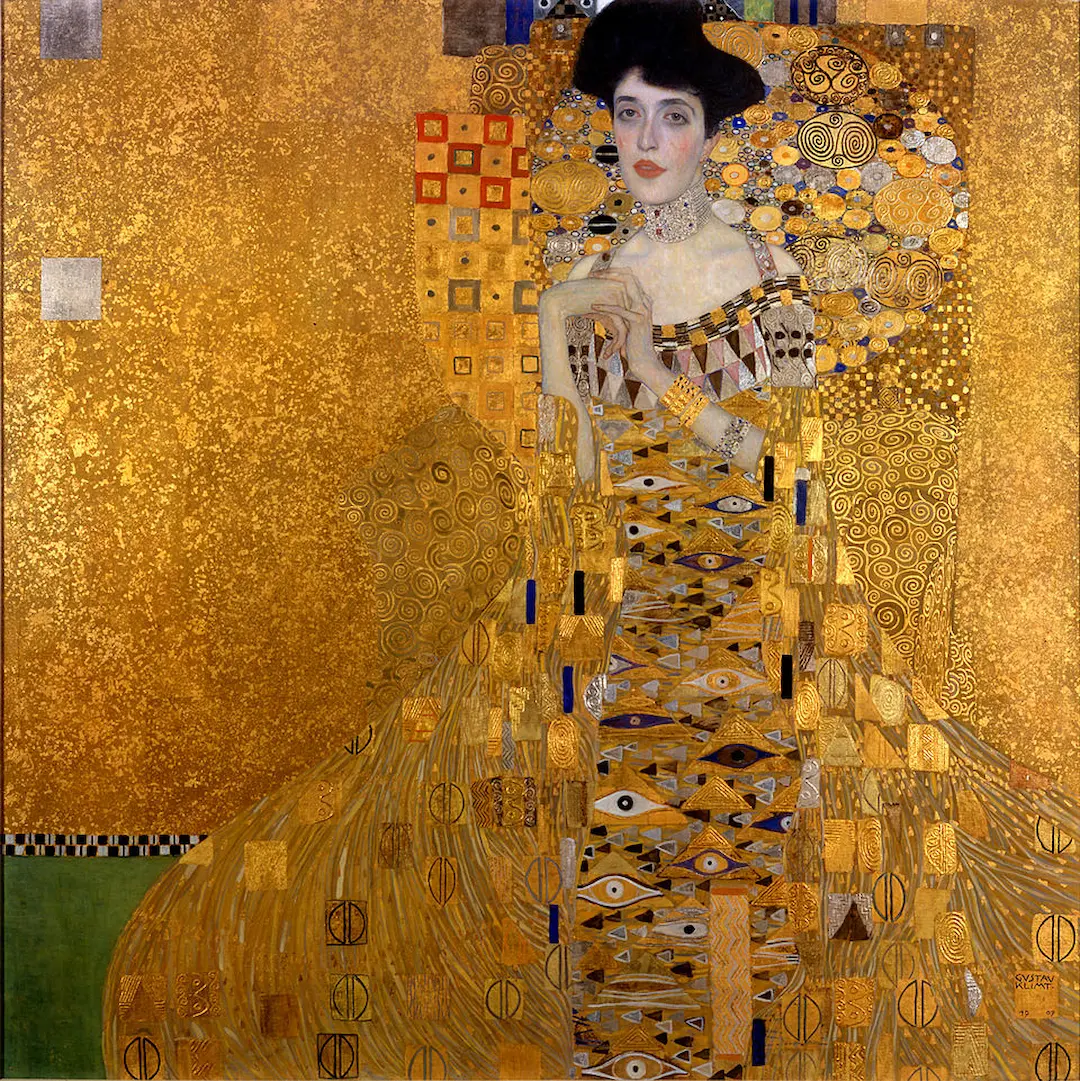
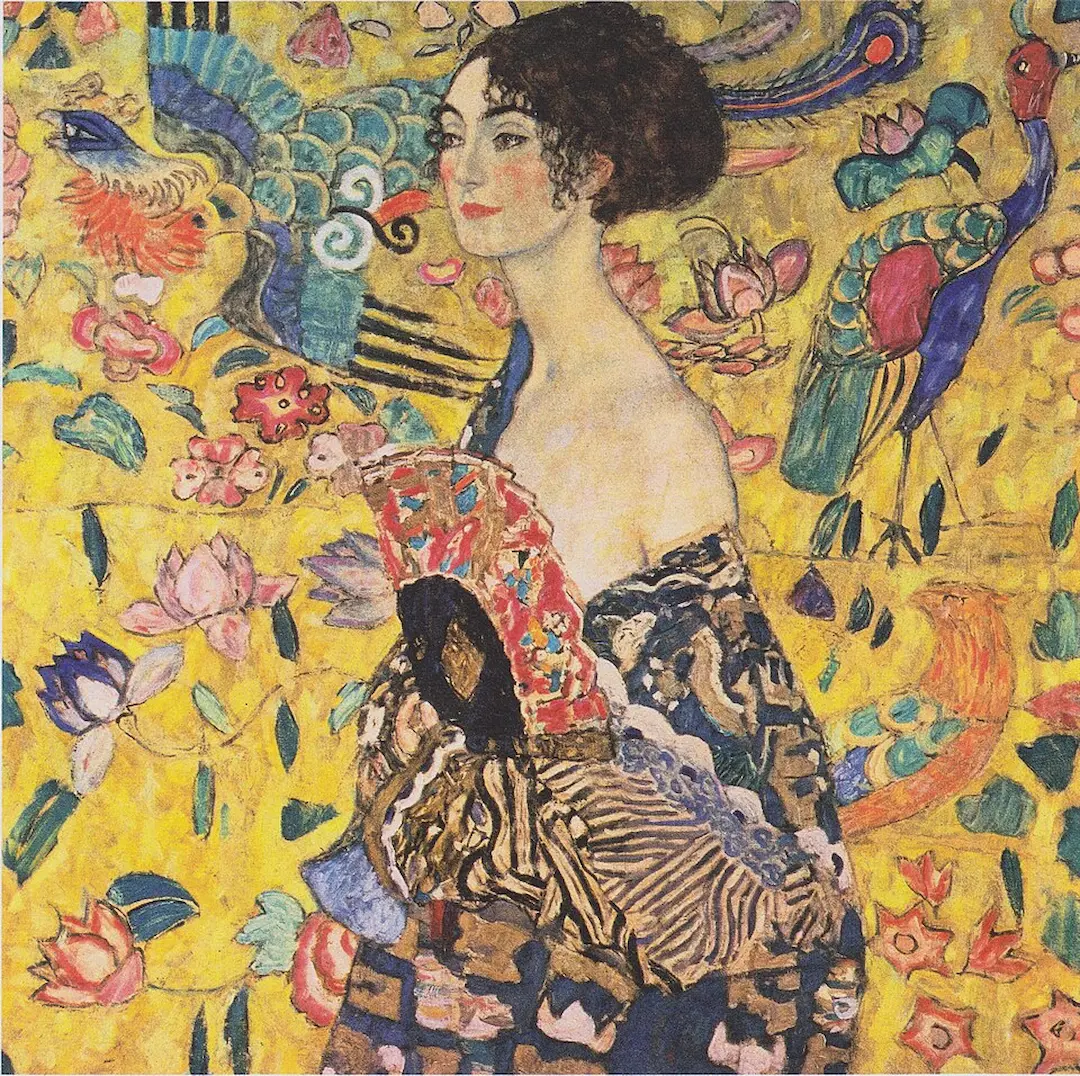
Owning "Sitting Nude Man Turned to the Left" by Gustav Klimt means possessing a unique hand-painted oil painting that embodies the Vienna Secession’s avant-garde ideals. Art enthusiasts seeking fine art painting for sale often explore related products, such as "Klara Klimt" and "Portrait Of Adele Bloch Bauer I," to curate a collection that reflects Klimt’s innovative approach and the movement’s lasting impact on modern art.
When Art Meets History
"Sitting Nude Man Turned to the Left" by Gustav Klimt stands as a testament to the transformative Vienna Secession movement. Created during a period of artistic innovation, this hand-painted oil painting reflects the shifting cultural landscape of early 20th-century Vienna. Klimt, renowned for challenging traditional norms, infused his work with expressive forms and daring compositions. This piece, like other notable works from the era, captures both the spirit of its time and the artist’s unique vision.
Techniques That Speak
Gustav Klimt’s mastery is evident in the detailed brushwork and subtle use of color in "Sitting Nude Man Turned to the Left." Executed as an oil on canvas, the painting showcases Klimt’s ability to render the human form with both realism and abstraction. This approach, characteristic of the Vienna Secession movement, allowed Klimt to explore new artistic techniques while pushing the boundaries of traditional portraiture. The work’s surface texture and depth highlight his innovative spirit.
Emotions on Display
In "Sitting Nude Man Turned to the Left," Gustav Klimt invites viewers to contemplate vulnerability and introspection through the sitter’s posture and expression. The Vienna Secession movement often emphasized emotional depth, and this fine art painting for sale is no exception. Klimt’s sensitive portrayal draws the audience into the subject’s inner world, evoking empathy and curiosity. Like many of his contemporaries, Klimt skillfully balances physical presence with psychological complexity in this evocative piece.
Coveted by Collectors
Gustav Klimt’s "Sitting Nude Man Turned to the Left" remains a sought-after treasure among art enthusiasts and collectors worldwide. As a significant example of Vienna Secession art, this hand-painted oil painting exemplifies the innovation and allure that define Klimt’s legacy. Its rarity and historical context enhance its desirability, with collectors eager to own a piece of art history. Owning such a work connects individuals to the broader narrative of early modern European art.
Frequently Asked Questions About Sitting Nude Man Turned to the Left
What is the historical context of "Sitting Nude Man Turned to the Left"?
This painting was created during the late 19th and early 20th centuries, a period marked by significant changes in artistic expression and societal norms. Klimt was a prominent figure in the Vienna Secession movement, which sought to break away from traditional artistic conventions.
What artistic techniques did Gustav Klimt employ in this painting?
Klimt is known for his distinctive use of color, pattern, and texture. In "Sitting Nude Man Turned to the Left," he employs a combination of naturalistic representation and decorative elements, creating a harmonious balance between realism and abstraction.
How does this painting reflect Klimt's overall artistic style?
What is the significance of the pose of the figure in the painting?
The pose of the nude man, turned to the left, conveys a sense of introspection and vulnerability. This positioning invites viewers to engage with the figure on a personal level, emphasizing themes of identity and self-exploration.
What symbolism can be found in "Sitting Nude Man Turned to the Left"?
The nude male figure can symbolize both physical beauty and the exploration of masculinity. Klimt's portrayal challenges traditional notions of masculinity, presenting the male body as a subject of aesthetic appreciation and emotional depth.
How does this painting compare to Klimt's other works?
What influences can be seen in Klimt's approach to the human figure?
Klimt was influenced by various art movements, including Symbolism and Art Nouveau. His approach to the human figure often incorporates elements of fantasy and dreamlike qualities, which can be observed in the fluidity and grace of the nude's form.
What role does color play in this painting?
Color in "Sitting Nude Man Turned to the Left" serves to enhance the emotional impact of the work. The warm tones of the skin contrast with cooler backgrounds, creating a dynamic interplay that draws the viewer's eye to the figure while evoking a sense of intimacy.
What can we learn about societal attitudes towards nudity from this painting?
This painting reflects the evolving attitudes towards nudity in art during Klimt's time. By presenting the male nude in a contemplative manner, Klimt challenges societal taboos and invites a dialogue about the human body as a subject worthy of artistic exploration.
How has "Sitting Nude Man Turned to the Left" been received by critics and audiences over time?
Since its creation, this painting has been both celebrated and scrutinized. Critics have praised Klimt's technical prowess and emotional depth, while some audiences have grappled with the themes of nudity and masculinity. Its reception reflects broader cultural shifts in the appreciation of art and the human form.























_GFM_Painting_(1).webp)


 100% Hand-Painted: Finished in 3-6 Weeks

.png)















_(1).webp)