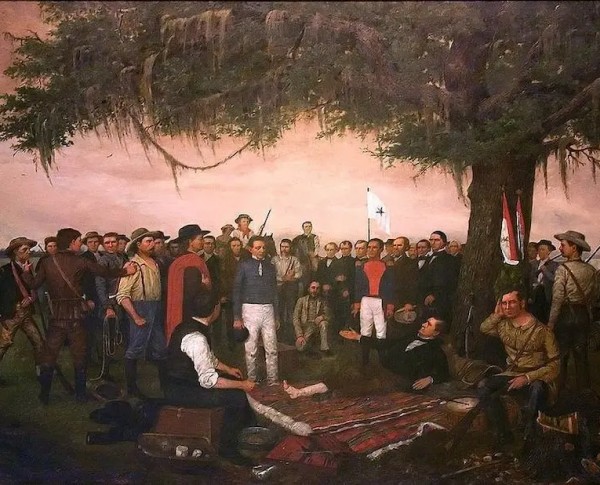
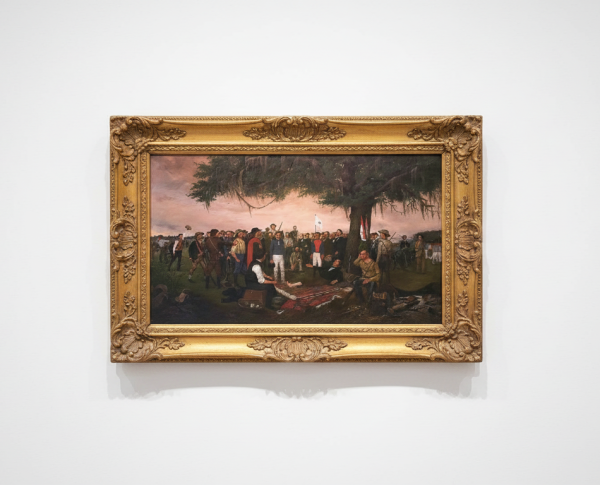
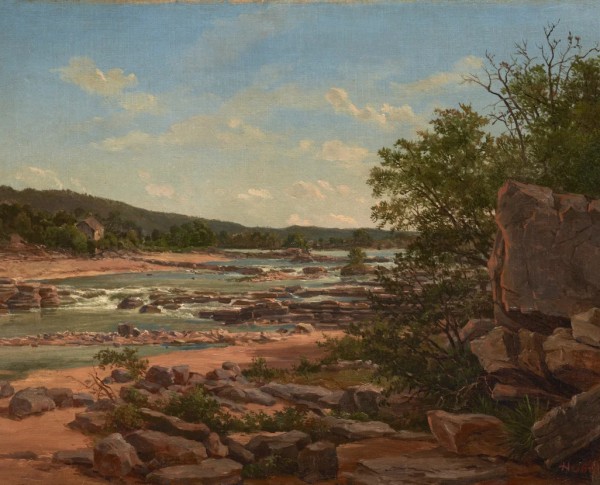
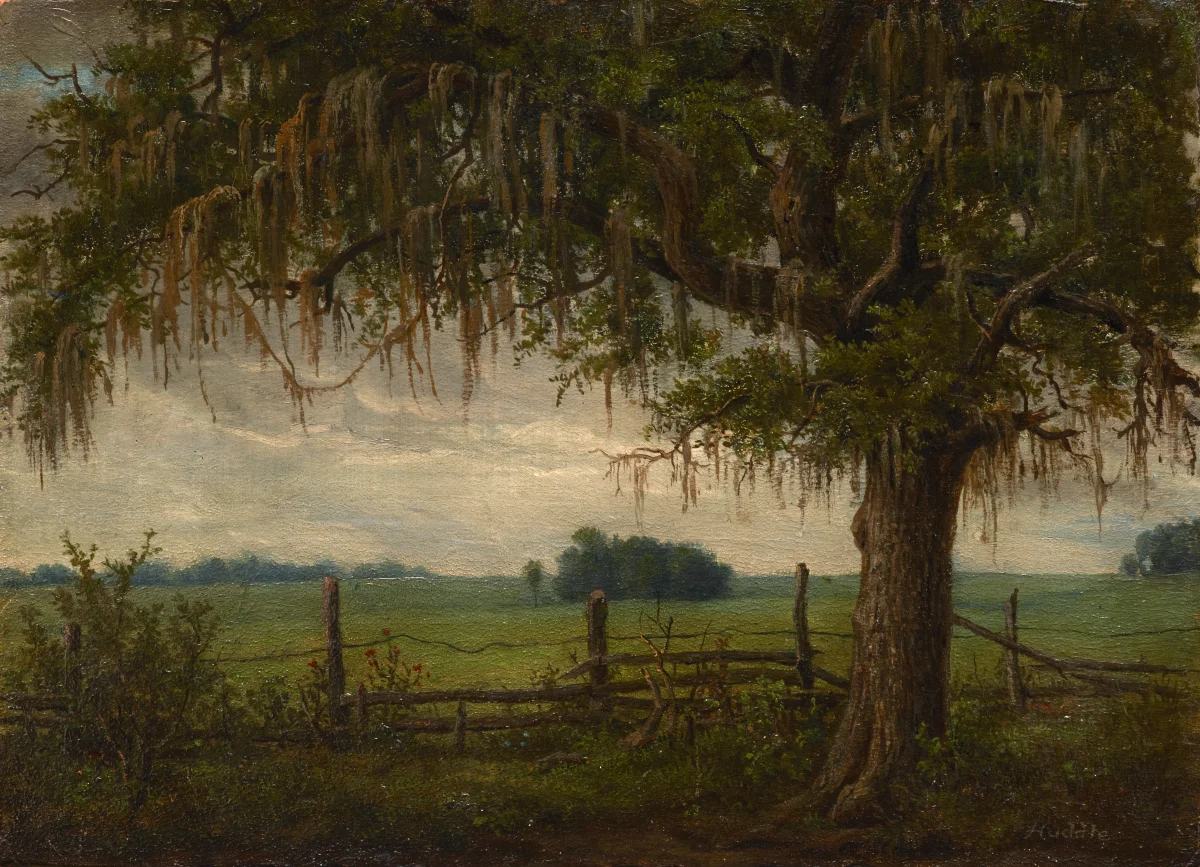
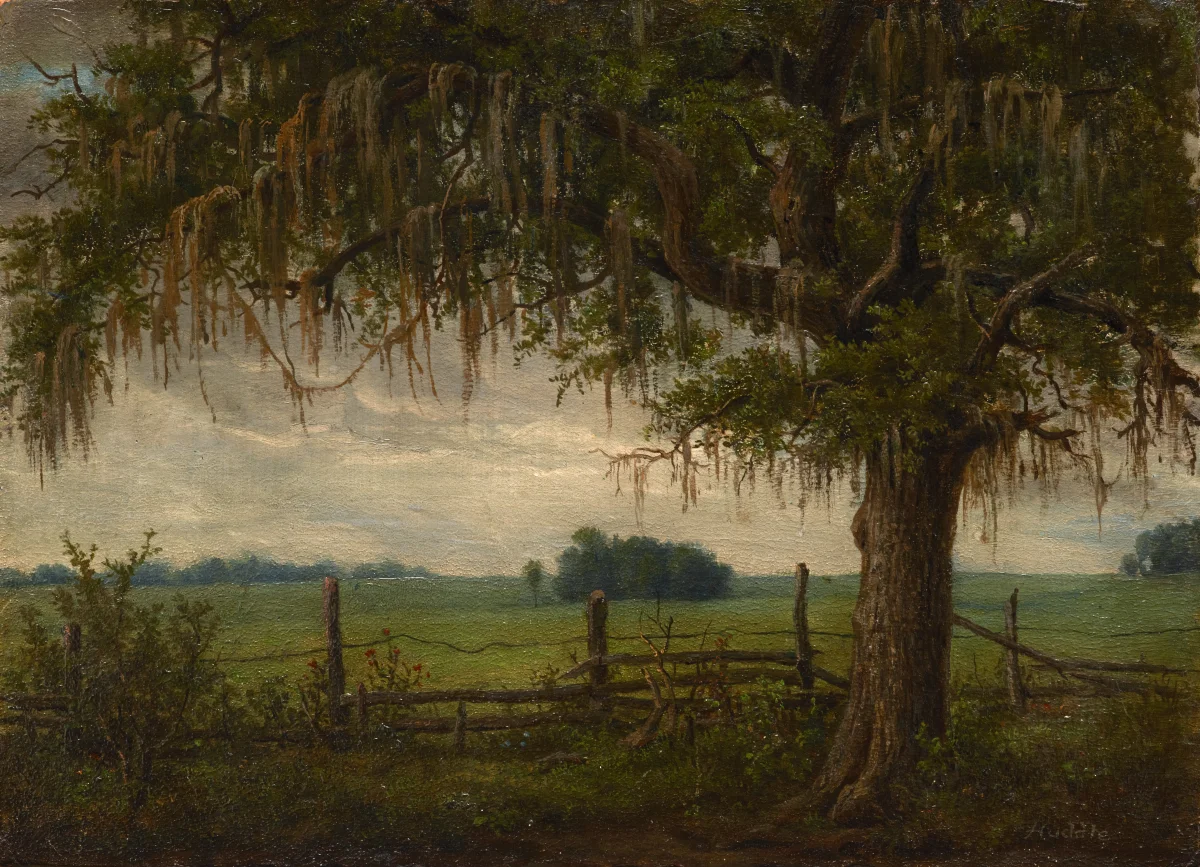
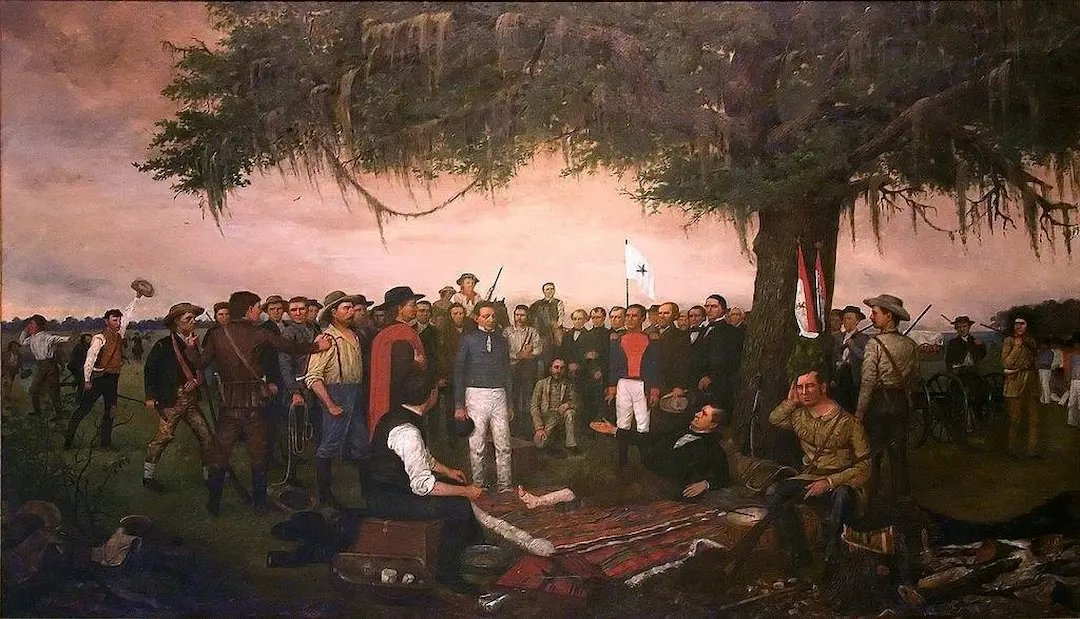
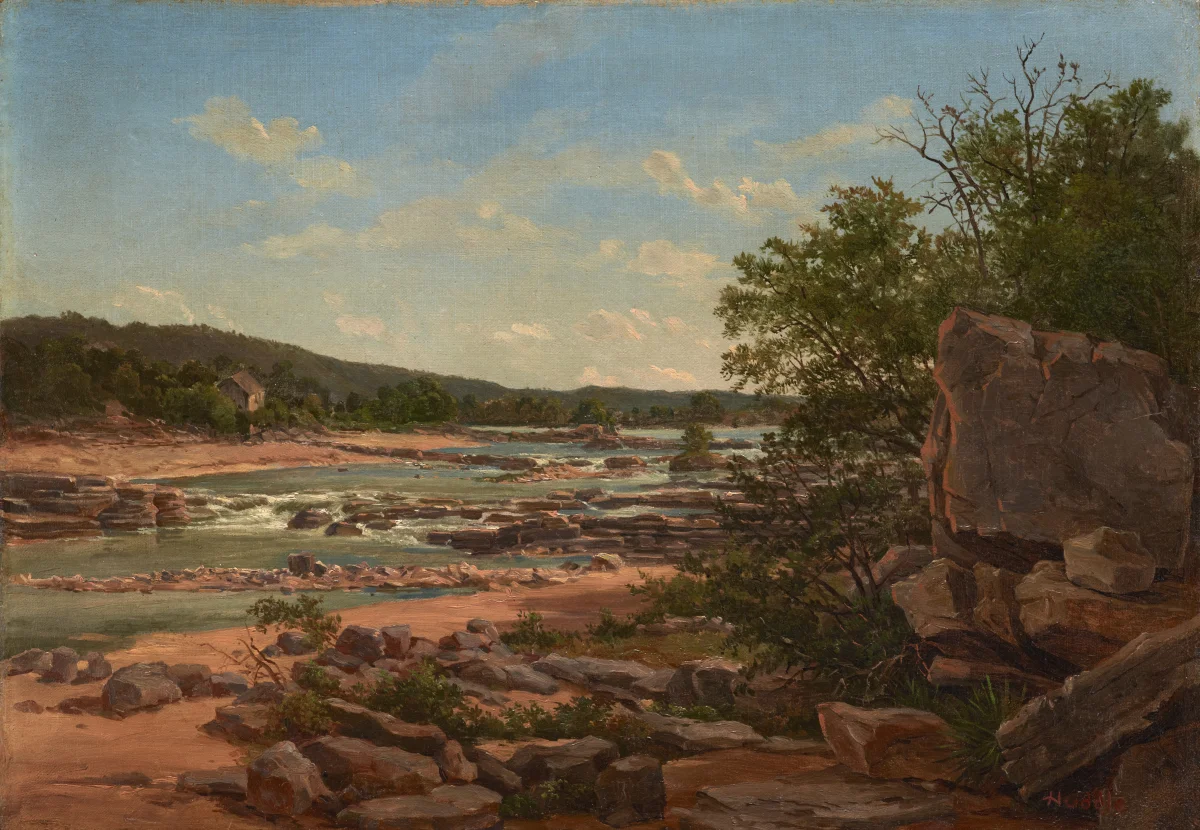
William Henry Huddle’s "Study for the 'Surrender of Santa Anna'" exemplifies his technical prowess and the traditions of Realism. The oil on canvas technique allows for intricate detail and lifelike textures, bringing the historic scene vividly to life. Collectors and admirers of the movement can appreciate Huddle’s meticulous approach, which is also evident in his other works such as "Marble Falls" and "Surrender At Santa Anna."
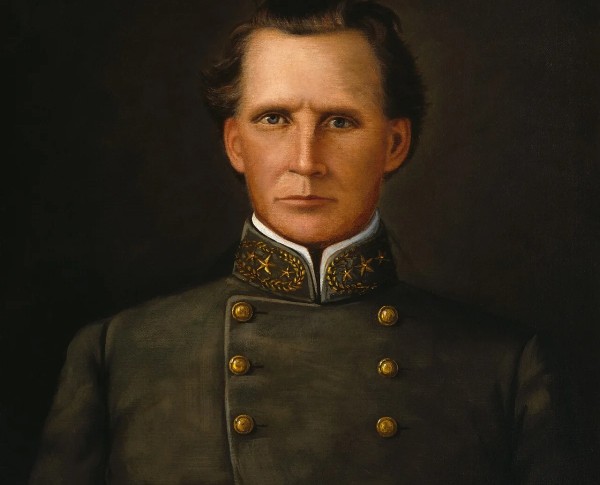
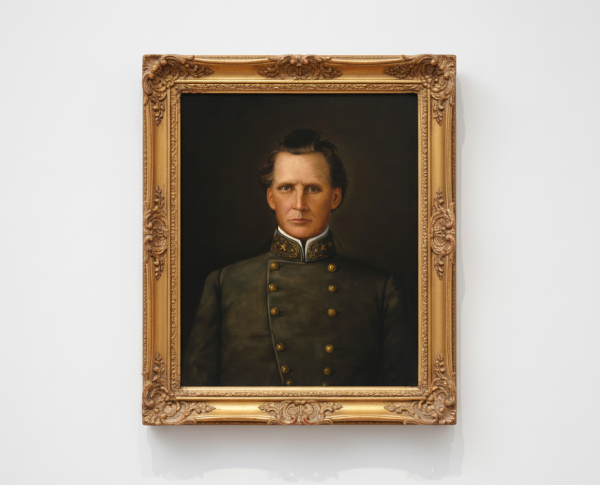
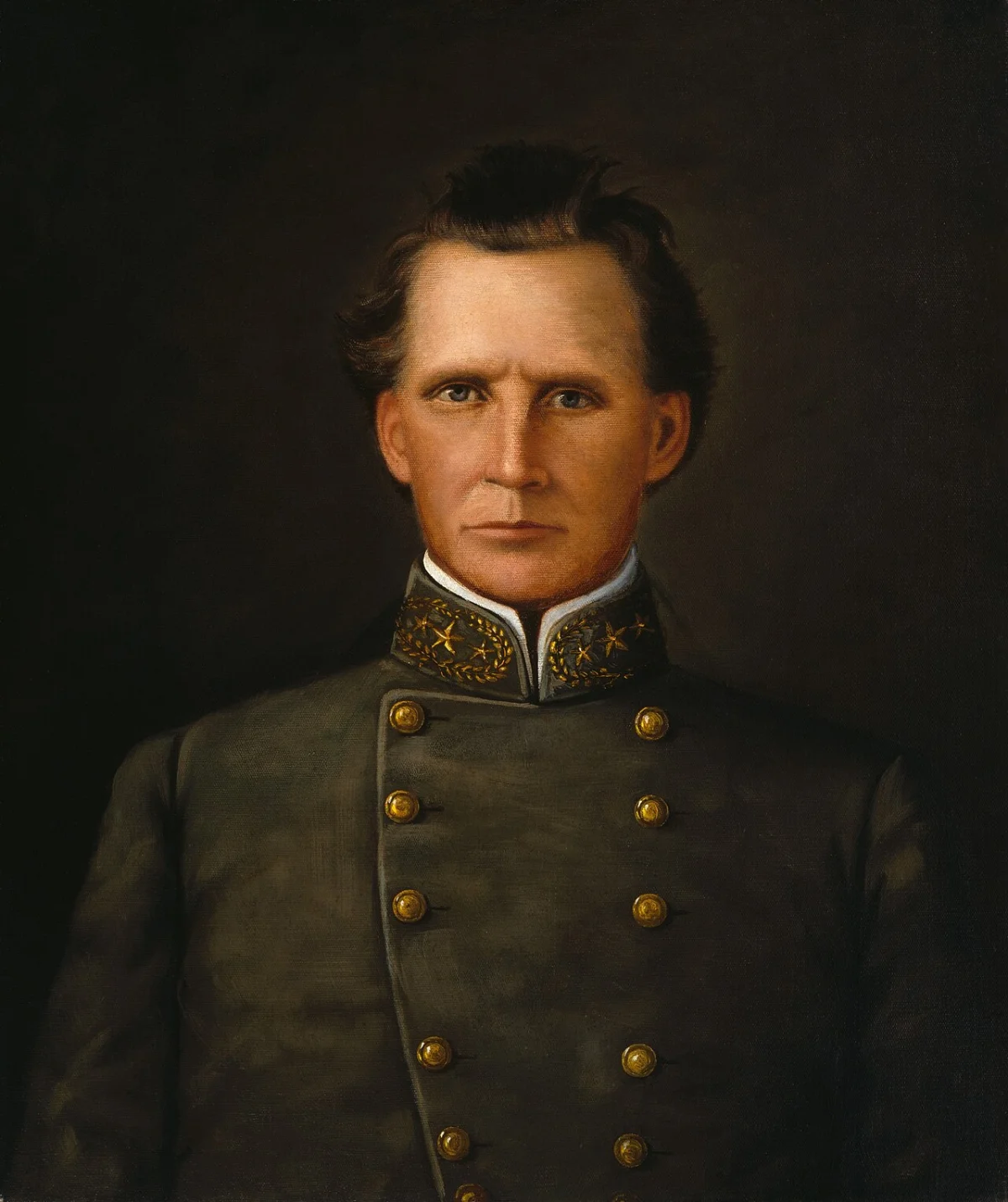
This fine art painting for sale not only depicts a historical event but also weaves together stories of courage and diplomacy. Huddle’s "Study for the 'Surrender of Santa Anna'" uses symbolism and composition to highlight the significance of the moment. As with his "Portrait of Brigadier General Joseph Lewis Hogg," each figure and gesture in the painting adds layers of meaning, resonating with collectors of Realism pieces.
For art collectors, "Study for the 'Surrender of Santa Anna'" by William Henry Huddle is a prized addition to any gallery. As a hand-painted oil painting from the Realism movement, it promises lasting value and historical depth. Those interested in expanding their collection might also consider related works like "Marble Falls" and "Surrender At Santa Anna," which showcase Huddle’s enduring influence in American art.
When Art Meets History
William Henry Huddle's "Study for the 'Surrender of Santa Anna'" stands as a remarkable testament to the Realism movement, skillfully blending historical narrative with artistic mastery. This hand-painted oil painting captures a pivotal moment in Texan history, inviting viewers to witness the drama firsthand. Like related works such as "A Dash for the Timber" and "Lady Godiva," Huddle's art preserves significant events, making his pieces highly sought after by enthusiasts of historical fine art.
Techniques That Speak
Utilizing the classic technique of oil on canvas, Huddle brings the "Surrender of Santa Anna" to life with meticulous attention to detail and authentic representation. The Realism movement's influence is evident in his brushwork, echoing the technical precision seen in masterpieces like "The Angelus, 1857-59" and "Le Printemps." Through careful composition and natural color palettes, Huddle’s technique ensures each figure and landscape element resonates with historical authenticity.
Emotions on Display
In "Study for the 'Surrender of Santa Anna,'" William Henry Huddle channels raw emotion through expressive faces and body language, a hallmark of the Realism movement. This fine art painting for sale immerses viewers in the tension and solemnity of surrender, much like the emotional depth found in "Morning in the Pine-tree Forest." Huddle’s ability to convey empathy and resolve allows collectors and art lovers to connect deeply with the historical narrative depicted.
Coveted by Collectors
Collectors prize "Study for the 'Surrender of Santa Anna'" not only for its historical significance but also for its exquisite craftsmanship as a hand-painted oil painting. William Henry Huddle's signature style, influenced by the Realism movement, places this work alongside related masterpieces such as "Le Printemps" and "Lady Godiva." The painting’s authenticity and storytelling make it a standout piece, ensuring it remains highly valued in the world of fine art painting for sale.
Related Realism Hand-Painted Oil Paintings by Other Artists
Other Famous Realism Artists:
Frequently Asked Questions About "Study for the Surrender of Santa Anna"
What historical event does "Study for the Surrender of Santa Anna" depict?
This painting captures the moment of the surrender of General Santa Anna during the Mexican-American War, specifically at the Battle of San Jacinto in 1836, which was a pivotal event in American history.
Who was William Henry Huddle and what is his significance in American art?
William Henry Huddle was an American painter known for his historical and genre scenes. He played a significant role in the 19th-century American art movement, particularly in depicting important historical events through his works.
What artistic techniques did Huddle employ in this painting?
Huddle utilized a combination of dramatic lighting, detailed figures, and a dynamic composition to convey the tension and emotion of the surrender scene, showcasing his skill in narrative painting.
What is the significance of the composition in "Study for the Surrender of Santa Anna"?
The composition is designed to draw the viewer's eye towards the central figures of Santa Anna and his captors, emphasizing the themes of defeat and power dynamics inherent in the historical moment.
How does Huddle convey emotion in the painting?
Huddle conveys emotion through the expressions and postures of the figures, particularly Santa Anna's defeated stance, which evokes a sense of vulnerability and loss, enhancing the dramatic impact of the scene.
What symbols are present in the painting and what do they represent?
Key symbols include the American flag, representing victory and nationalism, and Santa Anna's military attire, which signifies his role as a leader and the weight of his defeat, highlighting the conflict between the two nations.
In what ways does this painting reflect the artistic trends of its time?
The painting reflects the Romanticism movement prevalent in the 19th century, characterized by an emphasis on emotion, individualism, and the glorification of historical events, aligning with the era's fascination with national identity.
What role does color play in "Study for the Surrender of Santa Anna"?
Color is used strategically to enhance the mood of the painting; warm tones evoke a sense of urgency and drama, while cooler tones in the background provide contrast and depth, guiding the viewer’s focus to the central action.
How does this painting contribute to our understanding of American history?
This painting serves as a visual narrative that encapsulates a critical moment in American history, illustrating the complexities of the Mexican-American War and the cultural memory surrounding it, thus enriching our historical understanding.
Where can I view "Study for the Surrender of Santa Anna"?
This painting is part of the permanent collection at our gallery, where visitors can appreciate its historical significance and artistic merit in person.






















_GFM_Painting_(1).webp)


 100% Hand-Painted: Finished in 3-6 Weeks

.png)















_(1).webp)