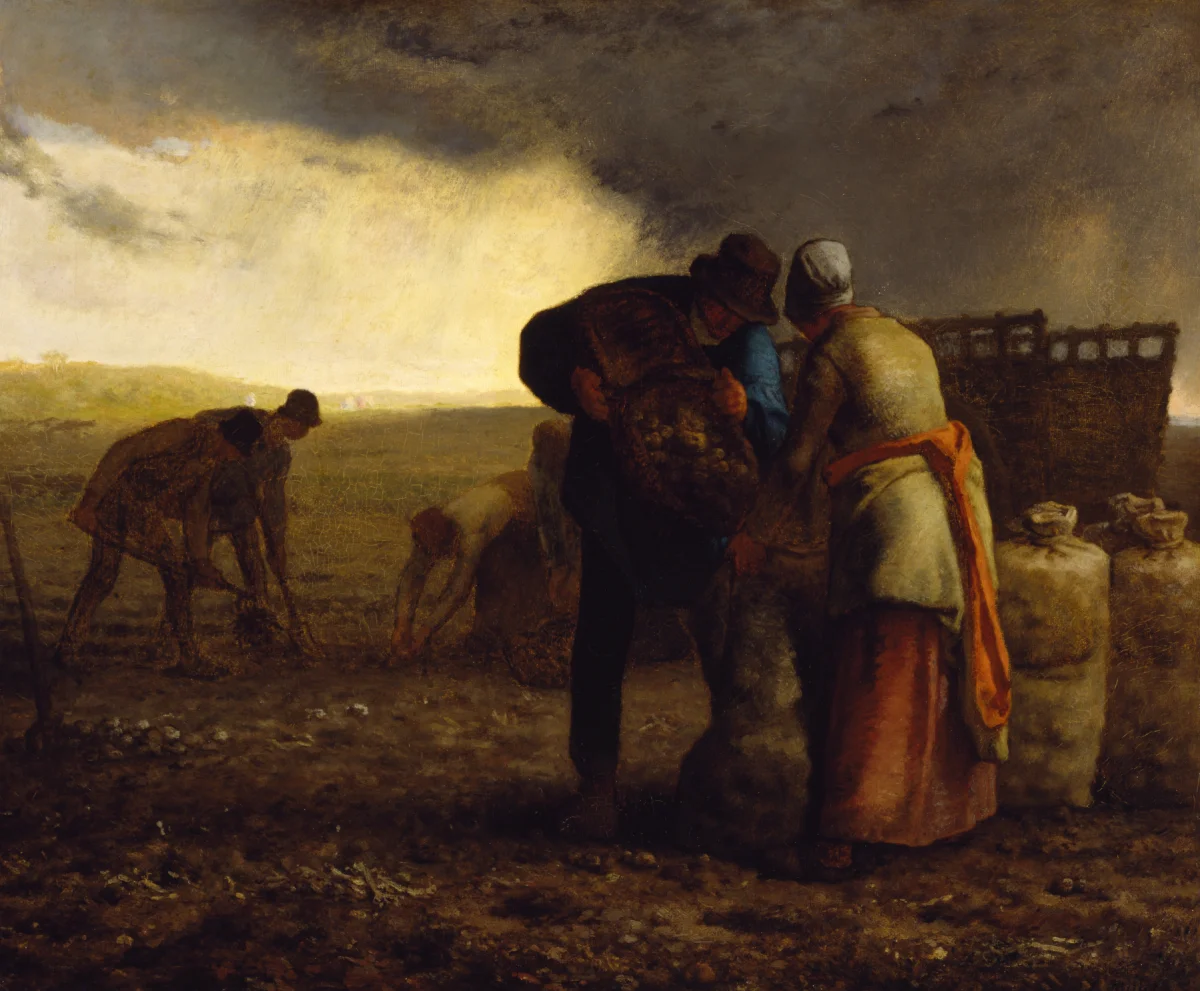
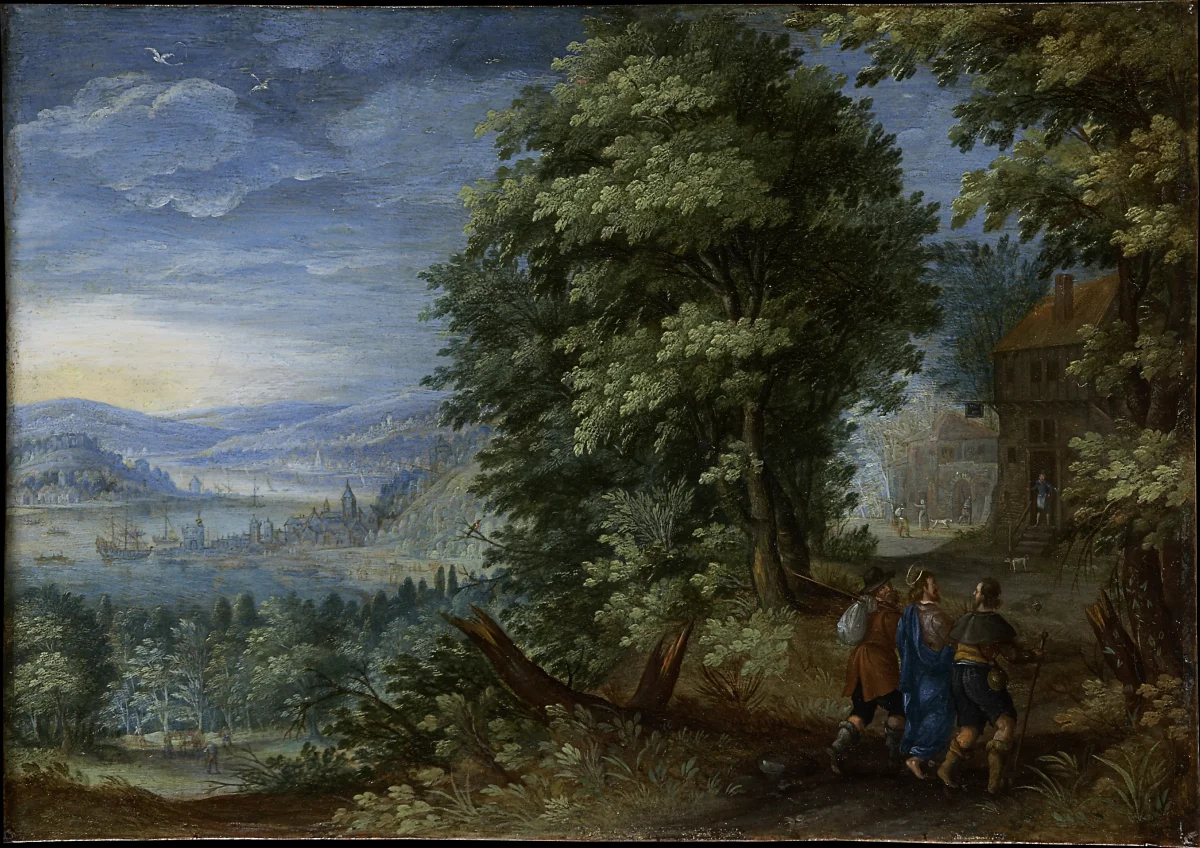
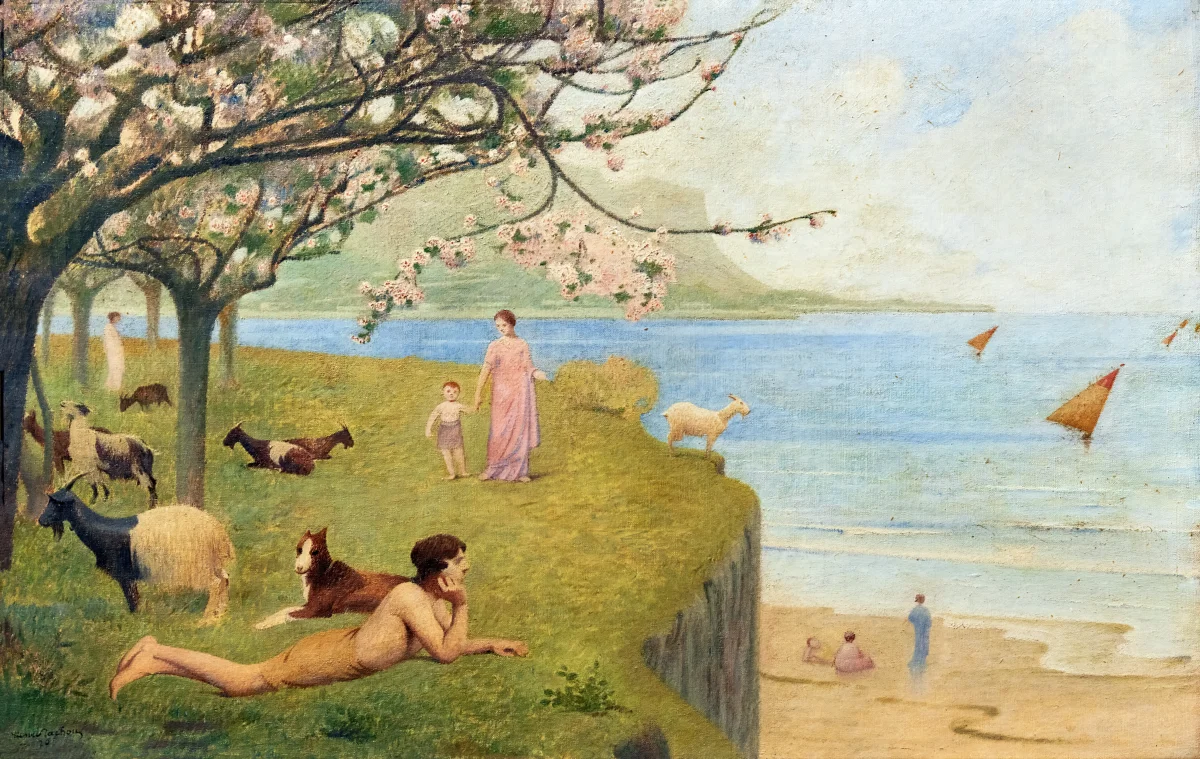
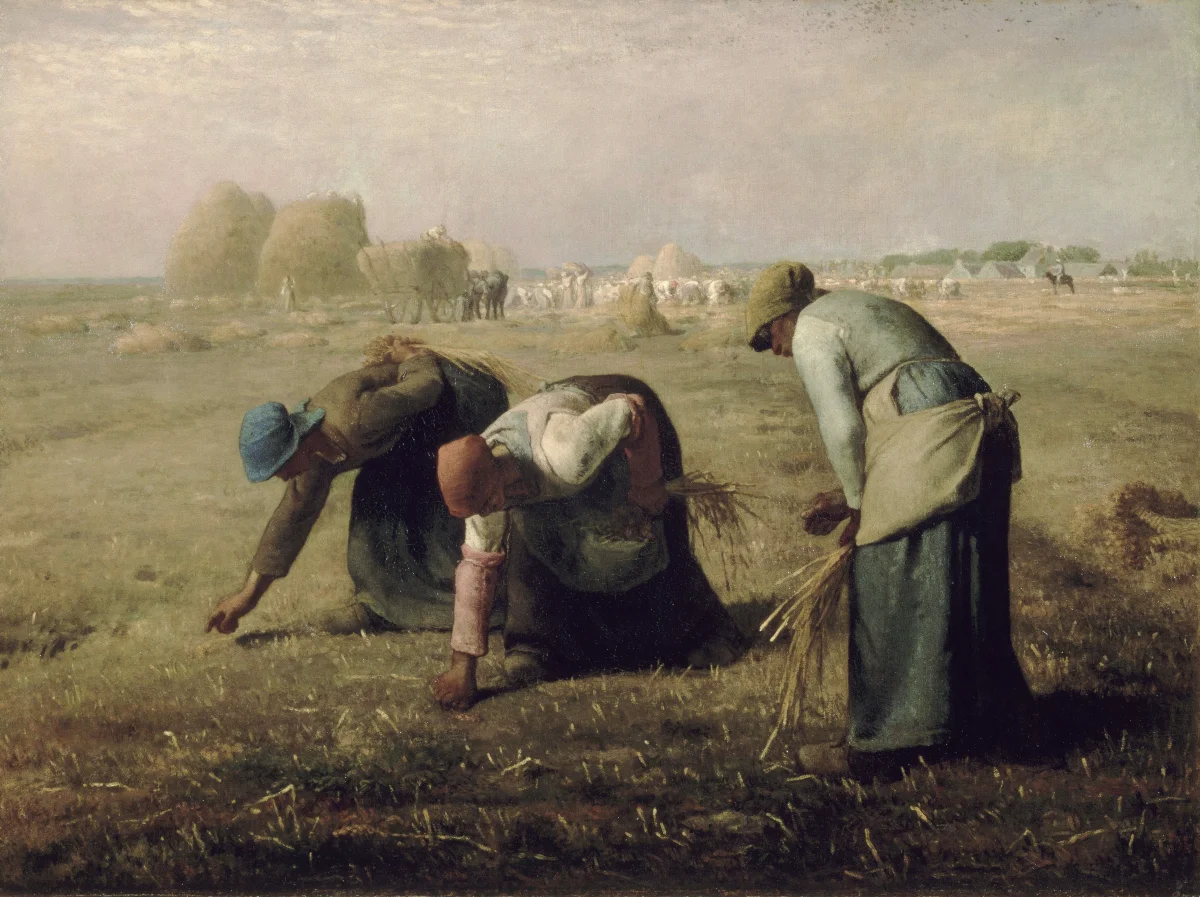
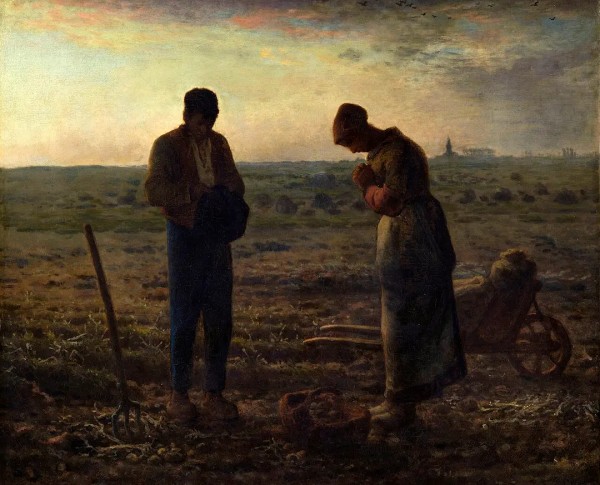
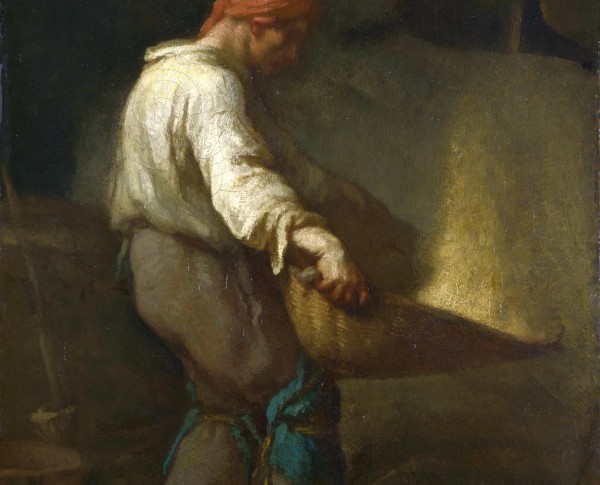
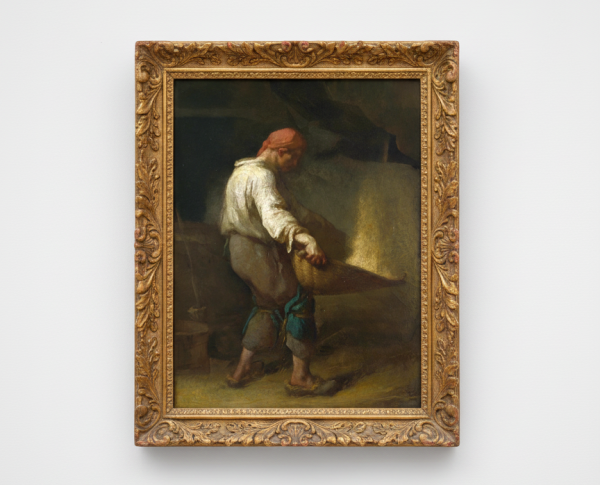
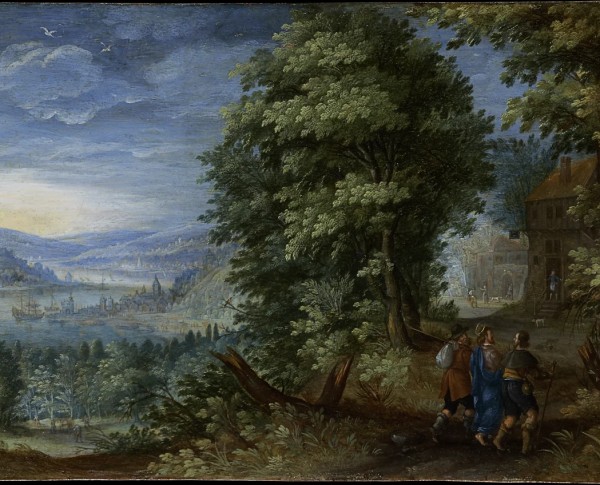
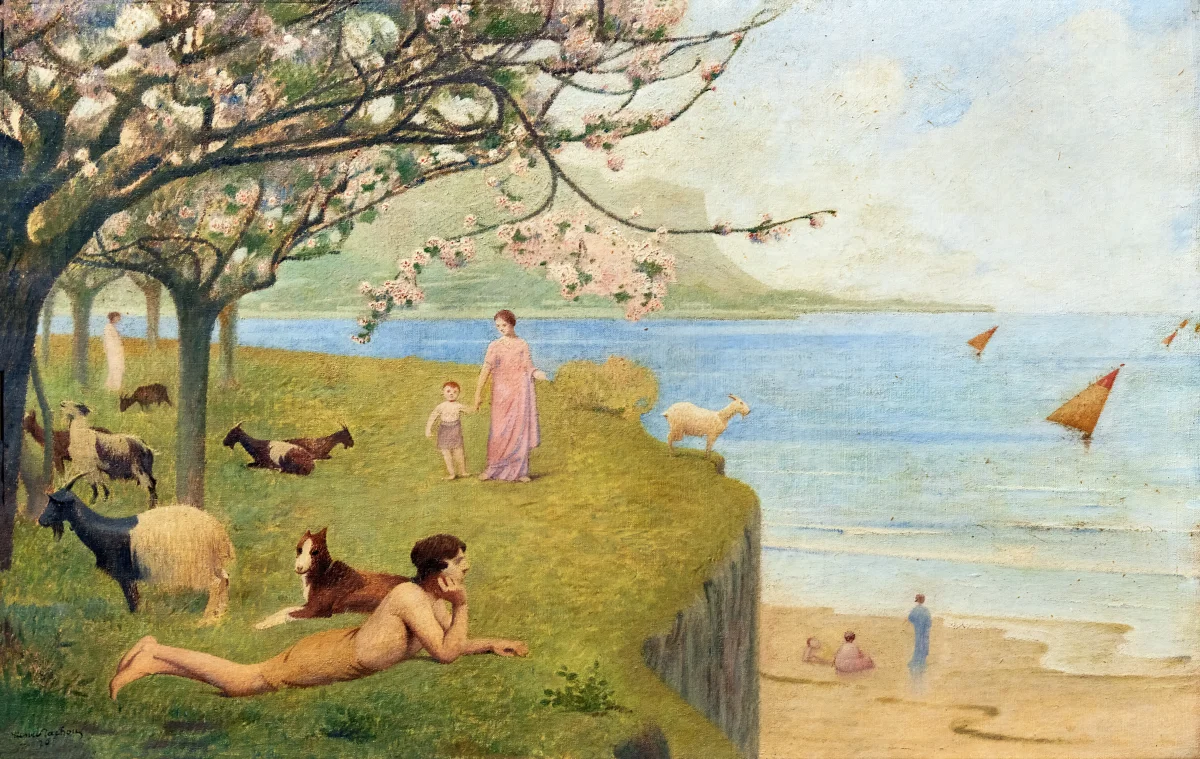
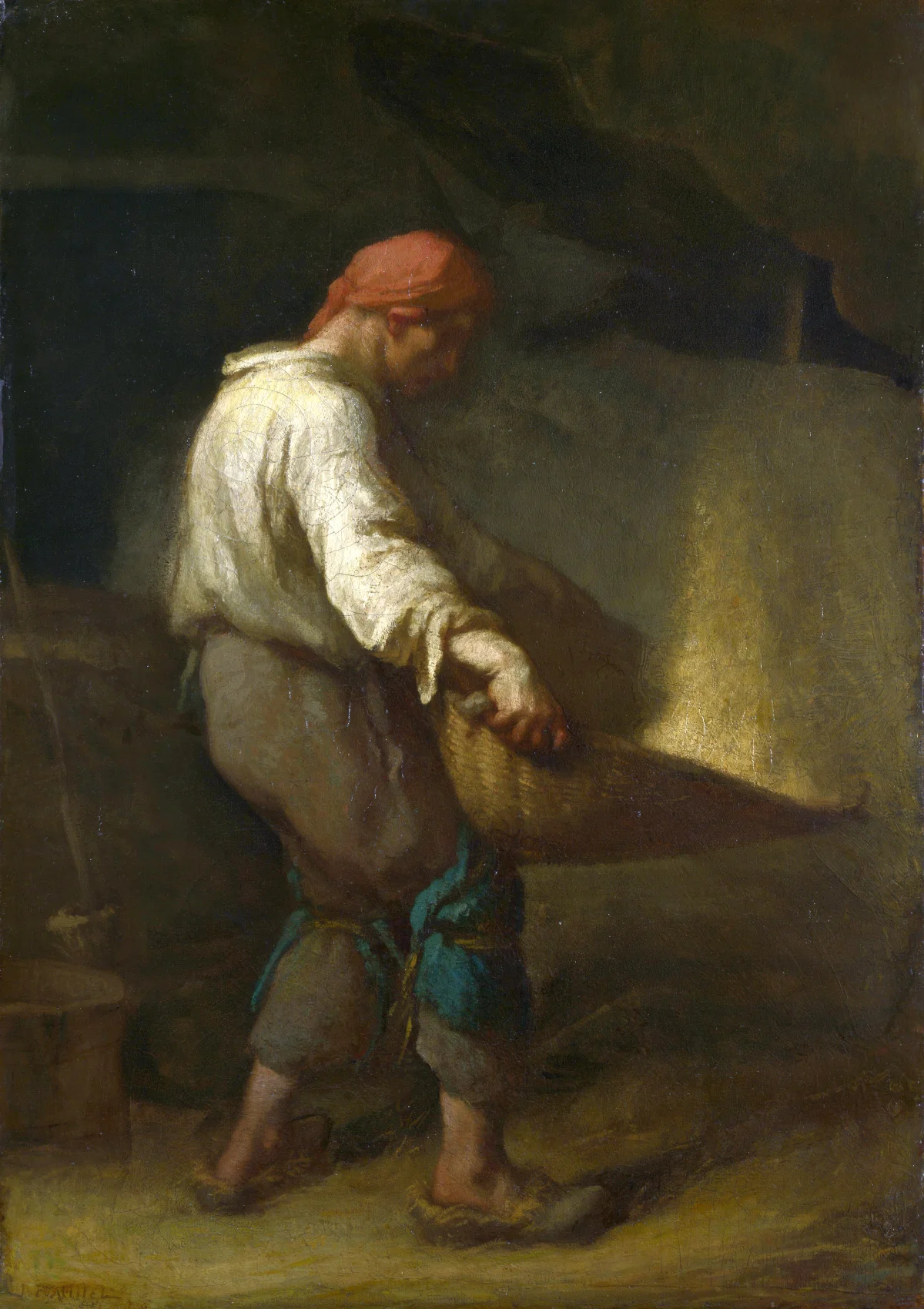
Millet’s expertise shines in "Le Printemps," where his oil on canvas technique brings lush fields and gentle skies to life. With every brushstroke, he conveys the delicate balance between humanity and nature, a hallmark of Realism. The painting’s atmospheric detail rivals that of "The Angelus, 1857-59" and "The Winnower," showcasing why Millet remains revered among collectors seeking authentic oil on canvas masterpieces from this influential era.
"Le Printemps" is more than a fine art painting for sale; it’s a visual narrative filled with symbolism. Millet weaves stories of renewal and hope into the landscape, drawing parallels to the seasonal cycles that shaped rural existence. Fans of Millet’s narrative style, as seen in "The Walk to Work," will appreciate how "Le Printemps" uses subtle imagery and composition to evoke the spirit of new beginnings central to the Realism movement.
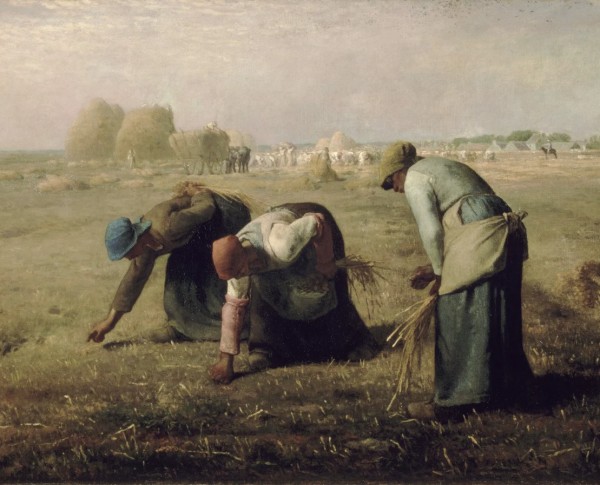
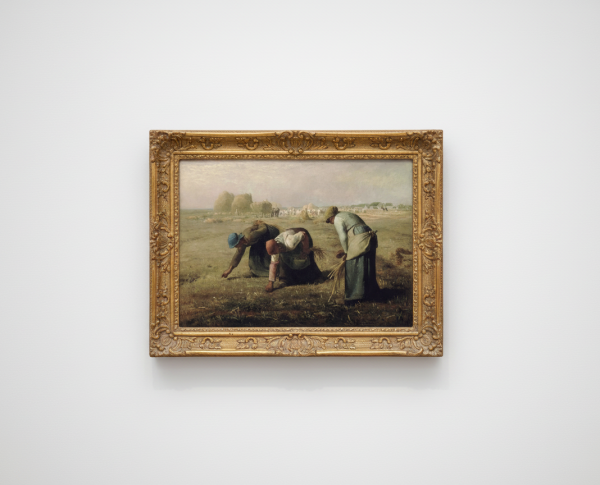
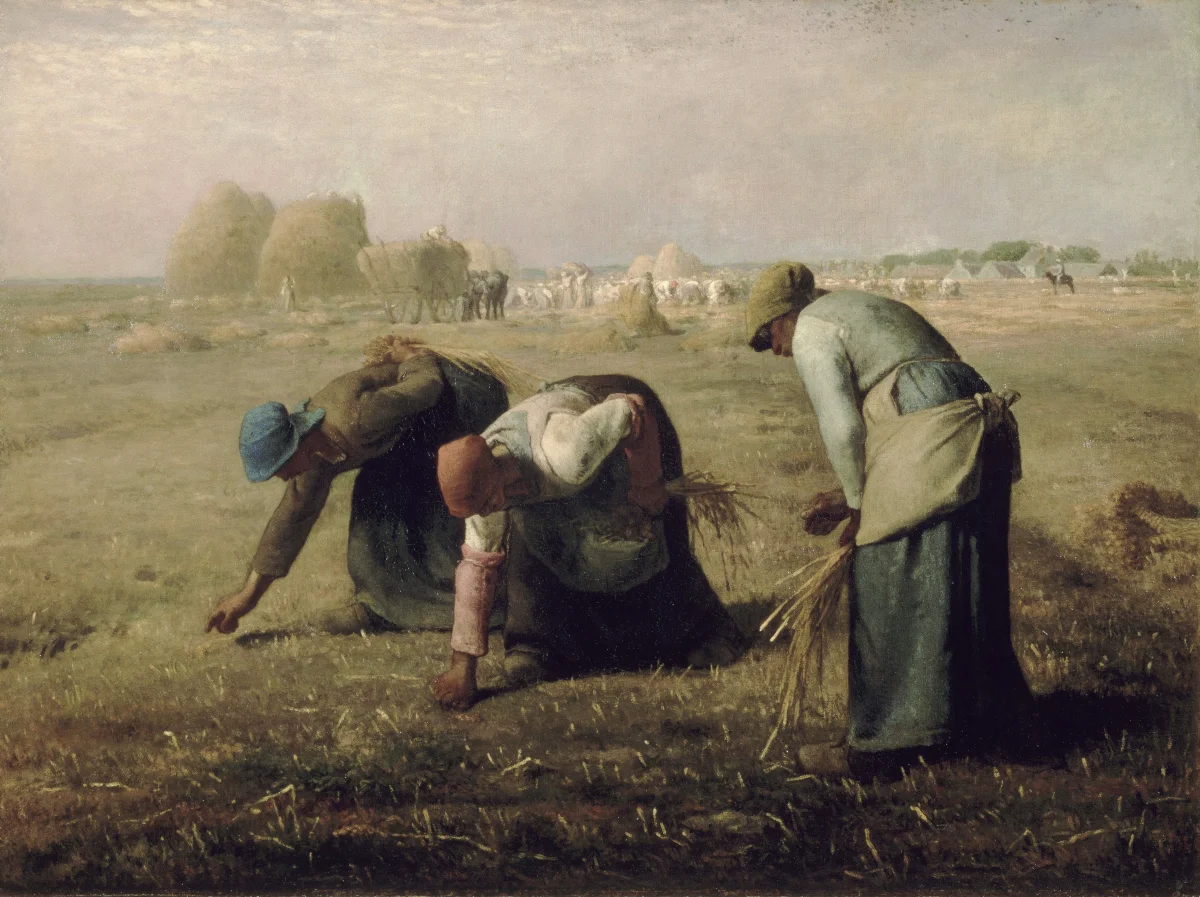
Owning "Le Printemps" connects collectors with a pivotal moment in art history, where Realism challenged the conventions of its time. This hand-painted oil painting, alongside related works like "The Gleaners" and "The Winnower," makes for an exquisite addition to any fine art collection. Jean-Francois Millet’s legacy endures, making his paintings sought-after treasures for those who value the authentic beauty and historical significance of Realism.
When Art Meets History
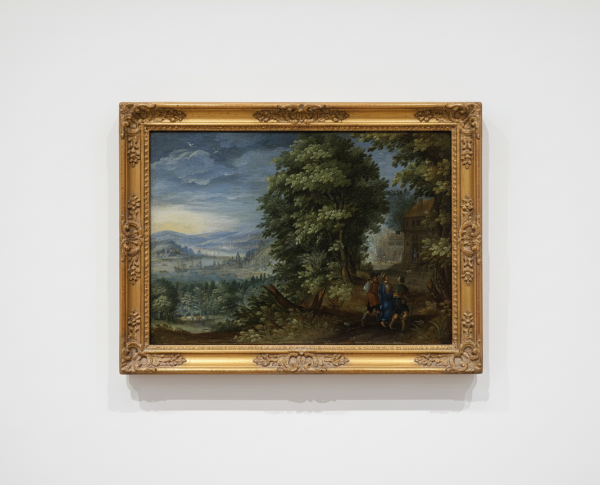
"Le Printemps" by Jean-Francois Millet stands as a remarkable example of the Realism movement, capturing the essence of rural life in nineteenth-century France. Millet, renowned for his dedication to portraying everyday scenes, delivers a hand-painted oil painting that reflects the historical significance of agrarian labor. This masterpiece shares its legacy with other celebrated works like "Lady Godiva" and "Las Meninas," highlighting the artist's commitment to authentic representation and the enduring appeal of Realist art.
Techniques That Speak
Jean-Francois Millet’s mastery shines through in "Le Printemps," utilizing oil on canvas to create lifelike textures and subtle gradations of light. His brushwork and attention to atmospheric effects echo the techniques seen in "Morning in the Pine-tree Forest" and "Breezing Up (or A Fair Wind)." Millet’s approach in this fine art painting for sale demonstrates how Realism artists bridged the gap between artistic vision and truthful depiction, inviting viewers to engage with the everyday beauty of nature.
Emotions on Display
The emotional resonance of "Le Printemps" lies in Millet’s sensitive portrayal of rural subjects, a hallmark of the Realism movement. This hand-painted oil painting evokes a sense of renewal and hope, much like his other works and related paintings such as "A Dash for the Timber." Through expressive gestures and naturalistic settings, Millet’s art connects viewers to the quiet dignity of his subjects, making "Le Printemps" a timeless celebration of human perseverance and the cycles of nature.
Coveted by Collectors
"Le Printemps" by Jean-Francois Millet remains a highly sought-after oil on canvas among collectors of nineteenth-century art. Its historical context and masterful execution make it a fine art painting for sale that appeals to those who appreciate the Realism movement. Alongside masterpieces like "Lady Godiva" and "Las Meninas," Millet’s work continues to command attention in galleries and private collections, symbolizing the enduring allure of authentic, emotionally charged art.
Related Realism Hand-Painted Oil Paintings by Other Artists
Other Famous Realism Artists:
Frequently Asked Questions About Le Printemps
What is the historical context of Le Printemps?
Le Printemps, painted by Jean-Francois Millet in the mid-19th century, reflects the socio-economic changes in France during the period, particularly the shift from agrarian society to industrialization.
What artistic movement is Jean-Francois Millet associated with?
Millet is often associated with the Barbizon School, a group of artists who focused on naturalism and the depiction of rural life, emphasizing the beauty of the countryside and the dignity of peasant labor.
What are the main themes depicted in Le Printemps?
The painting embodies themes of renewal and the beauty of nature, symbolizing the arrival of spring and the cyclical nature of life, as well as the connection between humanity and the land.
How does Millet's style contribute to the overall impact of Le Printemps?
Millet's use of earthy colors, soft brushwork, and attention to detail creates a sense of warmth and intimacy, inviting viewers to appreciate the simplicity and beauty of rural life.
What symbolism can be found in the figures and elements of Le Printemps?
The figures in Le Printemps, often depicted in harmony with nature, symbolize the labor of the peasantry and their integral role in the agricultural cycle, reflecting a respect for the working class.
In what ways does Le Printemps reflect the ideals of Realism?
Le Printemps exemplifies Realism through its honest portrayal of rural life, avoiding romanticized depictions and instead focusing on the everyday experiences of peasants, highlighting their struggles and joys.
What influence did Le Printemps have on subsequent artists?
Le Printemps influenced later generations of artists by reinforcing the importance of depicting everyday life and the natural world, paving the way for movements such as Impressionism and Post-Impressionism.
How does the composition of Le Printemps enhance its meaning?
The composition, with its balanced arrangement of figures and landscape, guides the viewer's eye through the scene, emphasizing the interconnectedness of humanity and nature, and reinforcing the theme of renewal.
What role does color play in Le Printemps?
The use of vibrant greens and soft pastels in Le Printemps evokes the freshness of spring, symbolizing growth and vitality, while also creating a serene atmosphere that invites reflection.
How has Le Printemps been received by critics and art historians over time?
Critics and art historians have praised Le Printemps for its emotional depth and technical skill, recognizing it as a significant work that captures the essence of 19th-century rural life and the artistic shift towards realism.






















_GFM_Painting_(1).webp)


 100% Hand-Painted: Finished in 3-6 Weeks

.png)
















_(1).webp)