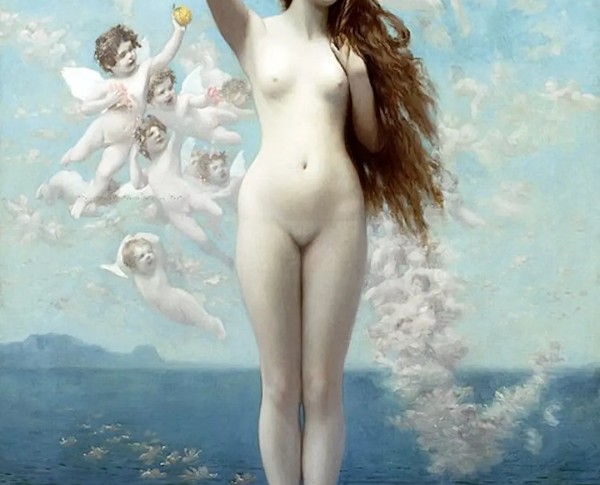
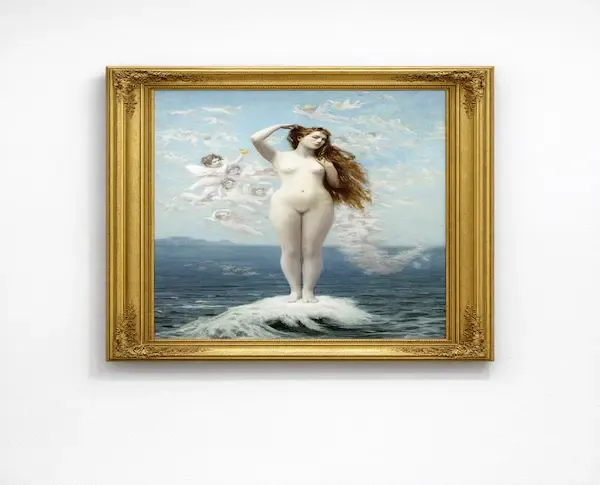
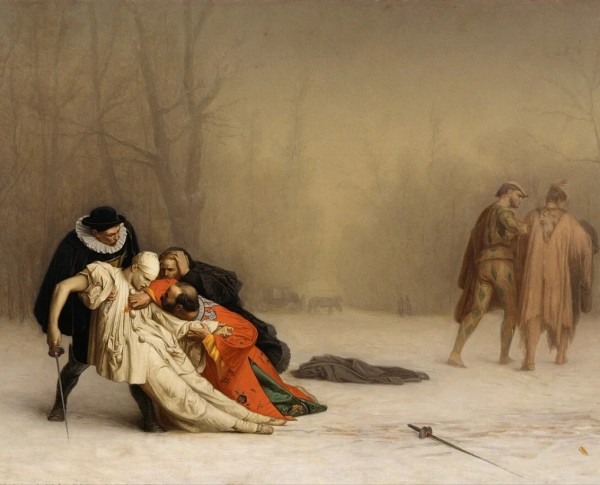
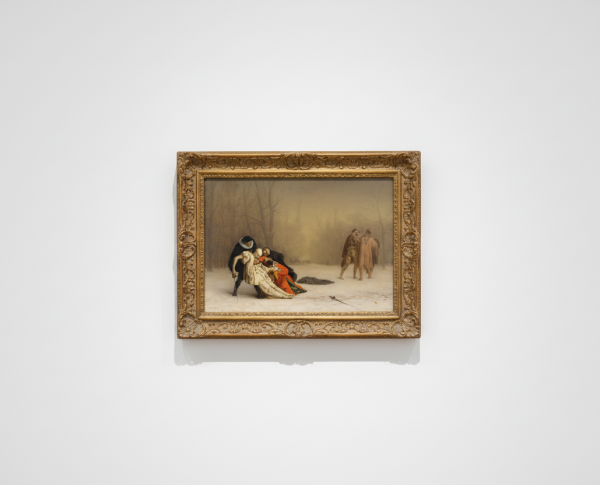
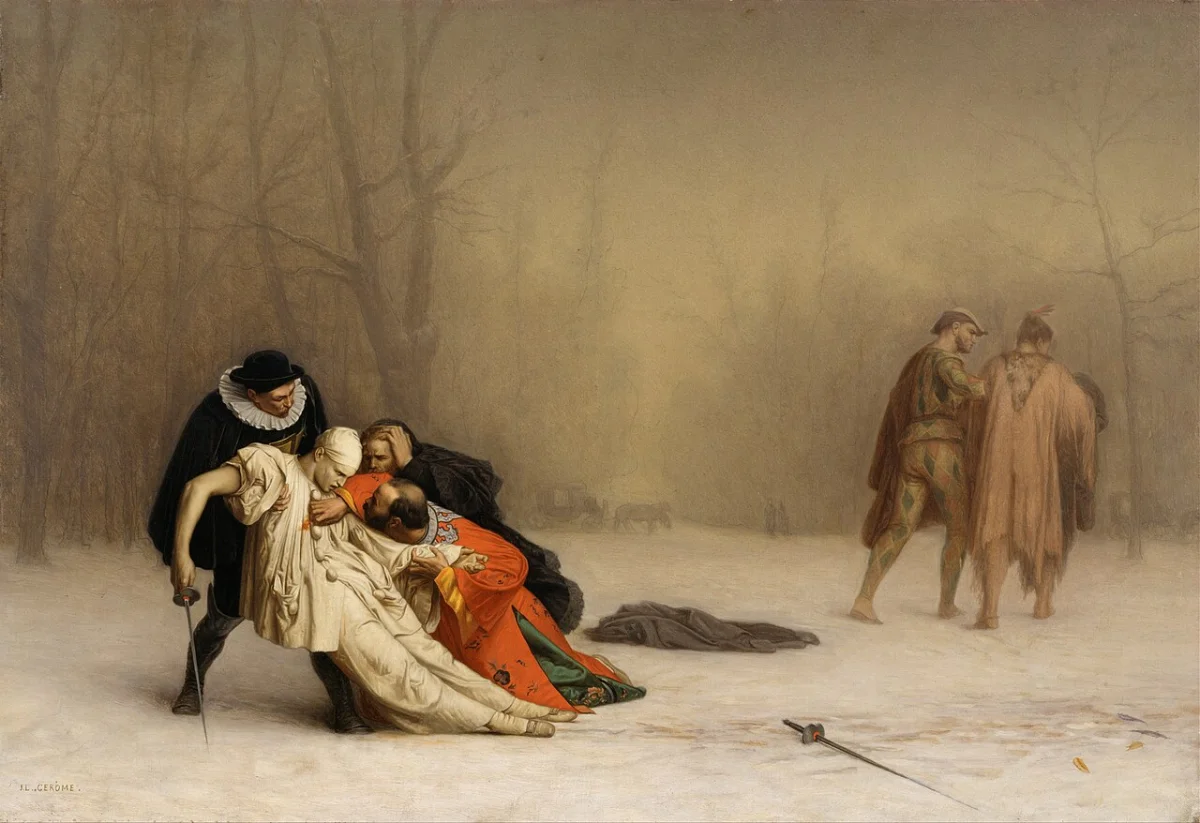
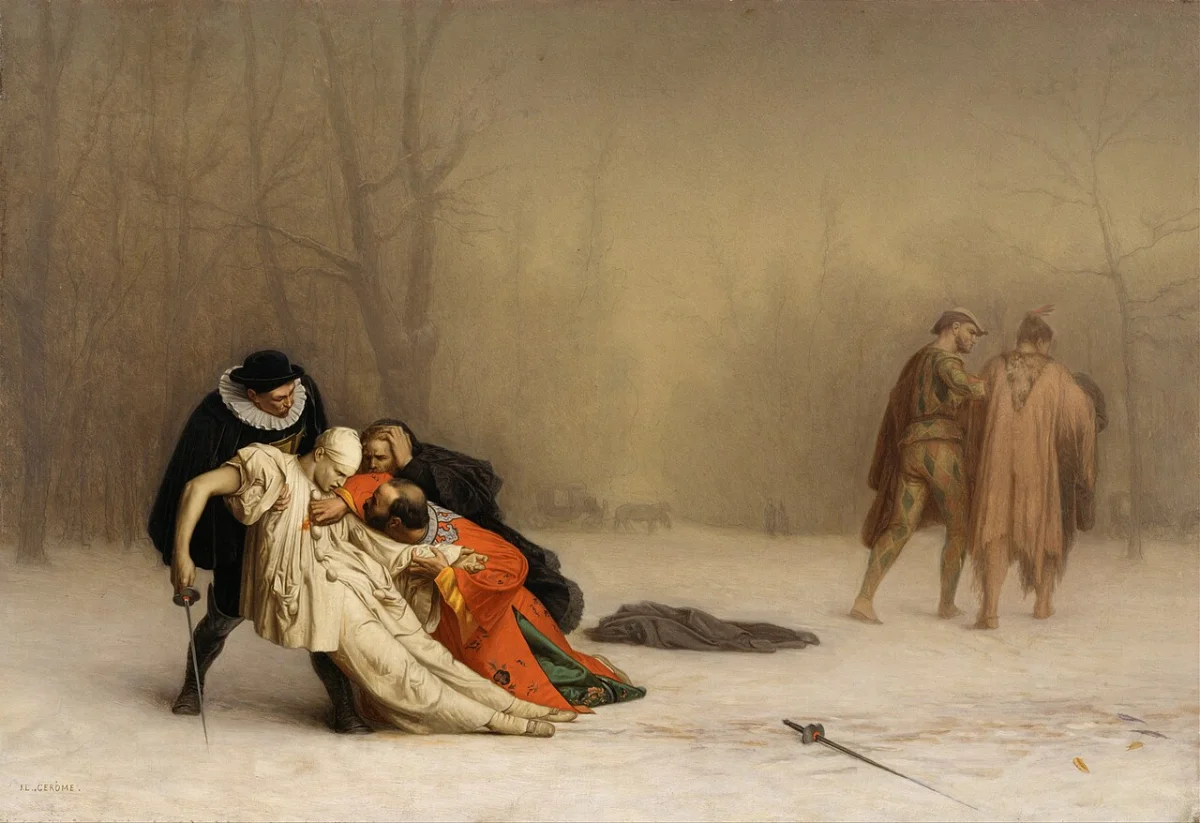
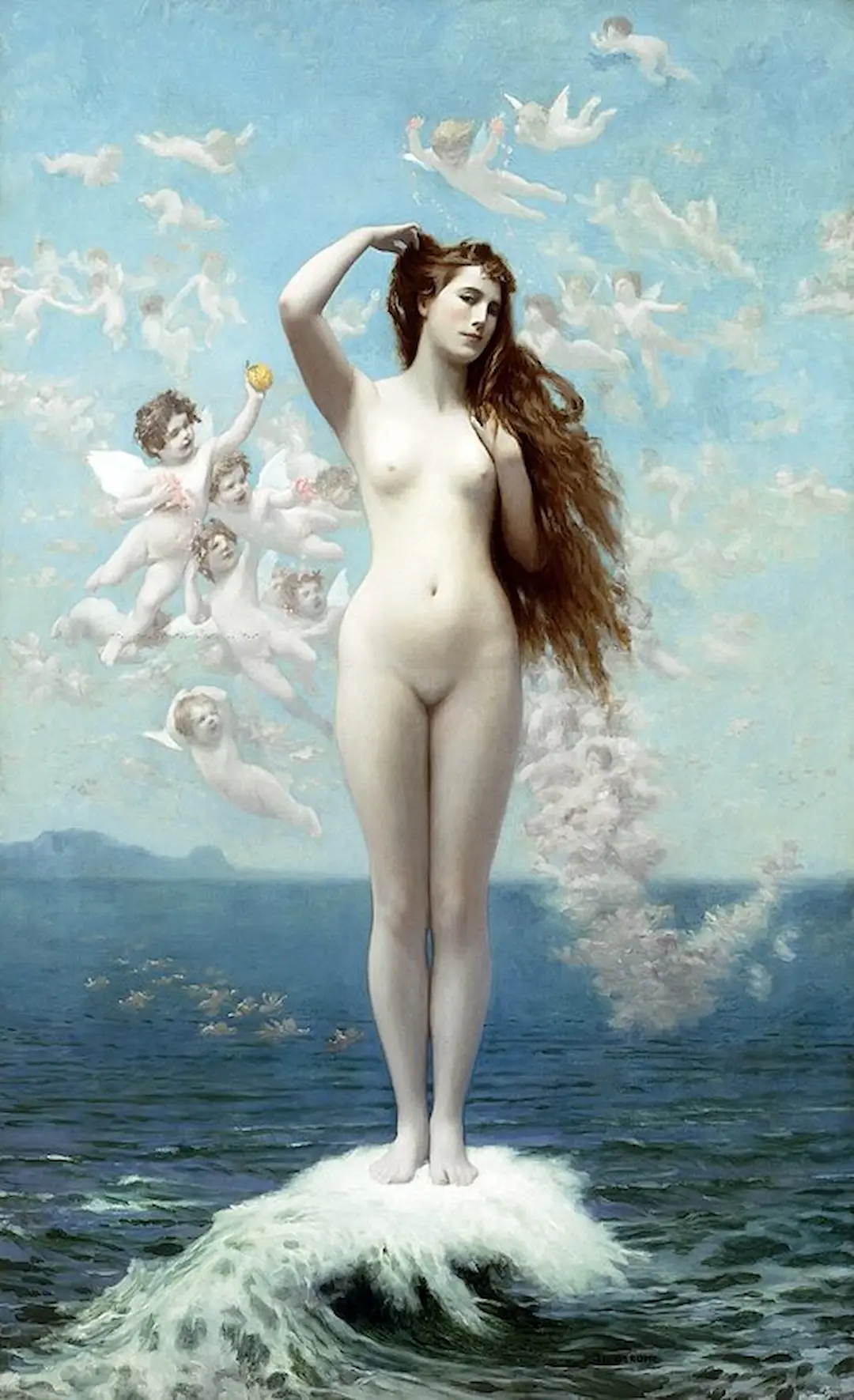
The exquisite technique evident in "The Duel After the Masquerade" highlights Gérôme’s command of oil on canvas. Each brushstroke reflects the precision and discipline characteristic of Academic Classicism, making the painting a remarkable study in texture, light, and emotion. Collectors admire Gérôme’s ability to convey both the beauty and tension of the scene, often pairing this work with other fine pieces like "Venus Rising" to create a harmonious gallery of 19th-century art.
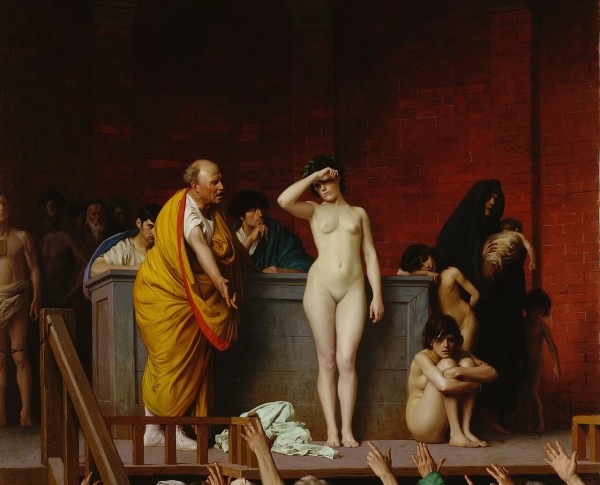
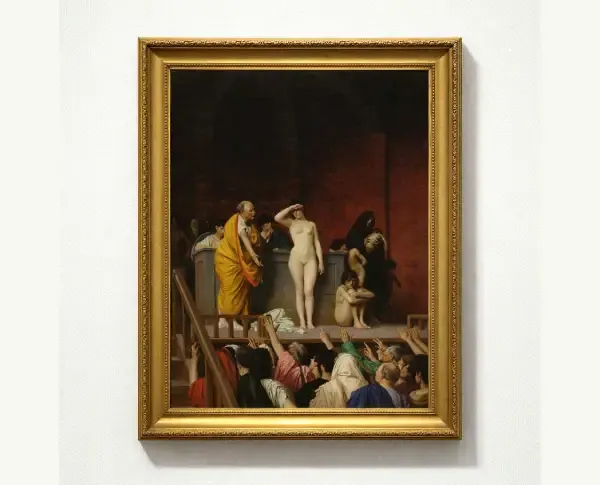
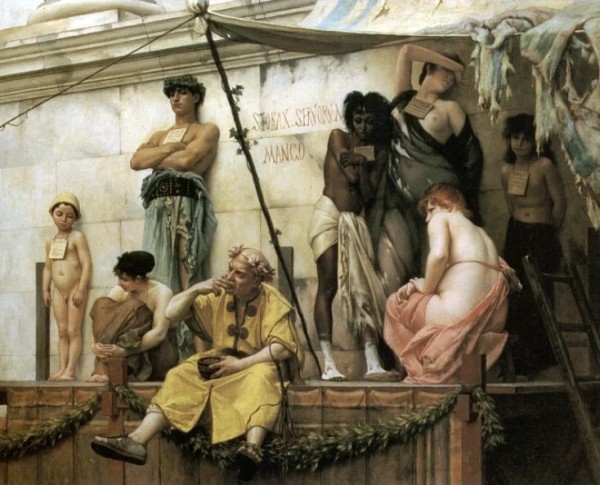
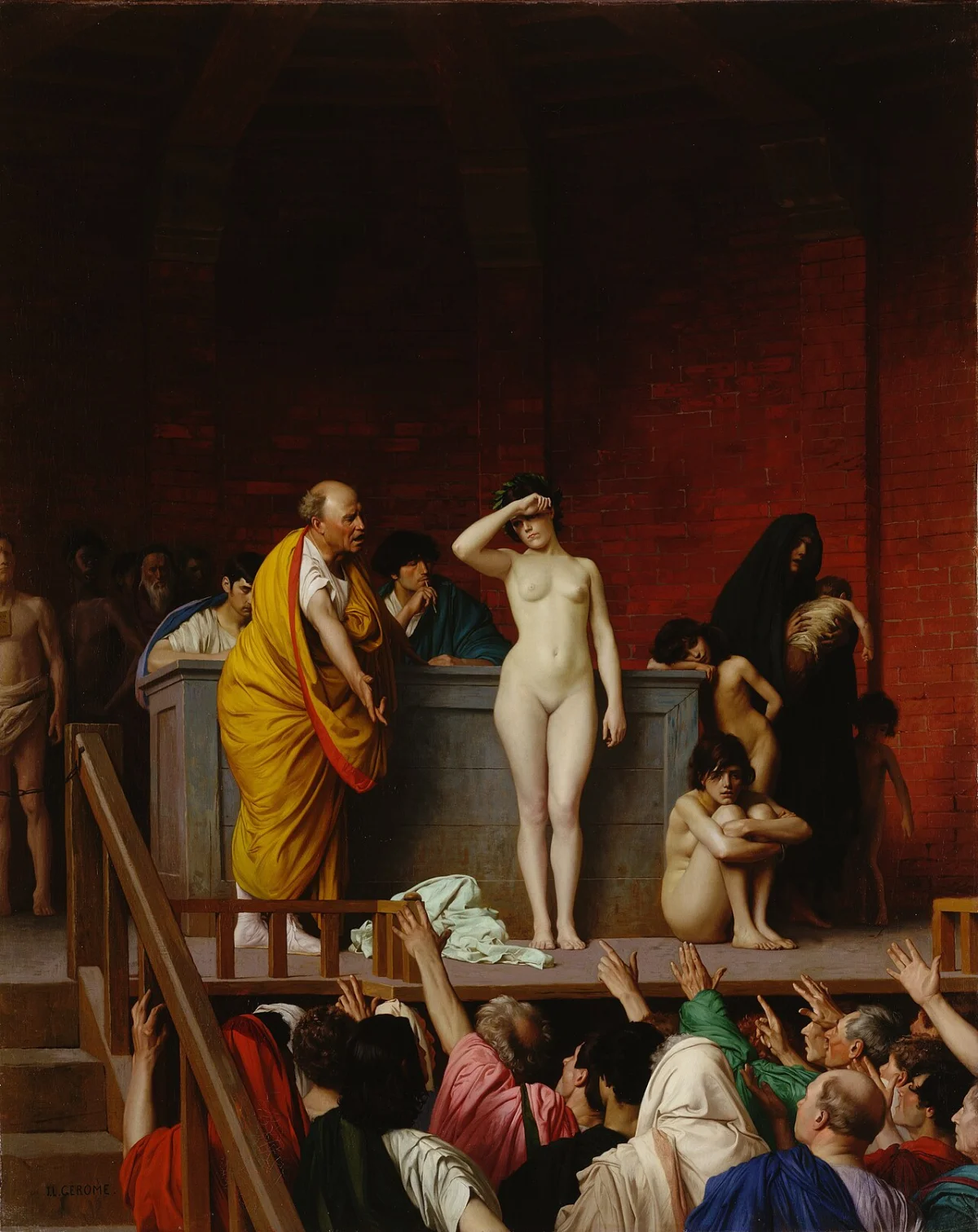
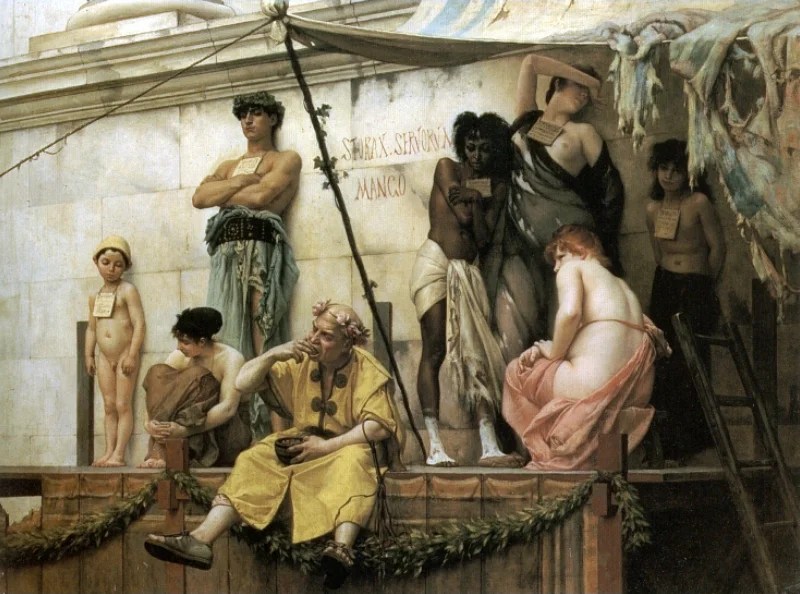
Every detail in Gérôme’s "The Duel After the Masquerade" tells a deeper story, from the masked figures to the quiet aftermath of the duel. This fine art painting for sale is renowned for its ability to evoke emotion and spark conversation about themes of honor, consequence, and society’s expectations. Fans of Academic Classicism often explore related works such as "Slave Market in Rome" to further appreciate Gérôme’s symbolic storytelling and rich visual narratives.
"The Duel After the Masquerade" by Jean-Léon Gérôme is more than just a painting; it’s a testament to the enduring allure of Academic Classicism. Owning this hand-painted oil painting elevates any collection, offering a glimpse into the elegance and drama of 19th-century art. Collectors seeking fine art painting for sale may also consider complementary works like "Venus Rising" or "Slave Market in Rome" to enhance their curated selection of Gérôme’s masterpieces.
When Art Meets History
"The Duel After the Masquerade" by Jean-Léon Gérôme, a master of Academic Classicism, captures a poignant historical moment with remarkable detail. This hand-painted oil painting reflects Gérôme’s fascination with storytelling and dramatic events, much like his other works such as "Springtime" and "Dante et Virgile au Enfers." Gérôme’s composition weaves together the allure of masquerade balls and the tragedy of duels, creating a scene that stands out in the world of fine art.
Techniques That Speak
Jean-Léon Gérôme’s "The Duel After the Masquerade" demonstrates his technical prowess in oil on canvas, a hallmark of the Academic Classicism movement. With precise brushwork and mastery of light, Gérôme brings the figures and setting to life, echoing the refined techniques seen in "Nymphes et Satyre" and "Calinerie." His attention to detail and realistic rendering make this painting a quintessential example of oil on canvas artistry from the 19th century.
Emotions on Display
"The Duel After the Masquerade" is renowned for its powerful emotional impact. Jean-Léon Gérôme captures the aftermath of a tragic event, where masked figures and silent witnesses embody sorrow and shock. In this fine art painting for sale, the artist’s skillful use of body language and facial expression evokes empathy, similar to the emotional depth found in "Young Girl Defending Herself against Eros 1880." Gérôme’s work resonates deeply with viewers, making it unforgettable.
Coveted by Collectors
As a celebrated masterpiece within the Academic Classicism movement, "The Duel After the Masquerade" has long been sought after by collectors of hand-painted oil paintings. Jean-Léon Gérôme’s works, including "Springtime" and "Dante et Virgile au Enfers," are prized for their meticulous execution and historical themes. This painting stands as a testament to Gérôme’s enduring legacy and continues to attract those searching for exceptional fine art painting for sale.
Related Academic Classicism Hand-Painted Oil Paintings by Other Artists
Other Famous Academic Classicism Artists:
Frequently Asked Questions About The Duel After the Masquerade
What historical context influenced Jean-Léon Gérôme's painting "The Duel After the Masquerade"?
The painting reflects the social customs of 19th-century France, particularly the practice of dueling among the aristocracy. This was a time when honor and reputation were paramount, and such confrontations were often seen as a means to resolve disputes.
What is the significance of the masquerade theme in the painting?
The masquerade symbolizes the duality of human nature and societal facades. It represents the contrast between appearance and reality, as the characters are depicted in elaborate costumes, hinting at hidden identities and the complexities of social interactions.
How does Gérôme's use of color contribute to the painting's mood?
Gérôme employs a rich palette of deep reds, golds, and dark tones to evoke a sense of drama and tension. The contrasting colors enhance the emotional intensity of the duel, drawing the viewer's eye to the central figures while creating an atmosphere of impending conflict.
What artistic techniques did Gérôme use to depict movement in "The Duel After the Masquerade"?
Gérôme masterfully uses dynamic poses and gestural brushwork to convey movement. The positioning of the figures, along with the flowing drapery of their costumes, creates a sense of action and immediacy, immersing the viewer in the moment of confrontation.
What role does symbolism play in the depiction of the duel?
The duel itself serves as a powerful symbol of honor and the consequences of pride. It reflects the societal expectations of masculinity during the period, where personal honor was often defended through violence, illustrating the darker aspects of human nature.
How does "The Duel After the Masquerade" compare to other works by Gérôme?
This painting is characteristic of Gérôme's interest in historical themes and dramatic narratives. Compared to his other works, it emphasizes the psychological tension and moral dilemmas faced by individuals, showcasing his ability to blend realism with theatricality.
What elements of realism are present in Gérôme's depiction of the duel?
Gérôme's attention to detail in the costumes, weapons, and setting reflects his commitment to realism. The accurate portrayal of the historical context and the lifelike expressions of the figures contribute to the authenticity of the scene.
What can be inferred about the characters' relationships based on their positioning in the painting?
The positioning of the duelists suggests a complex relationship marked by rivalry and tension. The proximity of the onlookers indicates a societal context where such confrontations were public spectacles, further emphasizing the stakes involved in their conflict.
What impact did "The Duel After the Masquerade" have on contemporary audiences?
Upon its release, the painting captivated audiences with its dramatic narrative and technical prowess. It sparked discussions about honor, violence, and societal norms, resonating with viewers who were fascinated by the romanticized notion of dueling in their culture.
How does the composition of the painting enhance its thematic elements?
The composition, with its diagonal lines and central focus on the duelists, creates a sense of tension and urgency. This arrangement not only guides the viewer's eye but also reinforces the themes of conflict and the clash of ideals, making the narrative more compelling.






















_GFM_Painting_(1).webp)


 100% Hand-Painted: Finished in 3-6 Weeks

.png)















_(1).webp)