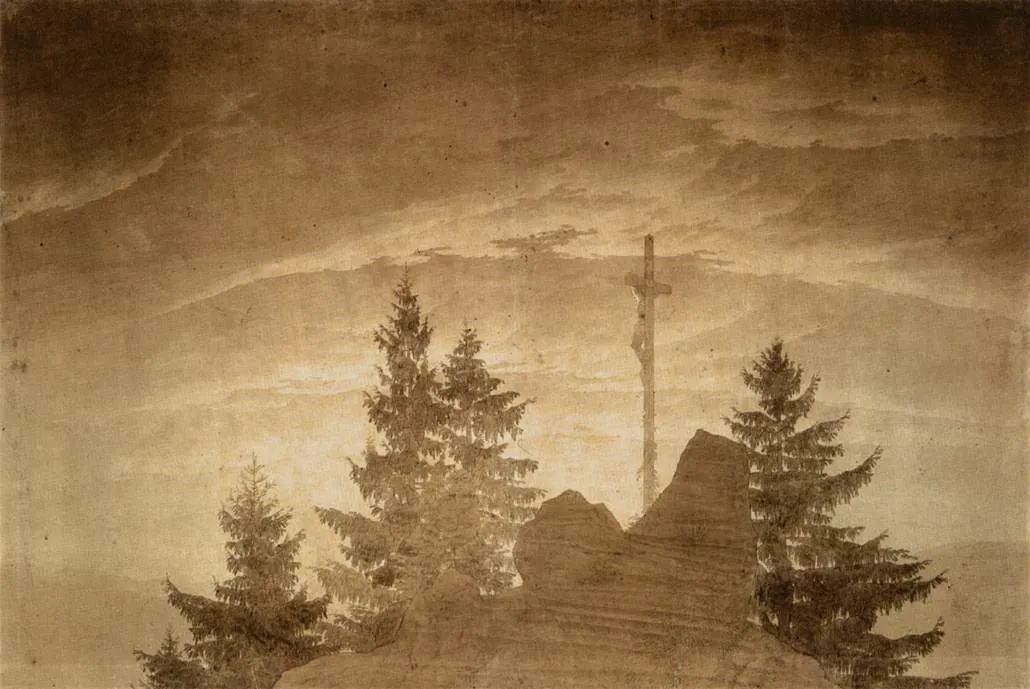
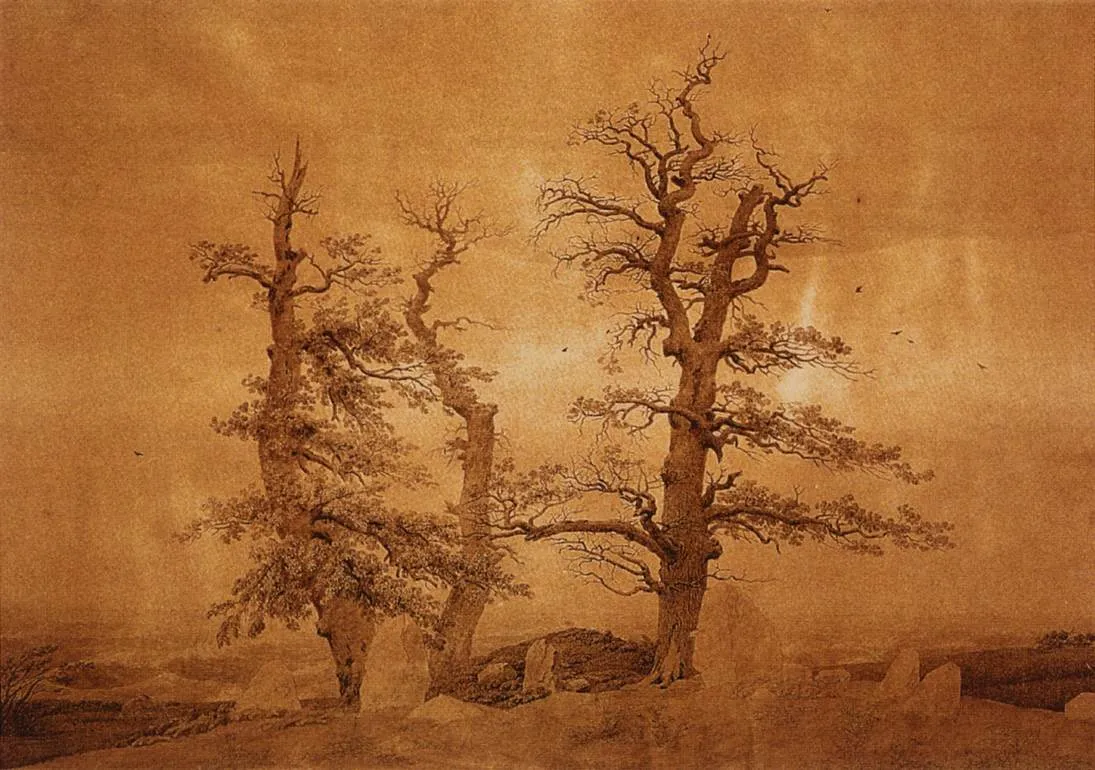
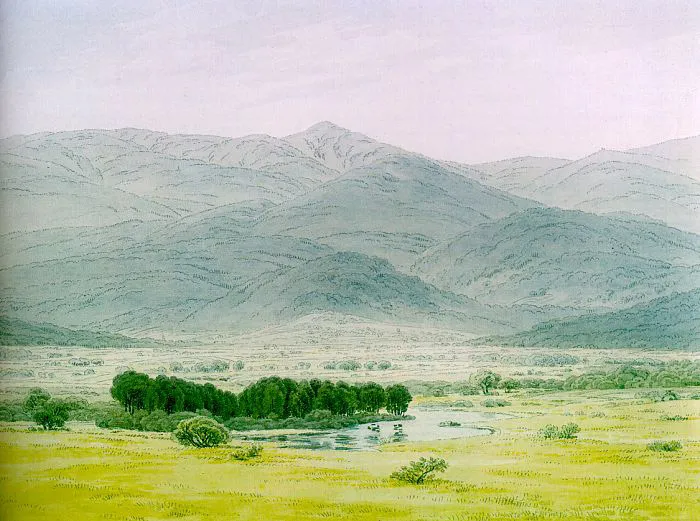
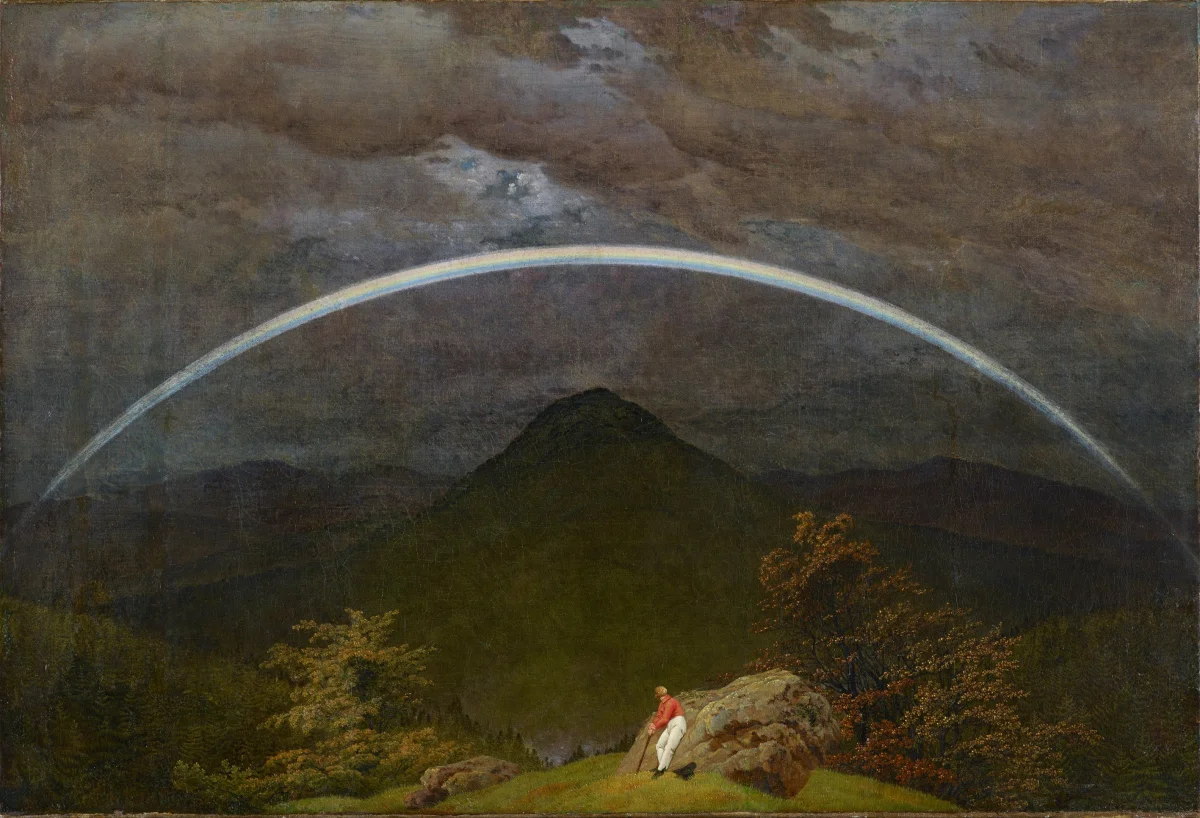
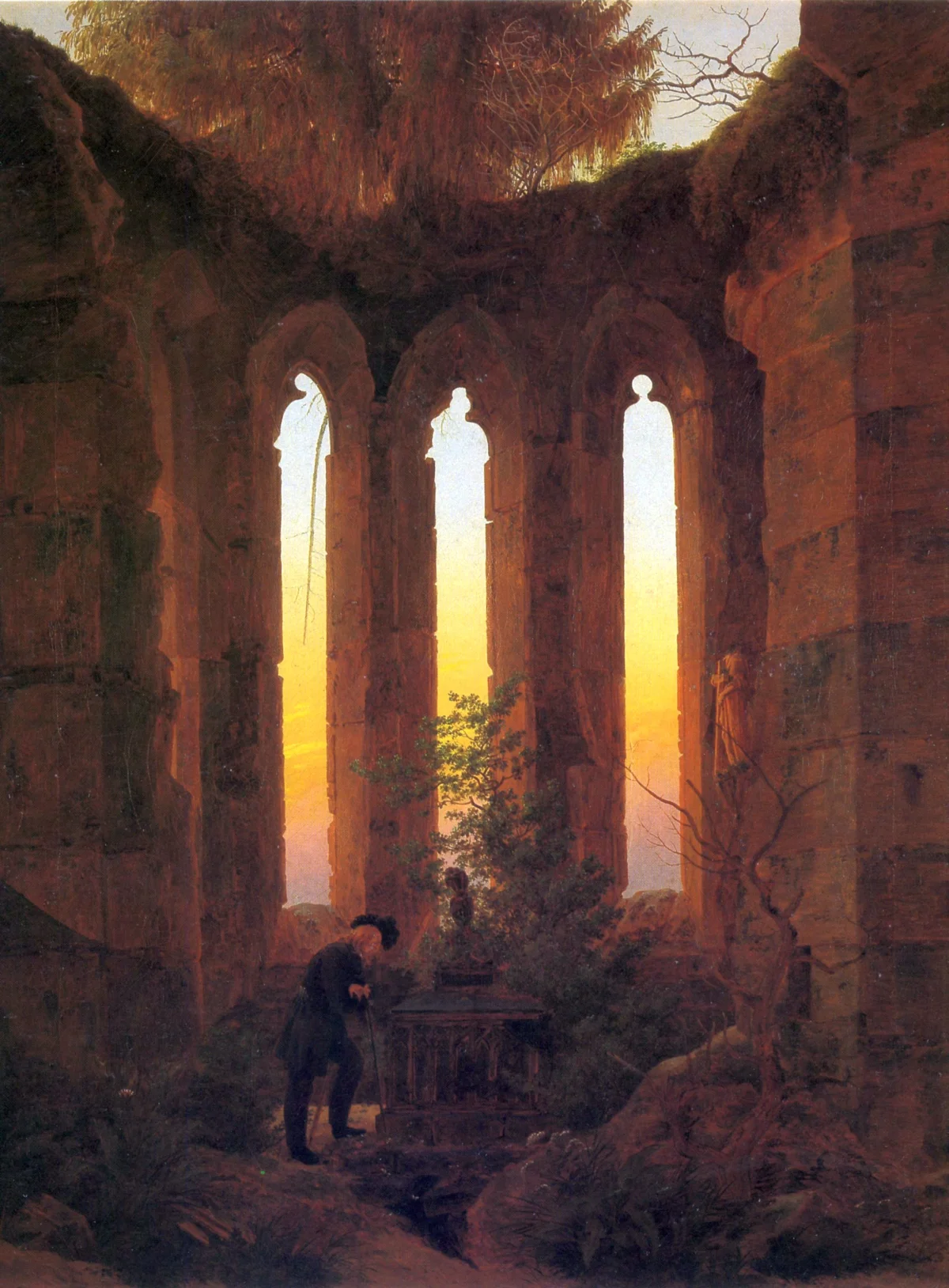
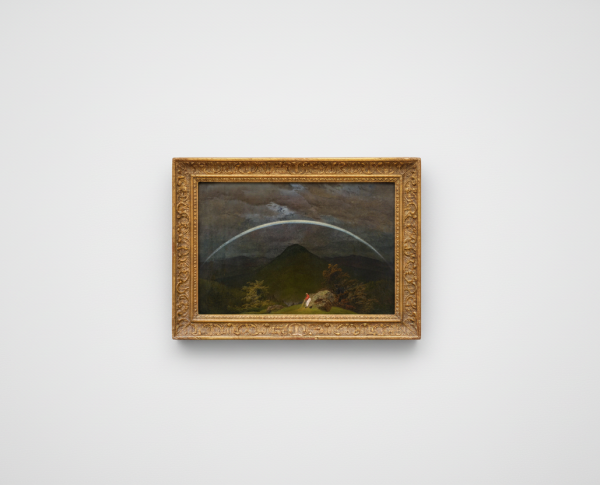
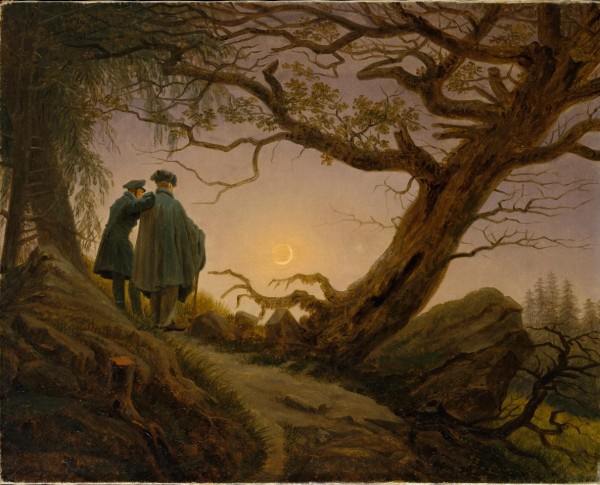
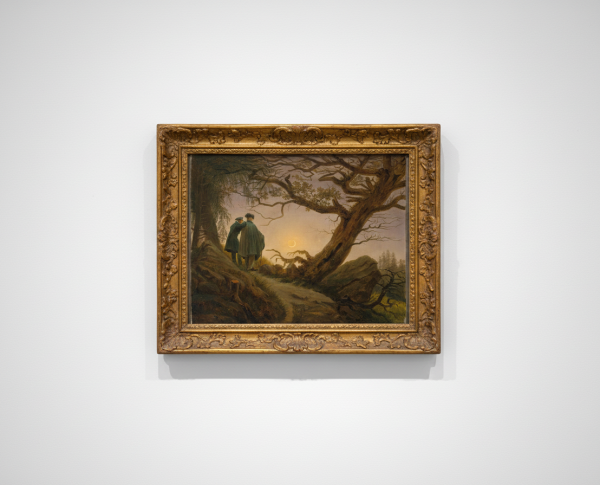
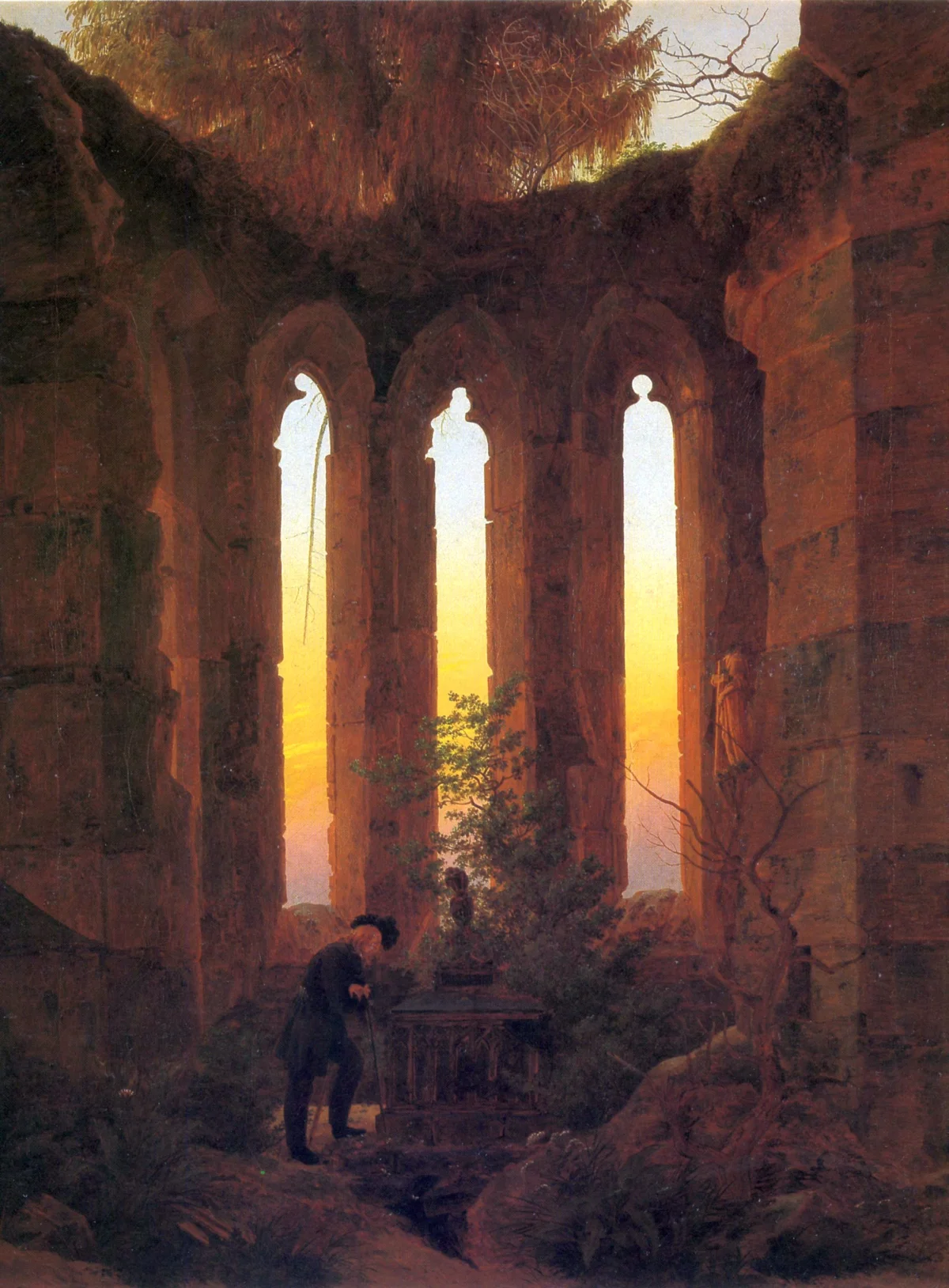
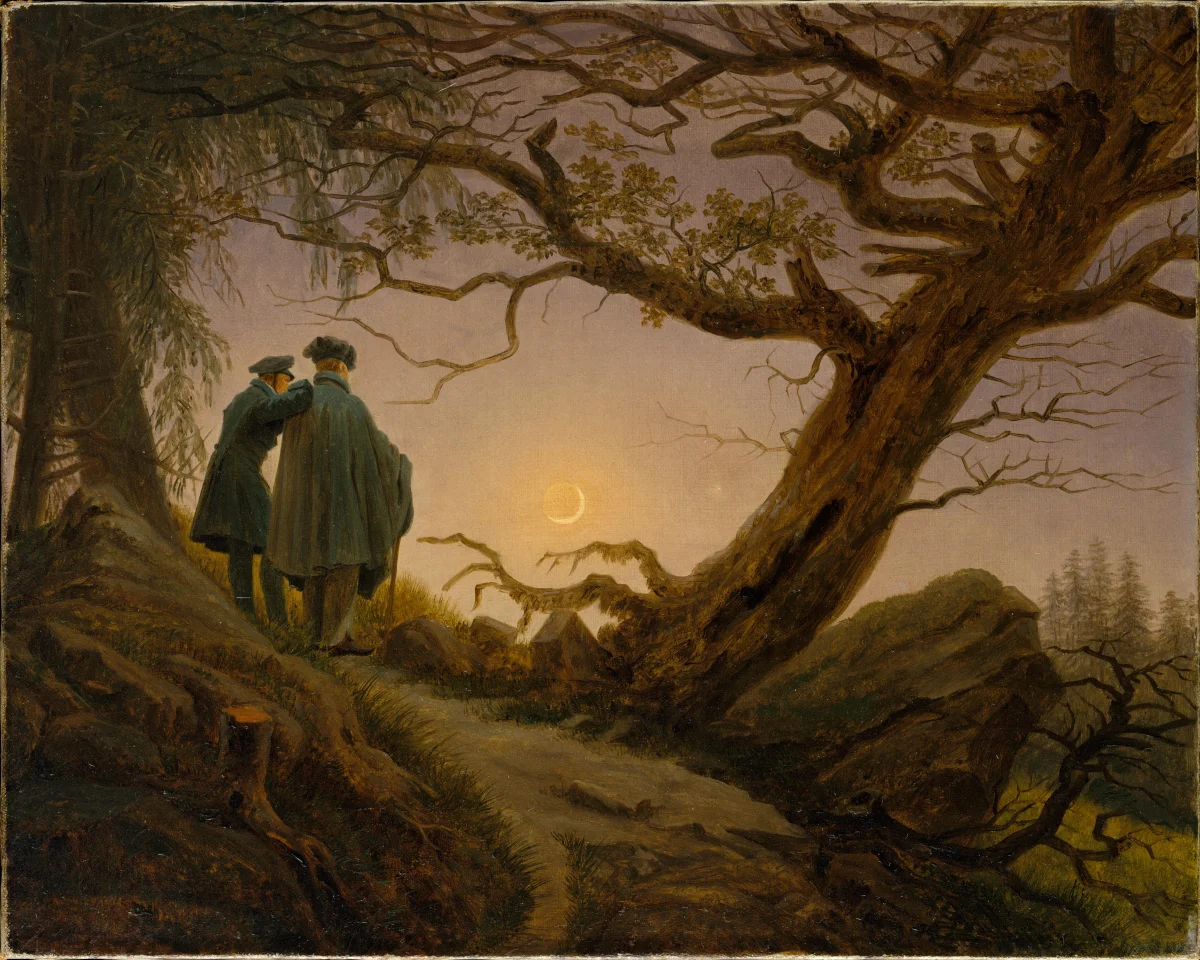
"Hutten's Grave" showcases Friedrich’s exceptional technique, where the subtle blending of hues and delicate brushwork exemplify the power of oil on canvas. His mastery is evident in the atmospheric depth and intricate landscape details, making this painting a prime example of Romanticism’s embrace of nature and emotion. Art enthusiasts often compare its artistry with related works such as "Two Men by the Sea" and other fine pieces available as oil on canvas reproductions.
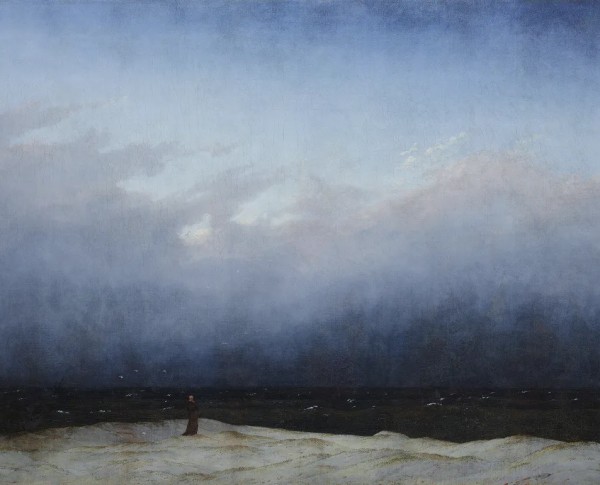
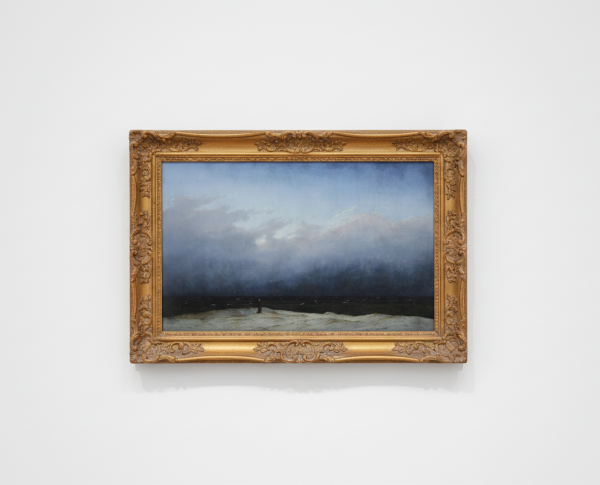
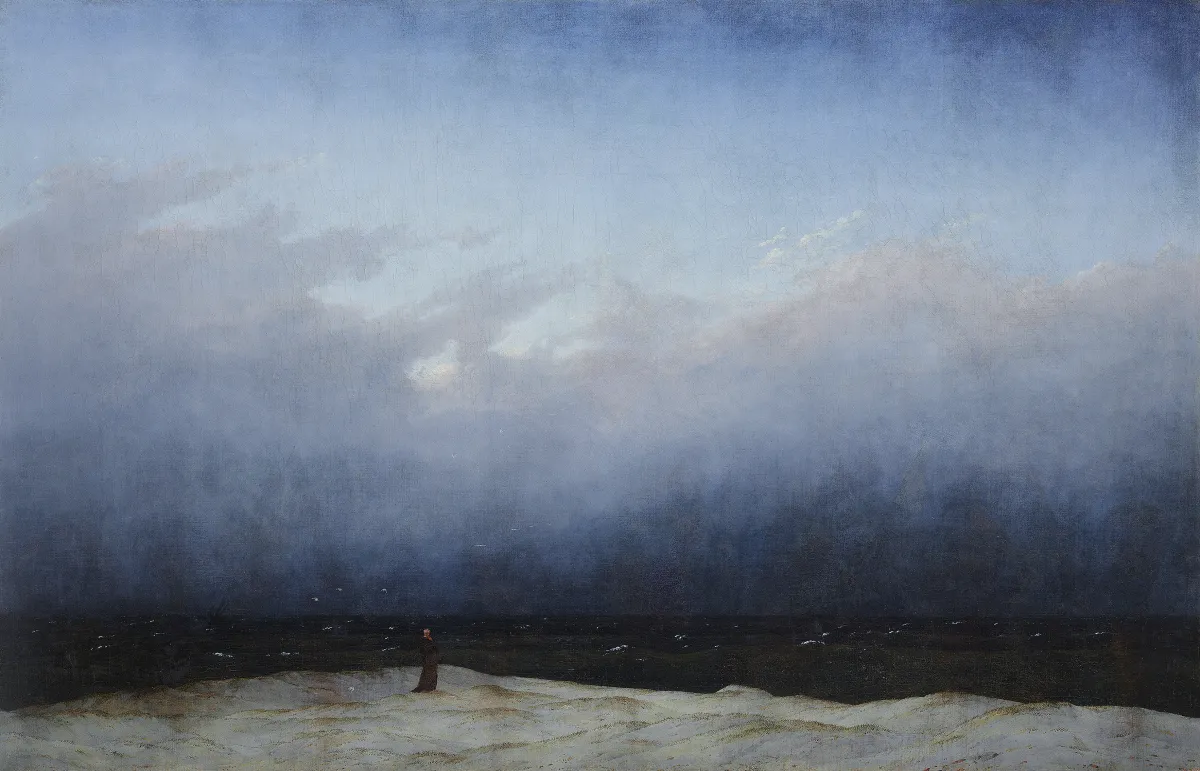
Within "Hutten's Grave," Caspar David Friedrich weaves a narrative rich in symbolism, inviting viewers to reflect on themes of mortality and solitude. This fine art painting for sale resonates with those who appreciate the Romanticism movement’s focus on spiritual and emotional depth. Collectors often seek related products like "Huttens Grave" and "The Monk by the Sea" for their similar symbolic storytelling and evocative use of landscape and figures.
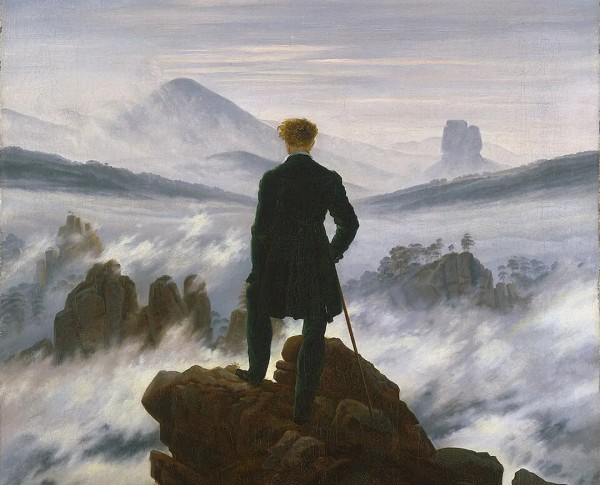
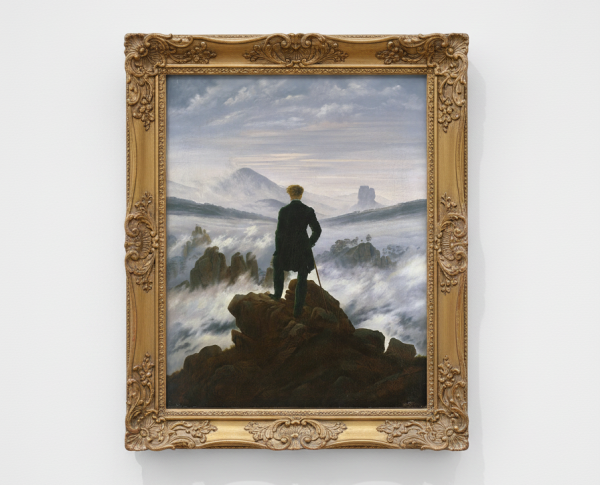
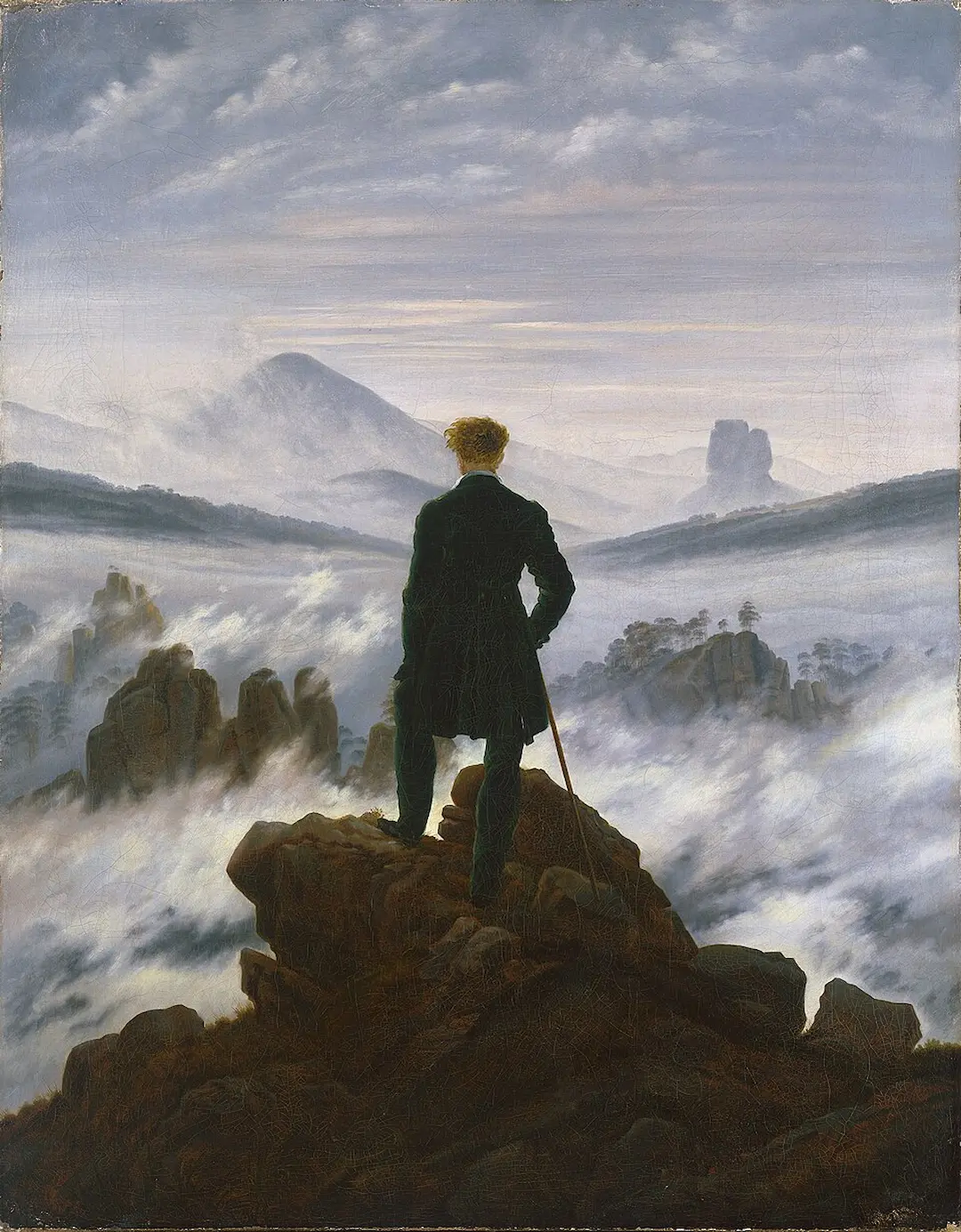
For discerning collectors, "Hutten's Grave" by Caspar David Friedrich represents an essential addition to any Romanticism collection. This hand-painted oil painting, along with related products such as "The Wanderer above the Mists 1817-18" and "Hutten’s Grave," offers an opportunity to own a piece of fine art history. Each work’s timeless beauty and emotional resonance make them coveted treasures in the world of fine art painting for sale.
When Art Meets History
Caspar David Friedrich’s "Hutten's Grave" stands as a remarkable hand-painted oil painting from the Romanticism movement. Created during a time when artists sought to evoke deep emotion and reverence for nature, this work reflects Friedrich’s fascination with historical figures and landscapes. Similar to masterpieces like "Bathsheba Bathing" and "The Slave Ship 1840", "Hutten's Grave" encapsulates the Romantic spirit, blending historical narrative with the sublime. This painting continues to captivate audiences with its powerful storytelling and artistry.
Techniques That Speak
In "Hutten's Grave", Friedrich employs masterful oil on canvas techniques, using delicate brushwork and a muted color palette to evoke a serene, contemplative atmosphere. The composition’s careful balance between light and shadow demonstrates Friedrich’s skill in creating depth and emotion. Like "The Bear Dance" and "The Kiss 1859", this painting exemplifies the Romantic movement’s dedication to expressive techniques, making each element of the landscape feel both intimate and grand, inviting viewers into a world of reflection.
Emotions on Display
"Hutten's Grave" is a fine art painting for sale that resonates with profound emotion, capturing the Romanticism movement’s emphasis on feeling and introspection. Caspar David Friedrich’s attention to detail and subtle use of symbolism invite viewers to contemplate themes of mortality and remembrance. Echoing the evocative moods found in "Ship at Sea" and "Sunset", this painting’s somber tones and tranquil setting create a moving experience, leaving a lasting impression on all who encounter it.
Coveted by Collectors
Collectors are drawn to "Hutten's Grave" for its historical significance and exquisite artistry, making it a highly sought-after hand-painted oil painting. Caspar David Friedrich’s unique vision and mastery of the Romanticism style ensure this piece remains desirable among fine art connoisseurs. Alongside related paintings such as "The Bear Dance" and "Bathsheba Bathing", "Hutten's Grave" stands as a testament to the enduring appeal and value of Romantic landscapes in today’s art market.
Related Romanticism Hand-Painted Oil Paintings by Other Artists
Other Famous Romanticism Artists:
Frequently Asked Questions About Hutten's Grave
What is the historical significance of "Hutten's Grave"?
"Hutten's Grave" is significant as it reflects the Romantic era's fascination with nature, death, and the sublime, encapsulating the philosophical thoughts of the time, particularly the ideas of German Romanticism.
Who was the artist behind "Hutten's Grave"?
The painting was created by Caspar David Friedrich, a prominent German Romantic painter known for his evocative landscapes and exploration of themes related to nature and human emotion.
What are the main themes depicted in "Hutten's Grave"?
The main themes include mortality, the connection between humanity and nature, and the contemplation of death, which are prevalent in Friedrich's works and the Romantic movement.
What symbols are present in "Hutten's Grave"?
Key symbols include the grave itself, representing mortality; the surrounding nature, symbolizing the eternal cycle of life and death; and the distant mountains, which evoke the sublime and the infinite.
How does "Hutten's Grave" reflect Romantic ideals?
The painting embodies Romantic ideals by emphasizing emotion, individual experience, and a deep appreciation for nature, contrasting with the rationalism of the Enlightenment period.
What artistic techniques did Friedrich use in "Hutten's Grave"?
Friedrich employed techniques such as chiaroscuro to create depth, a muted color palette to evoke mood, and detailed textures to enhance the realism of the natural elements.
What is the significance of the setting in "Hutten's Grave"?
The setting, with its serene yet somber landscape, serves to reflect the inner emotional state of the viewer, inviting contemplation and introspection about life and death.
How does "Hutten's Grave" compare to other works by Caspar David Friedrich?
Compared to other works, "Hutten's Grave" shares thematic similarities with pieces like "The Monk by the Sea," focusing on solitude and the relationship between man and nature, yet it uniquely emphasizes the theme of mortality.
What impact did "Hutten's Grave" have on later art movements?
The painting influenced later movements such as Symbolism and Expressionism, inspiring artists to explore emotional depth and the interplay between nature and human experience.
In what ways does "Hutten's Grave" invite personal interpretation?
The open-ended symbolism and emotional resonance of the painting encourage viewers to reflect on their own experiences with mortality and nature, allowing for a deeply personal interpretation.






















_GFM_Painting_(1).webp)


 100% Hand-Painted: Finished in 3-6 Weeks

.png)















_(1).webp)