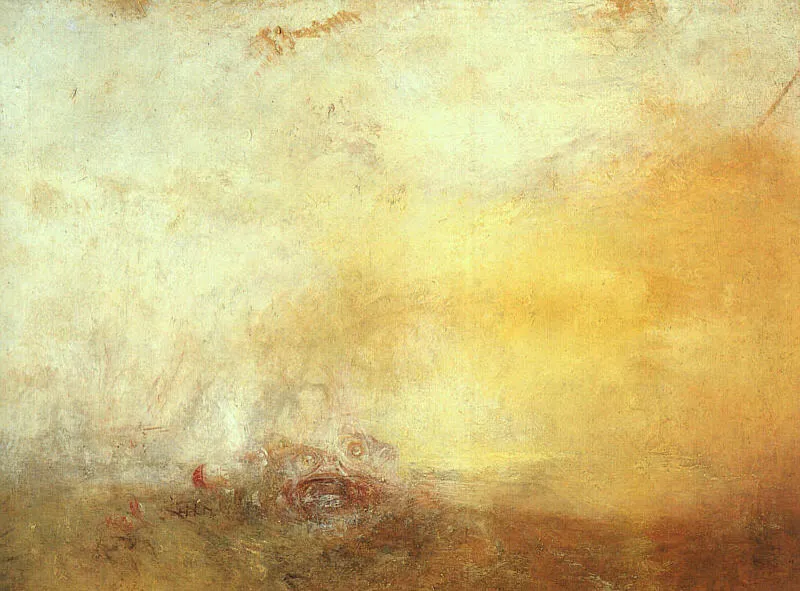
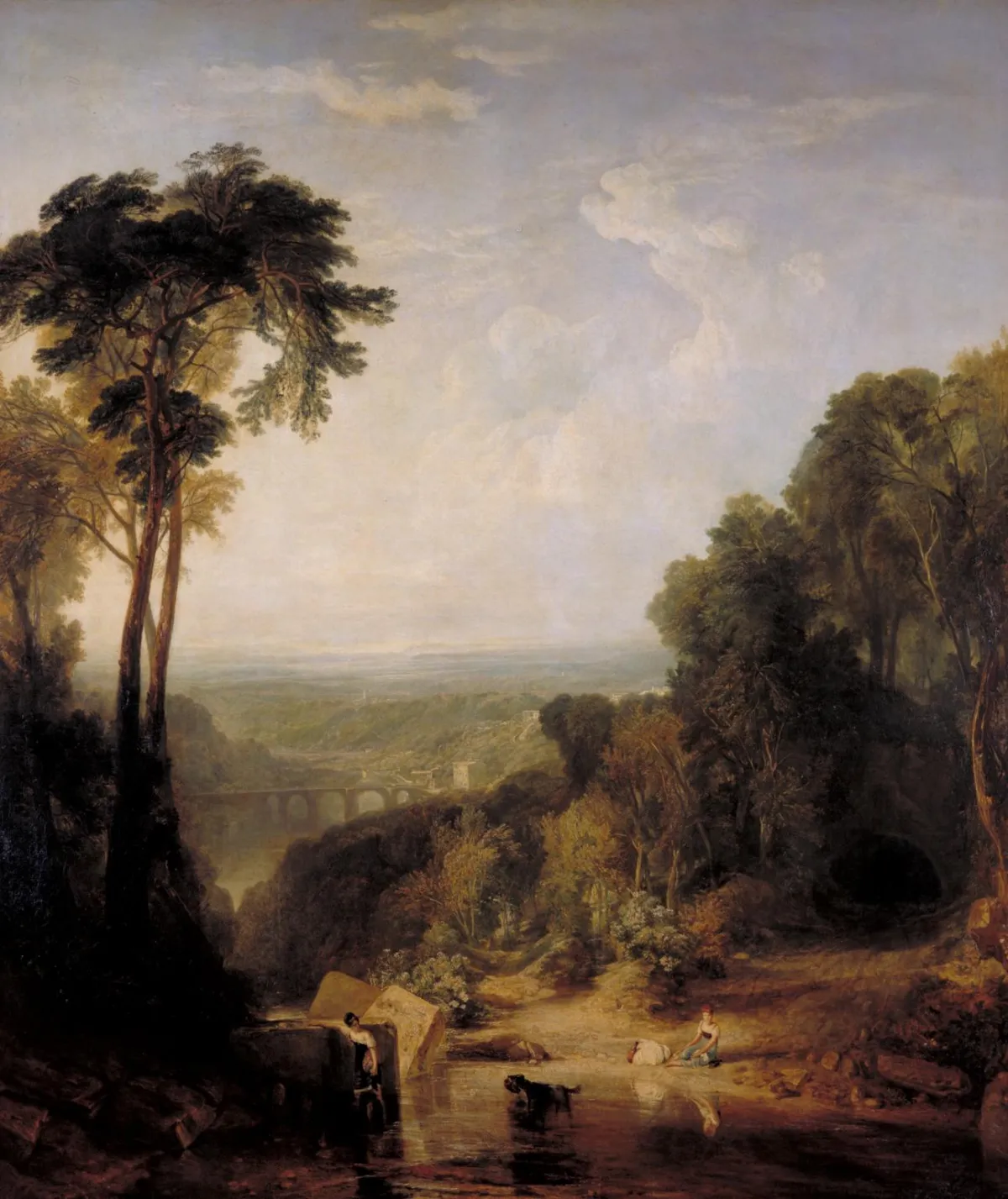
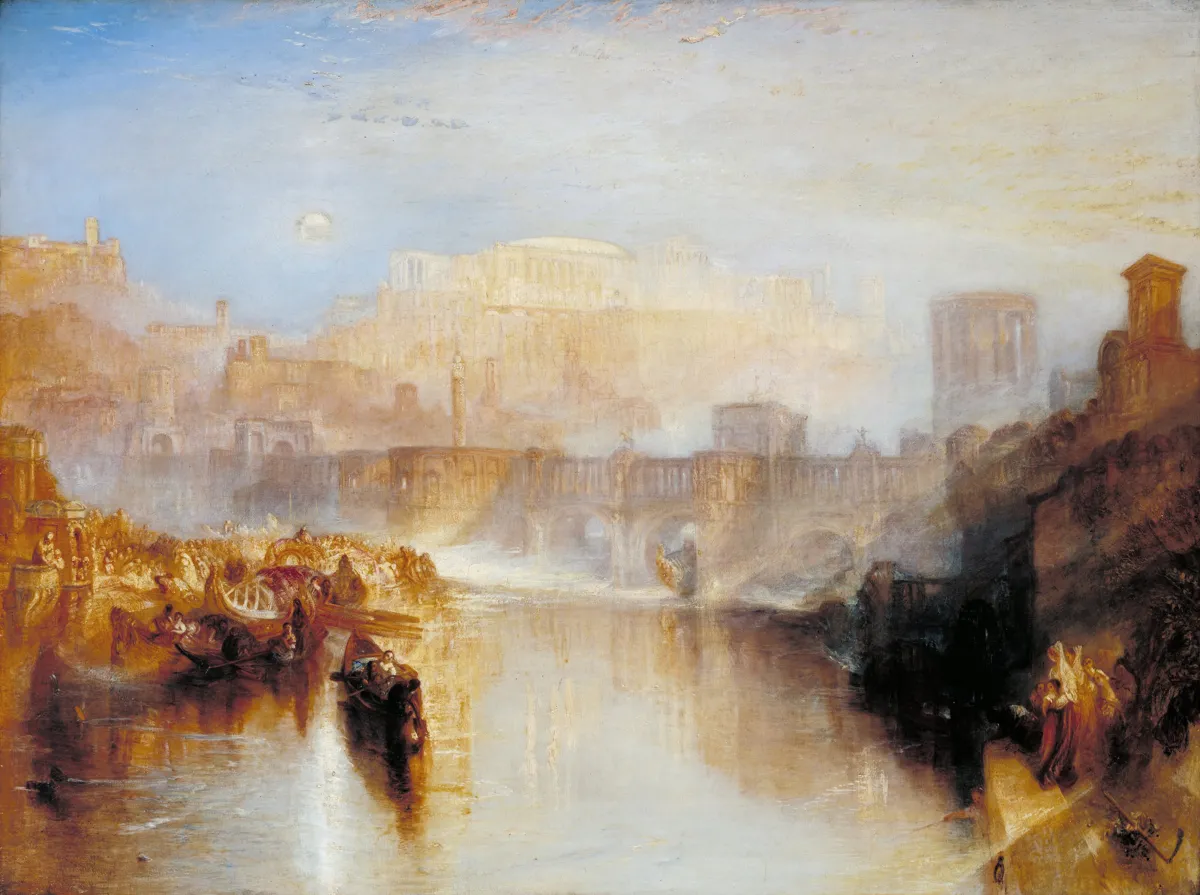
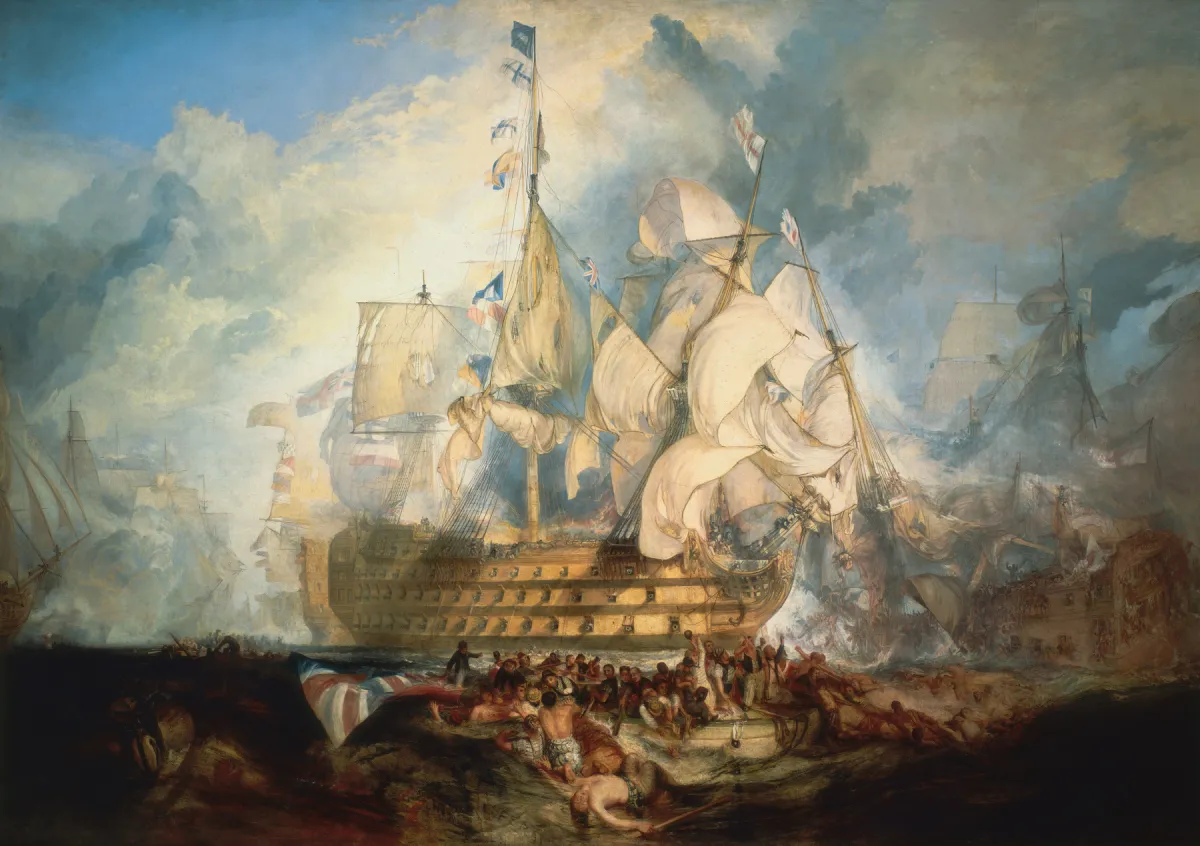
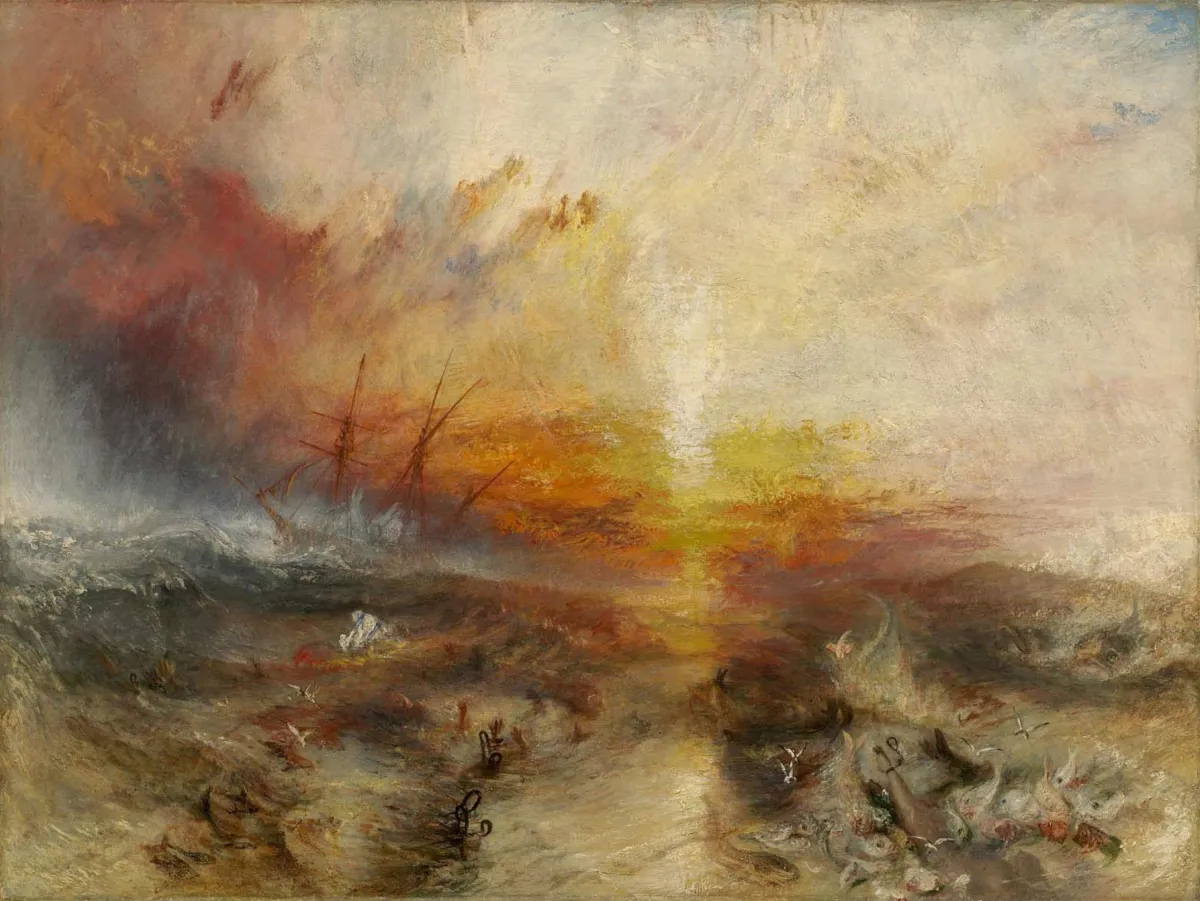
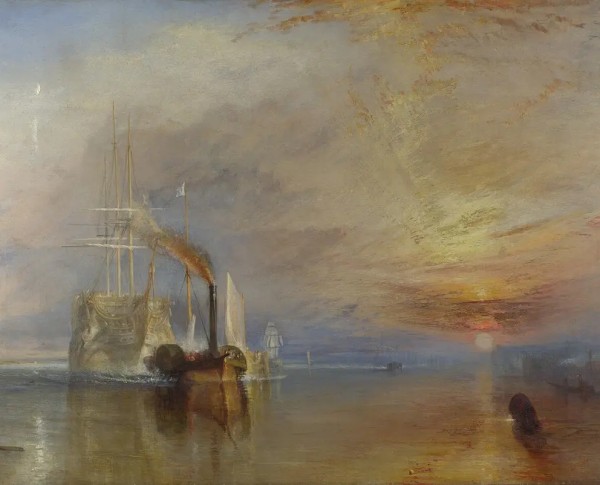
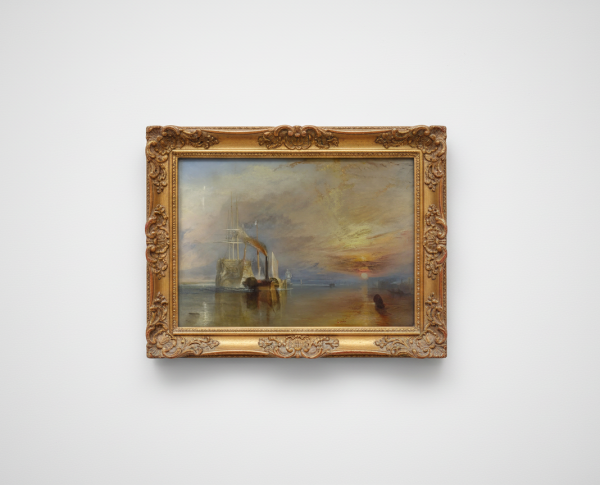
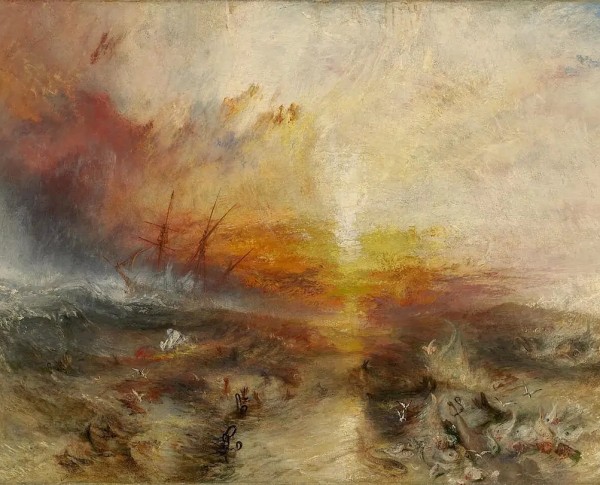
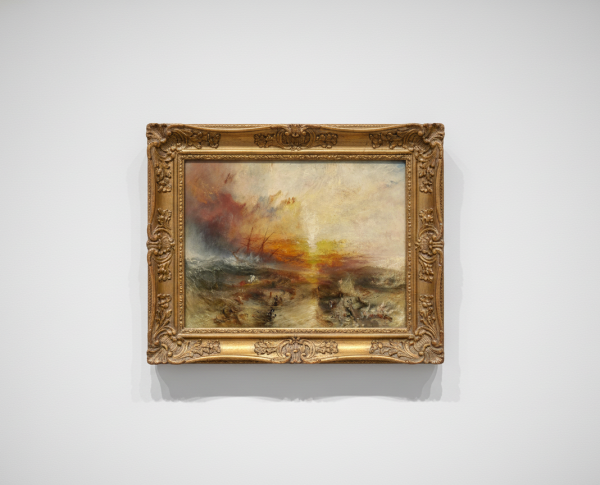
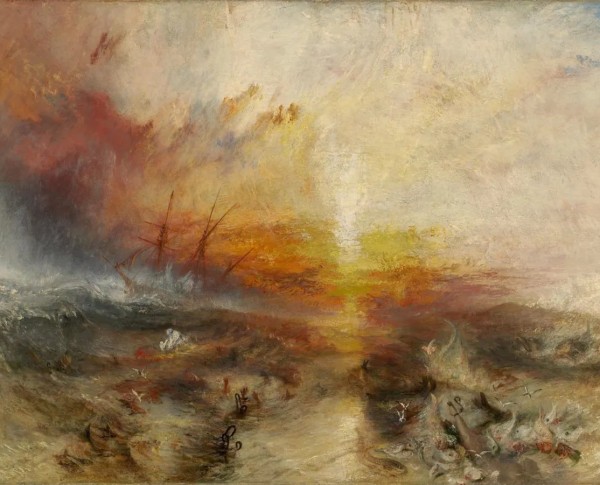
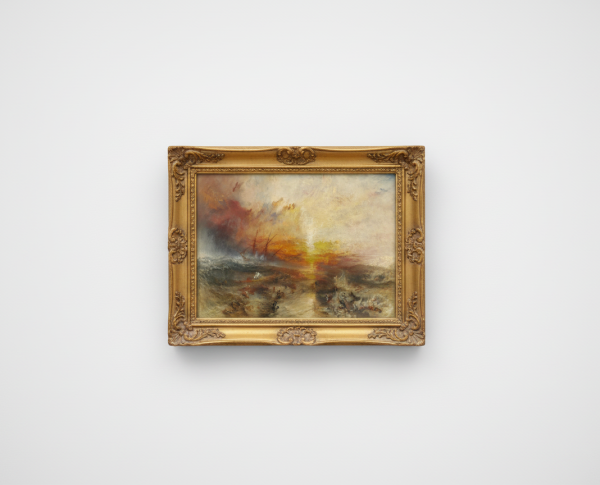
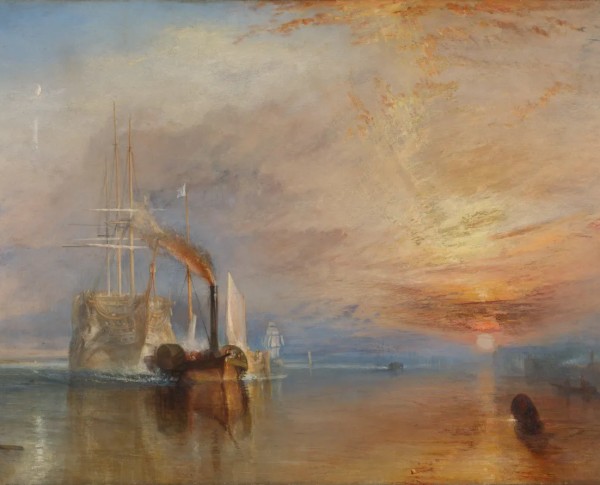
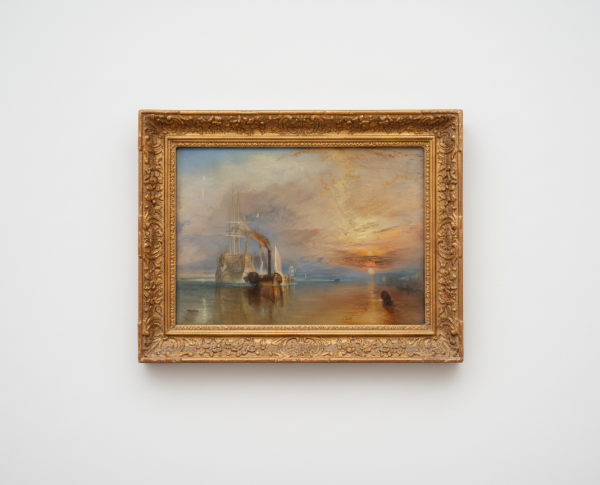
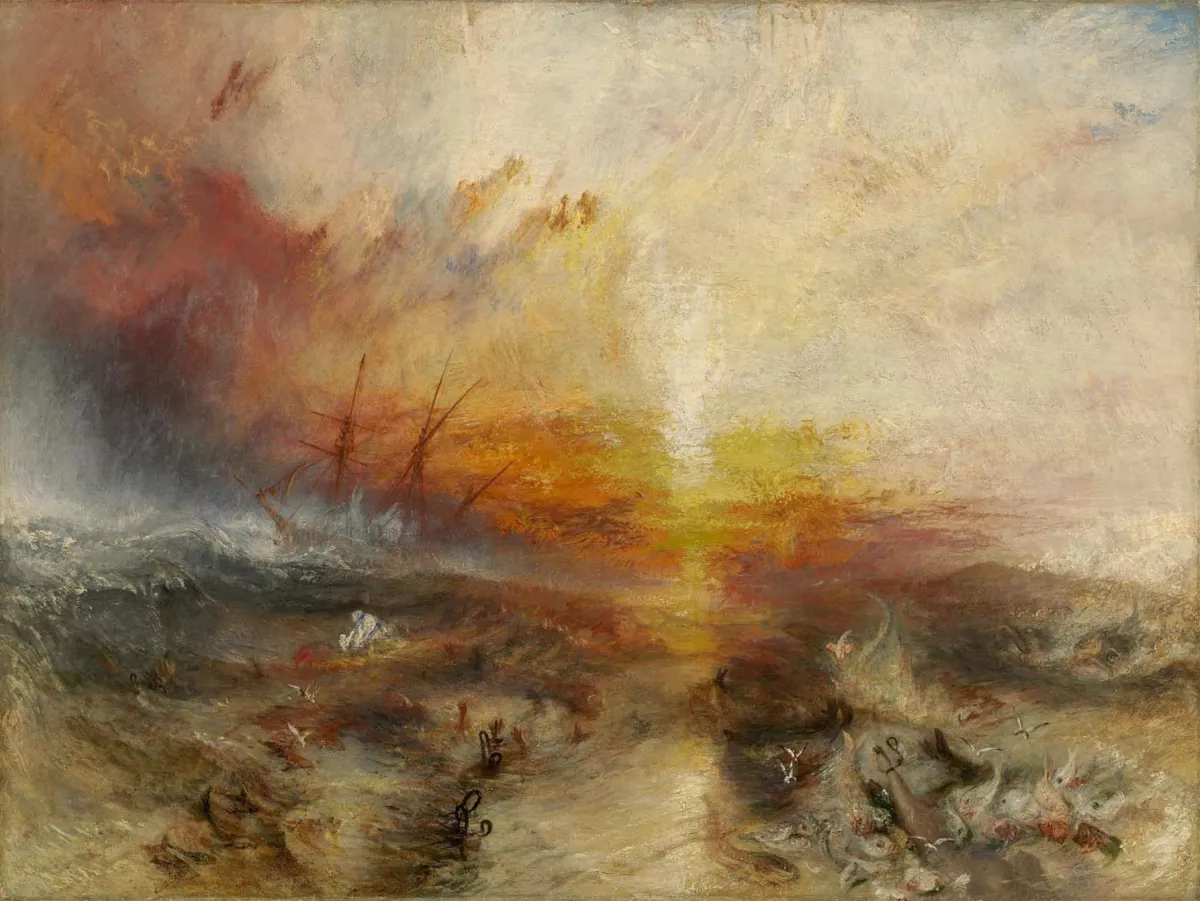
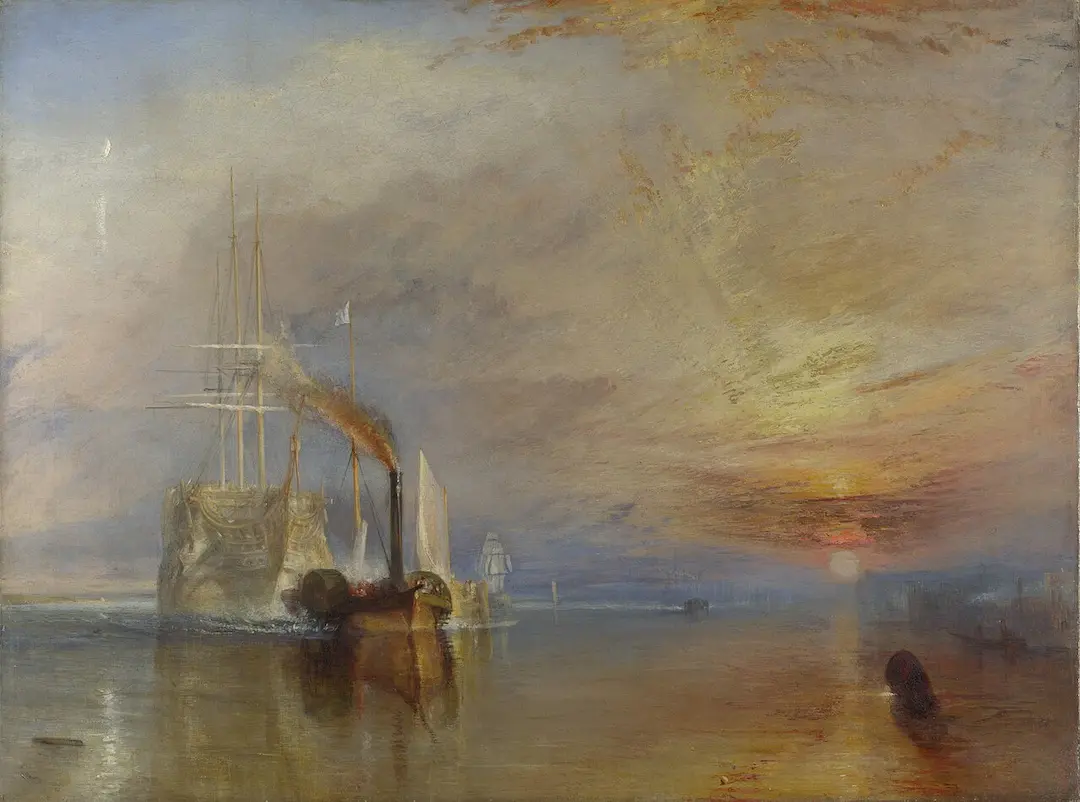
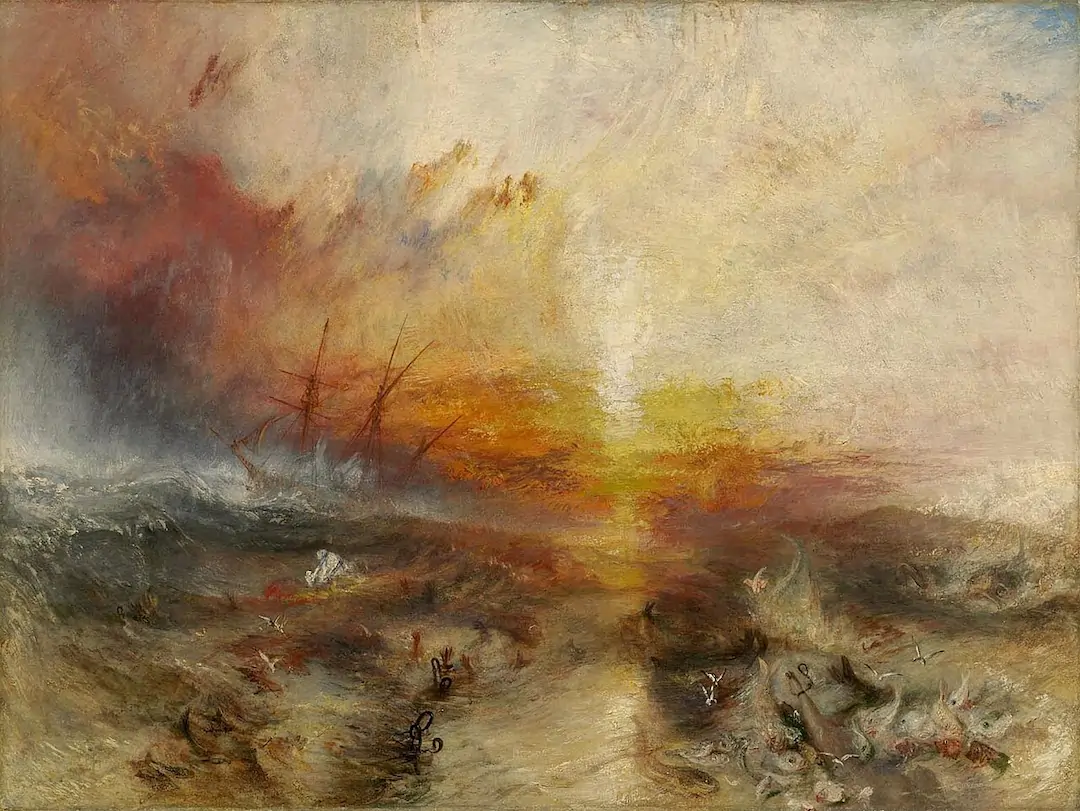
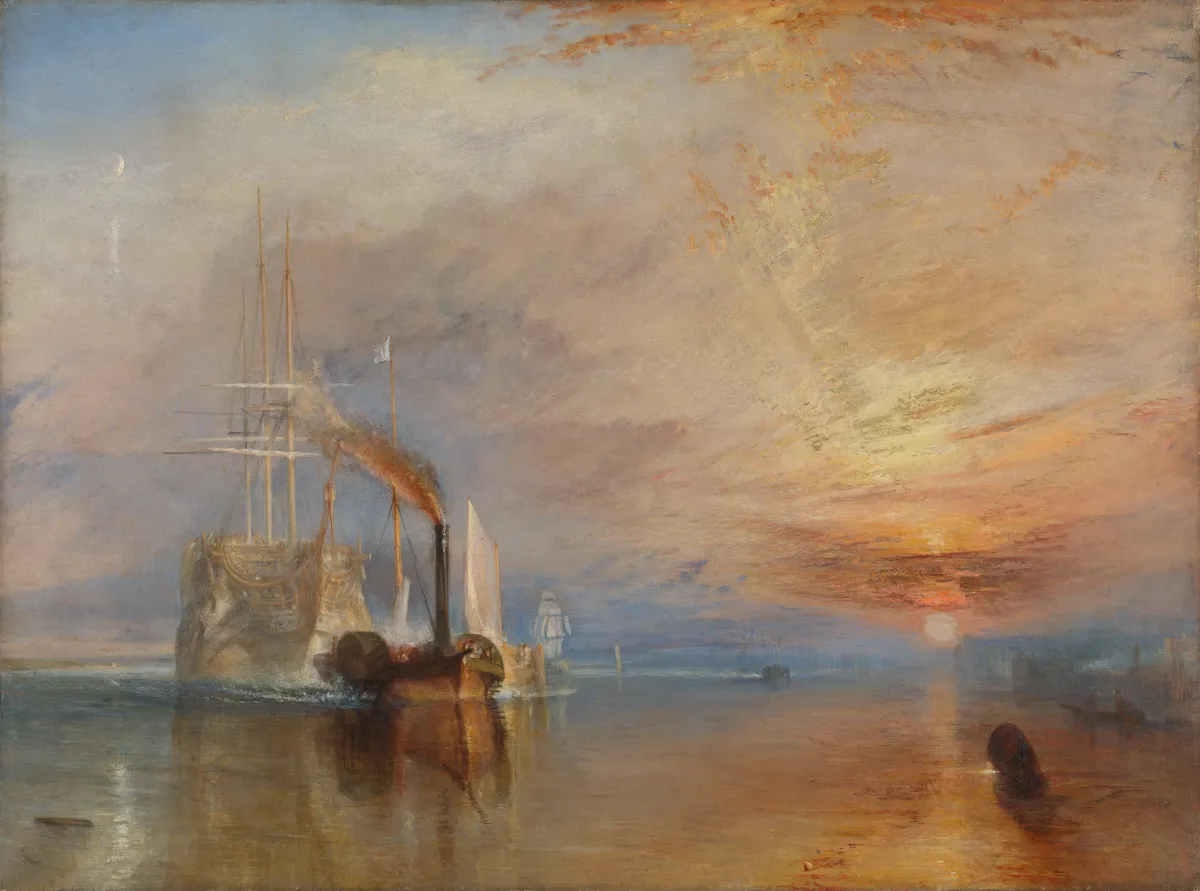
Turner’s technical prowess shines in "The Slave Ship," where his use of oil on canvas creates a turbulent, emotionally charged scene. The swirling colors and dynamic composition exemplify the Romanticism movement’s fascination with nature’s power and human vulnerability. This oil on canvas masterpiece is admired for its luminosity and texture, encouraging art lovers to explore related products such as "The Fighting 'Téméraire' tugged to her last Berth to be broken up, The Slave Ship 1840" for a fuller appreciation of Turner’s genius.
"The Slave Ship" by Joseph Mallord William Turner is more than just a fine art painting for sale; it is a visual narrative of tragedy and hope. Embedded within the Romanticism movement, Turner’s work uses stormy seas and desperate figures to symbolize the horrors of the slave trade. Collectors and historians alike value this painting alongside related products, such as "The Fighting 'Téméraire' tugged to her last Berth to be broken up, The Slave Ship 1840," for their powerful stories and enduring symbolism.
Owning a hand-painted oil painting like "The Slave Ship" by Joseph Mallord William Turner is a rare privilege for any art collector. As a standout piece from the Romanticism movement, it elevates any collection, especially when displayed with related products like "The Fighting 'Téméraire' tugged to her last Berth to be broken up, The Slave Ship 1840." This masterpiece’s dramatic impact and historical relevance make it a truly exceptional fine art painting for sale.
When Art Meets History
Joseph Mallord William Turner’s masterpiece, "The Slave Ship," stands as a powerful testament to the Romanticism movement. This hand-painted oil painting captures a turbulent moment in history, depicting the brutal reality of the transatlantic slave trade. Turner’s portrayal is not only a condemnation of human cruelty but also a vivid documentation of historical events. Related paintings like "The Battle of San Jacinto" and "Dawn at the Alamo" similarly blend historical significance with artistic mastery, making them sought after by collectors worldwide.
Techniques That Speak
Turner’s "The Slave Ship" showcases his signature use of oil on canvas, employing swirling brushstrokes and vibrant colors to evoke a sense of chaos and emotional turmoil. His innovative techniques were influential within the Romanticism movement, inspiring artists to experiment with light and atmosphere. This painting, much like "Bathsheba Bathing" and "The Bear Dance," demonstrates how oil on canvas can bring dramatic narratives to life, making each piece a captivating experience for viewers and collectors alike.
Emotions on Display
"The Slave Ship" by Joseph Mallord William Turner is a fine art painting for sale that stirs profound emotions. The dramatic skies and stormy seas reflect the suffering and despair of those lost at sea, embodying the Romanticism movement’s focus on intense feeling. As with "Hutten's Grave," Turner’s work invites viewers to confront uncomfortable truths, using art to channel empathy and outrage. The emotional impact of this painting continues to resonate with audiences and art enthusiasts around the world.
Coveted by Collectors
Collectors highly prize Turner's "The Slave Ship" for its historical significance and masterful execution as a hand-painted oil painting. The work’s connection to the Romanticism movement and its thematic ties to related paintings such as "The Battle of San Jacinto" and "Bathsheba Bathing" enhance its desirability. As a fine art painting for sale, it stands as a symbol of both artistic achievement and social commentary, making it a centerpiece in prestigious collections and museums globally.
Related Romanticism Hand-Painted Oil Paintings by Other Artists
Other Famous Romanticism Artists:
Frequently Asked Questions About The Slave Ship
What historical event inspired Joseph Mallord William Turner to create The Slave Ship?
The Slave Ship was inspired by the historical events surrounding the transatlantic slave trade, particularly the tragic incident in which enslaved individuals were thrown overboard to claim insurance money during a storm.
What artistic techniques did Turner employ in The Slave Ship?
Turner utilized loose brushwork, vibrant colors, and dramatic contrasts of light and dark to evoke emotion and convey the chaos of the scene, showcasing his mastery of atmospheric effects.
How does The Slave Ship reflect Turner's views on humanity and nature?
The painting illustrates the tension between humanity and nature, depicting the overwhelming power of the sea as a metaphor for the moral consequences of human actions, particularly the cruelty of the slave trade.
What symbolism can be found in the use of color in The Slave Ship?
The use of fiery reds and deep blues symbolizes both the violence of the slave trade and the tumultuous emotions associated with loss and suffering, creating a haunting atmosphere that reflects the tragedy of the event.
In what ways does The Slave Ship challenge the viewer's perception of beauty?
Turner challenges traditional notions of beauty by juxtaposing the sublime power of nature with the horrific reality of human suffering, prompting viewers to confront the darker aspects of existence.
How does The Slave Ship fit into the Romantic art movement?
The Slave Ship is emblematic of the Romantic movement, emphasizing emotion, individual experience, and the sublime, while also critiquing societal issues through a deeply personal lens.
What role does light play in The Slave Ship?
Light in The Slave Ship serves to heighten the drama of the scene, illuminating the ship and the turbulent waters, while also symbolizing hope amidst despair, reflecting the duality of human experience.
What was the public reception of The Slave Ship when it was first exhibited?
Upon its exhibition in 1840, The Slave Ship received mixed reactions; while some praised its emotional depth and innovative style, others were unsettled by its subject matter and the stark portrayal of suffering.
How has The Slave Ship influenced contemporary discussions about art and ethics?
The Slave Ship has become a focal point in contemporary discourse on art and ethics, prompting discussions about the responsibilities of artists to address social injustices and the role of art in historical memory.
What impact did The Slave Ship have on Turner's career?
The Slave Ship marked a significant turning point in Turner's career, solidifying his reputation as a leading figure in British art and demonstrating his willingness to tackle complex and controversial subjects.






















_GFM_Painting_(1).webp)


 100% Hand-Painted: Finished in 3-6 Weeks

.png)















_(1).webp)