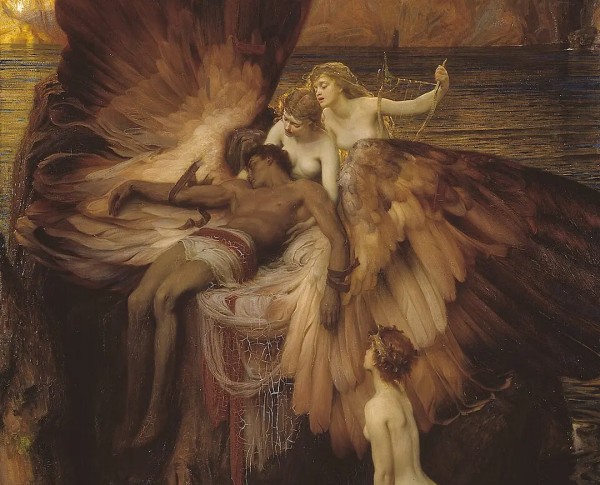
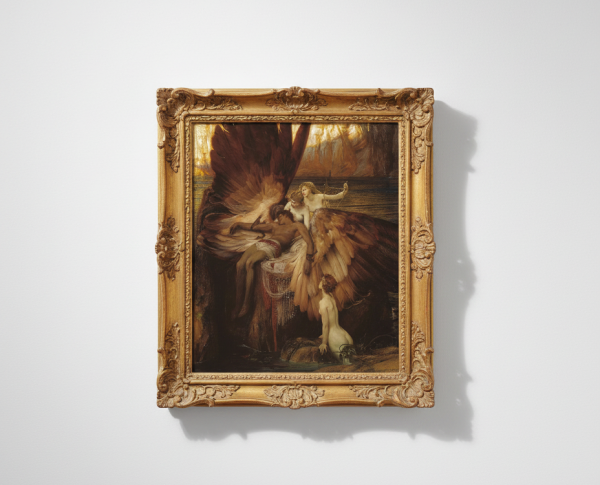
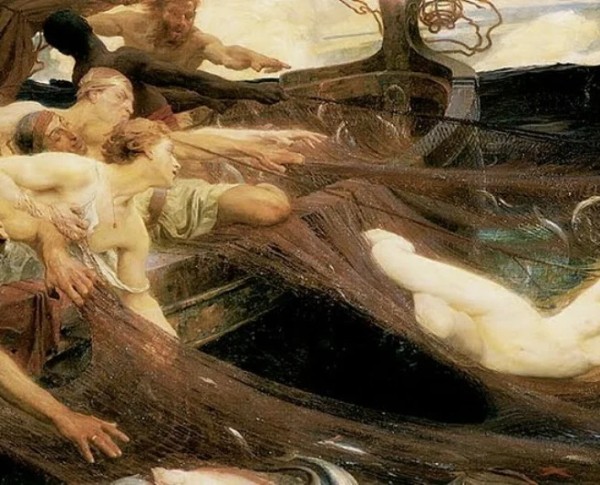
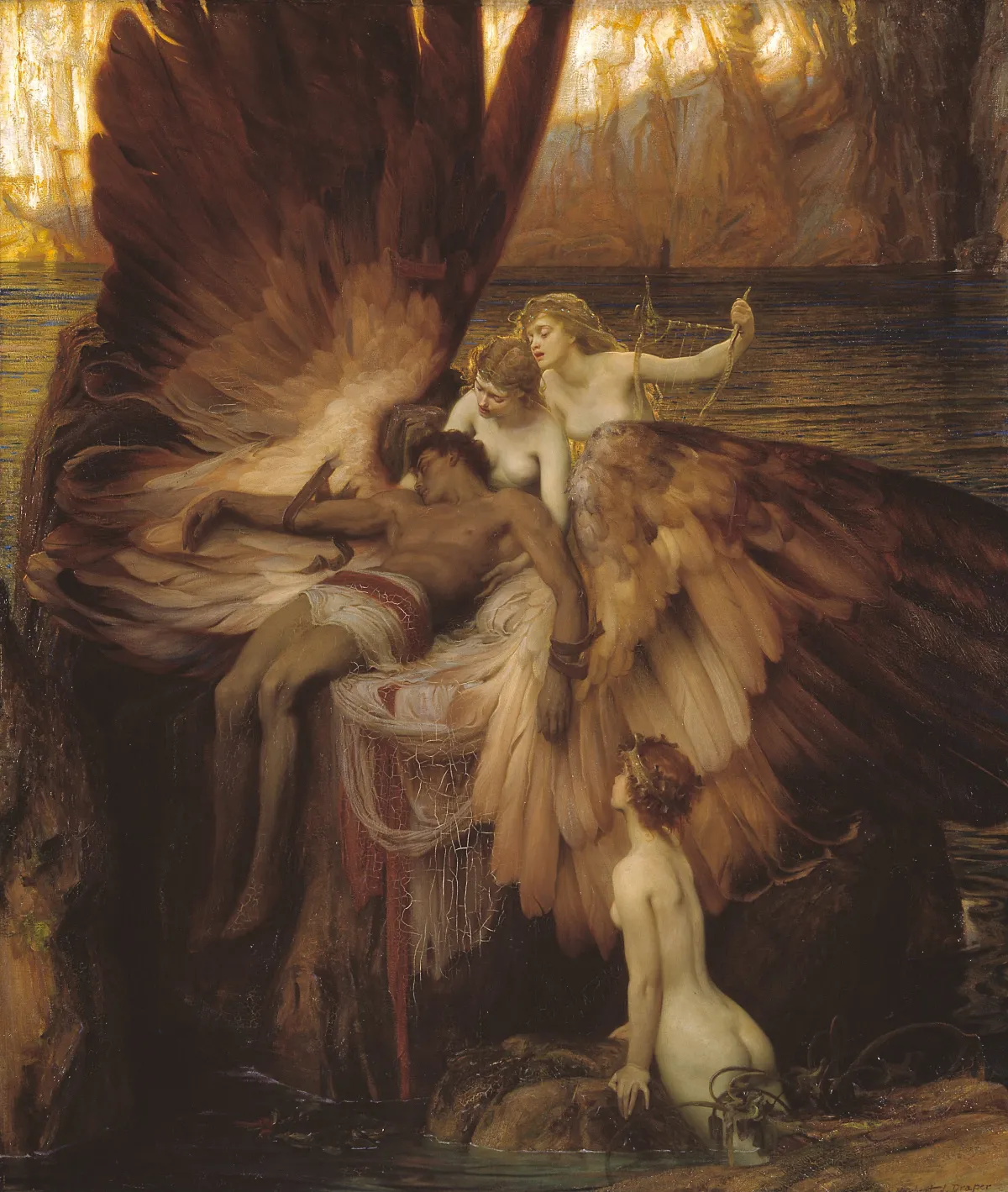
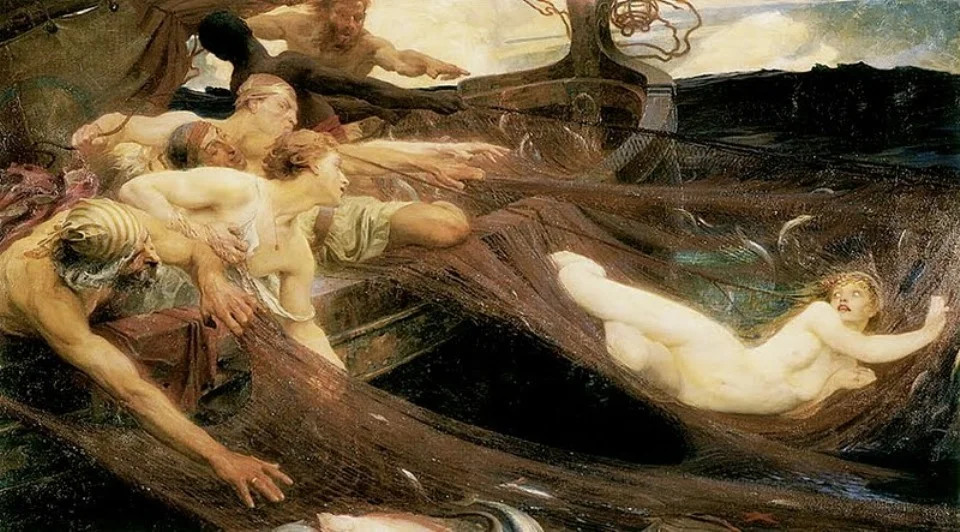
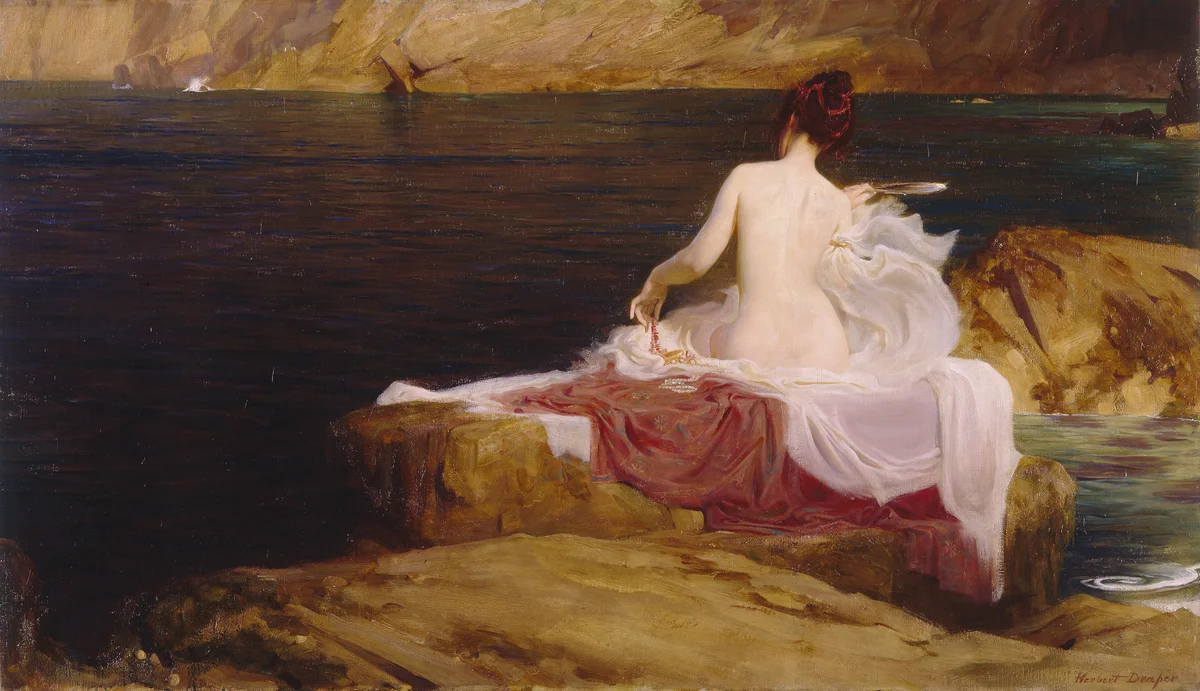
Herbert James Draper’s technique in "The Lament for Icarus" exemplifies the precision and grace of oil on canvas. Each brushstroke reveals his command over light and anatomy, hallmarks of the Neo-Classical movement. The painting’s luminous colors and intricate details bring the tragic story to life, echoing the mastery found in "Calypso's Isle" and "The Sea Maiden." Draper’s dedication to realism and emotion ensures his art remains celebrated in galleries and private collections worldwide.
"The Lament for Icarus" is more than a fine art painting for sale; it is a visual narrative rich with symbolism. Draper captures the mythological fall of Icarus, surrounded by mourning nymphs, highlighting themes of ambition and loss. As a Neo-Classical masterpiece, it invites viewers to reflect on human aspiration and consequence. Related works like "Calypso's Isle" and "The Sea Maiden" further explore legendary tales, making Draper’s portfolio a treasure trove for myth lovers.
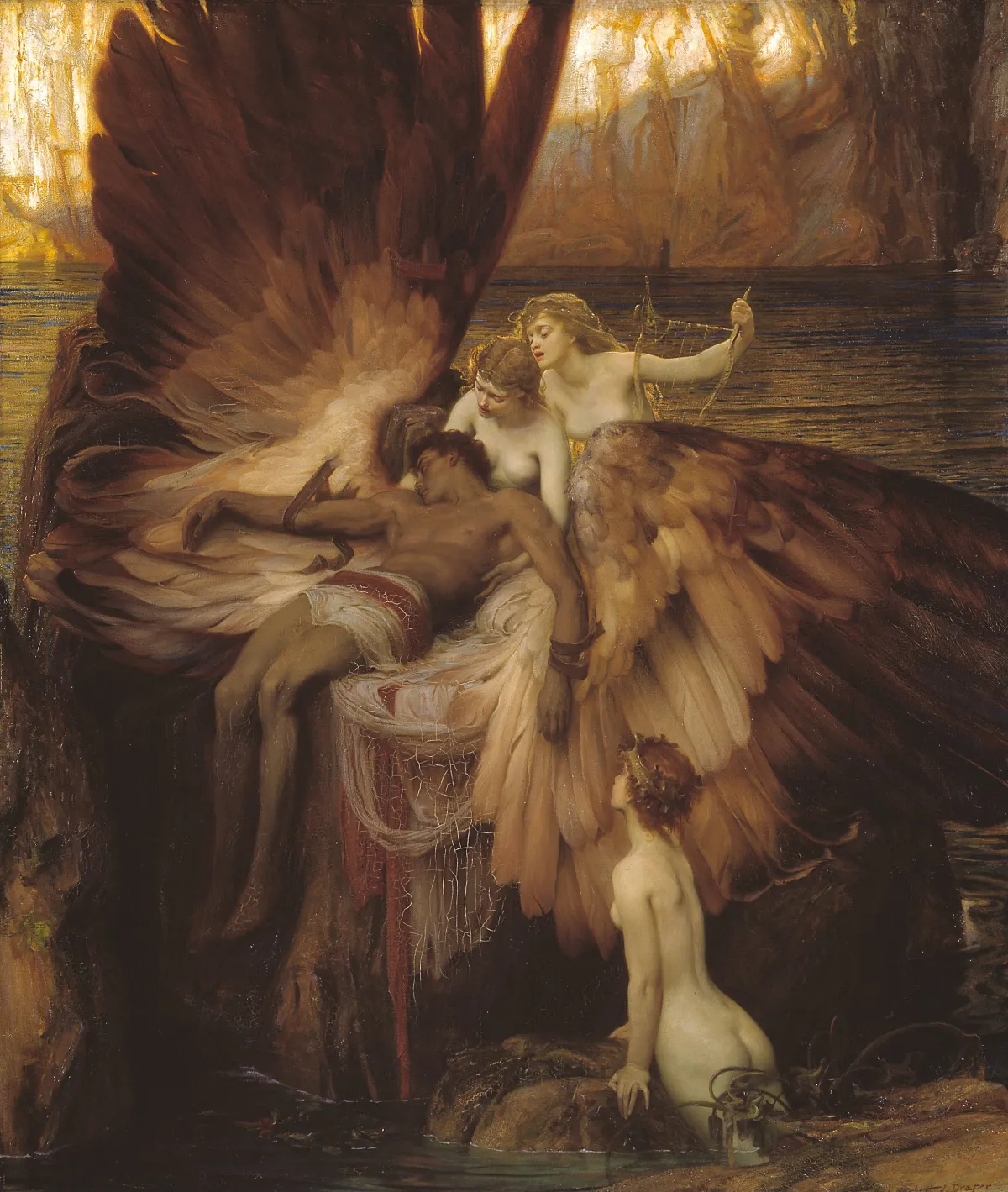
For art collectors, "The Lament for Icarus" by Herbert James Draper represents the pinnacle of Neo-Classical creativity and emotional resonance. This hand-painted oil painting, along with "Calypso's Isle" and "The Sea Maiden," offers a unique opportunity to own a piece of art history. Draper’s works are highly sought after, making them ideal fine art paintings for sale to elevate any collection. Embrace the timeless allure of Draper’s masterpieces and invest in enduring beauty.
When Art Meets History
Herbert James Draper’s masterpiece, "The Lament for Icarus," stands as a poignant example of the Neo-Classical movement. This hand-painted oil painting draws on the tragic myth of Icarus, blending historical narrative with artistic brilliance. Draper’s contemporaries, like John Johnston with "Running Stream at San Cosimato," also explored historical themes. "The Lament for Icarus" continues to captivate art lovers, merging timeless myth with the refined techniques of the Neo-Classical era.
Techniques That Speak
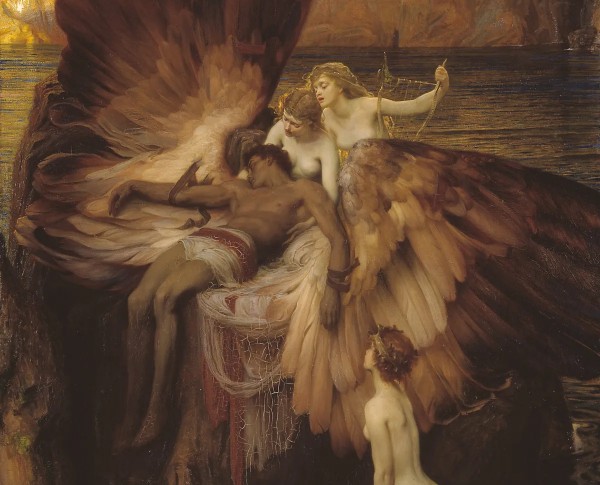
Draper’s "The Lament for Icarus" is renowned for its exquisite oil on canvas technique, which brings depth and luminosity to the fallen figure of Icarus. The artist’s mastery is evident in the delicate interplay of light and shadow, reminiscent of works such as "The Bridge at La Cava." Through careful brushwork, Draper captures both the fragility and grandeur of the myth, making this oil on canvas painting a standout of the Neo-Classical movement.
Emotions on Display
"The Lament for Icarus" is a fine art painting for sale that exudes deep emotion, portraying the sorrowful aftermath of Icarus’s fall. Draper’s sensitive rendering of the mourners and the lifeless hero elicits empathy from viewers, much like the emotional depth in "The Declaration of Independence." The Neo-Classical style enhances the drama, emphasizing the universal themes of ambition, loss, and mourning that resonate through Draper’s evocative composition.
Coveted by Collectors
Collectors prize "The Lament for Icarus" not only for its beauty but also for its historical significance within the Neo-Classical movement. As with sought-after works like "Running Stream at San Cosimato," Draper’s painting is a hand-painted oil painting that appeals to discerning buyers and institutions. Its evocative storytelling and technical excellence ensure that it remains a highly desirable fine art painting for sale among enthusiasts and collectors worldwide.
Related Neo-Classical Hand-Painted Oil Paintings by Other Artists
Other Famous Neo-Classical Artists:
Frequently Asked Questions About The Lament for Icarus
What is the historical context of "The Lament for Icarus"?
"The Lament for Icarus" was painted by Herbert James Draper in 1898, during the height of the Symbolist movement in art. This period was characterized by a focus on emotional expression and the exploration of mythological themes, reflecting the cultural shifts of the late 19th century.
What mythological story does the painting depict?
The painting illustrates the Greek myth of Icarus, who flew too close to the sun with wings made of feathers and wax. The wax melted, causing him to fall into the sea. Draper captures the moment of mourning for Icarus, emphasizing the themes of hubris and tragic fate.
What artistic techniques did Draper use in "The Lament for Icarus"?
Draper employed a combination of classical techniques and a rich color palette to evoke emotion. His use of chiaroscuro enhances the dramatic contrast between light and shadow, while his attention to detail in the figures and landscape adds depth to the narrative.
How does Draper convey emotion in the painting?
The expressions and postures of the figures surrounding Icarus are pivotal in conveying deep sorrow and loss. Draper’s careful rendering of their faces and gestures invites viewers to empathize with their grief, creating a poignant emotional impact.
What is the significance of the color palette used in the painting?
Draper’s use of a muted yet rich color palette enhances the somber mood of the scene. The deep blues and greens of the water contrast with the warm tones of the figures, symbolizing the tension between life and death, as well as the beauty and tragedy of Icarus's story.
In what ways does the painting reflect the Symbolist movement?
"The Lament for Icarus" embodies the Symbolist movement through its emphasis on emotional depth and the use of myth as a vehicle for exploring human experience. The painting invites interpretation and reflection, hallmarks of Symbolist art.
What role does the landscape play in the composition?
The landscape serves as a backdrop that enhances the narrative. The turbulent sea and darkening sky reflect the turmoil of Icarus’s fall, while the distant horizon symbolizes the unattainable aspirations that led to his demise, reinforcing the painting's themes of ambition and tragedy.
How does Draper’s portrayal of Icarus differ from other interpretations of the myth?
Draper’s portrayal focuses on the aftermath of Icarus's fall, emphasizing the sorrow of those left behind rather than the act of flying itself. This perspective shifts the narrative from one of individual ambition to collective mourning, offering a fresh interpretation of the myth.
What is the significance of the figures surrounding Icarus?
The figures surrounding Icarus represent various responses to tragedy—grief, despair, and reflection. Their presence highlights the impact of Icarus's fate not only on himself but also on those who loved him, emphasizing the interconnectedness of human experiences.
What lasting impact has "The Lament for Icarus" had on art and culture?
"The Lament for Icarus" has influenced subsequent artistic interpretations of mythological themes and continues to resonate in discussions about ambition and consequence. Its emotional depth and technical mastery have made it a significant work in the study of late 19th-century art.






















_GFM_Painting_(1).webp)


 100% Hand-Painted: Finished in 3-6 Weeks

.png)

















_(1).webp)