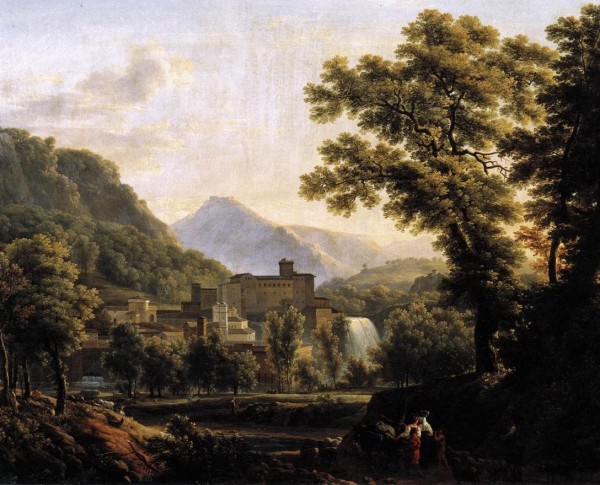
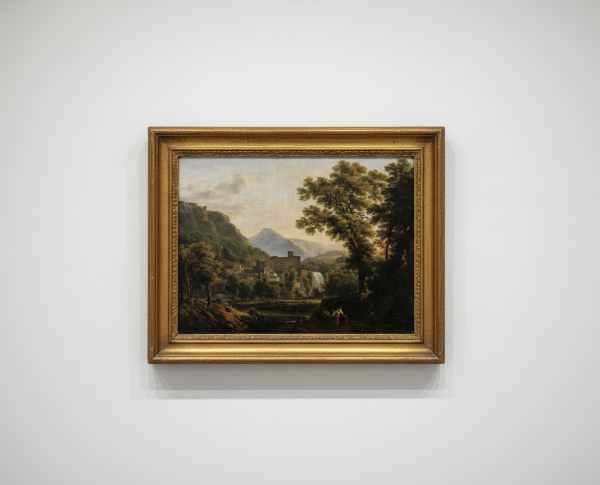
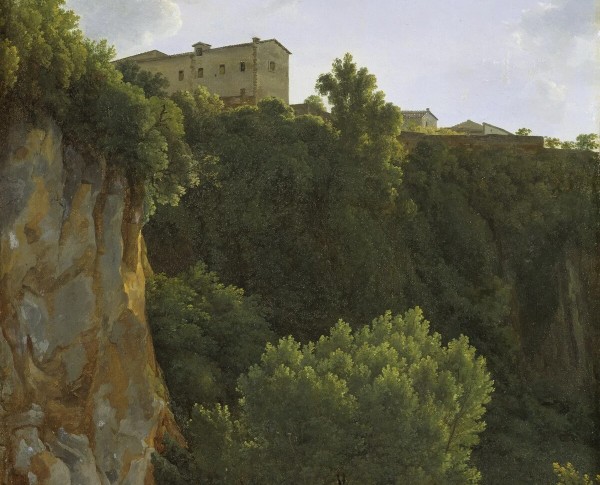
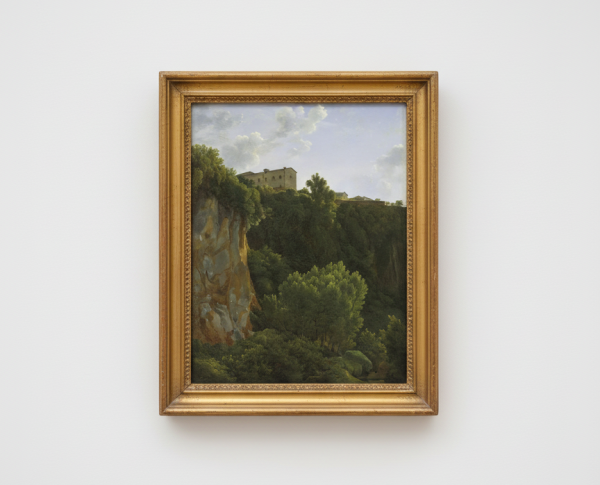
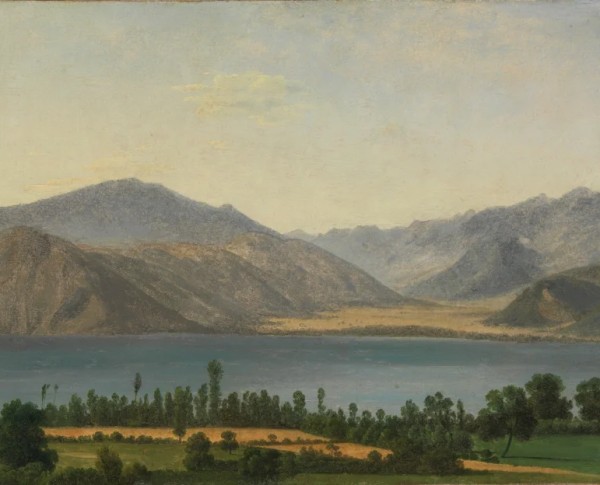
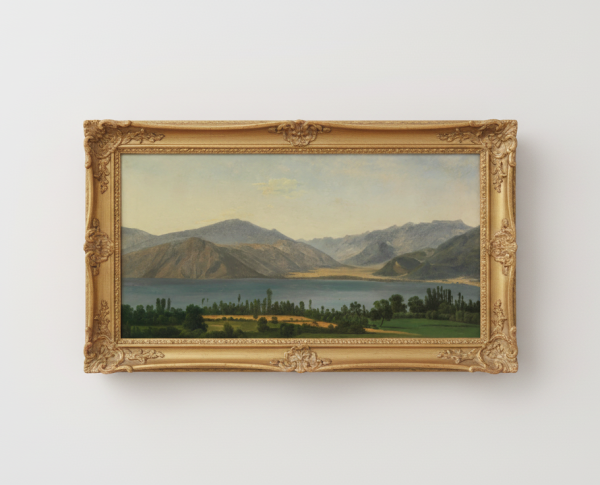
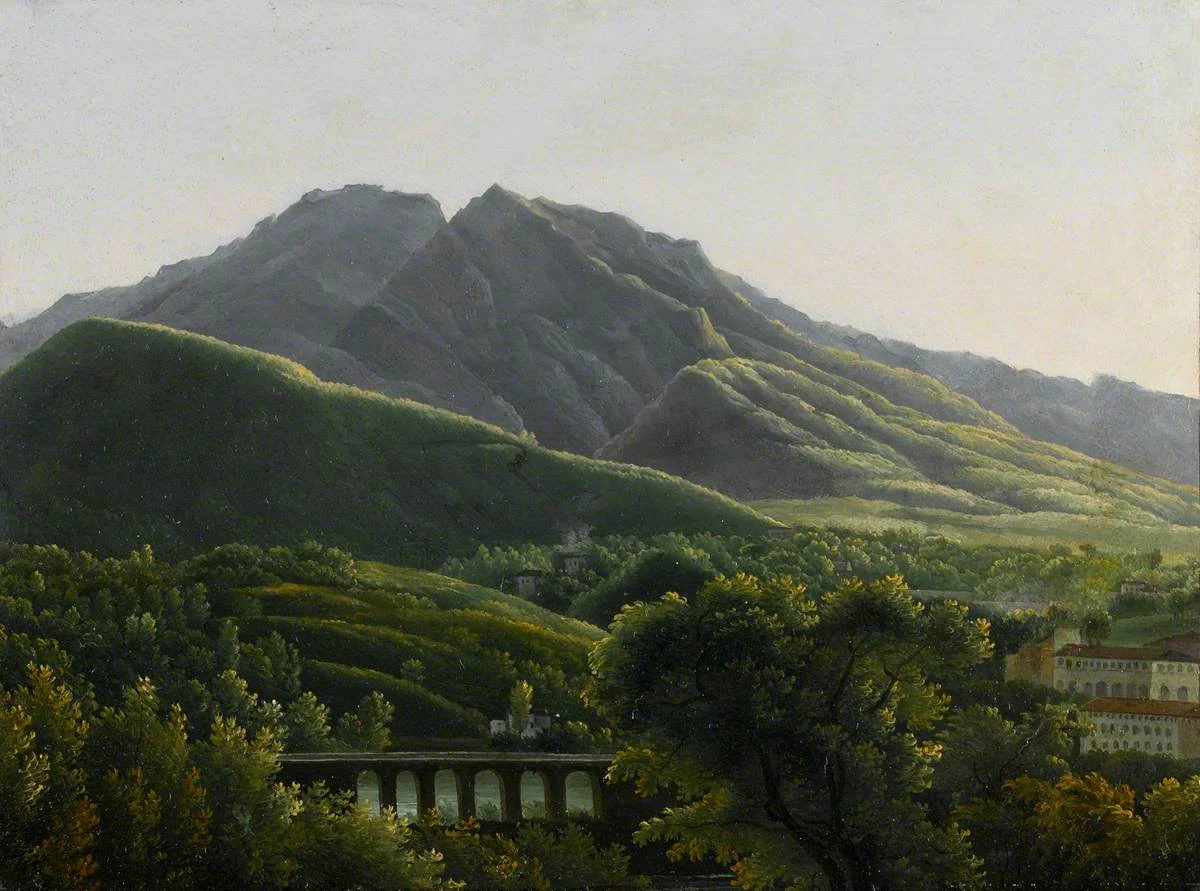
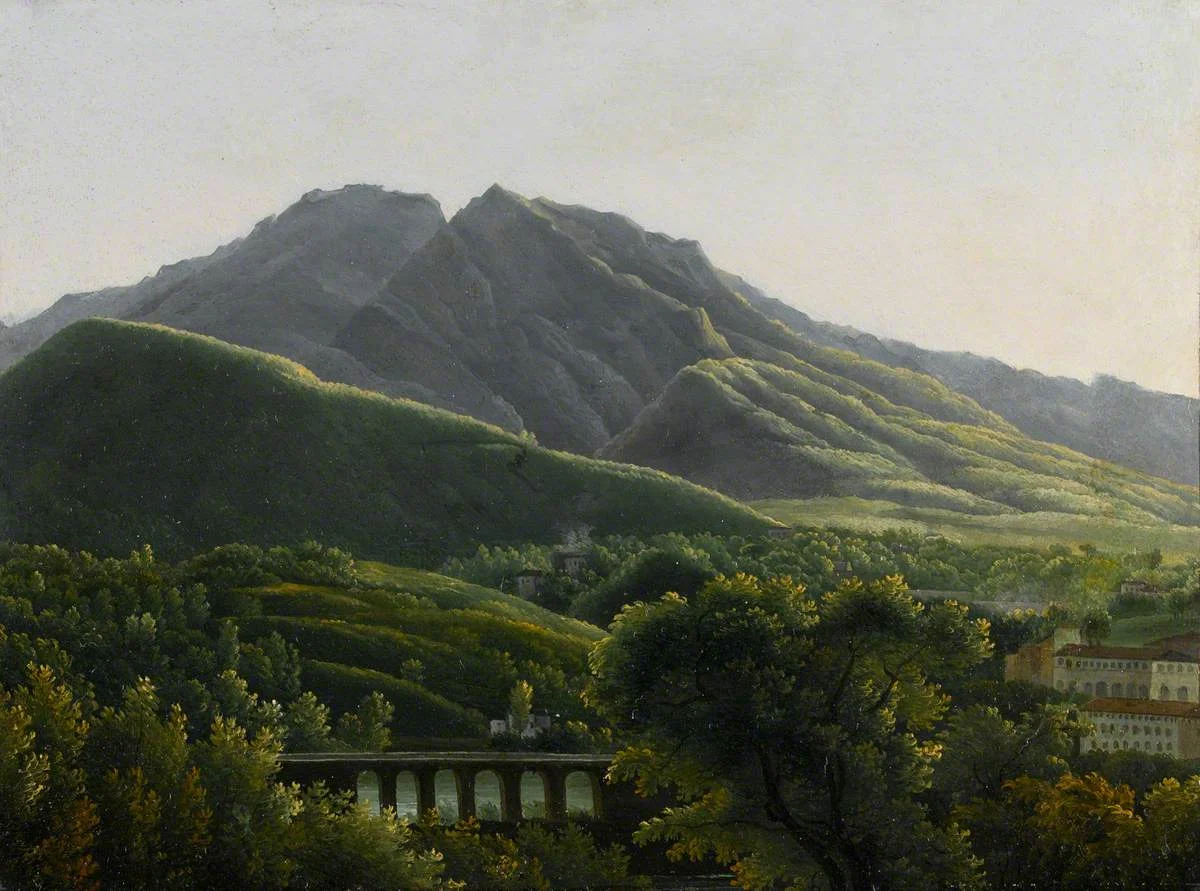
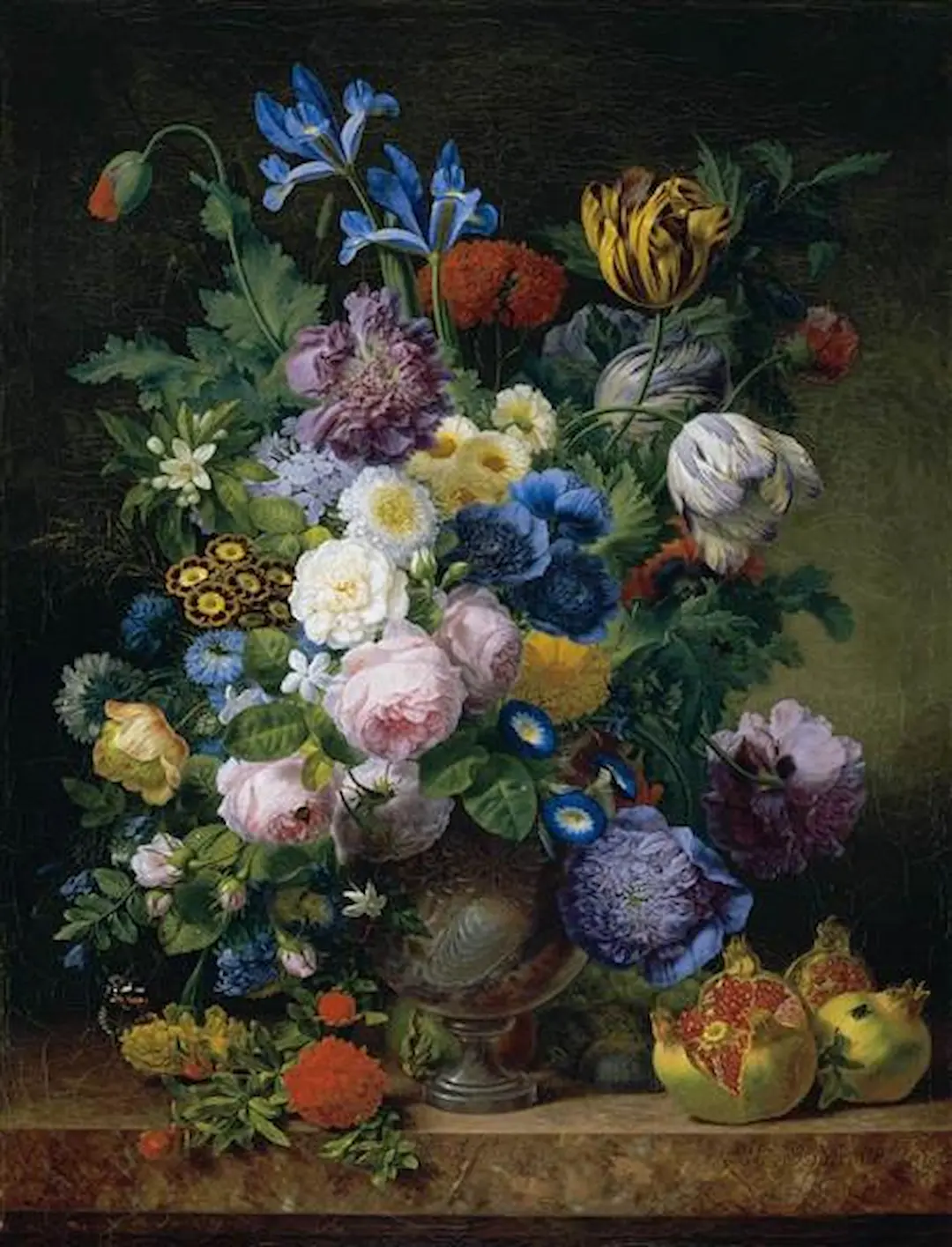
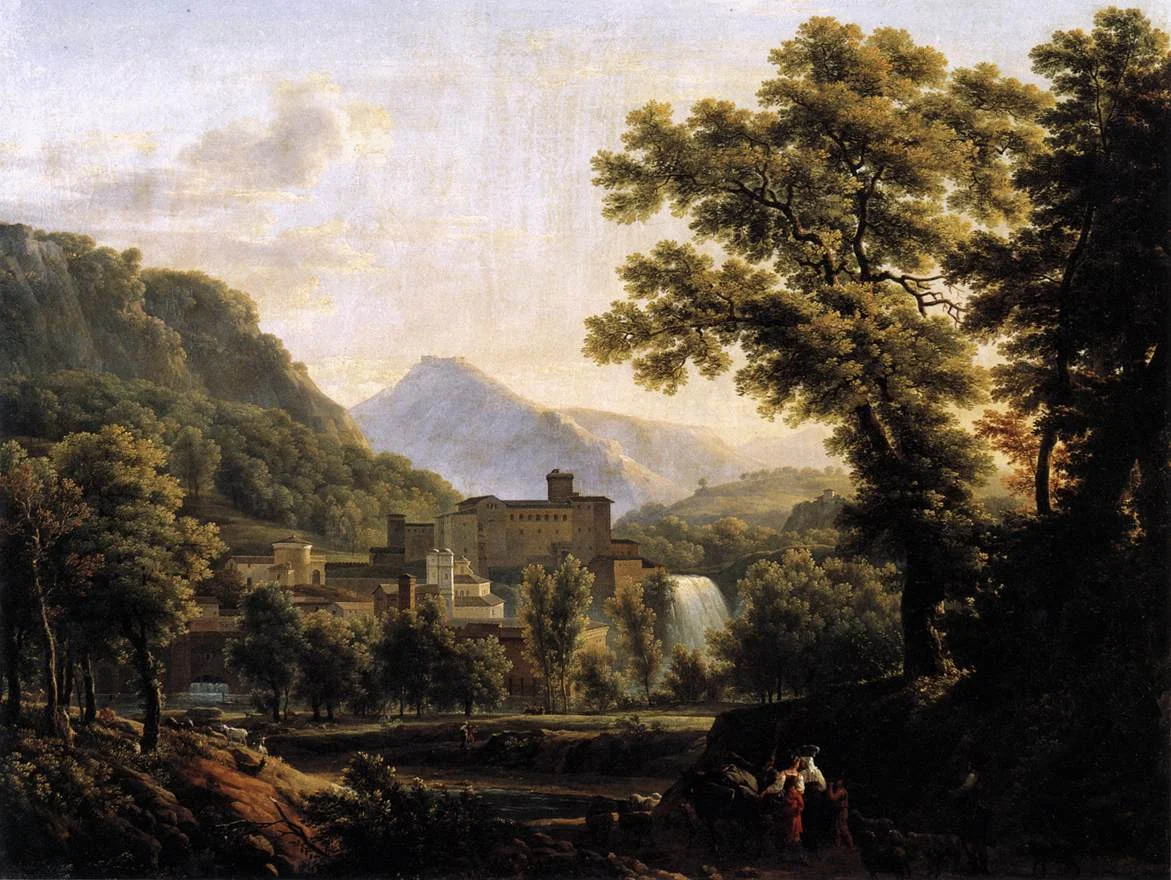
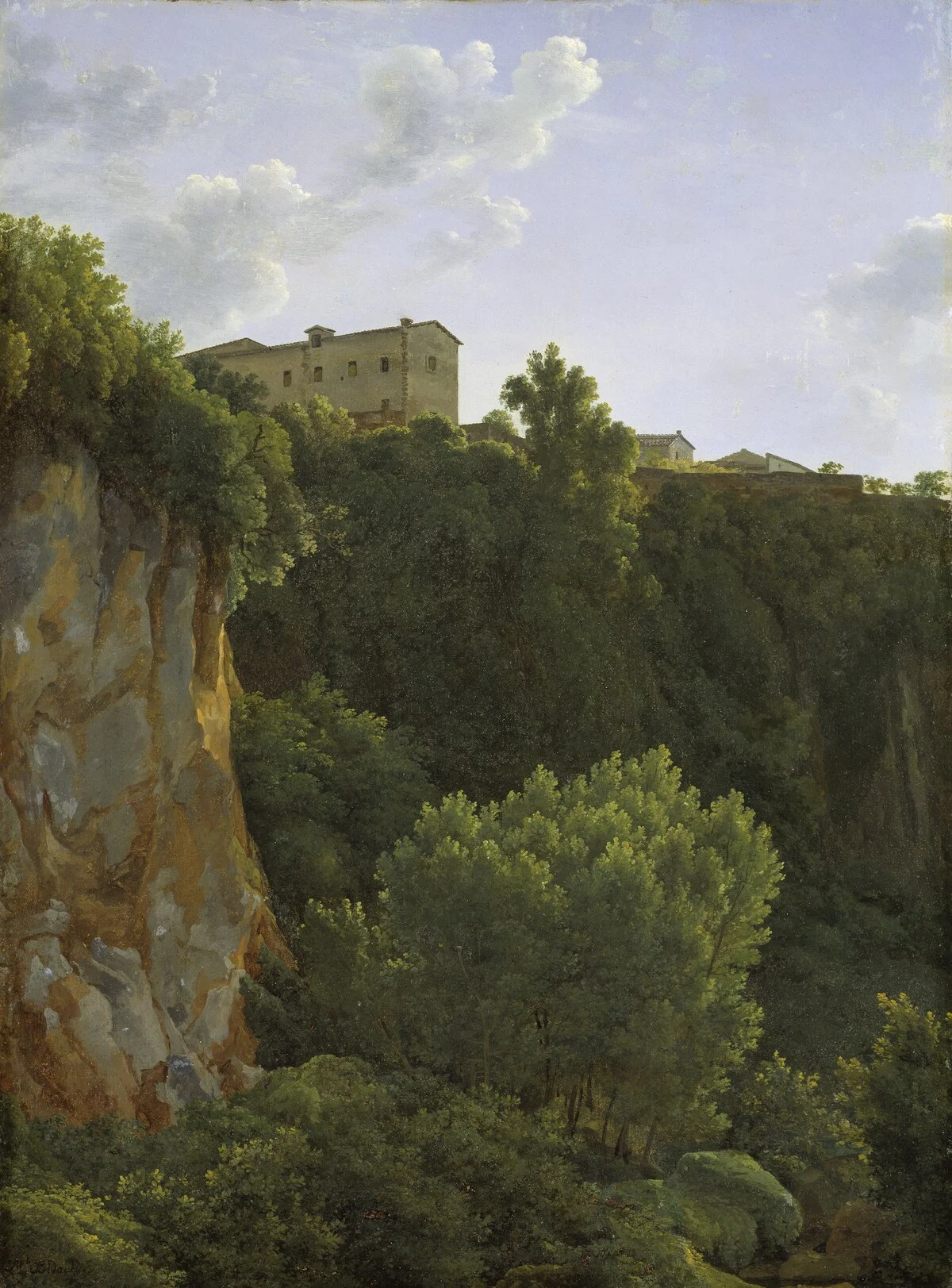
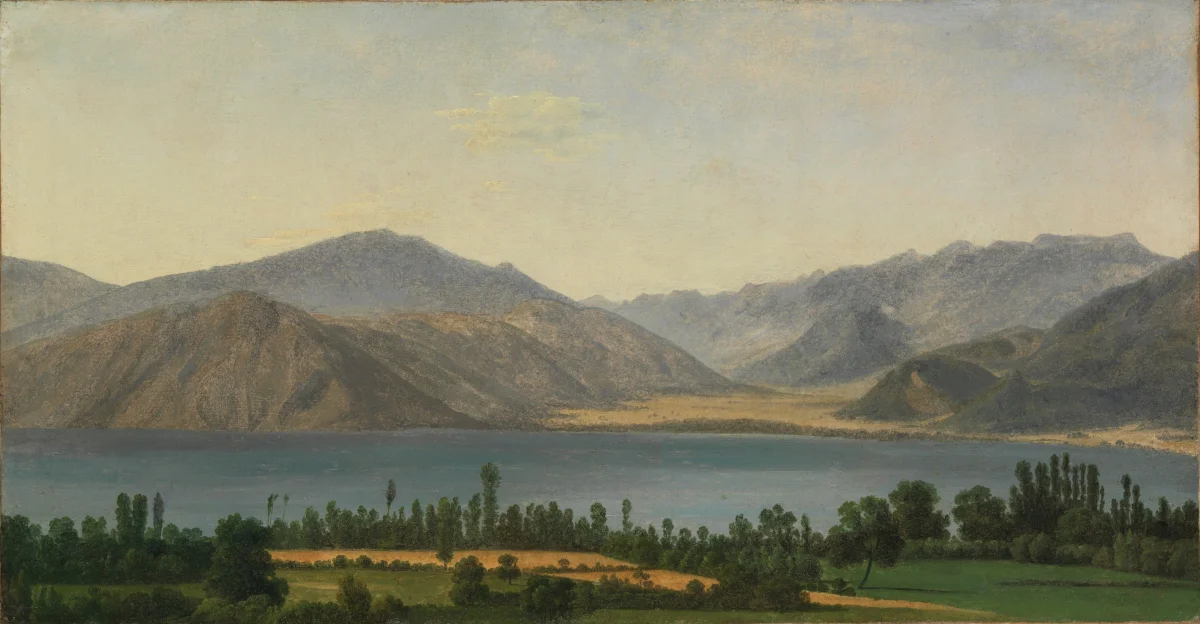
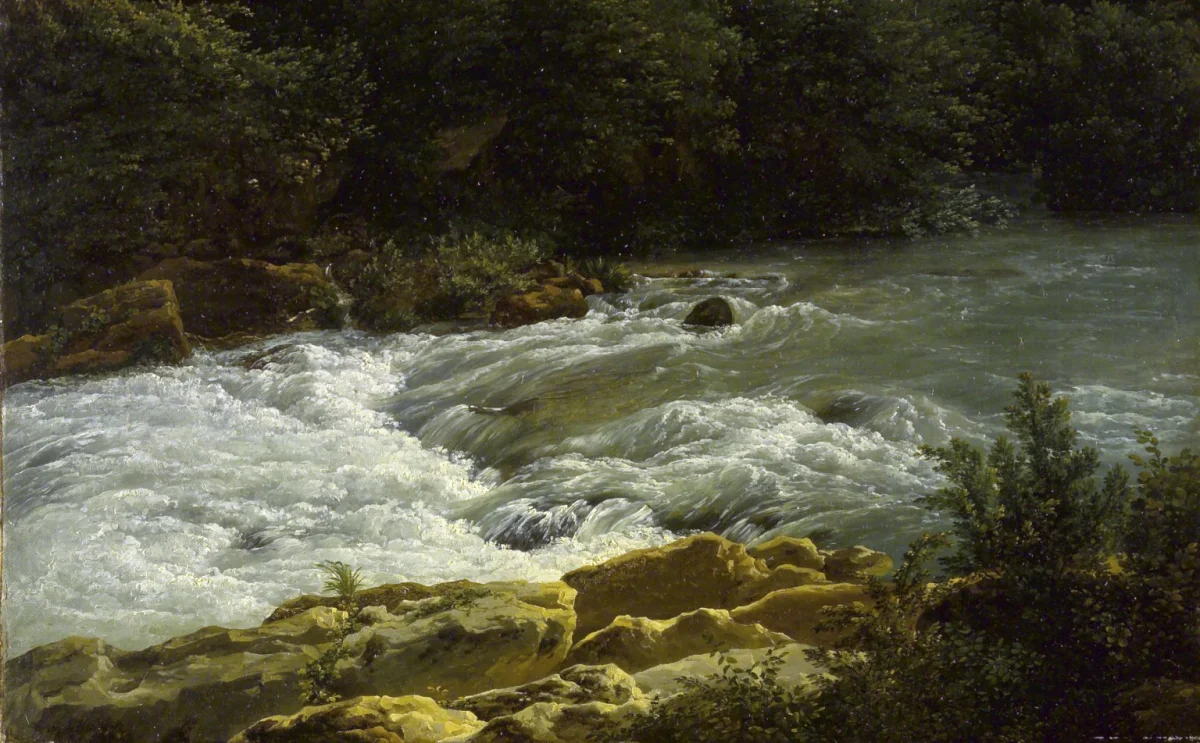
Jean-Joseph-Xavier Bidauld’s "The Bridge at La Cava, Kingdom of Naples" showcases his remarkable talent for detail and composition, hallmarks of the Neo-Classical movement. His use of oil on canvas brings the tranquil landscape to life, emphasizing the play of light and shadow across the scene. Similar techniques can be seen in related products such as "Running Stream at San Cosimato" and "Lake Fucino and the Abruzzi Mountains," making each piece a celebration of classic artistry.
This fine art painting for sale is more than just a picturesque view; it is rich with stories and symbols from the Kingdom of Naples. Bidauld’s depiction of the bridge and surrounding scenery invites viewers to reflect on the connection between nature and civilization, a common theme in Neo-Classical works. Collectors may also enjoy exploring this narrative in related paintings like "Running Stream at San Cosimato" and "View of the Isle of Sora."
For those seeking a distinguished addition to their collection, "The Bridge at La Cava, Kingdom of Naples" by Jean-Joseph-Xavier Bidauld represents a true investment in artistry. Its status as a hand-painted oil painting ensures both authenticity and timeless appeal. As part of the Neo-Classical movement, it complements other fine works such as "Lake Fucino and the Abruzzi Mountains" and "Running Stream at San Cosimato," making it a prized fine art painting for sale.
When Art Meets History
"The Bridge at La Cava, Kingdom of Naples" by Jean-Joseph-Xavier Bidauld is a stunning hand-painted oil painting that captures a pivotal moment in European history. As a key work of the Neo-Classical movement, it reflects the era’s fascination with classical landscapes and architecture. Bidauld’s masterpiece stands alongside other notable works like "The Sea Maiden" and "Portrait of Thomas Jefferson," offering art lovers a glimpse into the past through the artist’s meticulous attention to historical detail.
Techniques That Speak
Bidauld’s use of oil on canvas brings "The Bridge at La Cava, Kingdom of Naples" to life with remarkable clarity and depth. His expert brushwork, characteristic of the Neo-Classical movement, highlights the interplay of light and shadow across the landscape. This technique is also evident in related paintings such as "Caroline Louisa Pratt Bartlett" and "Timothy Matlack," where the artist’s refined style and mastery of composition shine through, making each scene feel both timeless and vibrant.
Emotions on Display
In "The Bridge at La Cava, Kingdom of Naples," Bidauld skillfully evokes a sense of tranquility and awe, immersing viewers in the serene beauty of the Italian countryside. The emotional resonance of this fine art painting for sale is comparable to the evocative power found in "Lament for Icarus." Through careful composition and subtle color choices, Bidauld communicates the quiet majesty of nature, inviting collectors and enthusiasts to experience the emotional depth of Neo-Classical art.
Coveted by Collectors
This remarkable work by Jean-Joseph-Xavier Bidauld is highly sought after by collectors of Neo-Classical art. "The Bridge at La Cava, Kingdom of Naples" stands out not only for its historical significance but also for its exquisite craftsmanship as a hand-painted oil painting. Collectors often seek out related masterpieces like "The Sea Maiden" and "Portrait of Thomas Jefferson," making this painting a prized addition to any fine art collection and a testament to Bidauld’s enduring legacy.
Related Neo-Classical Hand-Painted Oil Paintings by Other Artists
Other Famous Neo-Classical Artists:
Frequently Asked Questions About The Bridge at La Cava, Kingdom of Naples
What is the historical context of "The Bridge at La Cava, Kingdom of Naples"?
This painting was created during the late 18th century, a period marked by significant political and social changes in Europe, including the rise of Romanticism and the appreciation for nature and landscape painting.
Who was Jean-Joseph-Xavier Bidauld?
Jean-Joseph-Xavier Bidauld was a prominent French painter known for his landscapes and depictions of natural scenery. He played a key role in the transition from Neoclassicism to Romanticism in art.
What artistic techniques are employed in this painting?
Bidauld utilized techniques such as chiaroscuro to create depth and dimension, as well as a vibrant color palette to evoke the natural beauty of the landscape surrounding La Cava.
What is the significance of the bridge depicted in the painting?
The bridge symbolizes connection and transition, reflecting the relationship between nature and human intervention. It serves as a focal point that draws the viewer's eye into the serene landscape.
How does this painting reflect the Romantic ideals of its time?
The painting embodies Romantic ideals by emphasizing the beauty of nature, the emotional response it evokes, and the celebration of the sublime, which contrasts with the industrialization of the era.
What elements of the landscape are highlighted in "The Bridge at La Cava"?
Bidauld highlights the lush greenery, the flowing water, and the dramatic sky, all of which contribute to the overall sense of tranquility and harmony within the natural environment.
What role does light play in this painting?
Light is used masterfully to enhance the mood and atmosphere of the scene, creating a sense of time and place while illuminating the natural elements and adding a sense of realism.
How does "The Bridge at La Cava" compare to other works by Bidauld?
This work is notable for its detailed rendering of the landscape and its emotional depth, setting it apart from some of Bidauld's other works that may focus more on architectural elements or less dramatic settings.
What symbolism can be found in the natural elements of the painting?
The natural elements symbolize peace and serenity, reflecting the Romantic belief in the restorative power of nature and its ability to inspire introspection and contemplation.
In what ways has "The Bridge at La Cava" influenced modern landscape painting?
This painting has influenced modern landscape painting by encouraging artists to explore the emotional and symbolic aspects of nature, paving the way for future movements that prioritize personal expression and the sublime in natural settings.






















_GFM_Painting_(1).webp)


 100% Hand-Painted: Finished in 3-6 Weeks

.png)















_(1).webp)