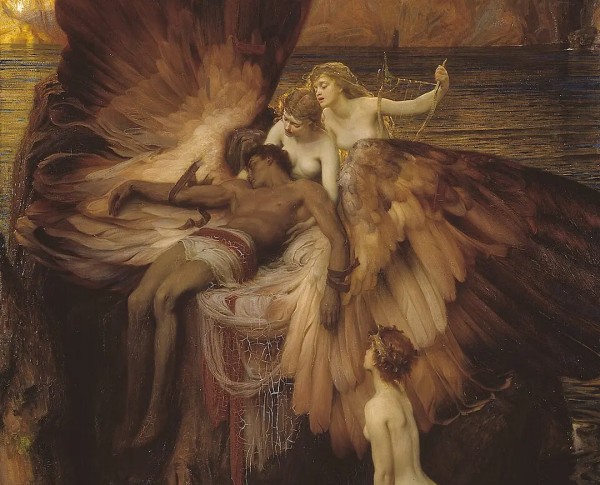
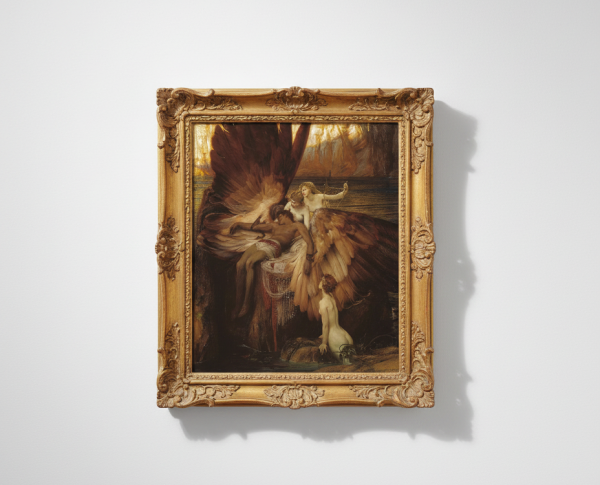
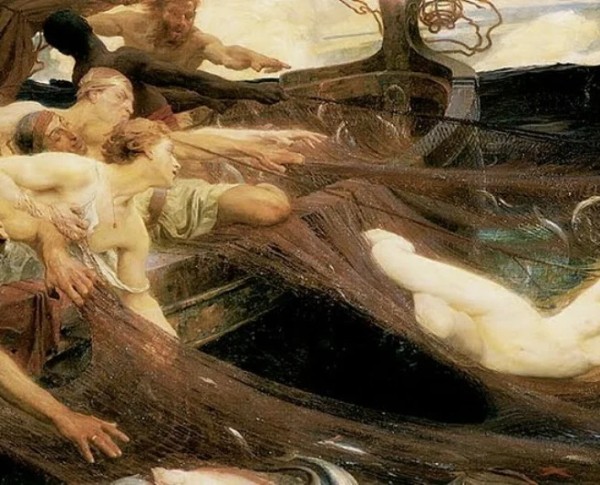
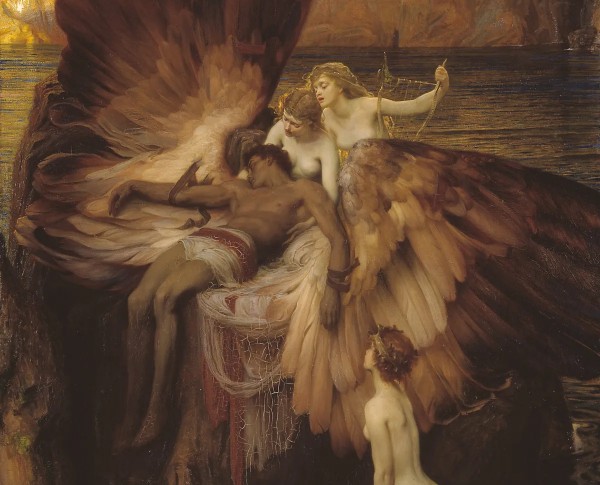
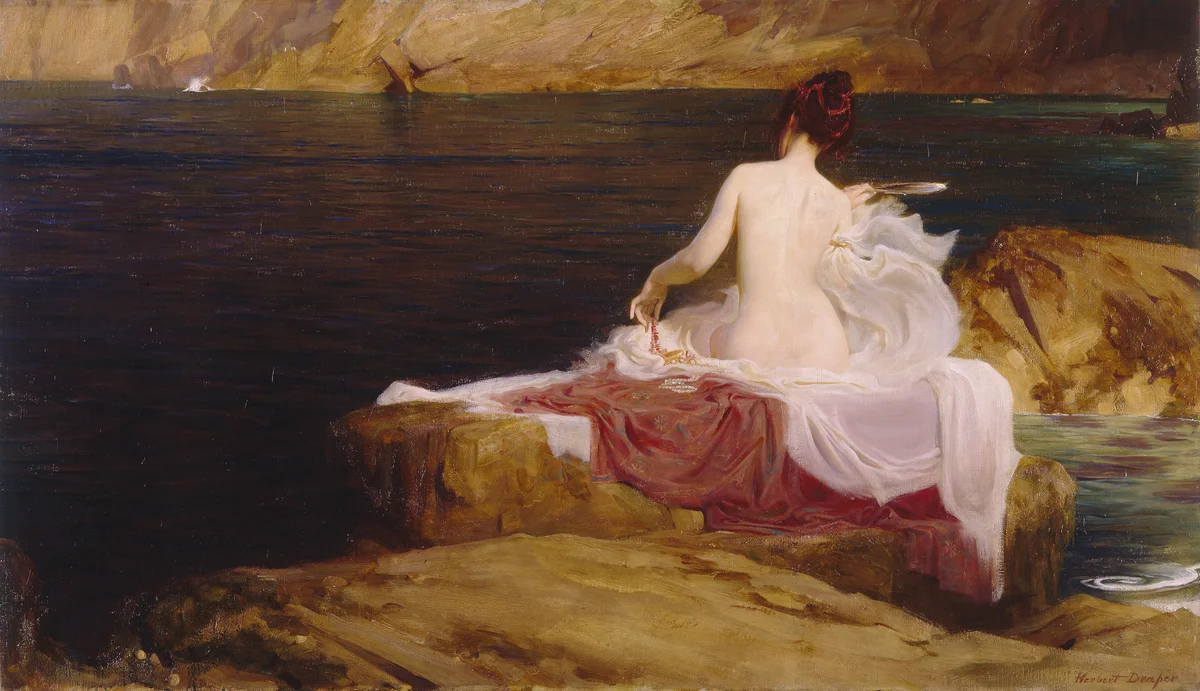
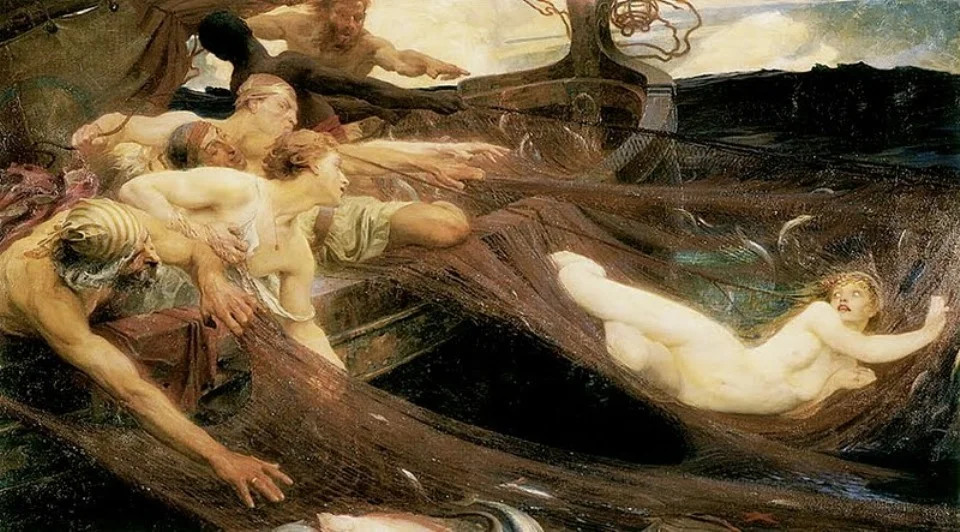
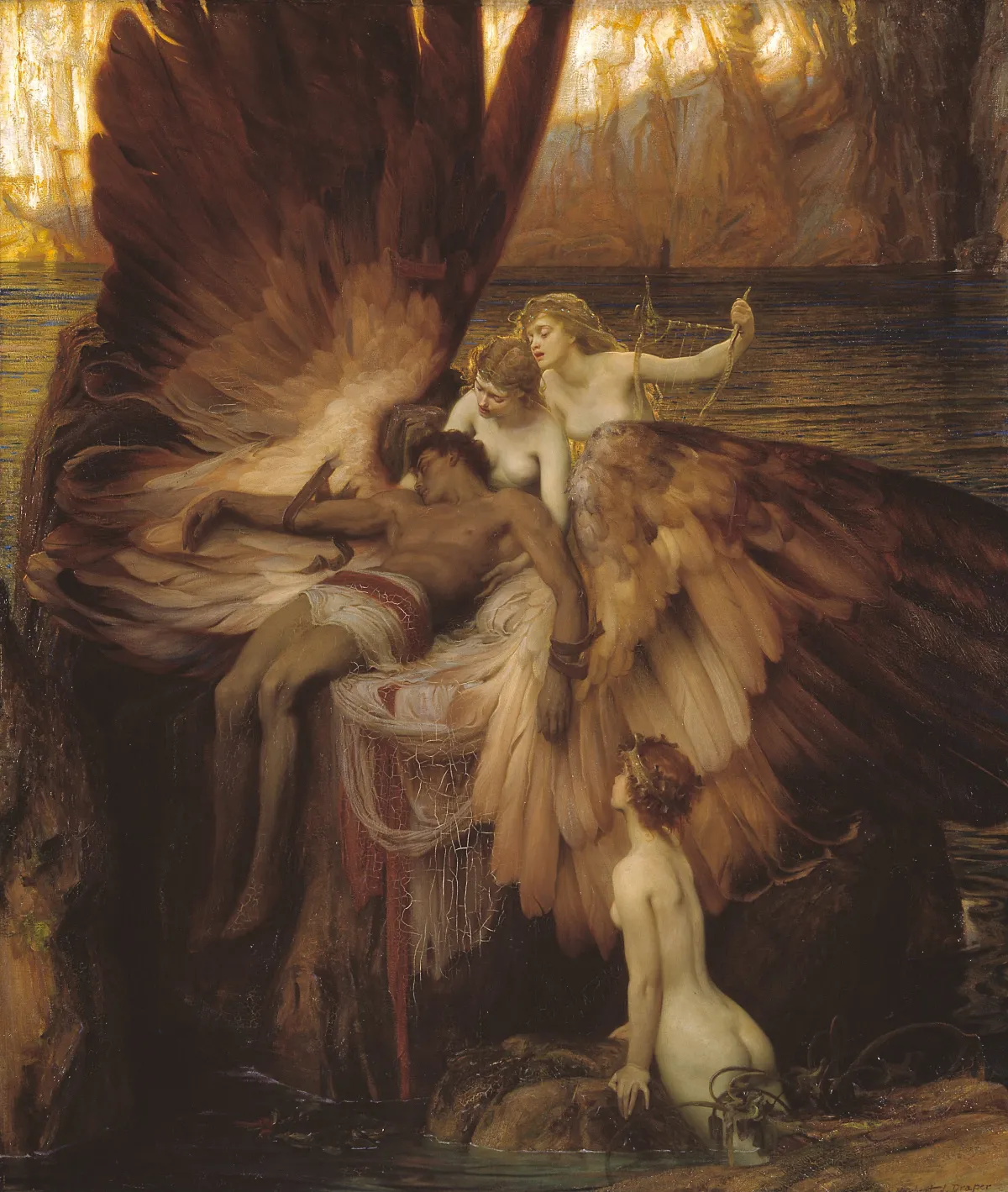
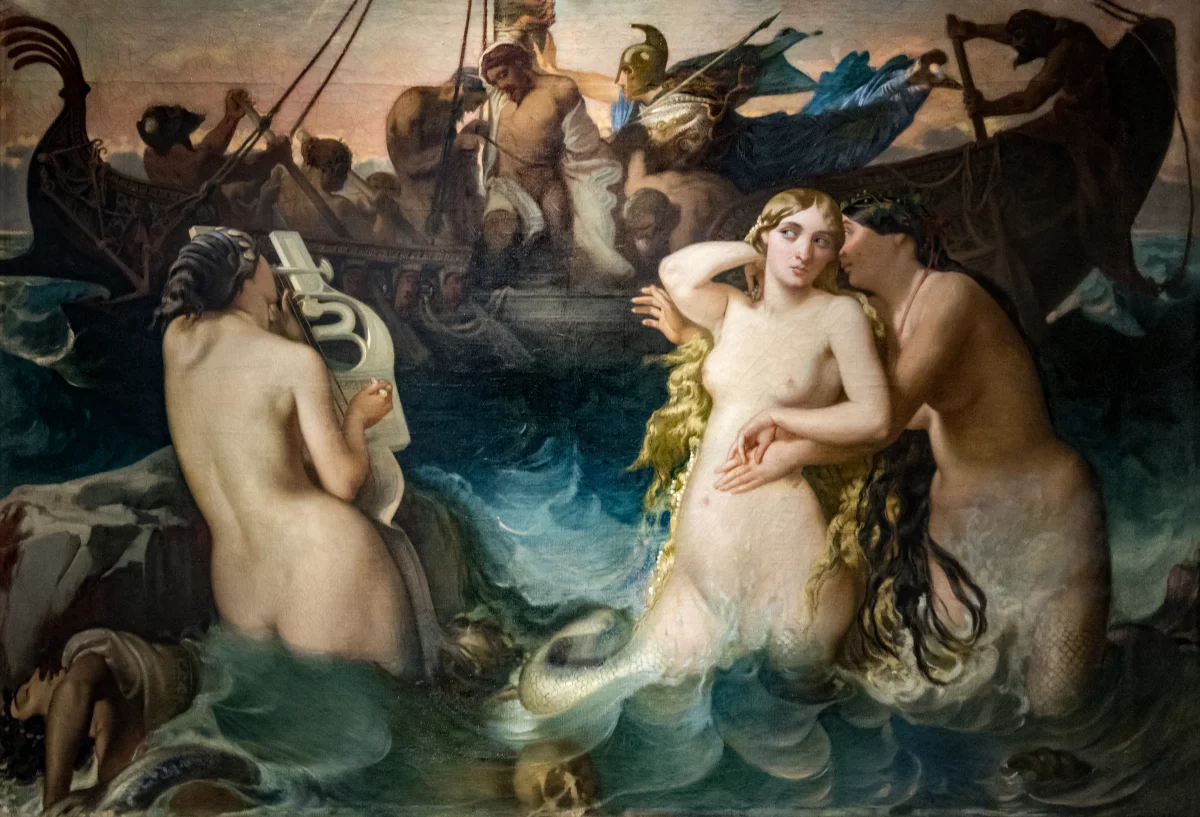
Herbert James Draper’s technique in "Calypso's Isle" exemplifies the meticulous approach found in Neo-Classical art. His use of oil on canvas allows for rich textures and luminous skin tones, drawing viewers into the mythic world he depicts. Draper’s attention to detail and composition highlights his mastery, making this painting a prized example of the movement. Collectors and enthusiasts often seek related works, including "Lament for Icarus" and "The Sea Maiden."
In "Calypso's Isle," Draper weaves ancient myth with visual storytelling, inviting viewers to explore the legend of Calypso through his fine art painting for sale. The symbolism within the composition—lush landscapes, flowing drapery, and emotive figures—reflects the narrative depth typical of Neo-Classical masterpieces. For those captivated by mythological themes, Draper’s related works, "Lament for Icarus" and "The Sea Maiden," offer further insight into his symbolic artistry.
Owning "Calypso's Isle" by Herbert James Draper means possessing a remarkable piece of the Neo-Classical movement. This hand-painted oil painting stands out for its elegance and historical significance, making it a coveted addition to any collection. Art connoisseurs often pair it with related products, such as "Lament for Icarus" and "The Sea Maiden," to create a curated selection of Draper’s most celebrated works in their private galleries.
When Art Meets History
"Calypso's Isle" by Herbert James Draper is a stunning example of the Neo-Classical movement, where myth and legend intertwine with artistic mastery. This hand-painted oil painting captures the timeless allure of Greek mythology, much like Draper’s contemporaries did with works such as "Portrait of Thomas Jefferson" and "Still-Life 1810." Draper’s ability to blend historical themes with fine art makes "Calypso's Isle" a masterpiece that continues to intrigue art lovers and historians alike.
Techniques That Speak
Herbert James Draper’s "Calypso's Isle" showcases meticulous brushwork and delicate shading, hallmarks of the Neo-Classical style. The artist’s use of oil on canvas allows for rich textures and luminous skin tones, similar to what is seen in "Gorge at Cività Castellana" and "Lake Fucino and the Abruzzi Mountains." Draper’s technical prowess elevates the narrative, drawing viewers into the mythical world he so expertly portrays.
Emotions on Display
In "Calypso's Isle," Draper masterfully conveys longing and enchantment, using expressive figures and atmospheric lighting. This fine art painting for sale draws comparisons to works like "John Johnston," where emotion is central to the composition. The Neo-Classical movement’s focus on clarity and drama is evident, allowing viewers to connect deeply with Calypso’s solitude and the story’s underlying pathos.
Coveted by Collectors
"Calypso's Isle" remains highly sought after among collectors of Neo-Classical art. As a hand-painted oil painting by Herbert James Draper, it stands alongside other coveted works such as "Portrait of Thomas Jefferson" and "Lake Fucino and the Abruzzi Mountains." Its combination of mythological subject matter and technical brilliance ensures that this painting remains a prized possession in any fine art collection.
Related Neo-Classical Hand-Painted Oil Paintings by Other Artists
Other Famous Neo-Classical Artists:
Frequently Asked Questions About Calypso's Isle
What is the historical context of "Calypso's Isle"?
"Calypso's Isle" was painted by Herbert James Draper in 1896, during the height of the Symbolist movement in art. This period was characterized by a focus on mythological themes and emotional expression, reflecting the cultural shifts of the late 19th century.
What inspired Herbert James Draper to create this painting?
Draper was inspired by Homer's "Odyssey," particularly the story of Calypso, a nymph who captivates Odysseus. The painting captures the essence of longing and enchantment, which are central themes in the myth.
What artistic techniques did Draper employ in "Calypso's Isle"?
Draper utilized a combination of classical composition and rich color palettes, employing chiaroscuro to create depth and drama. His attention to detail in the figures and the natural landscape reflects his academic training and mastery of oil painting.
What symbols are present in "Calypso's Isle"?
The painting features various symbols, such as the serene sea representing tranquility and the lush vegetation symbolizing paradise. Calypso herself embodies the themes of temptation and desire, reflecting the duality of beauty and danger.
How does "Calypso's Isle" reflect the Symbolist movement?
The painting embodies the Symbolist movement through its emphasis on emotion, dream-like imagery, and mythological references. Draper’s work invites viewers to interpret deeper meanings beyond the surface, a hallmark of Symbolist art.
What is the significance of the color palette used in the painting?
Draper's use of a vibrant color palette enhances the ethereal quality of the scene. The blues and greens evoke a sense of calm and allure, while warmer tones in Calypso's attire draw attention to her as the focal point of the composition.
What role does the composition play in conveying the painting's themes?
The composition is carefully structured to guide the viewer's eye towards Calypso, emphasizing her connection to the surrounding nature. The arrangement of figures and landscape elements creates a harmonious balance, reinforcing the themes of unity and isolation.
How does Draper’s portrayal of Calypso differ from other artistic interpretations?
Draper’s portrayal of Calypso is notable for its sensuality and emotional depth. Unlike some interpretations that depict her as merely a temptress, Draper captures her complexity, illustrating both her allure and the loneliness of her existence.
What impact did "Calypso's Isle" have on later artists?
"Calypso's Isle" influenced later artists by showcasing the potential of mythological subjects to convey complex emotions. Draper’s blending of classical themes with modern techniques inspired subsequent generations to explore similar narratives in their work.
Where can I view "Calypso's Isle" today?
"Calypso's Isle" is part of the collection at the Manchester Art Gallery in England. It remains a significant work within the gallery's collection, representing both Draper's artistic legacy and the broader Symbolist movement.






















_GFM_Painting_(1).webp)


 100% Hand-Painted: Finished in 3-6 Weeks

.png)

















_(1).webp)