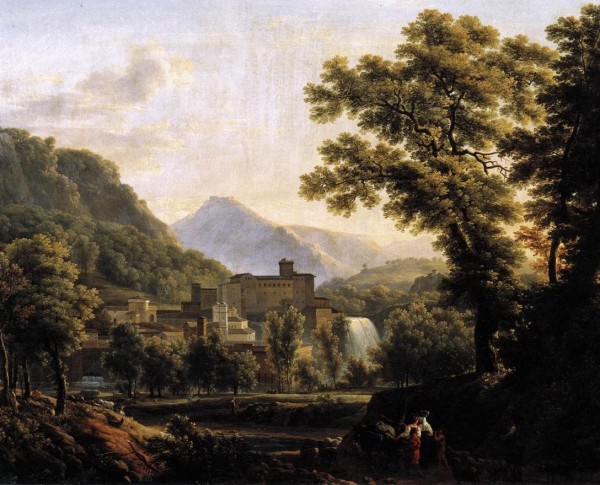
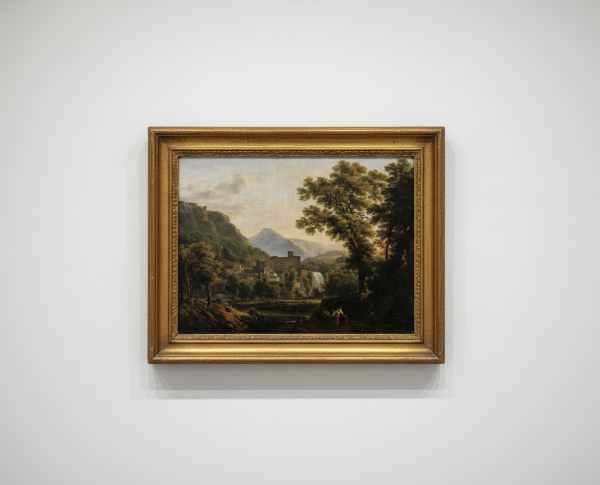
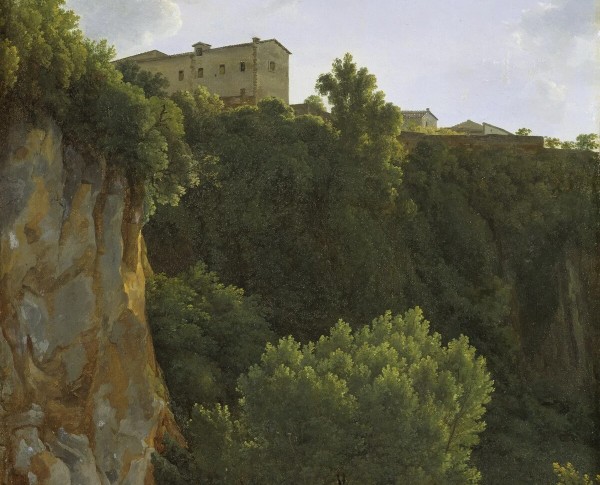
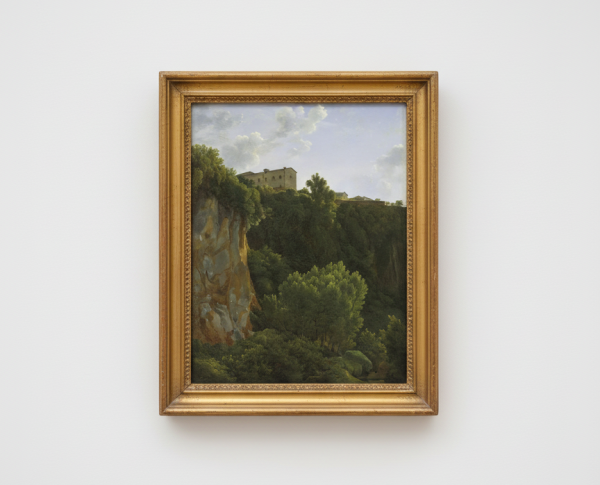
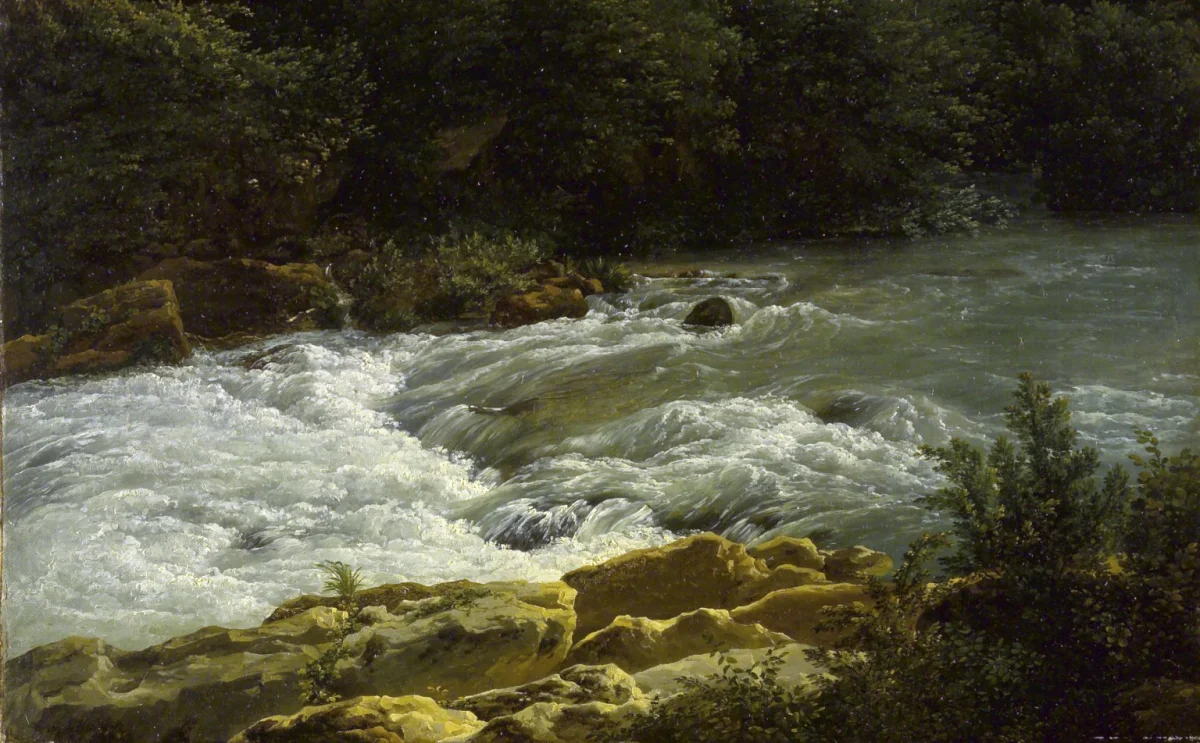
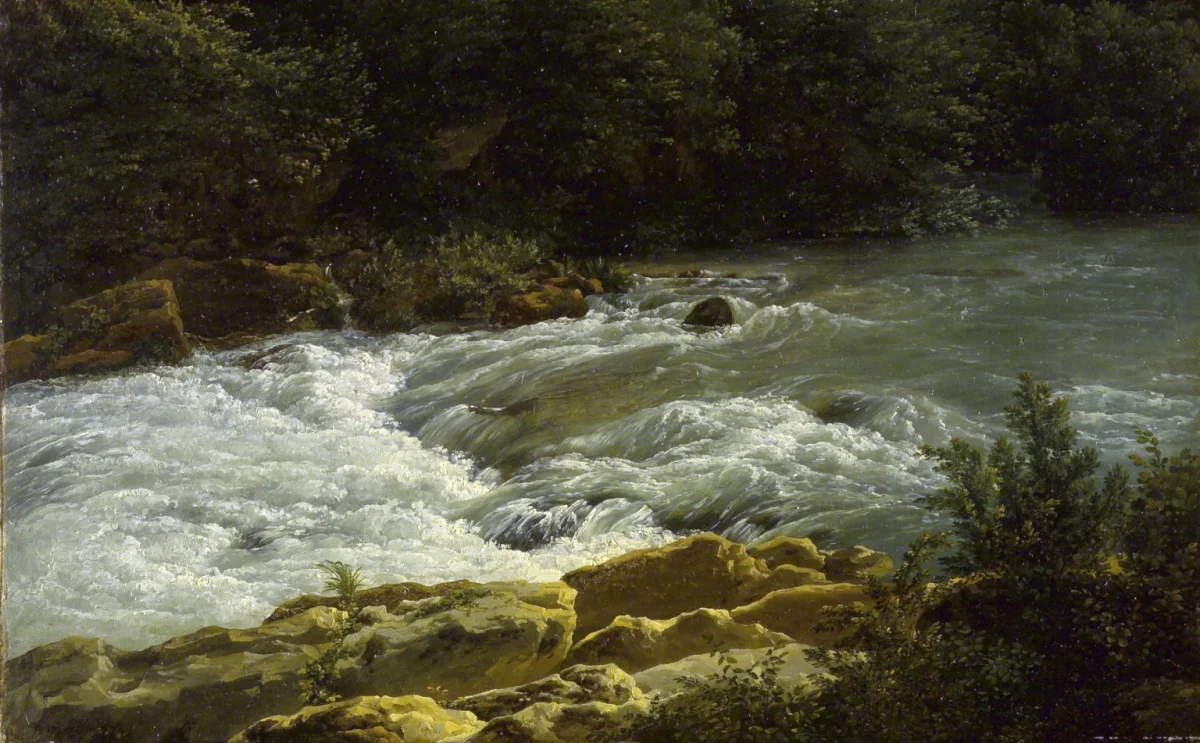
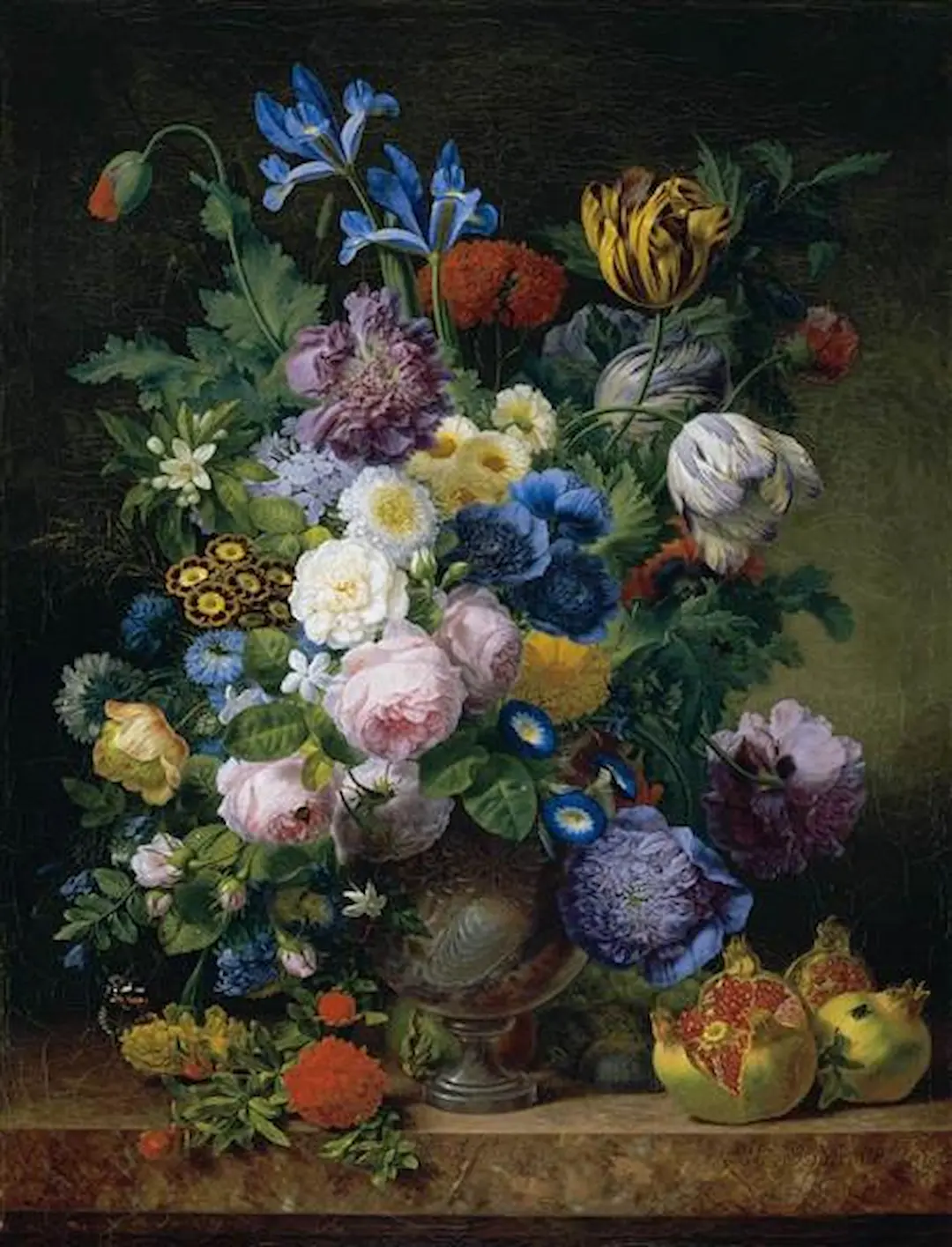
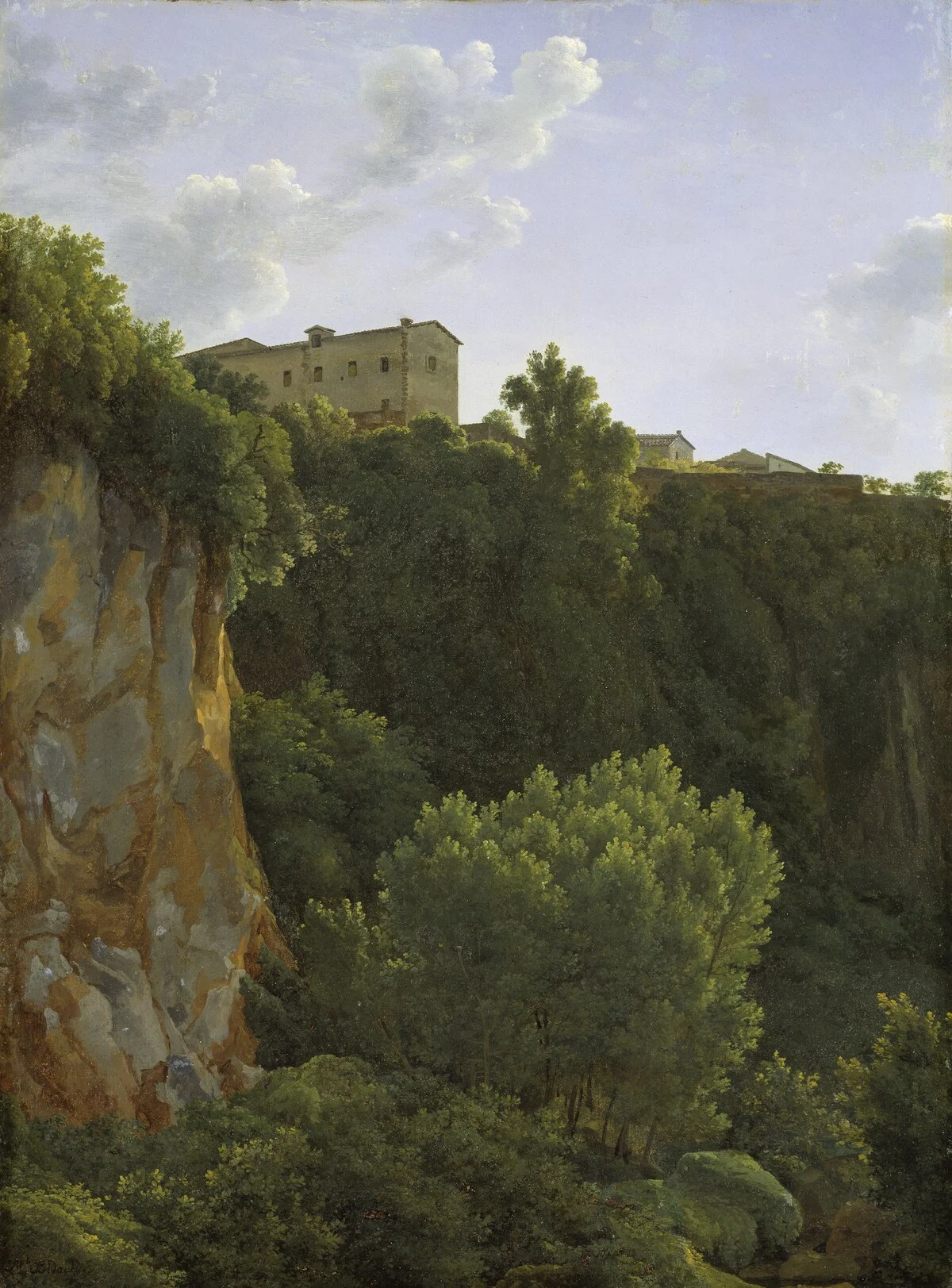
Jean-Joseph-Xavier Bidauld’s "Running Stream at San Cosimato" reveals his impeccable technique through every brushstroke. The harmonious composition and delicate rendering of nature exemplify the Neo-Classical tradition of oil on canvas. Drawing comparisons to works like "View of the Isle of Sora" and "Still-Life 1810," this painting demonstrates Bidauld’s ability to fuse realism with idealism, making it a sought-after treasure among connoisseurs and collectors of fine art.
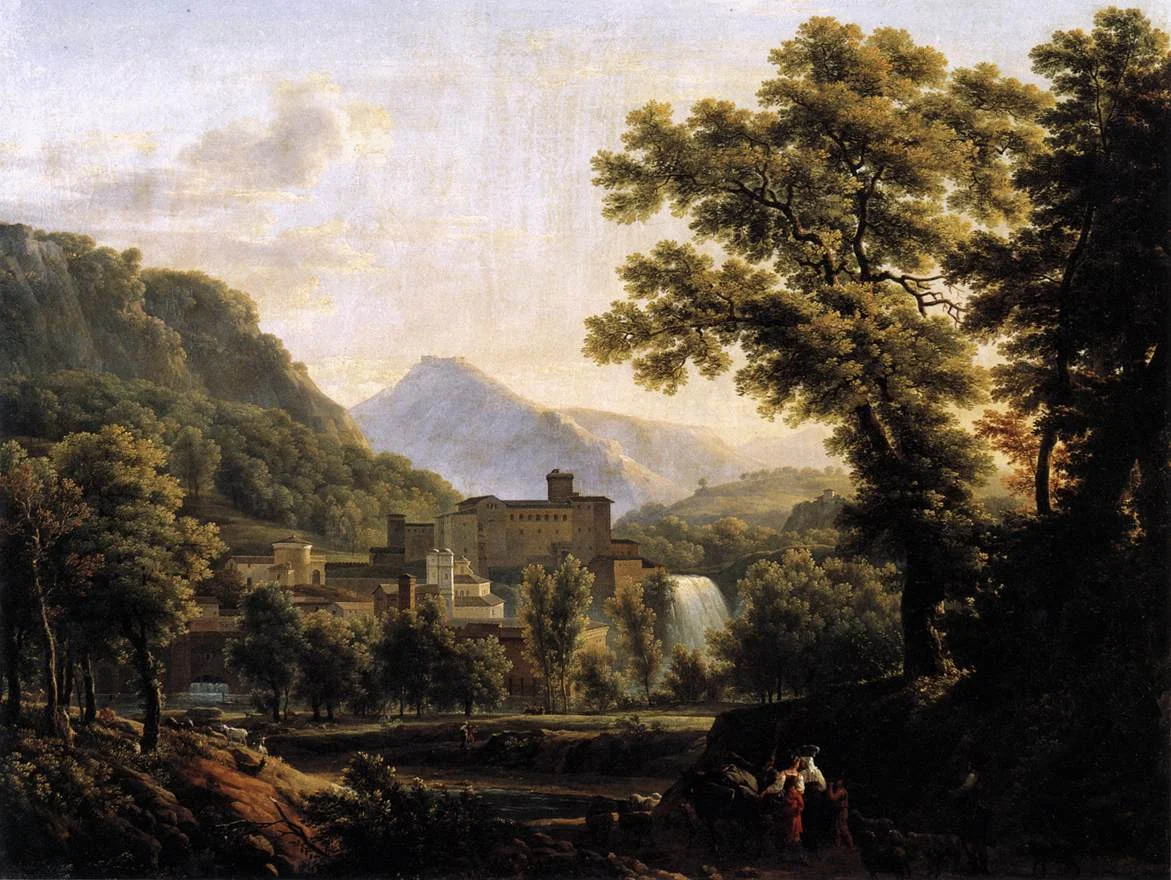
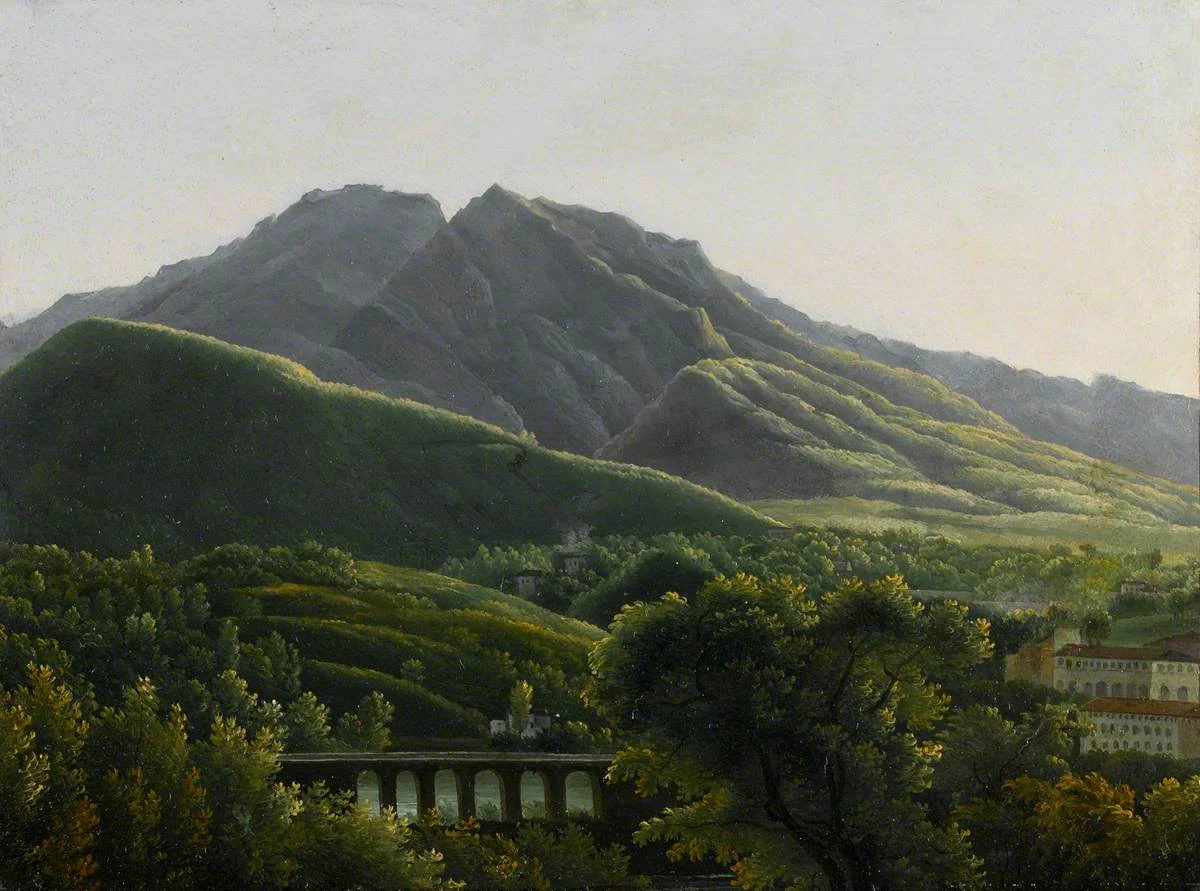
Beyond its visual beauty, "Running Stream at San Cosimato" invites viewers to contemplate the symbolic flow of time and the serenity of untouched nature. Bidauld weaves subtle narratives into his fine art painting for sale, echoing themes found in "The Bridge at La Cava" and "Kingdom of Naples." The stream’s gentle movement and lush surroundings reflect a harmonious balance, characteristic of the Neo-Classical movement’s reverence for classical ideals and natural grandeur.
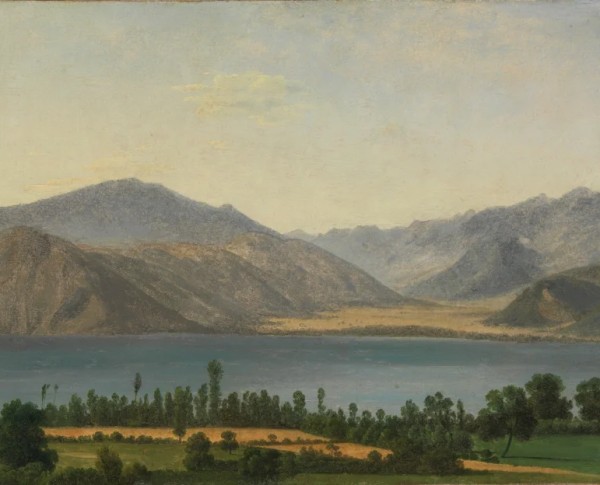
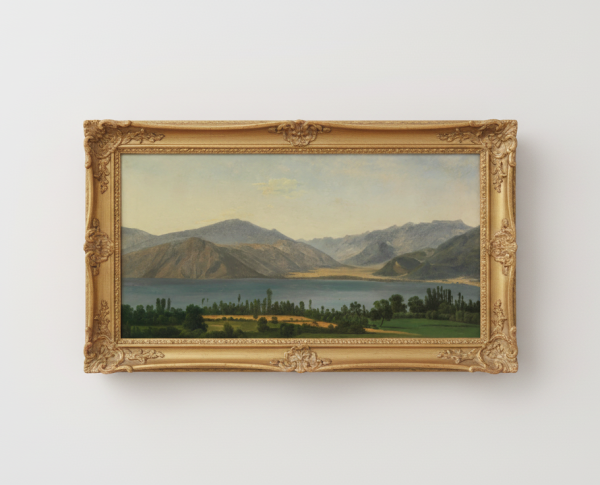
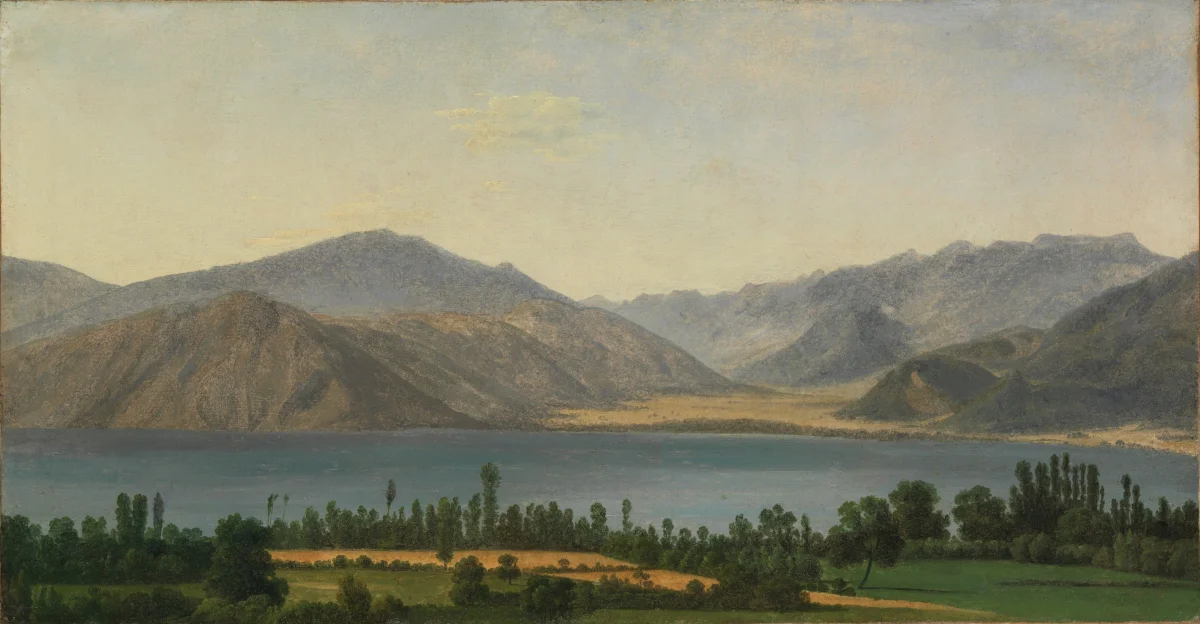
For collectors, owning "Running Stream at San Cosimato" by Jean-Joseph-Xavier Bidauld is an opportunity to possess a remarkable piece of Neo-Classical history. This hand-painted oil painting, along with related works like "Lake Fucino and the Abruzzi Mountains" and "Still-Life 1810," enhances any collection with its timeless elegance. Its presence not only celebrates Bidauld’s legacy but also serves as a focal point for those seeking distinguished fine art painting for sale.
When Art Meets History
"Running Stream at San Cosimato" by Jean-Joseph-Xavier Bidauld is a remarkable example of the Neo-Classical movement, capturing a serene landscape with historical depth. Created during a time of artistic transformation, this hand-painted oil painting reflects the reverence for nature and classical ideals. Like related works such as "The Declaration of Independence" and "Portrait of Thomas Jefferson," Bidauld’s masterpiece bridges art and history, offering viewers a glimpse into the past through the lens of fine artistry.
Techniques That Speak
Jean-Joseph-Xavier Bidauld showcases his mastery through meticulous attention to detail and balanced composition in "Running Stream at San Cosimato." The use of oil on canvas allows for vibrant color transitions and realistic textures, hallmarks of the Neo-Classical movement. Similar technical finesse can be observed in paintings like "Caroline Louisa Pratt Bartlett" and "The Sea Maiden." Bidauld’s brushwork and layering techniques elevate this landscape, making it a true testament to the era’s refined approach.
Emotions on Display
"Running Stream at San Cosimato" evokes a tranquil sense of harmony, characteristic of Jean-Joseph-Xavier Bidauld’s artistry within the Neo-Classical movement. The painting’s gentle stream and lush surroundings invite viewers into a meditative state, much like the calm portrayed in "Timothy Matlack." This fine art painting for sale not only captures the beauty of nature but also stirs a quiet emotional response, connecting the audience to the timeless serenity of the scene.
Coveted by Collectors
For art enthusiasts and collectors, owning "Running Stream at San Cosimato" by Jean-Joseph-Xavier Bidauld is a chance to possess a piece of Neo-Classical heritage. As with other esteemed works like "Portrait of Thomas Jefferson," this hand-painted oil painting is highly sought after for its historical significance and masterful execution. Collectors value its authenticity and the artist’s reputation, making it a distinguished addition to any collection of fine art paintings for sale.
Related Neo-Classical Hand-Painted Oil Paintings by Other Artists
Other Famous Neo-Classical Artists:
Frequently Asked Questions About Running Stream at San Cosimato
What is the historical significance of "Running Stream at San Cosimato"?
"Running Stream at San Cosimato" is significant as it reflects the Romantic movement in art, emphasizing nature's beauty and emotional depth during the late 18th and early 19th centuries.
Who was Jean-Joseph-Xavier Bidauld and what was his contribution to art?
Jean-Joseph-Xavier Bidauld was a French painter known for his landscape works that capture the essence of nature. He contributed to the Romantic movement by portraying serene and idyllic scenes, emphasizing emotional connections to the landscape.
What artistic techniques did Bidauld employ in this painting?
Bidauld utilized techniques such as soft brushwork and a harmonious color palette to create a sense of tranquility. His attention to light and shadow enhances the three-dimensionality of the landscape.
What themes are explored in "Running Stream at San Cosimato"?
The painting explores themes of tranquility, the beauty of nature, and the relationship between humanity and the natural world, inviting viewers to reflect on their connection to the environment.
How does the painting reflect the Romantic ideals of the time?
The painting embodies Romantic ideals by emphasizing the sublime beauty of nature, evoking emotional responses, and portraying landscapes that inspire awe and contemplation.
What symbolism can be found in "Running Stream at San Cosimato"?
The running stream symbolizes the passage of time and the continuity of life, while the surrounding landscape represents the harmony and balance found in nature, suggesting a deeper spiritual connection.
What was the influence of the location depicted in the painting?
San Cosimato, located in Italy, is known for its picturesque landscapes. The location's natural beauty likely inspired Bidauld, reflecting the Romantic fascination with specific locales that evoke emotional responses.
How does this painting compare to other works by Bidauld?
This painting is comparable to Bidauld's other works in its focus on serene landscapes and the use of light. However, "Running Stream at San Cosimato" stands out for its dynamic water representation and the interplay of light and shadow.
What impact did "Running Stream at San Cosimato" have on later artists?
The painting influenced later landscape artists by demonstrating the emotional potential of natural scenes, encouraging them to explore similar themes of tranquility and the sublime in their works.
In what ways does the painting invite viewer interpretation?
The painting invites interpretation through its serene composition and evocative imagery, allowing viewers to project their emotions and experiences onto the landscape, fostering personal connections to the artwork.






















_GFM_Painting_(1).webp)


 100% Hand-Painted: Finished in 3-6 Weeks

.png)















_(1).webp)