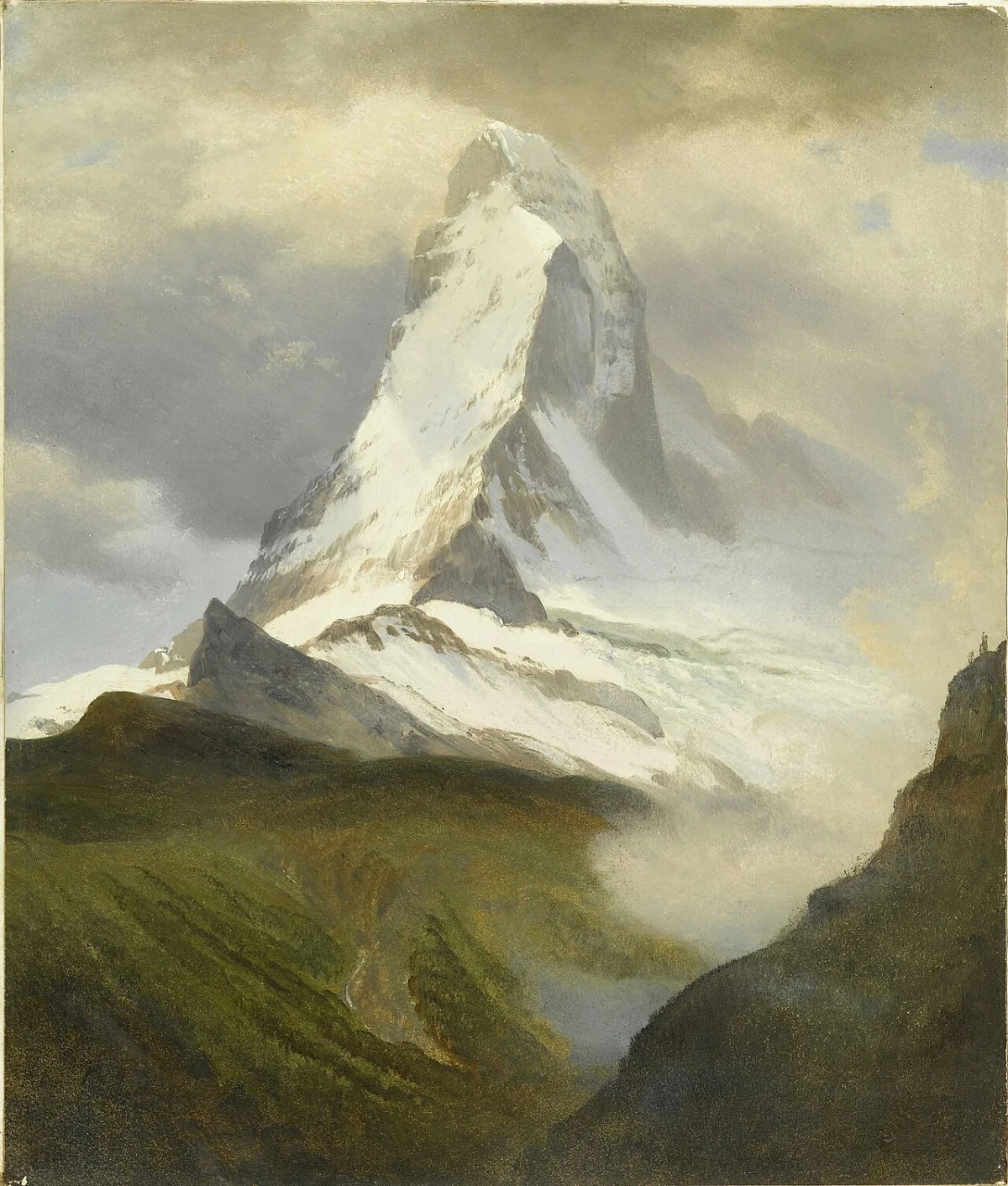
With his signature technique, Albert Bierstadt brings the iconic Matterhorn to life through oil on canvas. Each brushstroke demonstrates his mastery of light and atmosphere, a hallmark of the Hudson River School. The detailed textures and luminous skies in "The Matterhorn" mirror the artistry found in related paintings such as "Puget Sound On The Pacific Coast" and "North Dome, Yosemite Valley," making this piece a true highlight for admirers of landscape art.
"The Matterhorn" is more than a hand-painted oil painting; it is a narrative of exploration and majesty. Bierstadt’s depiction invites viewers to contemplate the untamed grandeur of nature, much like his other works: "A Storm in the Rocky Mountains" and "Mt. Rosalie." These paintings symbolize the 19th-century fascination with the sublime and the unknown, capturing both the spirit of the era and the timeless allure of the natural world.
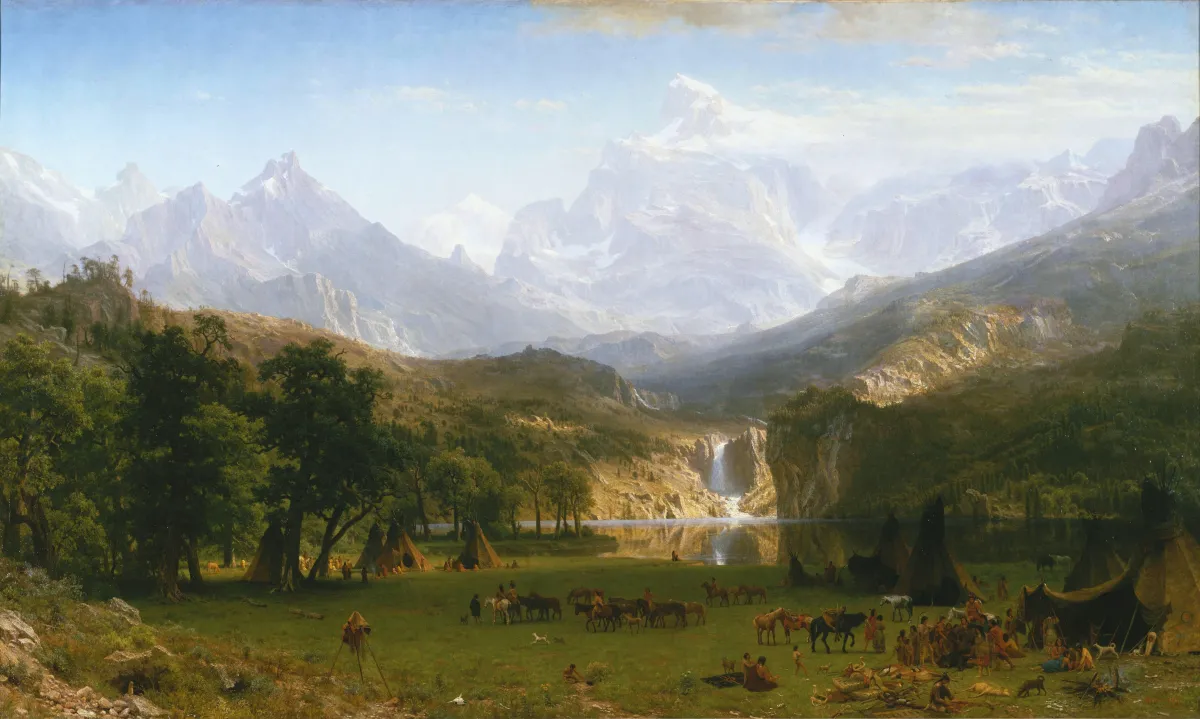
For collectors seeking a fine art painting for sale, "The Matterhorn" by Albert Bierstadt is a coveted piece. Its connection to the Hudson River School and companion works such as "The Rocky Mountains, Lander's Peak" enhances its desirability. Whether displayed alongside other masterpieces or as a standalone highlight, this oil on canvas exemplifies the enduring appeal of Bierstadt’s legacy and the movement’s celebration of scenic splendor.
When Art Meets History
Albert Bierstadt’s “The Matterhorn” stands as a testament to the grandeur of the Hudson River School movement. This hand-painted oil painting captures the majestic Swiss peak, reflecting Bierstadt’s fascination with dramatic landscapes. His work, including masterpieces like “The Rocky Mountains, Lander's Peak,” elevated landscape art in the nineteenth century. “The Matterhorn” preserves a moment in time, blending natural beauty with historical significance, and continues to inspire admirers of American and European vistas alike.
Techniques That Speak
Bierstadt’s “The Matterhorn” showcases his mastery of oil on canvas, a medium favored by the Hudson River School artists for its depth and luminosity. Through meticulous brushwork and layered glazes, Bierstadt achieves a striking interplay of light and shadow, emphasizing the mountain’s rugged contours. This technique, also seen in his other works, lends a sense of realism and awe to the scene, making the viewer feel present in the alpine wilderness depicted in this iconic painting.
Emotions on Display
“The Matterhorn” evokes a profound sense of wonder and reverence for nature, hallmarks of the Hudson River School movement. Bierstadt’s fine art painting for sale stirs deep emotions, inviting viewers to contemplate the sublime power and serenity of untouched landscapes. The artist’s dramatic contrasts and sweeping vistas in this and related works capture both the tranquility and majesty of the natural world, making his paintings perennial favorites among art lovers and collectors alike.
Coveted by Collectors
As a leading figure of the Hudson River School, Albert Bierstadt’s works, including “The Matterhorn,” are highly sought after in the art market. This hand-painted oil painting exemplifies the meticulous detail and grandeur collectors desire. The enduring appeal of Bierstadt’s landscapes, from the American West to the European Alps, ensures that his paintings remain prized possessions. For those seeking timeless beauty, “The Matterhorn” is a distinguished addition to any fine art collection.
Frequently Asked Questions About The Matterhorn
What is the historical significance of "The Matterhorn"?
"The Matterhorn," painted by Albert Bierstadt in 1875, represents the American fascination with the West during the 19th century, particularly the sublime beauty of the Rocky Mountains and the exploration of uncharted territories.
What artistic techniques did Albert Bierstadt use in "The Matterhorn"?
Bierstadt employed techniques such as dramatic lighting, meticulous detail, and a grand scale to evoke the majesty of the landscape, using oil paints to create rich textures and vibrant colors that enhance the emotional impact of the scene.
How does "The Matterhorn" reflect the Romantic movement in art?
The painting embodies the Romantic movement through its emphasis on nature's grandeur and the emotional response it elicits, showcasing the sublime as a central theme, where the overwhelming beauty of the landscape inspires awe and introspection.
What symbolism can be found in "The Matterhorn"?
The Matterhorn symbolizes the untamed wilderness and the spirit of exploration. It reflects the idea of nature as a powerful force, representing both beauty and danger, which was a prevalent theme in 19th-century American art.
In what ways did Bierstadt's background influence "The Matterhorn"?
Bierstadt's German heritage and early exposure to European Romanticism influenced his artistic style, leading him to depict American landscapes with a dramatic flair reminiscent of European alpine scenes, thereby bridging cultural artistic traditions.
What role did "The Matterhorn" play in the American art scene of the 19th century?
The painting played a significant role in popularizing landscape painting in America, contributing to the Hudson River School's ideals and inspiring a national identity that celebrated the natural beauty of the American landscape.
How does "The Matterhorn" compare to Bierstadt's other works?
While "The Matterhorn" shares themes of grandeur and nature with Bierstadt's other works, it is distinct in its focus on the alpine environment, showcasing his versatility in capturing various landscapes across the American West.
What impact did "The Matterhorn" have on future landscape artists?
The painting set a high standard for landscape representation, influencing future artists to explore the emotional and dramatic potential of natural scenes, thereby shaping the trajectory of American landscape painting in the years to come.
What can viewers learn about the relationship between humans and nature from "The Matterhorn"?
"The Matterhorn" invites viewers to reflect on the profound connection between humans and the natural world, emphasizing both the beauty and the challenges of nature, and encouraging a sense of respect and reverence for the environment.
How has "The Matterhorn" been received by critics and the public over time?
Initially celebrated for its breathtaking depiction of the American landscape, "The Matterhorn" has continued to receive acclaim for its artistic merit, becoming a beloved piece that exemplifies Bierstadt's legacy and the allure of 19th-century American art.






















_GFM_Painting_(1).webp)


 100% Hand-Painted: Finished in 3-6 Weeks

.png)

















_(1).webp)