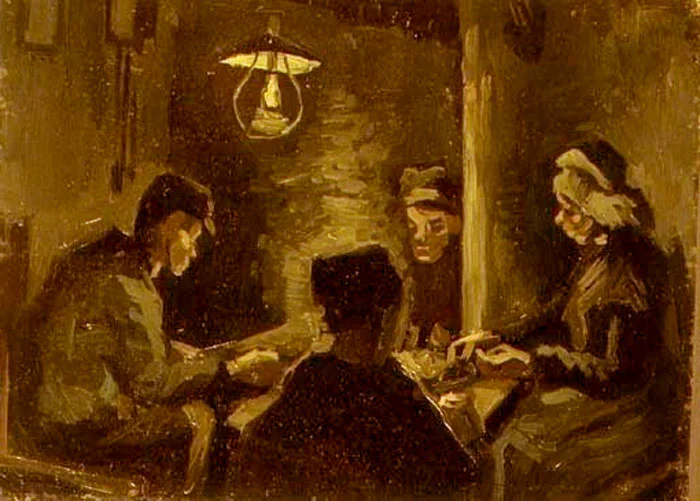
Vincent Van Gogh’s "The Potato Eaters" demonstrates his bold technique and expressive brushwork, characteristic of oil on canvas masterpieces from the Post-Impressionism era. Each stroke conveys the somber mood of the peasant family, bringing their story to life. Those drawn to Van Gogh’s style may also appreciate related works such as "Vase With Red Poppies" and "At Eternity's Gate," which embody the same commitment to authenticity and depth.
Within "The Potato Eaters," Van Gogh masterfully weaves stories and symbols, using earthy tones and dramatic lighting to highlight the dignity of rural laborers. This fine art painting for sale captures the essence of communal struggle and human connection, themes echoed in other Post-Impressionist works like "Vase With Twelve Sunflowers II" and "Landscape with a Carriage and a Train." Van Gogh’s narrative depth continues to inspire collectors and art historians alike.
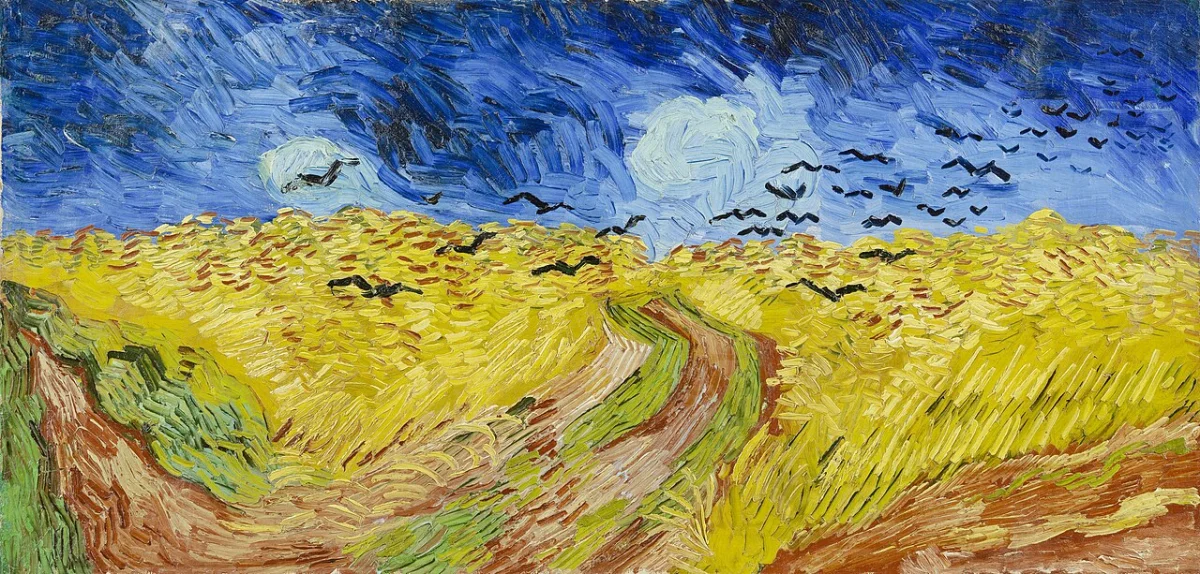
For art collectors and enthusiasts, acquiring "The Potato Eaters" or similar hand-painted oil paintings by Vincent Van Gogh is a prized opportunity. As part of the Post-Impressionism movement, this piece stands alongside Van Gogh’s celebrated works such as "Wheatfield with Crows" and "Vase With Twelve Sunflowers II." Each oil on canvas artwork offers a unique glimpse into Van Gogh’s genius, making them exceptional additions to any fine art collection.
When Art Meets History
Vincent Van Gogh's "The Potato Eaters" stands as a cornerstone of the Post-Impressionism movement, capturing the raw reality of rural life in 19th-century Netherlands. This hand-painted oil painting reflects Van Gogh's fascination with the working class, much like his contemporaries in related works such as "A Sunday Afternoon on the Island of La Grande Jatte" and "The Siesta." Through this masterpiece, Van Gogh invites viewers to witness a moment steeped in both hardship and dignity.
Techniques That Speak
"The Potato Eaters" showcases Van Gogh’s mastery of oil on canvas, employing dark, earthy tones and expressive brushwork to evoke the humble atmosphere of a peasant meal. The painter’s technique, influenced by other Post-Impressionist works like "Self-portrait with Hat" and "Tahitian Women on the Beach," accentuates texture and emotion. Van Gogh’s deliberate strokes and nuanced lighting create a vivid sense of depth, making this oil on canvas an enduring study in realism and empathy.
Emotions on Display
This fine art painting for sale is renowned for its emotional intensity, with Van Gogh using somber colors and expressive faces to portray the hardships of rural life. "The Potato Eaters" invites comparison to other evocative works such as "Ia Orana Maria" for its deep empathy and human connection. Through the figures' gestures and expressions, Van Gogh communicates both the struggles and the quiet strength of his subjects, making this painting a moving testament to the power of art.
Coveted by Collectors
"The Potato Eaters" is highly sought after by art enthusiasts and collectors, much like other masterpieces from the Post-Impressionism era. As a hand-painted oil painting, it holds a special place among fine art painting for sale due to its historical significance and unique style. Collectors prize Van Gogh’s works, including related paintings such as "The Siesta" and "Tahitian Women on the Beach," for their emotional resonance and innovative technique, ensuring their lasting appeal in the art world.
Related Post-Impressionism Hand-Painted Oil Paintings by Other Artists
Other Famous Post-Impressionism Artists:
Frequently Asked Questions About The Potato Eaters
What is the historical context of The Potato Eaters?
The Potato Eaters was painted in 1885, during a time when Vincent Van Gogh was living in the Netherlands. This period was marked by social struggles and the harsh realities of rural life, which Van Gogh sought to depict through the lives of peasant families.
What artistic techniques did Van Gogh employ in The Potato Eaters?
Van Gogh utilized a palette of earthy tones and a rough, expressive brushwork to convey the rawness of the subjects' lives. The use of chiaroscuro highlights the contrast between light and shadow, emphasizing the somber mood of the scene.
What themes are explored in The Potato Eaters?
The painting explores themes of poverty, labor, and the dignity of the working class. It reflects Van Gogh's deep empathy for the struggles of rural peasants and their connection to the land.
How does The Potato Eaters reflect Van Gogh's artistic philosophy?
Van Gogh believed in portraying the truth of human existence, particularly the lives of the marginalized. The Potato Eaters exemplifies his commitment to realism and his desire to capture the essence of his subjects' experiences.
What is the significance of the color palette used in The Potato Eaters?
The muted, earthy color palette reflects the harsh realities of peasant life. The predominance of browns and greens serves to ground the painting in the natural world, while also evoking a sense of somberness and gravity.
What role does light play in The Potato Eaters?
Light in The Potato Eaters is used to create a sense of intimacy and focus on the figures. The dim lighting enhances the mood of the scene, suggesting the hard lives of the subjects and their reliance on each other for warmth and sustenance.
How does Van Gogh portray the figures in The Potato Eaters?
The figures in The Potato Eaters are depicted with a sense of realism, showcasing their rugged features and worn clothing. This portrayal emphasizes their laborious existence and the physical toll of their work, inviting viewers to empathize with their plight.
What is the composition of The Potato Eaters?
The composition features a group of five figures gathered around a table, creating a sense of unity and shared experience. The arrangement directs the viewer's gaze towards the central act of eating, symbolizing nourishment and survival.
What impact did The Potato Eaters have on Van Gogh's career?
Although initially met with mixed reviews, The Potato Eaters marked a significant step in Van Gogh's artistic development. It established his focus on the lives of the working class and laid the groundwork for his later, more famous works.
How is The Potato Eaters viewed in the context of Van Gogh's body of work?
The Potato Eaters is often regarded as a foundational piece in Van Gogh's oeuvre, representing his early exploration of social themes and his commitment to portraying the human condition. It contrasts sharply with his later, more vibrant works, highlighting his artistic evolution.






















_GFM_Painting_(1).webp)


 100% Hand-Painted: Finished in 3-6 Weeks

.png)
















_(1).webp)