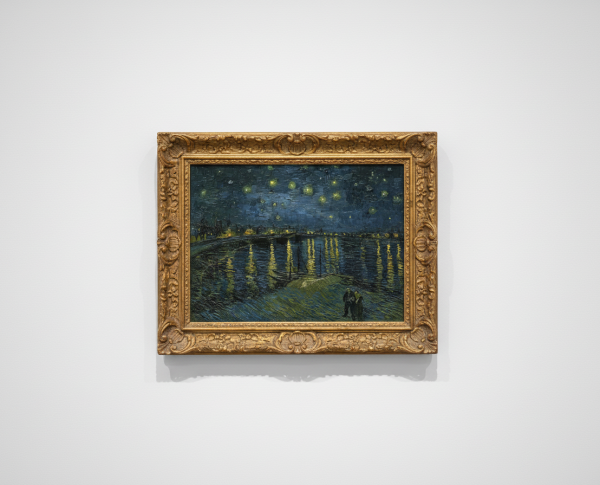
In "The Drinkers," Van Gogh’s mastery of oil on canvas shines through with bold brushwork and vibrant color choices. The artist’s technique, characteristic of the Post-Impressionism movement, breathes life into the figures and their surroundings. Each stroke contributes to the dynamic composition, making this painting a true highlight among fine art painting for sale. Art lovers might also appreciate works like "Harvest At La Crau With Montmajour In The Background" for their similar expressive qualities.
The narrative woven into "The Drinkers" is rich with symbolism, reflecting Van Gogh’s deep interest in human nature and social realities. This hand-painted oil painting not only portrays a simple gathering but also explores themes of companionship and everyday struggles. As part of the Post-Impressionism movement, Van Gogh’s work invites viewers to interpret these layers. Related pieces such as "Olive Trees With Yellow Sky And Sun" and "Skull With Burning Cigarette" also offer profound stories and symbolism.
For collectors, "The Drinkers" by Vincent Van Gogh is a coveted oil on canvas artwork that embodies the essence of the Post-Impressionism movement. Its timeless appeal and historical significance make it a sought-after fine art painting for sale. Those seeking to expand their collections might consider related products like "Autumn Landscape with Four Trees" or "Bowl With Peonies And Roses" to further celebrate Van Gogh’s enduring legacy and artistic vision.
When Art Meets History
"The Drinkers" by Vincent Van Gogh is a remarkable example of the Post-Impressionism movement, created during a period when artists sought new ways to express reality. This hand-painted oil painting reflects the social atmosphere of the late 19th century, capturing everyday life with vivid emotion. Van Gogh’s work stands alongside masterpieces like "A Sunday Afternoon on the Island of La Grande Jatte" and "One Of The Family," each contributing to a vibrant era in art history.
Techniques That Speak
Van Gogh’s masterful use of oil on canvas in "The Drinkers" showcases his signature brushwork and bold color palette. The swirling strokes and intense hues bring energy and movement to the scene, a hallmark of Post-Impressionism. This technique links his work to other influential pieces like "Two Tahitian Women," emphasizing the artist’s commitment to innovation in every fine art painting for sale from this period. Van Gogh’s approach redefined how viewers experience painted narratives.
Emotions on Display
In "The Drinkers," Van Gogh conveys a powerful emotional narrative, highlighting the humanity and vulnerability of his subjects. The painting’s expressive faces and dynamic composition evoke empathy, immersing viewers in the moment. This hand-painted oil painting resonates with the same emotional intensity found in related works such as "A Sunday Afternoon on the Island of La Grande Jatte." Van Gogh’s ability to channel feeling through his art is a defining feature of the Post-Impressionism movement.
Coveted by Collectors
Today, "The Drinkers" is a highly sought-after fine art painting for sale, prized by collectors and museums worldwide. Its historical significance, coupled with Van Gogh’s extraordinary talent, ensures its continued appeal. Alongside masterpieces like "Two Tahitian Women" and "One Of The Family," this oil on canvas stands as a testament to the enduring legacy of the Post-Impressionism movement and the captivating vision of Vincent Van Gogh.
Related Post-Impressionism Hand-Painted Oil Paintings by Other Artists
Other Famous Post-Impressionism Artists:
Frequently Asked Questions About The Drinkers
What is the historical context of "The Drinkers"?
"The Drinkers" was painted by Vincent Van Gogh in 1888 during his time in Arles, France, a period marked by his exploration of color and emotional expression.
What artistic techniques did Van Gogh use in "The Drinkers"?
Van Gogh employed bold brushstrokes and vibrant colors to convey emotion and movement, creating a dynamic atmosphere that captures the essence of social interaction.
What themes are present in "The Drinkers"?
The painting explores themes of camaraderie, leisure, and the human condition, reflecting the social dynamics of drinking culture in the late 19th century.
How does "The Drinkers" reflect Van Gogh's personal experiences?
The work reflects Van Gogh's own struggles with loneliness and his desire for connection, as well as his fascination with the lives of everyday people.
What symbols can be found in "The Drinkers"?
The act of drinking can symbolize both celebration and escapism, representing the dual nature of human experiences and the search for solace in companionship.
How does "The Drinkers" compare to other works by Van Gogh?
Unlike many of his more solitary works, "The Drinkers" emphasizes social interaction, showcasing Van Gogh's ability to capture communal moments with warmth and vibrancy.
What influence did "The Drinkers" have on later artists?
The painting has influenced numerous artists in the expressionist movement, who admired Van Gogh's emotive use of color and form to depict human experiences.
In what ways does "The Drinkers" exemplify Post-Impressionism?
The painting exemplifies Post-Impressionism through its emphasis on emotional expression, bold colors, and the subjective interpretation of reality, moving beyond mere representation.
What can we learn about 19th-century social life from "The Drinkers"?
The painting provides insight into the social customs of the time, highlighting the role of taverns and communal drinking as central to social interaction and community bonding.
Where can I view "The Drinkers" today?
"The Drinkers" is part of a private collection and may be exhibited in various museums; please check local listings for current exhibitions featuring Van Gogh's work.






















_GFM_Painting_(1).webp)

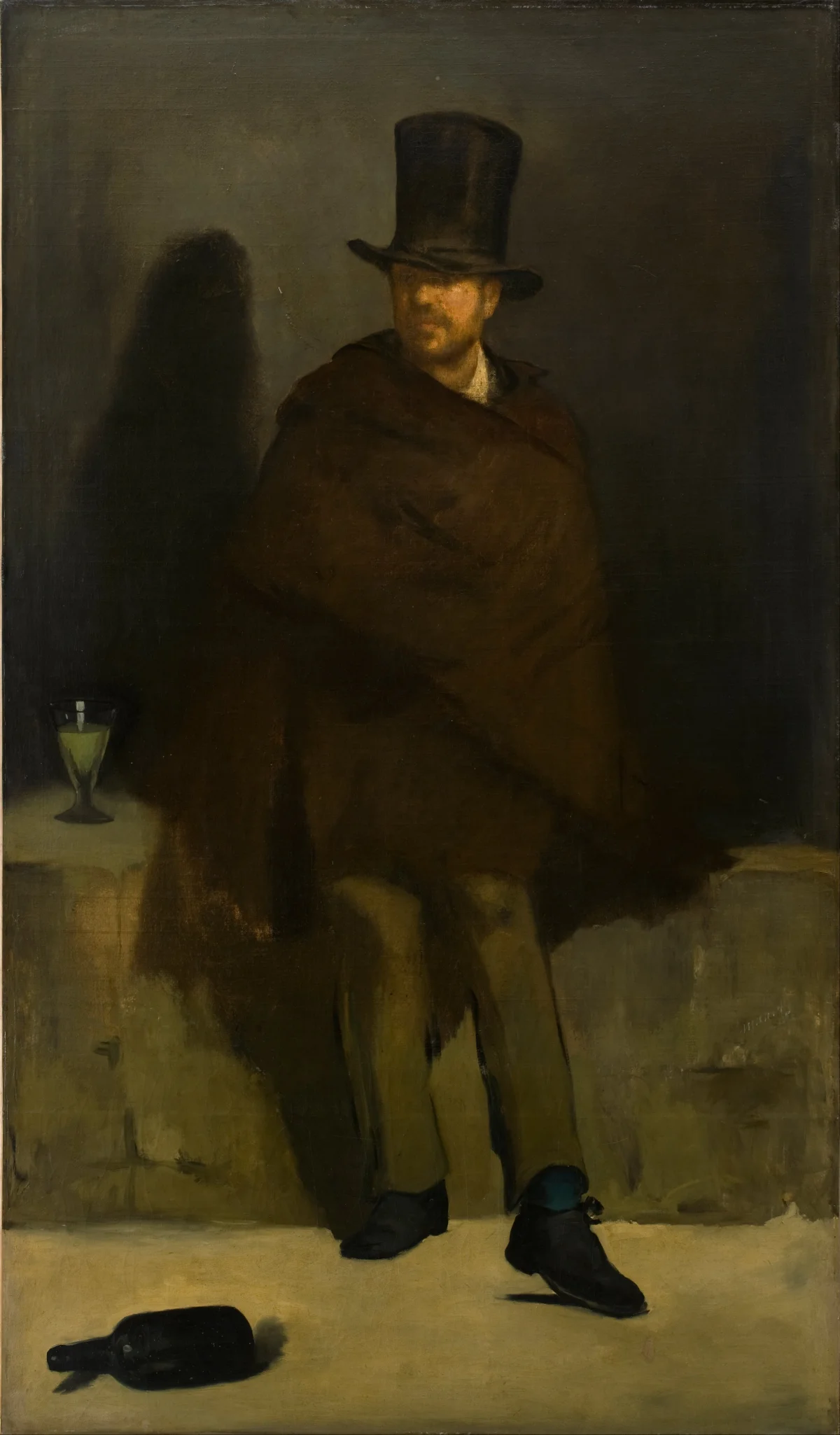

 100% Hand-Painted: Finished in 3-6 Weeks

.png)
















_(1).webp)