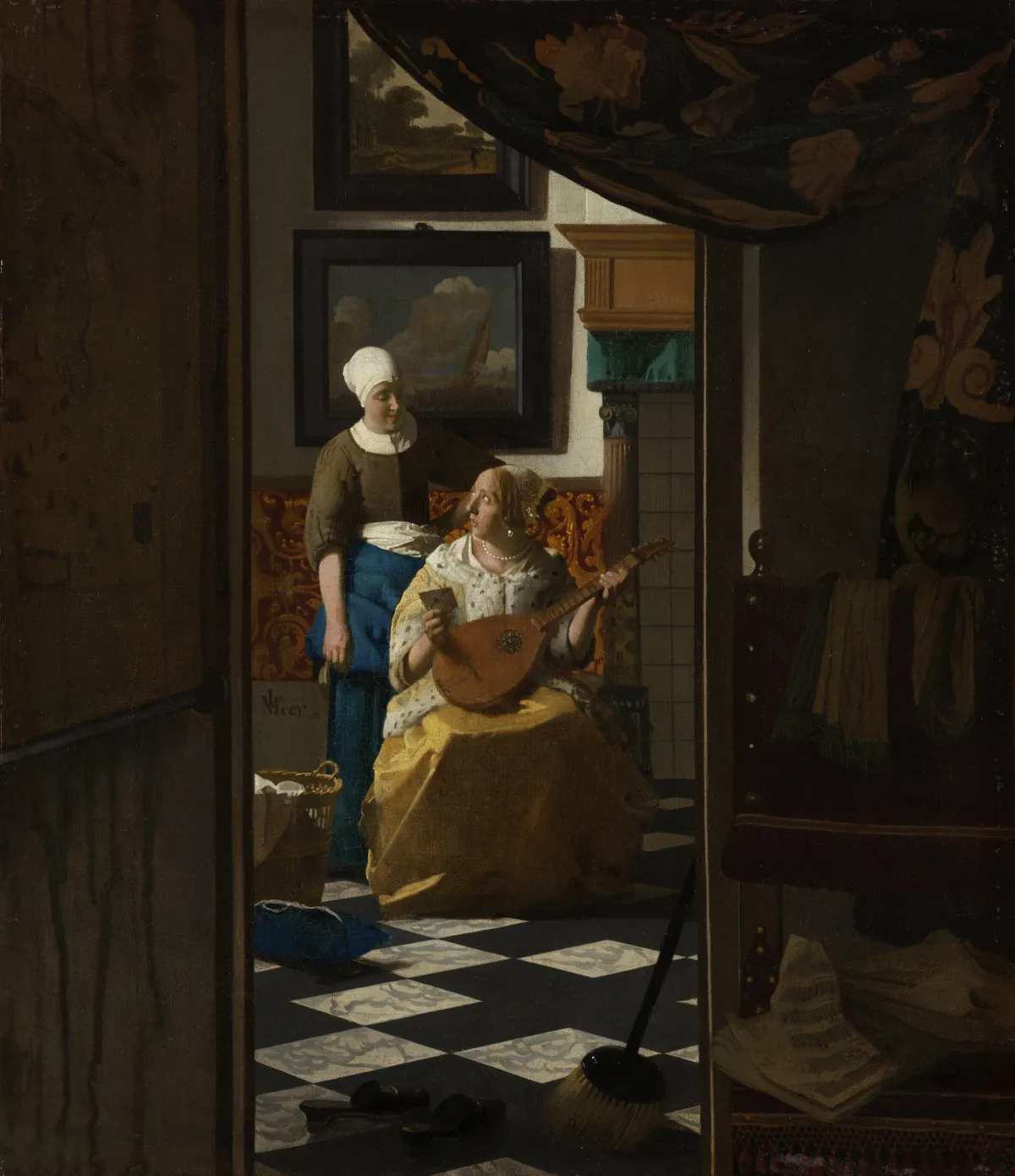
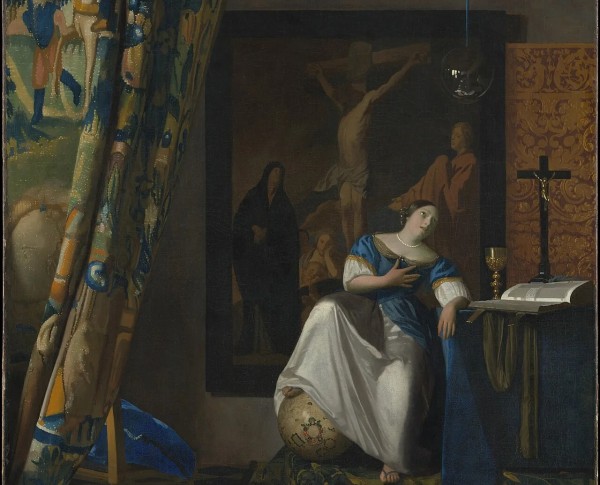
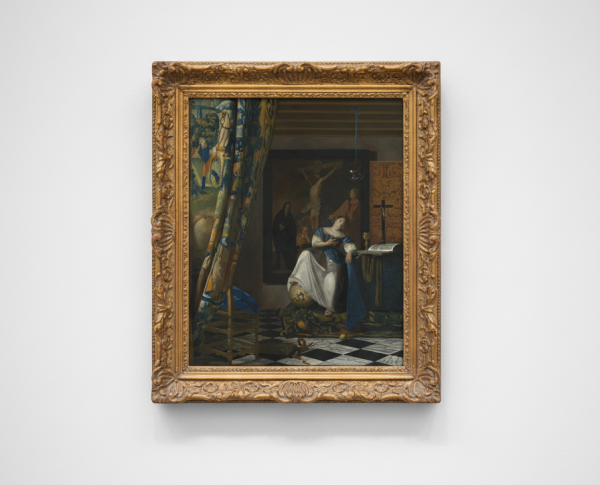
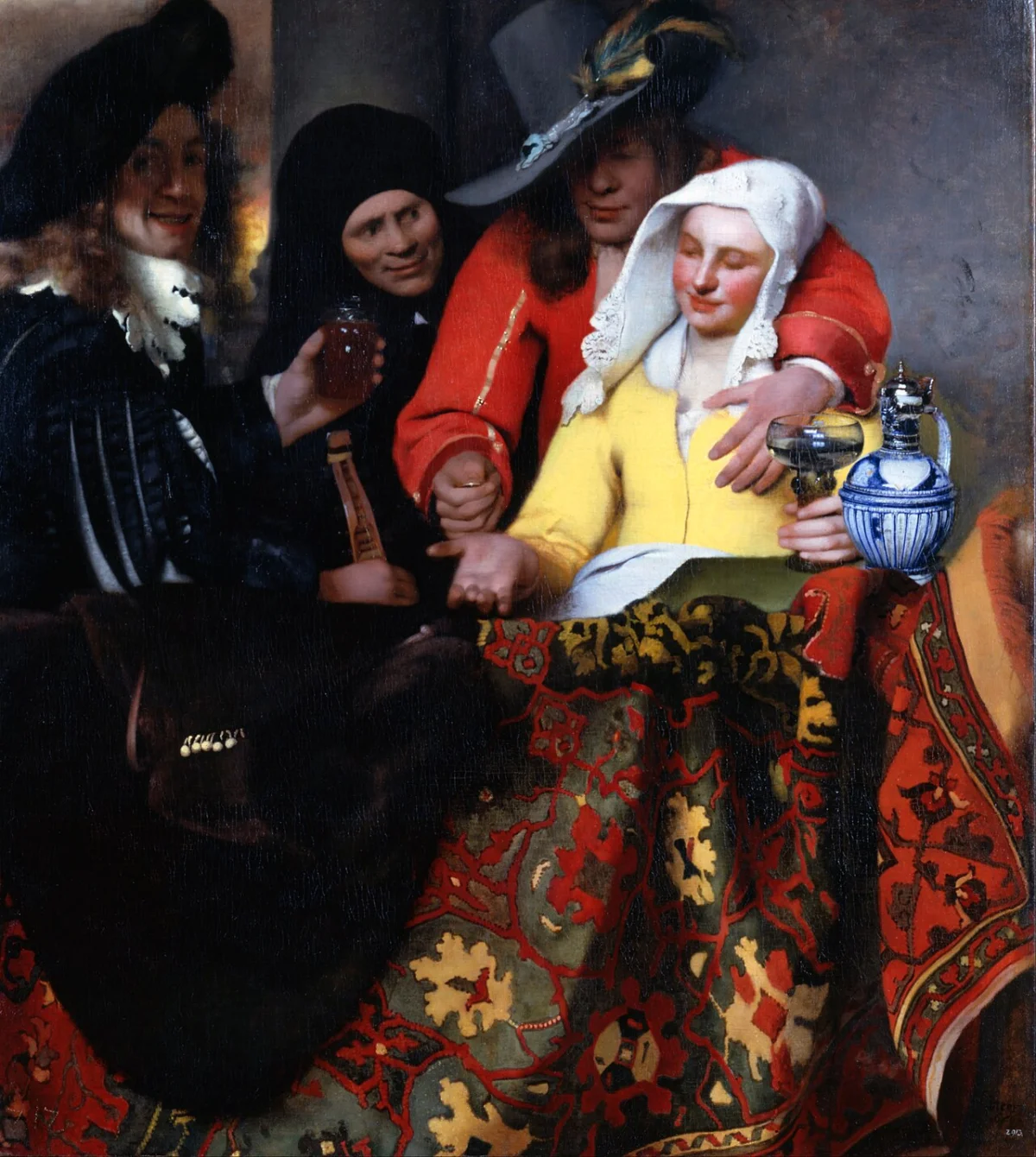
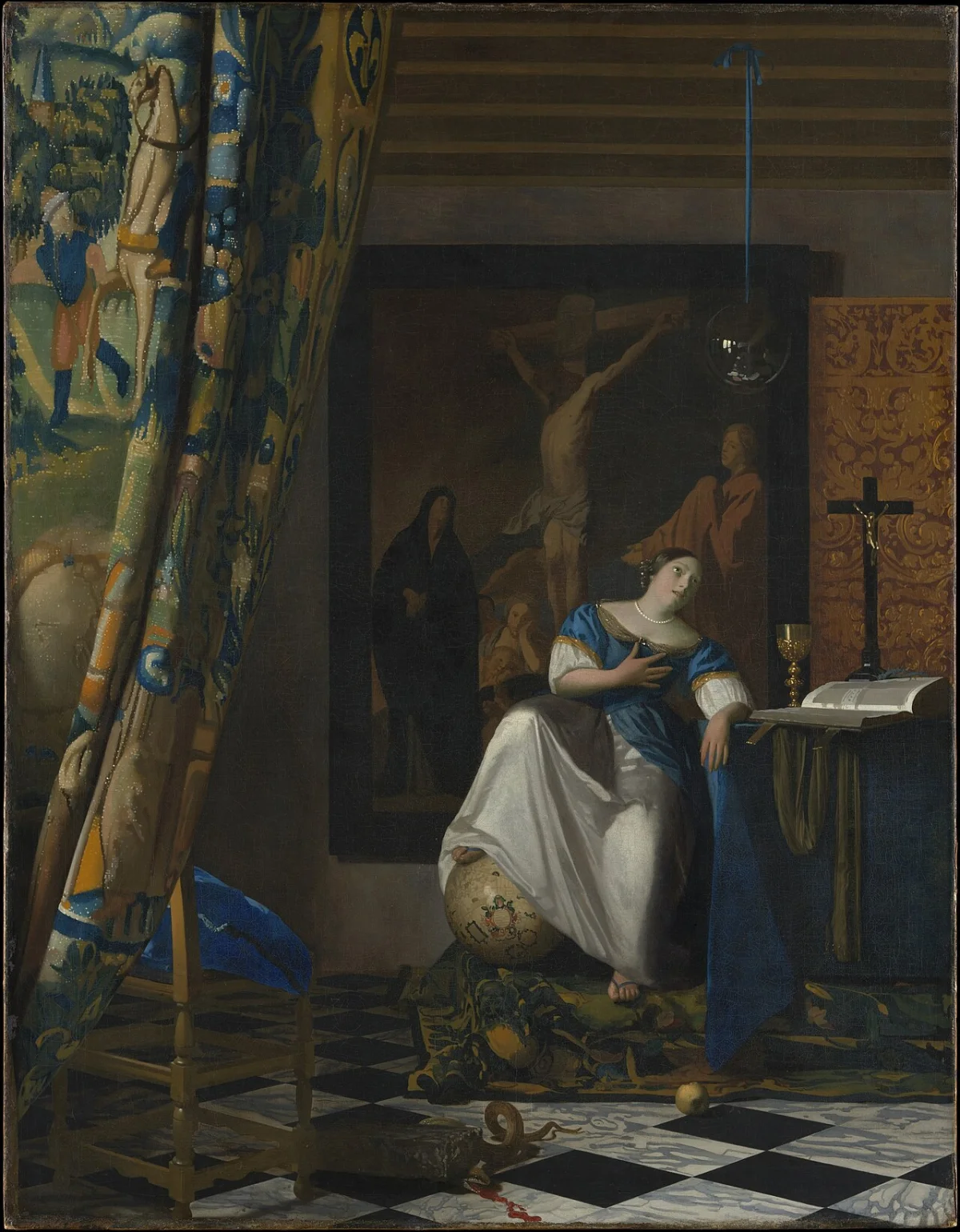
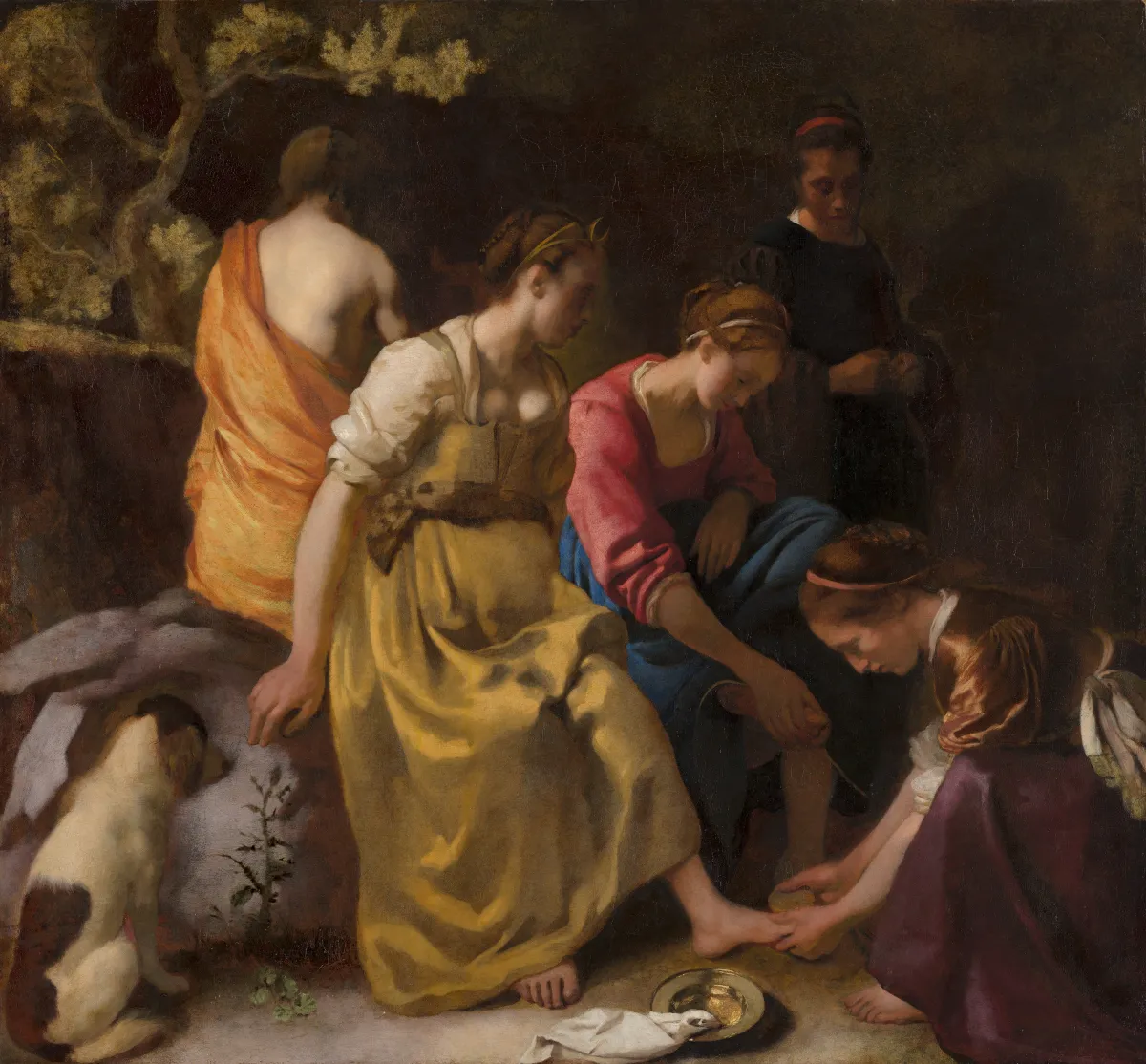
Jan Vermeer Van Delft’s "The Procuress" exemplifies his unparalleled technique in oil on canvas. Every brushstroke is deliberate, revealing the artist’s deep understanding of light, texture, and human expression. As part of the Dutch Golden Age movement, this painting stands alongside masterpieces like "Diana and her Nymphs" and "Allegory of the Catholic Faith," offering art lovers a glimpse into the era’s extraordinary craftsmanship and innovation.
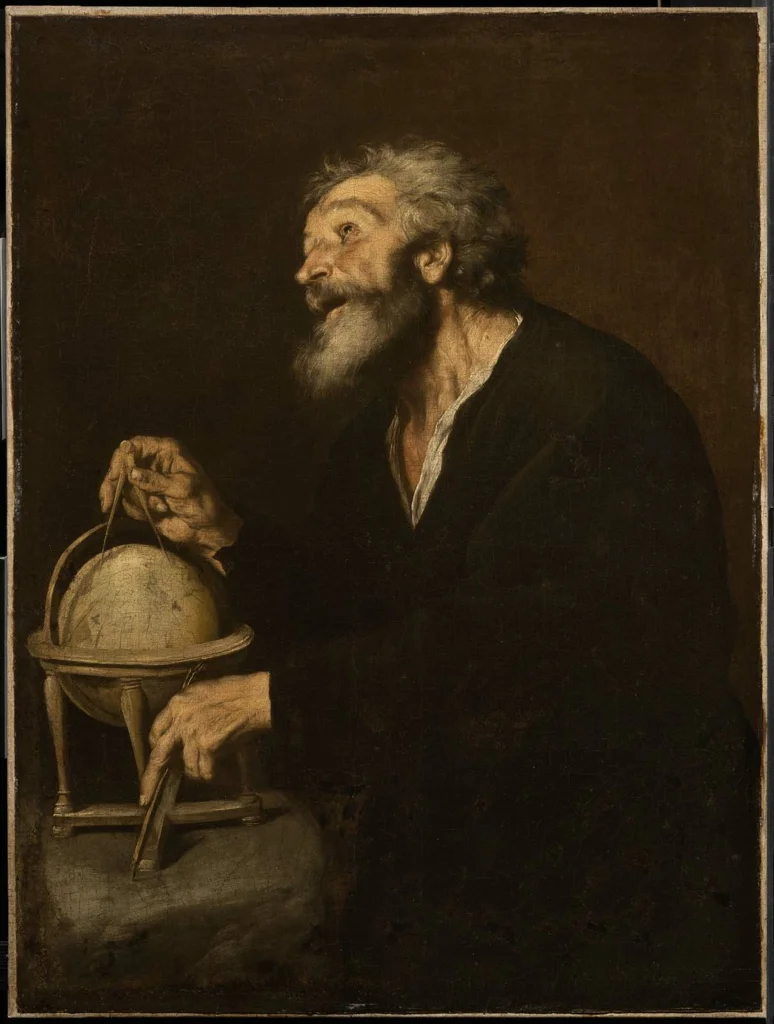
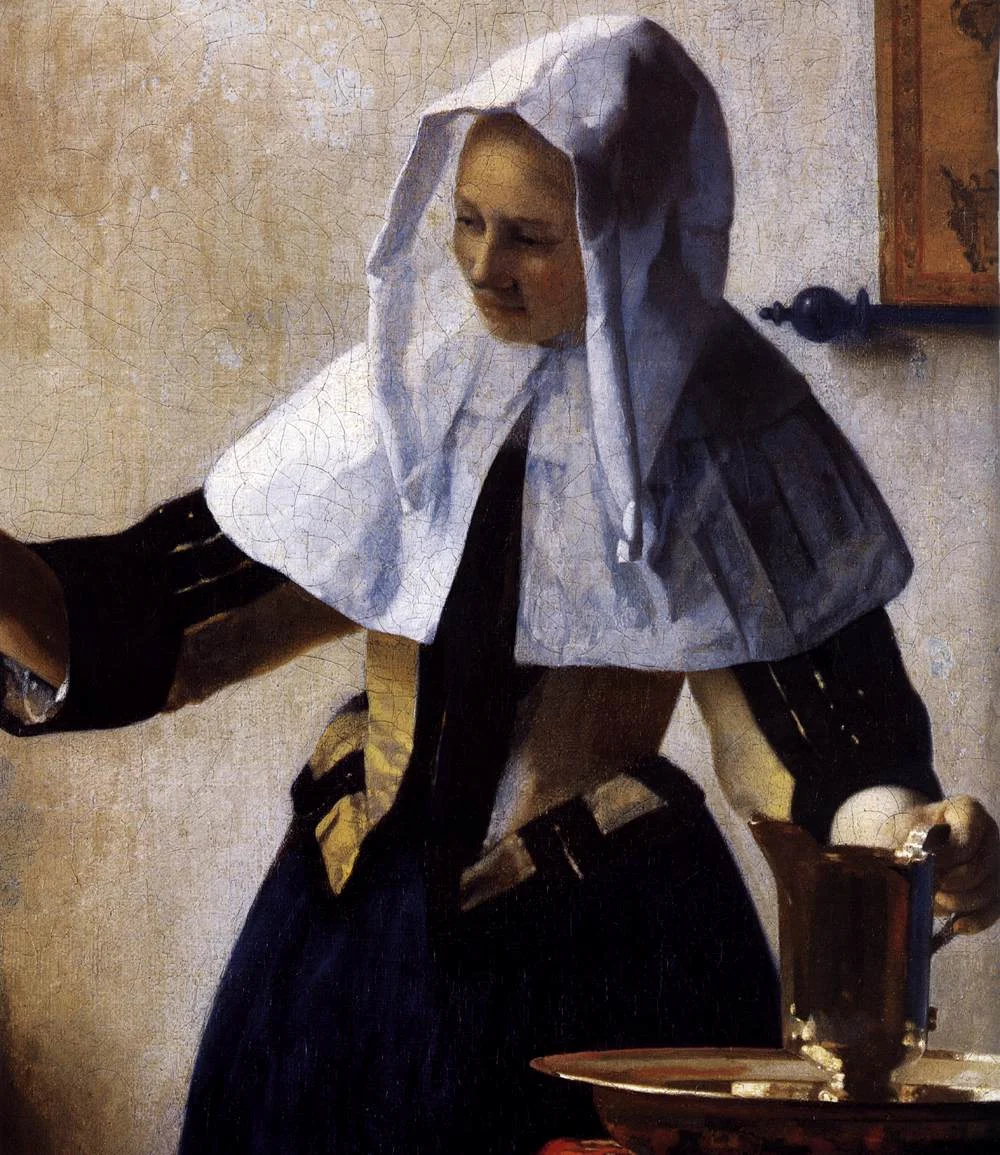
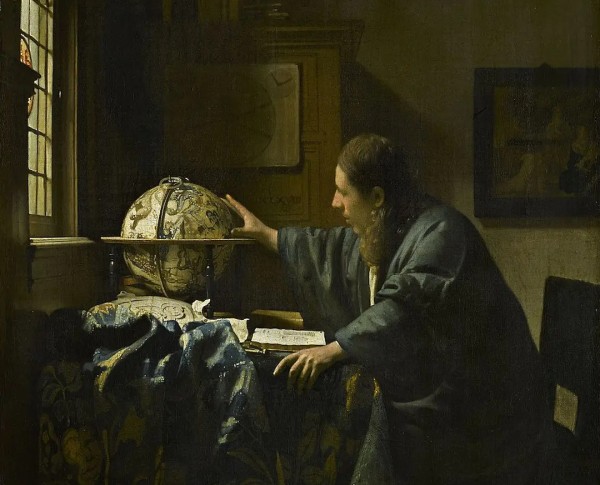
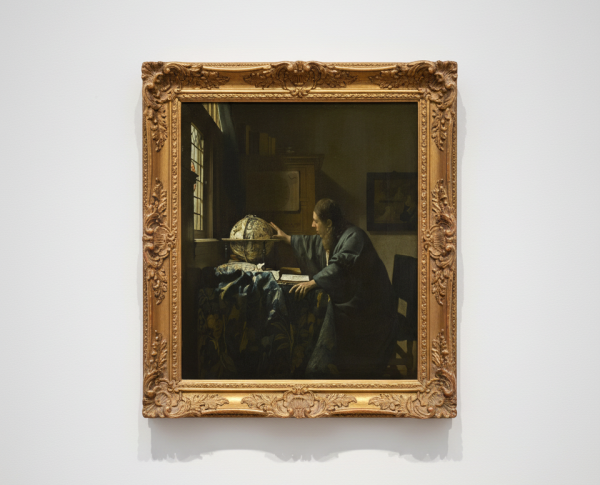
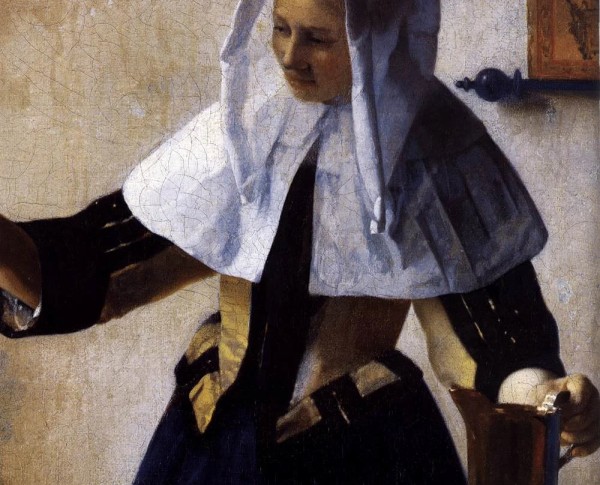
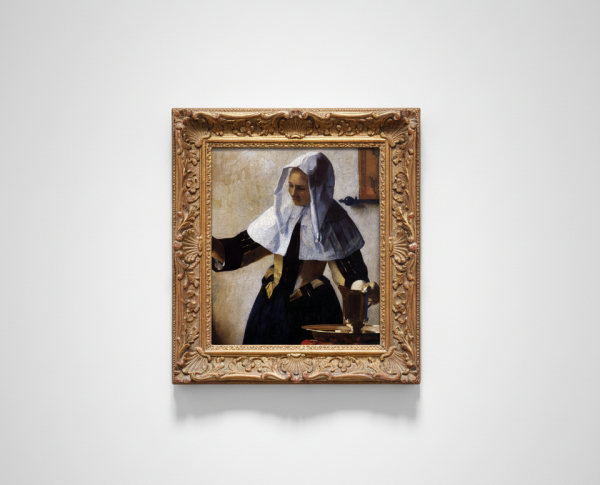
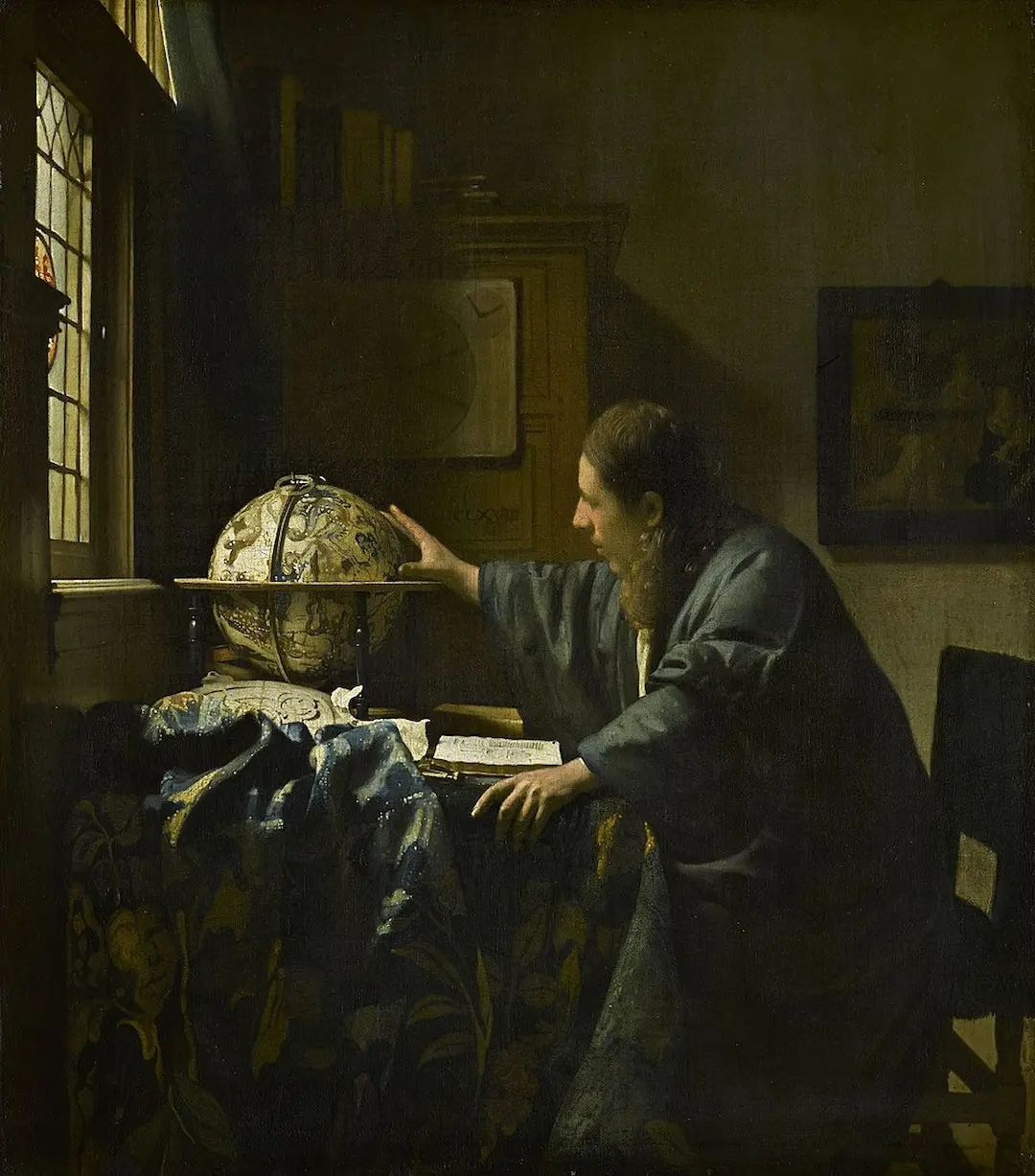
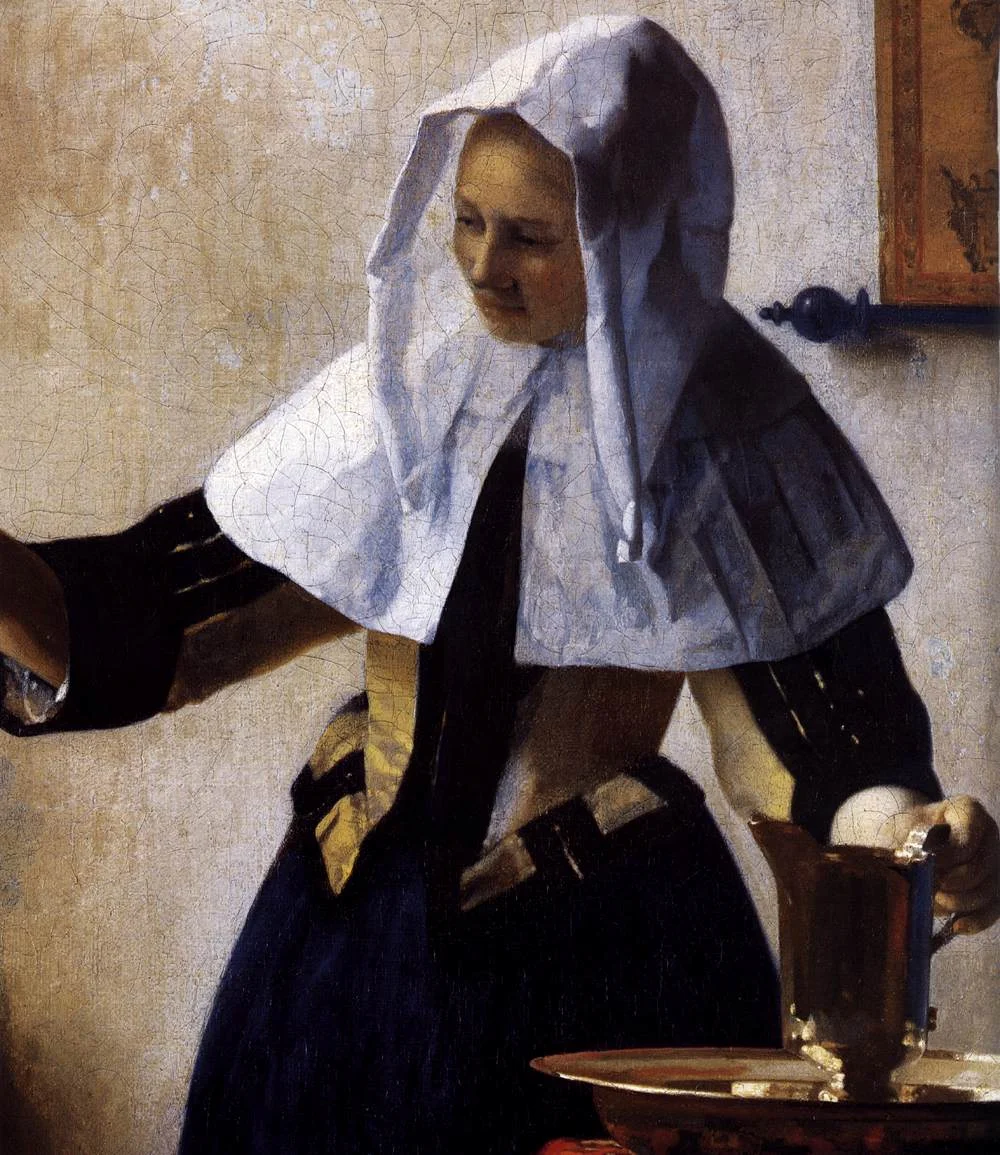
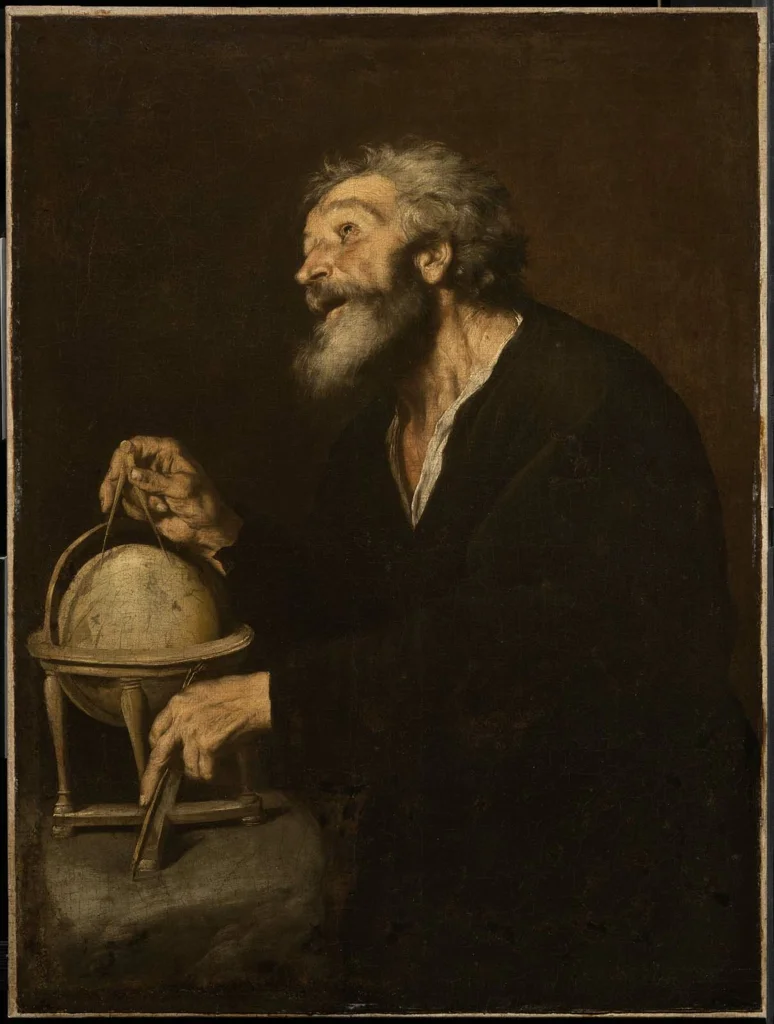
In "The Procuress," Vermeer weaves layers of narrative and symbolism, making it a fine art painting for sale that invites close interpretation. The intimate gathering depicted hints at societal norms and hidden desires, hallmarks of the Dutch Golden Age. For those interested in symbolic storytelling, companion pieces such as "Woman with a Water Jug" and "The Astronomer c. 1668" enrich the experience of owning or viewing Vermeer’s evocative works.
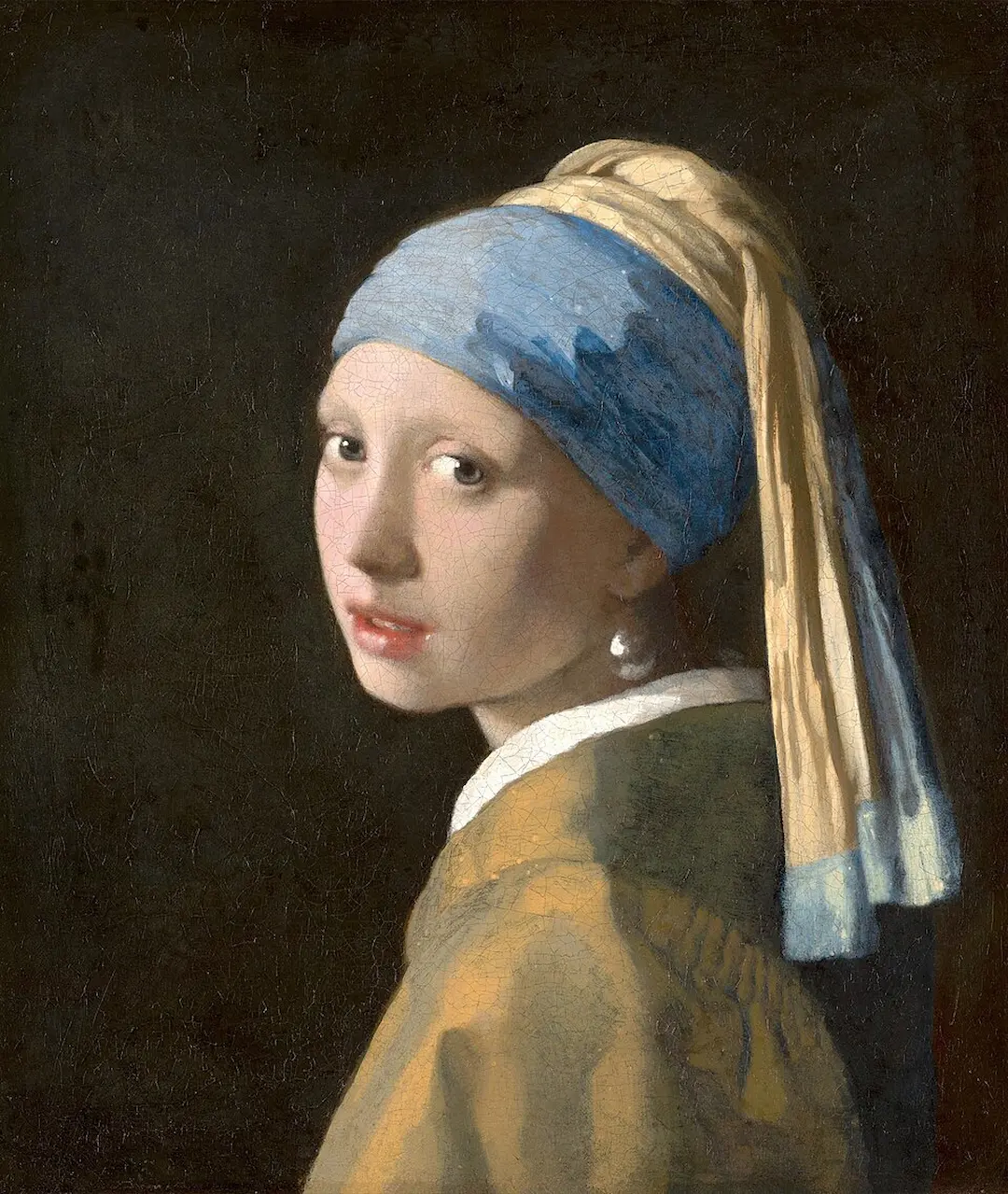
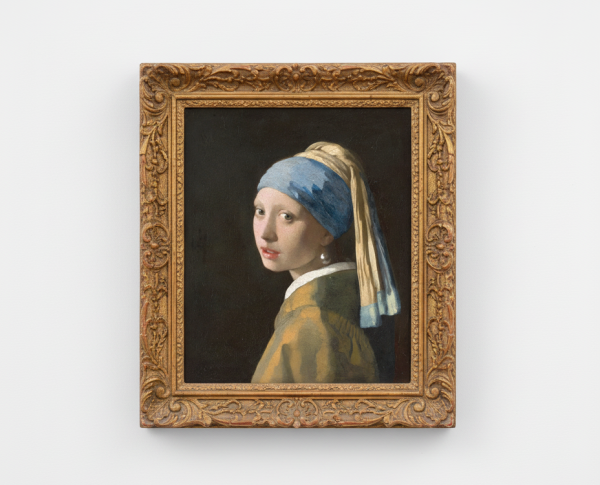
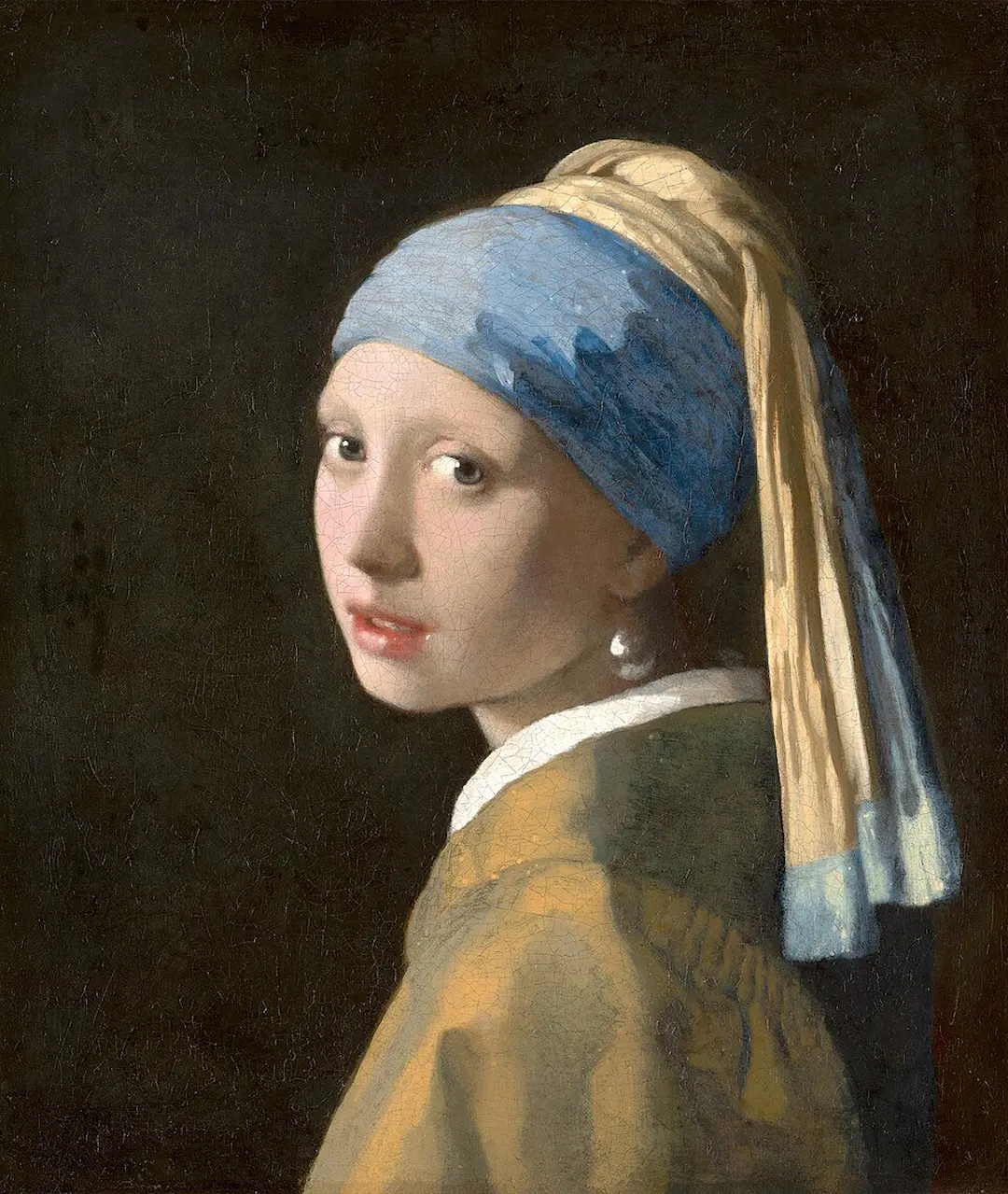
Owning "The Procuress" by Jan Vermeer Van Delft means possessing a remarkable oil on canvas from the Dutch Golden Age. This painting, like "Girl with a Pearl Earring c. 1665" and "The Geographer," is highly sought after by collectors who value historical significance and artistic mastery. It remains a cherished addition to any collection, symbolizing the enduring appeal of Vermeer’s genius and the timeless beauty of hand-painted oil paintings.
When Art Meets History
"The Procuress" by Jan Vermeer Van Delft stands as a testament to the Dutch Golden Age, a period renowned for its cultural and artistic achievements. This hand-painted oil painting captures a lively scene reflective of 17th-century Dutch society. Vermeer’s mastery is evident in the way he brings history to life, much like contemporaries who created works such as "The Night Watch" and "Christ In The Storm On The Sea Of Galilee," enriching the tapestry of European art heritage.
Techniques That Speak
Jan Vermeer Van Delft’s "The Procuress" showcases his skillful use of oil on canvas, a medium favored by Dutch Golden Age artists. The meticulous attention to detail, interplay of light and shadow, and vibrant colors set this painting apart. Similar techniques are seen in masterpieces like "Man in a Golden Helmet c. 1650" and "Philosopher in Meditation 1632," making Vermeer’s approach both innovative and influential in the world of fine art.
Emotions on Display
"The Procuress" evokes a range of emotions, from intrigue to contemplation, reflecting the complexity of human interactions during the Dutch Golden Age. Jan Vermeer Van Delft masterfully uses composition and expression to convey nuanced relationships. This fine art painting for sale offers viewers a glimpse into the emotional depth found in related works such as "The Return of the Prodigal Son c. 1669," connecting art lovers to a rich emotional legacy.
Coveted by Collectors
As a celebrated piece from the Dutch Golden Age, "The Procuress" by Jan Vermeer Van Delft remains highly sought after by collectors worldwide. Its historical significance and artistic mastery increase its desirability, much like other iconic paintings from the era. Collectors who appreciate oil on canvas works, including those similar to "The Night Watch" and "Philosopher in Meditation 1632," recognize the enduring value and prestige of owning such a masterpiece.
Related Dutch Golden Age Hand-Painted Oil Paintings by Other Artists
Other Famous Dutch Golden Age Artists:
Frequently Asked Questions About The Procuress
What is the historical context of "The Procuress"?
"The Procuress" was painted by Jan Vermeer Van Delft in the mid-17th century, a time characterized by the Dutch Golden Age, when art flourished in the Netherlands due to economic prosperity and a burgeoning middle class.
What are the main themes depicted in "The Procuress"?
The painting explores themes of seduction, commerce, and the dynamics of power between genders, illustrating the transactional nature of relationships during the period.
Who are the figures represented in "The Procuress"?
The painting features a procuress, a young woman, and a man, symbolizing the roles of women in society and the complexities of male-female interactions in the context of 17th-century Dutch culture.
What artistic techniques did Vermeer employ in "The Procuress"?
Vermeer is known for his masterful use of light, color, and texture. In "The Procuress," he employs chiaroscuro to create depth and realism, enhancing the emotional impact of the scene.
What is the significance of the objects in "The Procuress"?
The objects in the painting, such as the coins and the musical instruments, symbolize wealth, desire, and the allure of music, reflecting the social and economic exchanges prevalent in the era.
How does "The Procuress" reflect the role of women in 17th-century Dutch society?
The painting illustrates the limited yet influential roles women held, often as intermediaries in social and economic transactions, highlighting both their agency and societal constraints.
What is the significance of the color palette used in "The Procuress"?
Vermeer’s use of rich, vibrant colors enhances the emotional tone of the painting, creating a sense of intimacy and tension while also showcasing his skill in color harmony.
How does "The Procuress" compare to other works by Vermeer?
Compared to other Vermeer works, "The Procuress" is notable for its explicit exploration of themes related to sexuality and commerce, differing from his more domestic and serene compositions.
What influences can be seen in Vermeer's style in "The Procuress"?
Vermeer was influenced by the Caravaggesque style, evident in the dramatic lighting and realism, as well as the Dutch tradition of genre painting that focuses on everyday life.
What is the legacy of "The Procuress" in art history?
"The Procuress" is regarded as a significant work in the study of genre painting, influencing future artists in their exploration of social themes and the human condition through visual narrative.






















_GFM_Painting_(1).webp)


 100% Hand-Painted: Finished in 3-6 Weeks

.png)















_(1).webp)