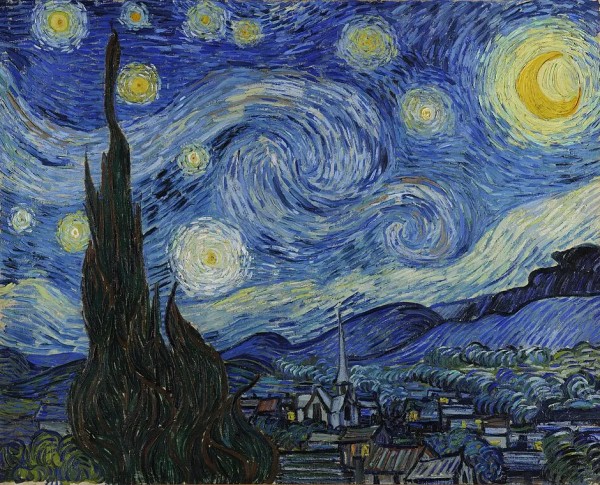
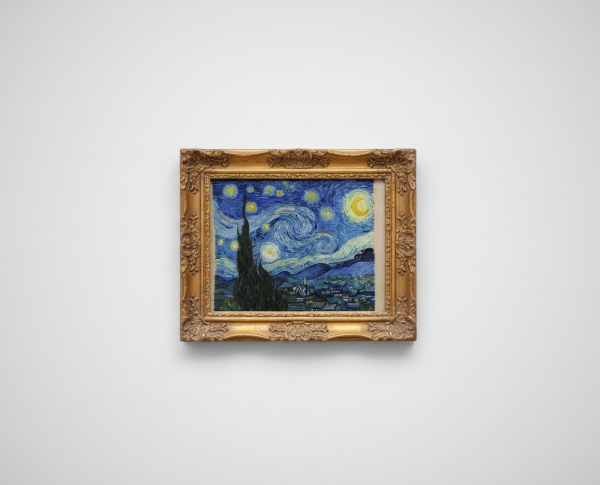
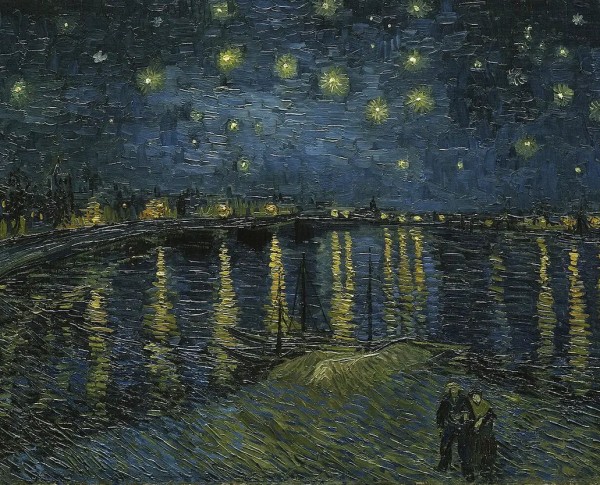
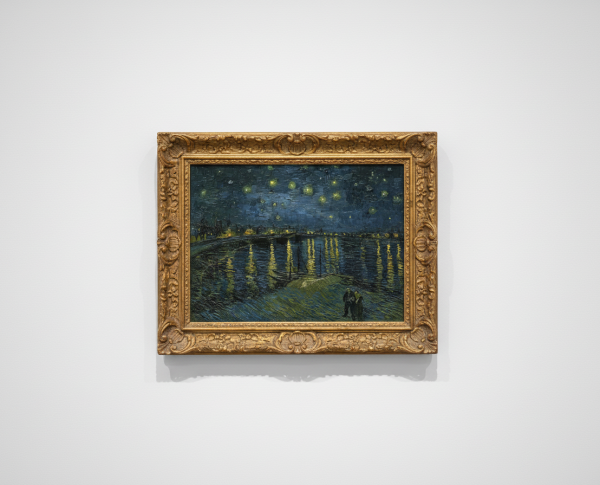
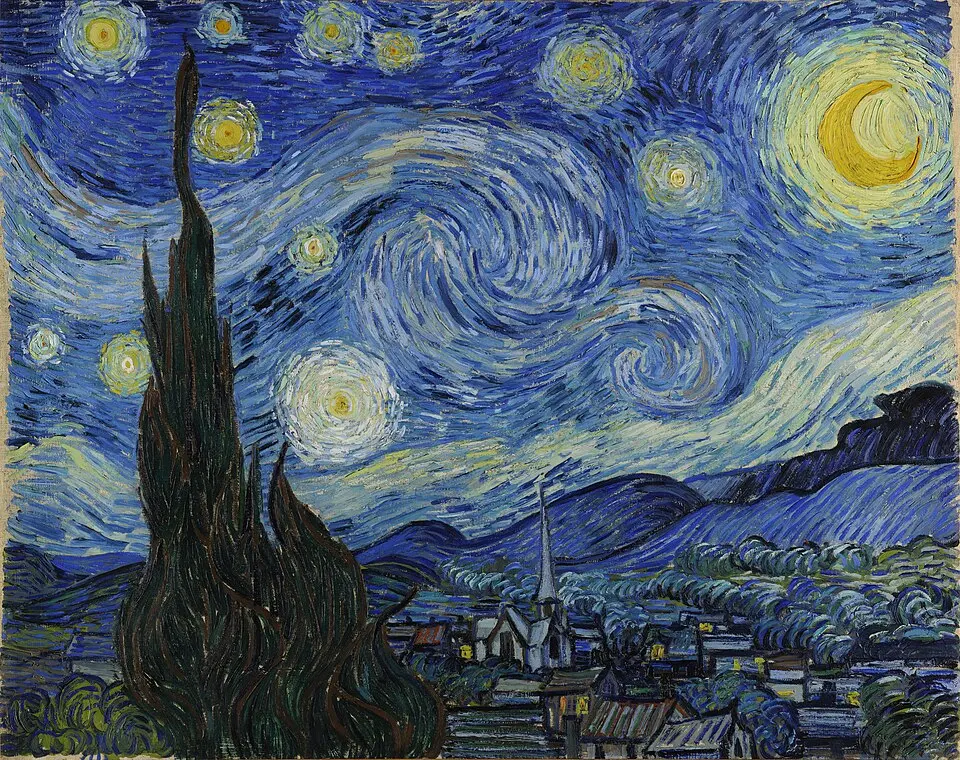
Every inch of "Starry Night" reveals Van Gogh’s unparalleled technique with oil on canvas. The dynamic brushwork and vibrant hues exemplify the artist’s command over the Post-Impressionism style. Van Gogh’s expressive lines and color choices turn a simple night sky into a living, breathing landscape. Collectors and admirers of fine art can also appreciate his skill in other works, such as "Olive Trees With Yellow Sky And Sun" and "Autumn Landscape with Four Trees."
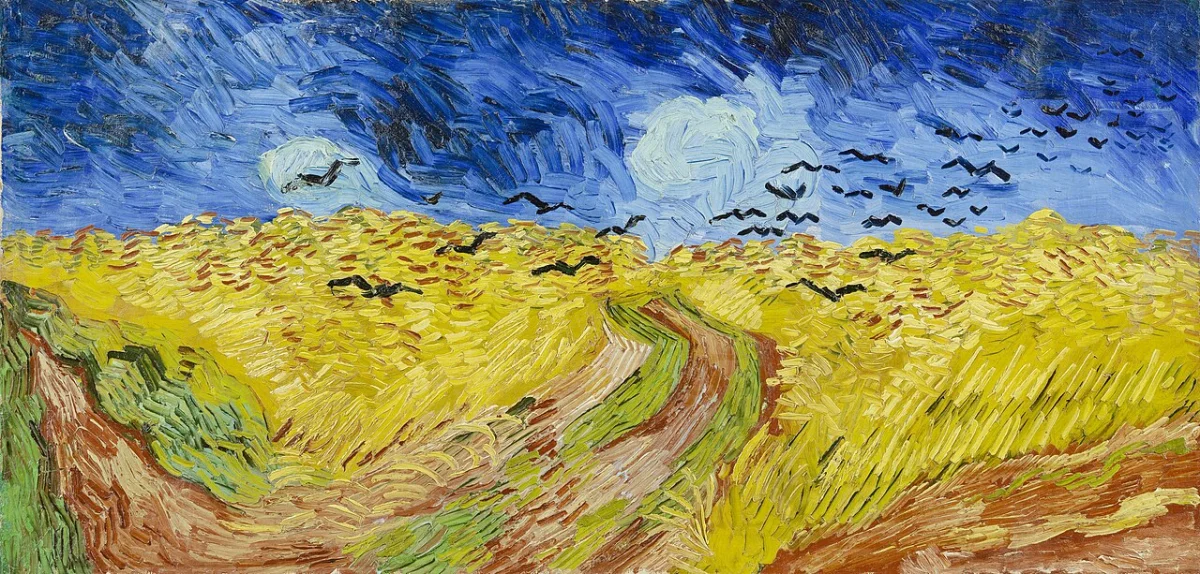
"Starry Night" is rich with stories and symbols, reflecting Van Gogh’s inner world and the broader themes of the Post-Impressionism era. The cypress trees, swirling stars, and peaceful village evoke a sense of wonder and introspection, making this fine art painting for sale a meaningful addition to any space. Fans of Van Gogh’s narrative style may also enjoy related paintings like "Wheat Field Under Clouded Sky" and "The White Orchard."
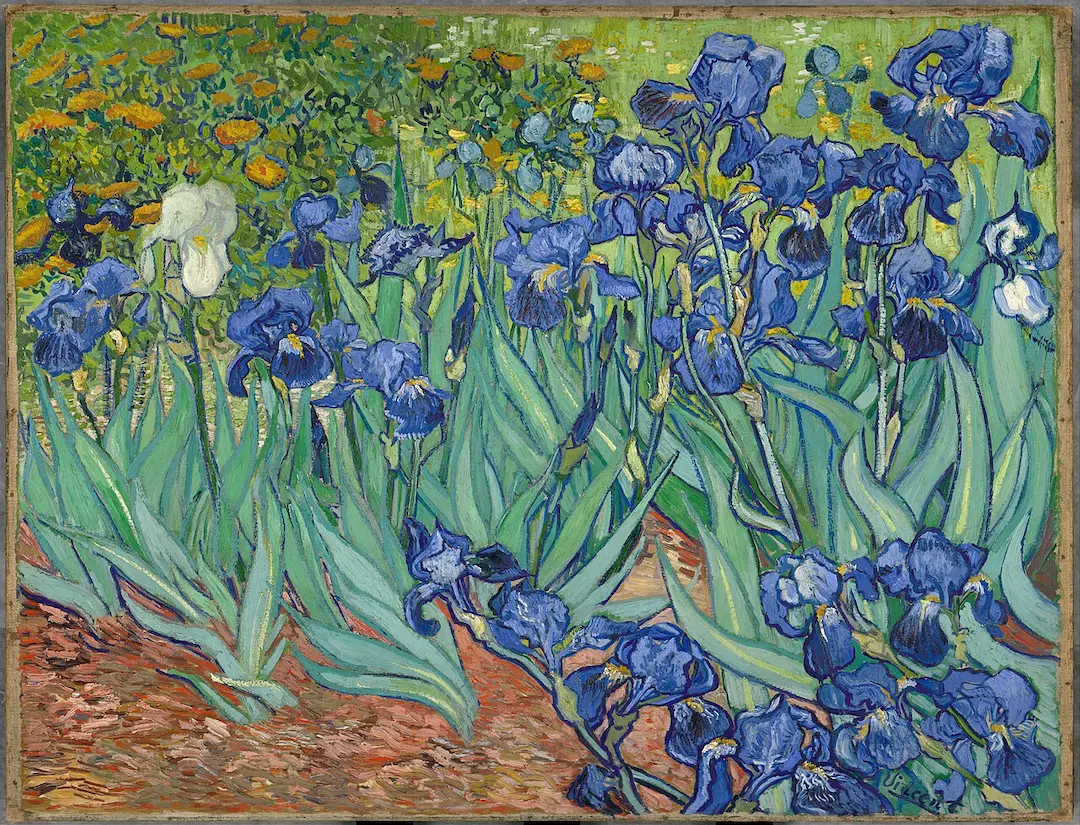
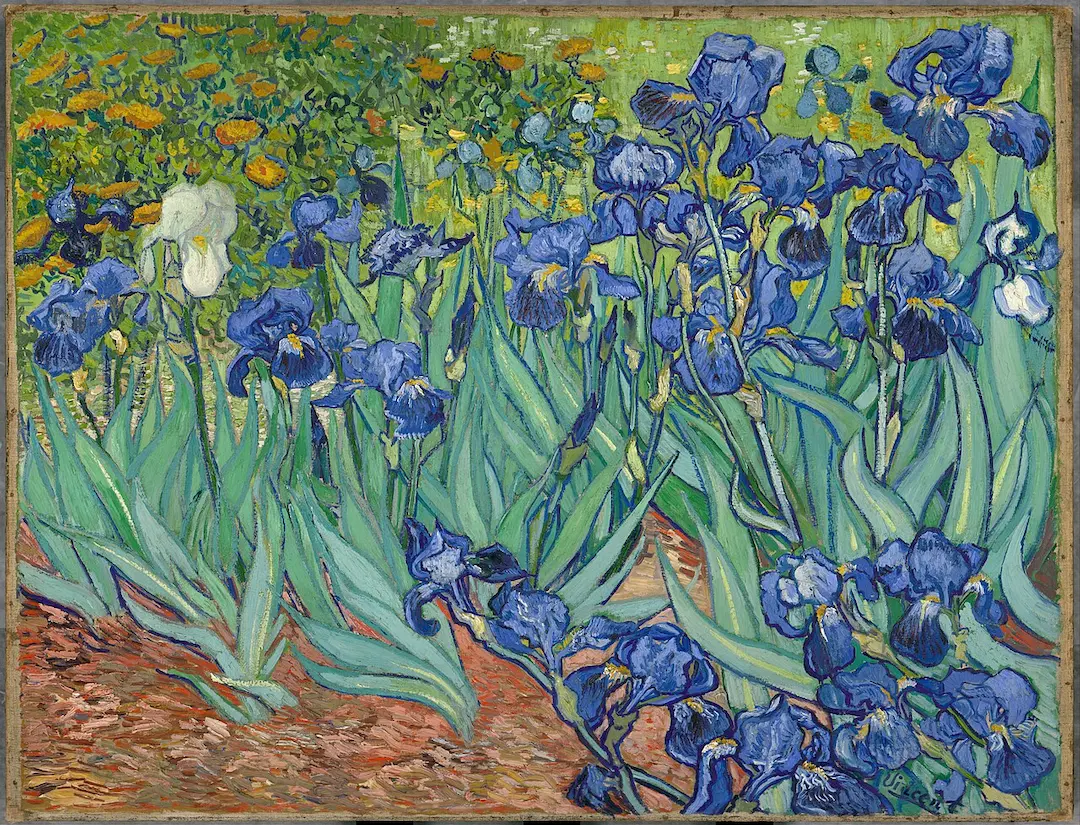
Owning a reproduction of Van Gogh’s "Starry Night" is more than acquiring a piece of art—it’s possessing a slice of art history from the Post-Impressionism movement. This hand-painted oil painting is highly sought after by collectors, offering both beauty and investment value. Enhance your collection with other Van Gogh masterpieces such as "Irises" or "Bridges Across The Seine At Asnieres," each a fine art painting for sale that echoes his enduring legacy.
When Art Meets History
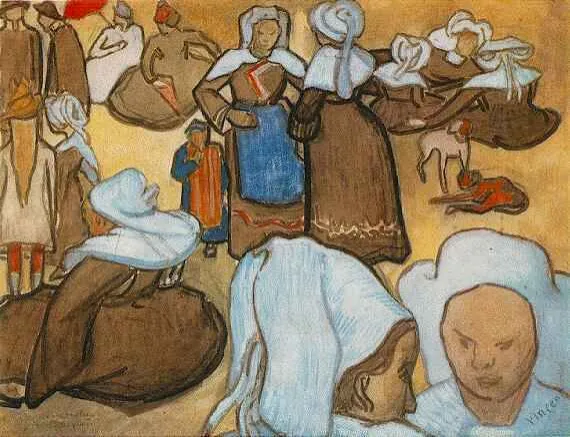
"Starry Night" by Vincent Van Gogh stands as a hallmark of the Post-Impressionism movement, capturing a pivotal moment in art history. Painted in 1889, this hand-painted oil painting reflects Van Gogh’s fascination with the night sky and his innovative vision. The artwork sits alongside masterpieces like "One Of The Family" and "A Sunday Afternoon on the Island of La Grande Jatte," each contributing to the rich tapestry of Post-Impressionist achievements.
Techniques That Speak
Vincent Van Gogh’s "Starry Night" showcases remarkable techniques, especially his swirling brushstrokes and vibrant color palette. Utilizing oil on canvas, Van Gogh imbued the night sky with movement and emotion, a signature of the Post-Impressionism movement. The painting’s expressive style influenced contemporaries and successors, including works like "Two Tahitian Women." Through these techniques, Van Gogh revolutionized how artists approached the depiction of light and atmosphere in fine art.
Emotions on Display
"Starry Night" radiates intense emotion, making it a beloved fine art painting for sale and a touchstone of Post-Impressionism. Van Gogh’s depiction of the swirling sky and tranquil village evokes feelings of wonder and introspection. The painting’s emotional depth resonates with viewers, much like the sentiments found in "One Of The Family" and "A Sunday Afternoon on the Island of La Grande Jatte," further cementing Van Gogh’s legacy as a master of emotional expression.
Coveted by Collectors
As one of the most recognized works by Vincent Van Gogh, "Starry Night" remains highly sought after among collectors of Post-Impressionist masterpieces. The painting’s value has only increased over time, making it a prime example of a hand-painted oil painting that captures the essence of its era. Collectors also prize related works such as "Two Tahitian Women," appreciating the innovation and emotional power these paintings embody.
Related Post-Impressionism Hand-Painted Oil Paintings by Other Artists
Other Famous Post-Impressionism Artists:
Frequently Asked Questions About Starry Night
What year was Starry Night painted?
Starry Night was painted in June 1889 while Vincent Van Gogh was staying at the Saint-Paul-de-Mausole asylum in Saint-Rémy-de-Provence, France.
What inspired Vincent Van Gogh to create Starry Night?
Vincent Van Gogh was inspired by the view from his asylum room, as well as his emotional state and fascination with the night sky. The painting reflects his desire to capture the beauty and turbulence of nature.
What artistic techniques did Van Gogh use in Starry Night?
Van Gogh employed a technique known as impasto, where paint is laid on the canvas very thickly, creating a textured surface. He also used swirling brushstrokes to convey movement and emotion within the night sky.
What are the main colors used in Starry Night, and what do they symbolize?
The predominant colors in Starry Night are deep blues and vibrant yellows. The blue represents calmness and the night, while the yellow stars symbolize hope and warmth amidst darkness.
What is the significance of the cypress tree in Starry Night?
The cypress tree, often associated with death and mourning, serves as a bridge between the earth and the sky in Starry Night. It symbolizes Van Gogh's contemplation of life and mortality.
How does Starry Night reflect Van Gogh's mental state?
Starry Night captures Van Gogh's emotional turmoil and longing for peace. The vibrant colors and dynamic forms express his inner struggles, while also conveying a sense of wonder and beauty in the chaos.
What is the historical context of Starry Night?
Starry Night was created during a period of intense personal crisis for Van Gogh, marked by his mental health challenges. It reflects the Post-Impressionist movement's emphasis on emotion and subjective experience over realism.
What influence did Starry Night have on later art movements?
Starry Night has had a profound influence on modern art, particularly Expressionism and Abstract art. Its emotional intensity and innovative use of color and form paved the way for artists to explore subjective experiences in their work.
Where is Starry Night currently housed?
Starry Night is part of the permanent collection of the Museum of Modern Art (MoMA) in New York City, where it has been since 1941.
What is the legacy of Starry Night in popular culture?
Starry Night has become an iconic representation of Van Gogh's work and is widely recognized in popular culture. It has inspired countless reproductions, adaptations, and references in various forms of media, including literature, film, and music.






















_GFM_Painting_(1).webp)


 100% Hand-Painted: Finished in 3-6 Weeks

.png)
















_(1).webp)