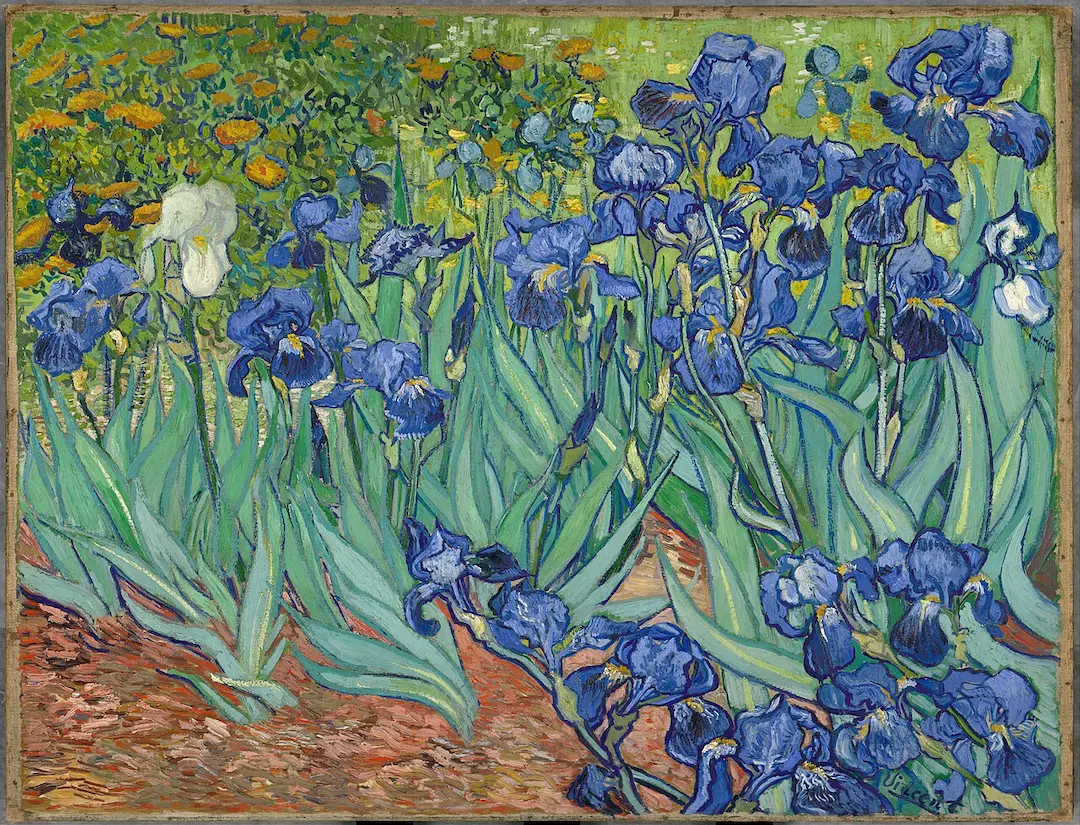
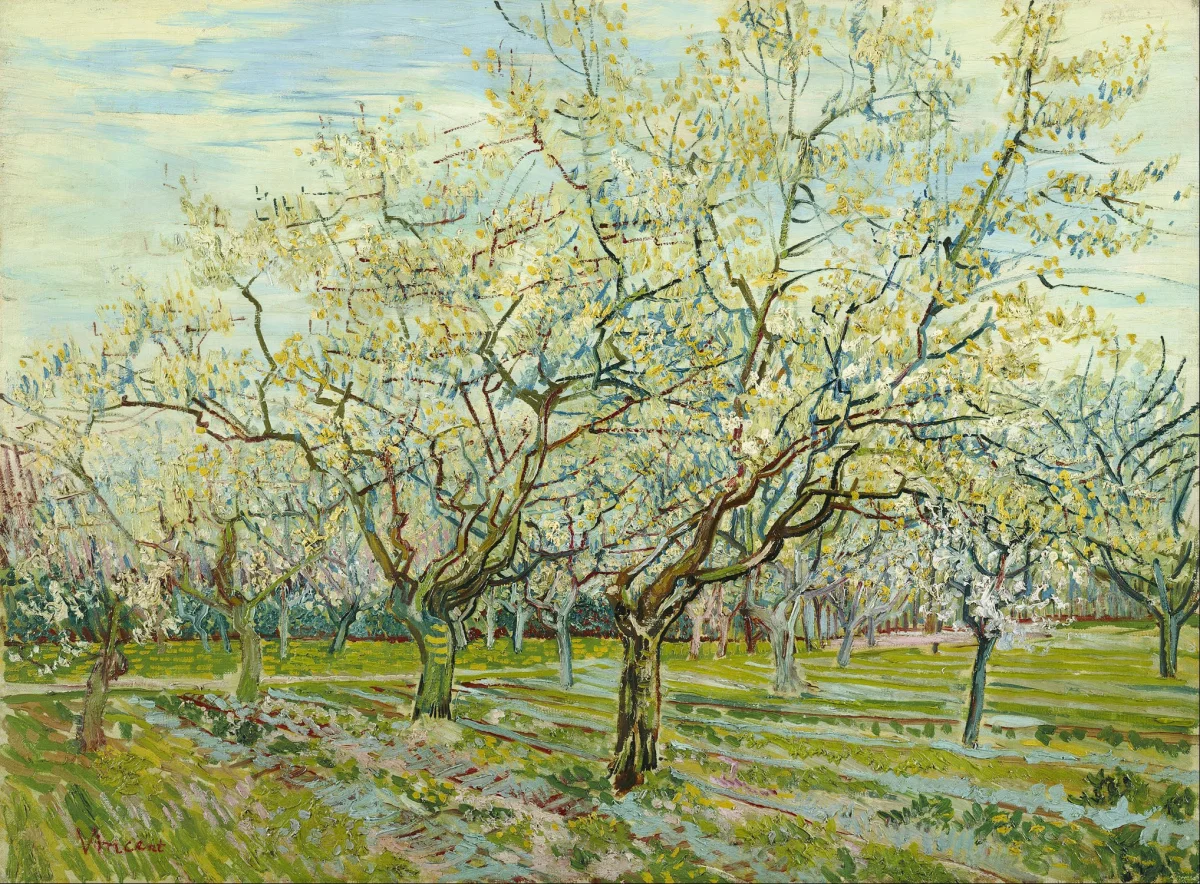
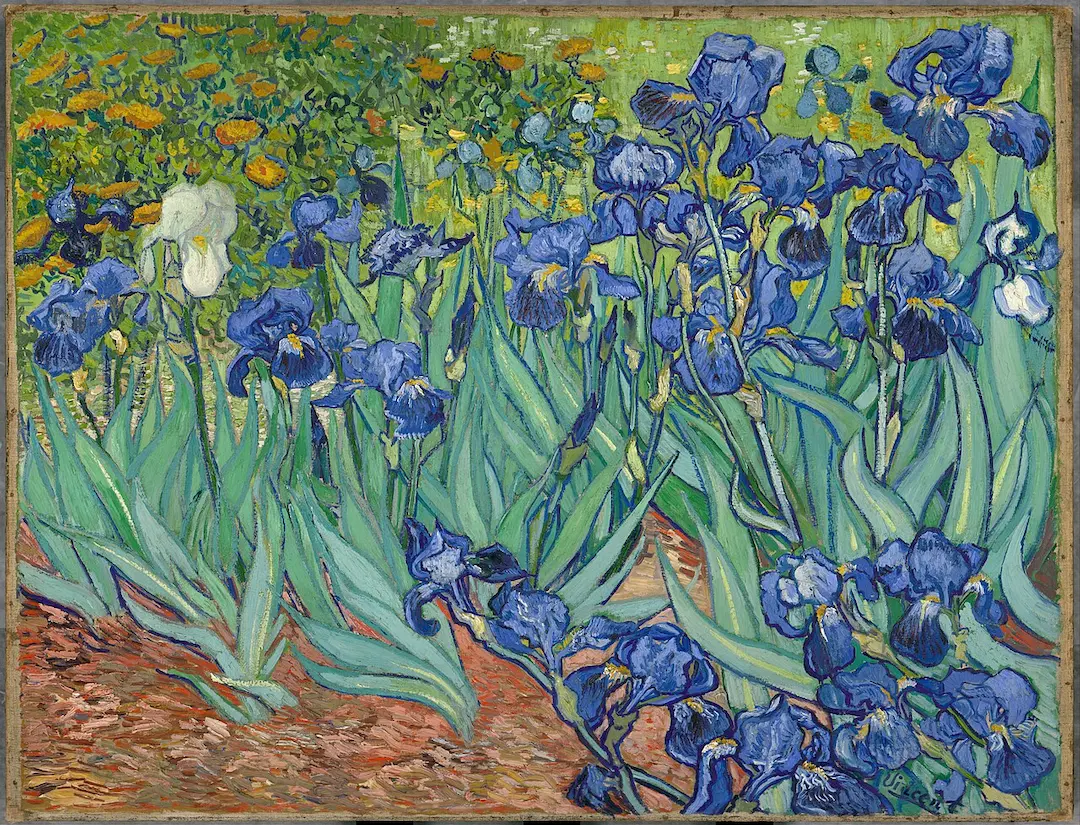
Van Gogh’s mastery is unmistakable in "The White Orchard," where each brushstroke breathes life into the scene. Created as an oil on canvas, this artwork showcases his innovative use of color and texture, hallmarks of the Post-Impressionism movement. The painting’s dynamic energy is echoed in related masterpieces like "Autumn Landscape with Four Trees" and "Irises," making it a coveted piece for those passionate about Van Gogh’s evolving artistic journey.
"The White Orchard" is more than a picturesque landscape; it is a narrative woven with symbols of renewal and hope. Van Gogh infused this fine art painting for sale with personal meaning, using the orchard’s delicate blossoms to reflect themes of growth and transformation. Collectors often pair this evocative work with others, such as "Peach Trees in Blossom" and "Wheat Field Under Clouded Sky," to explore Van Gogh’s symbolic language further.
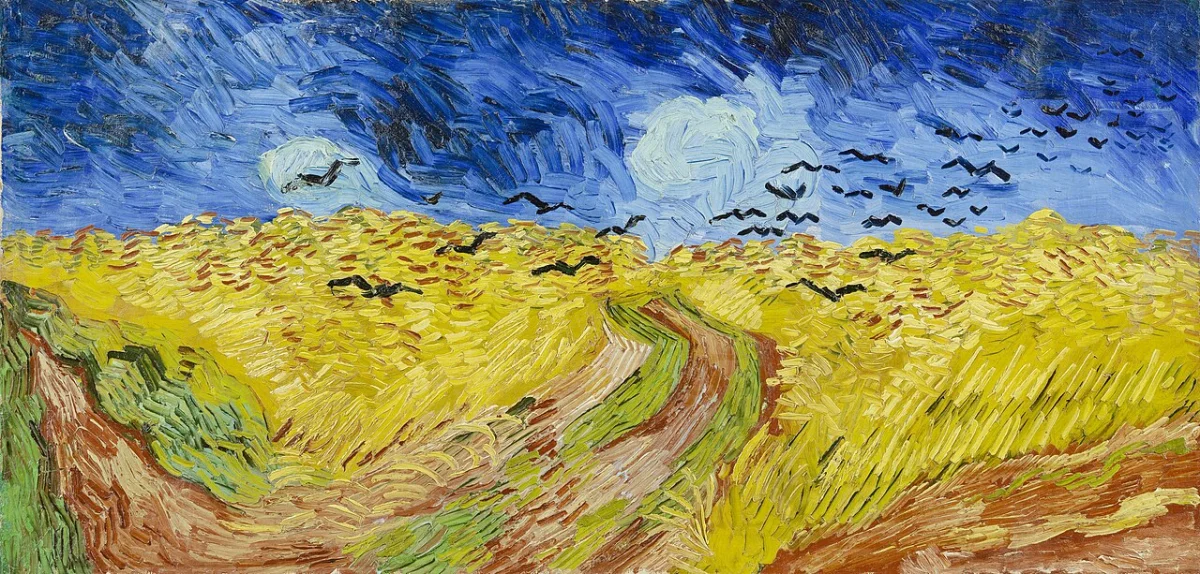
Owning "The White Orchard" by Vincent Van Gogh is a testament to one’s appreciation for Post-Impressionist art. This hand-painted oil painting is a prized addition for collectors seeking museum-quality pieces. Its enduring allure is enhanced when displayed alongside related works like "Irises" and "Wheat Field With Crows," making it an exceptional fine art painting for sale that celebrates Van Gogh’s artistic legacy and the movement he helped define.
When Art Meets History
"The White Orchard" by Vincent Van Gogh is a celebrated masterpiece from the Post-Impressionism movement. Painted in 1888, this hand-painted oil painting captures the blossoming orchards of Arles, France, reflecting the changing seasons and Van Gogh’s personal journey. The painting stands alongside other iconic works of the era, such as "A Sunday Afternoon on the Island of La Grande Jatte" and "Two Tahitian Women," offering a glimpse into the evolution of modern art.
Techniques That Speak
Vincent Van Gogh's "The White Orchard" showcases his mastery of oil on canvas, employing bold brushstrokes and a vibrant palette to evoke the freshness of spring. The painting’s textured surface and dynamic composition are hallmarks of Post-Impressionism. Similar to "One Of The Family," Van Gogh’s technique invites viewers to experience the scene’s energy and movement, making this oil on canvas an enduring example of innovative artistic expression.
Emotions on Display
In "The White Orchard," Van Gogh conveys a sense of renewal and hope through his expressive use of color and light. The painting’s blossoming trees and luminous sky evoke emotions of serenity and joy, hallmarks of the Post-Impressionism movement. Like "Two Tahitian Women," this fine art painting for sale resonates with viewers, drawing them into an intimate moment of beauty and tranquility inspired by the natural world.
Coveted by Collectors
As a prime example of Van Gogh’s Post-Impressionist genius, "The White Orchard" remains highly sought after by art collectors. Its connection to related paintings such as "A Sunday Afternoon on the Island of La Grande Jatte" and "One Of The Family" enhances its prestige. Today, this hand-painted oil painting is celebrated not only for its historical significance but also as a fine art painting for sale that continues to inspire admiration worldwide.
Related Post-Impressionism Hand-Painted Oil Paintings by Other Artists
Other Famous Post-Impressionism Artists:
Frequently Asked Questions About The White Orchard
What is the historical context of "The White Orchard"?
"The White Orchard" was painted by Vincent Van Gogh in 1888 during his time in Arles, France, a period marked by his exploration of color and light.
What artistic techniques did Van Gogh use in "The White Orchard"?
Van Gogh employed bold brush strokes and vibrant colors to convey emotion and movement, characteristic of his post-impressionist style.
What does the white orchard symbolize in the painting?
The white orchard symbolizes purity and renewal, reflecting Van Gogh's fascination with nature and its transformative qualities.
How does "The White Orchard" reflect Van Gogh's emotional state?
The painting captures a sense of tranquility and hope, indicative of Van Gogh's desire for peace and connection with nature during a tumultuous time in his life.
What influences can be seen in Van Gogh's use of color in this painting?
Van Gogh's use of color in "The White Orchard" showcases the influence of Japanese art and Impressionism, emphasizing the emotional resonance of the landscape.
How does "The White Orchard" compare to Van Gogh's other works?
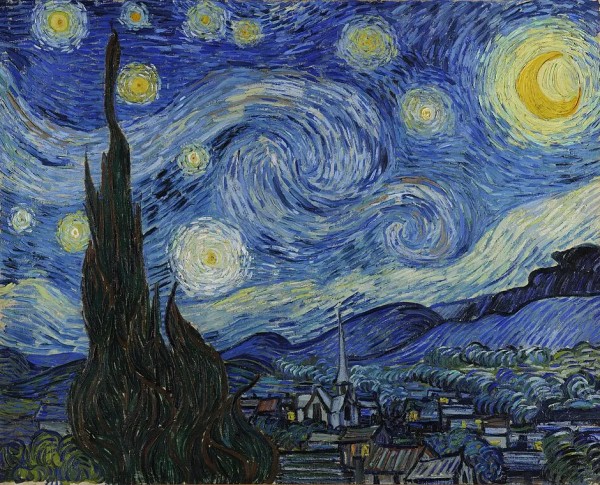
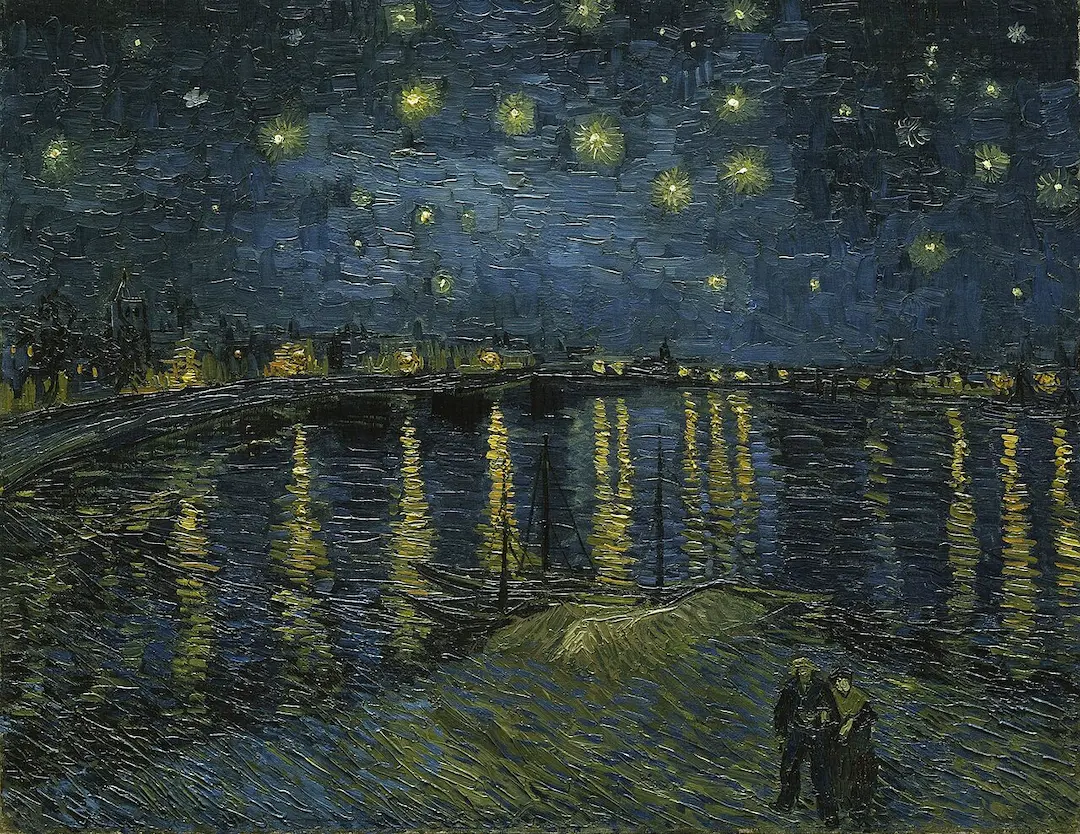
Compared to his other works, "The White Orchard" features a more serene composition, contrasting with the emotional intensity found in paintings like "Starry Night."
What elements of nature are highlighted in "The White Orchard"?
The painting emphasizes the beauty of blossoming trees and the interplay of light and shadow, showcasing Van Gogh's deep appreciation for the natural world.
What was Van Gogh's intention behind painting "The White Orchard"?
Van Gogh aimed to capture the ephemeral beauty of spring and the joy it brings, reflecting his belief in the therapeutic power of nature.
How has "The White Orchard" been received by art critics over the years?
Art critics have praised "The White Orchard" for its innovative use of color and brushwork, recognizing it as a significant work that exemplifies Van Gogh's artistic evolution.
What legacy has "The White Orchard" left in the art world?
The painting has left a lasting legacy as an iconic representation of Van Gogh's style, influencing generations of artists and contributing to the appreciation of post-impressionism.






















_GFM_Painting_(1).webp)


 100% Hand-Painted: Finished in 3-6 Weeks

.png)
















_(1).webp)