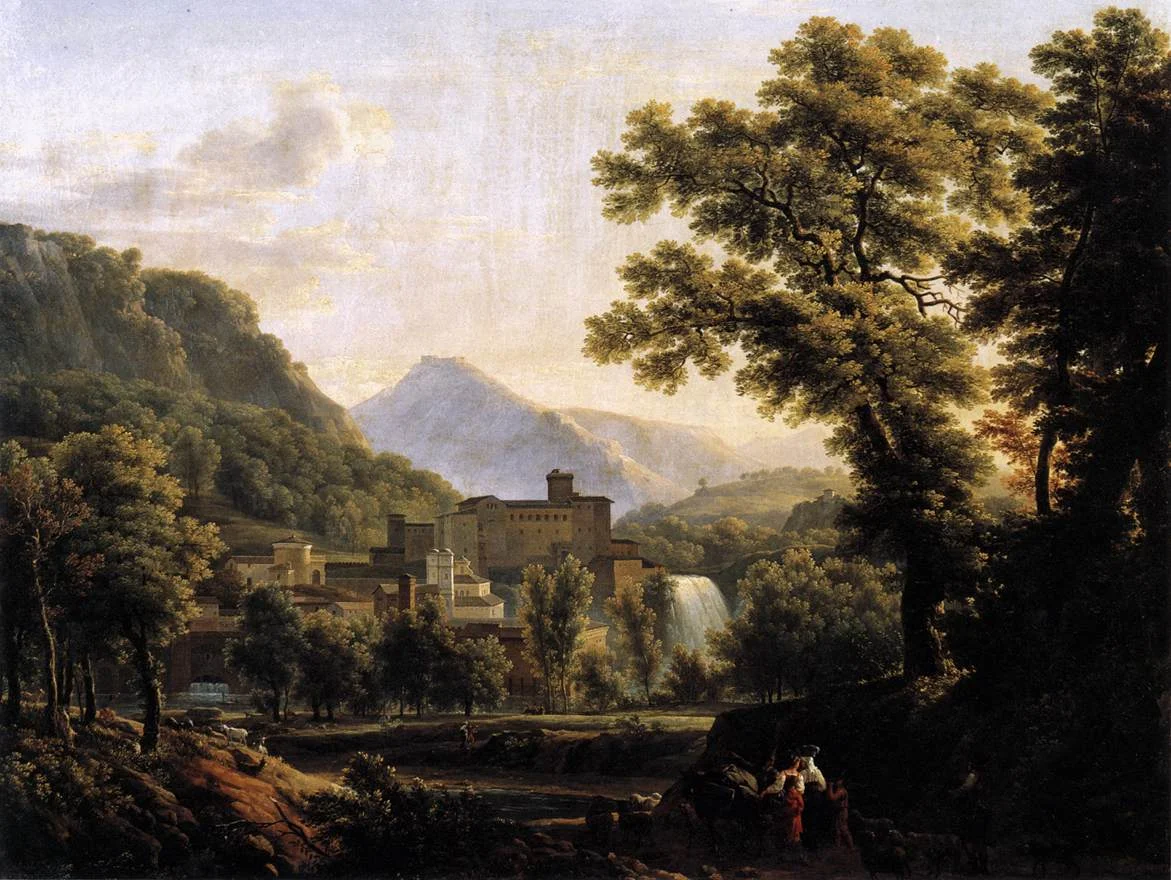
Crafted with meticulous attention, "The Three Ages of the Woman" exemplifies Klimt’s mastery using oil on canvas. The painting’s vibrant palette and delicate textures reflect the distinct style of the Vienna Secession movement. Each brushstroke showcases Klimt’s ability to blend symbolism with realism. For those drawn to his artistry, works like "Water Serpents I" and "Danaë" are equally compelling, offering exquisite examples of oil on canvas techniques within the same influential movement.
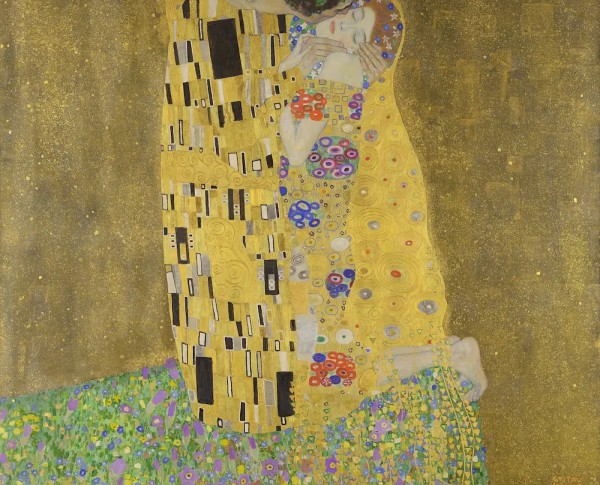
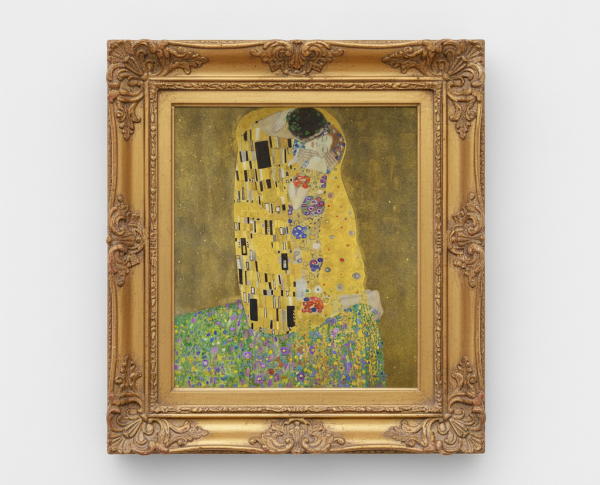
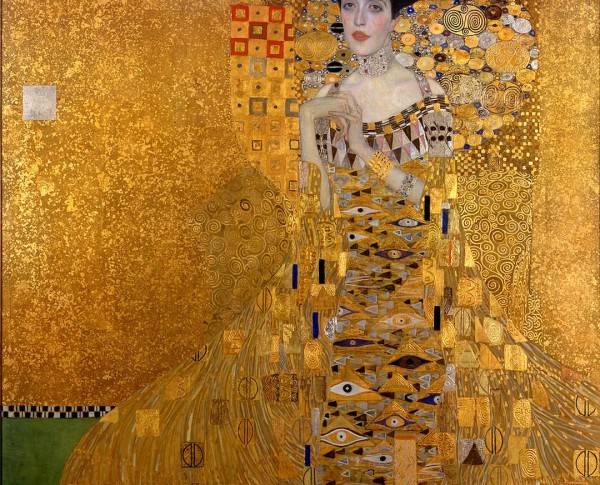
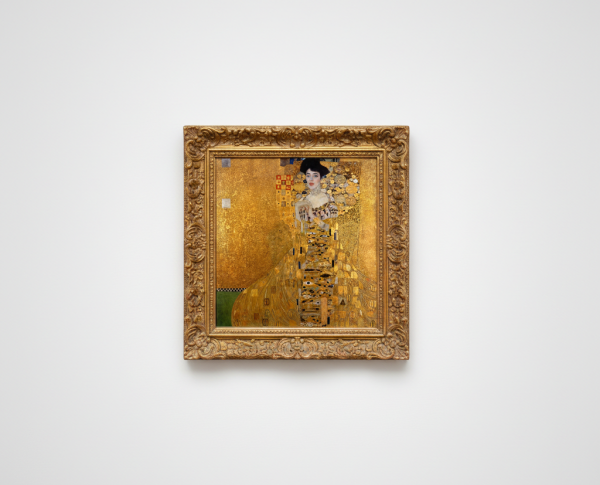
"The Three Ages of the Woman" by Gustav Klimt is more than a fine art painting for sale; it is a visual narrative of life’s journey. The composition weaves together themes of innocence, maturity, and mortality, emblematic of the Vienna Secession’s embrace of symbolism. Klimt’s other works, including "Portrait of Adele Bloch-Bauer I" and "The Kiss," similarly invite viewers to uncover deeper meanings, making each hand-painted oil painting a treasure trove of stories and symbols.
Owning "The Three Ages of the Woman" is a testament to one’s appreciation of Gustav Klimt’s genius and the Vienna Secession movement. This hand-painted oil painting, alongside related products like "The Tree of Life" and "Danaë," adds exceptional value to any fine art collection. The enduring appeal of Klimt’s works ensures that each piece, whether oil on canvas or another medium, remains a collector’s treasure and a celebrated symbol of artistic innovation.
When Art Meets History
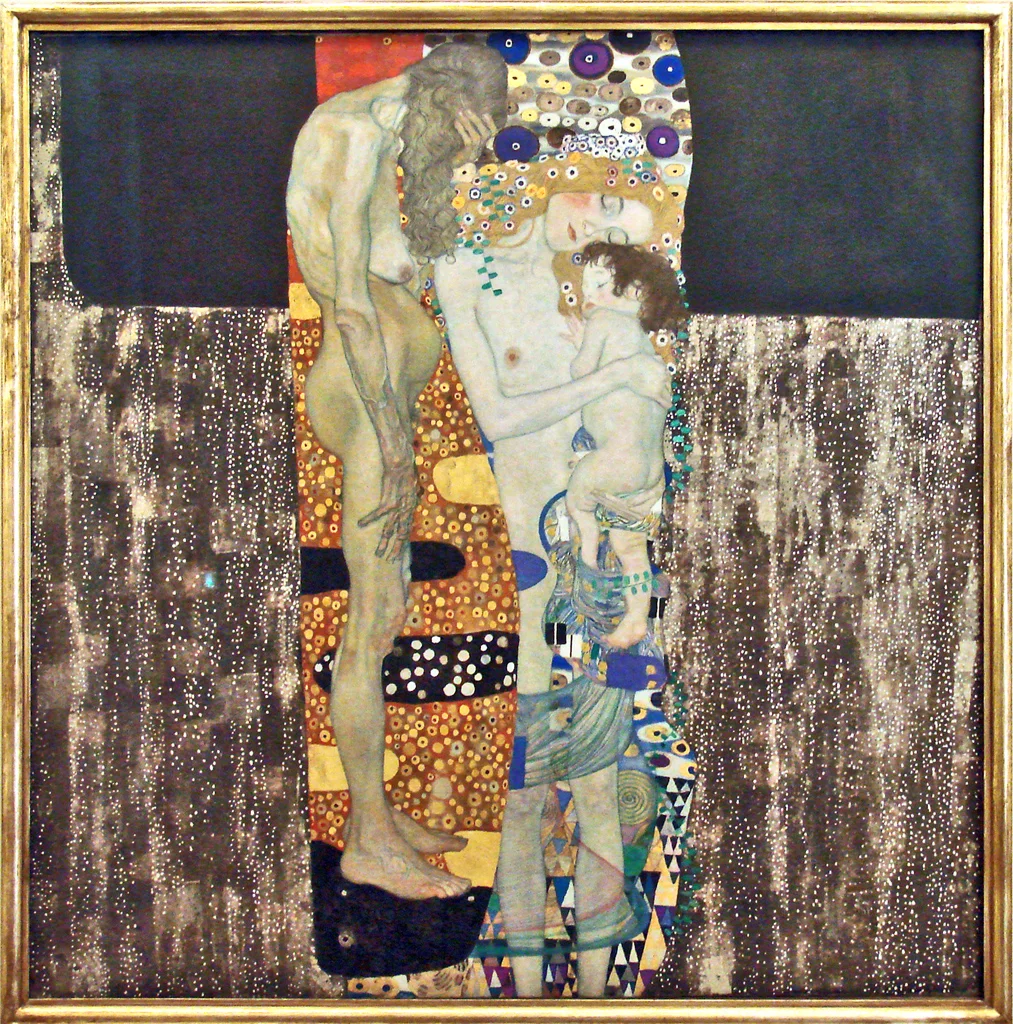
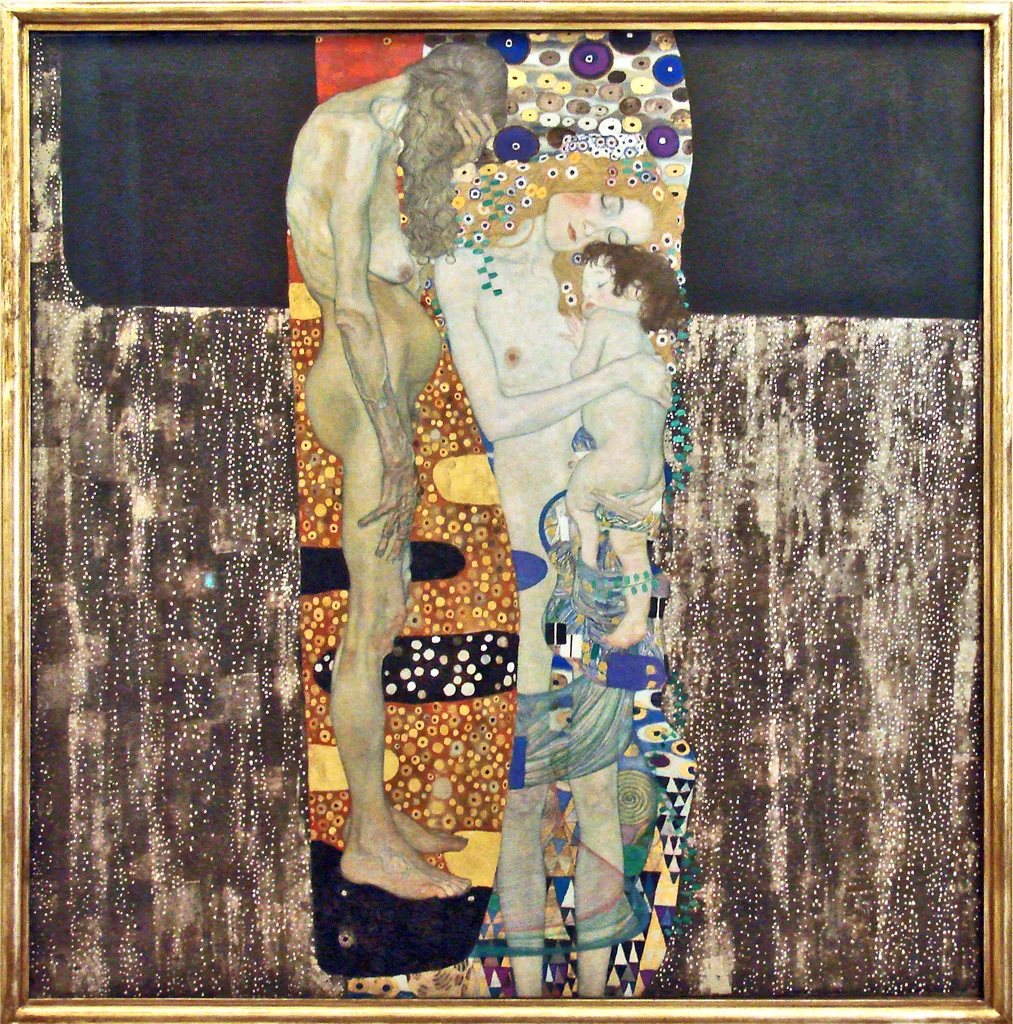
"The Three Ages of the Woman" by Gustav Klimt is a celebrated masterpiece within the Vienna Secession movement. Painted in 1905, this hand-painted oil painting captures the essence of life's stages—childhood, adulthood, and old age—through Klimt's unique symbolism. The artwork stands alongside other notable works of the era, reflecting the artist’s fascination with the human condition and the evolving role of women. Klimt’s innovative approach makes this painting a cornerstone of early twentieth-century art history.
Techniques That Speak
Gustav Klimt’s use of oil on canvas in "The Three Ages of the Woman" showcases his signature blend of realism and decorative elements. The Vienna Secession movement encouraged experimentation, which is evident in Klimt’s intricate patterns and expressive brushwork. The delicate transitions between skin tones and the detailed backgrounds highlight his technical prowess. This fine art painting for sale continues to inspire artists and collectors, demonstrating the enduring appeal of Klimt’s sophisticated technique.
Emotions on Display
"The Three Ages of the Woman" radiates deep emotion, as Gustav Klimt masterfully conveys the vulnerability and strength of women through his oil on canvas composition. The figures’ intertwined poses and contemplative expressions evoke empathy and introspection. As a hand-painted oil painting, it captures the fleeting nature of time and the universality of human experience. Klimt’s evocative style, typical of the Vienna Secession movement, ensures each viewer feels a personal connection to the artwork.
Coveted by Collectors
This fine art painting for sale remains highly sought after by collectors worldwide, not only for its beauty but also for its historical significance. Gustav Klimt’s "The Three Ages of the Woman" is a centerpiece of the Vienna Secession movement and a testament to the artist’s visionary approach. Its timeless themes and exquisite execution make it a prized possession, often compared to Klimt’s other masterpieces, and a must-have for any serious art collection.
Frequently Asked Questions About The Three Ages of the Woman
What is the historical context of "The Three Ages of the Woman"?
"The Three Ages of the Woman" was painted by Gustav Klimt in 1905, during a period marked by significant social and artistic change in Europe. This era saw the rise of modernism and a reevaluation of traditional gender roles, which Klimt explores through his depiction of the female experience.
What artistic techniques did Klimt use in this painting?
Klimt employed his signature use of gold leaf, intricate patterns, and decorative motifs to create a visually striking composition. The painting showcases his mastery of color and texture, blending realism with symbolic elements to convey deeper meanings.
What do the three figures in the painting represent?
The three figures represent the stages of a woman's life: youth, maturity, and old age. Each figure embodies the physical and emotional attributes associated with their respective age, reflecting the passage of time and the cyclical nature of life.
How does Klimt use symbolism in "The Three Ages of the Woman"?
Klimt utilizes symbolism to convey complex themes related to femininity, mortality, and the human experience. The contrasting postures and expressions of the figures symbolize the different emotional states and societal expectations placed upon women throughout their lives.
What role does color play in this painting?
Color is pivotal in "The Three Ages of the Woman," with warm tones representing vitality and youth, while cooler, muted colors signify aging and introspection. The use of gold adds a sense of timelessness and divinity, enhancing the painting's ethereal quality.
How does this work fit into Klimt's overall body of work?
This painting is emblematic of Klimt's exploration of the female form and psyche, a recurring theme in his oeuvre. It aligns with his interest in the intersection of beauty, sexuality, and the complexities of womanhood, often depicted through ornate and symbolic imagery.
What influences can be seen in "The Three Ages of the Woman"?
Klimt was influenced by various artistic movements, including Symbolism and Art Nouveau. The decorative elements and flowing lines in the painting reflect these influences, as well as the impact of Japanese art, which inspired many European artists of the time.
What is the significance of the background in the painting?
The background of "The Three Ages of the Woman" features abstract patterns and shapes that serve to enhance the figures while also creating a dreamlike atmosphere. This choice emphasizes the themes of transformation and the ephemeral nature of life.
How has "The Three Ages of the Woman" been received by critics and the public?
The painting has been widely acclaimed for its innovative approach to depicting the female experience. Critics have praised Klimt's ability to blend beauty with profound thematic content, making it one of his most celebrated works and a significant piece in the history of art.
Where can "The Three Ages of the Woman" be viewed today?
The painting is part of the collection at the Museo de Arte Moderno in Buenos Aires, Argentina. It is frequently exhibited and continues to attract attention for its artistic brilliance and emotional depth.

















_GFM_Painting_(1).webp)


 100% Hand-Painted: Finished in 3-6 Weeks

.png)















_(1).webp)