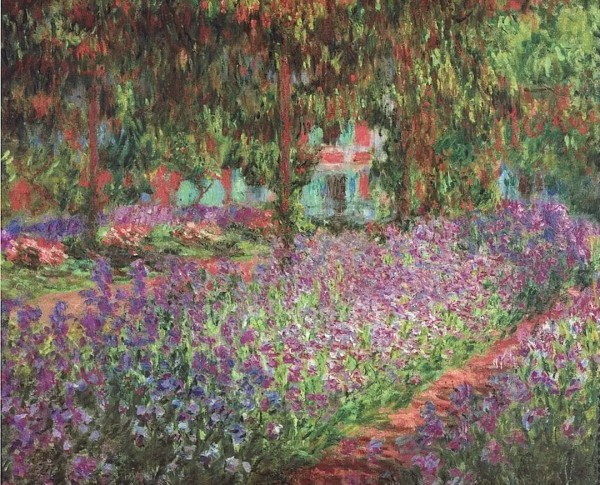
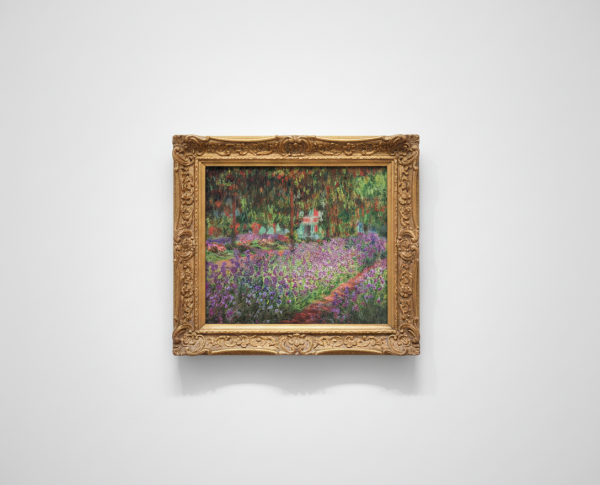
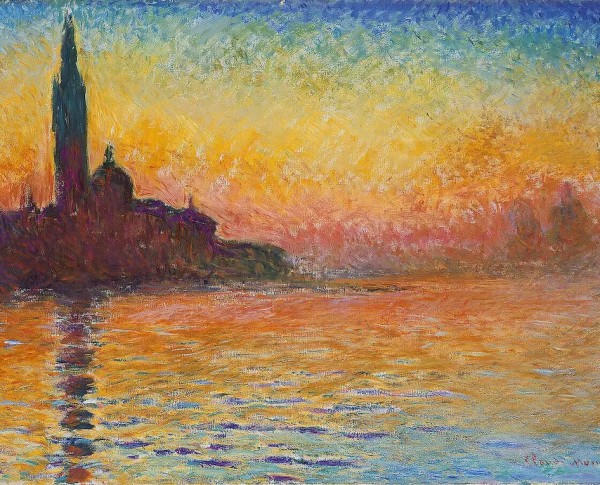
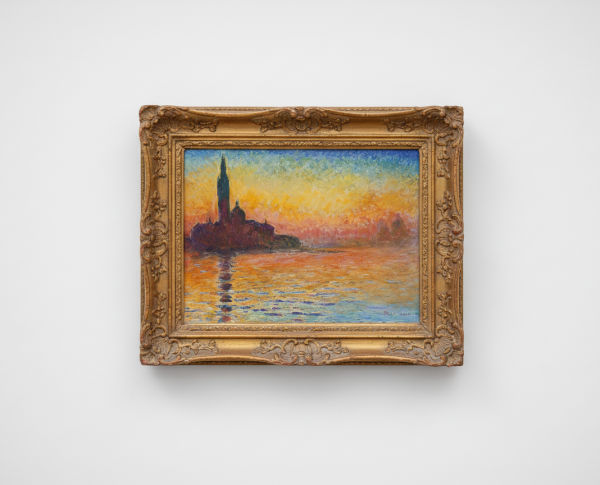
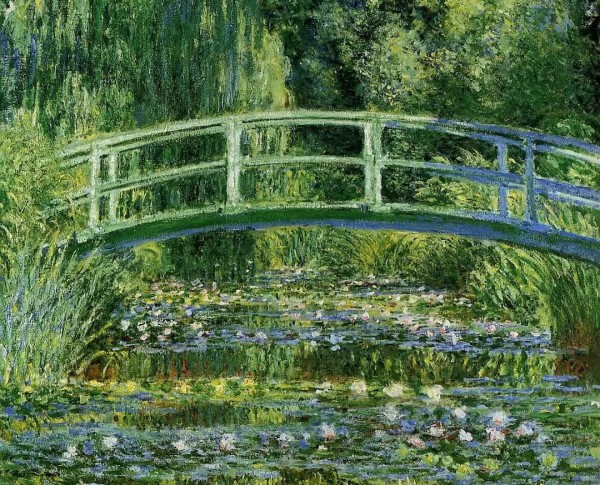
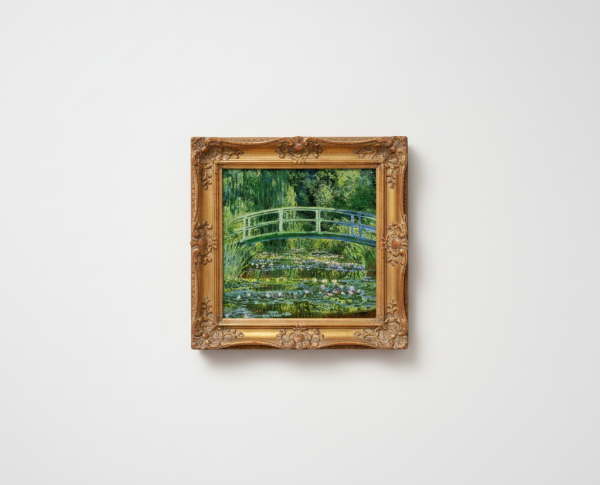
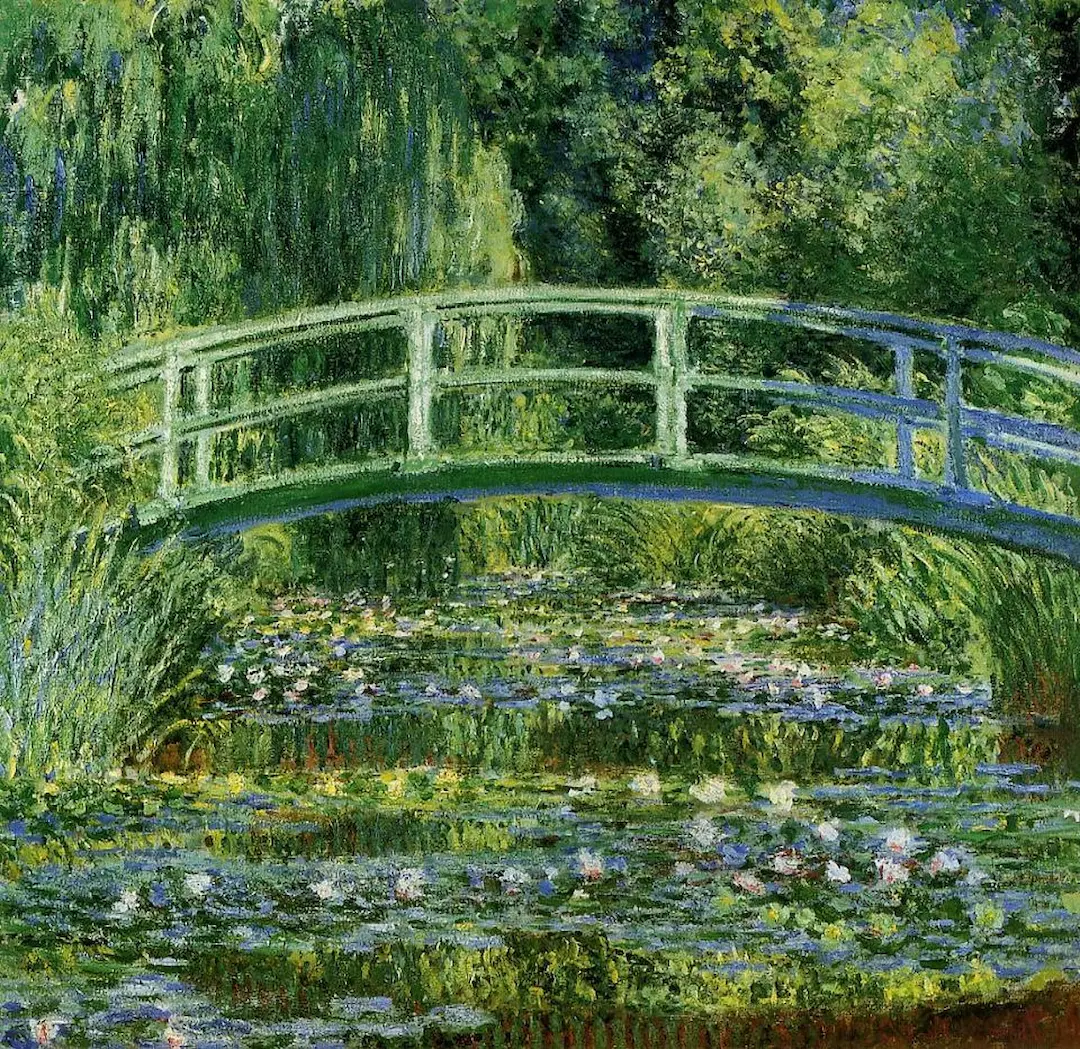
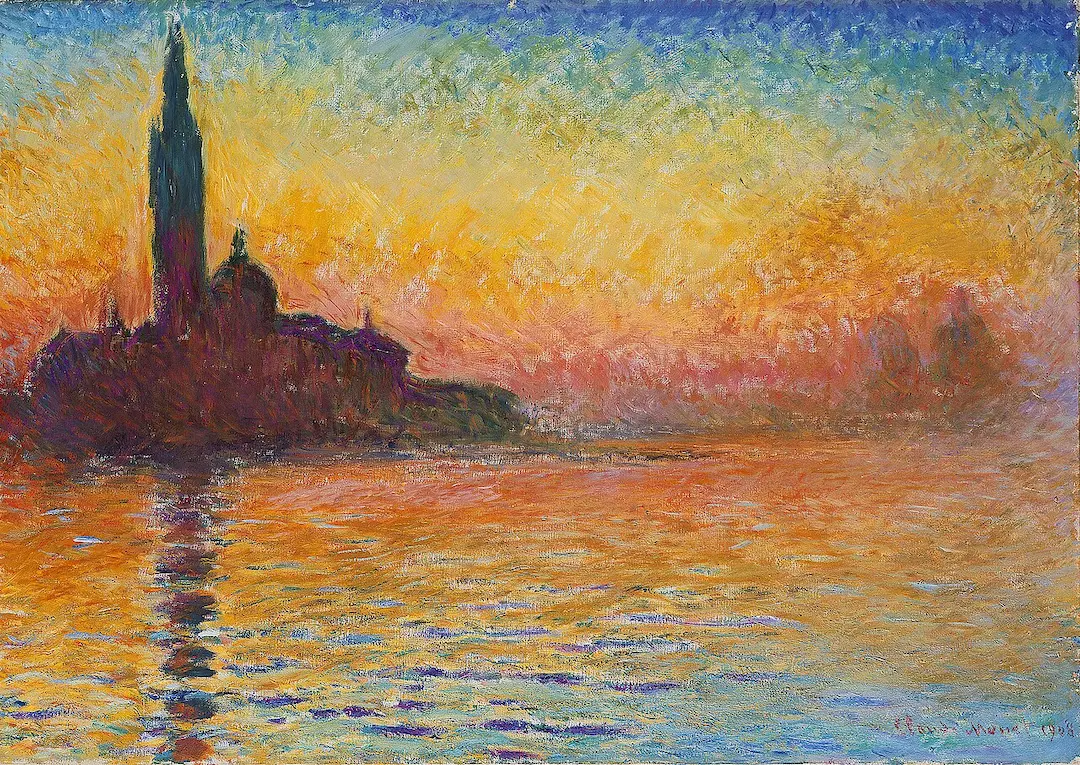
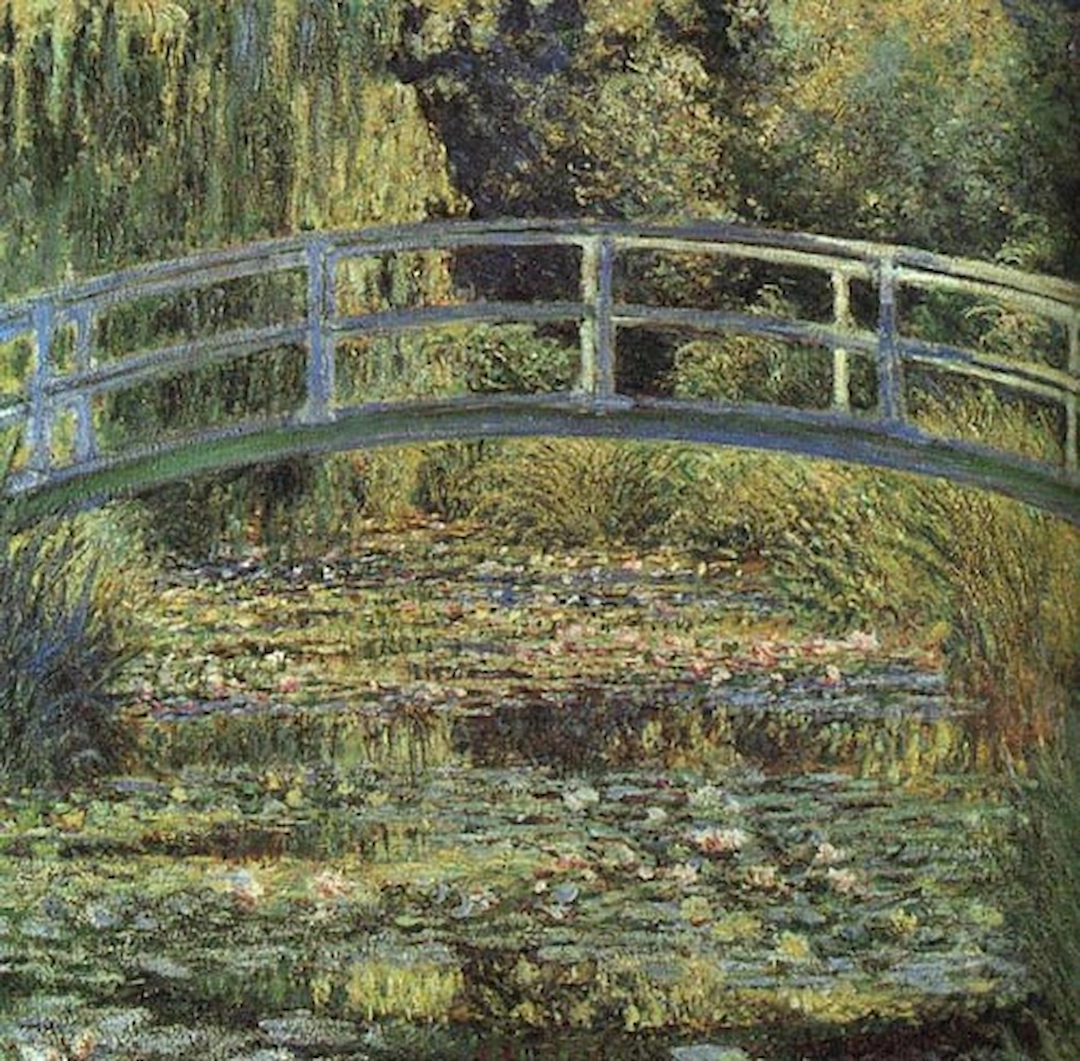
Claude Monet’s expertise with oil on canvas is masterfully displayed in "The Water Lily Pond Aka Japanese Bridge." Each brushstroke evokes the shimmering surface of the pond and the lush foliage, hallmarks of the Impressionism movement. This artwork, much like Monet’s "The Japanese Footbridge" and "San Giorgio Maggiore At Dusk," showcases his innovative techniques, making it a prized piece for any collector who appreciates the evolution of landscape painting.
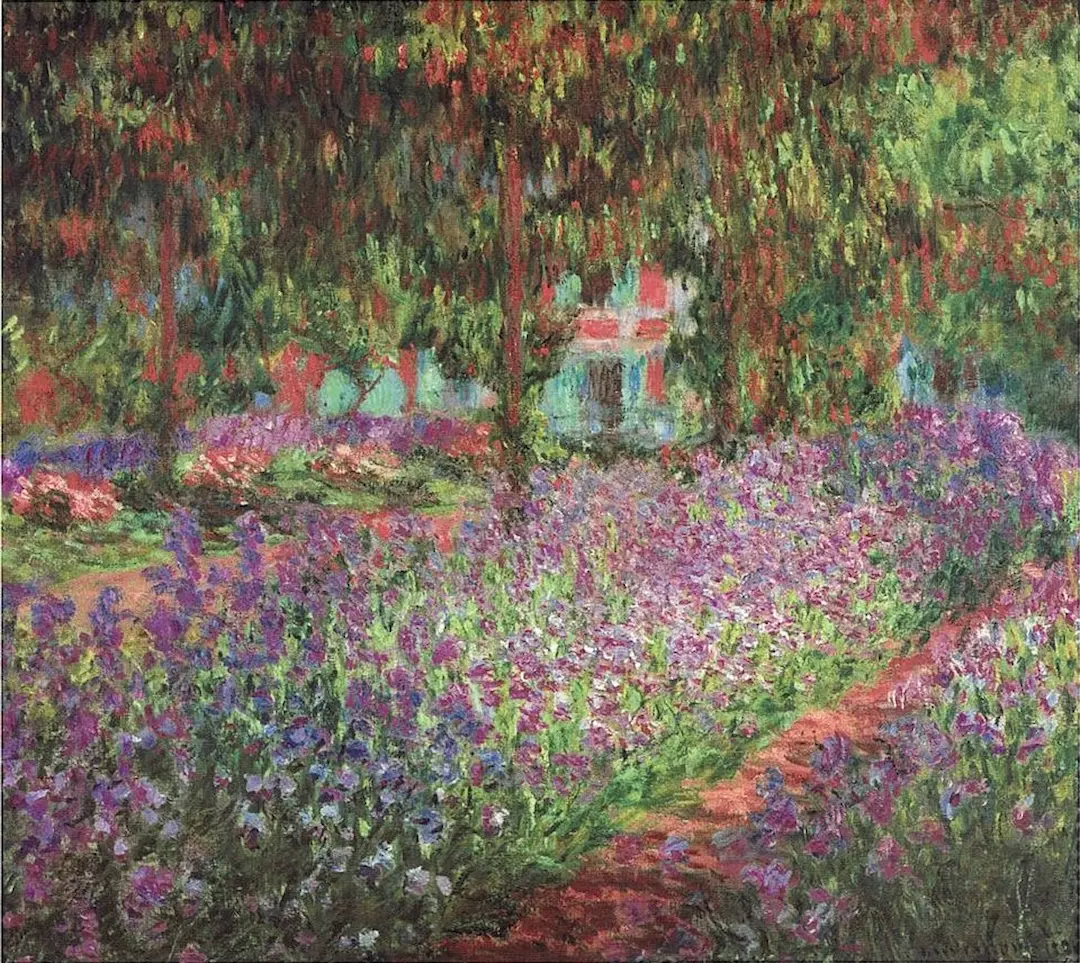
"The Water Lily Pond Aka Japanese Bridge" is more than a fine art painting for sale; it is a symbol of peaceful reflection and artistic innovation. Monet’s choice of subject and his Impressionist approach invite viewers to contemplate nature’s harmony. Collectors often pair this masterpiece with related works such as "Autoportrait" or "La Grenouillère," further exploring the personal and symbolic narratives woven through Monet’s celebrated career.
For those seeking a hand-painted oil painting that epitomizes Impressionism, "The Water Lily Pond Aka Japanese Bridge" by Claude Monet is an unrivaled treasure. Its evocative scene and historical significance make it a must-have for fine art connoisseurs. Enhance your collection with related products like "Impression, Sunrise" or "The Japanese Footbridge," each capturing Monet’s revolutionary approach and the enduring allure of the Impressionist movement.
When Art Meets History
"The Water Lily Pond Aka Japanese Bridge" by Claude Monet stands as an iconic masterpiece of the Impressionism movement. Created in 1899, this hand-painted oil painting captures a pivotal moment in art history, when artists sought to portray fleeting impressions of light and nature. Monet’s fascination with his garden at Giverny inspired related works such as "A Girl with a Watering Can" and "The Seine At Asnieres Aka The Skiff," cementing his legacy in fine art.
Techniques That Speak
Claude Monet’s use of oil on canvas in "The Water Lily Pond Aka Japanese Bridge" demonstrates the quintessential Impressionist technique of rapid, visible brushstrokes and vibrant colors. By layering paint and manipulating natural light, Monet brings the tranquil Japanese bridge and lush water lilies to life. This approach is similarly evident in related paintings like "Dance At The Moulin De La Galette" and "Paris Street - Rainy Weather 1877," showcasing the versatility of oil on canvas.
Emotions on Display
Monet’s "The Water Lily Pond Aka Japanese Bridge" evokes a serene, meditative mood, inviting the viewer to pause and reflect. The interplay of light and color conveys a sense of harmony and peace, characteristic of Impressionism. Each brushstroke in this fine art painting for sale reveals Monet’s emotional connection to his garden sanctuary, a sentiment echoed in works like "Le champ de courses. Jockeys amateurs près d'une voiture" and "A Girl with a Watering Can."
Coveted by Collectors
As a renowned fine art painting for sale, "The Water Lily Pond Aka Japanese Bridge" is highly coveted by collectors worldwide. Monet’s masterful depiction of the Japanese bridge and water lilies continues to inspire admiration and demand. Alongside his other celebrated pieces such as "The Seine At Asnieres Aka The Skiff" and "Dance At The Moulin De La Galette," this painting remains a prized example of Impressionism and a testament to Monet’s enduring influence in the art world.
Related Impressionism Hand-Painted Oil Paintings by Other Artists
Other Famous Impressionism Artists:
Frequently Asked Questions About The Water Lily Pond Aka Japanese Bridge
What inspired Claude Monet to create "The Water Lily Pond Aka Japanese Bridge"?
Monet was inspired by his own garden at Giverny, which he designed to include a Japanese bridge and a pond filled with water lilies. The painting reflects his fascination with nature and the interplay of light and color.
What artistic techniques did Monet employ in this painting?
Monet utilized his signature Impressionist techniques, including loose brushwork and a vibrant color palette. He focused on capturing the effects of light and atmosphere rather than precise details, which is characteristic of his style.
What is the significance of the Japanese bridge in the painting?
The Japanese bridge symbolizes a connection between different elements of nature, reflecting Monet's interest in Eastern aesthetics. It serves as a focal point that draws the viewer's eye into the serene landscape.
How does "The Water Lily Pond Aka Japanese Bridge" reflect the principles of Impressionism?
This painting exemplifies Impressionism through its emphasis on capturing a moment in time, the use of light and color to convey mood, and the depiction of everyday scenes from nature, all of which are hallmarks of the movement.
What role do the water lilies play in the composition of the painting?
The water lilies are central to the composition, creating a sense of tranquility and harmony. They reflect Monet's obsession with the changing qualities of light and water, serving as a visual metaphor for the beauty of nature.
When was "The Water Lily Pond Aka Japanese Bridge" painted?
This painting was created in 1899, during a period when Monet was deeply engaged in exploring the themes of his garden and the effects of light on water.
What does the painting reveal about Monet's artistic philosophy?
Monet's philosophy centered on the idea of capturing the fleeting moments of nature. "The Water Lily Pond Aka Japanese Bridge" illustrates his belief in the importance of perception and the transient beauty of the natural world.
How has "The Water Lily Pond Aka Japanese Bridge" influenced modern art?
This painting has had a profound influence on modern art, inspiring countless artists to explore abstraction and the relationship between color and form. Monet's approach to light and color paved the way for future movements, including Abstract Expressionism.
Where can I view "The Water Lily Pond Aka Japanese Bridge"?
The painting is part of the collection at the Musée d'Orsay in Paris, France, where it is displayed alongside other masterpieces of Impressionism.
What themes are explored in "The Water Lily Pond Aka Japanese Bridge"?
The painting explores themes of nature, tranquility, and the passage of time. It invites viewers to reflect on the beauty of the natural world and the emotional responses it evokes.






















_GFM_Painting_(1).webp)


 100% Hand-Painted: Finished in 3-6 Weeks

.png)















_(1).webp)