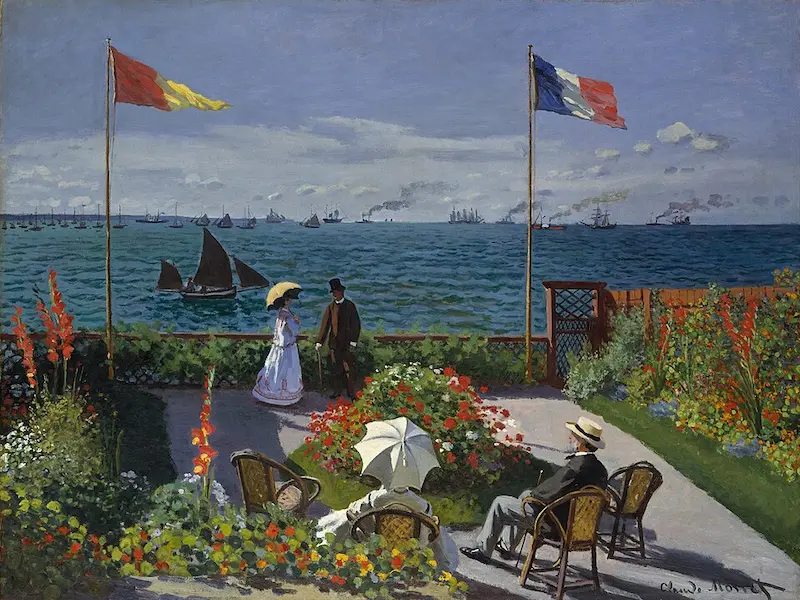
Monet’s technique in this oil on canvas masterpiece is evident in the delicate rendering of sunlight, sky, and sea. With each brushstroke, the artist’s unique Impressionist style brings life and movement to the scene. "Terrace at the Seaside, Sainte-Adresse" is celebrated for its luminous atmosphere, much like "The Cliff Walk at Pourville" and "Wild Poppies, Near Argenteuil." This oil on canvas work is a true example of Monet’s mastery and enduring influence.
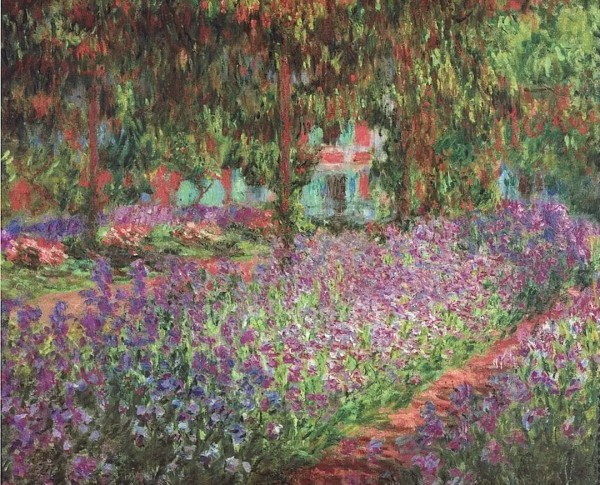
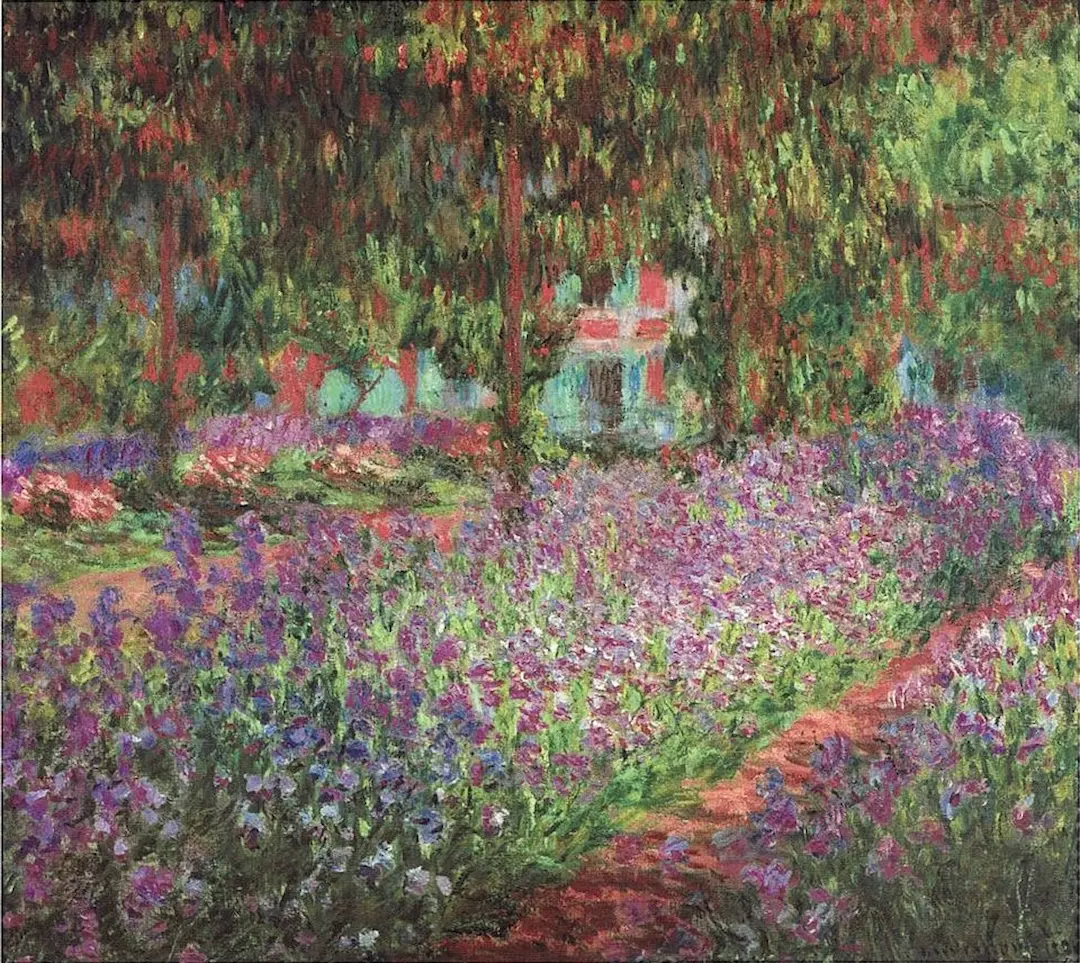
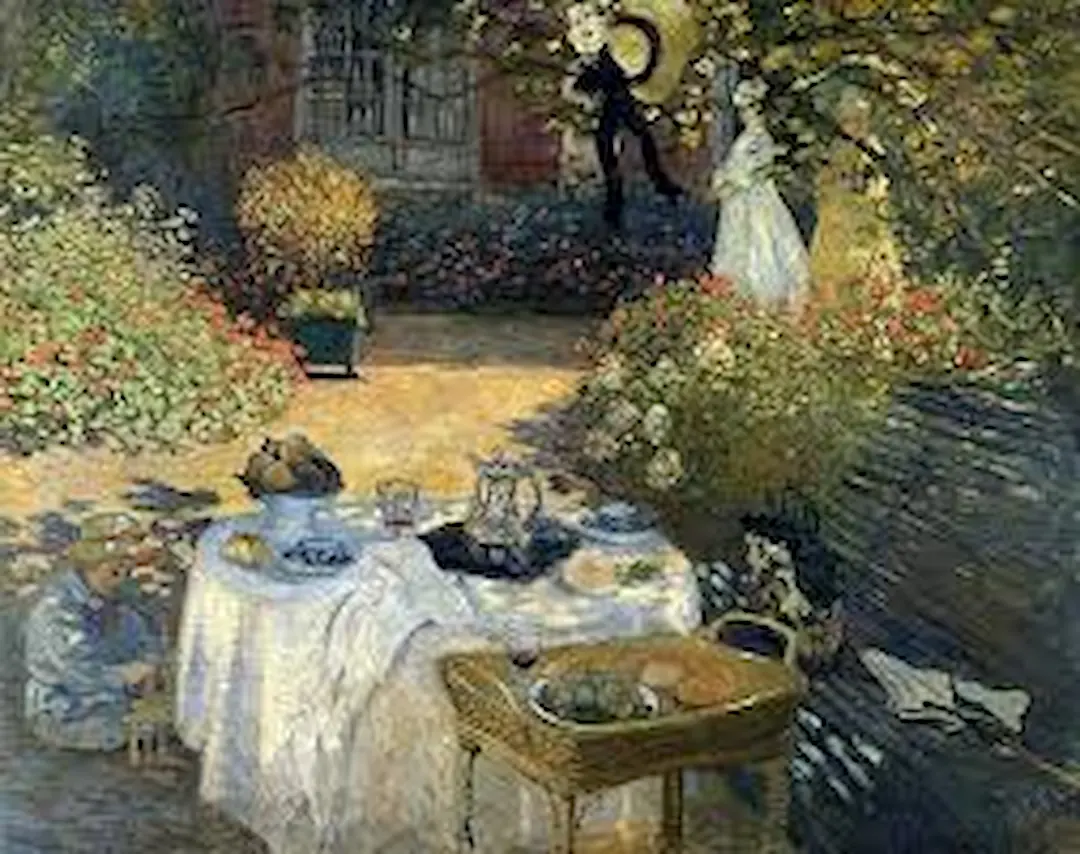
Within "Terrace at the Seaside, Sainte-Adresse," Monet weaves narratives of family, leisure, and the changing tides of modern life. The painting’s composition and color choices reflect the Impressionism movement’s focus on capturing fleeting moments. As with "Irises In Monets Garden" and "The Luncheon (Monet's Garden At Argenteuil)," this fine art painting for sale invites viewers to interpret its subtle symbols and stories, making it a cherished addition to any collection.
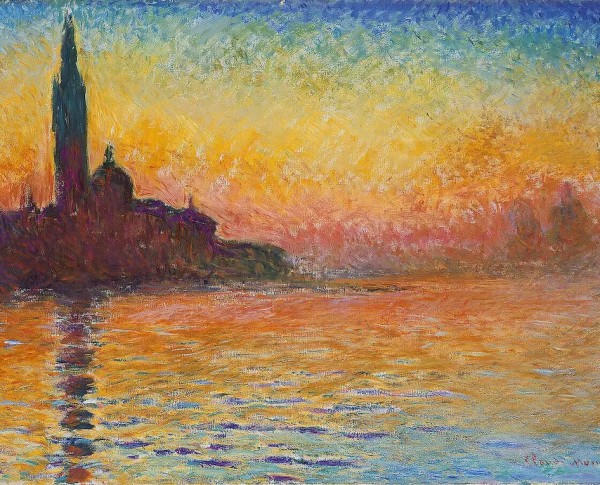
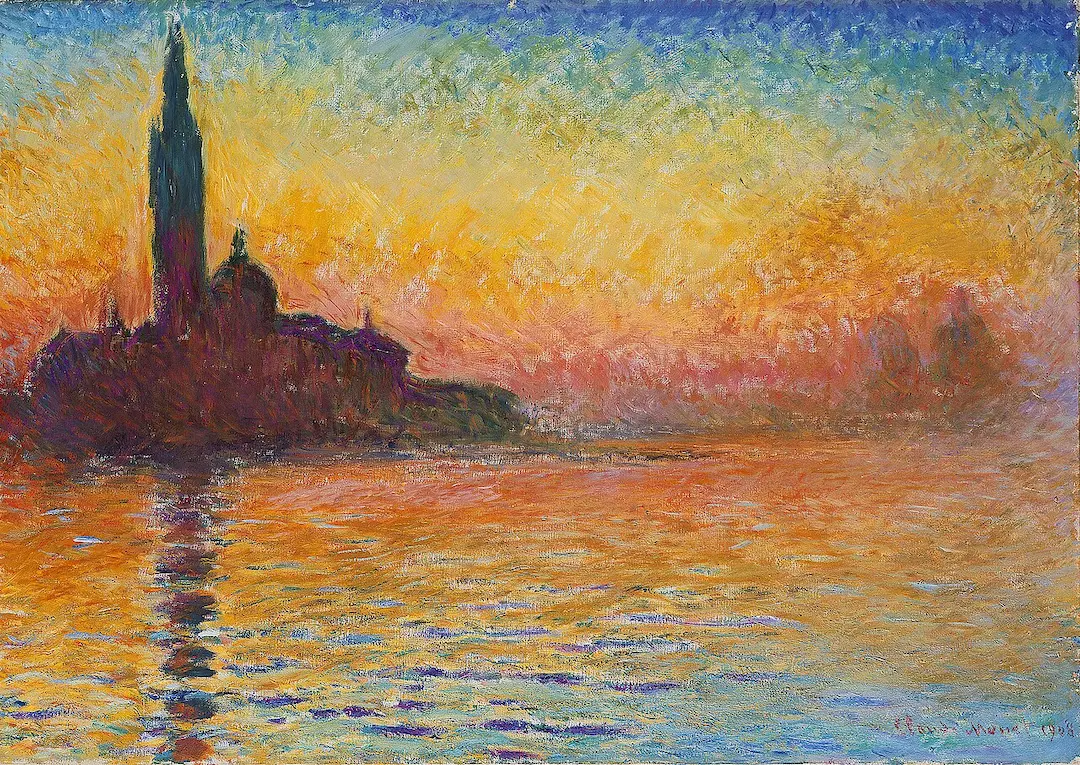
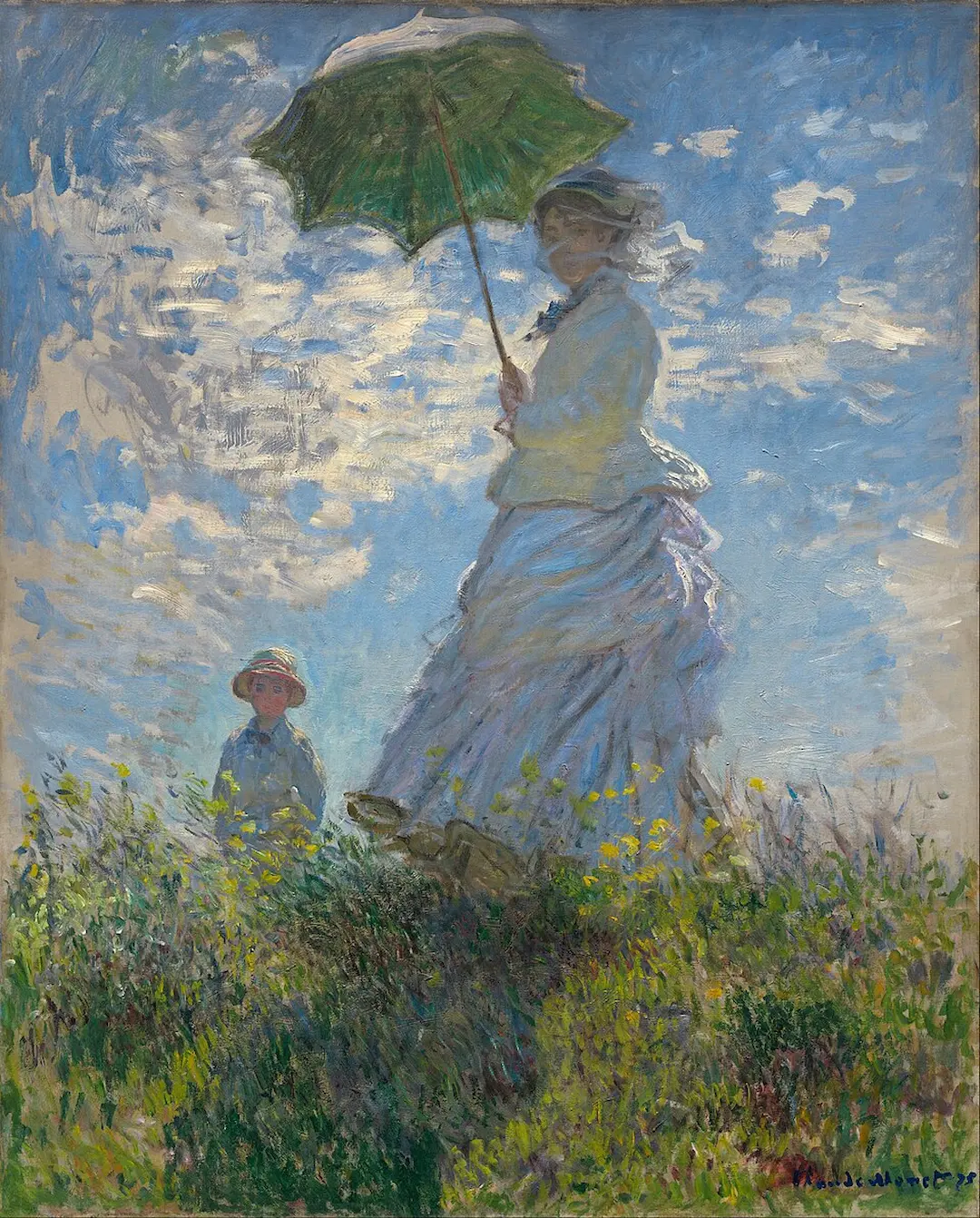
Owning a piece like "Terrace at the Seaside, Sainte-Adresse" by Claude Monet is a dream for many art lovers. This hand-painted oil painting not only embodies the spirit of Impressionism but also complements collections featuring works such as "San Giorgio Maggiore At Dusk" and "The Walk Woman With A Parasol." As a fine art painting for sale, it represents both a wise investment and a source of daily inspiration for collectors and admirers of Monet’s genius.
When Art Meets History
"Terrace at the Seaside, Sainte-Adresse" by Claude Monet is a quintessential example of Impressionism, a movement that revolutionized the art world in the late 19th century. This hand-painted oil painting captures a serene moment by the sea, reflecting the changing social landscape of its era. Monet's work stands alongside related masterpieces like "Dance At Bougival" and "The Seine At Asnieres Aka The Skiff," offering viewers a glimpse into the leisurely pursuits of the time.
Techniques That Speak
Monet’s use of oil on canvas in "Terrace at the Seaside, Sainte-Adresse" is a testament to his innovative technique. Through rapid brushstrokes and a vibrant palette, he masterfully conveys the shimmering light and breezy atmosphere typical of Impressionism. This approach can also be seen in related paintings such as "Spring Bouquet" and "Dance At The Moulin De La Galette," where Monet’s brushwork and color choices create a lively, immersive experience for the viewer.
Emotions on Display
In "Terrace at the Seaside, Sainte-Adresse," Claude Monet evokes a sense of tranquility and joy, hallmark emotions of Impressionist art. The fine art painting for sale captures the gentle interplay of sunlight and sea, inviting viewers to share in the peaceful ambiance. Similar emotional depth is found in works like "The Floor Scrapers 1875," where everyday moments are elevated through Monet’s sensitive portrayal, making these paintings enduring favorites among art lovers.
Coveted by Collectors
As a celebrated piece by Claude Monet, "Terrace at the Seaside, Sainte-Adresse" holds immense appeal for collectors of Impressionism. The demand for such hand-painted oil paintings remains high, with enthusiasts seeking both the historical significance and aesthetic beauty that Monet’s works embody. Collectors often pursue related masterpieces, including "Dance At Bougival" and "Spring Bouquet," recognizing the lasting value and influence of Monet’s contributions to art history.
Related Impressionism Hand-Painted Oil Paintings by Other Artists
Other Famous Impressionism Artists:
Frequently Asked Questions About Terrace at the Seaside, Sainte-Adresse
What is the historical context of "Terrace at the Seaside, Sainte-Adresse"?
This painting was created in 1867, during a period when Claude Monet was exploring the effects of light and color in outdoor settings, reflecting the growing interest in Impressionism and the changing social dynamics of the time.
What artistic techniques did Monet use in this painting?
Monet employed loose brushwork and a vibrant color palette to capture the transient effects of light on the scene, a hallmark of his Impressionist style. The use of dappled sunlight and reflections in water exemplifies his innovative approach to capturing nature.
What themes are explored in "Terrace at the Seaside, Sainte-Adresse"?
The painting explores themes of leisure and the beauty of nature, reflecting the bourgeois lifestyle of the time. It encapsulates the joy of summer and the allure of the seaside, inviting viewers to experience the tranquility of the moment.
What is the significance of the location depicted in the painting?
Sainte-Adresse, a coastal town near Le Havre, was a popular vacation spot for Parisians. The painting captures the essence of leisure and the emerging middle class's desire for escape to nature, highlighting the importance of seaside resorts in 19th-century French culture.
How does this painting reflect Monet's artistic evolution?
"Terrace at the Seaside, Sainte-Adresse" represents a transitional phase in Monet's work, where he began to move away from more traditional forms of landscape painting towards the loose, expressive style that would characterize his later masterpieces.
What role does color play in this artwork?
Color is pivotal in this painting, as Monet uses a bright and varied palette to convey the vibrancy of the seaside environment. The juxtaposition of warm and cool tones creates depth and movement, enhancing the viewer's emotional response to the scene.
What is the symbolism of the figures in the painting?
The figures depicted on the terrace symbolize the leisure class and their connection to nature. They embody the joy of summer and the social interactions of the time, serving as a representation of the emerging modern society in 19th-century France.
How does "Terrace at the Seaside, Sainte-Adresse" compare to other Impressionist works?
This painting shares similarities with other Impressionist works in its focus on light and atmosphere. However, it stands out for its compositional balance and the way it captures a moment of leisure, reflecting Monet's unique perspective on everyday life.
What impact did "Terrace at the Seaside, Sainte-Adresse" have on the art world?
The painting contributed to the recognition of Impressionism as a legitimate art movement, influencing future generations of artists to explore the effects of light and color in their work, thereby shaping the trajectory of modern art.
Where can I view "Terrace at the Seaside, Sainte-Adresse" today?
This iconic painting is part of the collection at the Museum of Fine Arts in Boston, where it continues to be appreciated for its historical significance and artistic merit.






















_GFM_Painting_(1).webp)


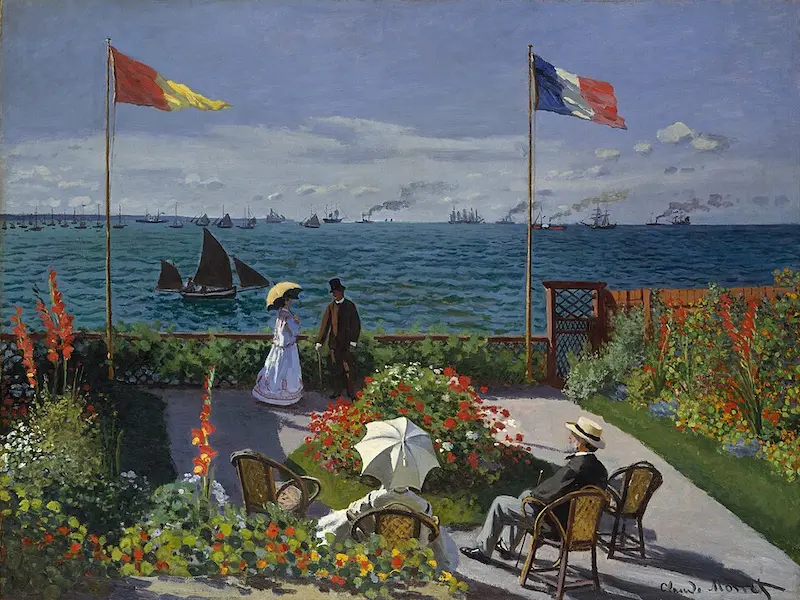
 100% Hand-Painted: Finished in 3-6 Weeks

.png)















_(1).webp)