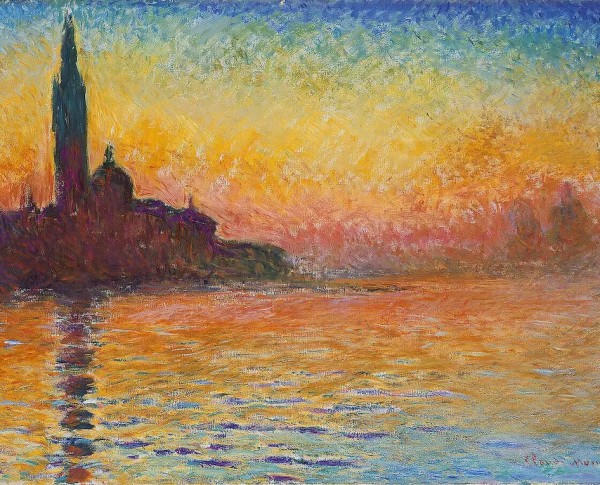
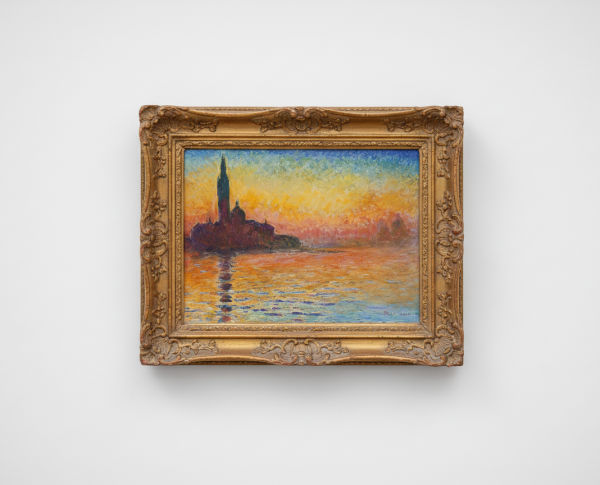
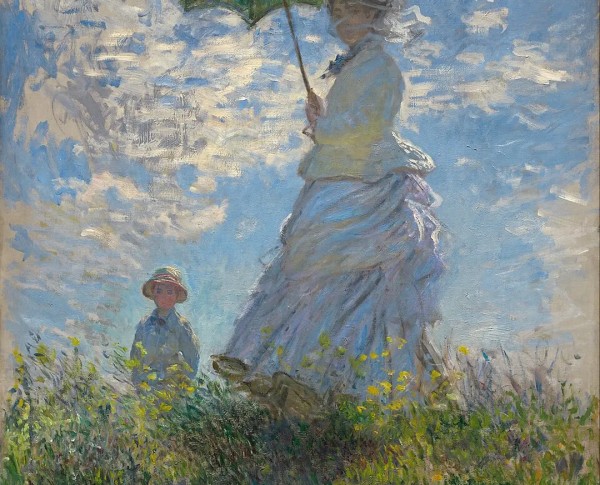
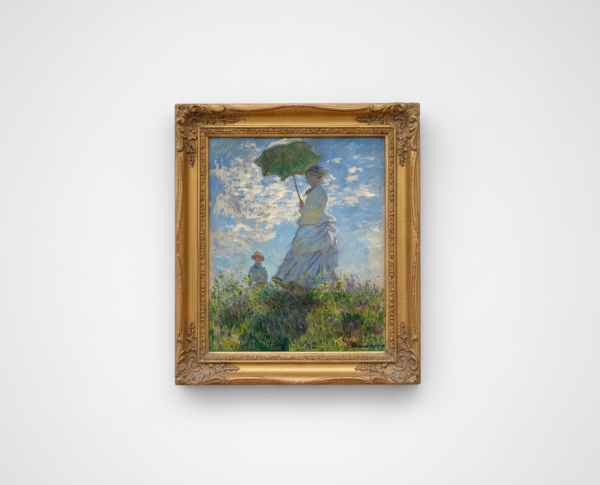
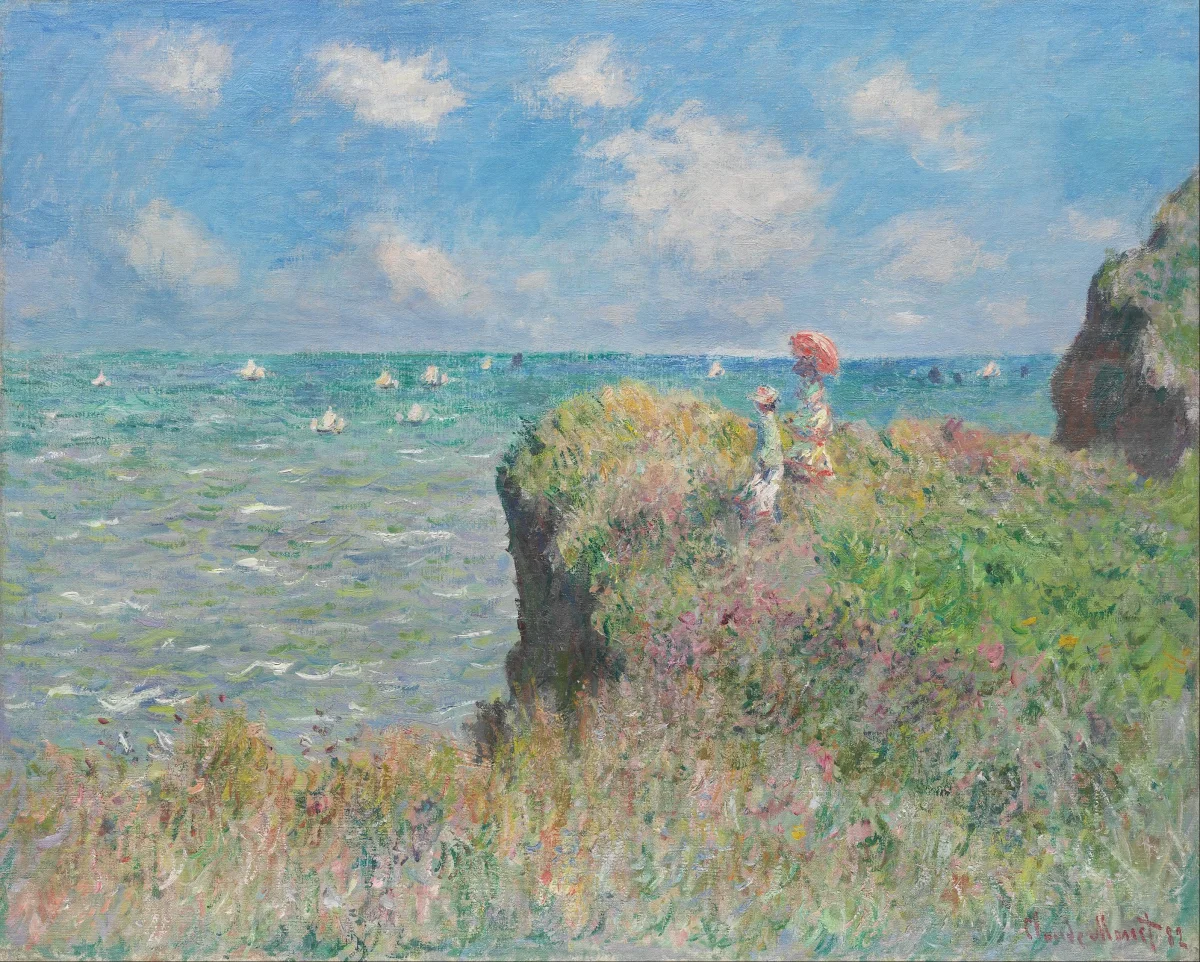
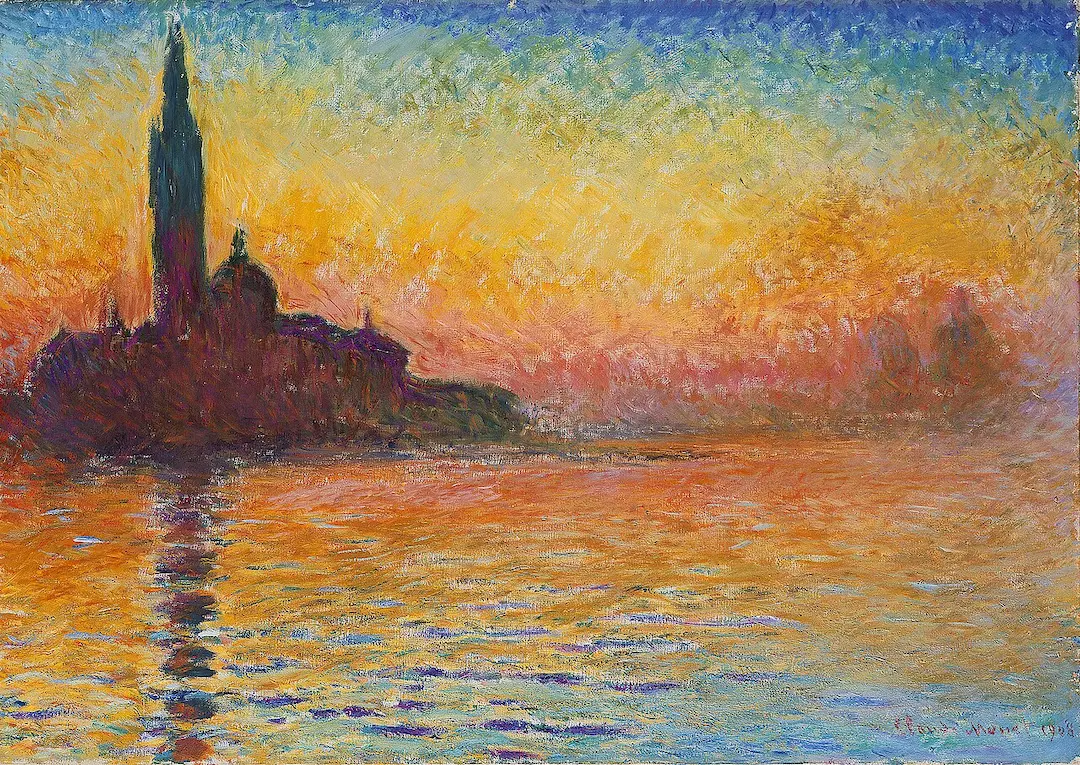
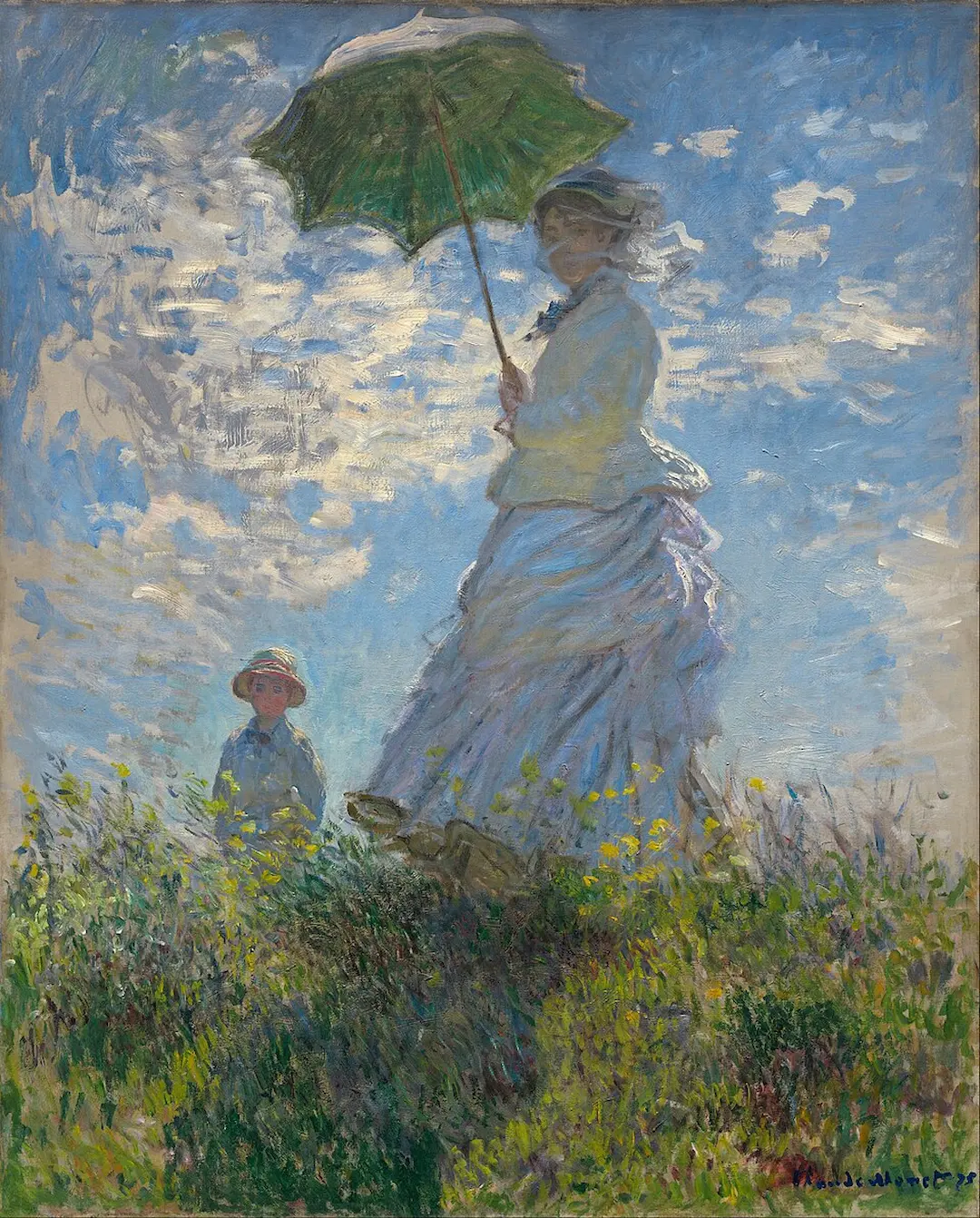
Monet’s "The Cliff Walk at Pourville" showcases his mastery of oil on canvas, using swift, expressive brushstrokes to convey movement and atmosphere. The vibrant hues and delicate interplay of light are hallmarks of Impressionism, evident in both this piece and related works such as "San Giorgio Maggiore At Dusk" and "The Walk Woman With A Parasol." Monet’s technique transforms simple seaside vistas into immersive experiences, further solidifying his reputation as a pioneer of modern painting.
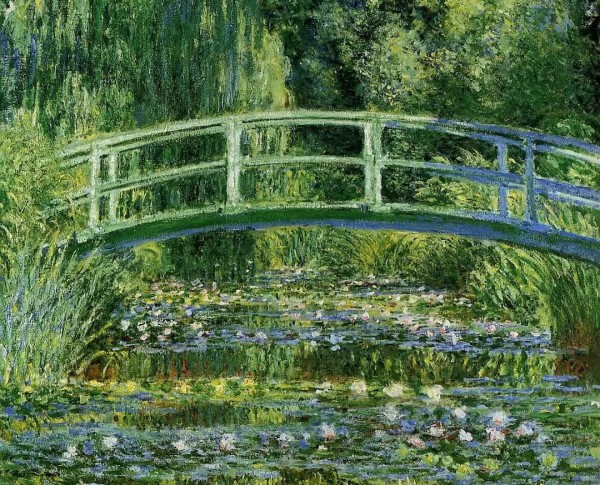
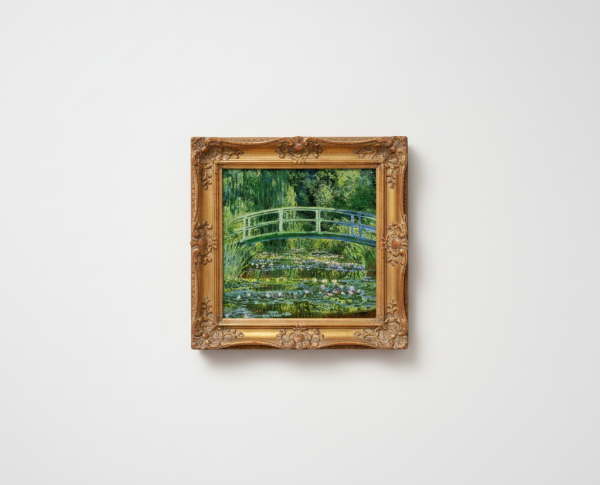
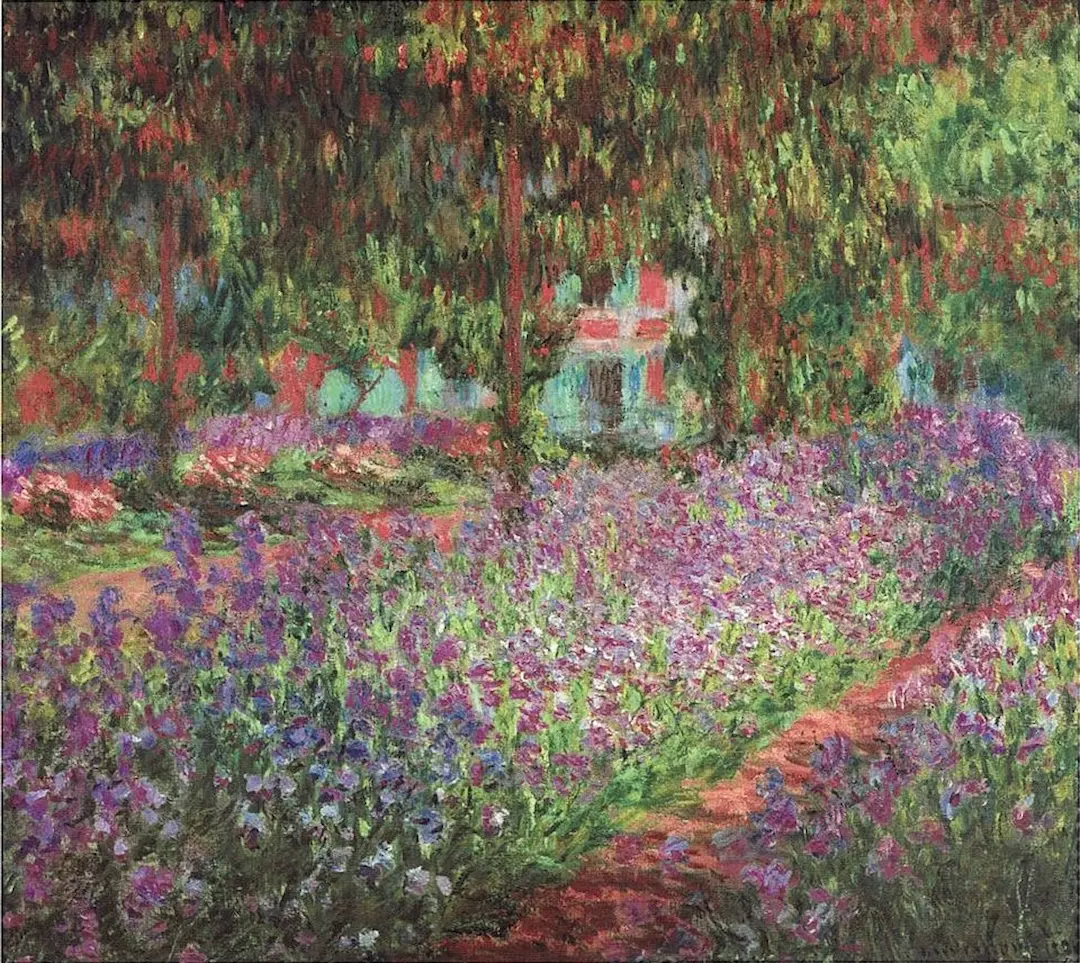
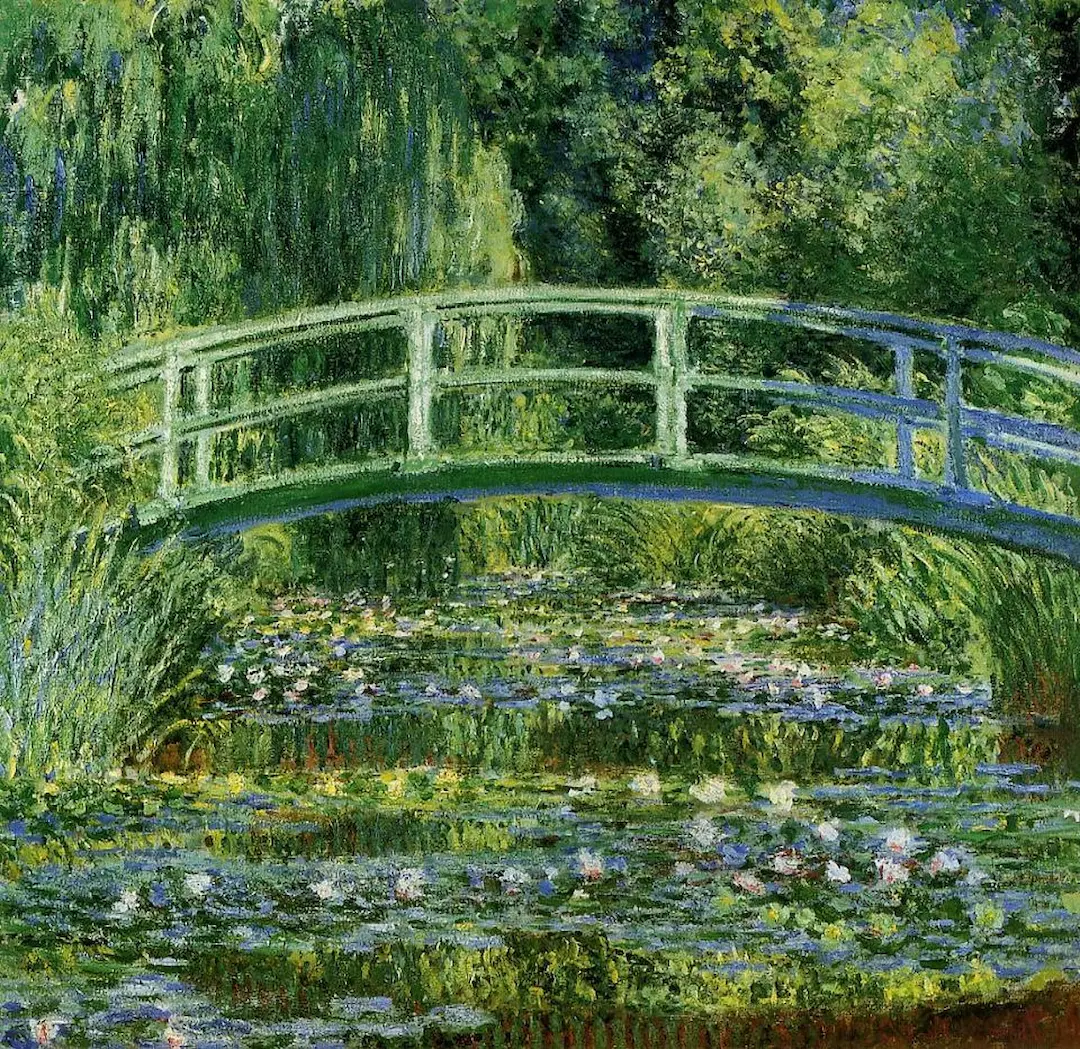
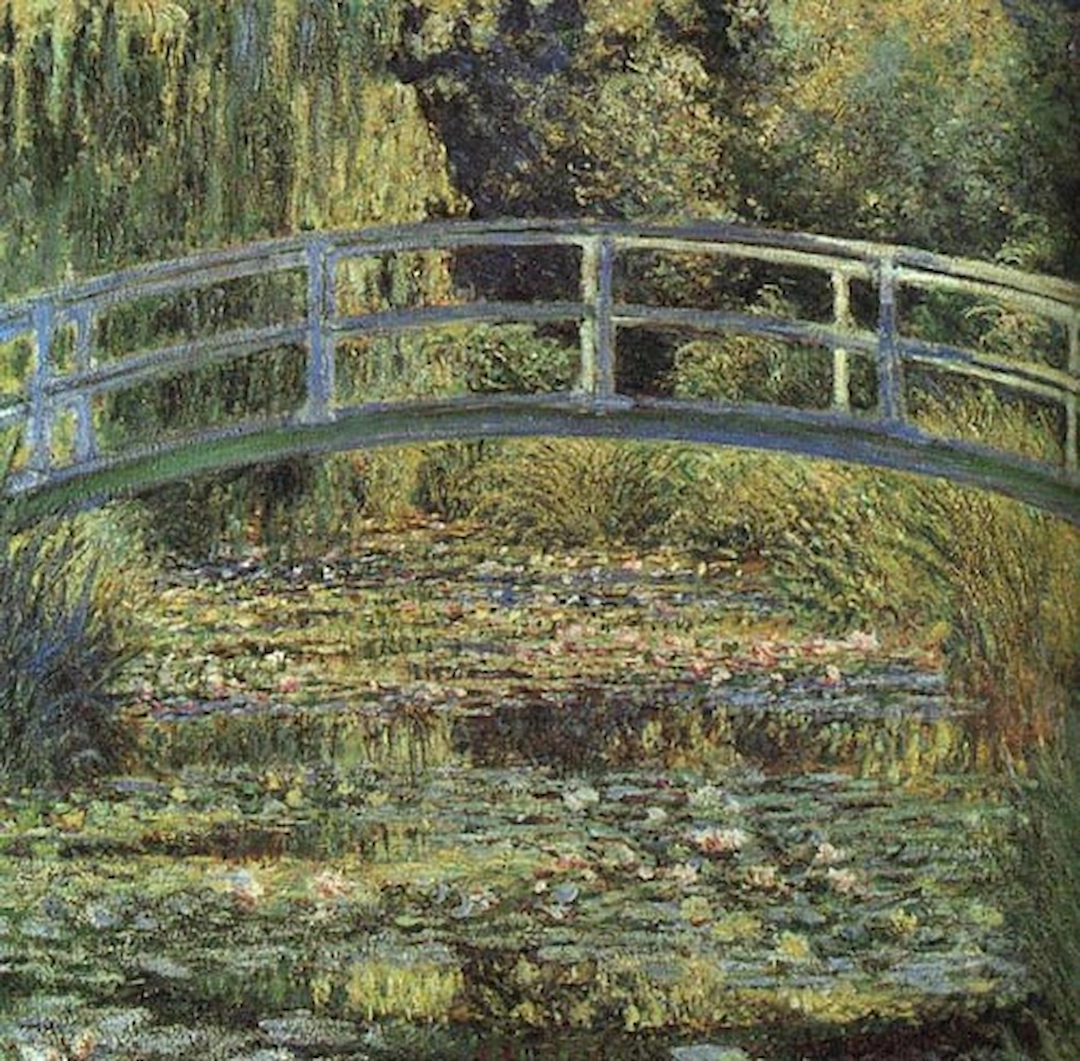
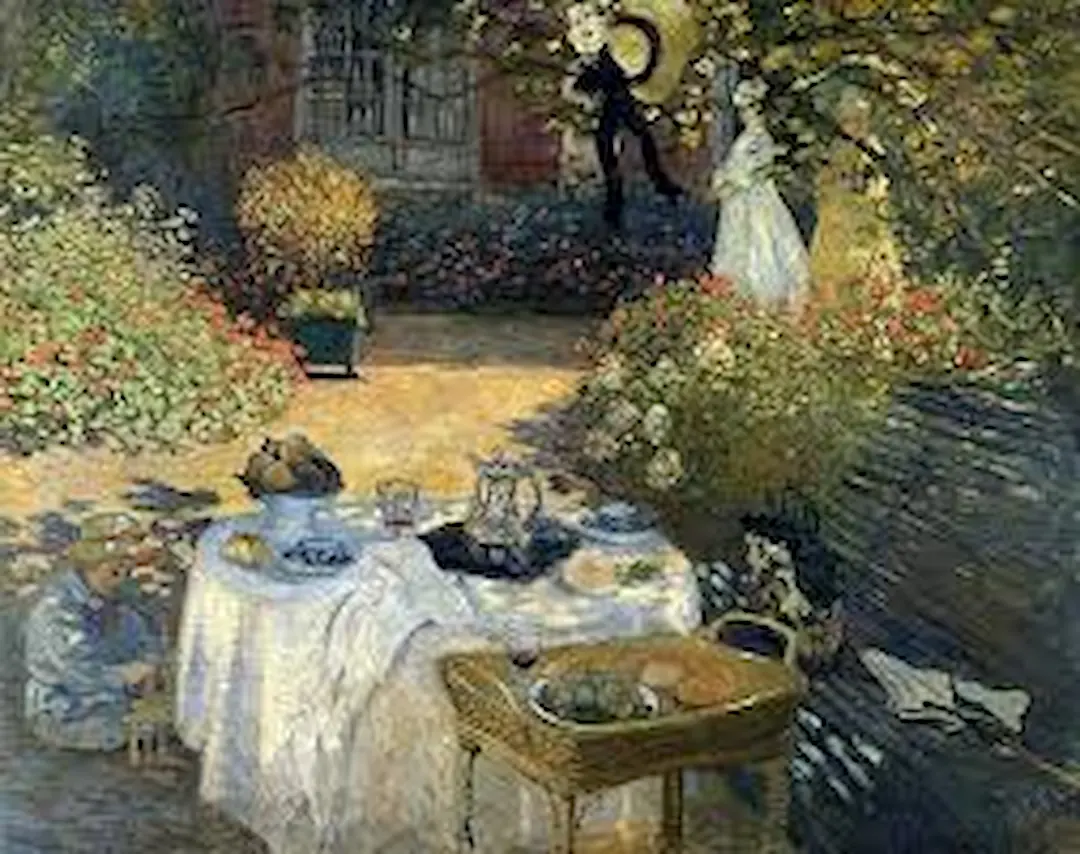
Within "The Cliff Walk at Pourville," Monet infuses subtle stories and symbols, depicting two women gazing out at the vast sea, perhaps representing freedom or contemplation. This fine art painting for sale resonates with collectors who appreciate narrative depth, much like "The Luncheon (Monet’s Garden At Argenteuil)" and "Water Lily Pond." Through Impressionism, Monet invites viewers to interpret emotional undertones, making each glance at his canvas a unique and personal journey.
Acquiring "The Cliff Walk at Pourville" means owning a piece of Impressionist history and the genius of Claude Monet. This hand-painted oil painting is not only a visual delight but also a valuable addition to any fine art collection. Collectors often pair it with related products like "Wild Poppies, Near Argenteuil" or "San Giorgio Maggiore At Dusk" to celebrate Monet’s enduring influence and the timeless allure of oil on canvas masterpieces.
When Art Meets History
"The Cliff Walk at Pourville" by Claude Monet stands as a defining masterpiece of the Impressionism movement, painted in 1882. This hand-painted oil painting captures the serene beauty of coastal France, reflecting Monet’s fascination with natural light and fleeting moments. Alongside works like "Luncheon Of The Boating Party" and "The Floor Scrapers 1875," Monet’s landscape invites viewers to step into art history, where innovation and emotion blend seamlessly on the canvas.
Techniques That Speak
Monet’s use of oil on canvas in "The Cliff Walk at Pourville" demonstrates his mastery of Impressionist brushwork and color. Swift, expressive strokes recreate the windswept grasses and shimmering sea, inviting comparisons with related paintings such as "Blue Dancers, c.1899" and "Dancers In Pink." This fine art painting for sale embodies Monet’s revolutionary techniques, which forever changed the art world by emphasizing perception over realism and celebrating the artist’s unique vision.
Emotions on Display
In "The Cliff Walk at Pourville," Claude Monet conveys a sense of tranquility and wonder, hallmarks of the Impressionism movement. The painting’s vibrant palette and fluid brushwork evoke the fresh sea breeze and sunlight, immersing viewers in the moment. Like "A Girl with a Watering Can," this hand-painted oil painting expresses the artist’s emotional response to nature, making it a timeless piece that resonates with art lovers and collectors alike.
Coveted by Collectors
As a celebrated work by Claude Monet, "The Cliff Walk at Pourville" remains highly sought after among collectors of Impressionist masterpieces. Its oil on canvas technique and historical significance add immense value, comparable to related paintings such as "Luncheon Of The Boating Party" and "Blue Dancers, c.1899." This fine art painting for sale continues to inspire admiration, cementing Monet’s legacy as a pioneer of Impressionism and a favorite among discerning art enthusiasts.
Related Impressionism Hand-Painted Oil Paintings by Other Artists
Other Famous Impressionism Artists:
Frequently Asked Questions About The Cliff Walk at Pourville
What is the historical context of "The Cliff Walk at Pourville"?
"The Cliff Walk at Pourville" was painted in 1882 during Monet's time in the coastal town of Pourville-sur-Mer, France. This period was significant for Monet as he was exploring the effects of light and color in outdoor settings, which would later define the Impressionist movement.
What artistic techniques did Monet employ in this painting?
Monet utilized loose brushwork and a vibrant color palette to capture the fleeting effects of light on the landscape. His technique of applying paint in quick, short strokes allowed for a dynamic representation of the scene, characteristic of Impressionism.
What are the main themes represented in "The Cliff Walk at Pourville"?
The painting explores themes of nature, leisure, and the human experience within the landscape. It reflects a moment of tranquility and the beauty of the natural world, emphasizing the connection between people and their environment.
Who are the figures depicted in the painting?
The figures in the painting are believed to be Monet's first wife, Camille Monet, and their son, Jean. Their presence adds a personal touch to the landscape, highlighting the intimate relationship between the artist and his subjects.
How does "The Cliff Walk at Pourville" exemplify Impressionist principles?
This painting exemplifies Impressionist principles through its emphasis on capturing a moment in time, the use of natural light, and the portrayal of everyday life. Monet's focus on the effects of sunlight on the cliffs and water showcases the movement's core ideals.
What significance do the cliffs hold in the painting?
The cliffs in the painting symbolize both the beauty and the impermanence of nature. They serve as a backdrop that enhances the figures' experience and reflect Monet's fascination with the changing qualities of light and atmosphere.
How did "The Cliff Walk at Pourville" influence later artists?
This work influenced later artists by demonstrating the importance of capturing light and color in a way that transcends realistic representation. Monet's approach paved the way for subsequent movements, including Post-Impressionism and Modernism.
What role did color play in "The Cliff Walk at Pourville"?
Color plays a crucial role in the painting, as Monet uses a vibrant palette to evoke emotion and convey the atmosphere of the scene. The interplay of blues, greens, and earth tones creates depth and highlights the natural beauty of the landscape.
What is the significance of the location depicted in the painting?
Pourville-sur-Mer was a favored retreat for Monet and other artists, providing inspiration for numerous works. The location's coastal scenery and changing light conditions offered Monet a unique opportunity to explore his artistic vision.
How does this painting reflect Monet's personal life?
"The Cliff Walk at Pourville" reflects Monet's personal life by featuring his family in a serene setting, illustrating his desire to capture intimate moments. This personal connection adds depth to the artwork, revealing the artist's affection for both his loved ones and the natural world.






















_GFM_Painting_(1).webp)


 100% Hand-Painted: Finished in 3-6 Weeks

.png)















_(1).webp)