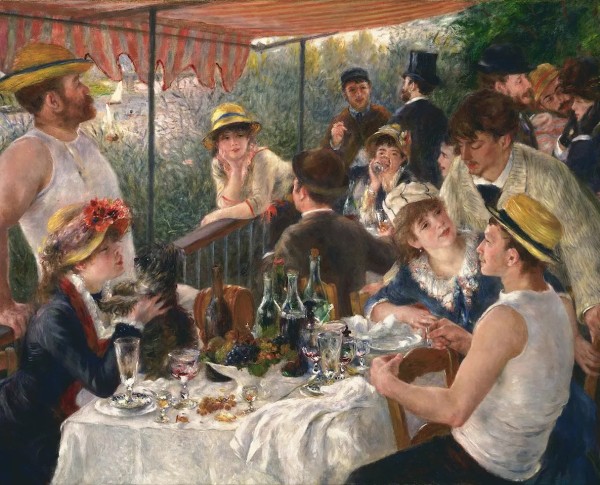
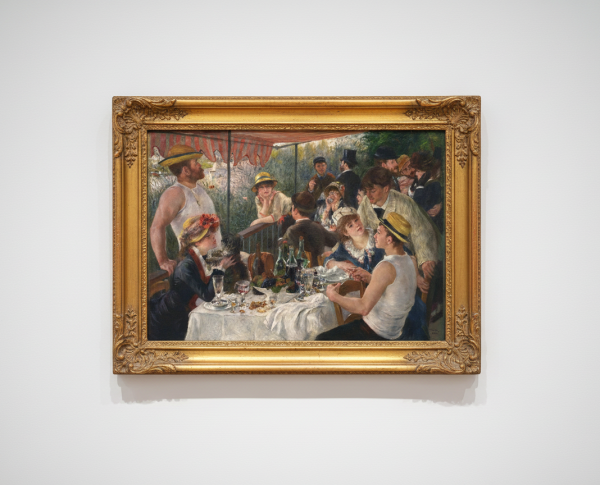
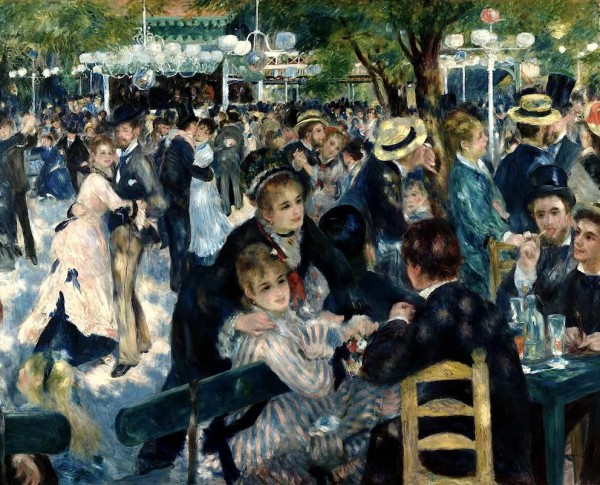
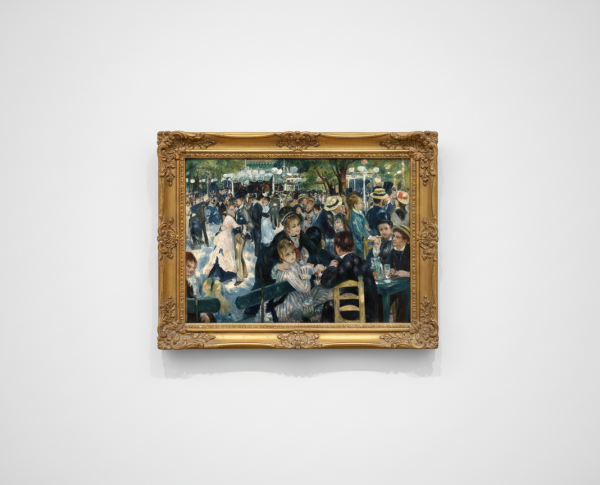
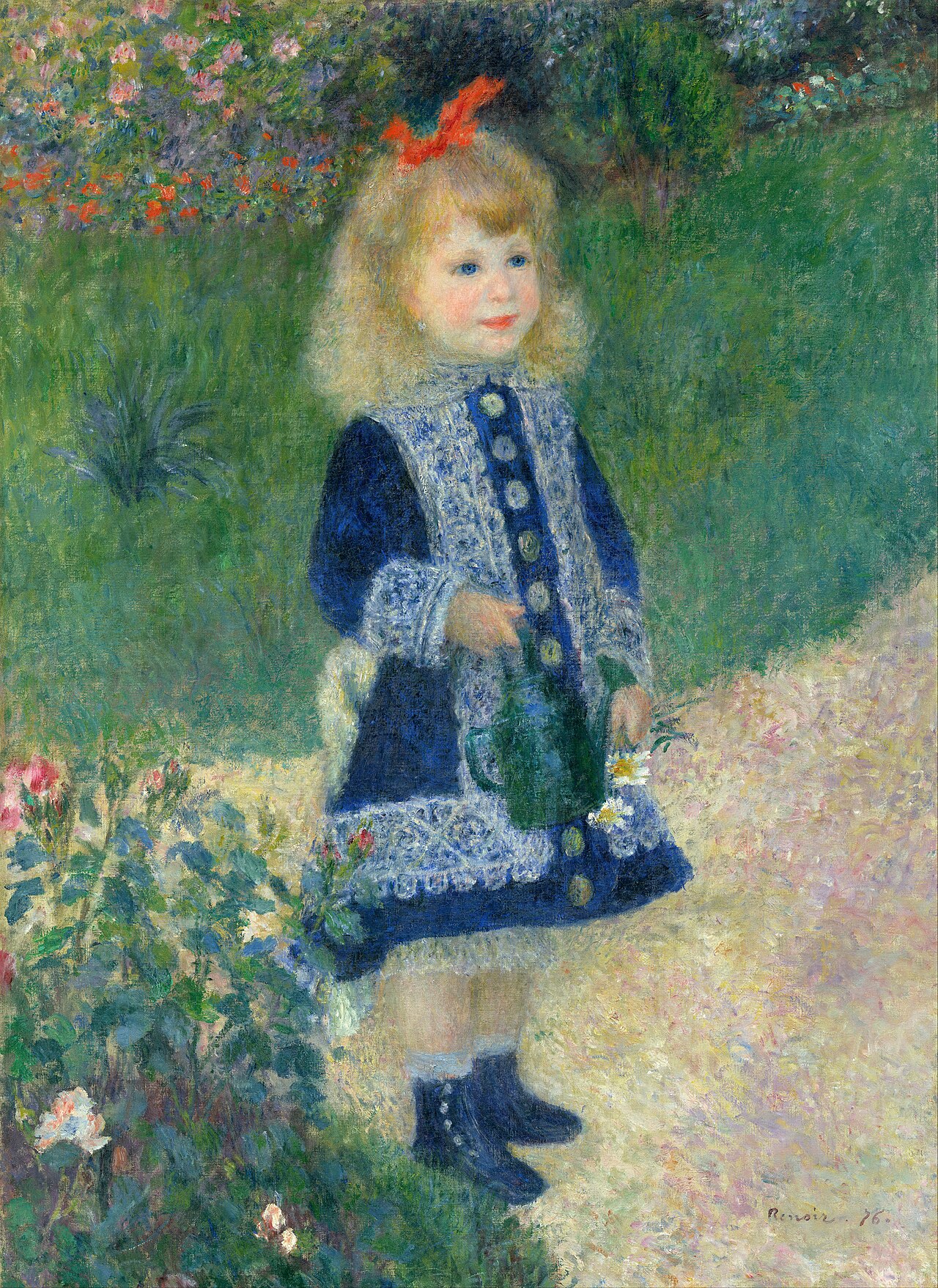
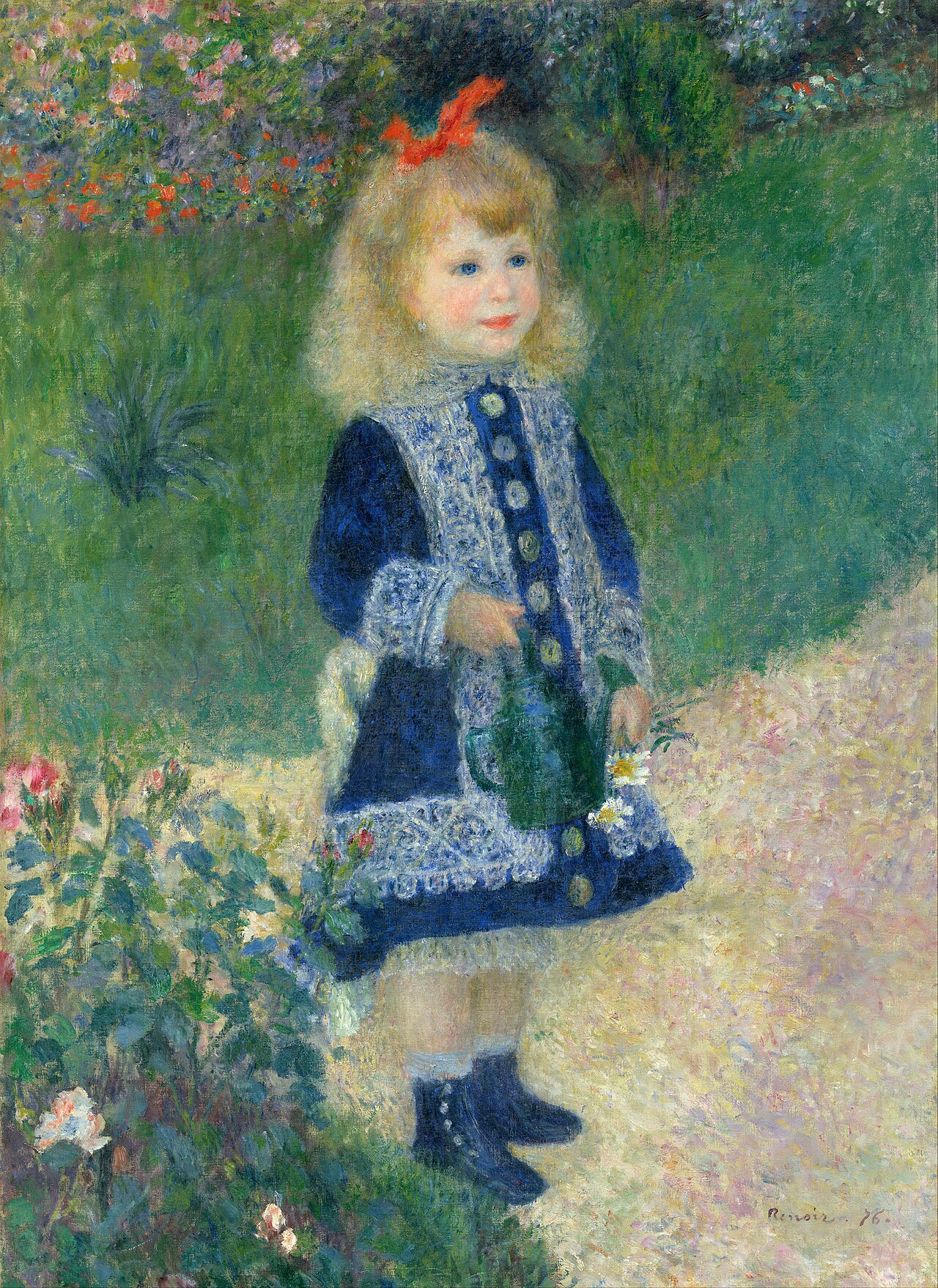
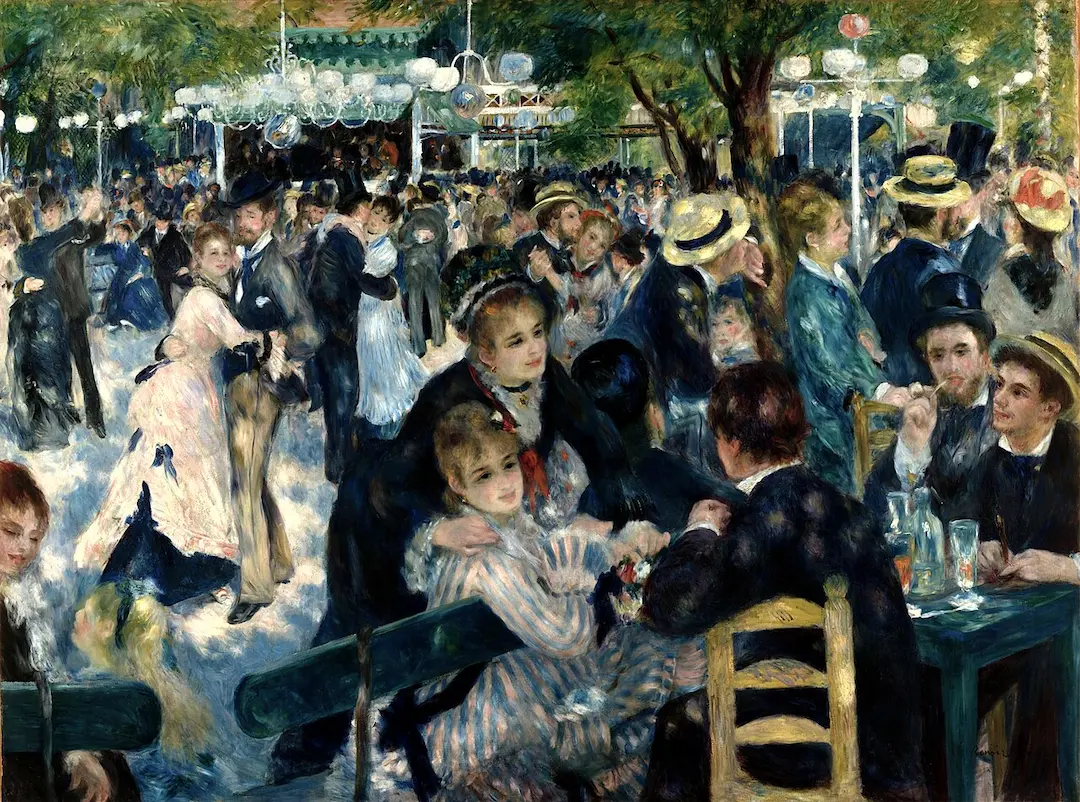
Rendered in oil on canvas, Renoir’s "A Girl with a Watering Can" showcases his signature technique of loose, lively brushstrokes that bring the subject to life. The play of light and color on the young girl’s dress and the lush garden background exemplifies Impressionist ideals. Collectors seeking a timeless oil on canvas will find Renoir’s works, including "Luncheon Of The Boating Party" and "Dance At The Moulin De La Galette," equally compelling for their technical brilliance.
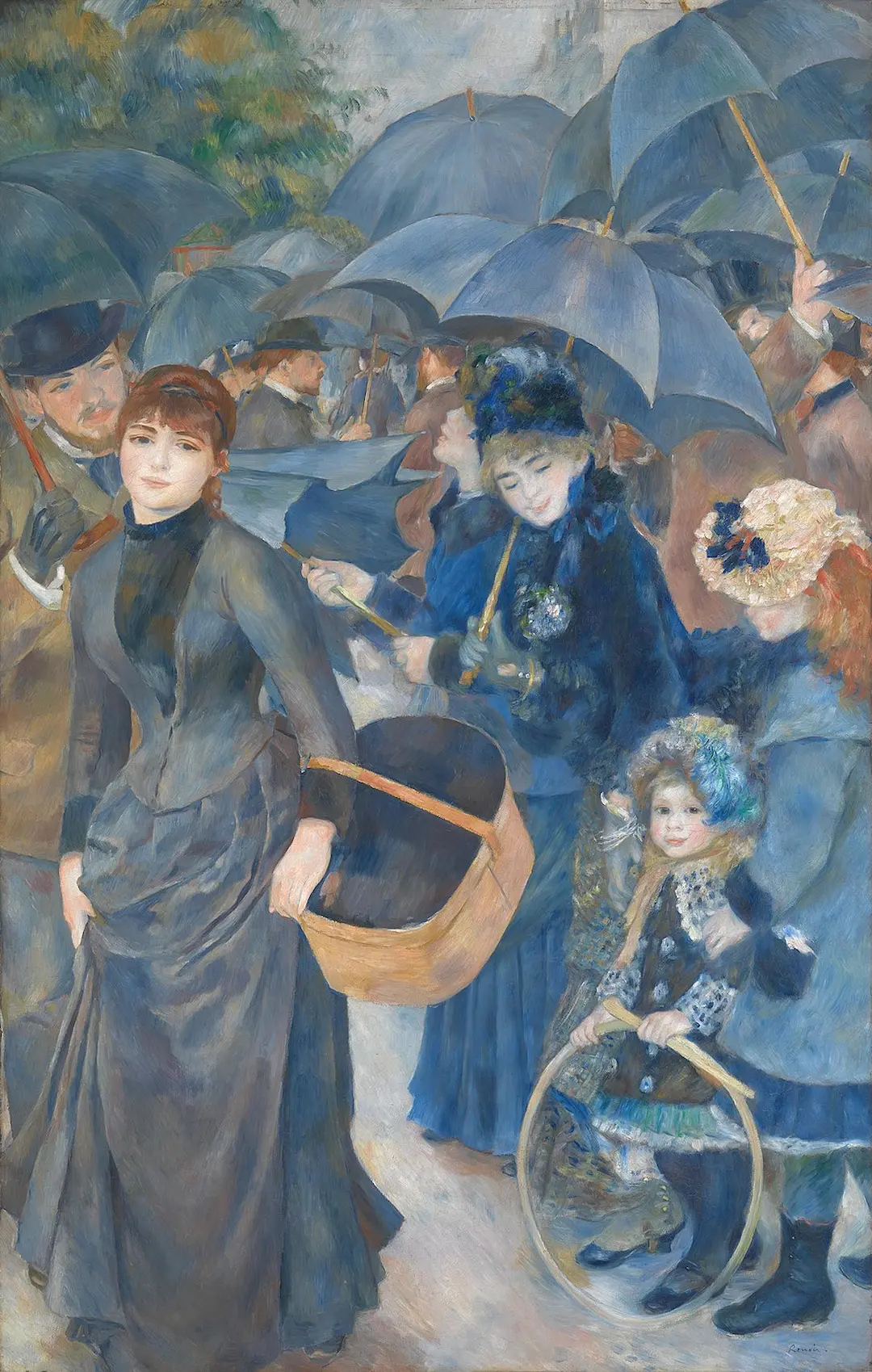
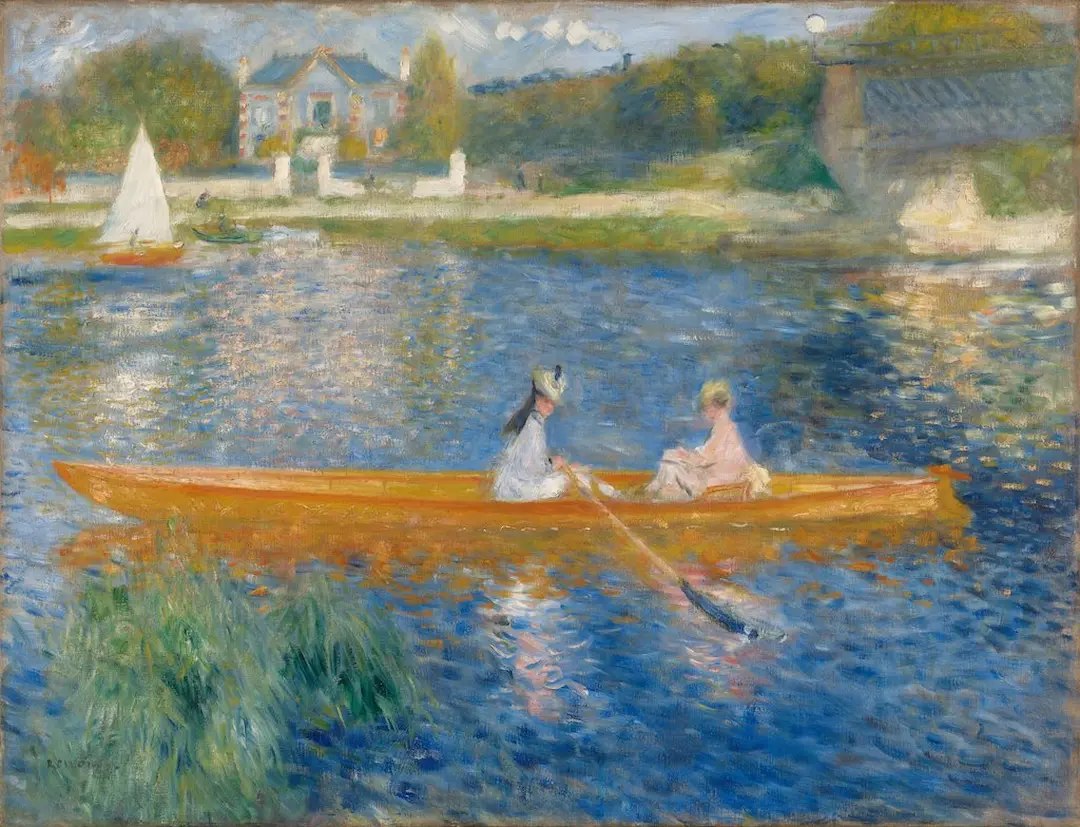
This fine art painting for sale tells a story beyond its surface—a celebration of youth, nature, and the fleeting moments of everyday life. Renoir imbues the scene with subtle symbolism, from the nurturing act of watering to the blossoming garden, reflecting growth and renewal. Alongside "The Seine At Asnieres Aka The Skiff" and "Umbrellas," this piece offers viewers a glimpse into the rich narrative world Renoir created within the Impressionism movement.
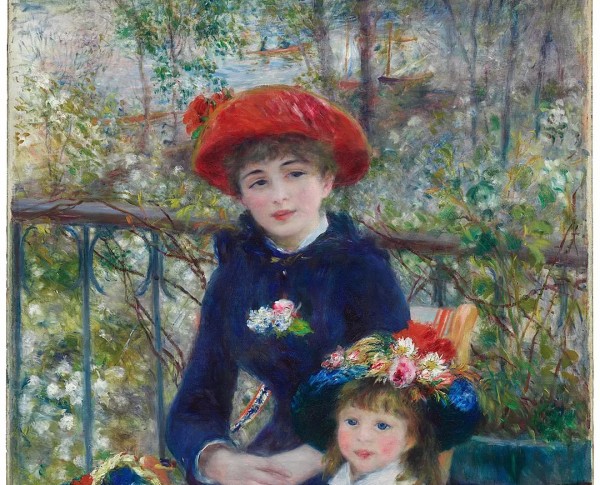
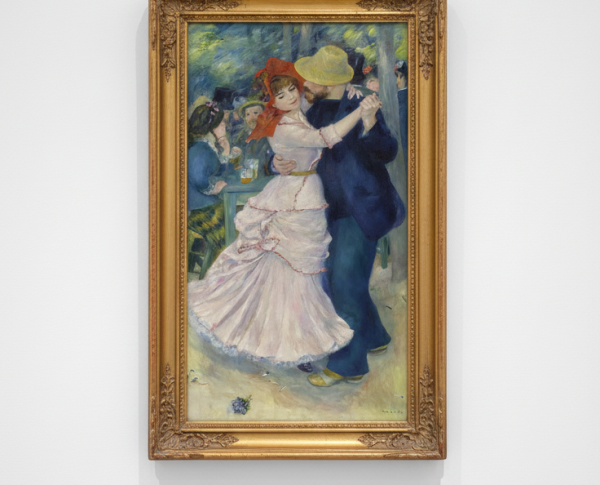
Owning "A Girl with a Watering Can" means possessing a hand-painted oil painting that embodies the spirit of Impressionism. Pierre Auguste Renoir’s artistry elevates any collection, and his works are highly sought after by discerning collectors. For those interested in expanding their gallery, related masterpieces like "Spring Bouquet," "Dance At Bougival," and "Umbrellas" offer equally enchanting additions, making each Renoir oil on canvas a true collector’s treasure.
When Art Meets History
Painted in 1876, "A Girl with a Watering Can" by Pierre Auguste Renoir stands as a testament to the Impressionism movement. This hand-painted oil painting captures a fleeting moment of childhood innocence in a Parisian garden, much like his contemporaries did in works such as "Poppy Field near Vétheuil" and "Terrace at the Seaside, Sainte-Adresse." Renoir’s timeless depiction bridges the gap between everyday life and fine art, making it a favorite among art lovers and historians alike.
Techniques That Speak
Renoir’s "A Girl with a Watering Can" showcases the signature techniques of Impressionism through its luminous colors and loose brushstrokes. Crafted as an oil on canvas, the painting utilizes soft lighting and delicate textures to evoke a sense of immediacy and life. Similar artistic approaches can be found in other masterpieces like "Rouen Cathedral, Portal, Morning Sun" and "Les Tilleuls à Poissy," further highlighting Renoir’s influence within the movement and his mastery of this expressive medium.
Emotions on Display
In "A Girl with a Watering Can," Renoir masterfully conveys youthful charm and tranquility. The gentle expression and vibrant garden setting invite viewers to connect emotionally, reflecting the core of Impressionism’s focus on feeling. This fine art painting for sale resonates with the same warmth found in related works such as "Regatta at Sainte-Adresse" and "Terrace at the Seaside, Sainte-Adresse," all of which celebrate everyday beauty and emotional depth through Renoir’s unique vision.
Coveted by Collectors
For collectors, "A Girl with a Watering Can" represents an iconic piece of art history and Impressionist mastery. The painting’s enduring appeal, much like that of "Poppy Field near Vétheuil" and "Les Tilleuls à Poissy," ensures its status as a highly sought-after work. The hand-painted oil painting by Pierre Auguste Renoir not only enhances any collection but also connects collectors to the vibrant legacy of Impressionism and the artist’s celebrated oeuvre.
Related Impressionism Hand-Painted Oil Paintings by Other Artists
Other Famous Impressionism Artists:
Frequently Asked Questions About A Girl with a Watering Can
What is the historical context of "A Girl with a Watering Can"?
"A Girl with a Watering Can" was painted in 1876, during the height of the Impressionist movement in France. This period was characterized by a focus on capturing light and everyday moments, reflecting the changing social dynamics of post-industrial Paris.
Who is the artist behind "A Girl with a Watering Can"?
The painting was created by Pierre Auguste Renoir, a prominent French artist known for his contributions to Impressionism and his ability to depict the beauty of everyday life.
What artistic techniques did Renoir use in this painting?
Renoir employed loose brushwork and vibrant colors to create a sense of movement and light. His use of soft edges and a bright palette exemplifies the Impressionist style, focusing on the effects of natural light.
What is the significance of the girl in the painting?
The girl in the painting symbolizes innocence and the joys of childhood. Her interaction with the watering can suggests a connection to nature and domestic life, themes that were often celebrated in Renoir's work.
How does "A Girl with a Watering Can" reflect Impressionist ideals?
The painting reflects Impressionist ideals through its emphasis on capturing a fleeting moment and the use of light to convey atmosphere. Renoir's focus on a spontaneous scene rather than a carefully staged composition is characteristic of the movement.
What themes are explored in "A Girl with a Watering Can"?
The painting explores themes of childhood, nature, and domesticity. It captures a serene moment of a young girl engaging with her environment, highlighting the beauty found in everyday activities.
What is the composition of "A Girl with a Watering Can"?
The composition features a young girl centrally positioned, holding a watering can, surrounded by lush greenery. This arrangement draws the viewer's eye to her and emphasizes her interaction with nature.
How does color play a role in the painting?
Renoir's use of color is vibrant and harmonious, with a predominance of greens and soft pastels. This color palette not only enhances the idyllic quality of the scene but also evokes feelings of warmth and tranquility.
What influence did "A Girl with a Watering Can" have on later artists?
The painting has influenced numerous artists by demonstrating the power of capturing everyday moments with emotional depth. Its approach to light and color has inspired subsequent generations of painters within and beyond the Impressionist movement.
Where can I view "A Girl with a Watering Can" today?
"A Girl with a Watering Can" is part of the collection at the Philadelphia Museum of Art, where it continues to be appreciated for its artistic significance and historical context.






















_GFM_Painting_(1).webp)


 100% Hand-Painted: Finished in 3-6 Weeks

.png)

















_(1).webp)