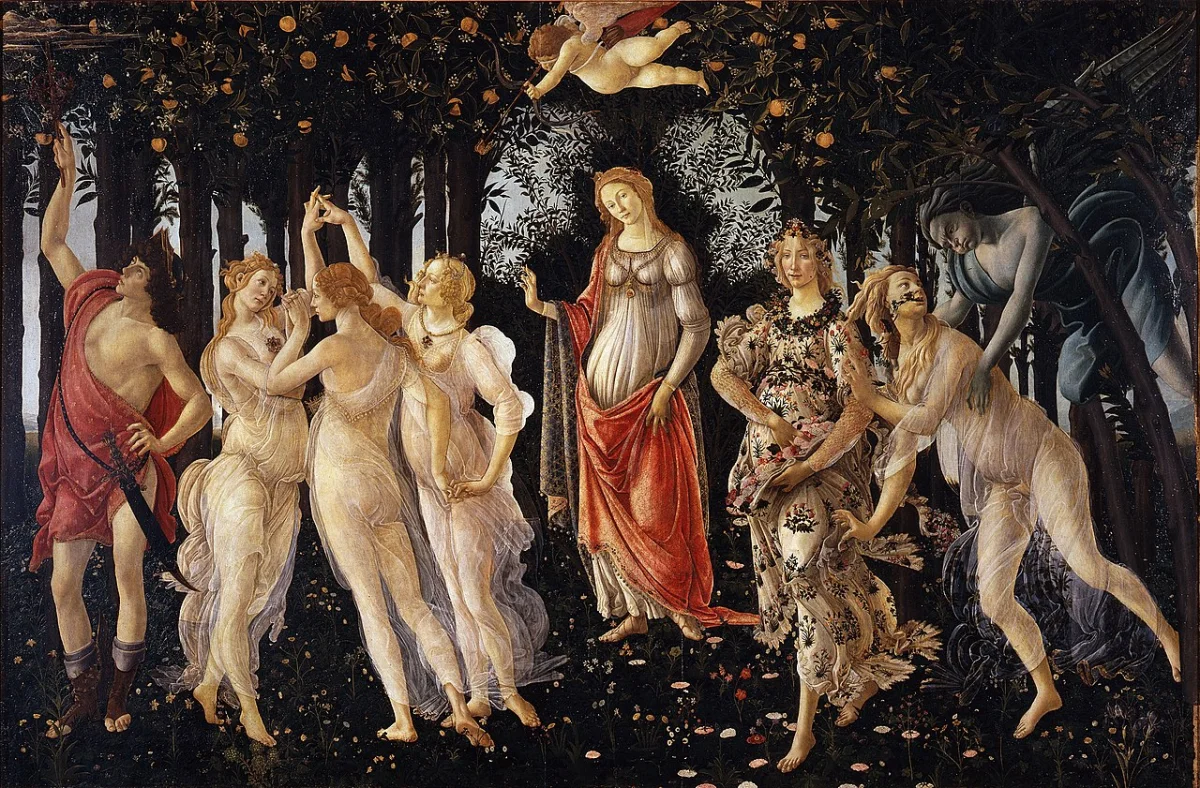
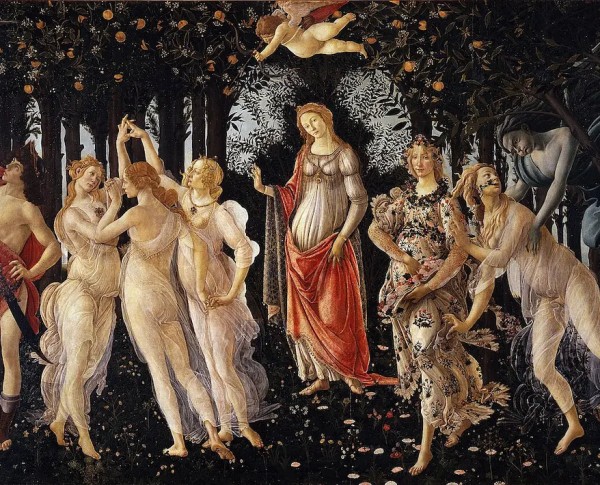
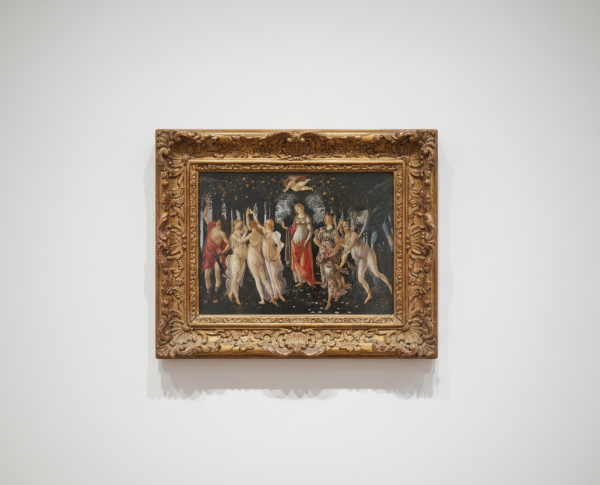
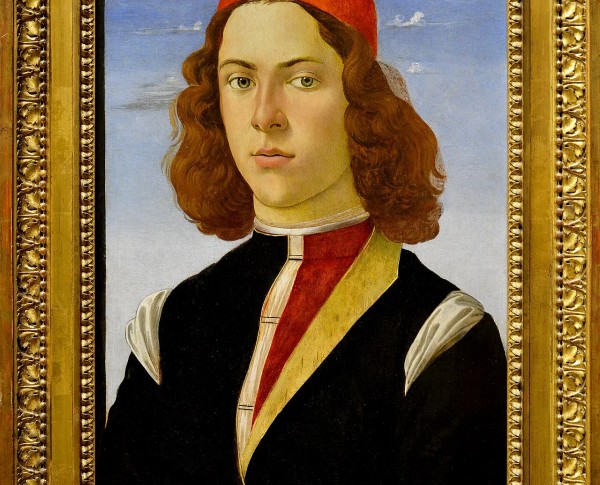
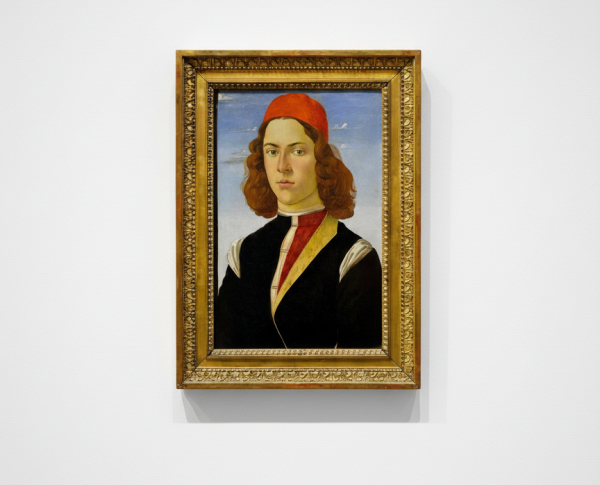
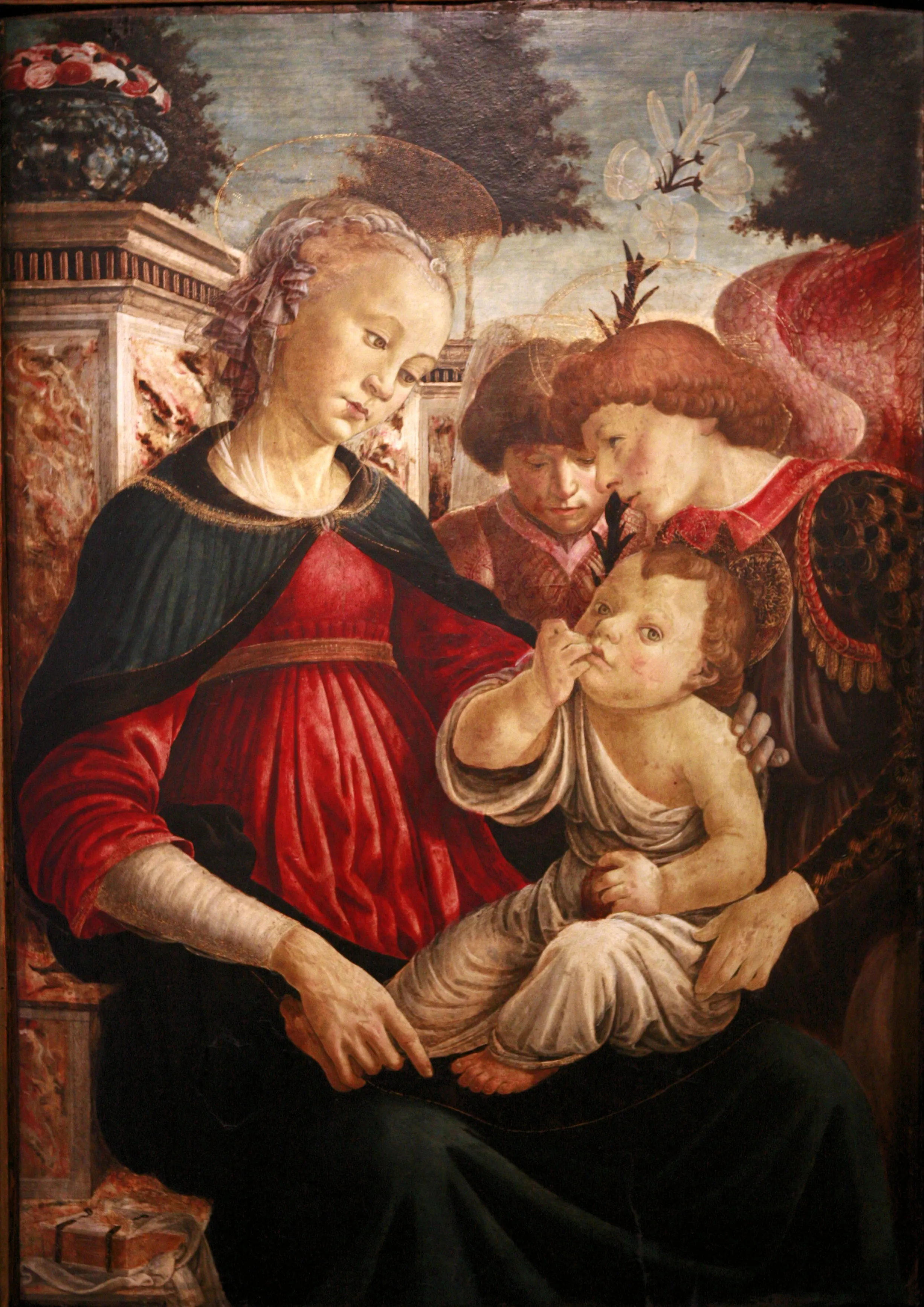
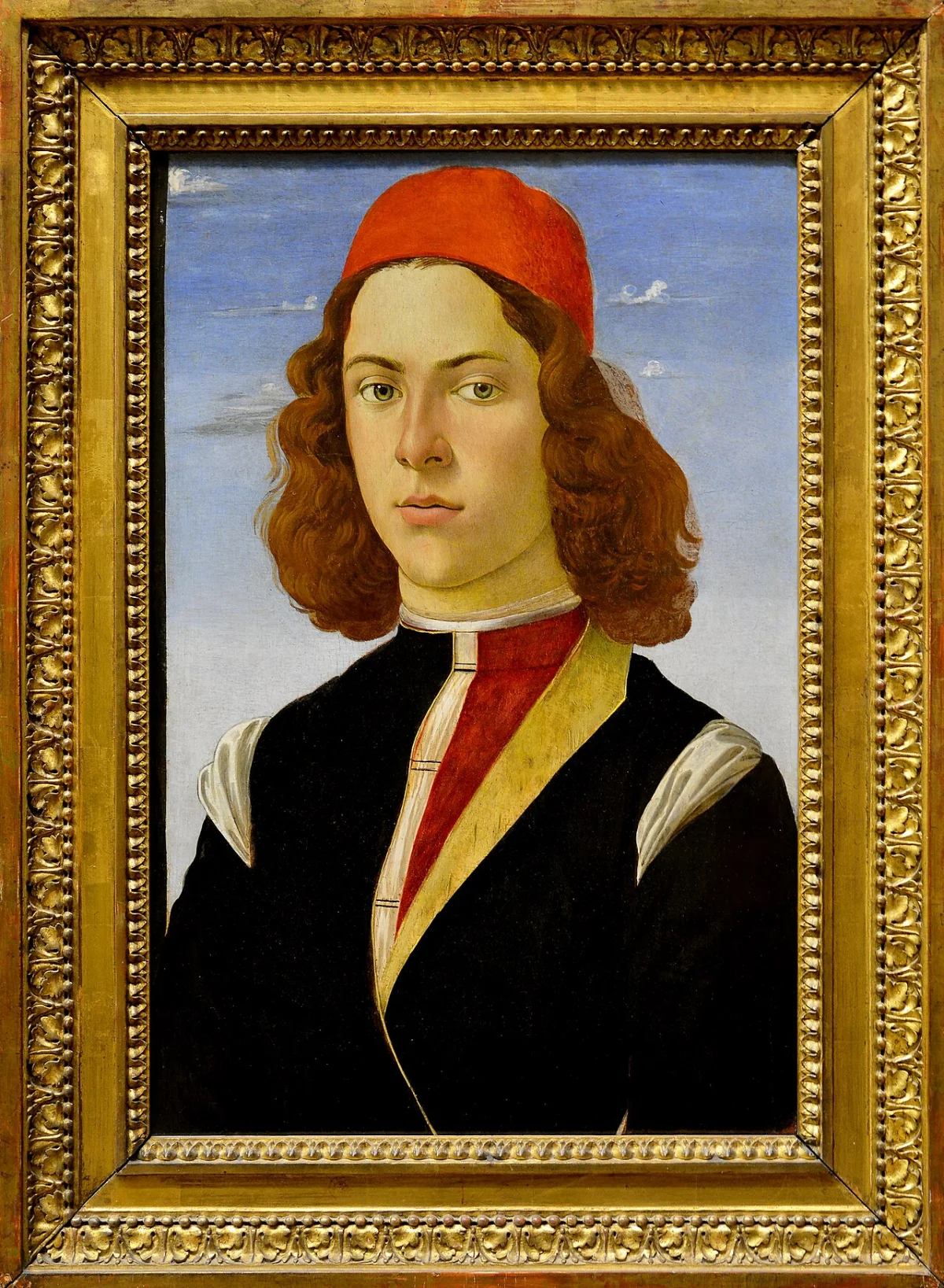
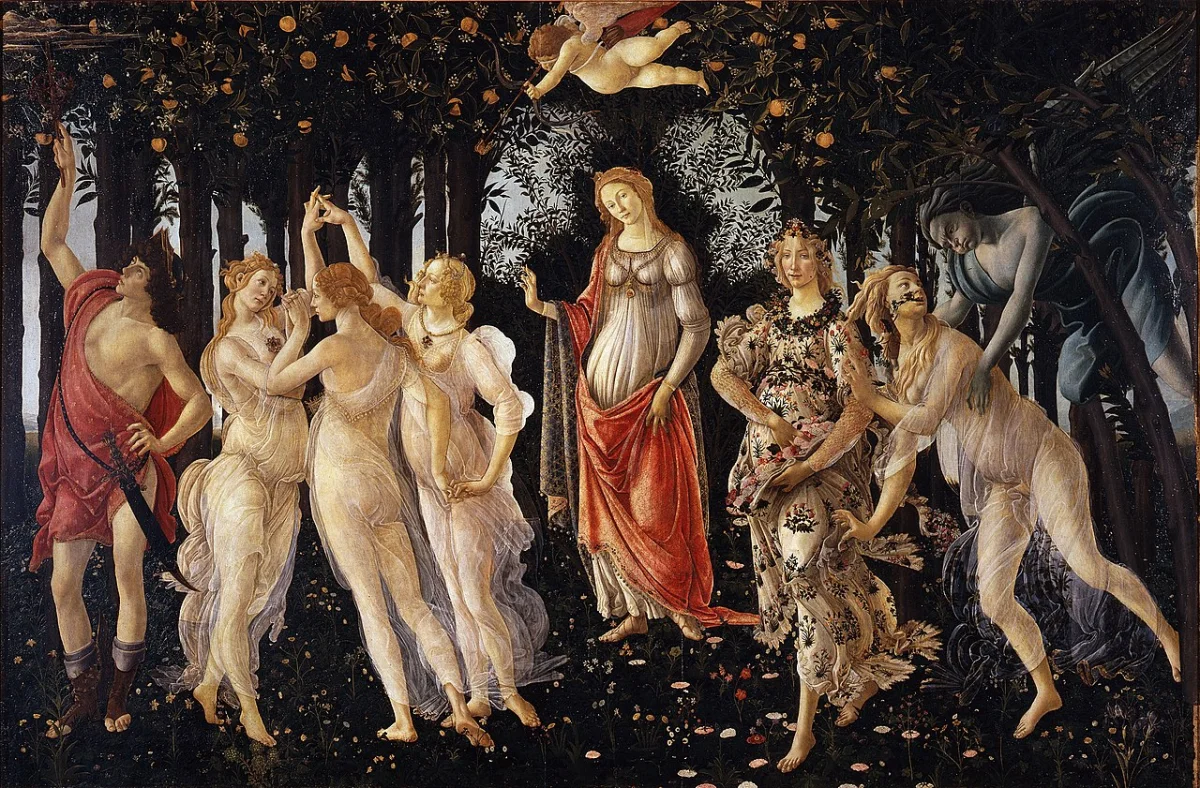
Alessandro Filipepi, widely known as Sandro Botticelli, crafted "Virgin and Child with Two Angels" during the Early Renaissance, a period celebrated for its revival of classical artistry. This hand-painted oil painting exemplifies Botticelli’s unique vision and stands as a testament to his enduring influence. Collectors and admirers of Botticelli’s work often seek related masterpieces such as "Portrait of a Young Man" and "Allegory Of Spring La Primavera" to enrich their collections.
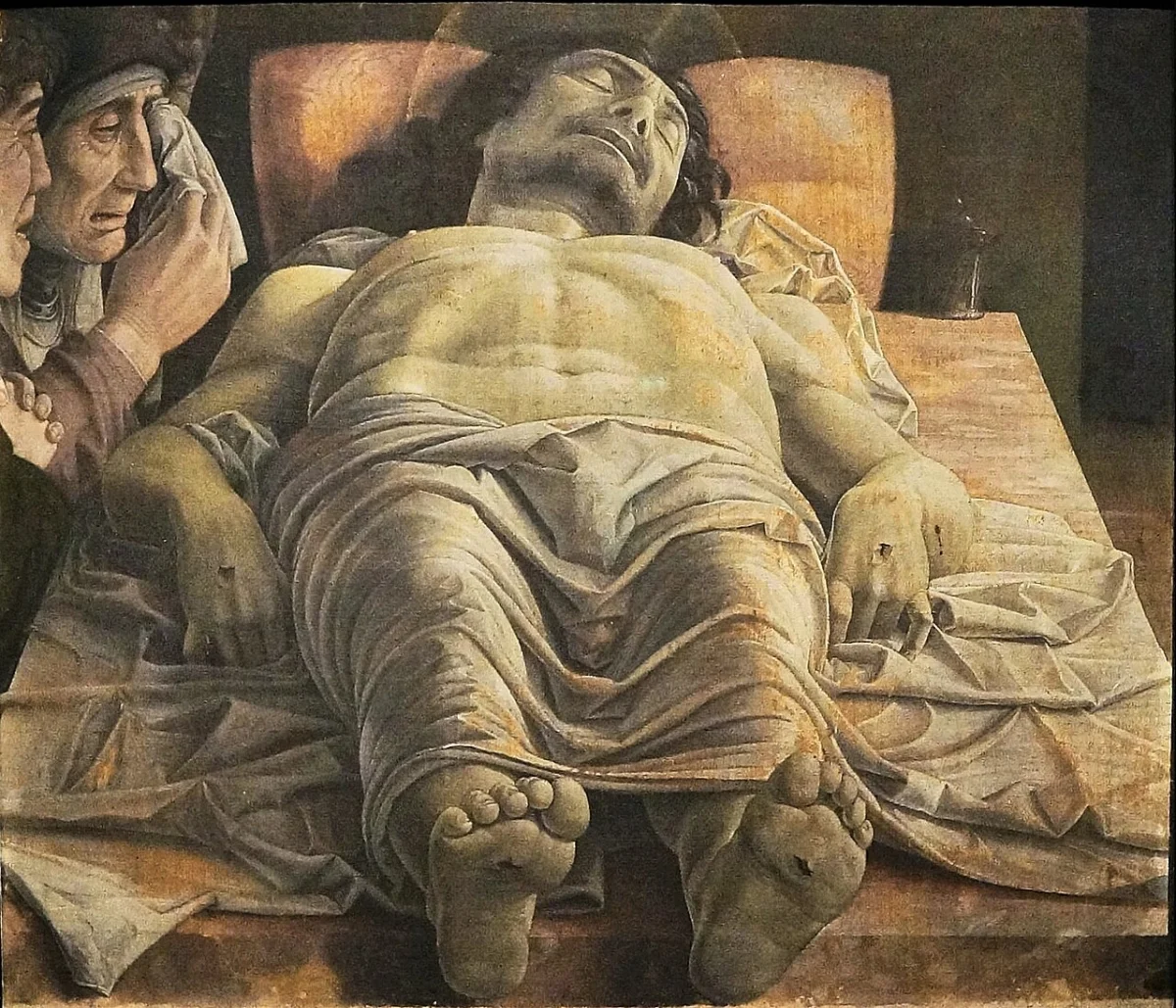
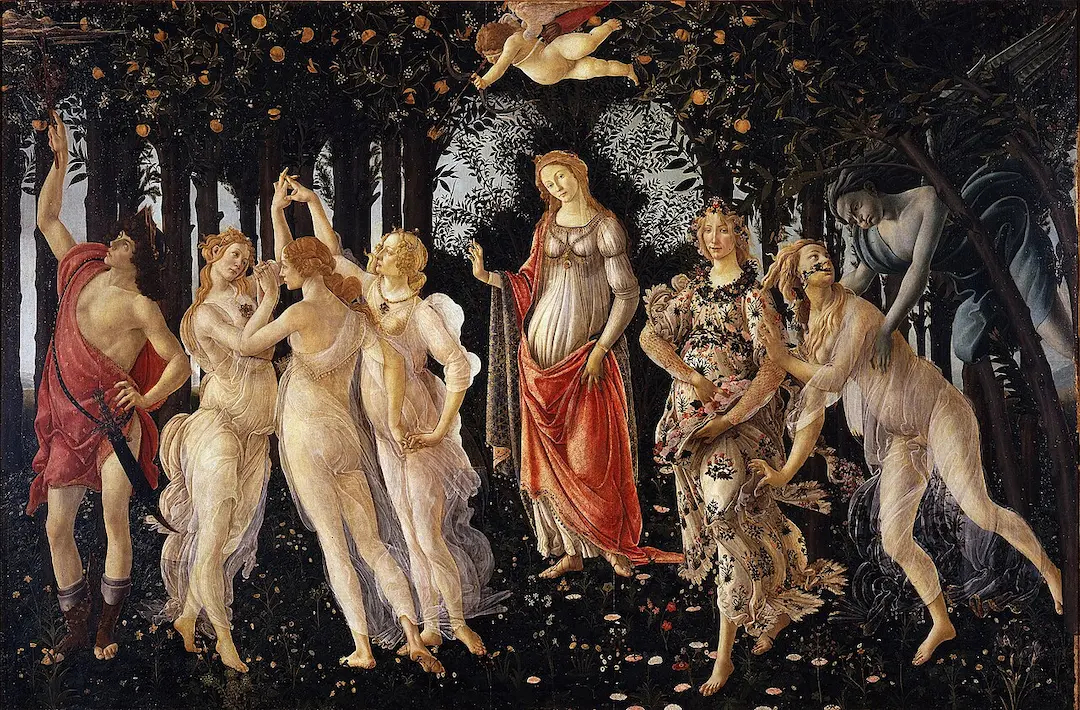
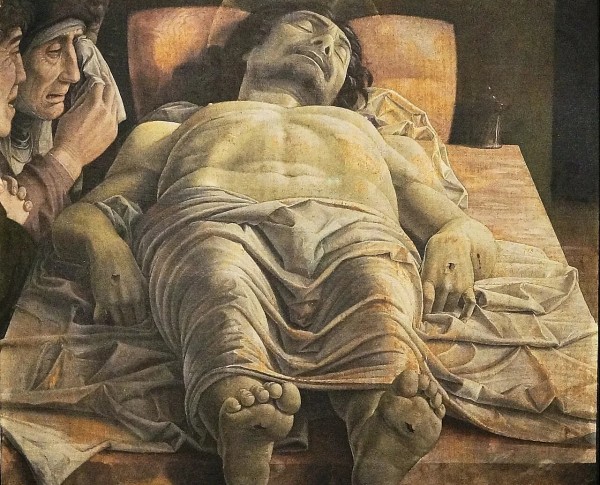
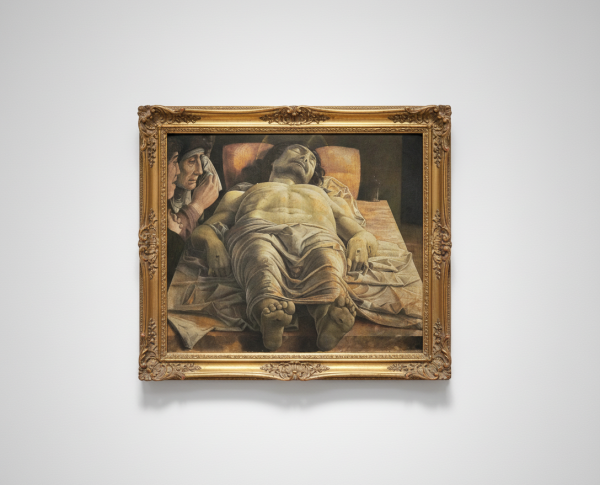
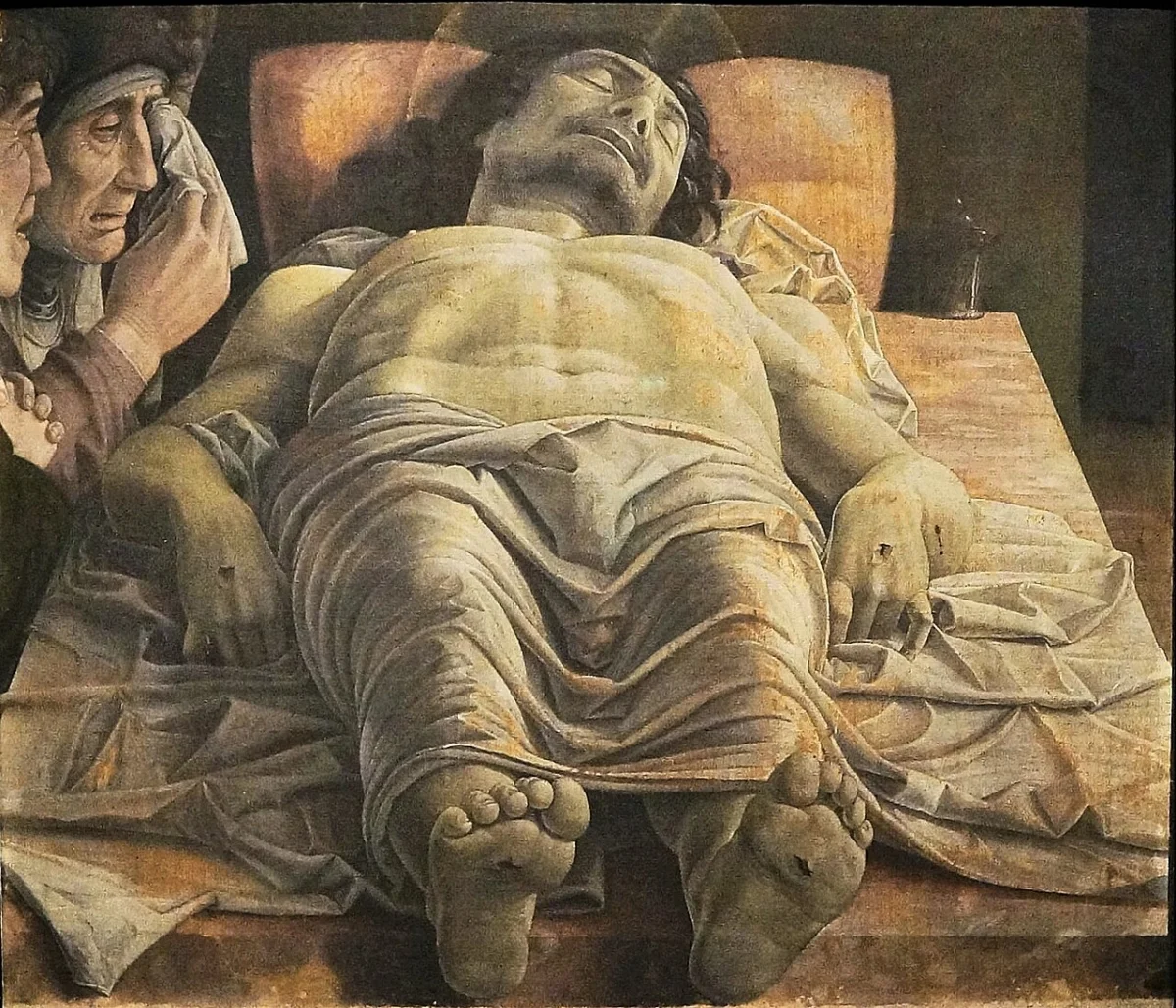
Botticelli’s "Virgin and Child with Two Angels" displays remarkable technique and finesse, characteristic of Early Renaissance art. The artist’s use of oil on canvas brings depth and luminosity to every figure, highlighting his mastery in blending color and light. This painting is a shining example of the period’s innovative approaches, much like his celebrated works "Lamentation over the Dead Christ" and "Primavera," both admired for their technical brilliance.
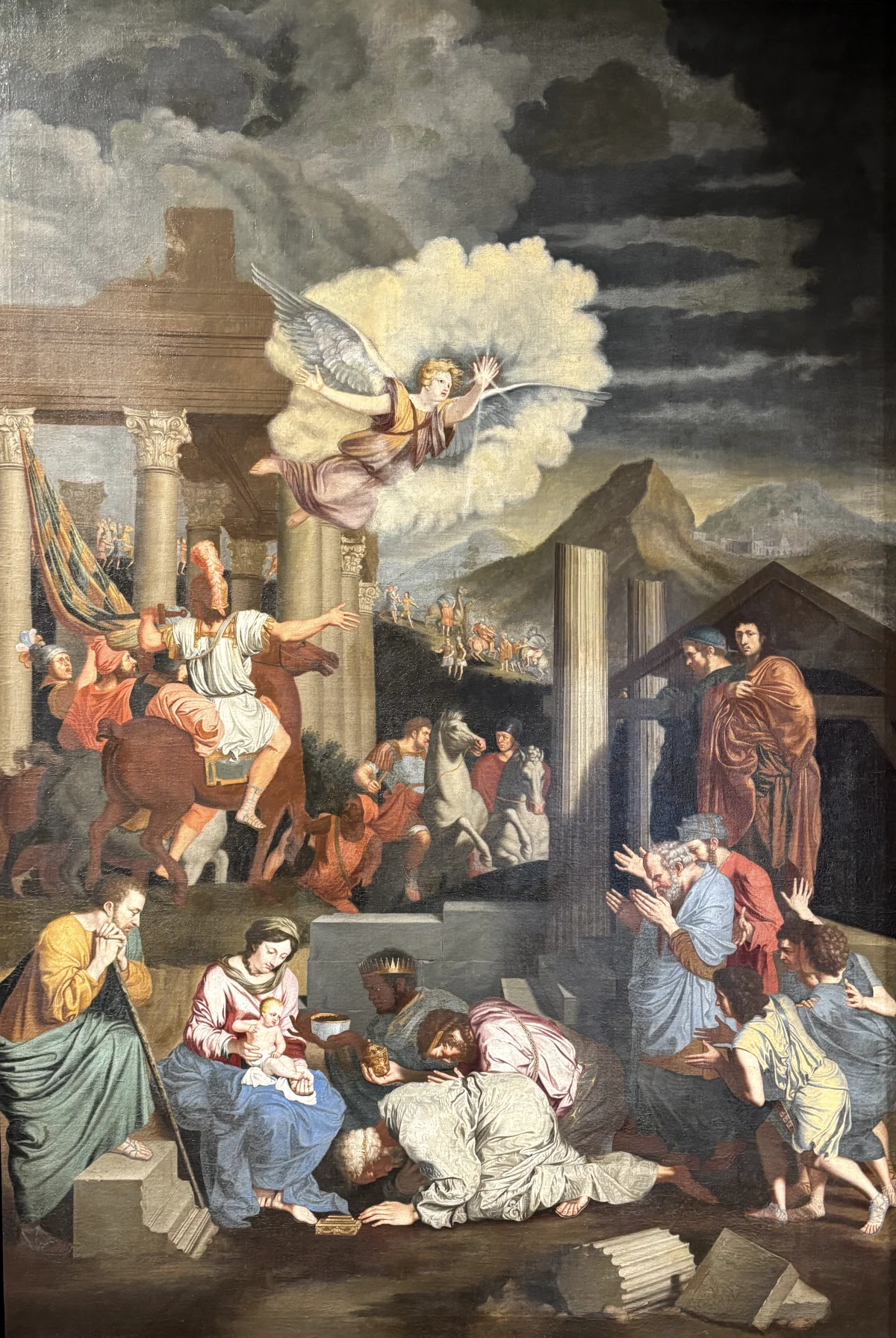
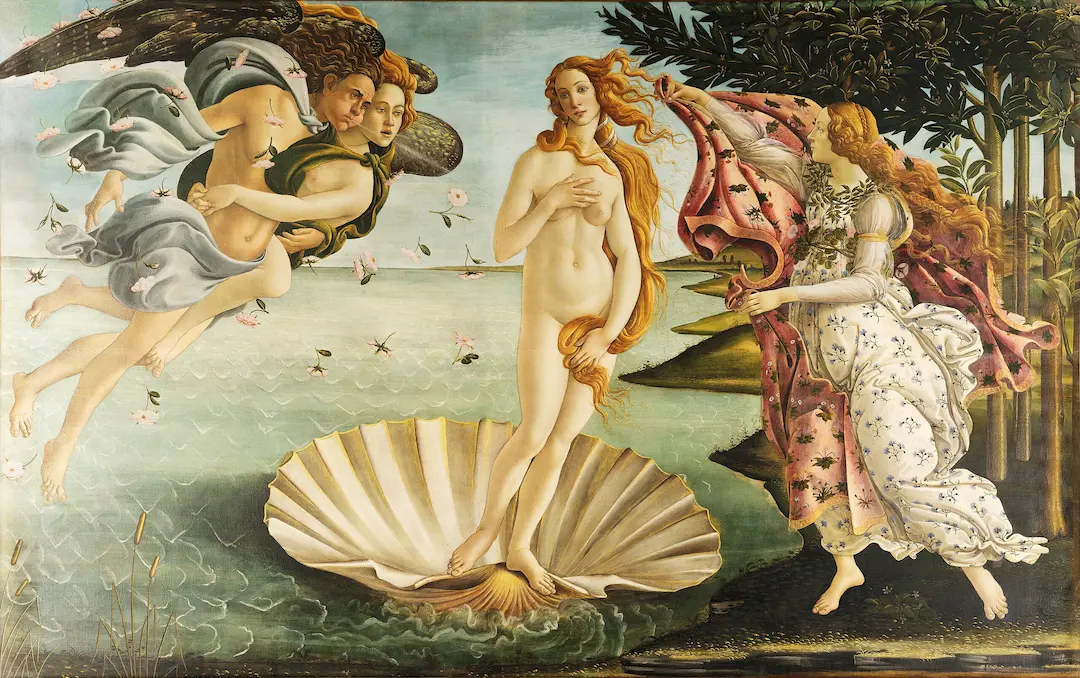
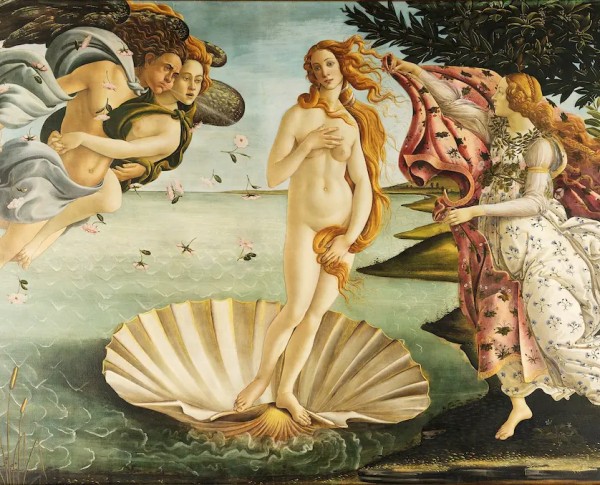
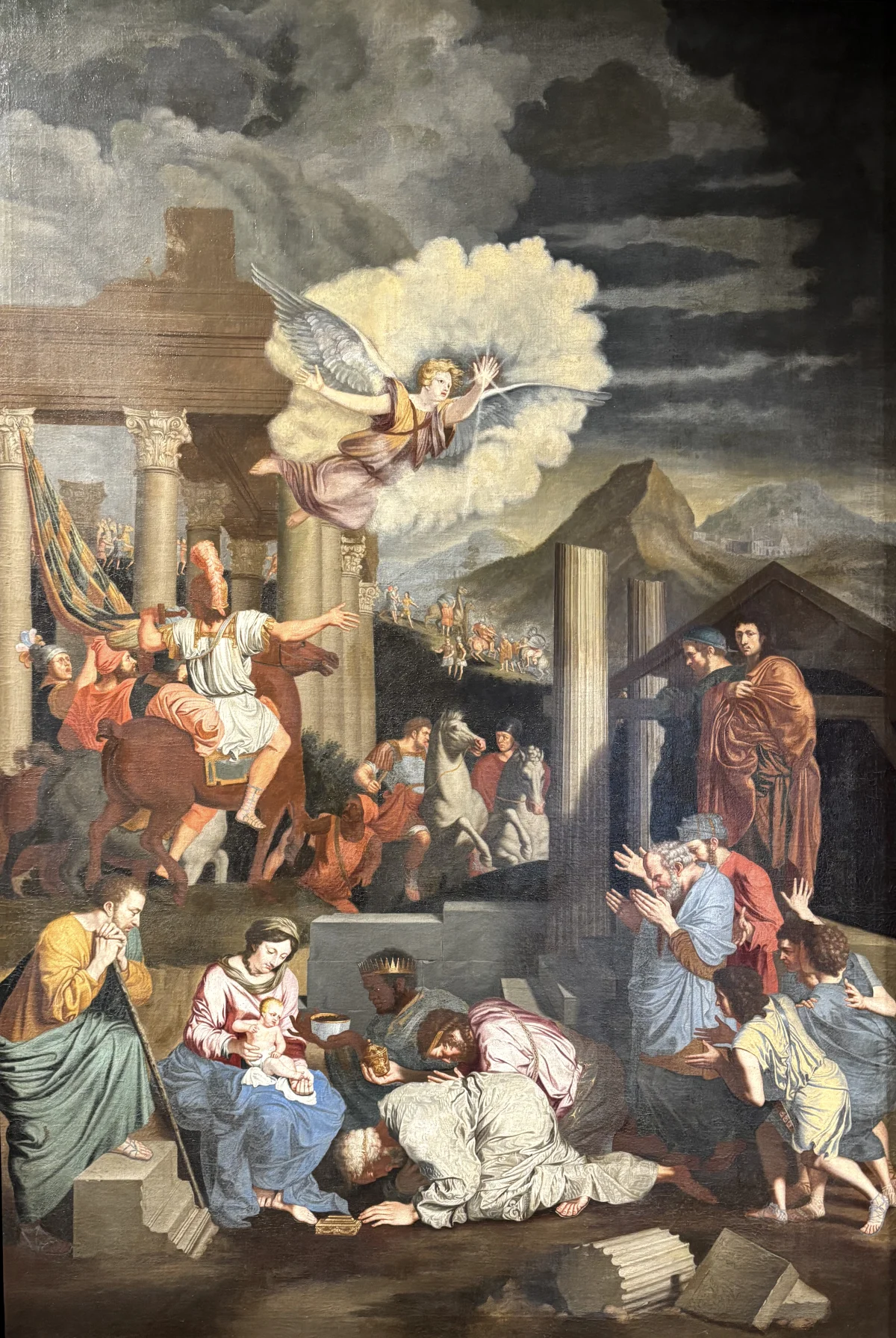
This fine art painting for sale is rich with symbolism, capturing the sacred bond between the Virgin Mary, Christ Child, and angels. Botticelli weaves religious narrative and human emotion seamlessly, inviting viewers to explore deeper meanings. Collectors of Early Renaissance art often pair this masterpiece with other symbolic works such as "Birth of Venus (La Nascita di Venere)" and "Adoration of the Magi" to appreciate Botticelli’s storytelling prowess.
Owning "Virgin and Child with Two Angels" by Sandro Botticelli is a unique opportunity for art enthusiasts seeking a hand-painted oil painting from the Early Renaissance. As a centerpiece, it elevates any collection, especially when displayed alongside related Botticelli treasures like "Primavera" and "Portrait of a Young Man." This painting not only represents the artist’s genius but also offers timeless value as a fine art painting for sale.
When Art Meets History
"Virgin and Child with Two Angels" by Alessandro Filipepi, better known as Sandro Botticelli, is an iconic example of the Early Renaissance movement. This hand-painted oil painting beautifully captures the spiritual and cultural atmosphere of 15th-century Florence. Botticelli, renowned for masterpieces like "The Birth of Venus," skillfully blends religious devotion with human emotion. The work’s historical significance lies in its ability to bridge medieval tradition and the innovative spirit of the Renaissance era.
Techniques That Speak
Botticelli’s "Virgin and Child with Two Angels" exemplifies the refined techniques of oil on canvas, a hallmark of Early Renaissance artistry. His masterful use of color and delicate brushwork brings a sense of life to the figures, making each element appear vivid and dynamic. Through careful layering and attention to detail, Botticelli achieves a harmonious composition, much like his other celebrated works. This painting stands out for its technical brilliance and the artist’s innovative approach.
Emotions on Display
The emotional resonance in Botticelli’s "Virgin and Child with Two Angels" is unmistakable, showcasing the tender relationship between the Madonna, child, and angels. As with other fine art painting for sale from the Early Renaissance, Botticelli’s piece evokes a sense of serenity and grace. His portrayal of gentle expressions and subtle gestures invites viewers to connect deeply with the scene, reflecting the artist’s profound understanding of human emotion and spiritual devotion.
Coveted by Collectors
This masterpiece by Sandro Botticelli continues to be highly sought after by collectors and museums worldwide. The allure of owning an original or reproduction of this hand-painted oil painting is undeniable, given its historical importance and artistic mastery. "Virgin and Child with Two Angels" not only represents the pinnacle of Early Renaissance art but also complements collections featuring related paintings from Botticelli’s distinguished oeuvre, making it a prized acquisition for any fine art enthusiast.
Frequently Asked Questions About Virgin and child with two angels
What is the historical context of "Virgin and child with two angels"?
This painting was created during the early Renaissance period, a time characterized by a revival of classical learning and values. Sandro Botticelli, the artist, was influenced by the humanist movement, which emphasized the importance of individual experience and expression.
What are the key artistic techniques used in this painting?
Botticelli employed tempera on wood, a medium that allows for fine detail and vibrant color. His use of linear perspective and soft, flowing lines contributes to the ethereal quality of the figures, enhancing their divine nature.
What is the significance of the figures depicted in the painting?
The Virgin Mary and the Christ Child are central figures in Christian iconography, symbolizing purity and divine love. The two angels serve as celestial attendants, emphasizing the sacred nature of the scene and the importance of the Holy Family.
How does Botticelli's style reflect the ideals of the Renaissance?
Botticelli's style is characterized by graceful figures, intricate details, and a harmonious composition. These elements reflect the Renaissance ideals of beauty, balance, and the exploration of human emotion, showcasing a shift from medieval to more human-centered art.
What symbolism is present in "Virgin and child with two angels"?
The painting is rich in symbolism; the Virgin represents maternal love and compassion, while the Christ Child symbolizes salvation. The angels signify divine protection and the connection between heaven and earth, reinforcing the painting's spiritual themes.
What influences can be seen in Botticelli's work?
Botticelli was influenced by both classical antiquity and contemporary Florentine culture. His incorporation of mythological themes and classical forms reflects the Renaissance fascination with ancient Greece and Rome, while his attention to human emotion showcases the era's focus on individual experience.
How does this painting compare to Botticelli's other works?
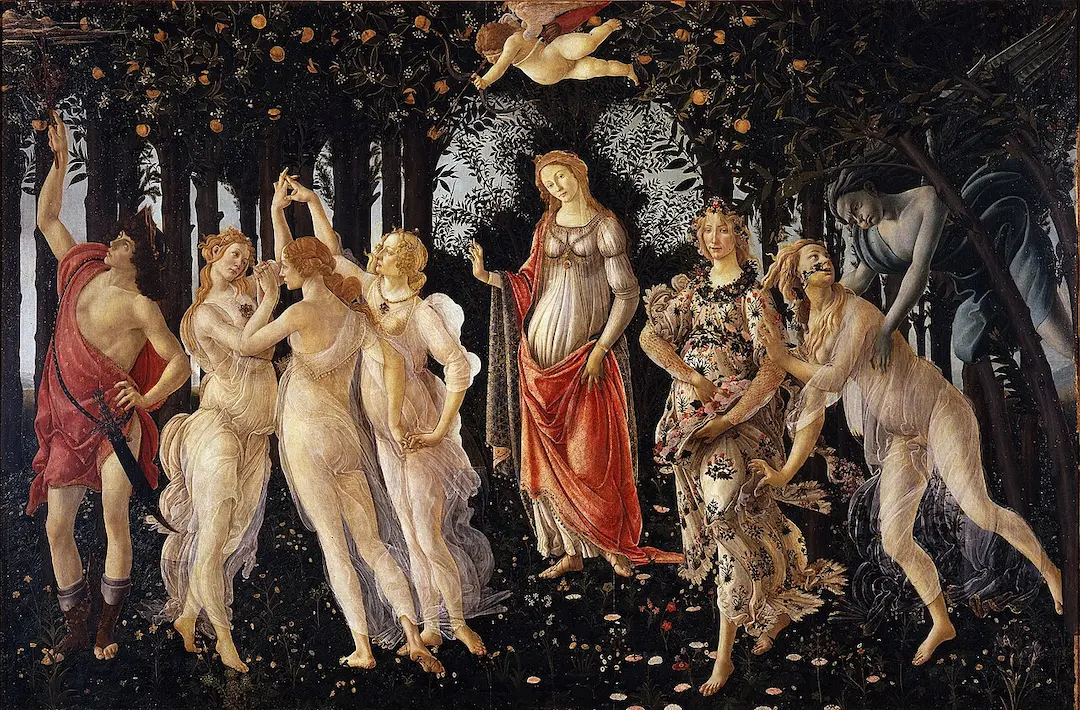
Compared to Botticelli's other works, such as "The Birth of Venus," "Virgin and child with two angels" is more intimate and focused on the theme of divine motherhood. While both works display his signature style, this painting emphasizes tenderness and familial love over mythological themes.
What role did Botticelli play in the development of Renaissance art?
Botticelli played a crucial role in the development of Renaissance art by bridging the gap between medieval and modern artistic styles. His innovative use of composition, color, and emotional expression paved the way for future artists and helped establish Florence as a center of artistic excellence.
What is the significance of the color palette used in the painting?
The color palette of "Virgin and child with two angels" features soft, pastel tones that evoke a sense of serenity and divine light. This choice enhances the spiritual atmosphere of the work, inviting viewers to contemplate the sacred nature of the scene.
How has "Virgin and child with two angels" influenced modern art?
This painting has influenced modern art by inspiring contemporary artists to explore themes of spirituality and human emotion. Botticelli's approach to composition and color continues to resonate, encouraging artists to blend traditional techniques with modern interpretations of sacred subjects.






















_GFM_Painting_(1).webp)


 100% Hand-Painted: Finished in 3-6 Weeks

.png)












.webp)



_(1).webp)