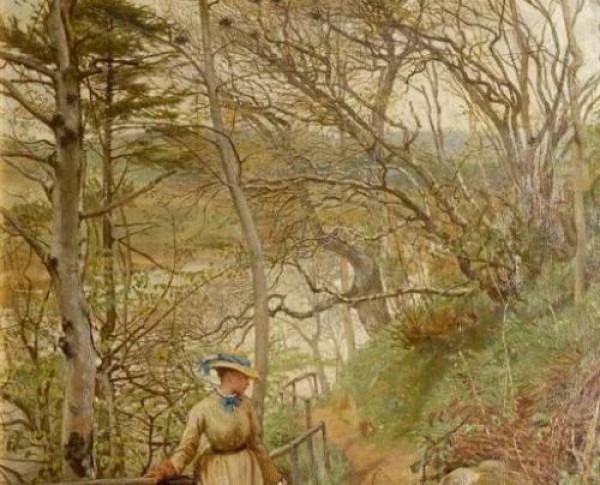
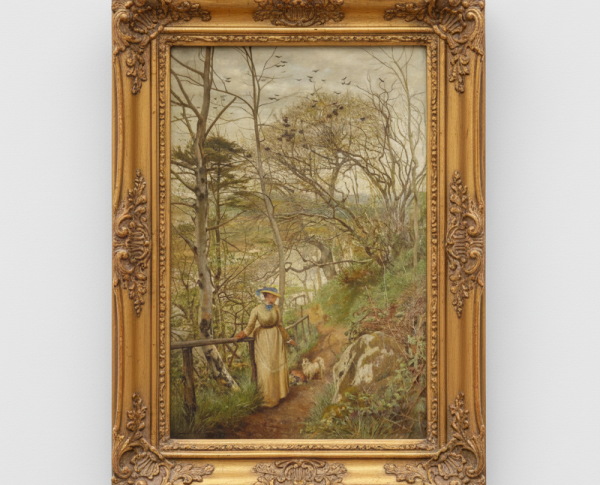
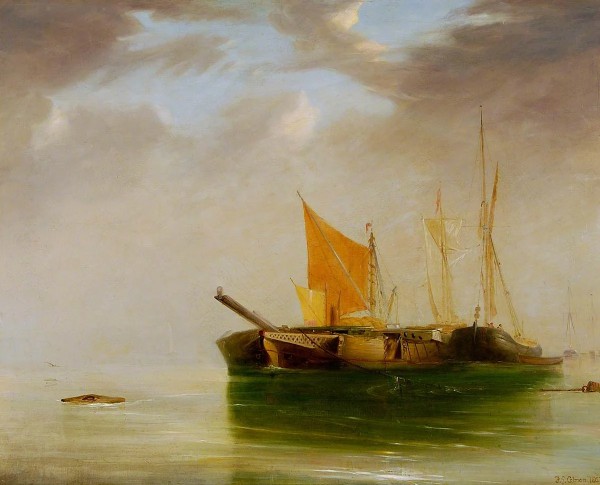
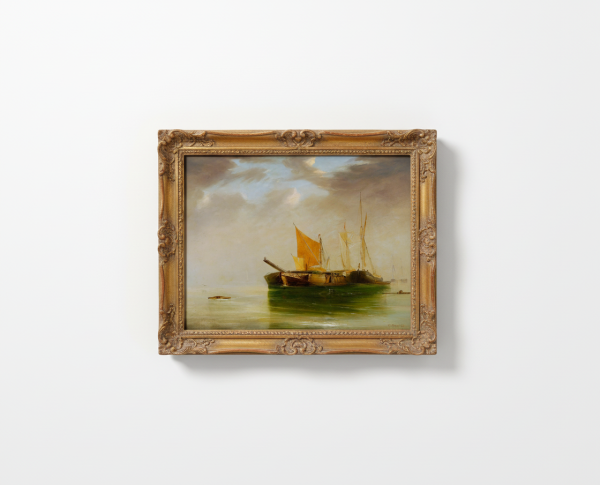
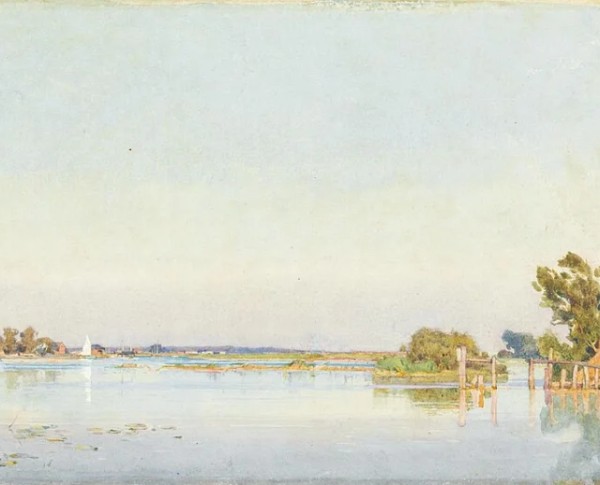
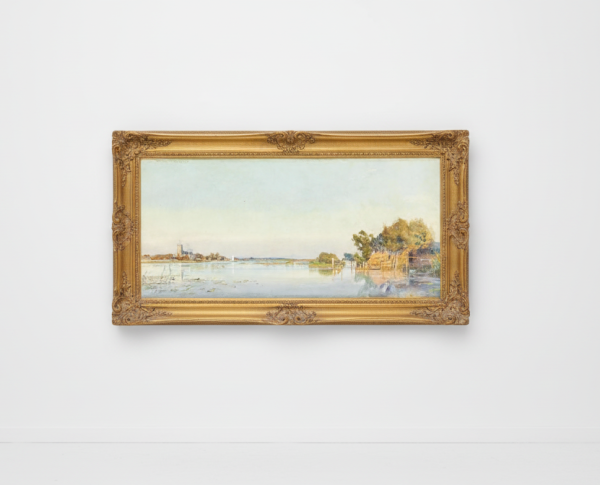
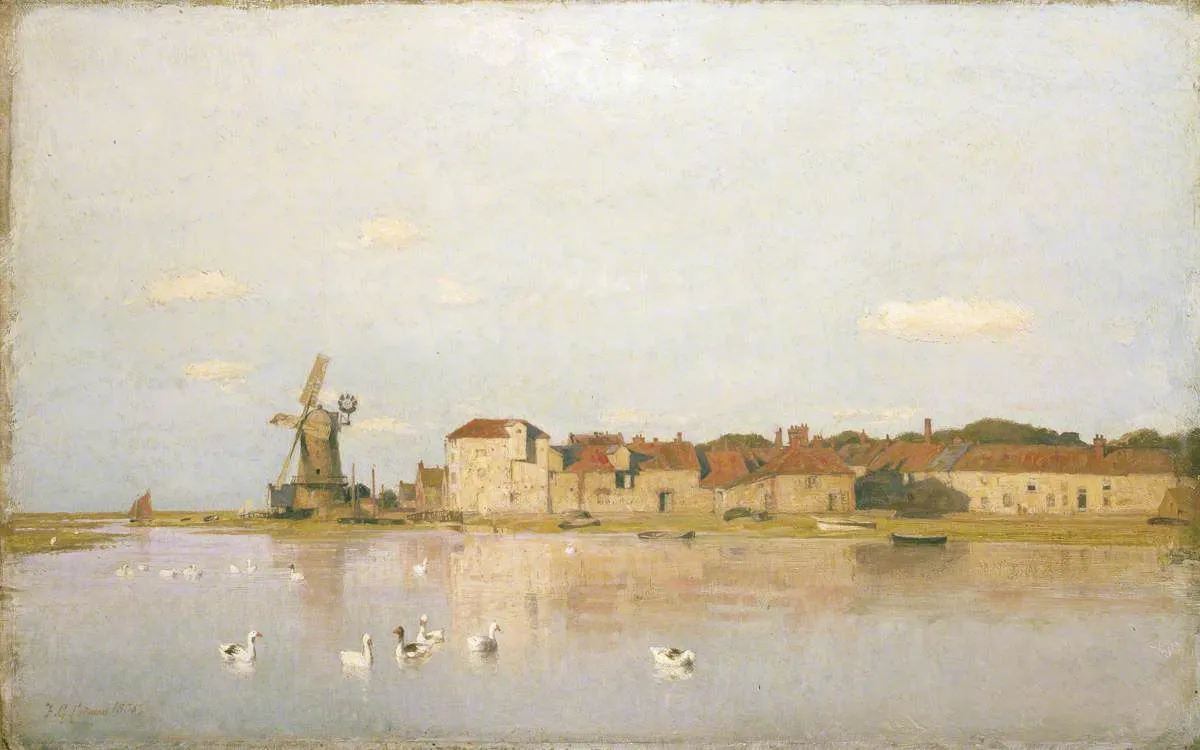
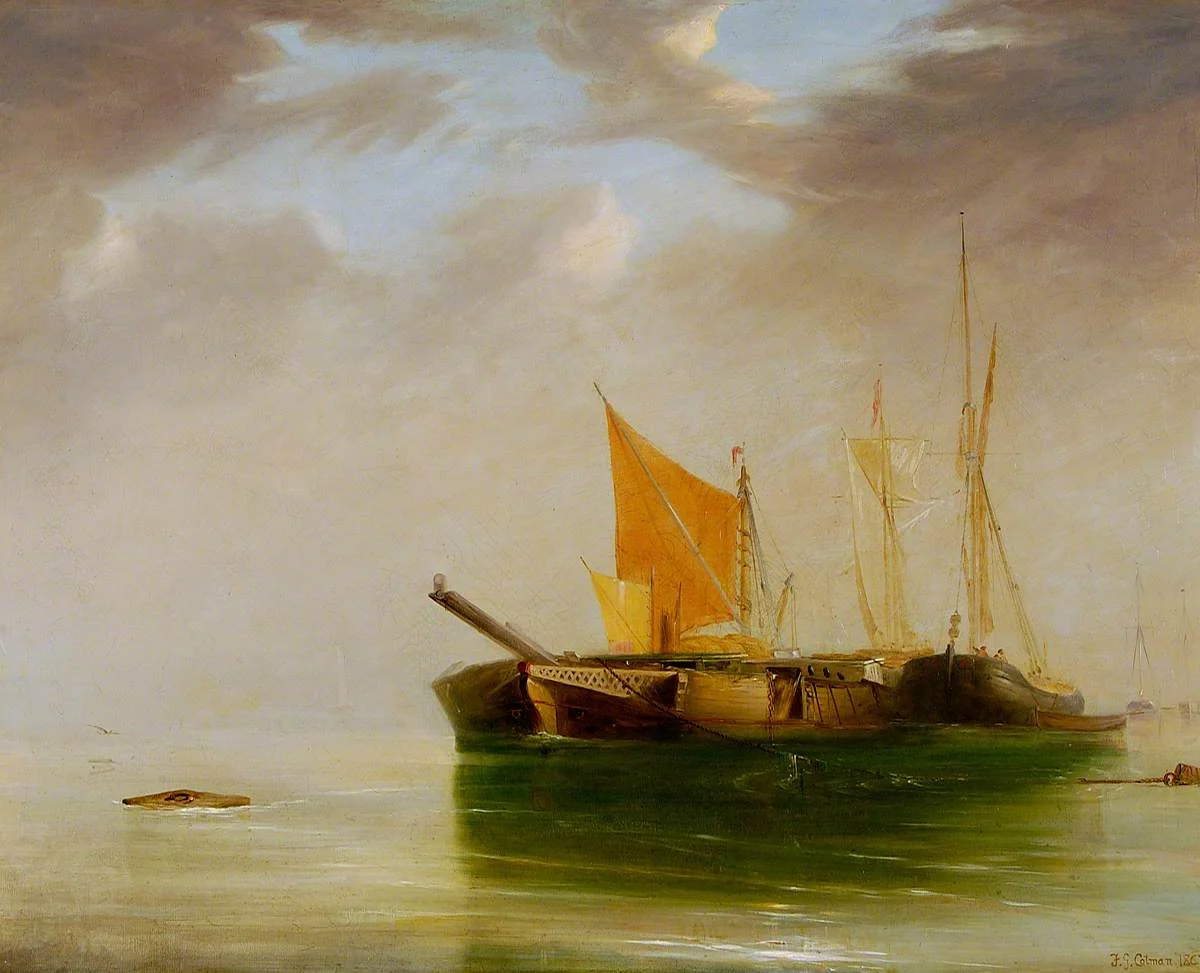
The technical brilliance of "A Flood Tide at Cley next the Sea, Norfolk" is evident in Cotman’s confident brushwork and vibrant palette. Executed in oil on canvas, the painting brings the dynamic motion of the rising tide to life, embodying the Post-Impressionist fascination with light and color. Cotman’s expertise in manipulating oil on canvas is also reflected in related works like "From Shade to Sunshine" and "Morning Mist on the Orwell," which share his signature style.
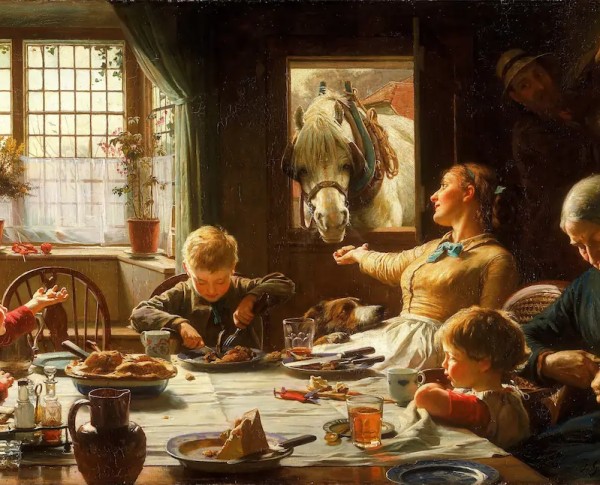
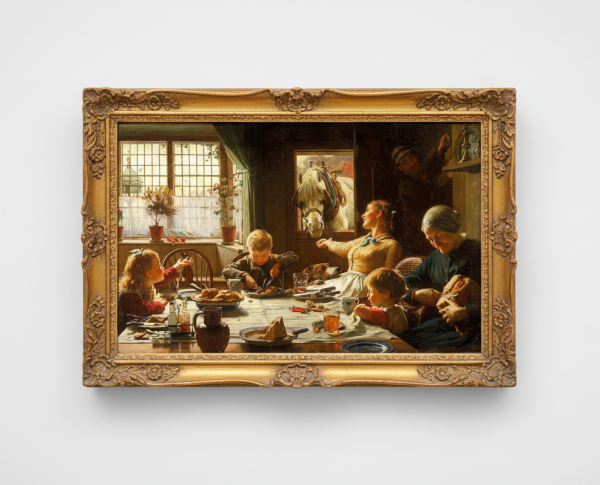
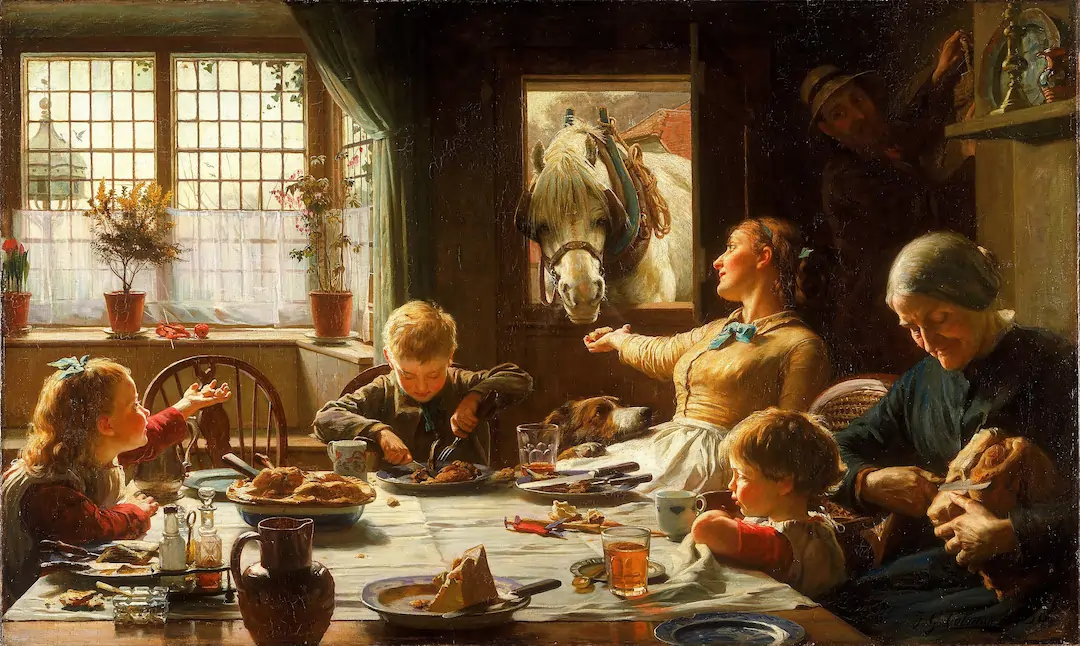
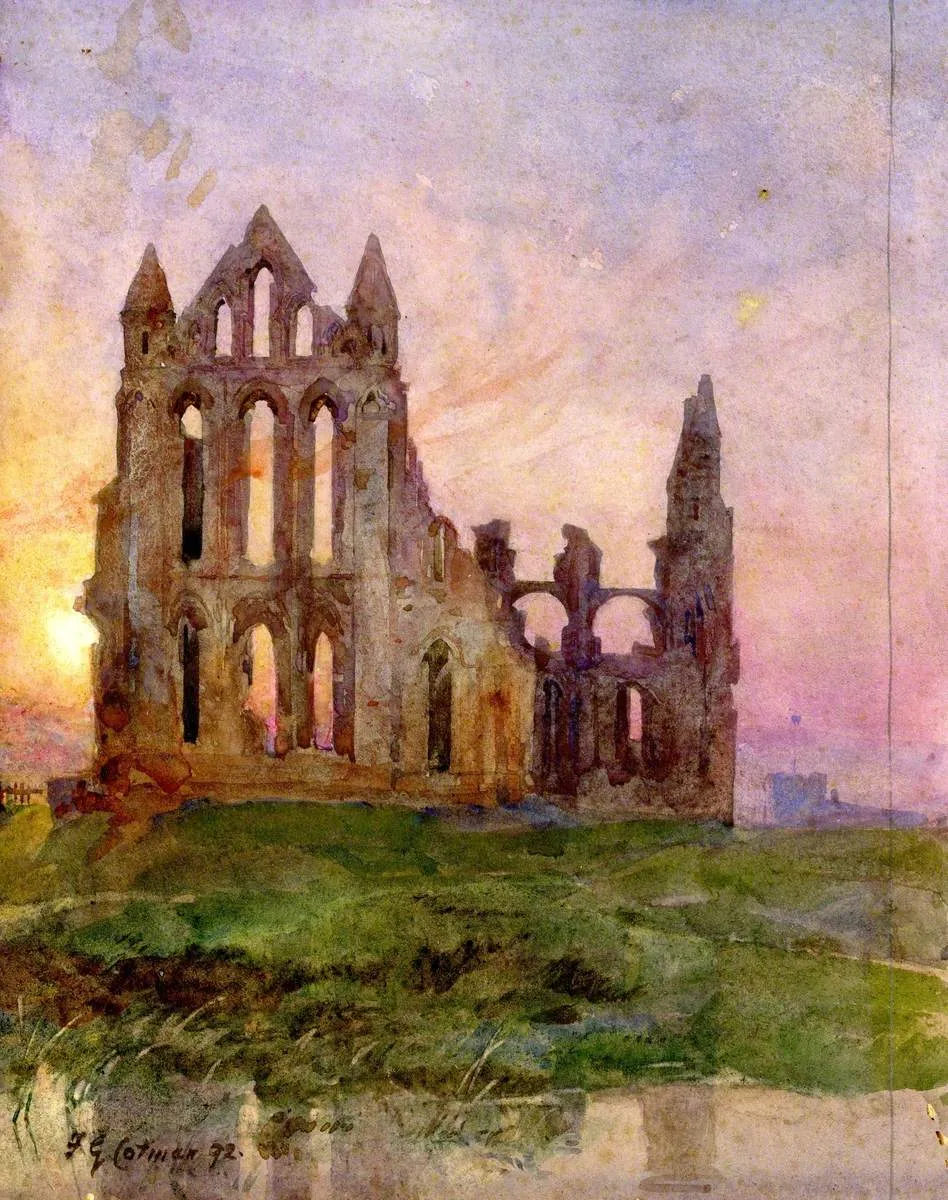
"A Flood Tide at Cley next the Sea, Norfolk" tells a compelling story through its evocative landscape, inviting viewers to ponder the interplay between nature’s power and tranquility. Cotman weaves narrative depth into his fine art painting for sale, using the flood tide as a symbol of change and renewal. Collectors interested in works with rich storytelling may also appreciate pieces such as "One Of The Family" and "Whitby Abbey," which echo similar themes.
For art collectors, owning a hand-painted oil painting like "A Flood Tide at Cley next the Sea, Norfolk" by Frederick George Cotman is a unique privilege. This Post-Impressionism masterpiece not only enhances any collection but also complements other fine works, such as "Christ Church Ferry" and "Sunday Morning." As a fine art painting for sale, it represents both an investment in beauty and a connection to Cotman’s enduring artistic legacy.
When Art Meets History
Frederick George Cotman’s "A Flood Tide at Cley next the Sea, Norfolk" stands as a testament to the powerful intersection of art and history. Created within the Post-Impressionism movement, this hand-painted oil painting captures the unique atmosphere of Norfolk’s coastline. Cotman’s work resonates with the same historical depth found in related paintings like "Town d'Avray: L'Etang au Batelier" and "A Sunday Afternoon on the Island of La Grande Jatte," offering viewers a window into a transformative era.
Techniques That Speak
Employing masterful oil on canvas techniques, Frederick George Cotman brings the tumultuous waters of Cley next the Sea to vivid life. As with other Post-Impressionist works such as "Still Life with Beer Mug and Fruit," Cotman’s brushstrokes communicate movement and atmosphere, while his color palette evokes the raw beauty of nature. This painting’s technique echoes the innovation of the movement, making "A Flood Tide at Cley next the Sea, Norfolk" a standout example of expressive landscape artistry.
Emotions on Display
Through "A Flood Tide at Cley next the Sea, Norfolk," Cotman channels a spectrum of emotions, from awe to anxiety, as the viewer confronts the power of nature. The Post-Impressionism movement, also exemplified by "Chicken Coop" and "Vision After the Sermon," is renowned for its emotional depth, and Cotman’s fine art painting for sale is no exception. The swirling sky and churning water evoke both turmoil and tranquility, drawing the audience into a deeply personal experience.
Coveted by Collectors
Today, "A Flood Tide at Cley next the Sea, Norfolk" is highly sought after by art enthusiasts and collectors who recognize its significance within the Post-Impressionism movement. Like the celebrated works of Seurat and Gauguin, this hand-painted oil painting by Frederick George Cotman is prized for its artistry and historical value. Its connection to related masterpieces only increases its appeal, making it a must-have for anyone seeking a distinguished fine art painting for sale.
Related Post-Impressionism Hand-Painted Oil Paintings by Other Artists
Other Famous Post-Impressionism Artists:
Frequently Asked Questions About A Flood Tide at Cley next the Sea, Norfolk
What is the historical significance of "A Flood Tide at Cley next the Sea, Norfolk"?
This painting captures the essence of the Norfolk landscape during the 19th century, reflecting the region's relationship with the sea and the impact of natural elements on daily life.
Who was Frederick George Cotman and what was his contribution to art?
Frederick George Cotman was a prominent English painter known for his landscapes and seascapes, contributing significantly to the Norwich School of painters, which focused on naturalistic depictions of the English countryside.
What artistic techniques did Cotman employ in this painting?
Cotman utilized a combination of watercolor and oil techniques, showcasing his mastery in capturing light and atmosphere, particularly in the depiction of water and sky.
What themes are explored in "A Flood Tide at Cley next the Sea, Norfolk"?
The painting explores themes of nature's power, the transience of human activity in the face of natural forces, and the serene beauty of the coastal landscape.
How does this painting reflect the characteristics of the Norwich School?
This work embodies the Norwich School's emphasis on plein air painting, capturing the natural beauty of the Norfolk landscape with a focus on light, color, and atmospheric effects.
What symbols are present in the painting?
The rising tide symbolizes the relentless force of nature, while the boats and figures represent human endeavor and vulnerability in the face of such power.
In what ways does the painting convey a sense of place?
Cotman's detailed rendering of the landscape, combined with the specific depiction of Cley next the Sea, creates a strong sense of location, inviting viewers to experience the unique coastal environment of Norfolk.
What role does light play in "A Flood Tide at Cley next the Sea, Norfolk"?
Light is a crucial element in this painting, as Cotman skillfully captures the changing qualities of natural light, enhancing the mood and depth of the scene.
How does this painting compare to other works by Cotman?
Compared to other works by Cotman, "A Flood Tide at Cley next the Sea, Norfolk" showcases his evolving style, particularly in his use of color and composition to convey emotion and atmosphere.
What impact did "A Flood Tide at Cley next the Sea, Norfolk" have on contemporary artists?
This painting influenced contemporary artists by demonstrating the importance of capturing local landscapes and the emotional resonance of nature, paving the way for future generations to explore similar themes in their work.























_GFM_Painting_(1).webp)


 100% Hand-Painted: Finished in 3-6 Weeks

.png)















_(1).webp)