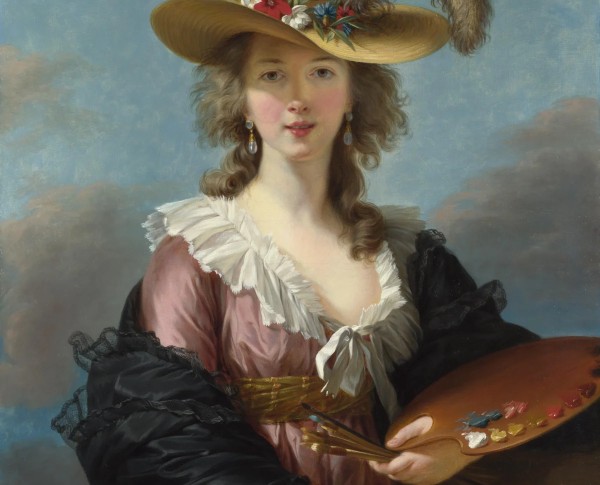
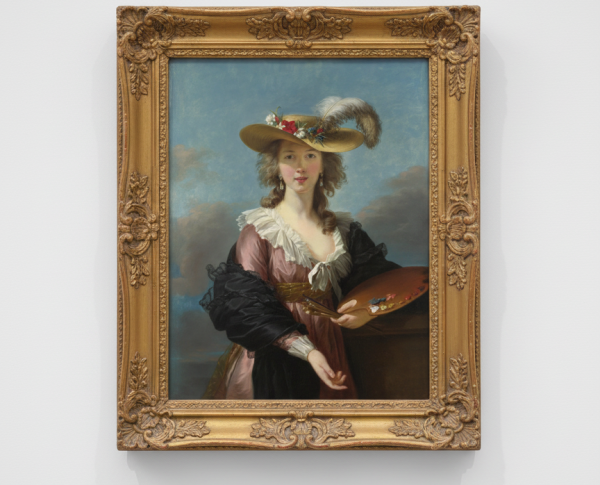
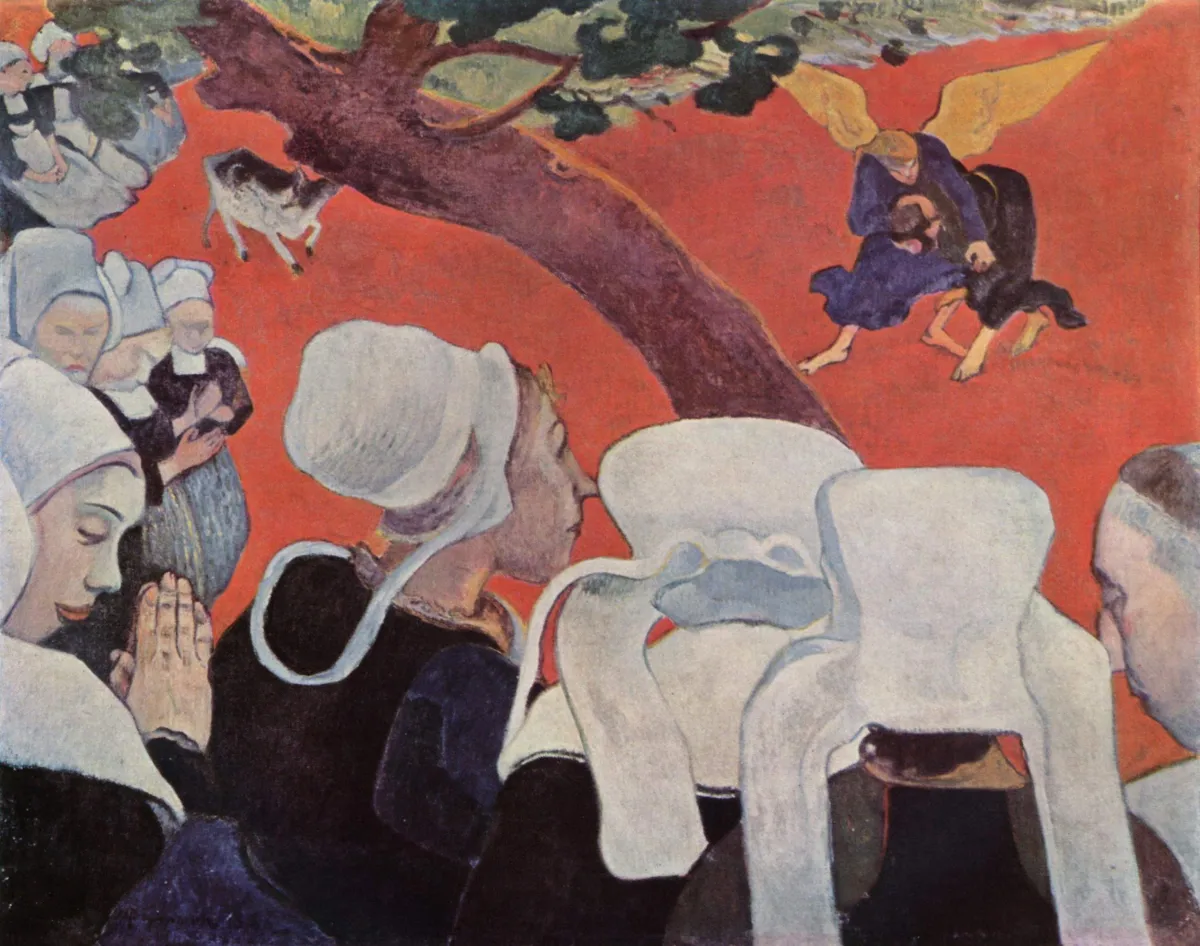
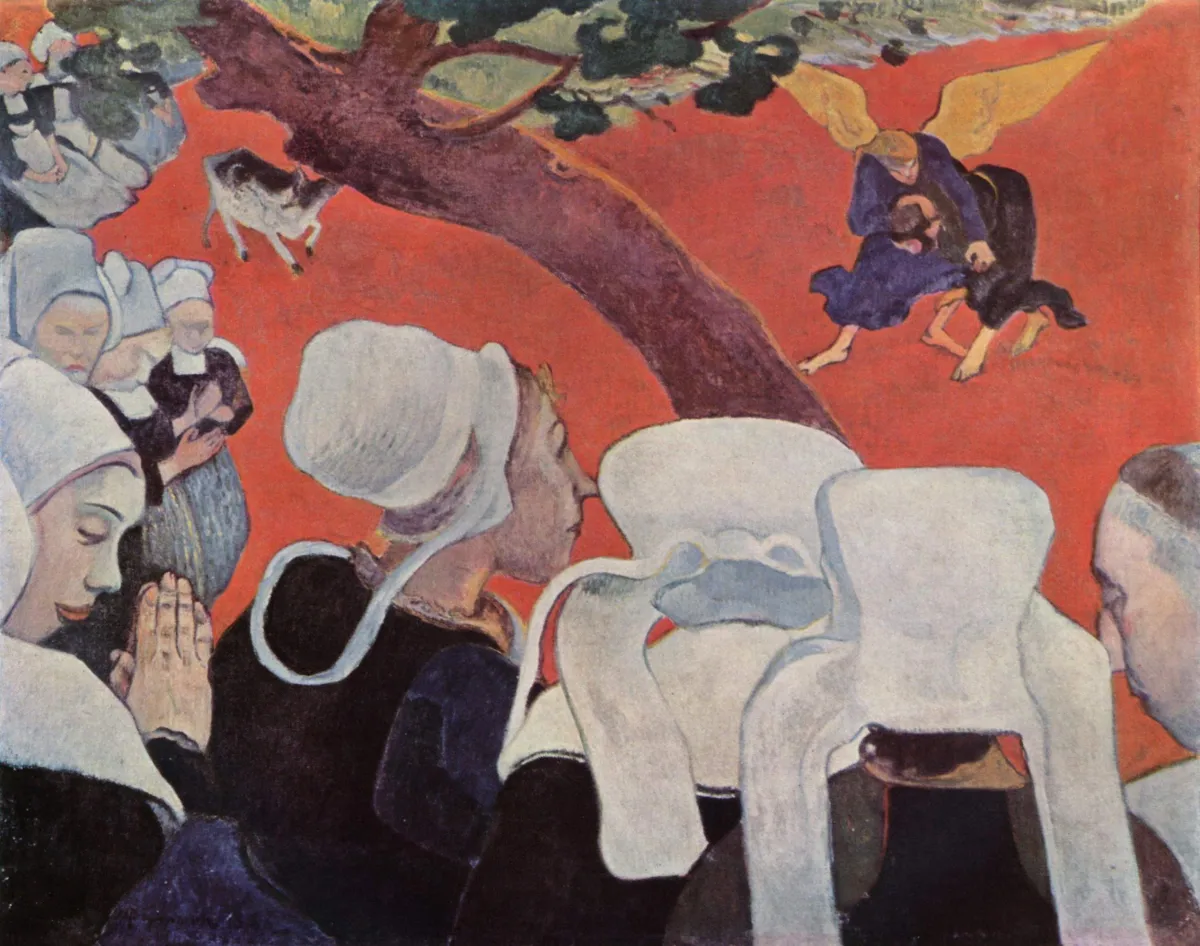
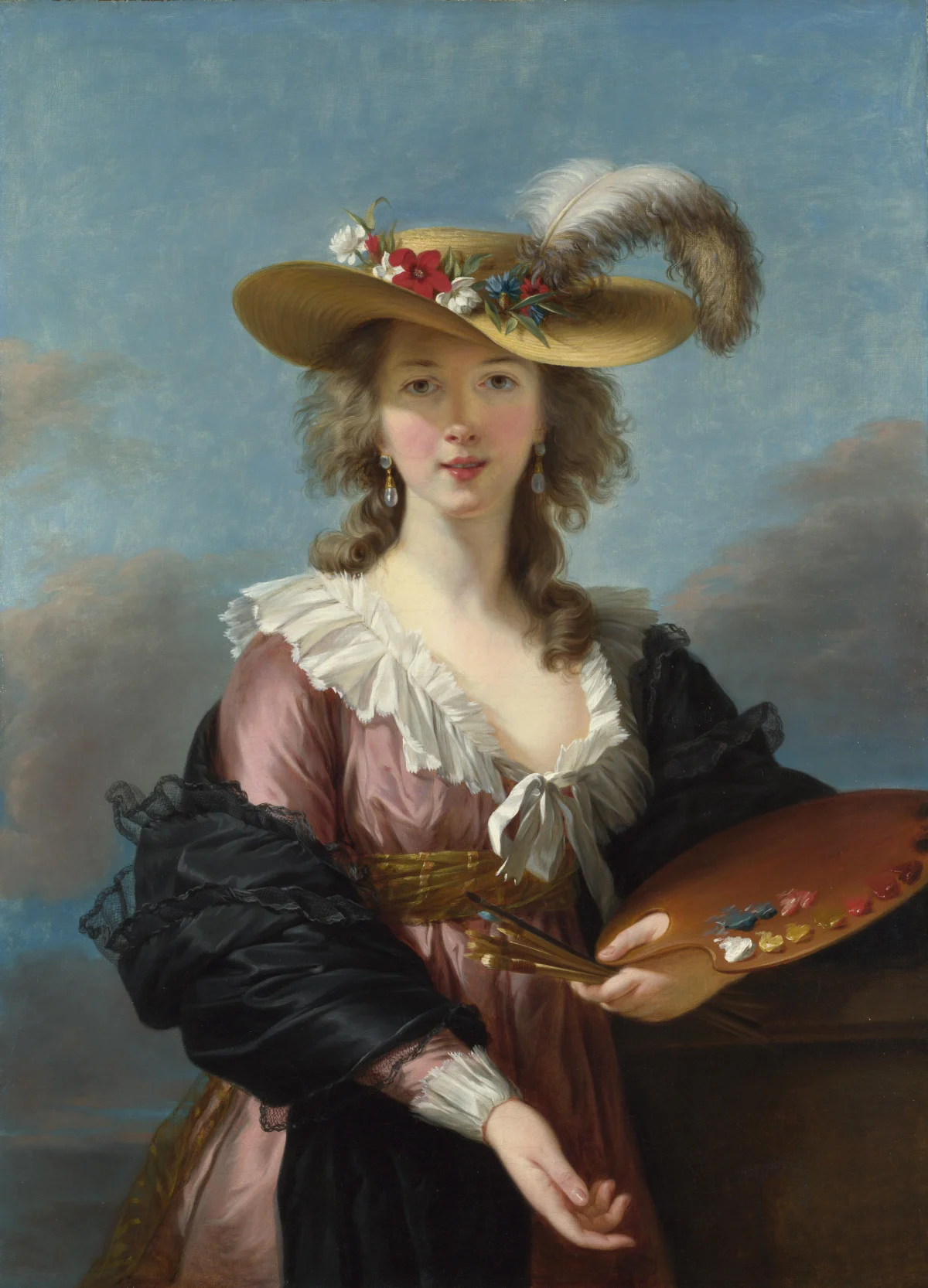
Paul Gauguin’s mastery shines in "Vision After the Sermon," where bold colors and expressive forms define his oil on canvas technique. The painting’s dynamic composition and vivid hues exemplify the Post-Impressionism movement’s break from tradition. Each brushstroke reveals Gauguin’s dedication to emotional expression. Those interested in fine art painting for sale will find this piece, alongside "Self-portrait with hat" and "Parahi te marae," to be true representations of artistic innovation.
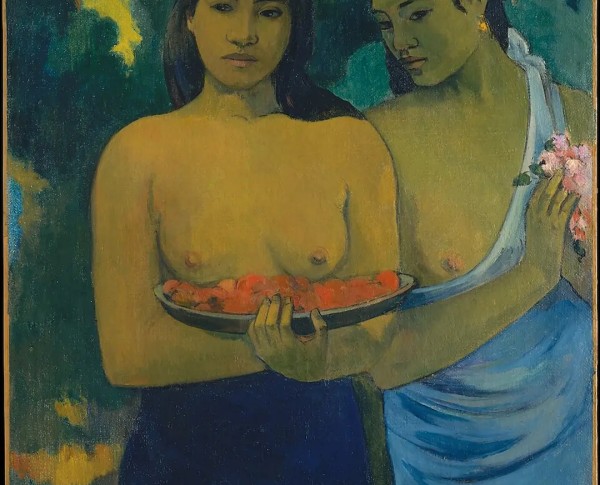
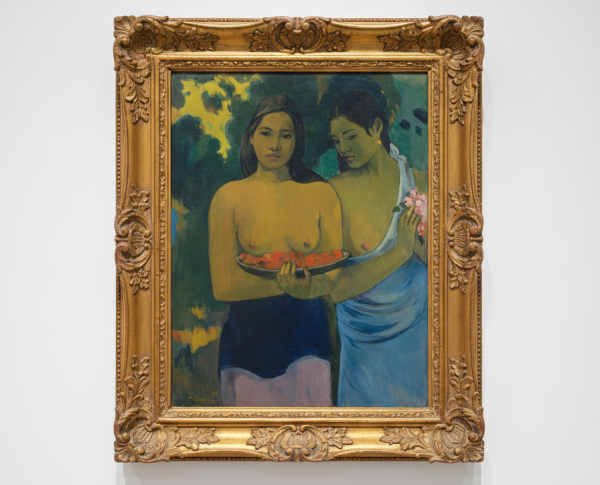
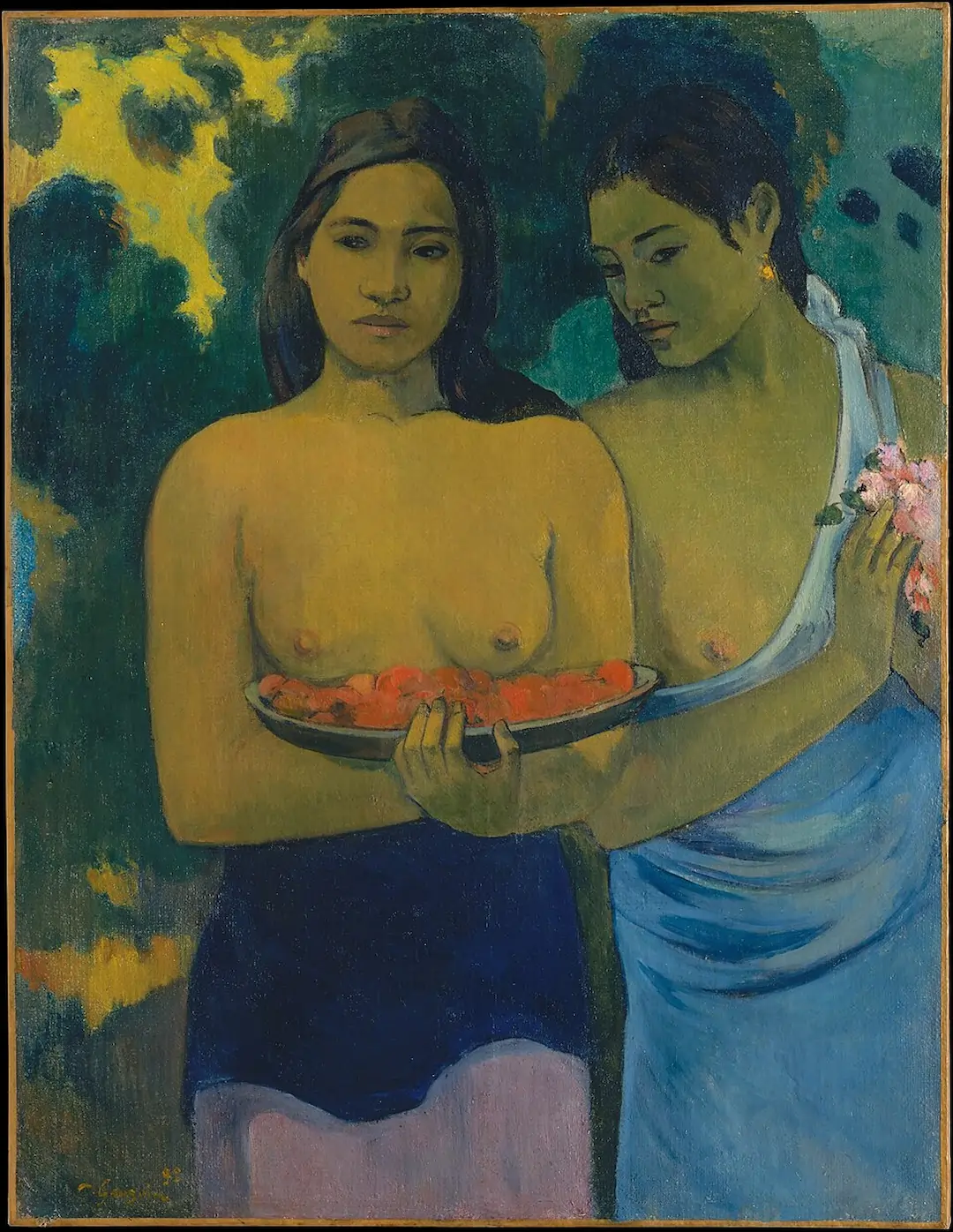
"Vision After the Sermon" is rich with symbolism, illustrating Jacob wrestling with an angel as witnessed by devout women. Gauguin’s hand-painted oil painting technique brings these spiritual themes to life, inviting viewers to interpret the narrative’s deeper meaning. The Post-Impressionism movement’s emphasis on inner vision is evident here. Collectors may also enjoy related works like "Two Tahitian Women," which further explore symbolism and storytelling in fine art painting for sale.
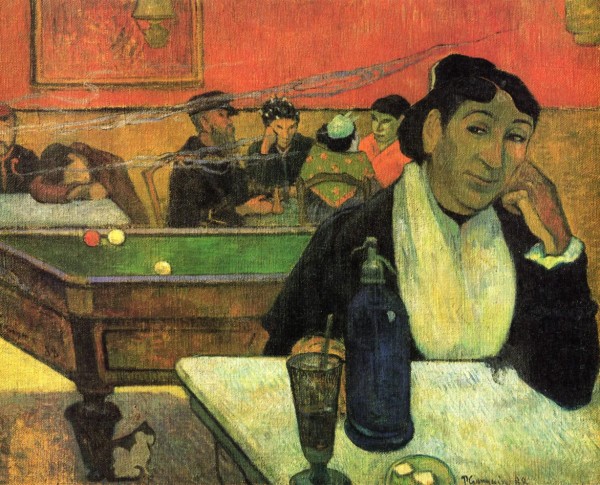
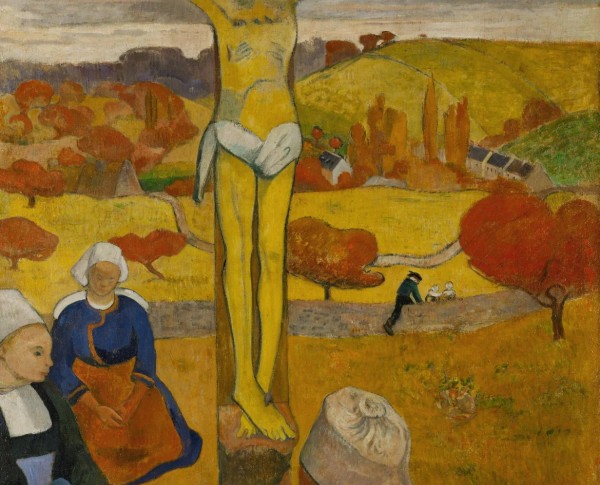
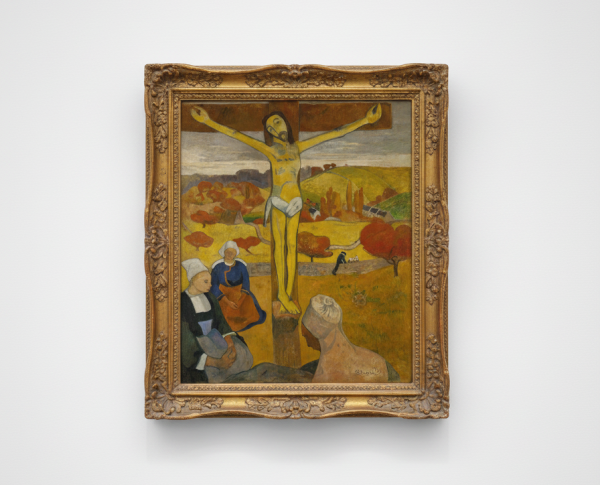
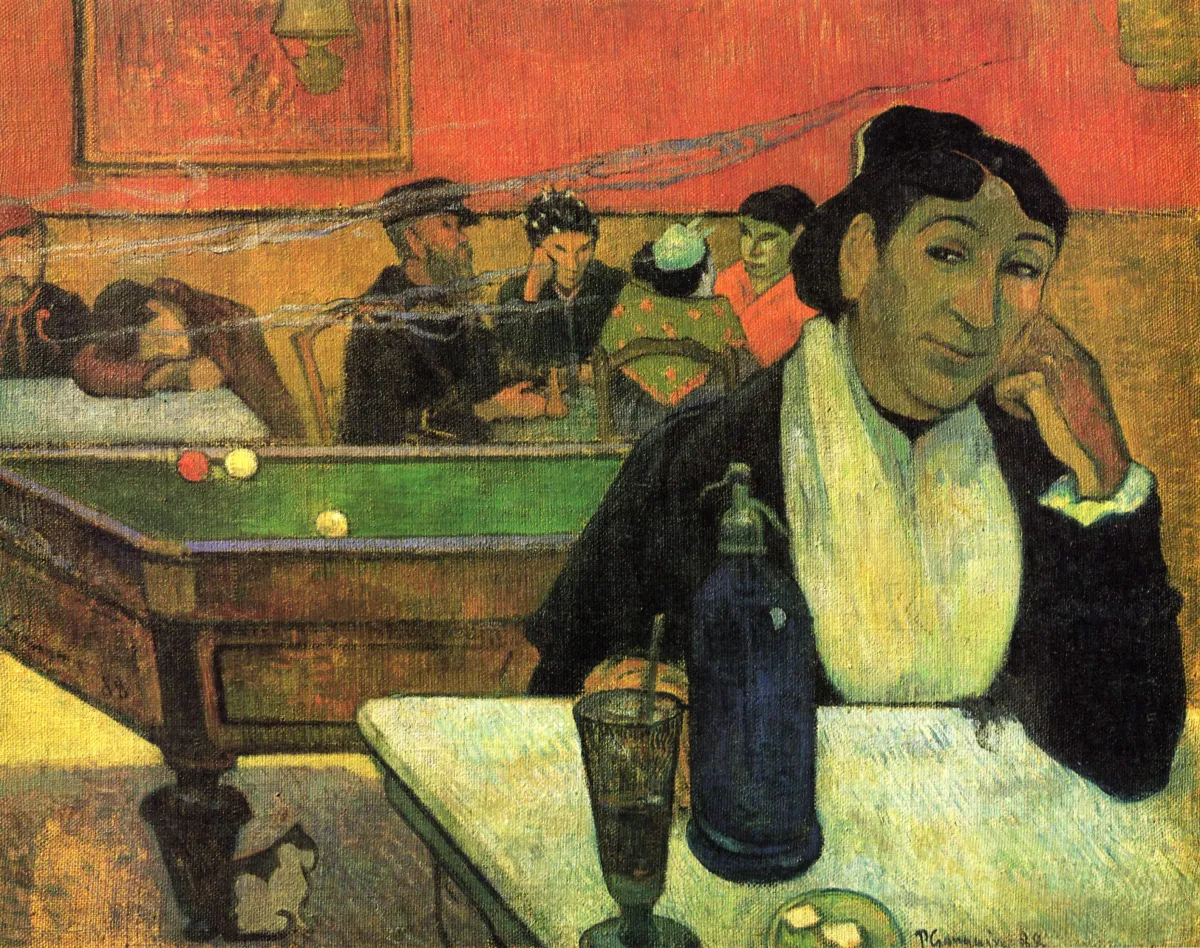
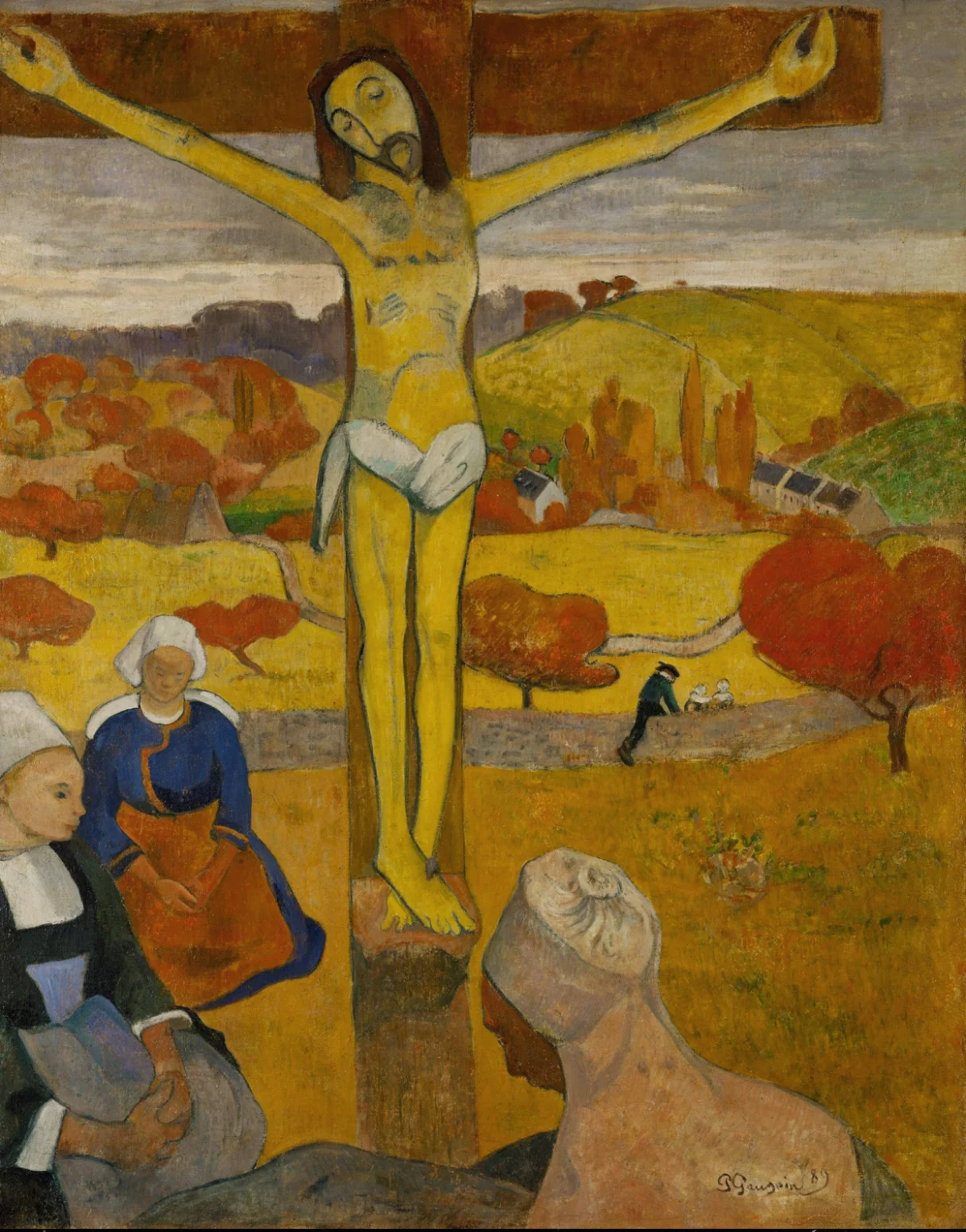
Owning "Vision After the Sermon" is a dream for any serious art collector, as this oil on canvas masterpiece by Paul Gauguin epitomizes the Post-Impressionism movement. Its historical importance and visual impact make it a sought-after fine art painting for sale. For those looking to expand their collection, related products such as "The Night Café in Arles," "The Yellow Christ," and "Aha Oe Feii?" are equally compelling additions.
When Art Meets History
"Vision After the Sermon" by Paul Gauguin stands as a pivotal work in the Post-Impressionism movement, capturing a moment where art intersects with spiritual narrative. Painted in 1888, this hand-painted oil painting illustrates Breton women witnessing Jacob wrestling an angel. Gauguin’s fascination with symbolism and rural life is evident, linking this masterpiece to related paintings like "Breton Women and Children" and "The White Orchard" for their shared themes of faith and tradition.
Techniques That Speak
Gauguin’s innovative use of oil on canvas in "Vision After the Sermon" showcases bold colors and flattened forms, hallmarks of Post-Impressionism. The vivid reds and dynamic composition break from naturalism, creating a dreamlike quality. These techniques influenced his contemporaries and are echoed in works such as "Wheat Field With Crows" and "Olive Trees With Yellow Sky And Sun," highlighting the evolution of the oil on canvas medium in fine art history.
Emotions on Display
The emotional depth of "Vision After the Sermon" is palpable, with Gauguin’s depiction of spiritual ecstasy and communal devotion. The expressive faces and striking contrasts evoke a sense of wonder and introspection, hallmarks of Post-Impressionism. This fine art painting for sale continues to resonate with viewers, much like "Christ Church Ferry" and "Breton Women and Children," which also explore the profound emotional experiences of everyday life.
Coveted by Collectors
As a renowned fine art painting for sale, "Vision After the Sermon" is highly sought after by collectors worldwide. Its significance in Gauguin’s oeuvre and the Post-Impressionism movement makes it a prized possession. Collectors often seek related paintings such as "The White Orchard" and "Olive Trees With Yellow Sky And Sun," all of which exemplify the era’s bold experimentation and timeless appeal in the world of hand-painted oil paintings.
Related Post-Impressionism Hand-Painted Oil Paintings by Other Artists
Other Famous Post-Impressionism Artists:
Frequently Asked Questions About Vision After the Sermon
What is the historical context of "Vision After the Sermon"?
"Vision After the Sermon" was painted in 1888 during Paul Gauguin's time in Brittany, France, a period characterized by a search for spiritual and artistic renewal. The painting reflects the influence of the Symbolist movement, which sought to convey deeper meanings through imagery.
What artistic techniques did Gauguin use in "Vision After the Sermon"?
Gauguin employed bold colors, flat forms, and a lack of perspective to create a sense of emotional intensity. The use of strong contrasts and simplified shapes emphasizes the spiritual theme of the painting.
What is the significance of the red background in the painting?
The striking red background symbolizes the emotional and spiritual fervor of the scene. It serves to separate the earthly realm from the spiritual vision experienced by the women depicted in the painting.
Who are the figures depicted in "Vision After the Sermon"?
The painting features a group of Breton women, dressed in traditional attire, who are witnessing a vision of the biblical story of Jacob wrestling with the angel. Their expressions convey a sense of awe and contemplation.
What themes are explored in "Vision After the Sermon"?
The painting explores themes of faith, spirituality, and the intersection of reality and vision. It reflects Gauguin's interest in the mystical and the power of religious experience.
How does "Vision After the Sermon" reflect Gauguin's artistic philosophy?
Gauguin believed in the importance of expressing emotions and ideas through art rather than merely depicting reality. "Vision After the Sermon" exemplifies this philosophy by prioritizing spiritual vision over realistic representation.
What influence did "Vision After the Sermon" have on later art movements?
The painting had a significant impact on the development of modern art, particularly on movements such as Fauvism and Expressionism, which embraced bold colors and emotional expression. It encouraged artists to explore subjective experiences in their work.
What role does symbolism play in "Vision After the Sermon"?
Symbolism is central to the painting, as it conveys complex ideas and emotions through visual metaphors. The wrestling scene represents the struggle between the spiritual and the earthly, inviting viewers to contemplate their own beliefs.
How did Gauguin's time in Brittany influence "Vision After the Sermon"?
Gauguin's stay in Brittany exposed him to the region's rich cultural and spiritual traditions. The local customs, folklore, and religious practices deeply influenced his artistic vision, as seen in the themes and characters of this painting.
What is the current significance of "Vision After the Sermon" in the art world?
"Vision After the Sermon" is regarded as a seminal work in the history of modern art. It is celebrated for its innovative approach to color and form, and it continues to inspire contemporary artists exploring themes of spirituality and emotional depth.






















_GFM_Painting_(1).webp)


 100% Hand-Painted: Finished in 3-6 Weeks

.png)















_(1).webp)