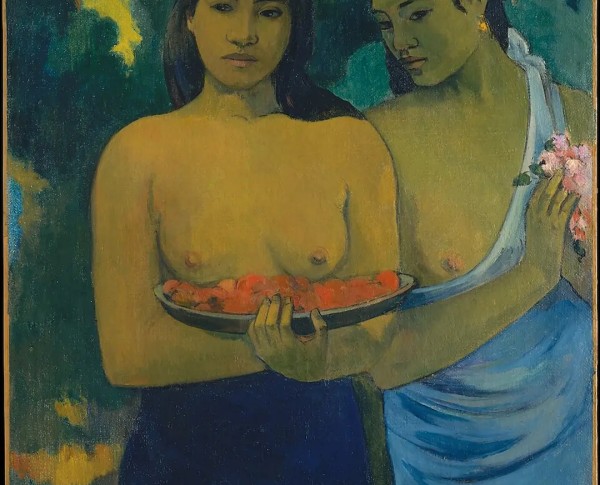
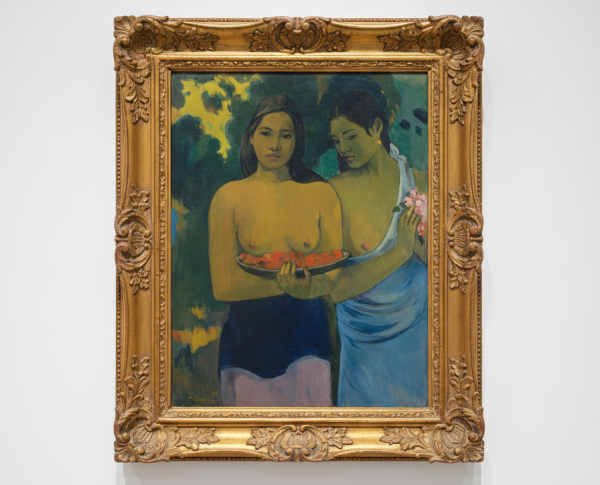
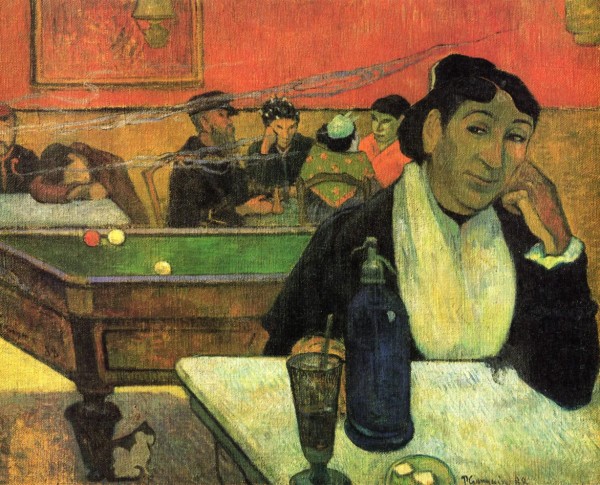
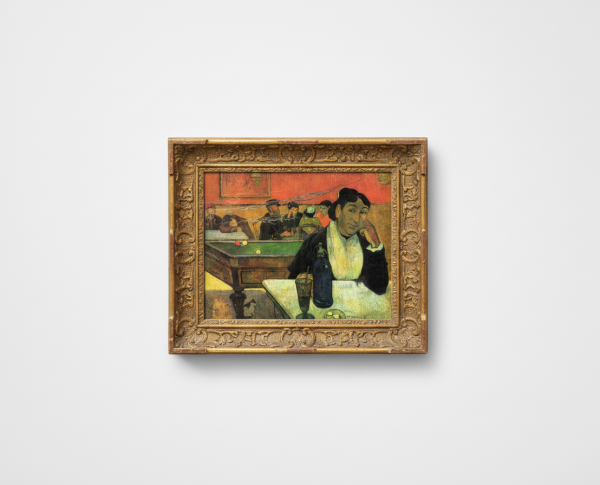
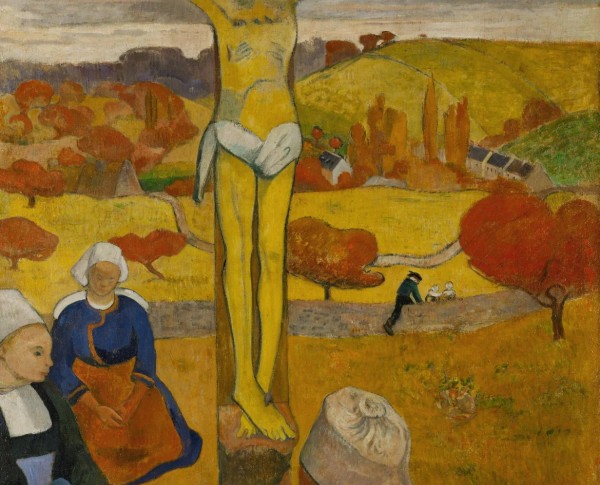
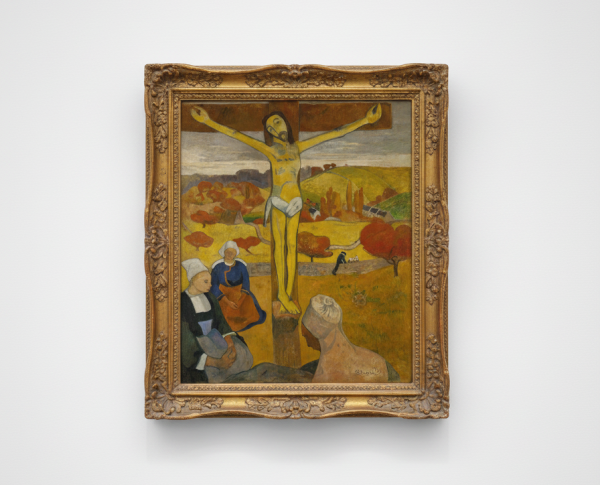
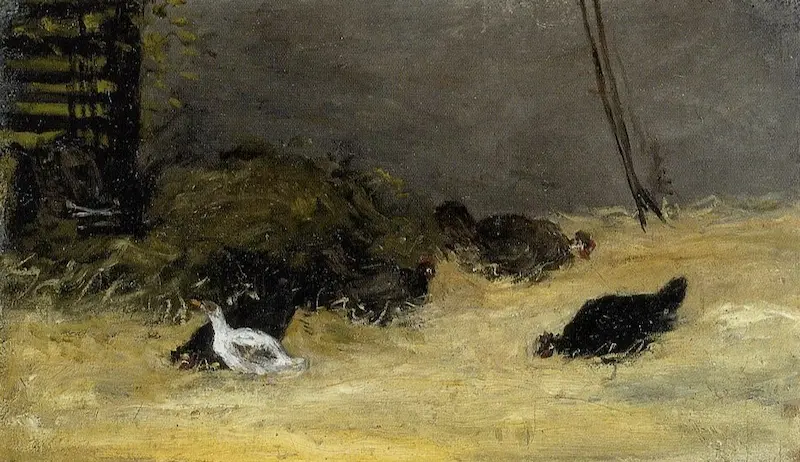
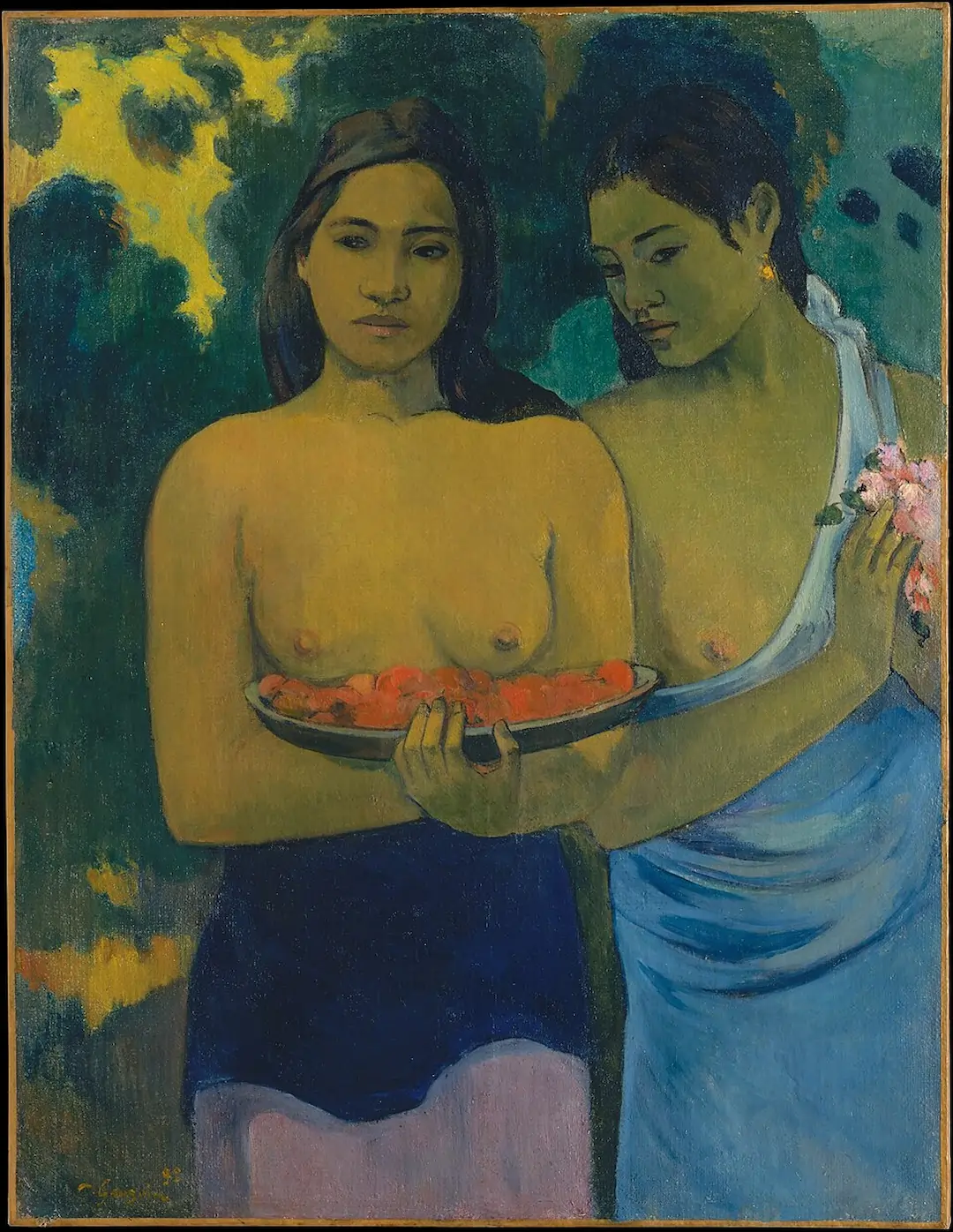
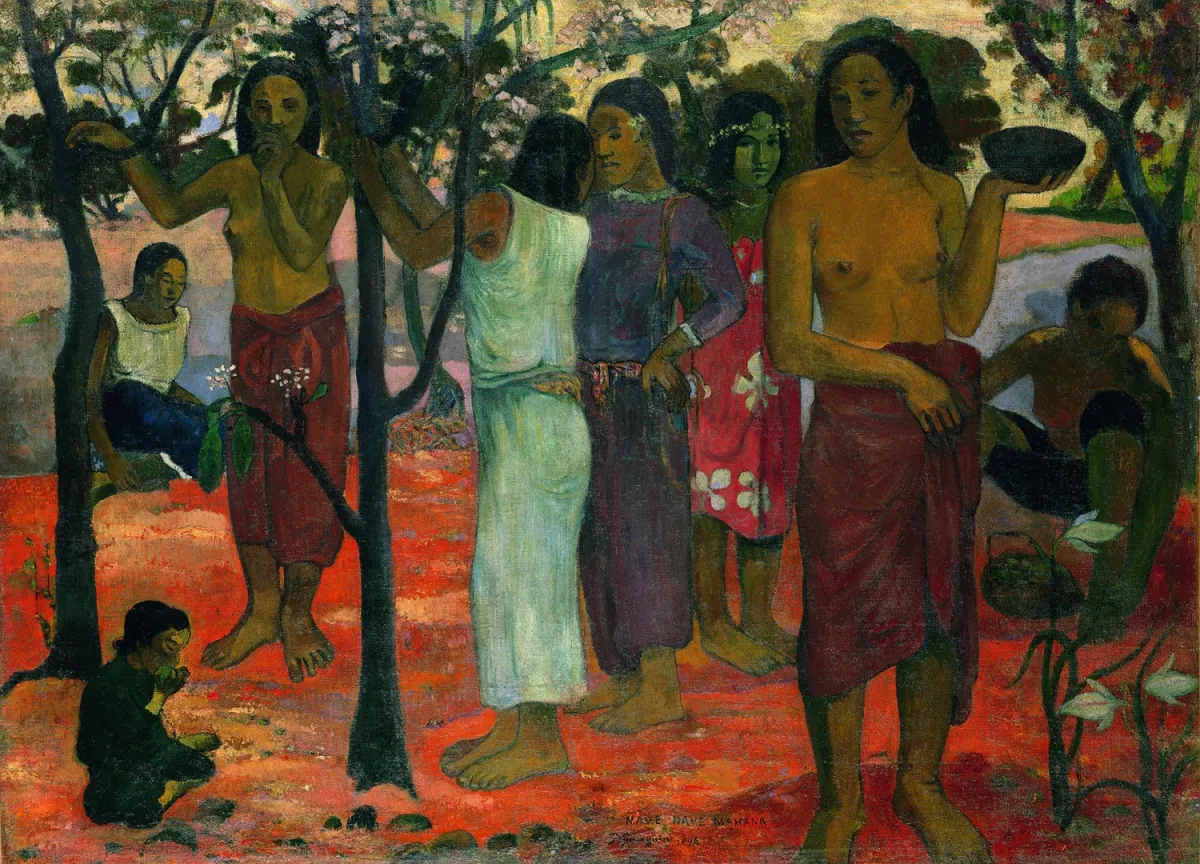
Gauguin’s "Chicken Coop" showcases his exceptional skill with oil on canvas, blending bold colors and expressive brushwork to capture the essence of everyday scenes. As a leading figure in Post-Impressionism, Gauguin’s techniques in this painting highlight his evolution as an artist. Admirers of oil on canvas works will find parallels between "Chicken Coop" and other Gauguin paintings such as "Nave Nave Mahana" and "Parahi te marae," each displaying his mastery of the medium.
Beyond its vibrant surface, "Chicken Coop" by Paul Gauguin tells a story rich in symbolism, drawing viewers into the world of Post-Impressionism. The hand-painted oil painting reveals Gauguin’s interest in everyday subjects, yet infuses them with deeper meaning. Art lovers exploring fine art painting for sale will find connections with related works like "The Painter of Sunflowers" and "Vairumati," each offering narratives layered with Gauguin’s unique perspective.
Owning "Chicken Coop" is a rare opportunity for collectors seeking an authentic oil on canvas from the Post-Impressionism era. Paul Gauguin’s artistry ensures this piece stands out among fine art painting for sale, making it a valuable addition to any collection. This painting harmonizes beautifully with related products such as "Where Do We Come From? What Are We? Where Are We Going?" and "Nave Nave Mahana," offering a glimpse into Gauguin’s creative legacy.
When Art Meets History
"Chicken Coop" by Paul Gauguin stands as a remarkable hand-painted oil painting from the Post-Impressionism movement. Created during a transformative period in art history, this work reflects Gauguin’s innovative approach and fascination with rural life. The painting resonates with themes found in related works like "The Goat Herd" and "Peasant Woman Against a Background of Wheat," blending history with artistry to create a truly timeless piece that continues to captivate art lovers worldwide.
Techniques That Speak
Employing oil on canvas, Paul Gauguin masterfully uses bold colors and expressive brushstrokes in "Chicken Coop." His distinct Post-Impressionist technique brings depth and vibrancy, setting this painting apart from traditional works. Similar techniques can be observed in "At Eternity’s Gate" and "Wheat Field Under Clouded Sky," where Gauguin’s style transforms simple rural scenes into dynamic visual experiences, making each oil on canvas creation a testament to his enduring influence on modern art.
Emotions on Display
Gauguin’s "Chicken Coop" channels emotion through its vivid palette and composition, inviting viewers to feel the rustic tranquility of country life. This fine art painting for sale evokes the same contemplative mood found in "Peach Trees in Blossom" and other Post-Impressionist masterpieces. The artist’s ability to capture atmosphere and sentiment allows collectors and admirers alike to connect deeply with the work, making it a cherished addition to any art collection.
Coveted by Collectors
As a celebrated hand-painted oil painting, "Chicken Coop" by Paul Gauguin is highly sought after among collectors of Post-Impressionist art. Its historical relevance and visual appeal place it alongside notable works such as "Wheat Field Under Clouded Sky" and "At Eternity’s Gate." Owning this masterpiece means investing in a piece of art history, as each Gauguin painting continues to increase in value and prestige within the fine art market.
Related Post-Impressionism Hand-Painted Oil Paintings by Other Artists
Other Famous Post-Impressionism Artists:
Frequently Asked Questions About Chicken Coop
What is the historical context of Paul Gauguin's "Chicken Coop"?
"Chicken Coop" was painted during Gauguin's time in Brittany, France, where he sought to capture the rural life and the simplicity of peasant existence. This period was marked by a desire to escape the industrialization of modern society.
What artistic techniques did Gauguin employ in "Chicken Coop"?
Gauguin utilized bold colors and simplified forms, characteristic of his post-Impressionist style. He often employed a flat perspective and strong outlines to emphasize the subject matter, creating a sense of depth and emotion.
What symbolism is present in "Chicken Coop"?
The chicken coop symbolizes domesticity and the connection between humans and nature. It reflects Gauguin's interest in the themes of rural life and the harmony found within it, contrasting with urban modernity.
How does "Chicken Coop" reflect Gauguin's artistic philosophy?
Gauguin believed in the importance of expressing emotion through color and form. "Chicken Coop" exemplifies his philosophy by showcasing the beauty of everyday life and the emotional resonance of simple subjects.
In what ways did "Chicken Coop" influence later art movements?
The painting's use of color and abstraction influenced movements such as Fauvism and Expressionism. Artists who followed Gauguin were inspired by his ability to convey emotion through vivid palettes and simplified shapes.
What is the significance of the setting in "Chicken Coop"?
The setting in "Chicken Coop" is significant as it captures the essence of rural life in Brittany, a region that deeply influenced Gauguin's work. It serves as a backdrop for exploring themes of simplicity and the beauty of nature.
How does "Chicken Coop" compare to other works by Gauguin?
Compared to other works by Gauguin, "Chicken Coop" is more grounded in realism, focusing on everyday life rather than the exotic themes found in his Tahitian paintings. It showcases his versatility as an artist.
What emotions does "Chicken Coop" evoke in viewers?
The painting evokes feelings of nostalgia, tranquility, and a sense of connection to nature. The warm colors and serene subject matter invite viewers to reflect on the simplicity and beauty of rural life.
What role does light play in "Chicken Coop"?
Light in "Chicken Coop" is used to highlight the textures and forms of the chicken coop and its surroundings. Gauguin's manipulation of light enhances the emotional impact of the scene, creating a warm and inviting atmosphere.
What can we learn about Gauguin's view of rural life from "Chicken Coop"?
"Chicken Coop" reveals Gauguin's admiration for the simplicity and authenticity of rural life. He viewed it as a source of inspiration and a counterpoint to the complexities of modern urban existence, celebrating the beauty found in everyday moments.






















_GFM_Painting_(1).webp)


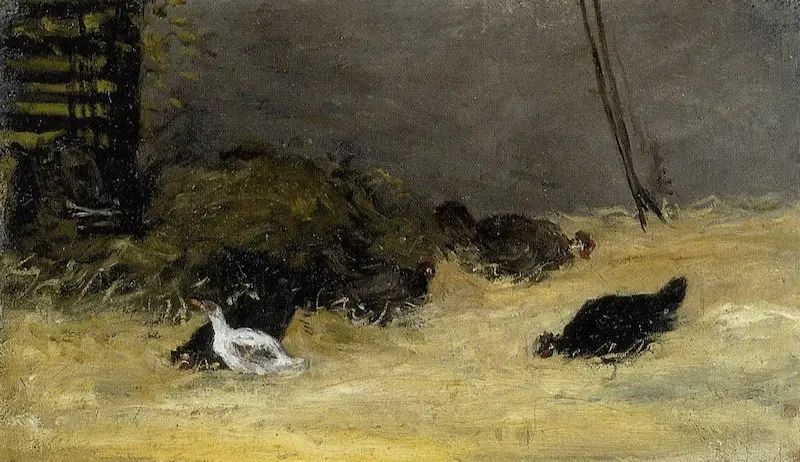
 100% Hand-Painted: Finished in 3-6 Weeks

.png)















_(1).webp)