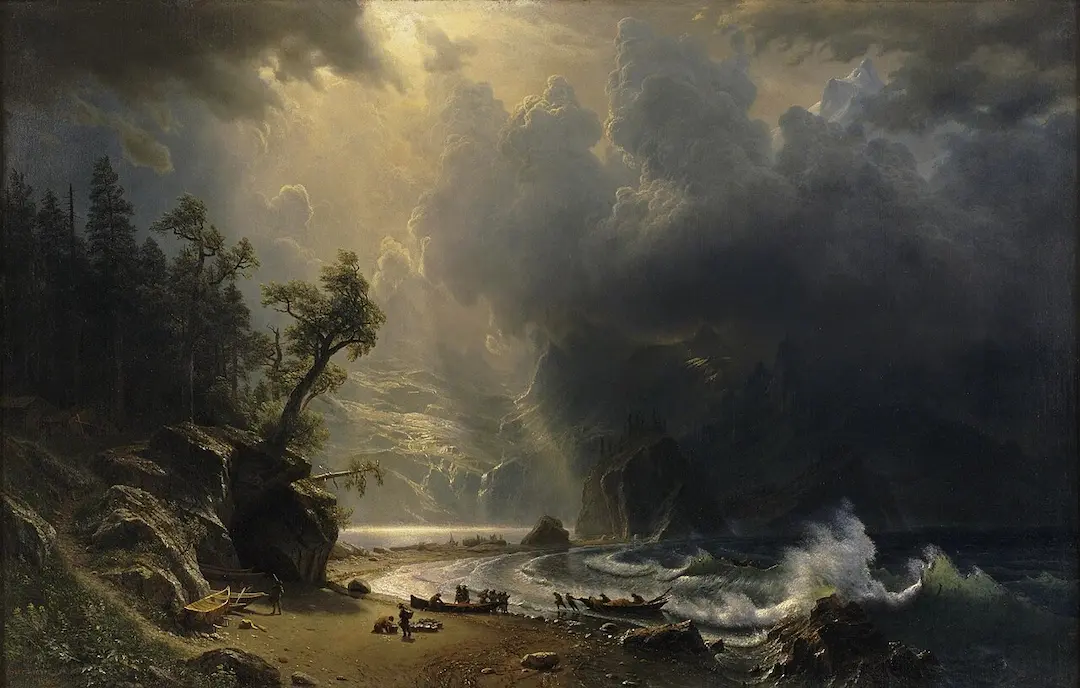
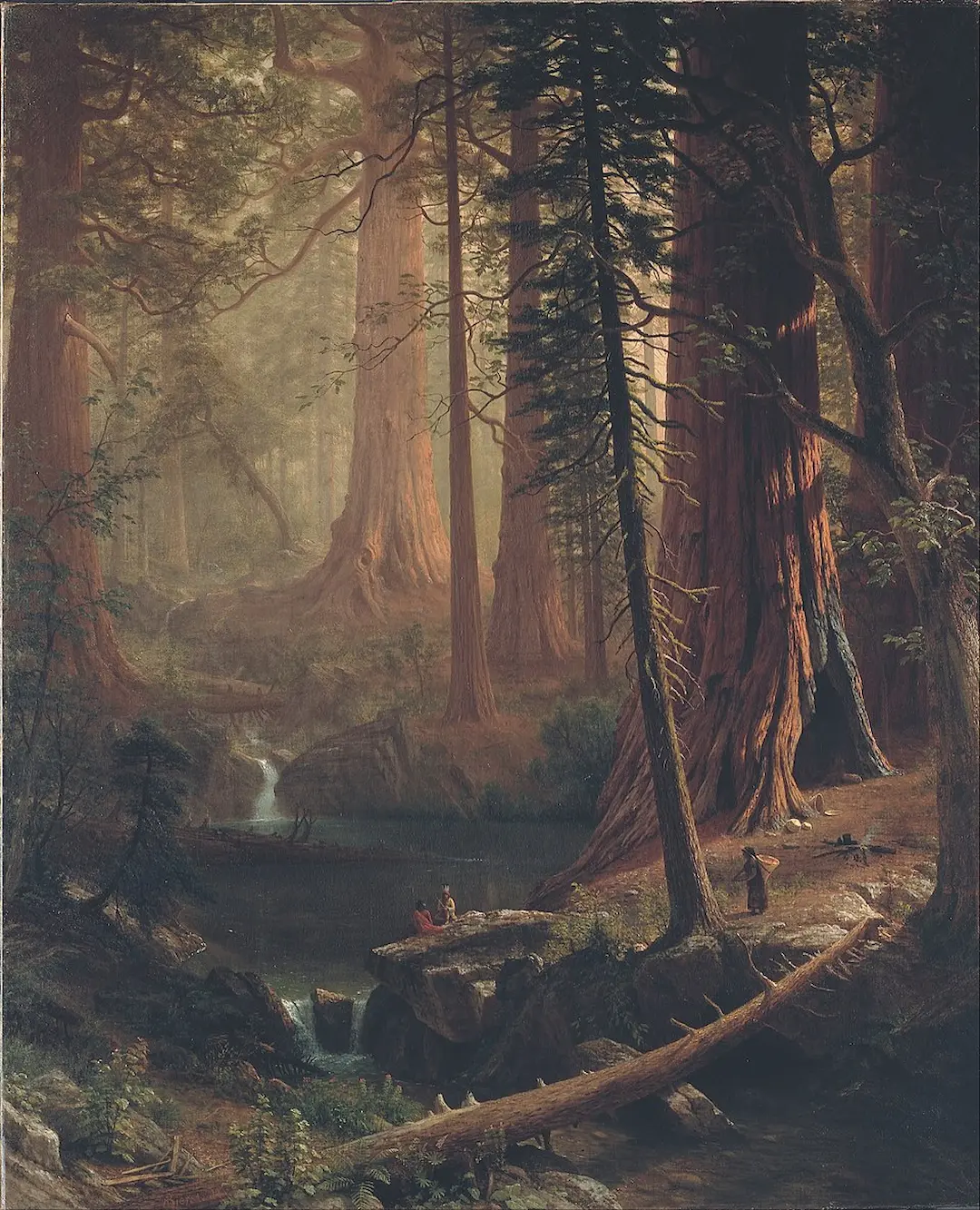
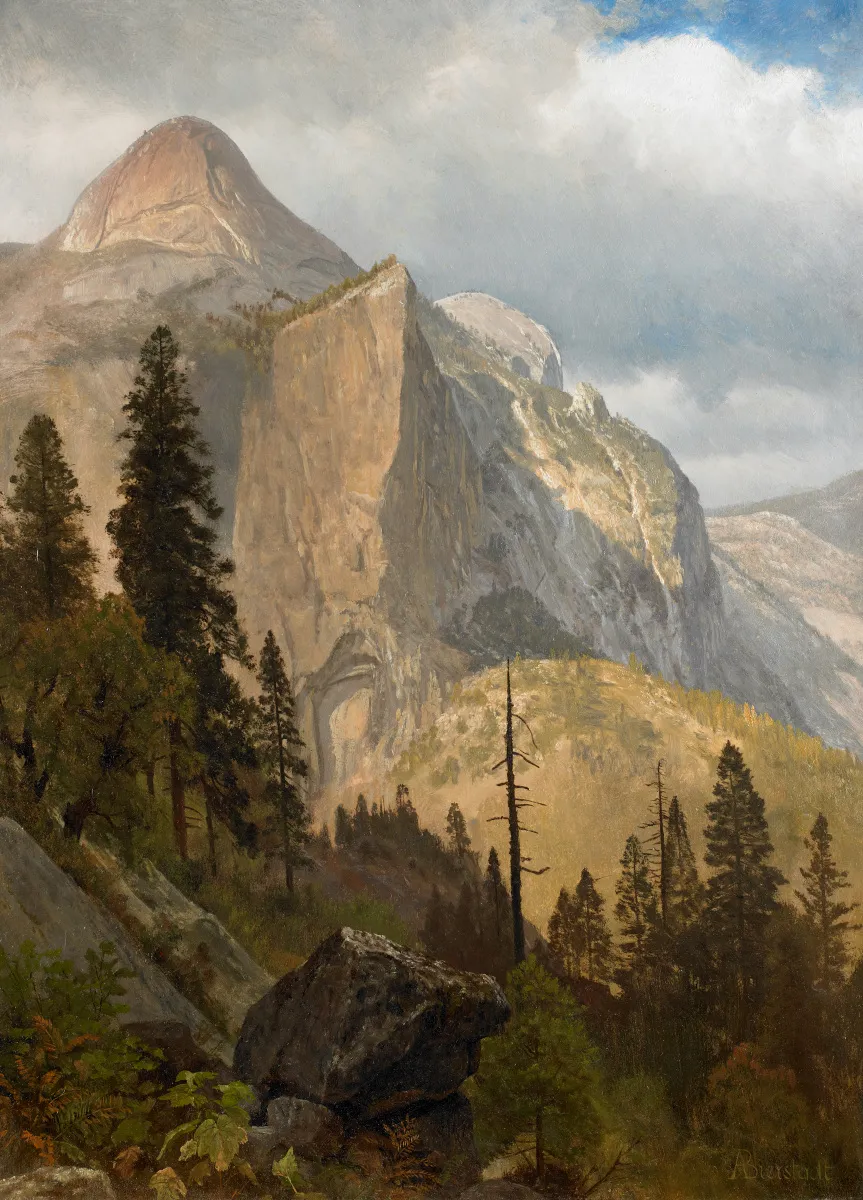
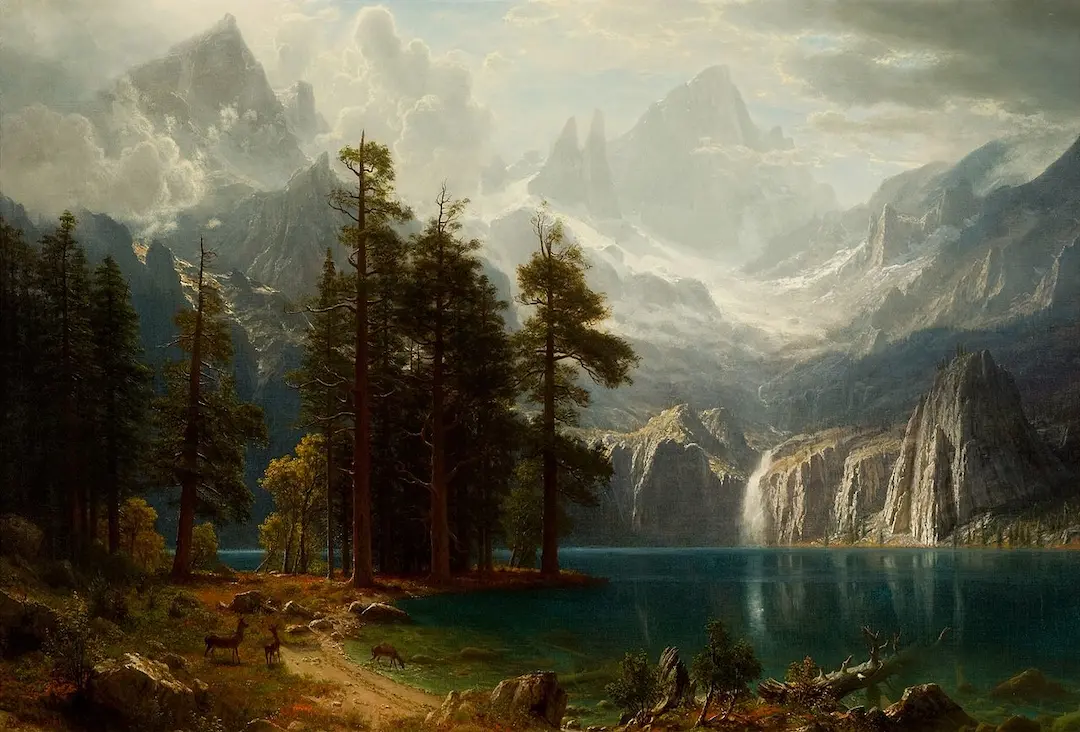
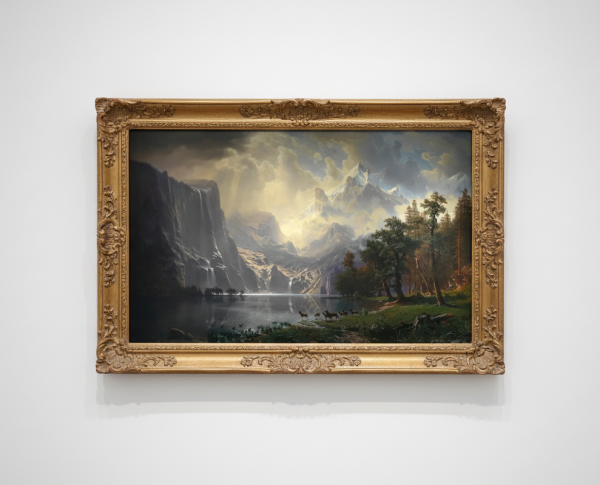
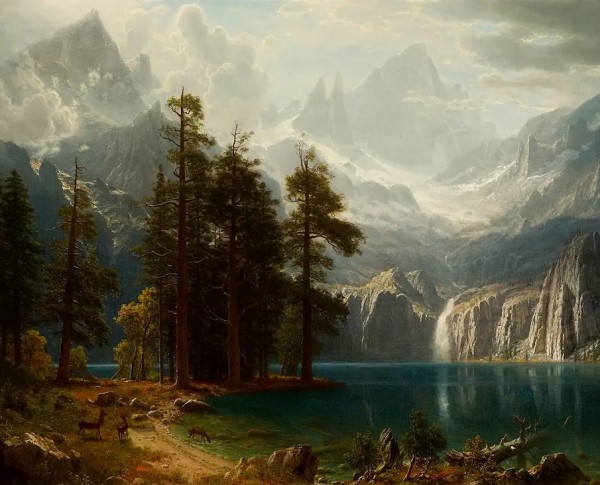
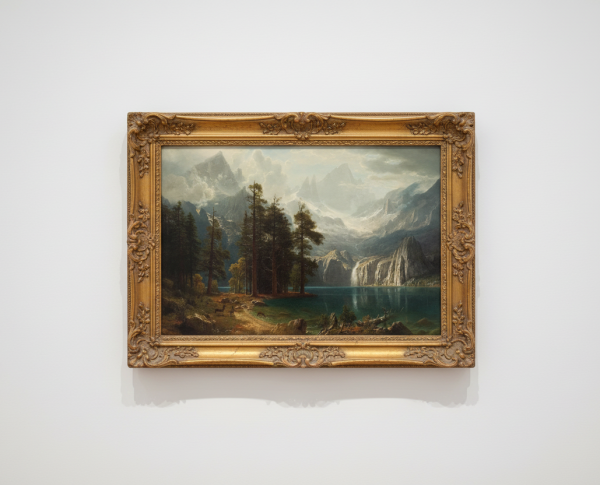
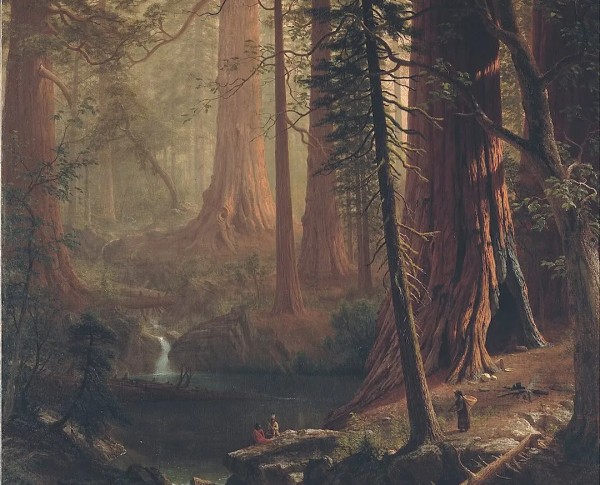
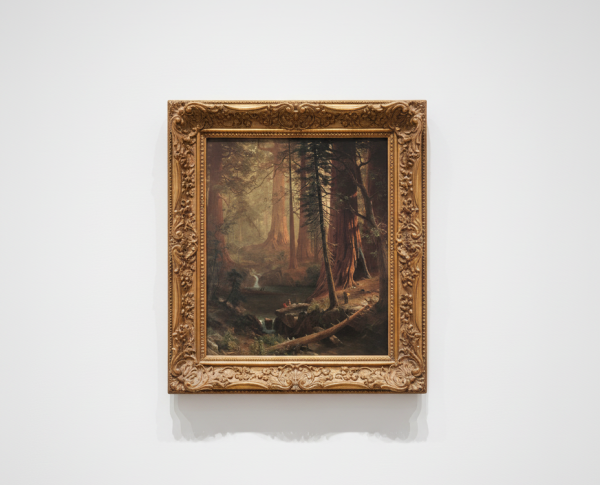
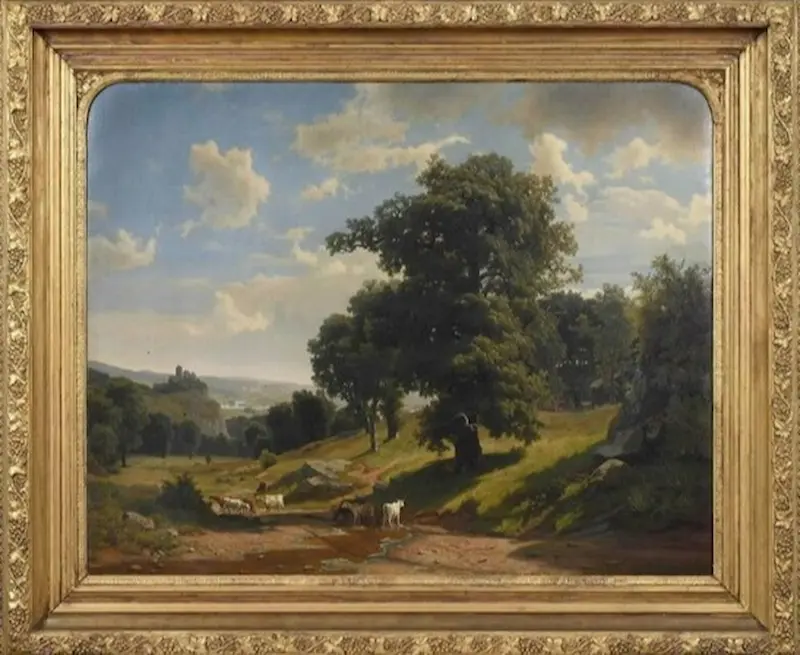
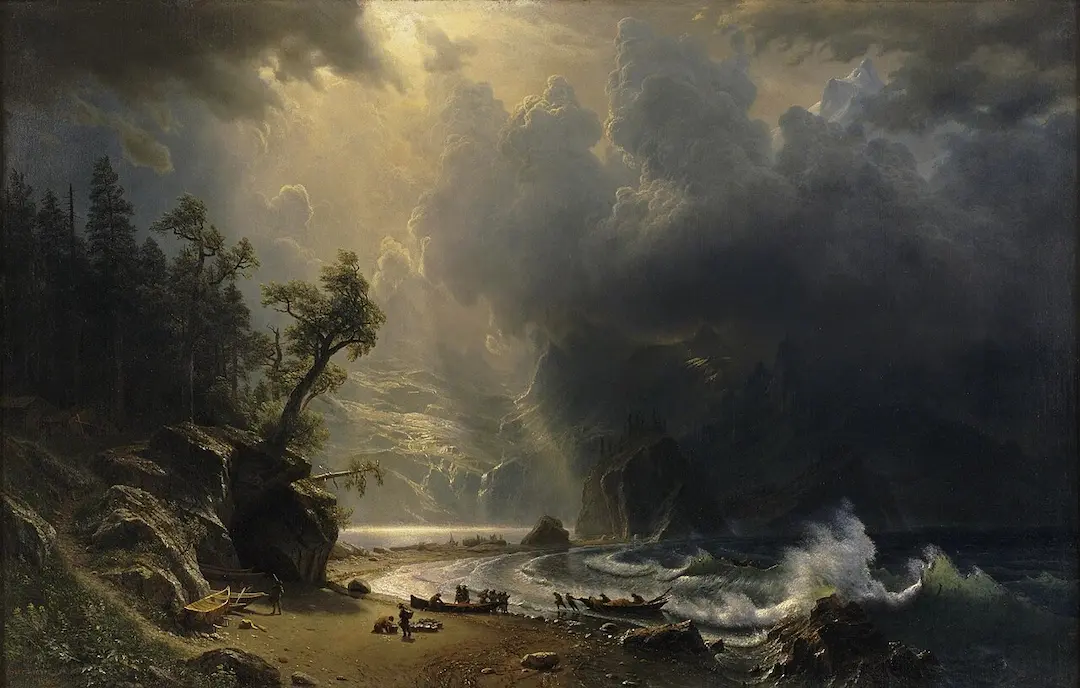
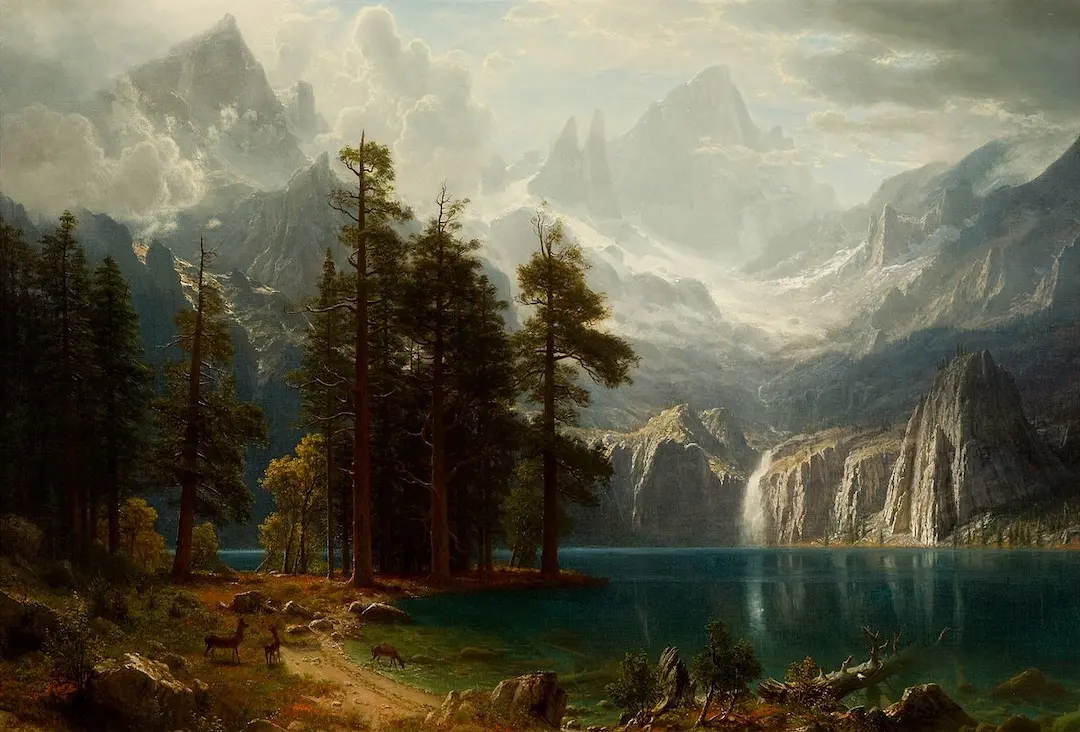
Bierstadt’s technique in "A Quiet Valley" highlights the artist’s command over oil on canvas, a medium favored by many Hudson River School painters. His meticulous attention to detail and atmospheric perspective create a lifelike depth, making the scene almost tangible. This approach can be seen in other fine art painting for sale, such as "A Storm in the Rocky Mountains, Mt. Rosalie" and "Falls of Niagara from Below," which capture similar moods and vistas.
Every brushstroke in "A Quiet Valley" tells a story, reflecting the Hudson River School’s reverence for America’s landscapes and nature’s sublime power. This hand-painted oil painting invites interpretation, with subtle symbols of harmony and solitude woven throughout the composition. Bierstadt’s narrative style is echoed in related works like "Bavarian Landscape" and "Looking Down Yosemite Valley, California," where each scene becomes a visual journey into the heart of the wilderness.
For collectors seeking a distinguished fine art painting for sale, "A Quiet Valley" by Albert Bierstadt is a prized addition. Its oil on canvas composition, rooted in the Hudson River School movement, offers timeless elegance and historical significance. Pairing this masterpiece with other related products, such as "Falls of Niagara from Below" or "Looking Down Yosemite Valley, California," creates a curated collection that celebrates Bierstadt’s enduring influence in American art.
When Art Meets History
Albert Bierstadt's "A Quiet Valley" stands as a remarkable example of the Hudson River School movement, capturing the tranquil beauty of the American landscape during the 19th century. This hand-painted oil painting reflects the era's fascination with untouched wilderness and the sublime. Bierstadt's attention to historical context and natural detail places "A Quiet Valley" among his celebrated works, inviting viewers to appreciate the rich legacy of American landscape art and the enduring appeal of masterful craftsmanship.
Techniques That Speak
In "A Quiet Valley," Bierstadt employs meticulous brushwork and luminous light effects characteristic of the Hudson River School. His use of oil on canvas enables a vibrant interplay of color and texture, bringing the serene valley scene to life. The artist's technique is evident in the atmospheric perspective and delicate rendering of foliage. This approach not only defines Bierstadt’s unique style but also connects "A Quiet Valley" to other masterpieces within this influential movement.
Emotions on Display
"A Quiet Valley" by Albert Bierstadt evokes a sense of peace and wonder, drawing the viewer into a serene natural world. The composition’s gentle light and harmonious landscape embody the Hudson River School's celebration of nature’s majesty. As a fine art painting for sale, it resonates with collectors and art enthusiasts alike, offering a timeless emotional connection. Bierstadt’s evocative portrayal ensures the painting’s enduring relevance among his most beloved works.
Coveted by Collectors
Collectors prize "A Quiet Valley" for its exquisite representation of the Hudson River School’s ideals and Bierstadt’s masterful technique. The painting’s status as a hand-painted oil painting enhances its desirability among those seeking exceptional artistry. As interest in 19th-century American landscapes grows, works like "A Quiet Valley" become even more sought after, solidifying Bierstadt’s reputation and making this piece a standout in any collection of fine art.
Frequently Asked Questions About "A Quiet Valley"
What is the historical context of "A Quiet Valley"?
"A Quiet Valley" was painted during the mid-19th century, a time when the American landscape was being explored and celebrated. Albert Bierstadt, a prominent member of the Hudson River School, sought to capture the grandeur of the American West, reflecting the nation's spirit of exploration and manifest destiny.
What artistic techniques did Albert Bierstadt use in "A Quiet Valley"?
Bierstadt employed a technique known as luminism, characterized by the meticulous rendering of light and atmosphere. In "A Quiet Valley," he uses soft, diffused light to create a serene and inviting landscape, highlighting the interplay between light and shadow.
What themes are present in "A Quiet Valley"?
The painting embodies themes of tranquility and the sublime beauty of nature. It reflects the Romantic ideal of nature as a source of inspiration and solace, inviting viewers to contemplate the peacefulness of the natural world.
How does "A Quiet Valley" reflect Bierstadt's artistic philosophy?
Bierstadt believed in the power of nature to evoke emotion and inspire awe. "A Quiet Valley" exemplifies his philosophy by showcasing a harmonious landscape that encourages viewers to connect with the beauty and serenity of the natural environment.
What symbolism can be found in "A Quiet Valley"?
The valley itself symbolizes peace and refuge, serving as a metaphor for the untouched beauty of the American landscape. The gentle curves and soft colors evoke a sense of harmony, suggesting a paradise that is both idyllic and restorative.
How does "A Quiet Valley" compare to other works by Bierstadt?
What impact did "A Quiet Valley" have on American art?
"A Quiet Valley" contributed to the growing appreciation of American landscapes in art. It helped establish the genre of Western landscape painting and influenced future artists to explore and depict the natural beauty of the American wilderness.
In what ways does "A Quiet Valley" reflect the values of 19th-century America?
The painting reflects the 19th-century American values of exploration, appreciation for nature, and the idealization of the pastoral lifestyle. It captures a moment of serenity that resonates with the era's desire for connection to the land and its beauty.
What role did the Hudson River School play in the creation of "A Quiet Valley"?
The Hudson River School, of which Bierstadt was a key figure, emphasized the beauty of the American landscape and the spiritual connection to nature. This movement greatly influenced "A Quiet Valley," as it embodies the school's ideals of romanticism and the sublime in nature.
What is the significance of the color palette used in "A Quiet Valley"?
The color palette of "A Quiet Valley" features soft greens, blues, and warm earth tones, which evoke a sense of calm and harmony. This choice of colors enhances the painting's tranquil atmosphere and invites viewers to immerse themselves in the peaceful landscape.






















_GFM_Painting_(1).webp)


 100% Hand-Painted: Finished in 3-6 Weeks

.png)
















_(1).webp)