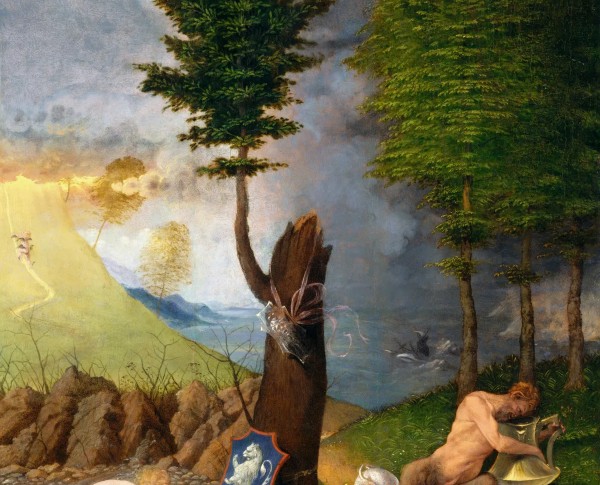
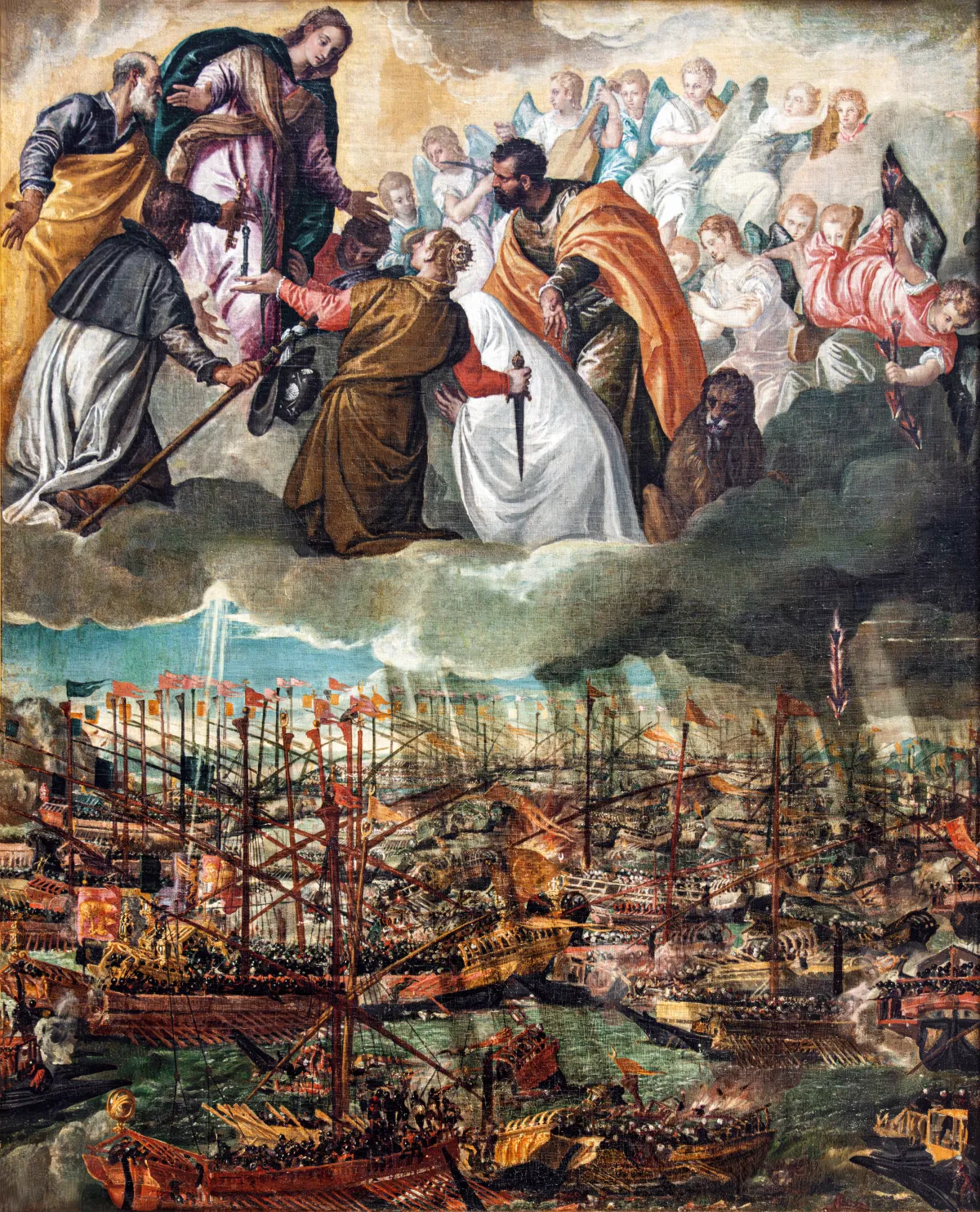
The “Allegory of the Battle of Lepanto” exhibits Veronese’s extraordinary skill with oil on canvas, a medium he mastered during the Renaissance. Every brushstroke reveals his attention to color, texture, and movement, echoing the vibrancy found in related works like “Venus and Adonis” and “St Luke.” The painting’s dynamic composition and luminous palette highlight Veronese’s innovative approach, making it a standout example of Renaissance artistry and a coveted treasure for collectors of oil on canvas works.
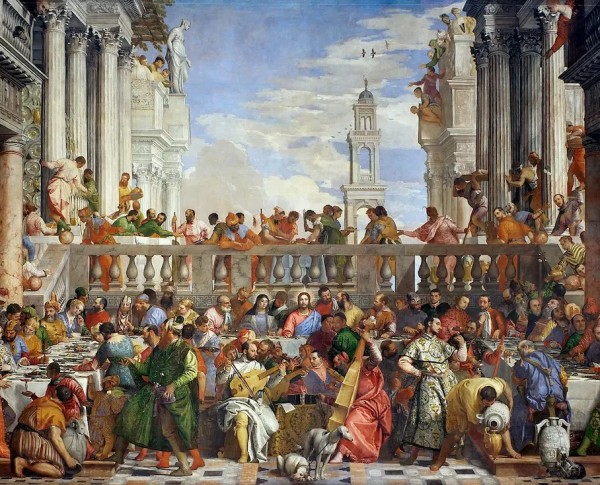
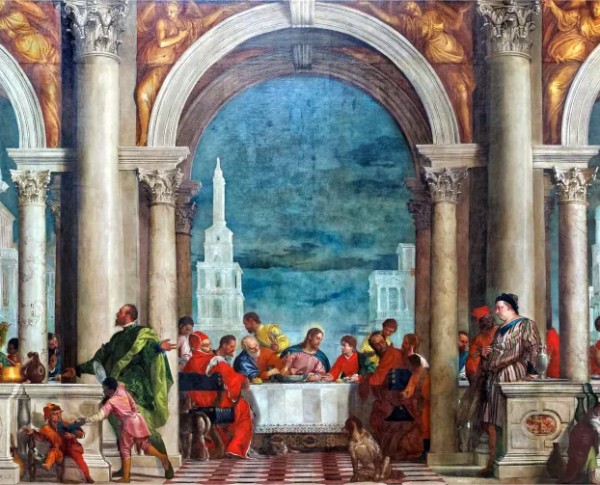
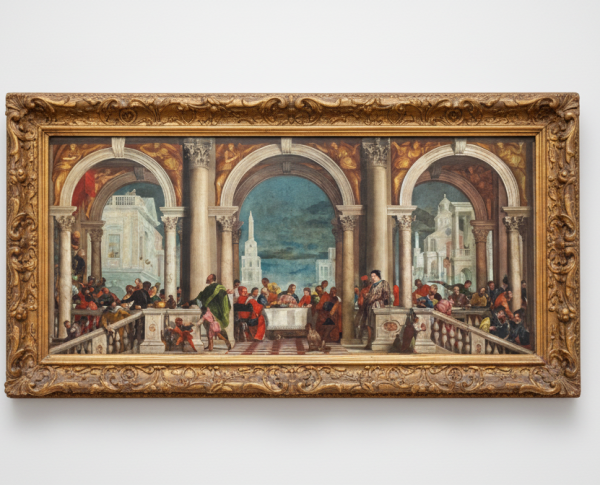
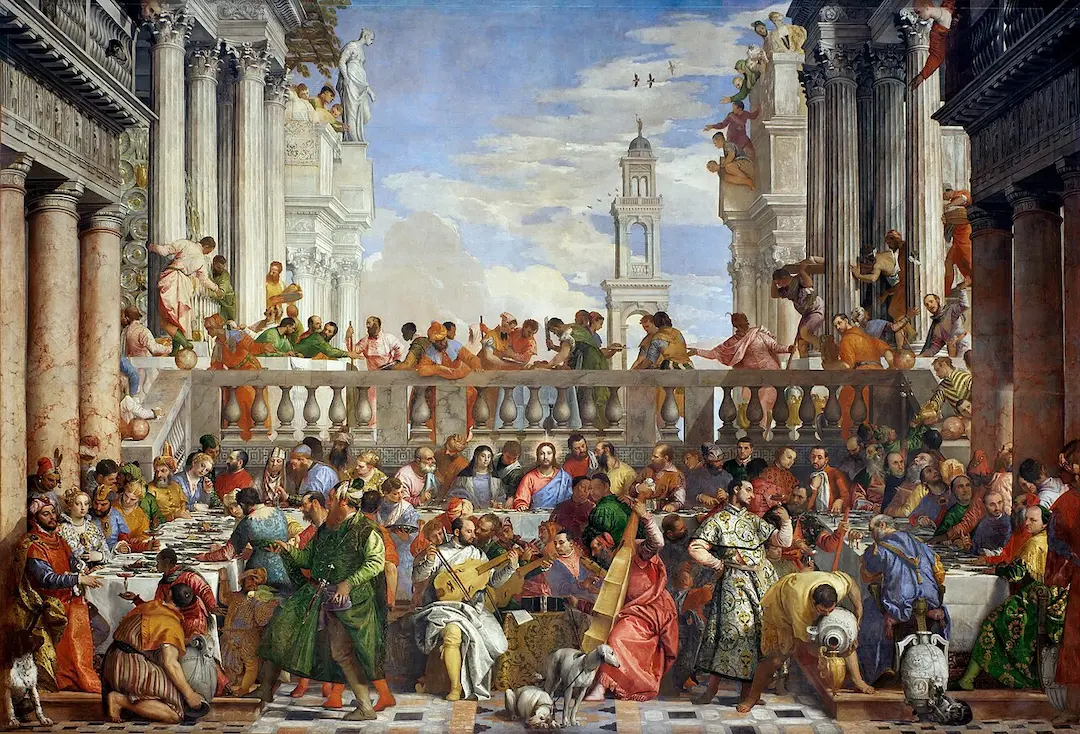
In this fine art painting for sale, Veronese weaves together allegory and history, filling the canvas with symbolism and deeper meaning. “Allegory of the Battle of Lepanto” is rich in narrative, reflecting the triumph of the Holy League through mythological and religious imagery. Like his celebrated “The Marriage Feast at Cana, c.1562,” Veronese’s storytelling invites viewers to explore each figure and motif, uncovering the layered stories that define the best of Renaissance oil paintings.
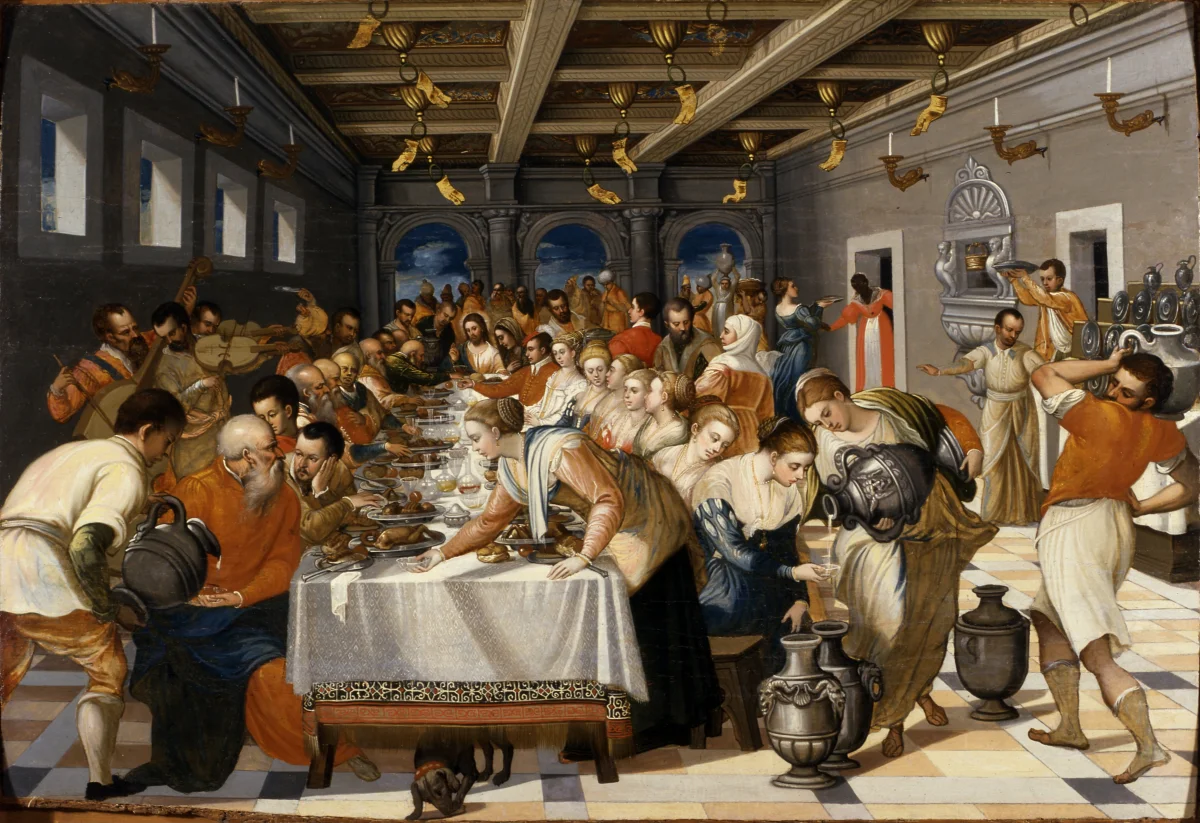
Owning Paolo Veronese’s “Allegory of the Battle of Lepanto” is a rare opportunity for any art collector seeking a hand-painted oil painting from the Renaissance. Its historical significance and artistic excellence make it comparable to other masterpieces such as “Portrait of a Young Man Wearing Lynx Fur.” Whether displayed alongside “The Wedding at Cana” or “Mystic Marriage of St Catherine,” this artwork elevates any collection, embodying the timeless allure of Renaissance fine art painting for sale.
When Art Meets History
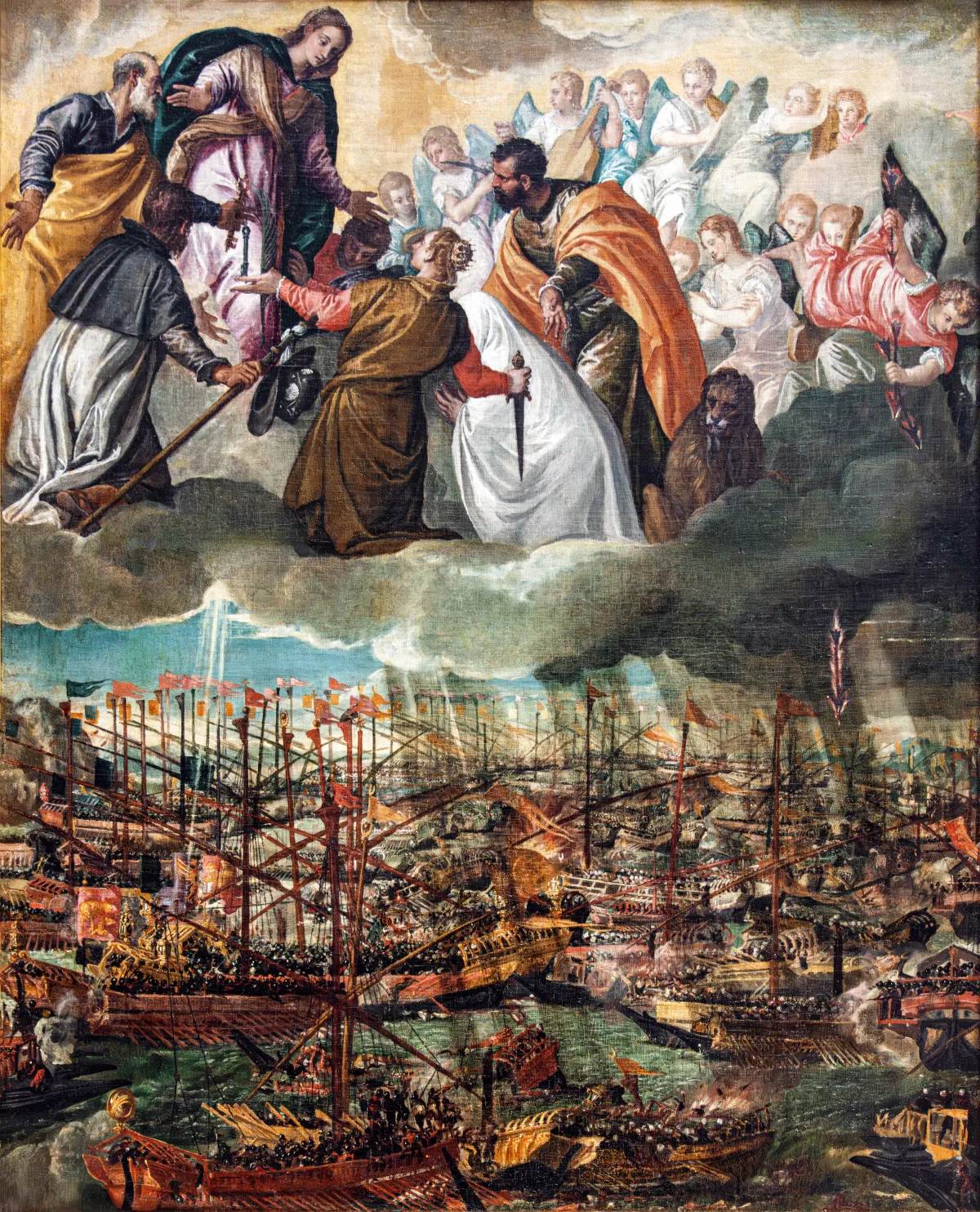
Paolo Veronese’s "Allegory of the Battle of Lepanto" stands as a remarkable testament to the Renaissance, blending historical narrative with artistic mastery. This hand-painted oil painting captures the pivotal 1571 naval conflict, symbolizing the victory of the Holy League over the Ottoman Empire. Like his other works, such as "Pope Alexander IV Presenting Jacopo Pesaro to St Peter," Veronese fuses political events with allegorical beauty, making this piece a centerpiece for any collection of Renaissance art.
Techniques That Speak
Veronese’s exceptional use of oil on canvas in "Allegory of the Battle of Lepanto" showcases his signature vibrant colors and dynamic compositions, hallmarks of the Renaissance movement. The artist’s attention to detail and masterful brushwork parallel his techniques in "Mary with the Child and Saints" and "Orpheus and Eurydice." These methods bring depth and movement to the scene, making every element of the painting come alive for viewers and admirers of classic oil on canvas masterpieces.
Emotions on Display
The emotional resonance in "Allegory of the Battle of Lepanto" is palpable, as Paolo Veronese conveys both the chaos of battle and the hope of triumph. The figures’ expressive gestures and the interplay of light and shadow evoke a powerful response, similar to his work in "Christ Carrying the Cross." This fine art painting for sale offers viewers a glimpse into the fervor and spiritual significance of the Renaissance era, making it a coveted piece for those seeking emotional depth in art.
Coveted by Collectors
Collectors highly prize "Allegory of the Battle of Lepanto" for its historical importance and exceptional artistry, much like Veronese’s "Portrait of Ariosto." As a hand-painted oil painting, it appeals to connoisseurs of Renaissance fine art, reflecting both the grandeur and narrative complexity of the era. This masterpiece remains a sought-after treasure, embodying the timeless allure of fine art painting for sale and enhancing any distinguished collection with its rich legacy and visual appeal.
Related Renaissance Hand-Painted Oil Paintings by Other Artists
Other Famous Renaissance Artists:
Frequently Asked Questions About Allegory of the Battle of Lepanto
What historical event does "Allegory of the Battle of Lepanto" depict?
The painting represents the Battle of Lepanto, a significant naval engagement that took place on October 7, 1571, between the Holy League and the Ottoman Empire, marking a pivotal moment in the struggle for control of the Mediterranean.
Who was Paolo Veronese, and what was his role in the Renaissance?
Paolo Veronese was an influential Italian Renaissance painter known for his grand historical and religious scenes, characterized by vibrant colors and dramatic compositions. His work often reflects the cultural and political climate of his time.
What artistic techniques did Veronese employ in this painting?
Veronese utilized techniques such as chiaroscuro to create depth, vibrant color palettes to evoke emotion, and dynamic compositions that draw the viewer's eye across the canvas, enhancing the narrative of the battle.
What symbols are present in "Allegory of the Battle of Lepanto"?
The painting is rich in symbolism, including the depiction of allegorical figures representing Victory and Valor, which serve to emphasize the triumph of the Holy League and the divine favor believed to have contributed to their success.
How does the composition of the painting contribute to its meaning?
The composition is structured to create a sense of movement and chaos, reflecting the tumultuous nature of battle. The arrangement of figures and the use of diagonal lines guide the viewer's gaze, enhancing the dramatic impact of the scene.
What was the significance of the Battle of Lepanto in European history?
The Battle of Lepanto was significant as it marked the decline of Ottoman naval power and bolstered the position of Christian states in the Mediterranean, influencing the geopolitical landscape of Europe for years to come.
In what ways does the painting reflect the cultural values of the Renaissance?
The painting reflects Renaissance values such as humanism, the celebration of individual achievement, and the importance of classical themes, showcasing the era's fascination with history and mythology through its allegorical representation.
What role did religious themes play in Veronese's work, particularly in this painting?
Religious themes are central to Veronese's work, as seen in "Allegory of the Battle of Lepanto," where the divine is invoked to underscore the moral righteousness of the Holy League's cause, blending historical narrative with spiritual significance.
How has "Allegory of the Battle of Lepanto" influenced subsequent art and culture?
The painting has influenced subsequent artists by serving as a reference for depicting historical events with dramatic flair and emotional depth, inspiring works that explore themes of heroism, conflict, and divine intervention.
Where can I view "Allegory of the Battle of Lepanto" today?
"Allegory of the Battle of Lepanto" is housed in a prominent art institution, where it can be appreciated in the context of Veronese's broader oeuvre and the historical narratives it encapsulates.






















_GFM_Painting_(1).webp)


 100% Hand-Painted: Finished in 3-6 Weeks

.png)















_(1).webp)