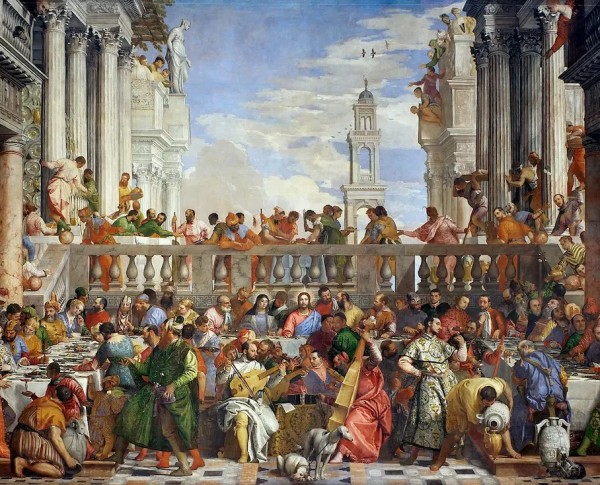
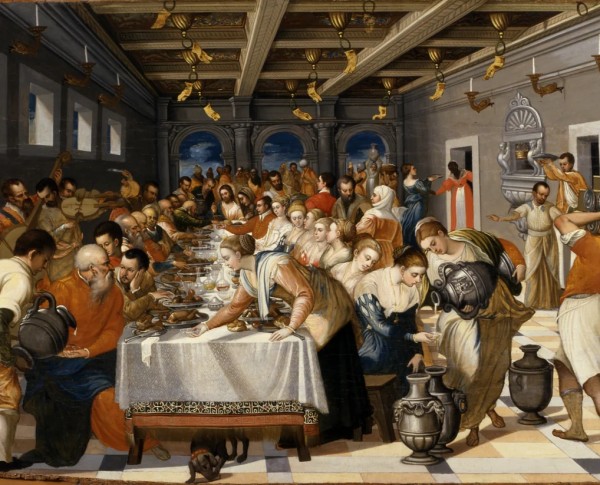
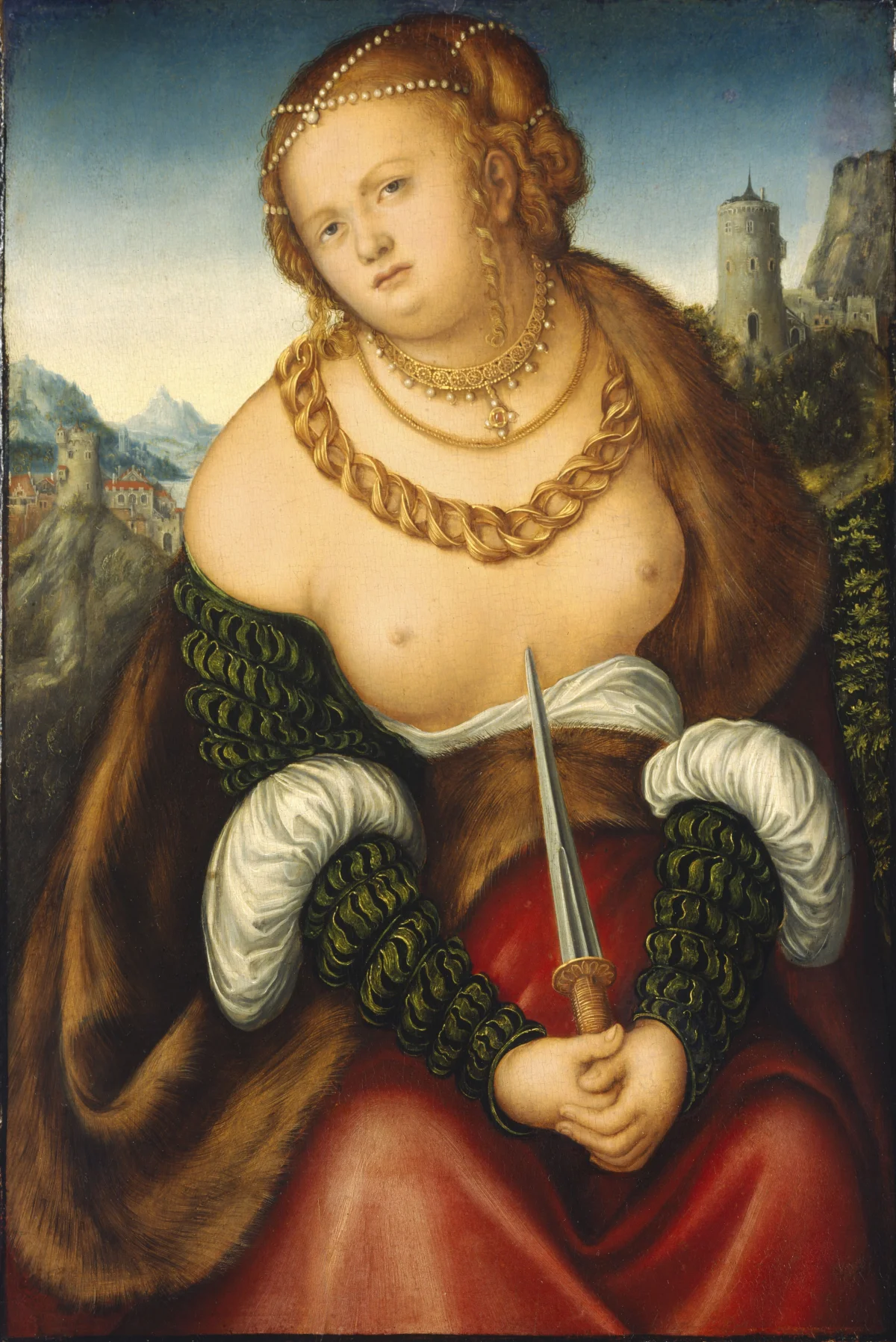
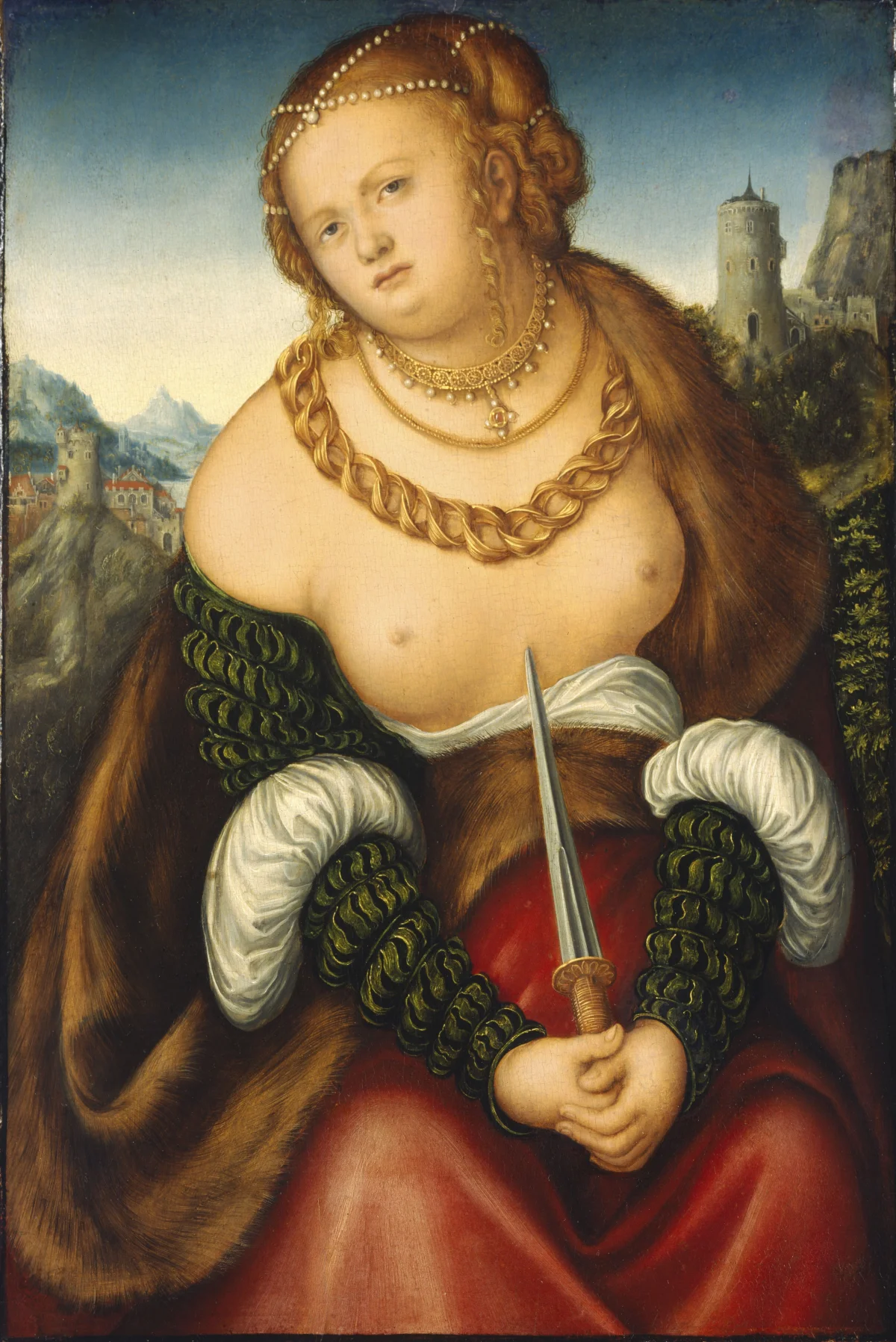
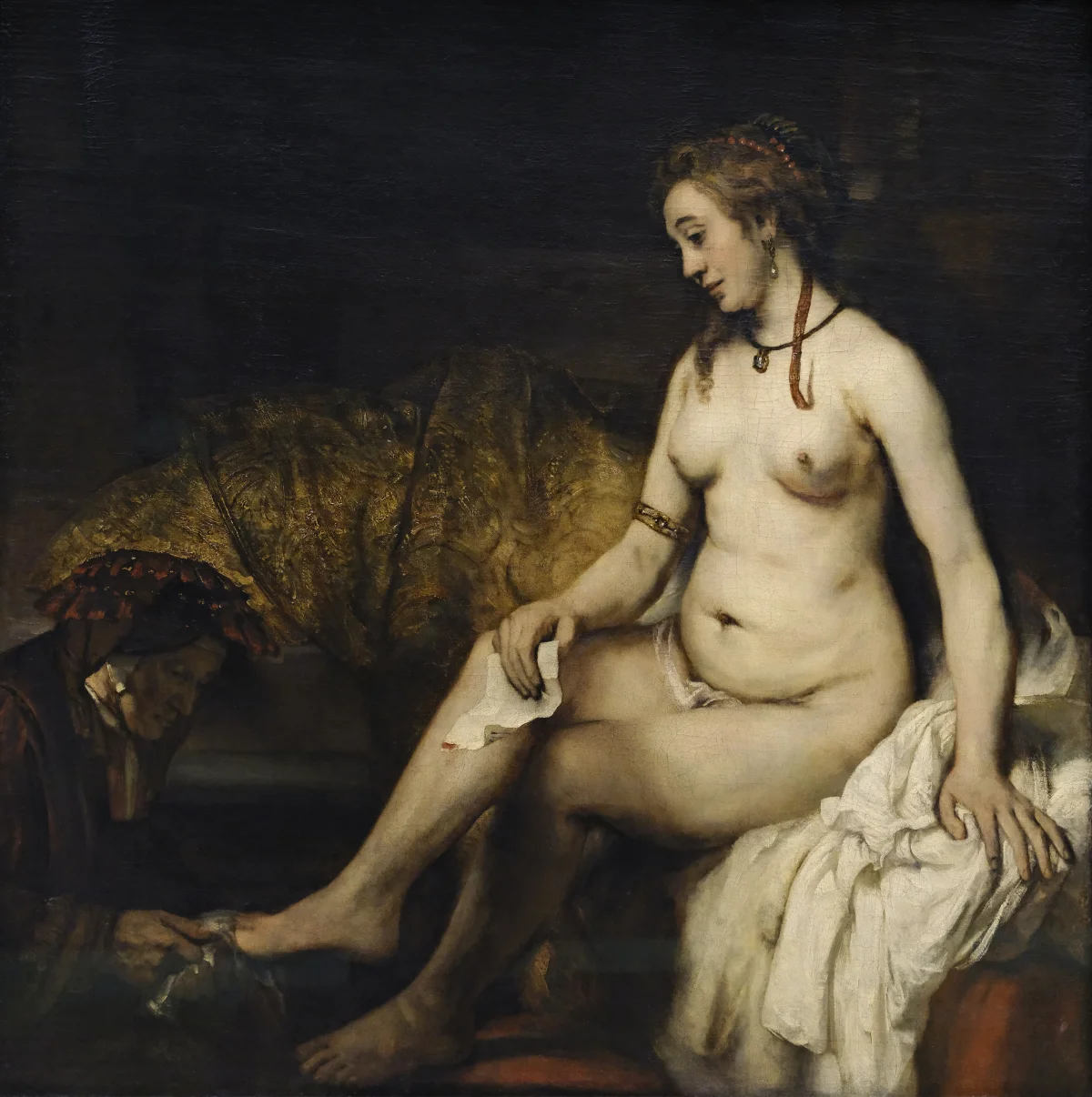
Paolo Veronese’s "Lucretia" is a prime example of the intricate detail and vibrant color palette achieved through oil on canvas. The artist’s technique, typical of the Renaissance movement, brings depth and emotion to the subject, highlighting Veronese’s unparalleled skill. Collectors and enthusiasts often seek out similar works, including "Portrait of a gentleman in a fur" and "Mars and Venus with Cupid and a Dog," to complement their appreciation of oil on canvas masterpieces.
Within the fine art painting for sale, "Lucretia" by Paolo Veronese, viewers encounter a narrative rich with symbolism and emotion. The Renaissance era’s fascination with classical tales is evident in Lucretia’s poignant gesture, representing virtue and sacrifice. Collectors interested in stories woven through art may also explore "Dame mit Hut und Federboa" and "The Finding of Moses," both echoing the profound storytelling found in Veronese’s work.
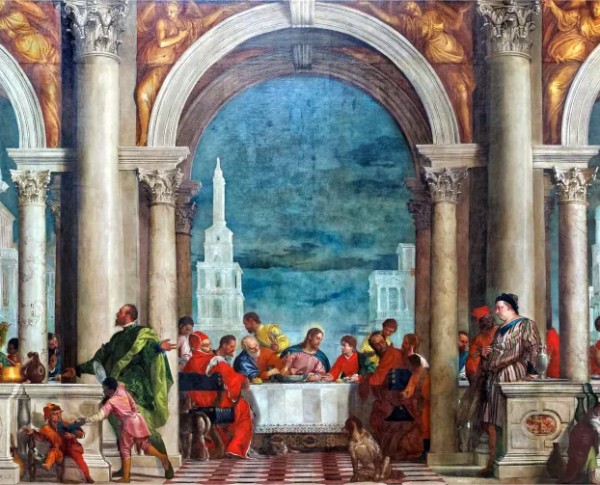
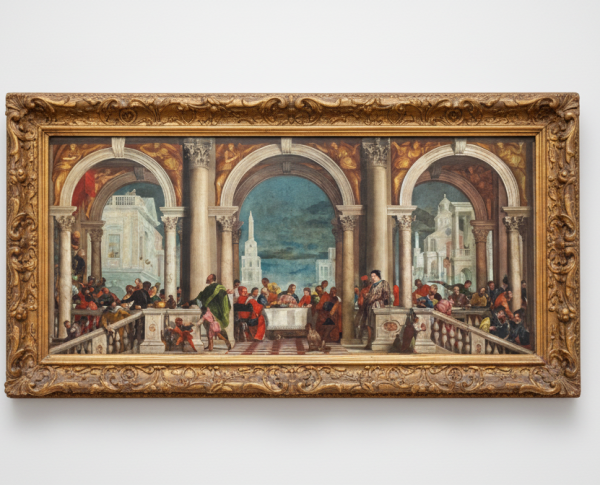
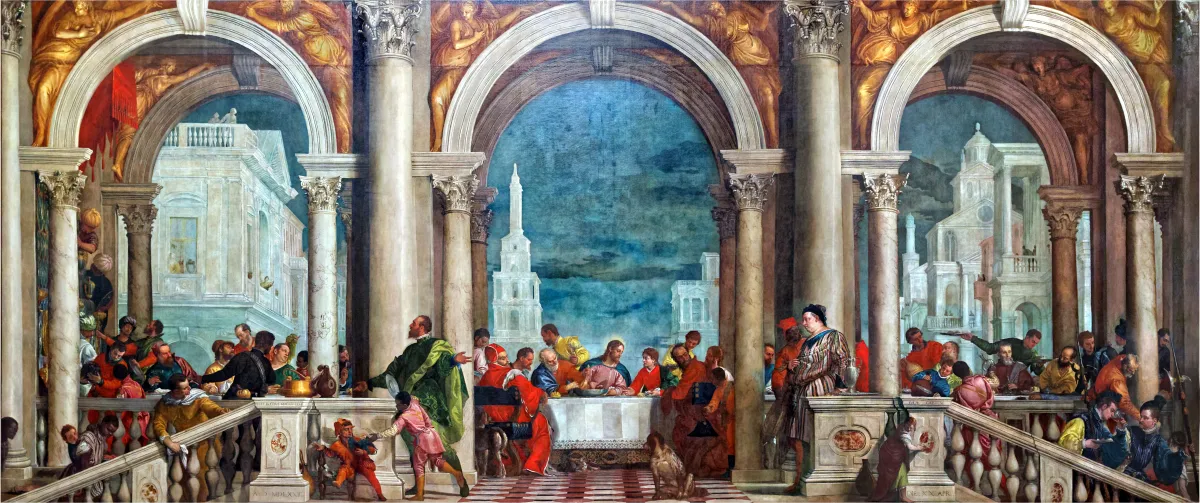
For any connoisseur, owning "Lucretia" by Paolo Veronese is akin to possessing a piece of Renaissance history. This hand-painted oil painting embodies both artistic innovation and cultural heritage, making it a prized addition to any collection. Those drawn to Veronese’s genius may also be interested in acquiring related products such as "The Madonna of the Cuccina Family" or "The Feast in the House of Levi" to enhance their gallery of Renaissance art.
When Art Meets History
"Lucretia" by Paolo Veronese stands as a testament to the dramatic storytelling of the Renaissance. This hand-painted oil painting reflects the era's fascination with classical legends and moral dilemmas. Veronese captures the tragic moment of Lucretia, blending historical narrative with rich symbolism. Like many Renaissance masters, Veronese used his art to immortalize stories that shaped European culture, making "Lucretia" a compelling piece for anyone interested in the intersection of history and fine art.
Techniques That Speak
Paolo Veronese’s mastery shines through in "Lucretia," an exquisite oil on canvas. His use of vibrant colors and dynamic composition exemplifies the sophisticated techniques of the Renaissance movement. Veronese’s careful layering and skilled brushwork bring depth and realism to the scene, making it a model for artists of his time. This painting, like his other works, showcases the technical brilliance that defines Renaissance art and cements its place in the history of oil on canvas masterpieces.
Emotions on Display
The emotional intensity in Veronese's "Lucretia" is palpable, capturing the heroine’s despair and courage at a pivotal moment. Through expressive gestures and nuanced facial expressions, the artist invites viewers to empathize with Lucretia’s plight. This fine art painting for sale resonates with collectors who appreciate works that delve deep into the human psyche. As with other Renaissance paintings, "Lucretia" combines narrative power with emotional depth, making it a standout in Veronese’s impressive portfolio.
Coveted by Collectors
"Lucretia" by Paolo Veronese remains highly sought after among art enthusiasts and collectors of hand-painted oil paintings. Its historical significance, technical brilliance, and emotional resonance make it a prized example of Renaissance artistry. Collectors value such masterpieces for their timeless beauty and cultural importance. The enduring appeal of "Lucretia" ensures its place alongside other celebrated works from the Renaissance, making it a fine art painting for sale that commands admiration and prestige.
Frequently Asked Questions About Lucretia
What is the historical significance of the painting "Lucretia" by Paolo Veronese?
The painting "Lucretia" is significant as it depicts the legendary Roman figure Lucretia, whose tragic story became a symbol of virtue and honor in the face of tyranny. Veronese's interpretation reflects the Renaissance interest in classical themes and the moral lessons derived from them.
What artistic techniques did Paolo Veronese employ in "Lucretia"?
Veronese utilized a combination of vibrant colors, dramatic lighting, and intricate details to create a sense of depth and emotion in "Lucretia." His mastery of oil painting techniques allowed for rich textures and a dynamic composition that draws the viewer's eye.
How does "Lucretia" reflect the values of the Renaissance period?
"Lucretia" embodies Renaissance values such as the celebration of human emotion, the exploration of classical themes, and the emphasis on individual moral integrity. The painting serves as a reminder of the importance of virtue and the consequences of moral failure.
What symbolism is present in "Lucretia"?
The painting is rich in symbolism, with Lucretia representing honor and virtue. The dagger she holds signifies her tragic choice to preserve her honor through death, while the surrounding elements reflect the themes of betrayal and the consequences of political corruption.
What influences can be seen in Veronese's portrayal of Lucretia?
Veronese's portrayal of Lucretia is influenced by both classical literature and earlier Renaissance artists. His work draws from the narratives found in Roman history and the artistic styles of contemporaries, blending them into a unique interpretation that emphasizes emotional depth.
In what ways does "Lucretia" showcase Veronese's style?
"Lucretia" showcases Veronese's signature style through its grand composition, use of color, and attention to detail. The dramatic poses and expressions of the figures, along with the elaborate drapery, exemplify his ability to convey narrative and emotion effectively.
What was the public and critical reception of "Lucretia" when it was first unveiled?
Upon its unveiling, "Lucretia" was met with admiration for its technical brilliance and emotional impact. Critics praised Veronese's ability to capture the essence of the tragic story, solidifying his reputation as a leading artist of the Renaissance period.
How does "Lucretia" compare to other works depicting the same subject?
Compared to other depictions of Lucretia, Veronese's version stands out for its dramatic intensity and rich color palette. While many artists focused on the moment of her death, Veronese captures the emotional turmoil leading up to that moment, providing a deeper psychological insight.
What role does the setting play in "Lucretia"?
The setting in "Lucretia" enhances the narrative by providing a backdrop that reflects the gravity of her situation. The opulent surroundings contrast with her tragic fate, emphasizing the themes of betrayal and the loss of honor in a society marked by political intrigue.
What impact did "Lucretia" have on later artists and the art world?
"Lucretia" had a lasting impact on later artists, inspiring them to explore themes of female virtue and tragedy. Its dramatic composition and emotional depth influenced the portrayal of similar subjects in subsequent art movements, reinforcing the importance of narrative in visual art.






















_GFM_Painting_(1).webp)


 100% Hand-Painted: Finished in 3-6 Weeks

.png)















_(1).webp)