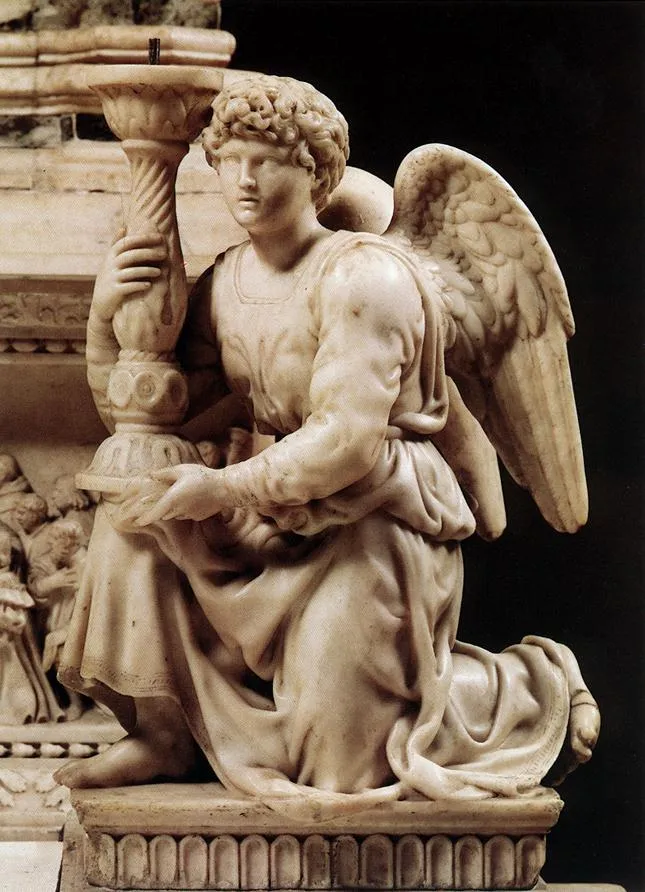
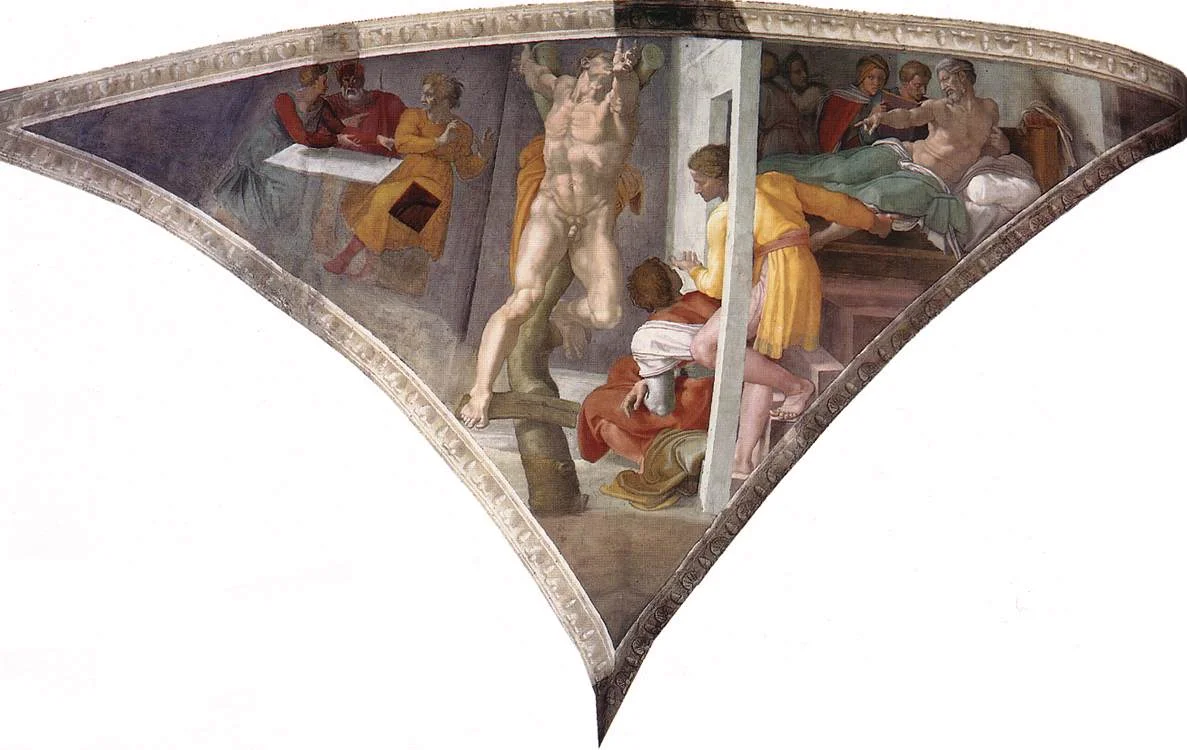
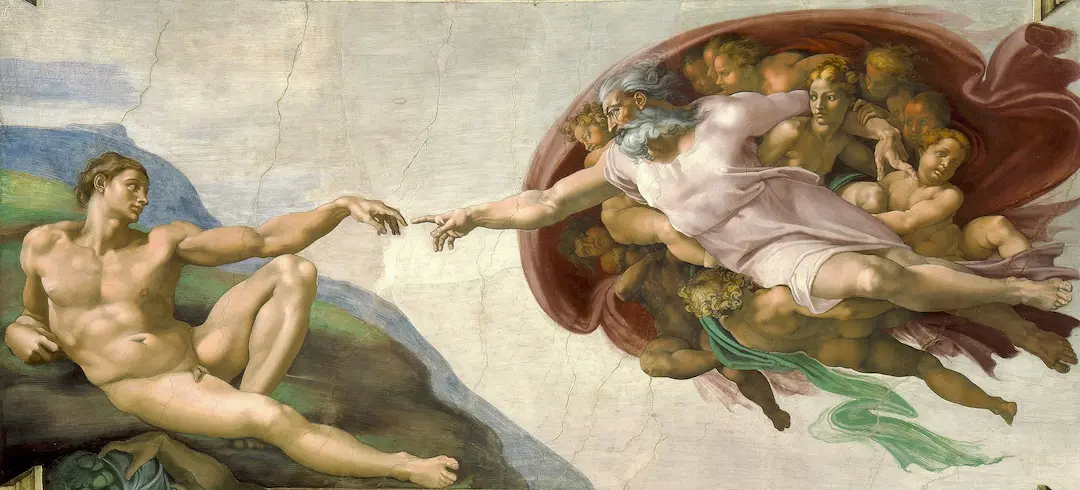
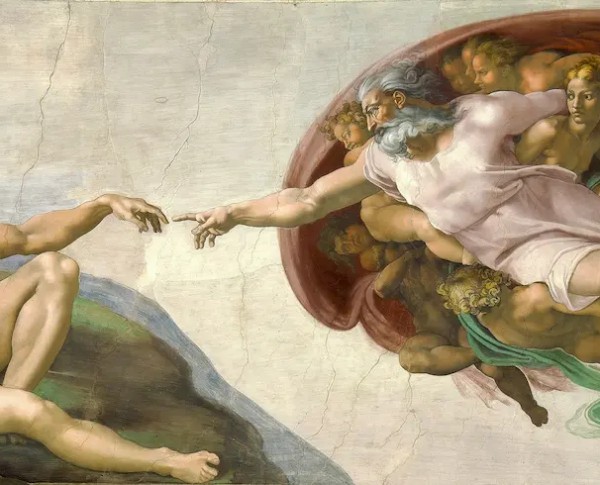
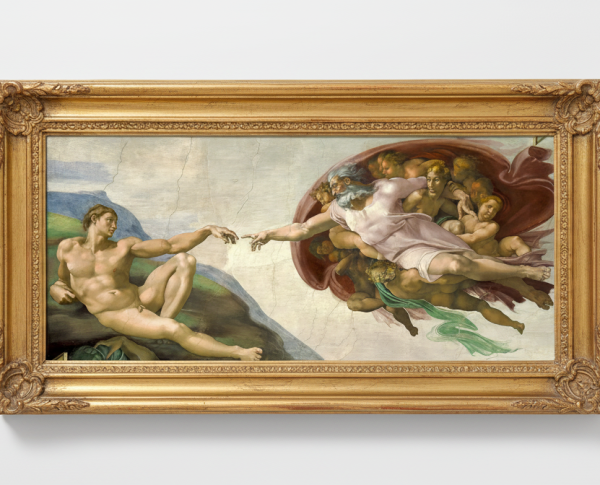
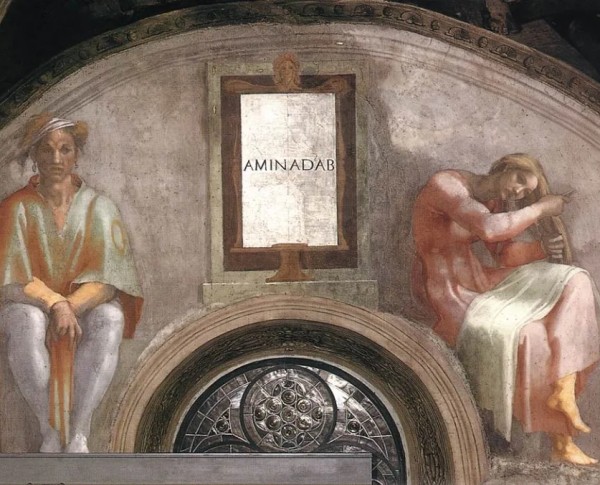
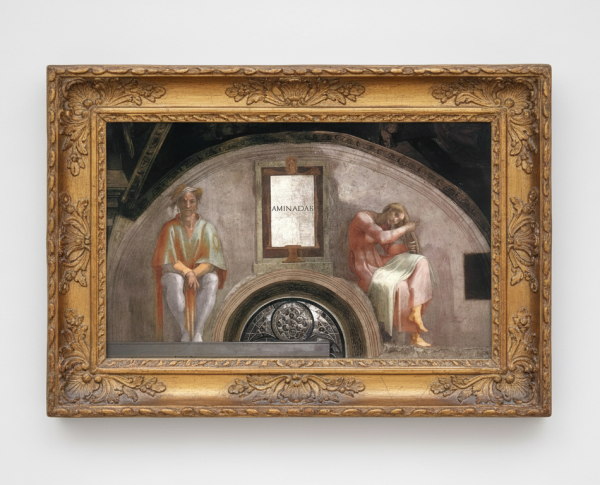
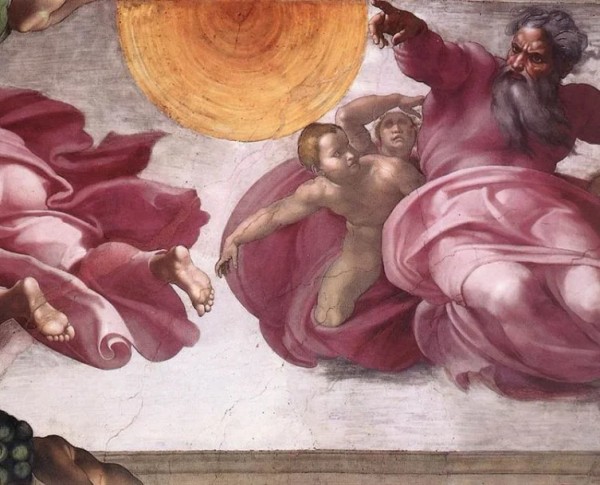
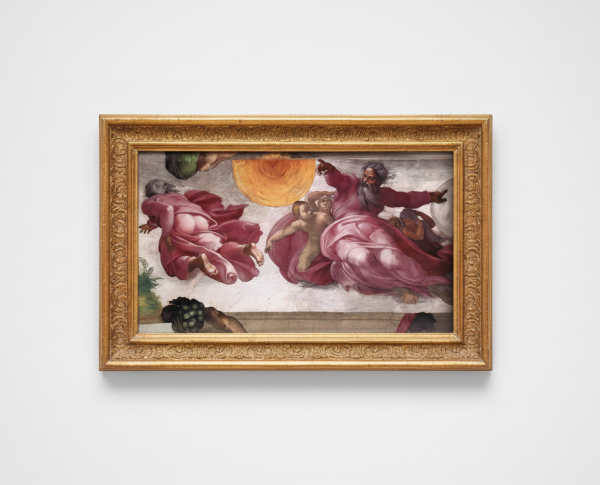
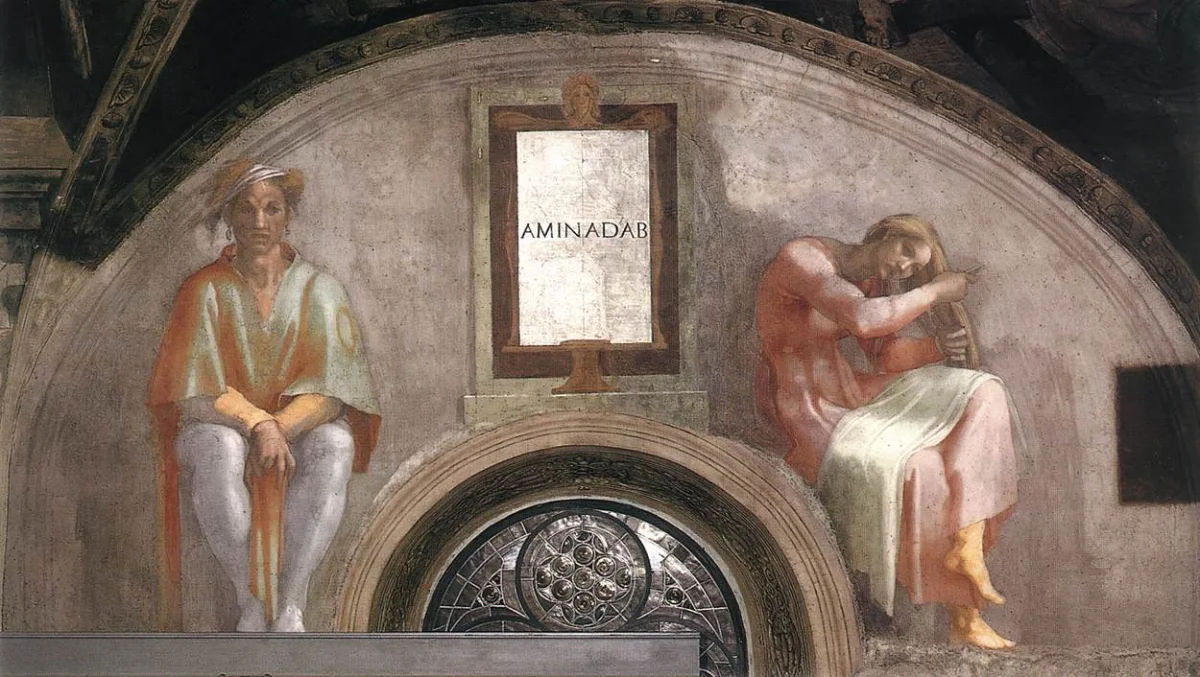
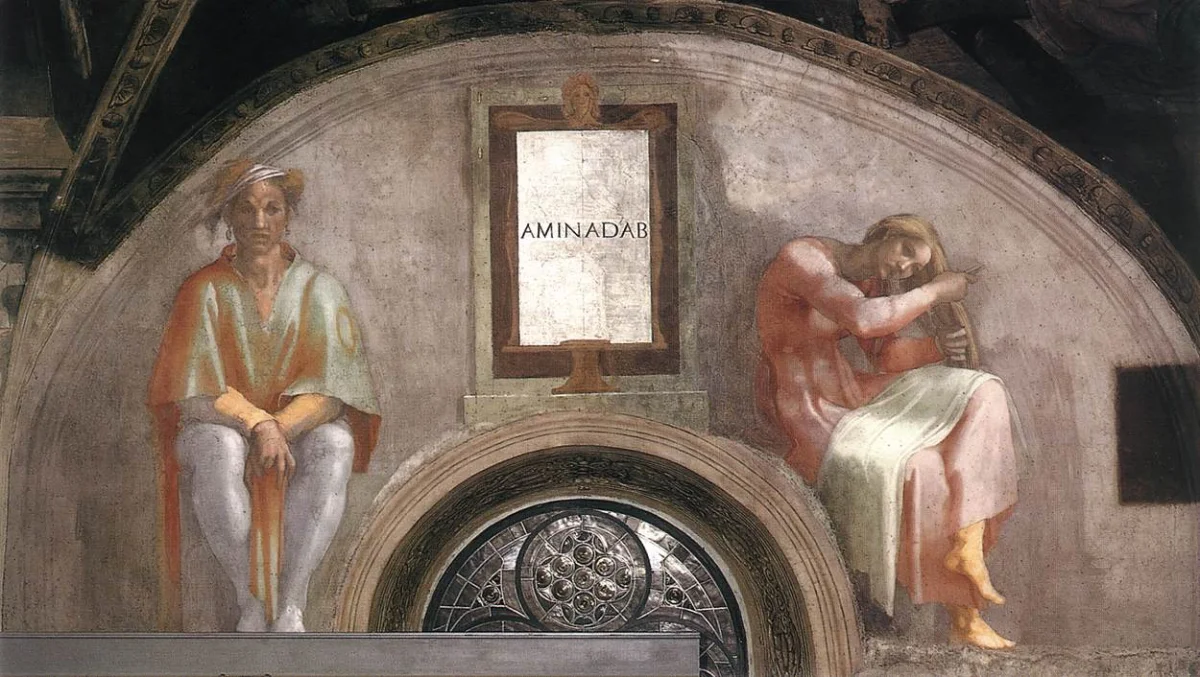
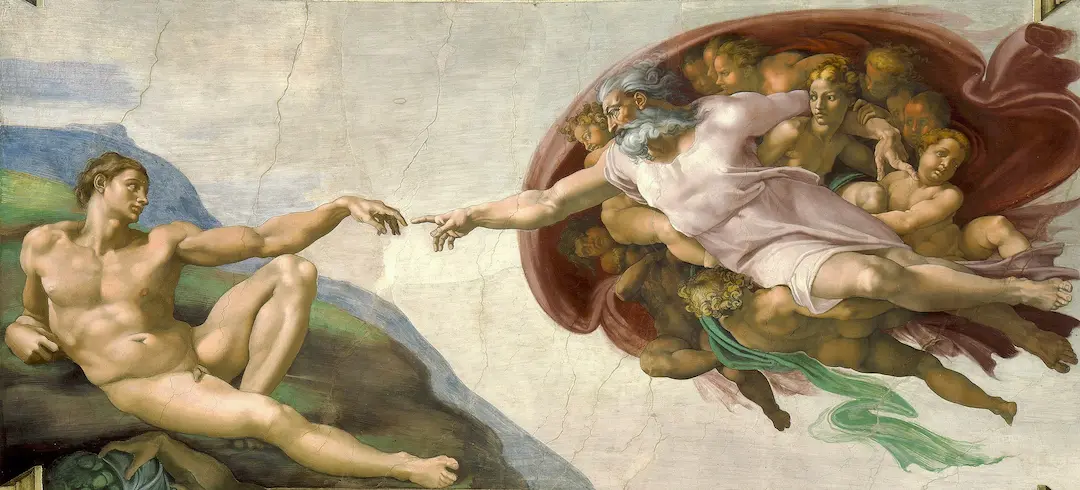
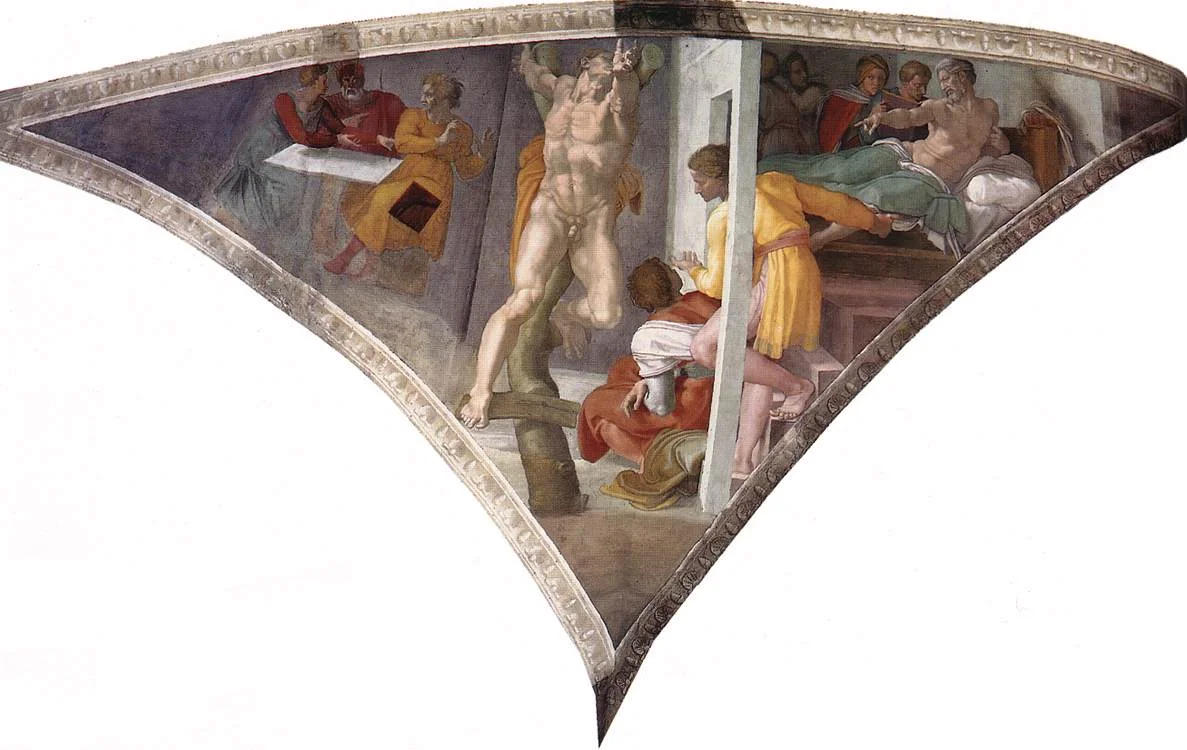
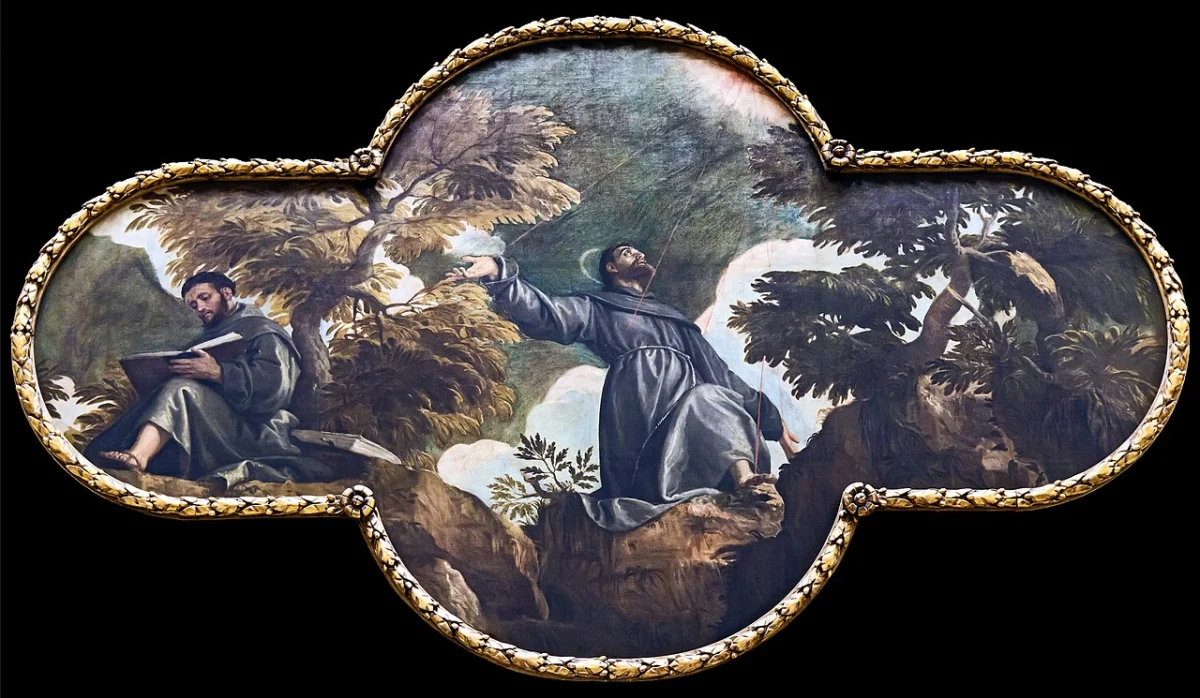
Michelangelo’s "Aminadab" exemplifies the technical prowess that defined the High Renaissance. Executed as an oil on canvas, this work reveals the artist’s mastery over light, form, and anatomy. Each stroke reflects Michelangelo Buonarroti’s deep understanding of human expression and divine storytelling. Art connoisseurs appreciate the meticulous detail found in this painting, and often explore accompanying masterpieces such as the "Creation of Adam 1510" for their collections.
Within "Aminadab", Michelangelo Buonarroti embeds rich symbolism characteristic of the High Renaissance movement. This fine art painting for sale captures the figure’s spiritual significance, drawing viewers into a narrative that transcends time. The painting’s dramatic gestures and expressive features invite interpretation, making it a focal point for discussion. For enthusiasts, owning "Aminadab" alongside a piece like the "Creation of Adam 1510" enhances any art collection’s story.
"Aminadab" remains a prized acquisition for those passionate about Renaissance art. This hand-painted oil painting by Michelangelo Buonarroti is revered for its historical and artistic value. As interest in High Renaissance masterpieces grows, collectors often seek related products such as the "Creation of Adam 1510" to complement their galleries. Displaying "Aminadab" brings a piece of cultural heritage and timeless beauty into one’s home or private collection.
When Art Meets History
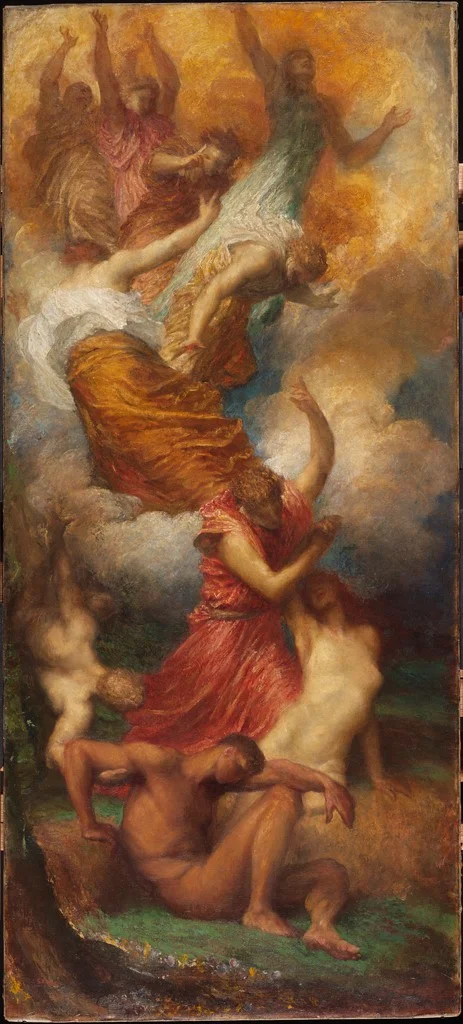
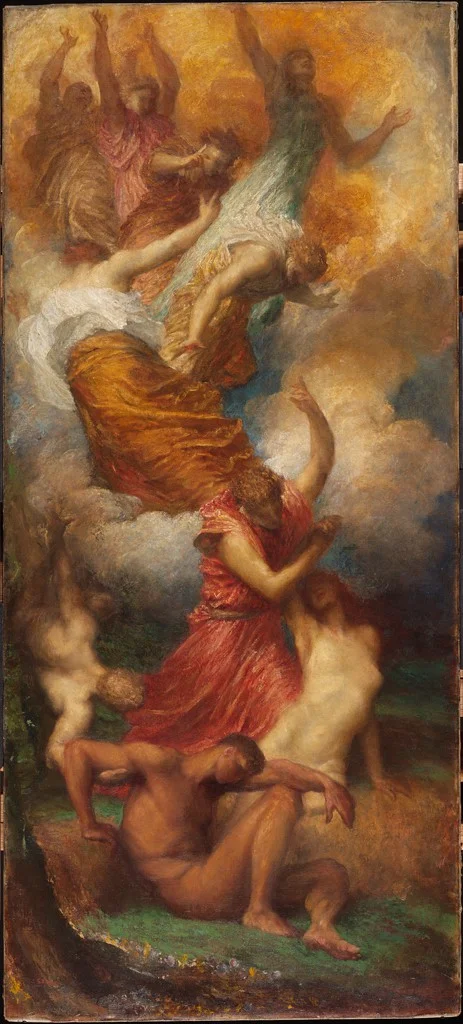
Michelangelo Buonarroti’s “Aminadab” stands as a testament to the High Renaissance movement, a period renowned for its masterful hand-painted oil painting traditions. Created during the artist’s prolific years, “Aminadab” reflects the same historical depth seen in related works like “The Vision of Ezekiel” and “The Transfiguration.” Michelangelo’s dedication to biblical themes and classical beauty is evident, making this painting a fascinating intersection of art and history that continues to inspire generations.
Techniques That Speak
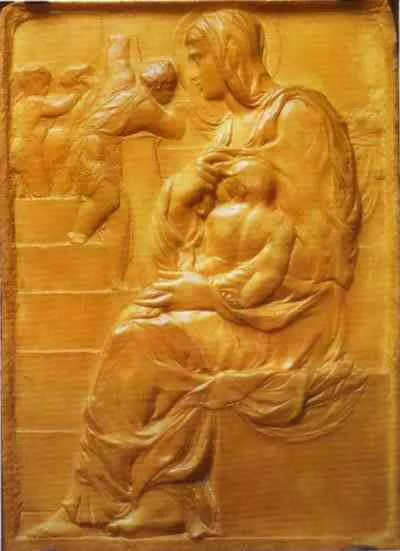
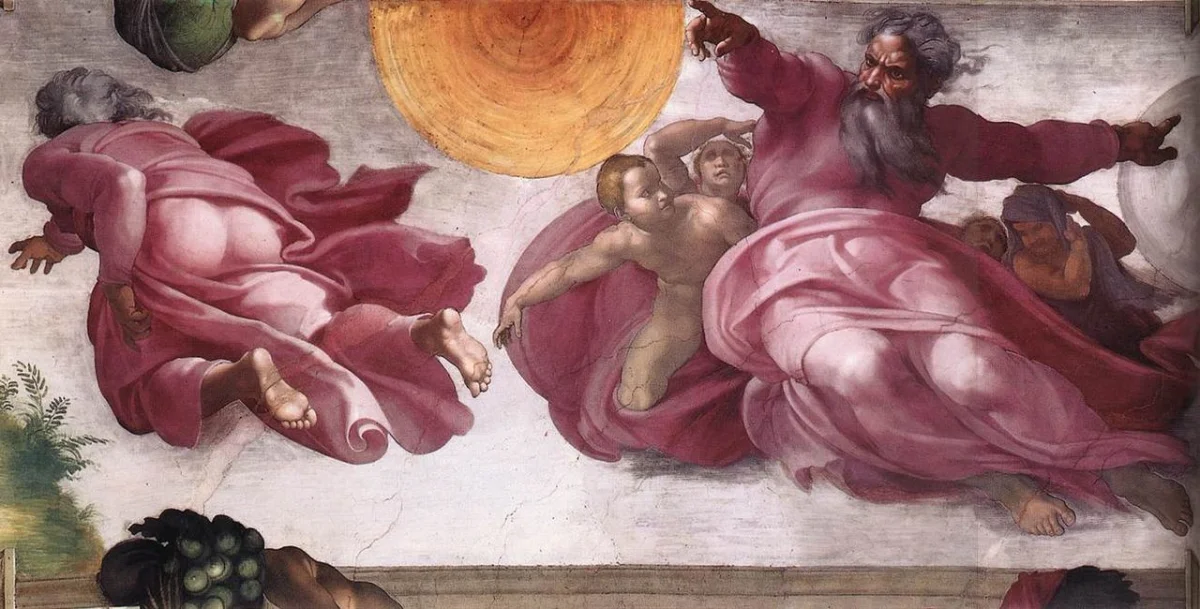
In “Aminadab,” Michelangelo employs oil on canvas techniques that highlight his mastery of anatomy and light, hallmarks of the High Renaissance. The artist’s brushwork, seen in works like “Madonna della Sedia” and the “Stanza Della Segnatura Ceiling Justice,” brings lifelike depth and vibrancy. Each stroke in “Aminadab” is meticulously crafted, demonstrating Michelangelo’s ability to infuse realism and emotion, making this painting a prime example of Renaissance artistry using timeless oil on canvas methods.
Emotions on Display
“Aminadab” by Michelangelo Buonarroti captures profound human emotion, a signature trait of High Renaissance fine art painting for sale. The subject’s expressive posture and contemplative gaze mirror the spiritual intensity found in “The Hill of Calvary.” Michelangelo’s sensitivity to the human condition is evident, inviting viewers to connect with the painting’s emotional core. This ability to convey deep feeling elevates “Aminadab” among the era’s masterpieces, ensuring its enduring appeal to art lovers and collectors alike.
Coveted by Collectors
As a remarkable hand-painted oil painting, “Aminadab” commands the attention of collectors worldwide. Michelangelo Buonarroti’s work, alongside related pieces like “The Transfiguration,” is highly sought after for its historical significance and artistic mastery. The painting’s association with the High Renaissance movement further enhances its desirability. Owning a work such as “Aminadab” is not only an investment in art but also a connection to a pivotal moment in art history, making it truly coveted by collectors.
Related High Renaissance Hand-Painted Oil Paintings by Other Artists
Other Famous High Renaissance Artists:
Frequently Asked Questions About Aminadab
What is the historical context of "Aminadab"?
"Aminadab" was created during the High Renaissance, a period characterized by a revival of classical learning and values. Michelangelo, a leading figure of this era, infused his work with both religious themes and humanist ideals, reflecting the cultural shifts of the time.
What are the main themes depicted in "Aminadab"?
The painting explores themes of faith, obedience, and the human condition, illustrating the biblical figure Aminadab, who is often associated with lineage and divine purpose. The work captures the tension between divine command and human agency.
How does Michelangelo's style influence "Aminadab"?
Michelangelo's signature style, characterized by dynamic poses and expressive figures, is evident in "Aminadab." His mastery of anatomy and use of chiaroscuro enhances the emotional depth and three-dimensionality of the figures, creating a compelling visual narrative.
What symbolism is present in "Aminadab"?
The painting is rich in symbolism, particularly in its depiction of Aminadab as a representation of faith and the continuity of divine promise. The figures surrounding him may symbolize various virtues and the moral complexities faced by humanity.
What materials and techniques did Michelangelo use for "Aminadab"?
Michelangelo typically employed fresco techniques for his larger works, but "Aminadab" is believed to be executed in oil on canvas, allowing for greater detail and a vivid color palette that enhances the emotional impact of the scene.
How does "Aminadab" reflect Renaissance ideals?
The painting embodies Renaissance ideals by merging classical themes with a focus on individual human experience. Michelangelo's portrayal of Aminadab emphasizes the importance of personal faith and moral integrity, aligning with the era's humanistic values.
In what ways does "Aminadab" connect to other works by Michelangelo?
"Aminadab" shares thematic and stylistic elements with other works by Michelangelo, such as his sculptures and the Sistine Chapel frescoes. The emphasis on the human form and the exploration of spiritual themes are consistent throughout his oeuvre.
What impact did "Aminadab" have on later artists?
The influence of "Aminadab" can be seen in the works of later artists who sought to capture the emotional intensity and complex human expressions that Michelangelo perfected. His approach to composition and figure representation set a standard for subsequent generations.
Where can "Aminadab" be viewed today?
"Aminadab" is housed in a prominent art gallery, where it continues to be studied and admired. Its historical significance and artistic merit make it a key work in understanding Michelangelo's contributions to art and culture.
What is the significance of the title "Aminadab"?
The title "Aminadab" refers to a biblical figure, emphasizing the connection between the artwork and its religious narrative. The name itself symbolizes lineage and divine selection, reinforcing the themes of faith and destiny present in the painting.






















_GFM_Painting_(1).webp)


 100% Hand-Painted: Finished in 3-6 Weeks

.png)















_(1).webp)