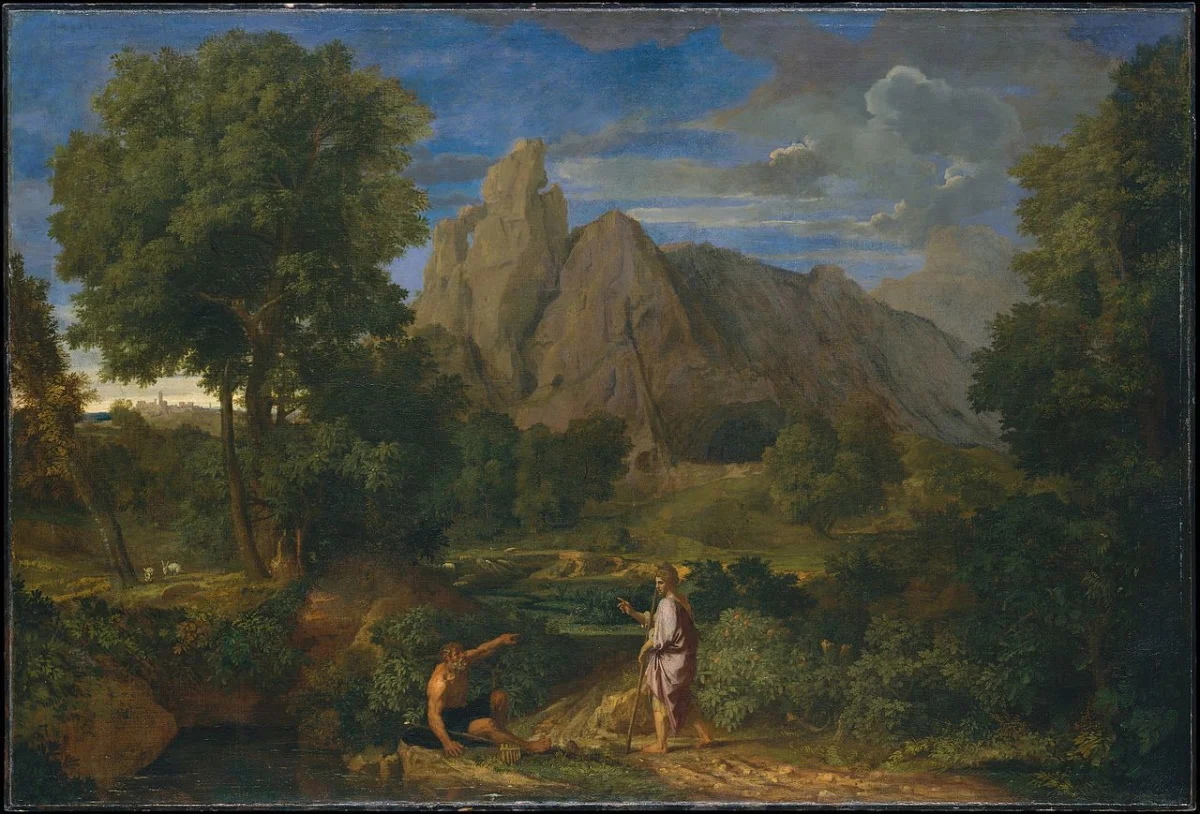
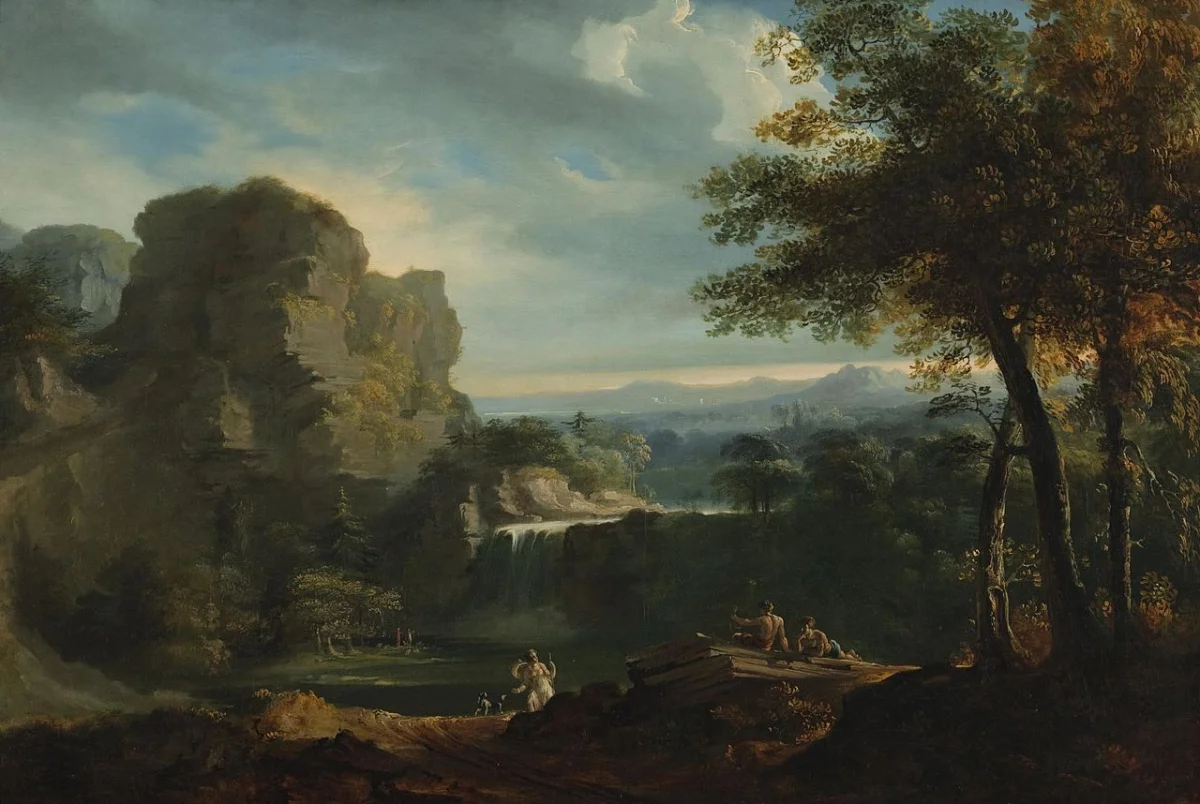
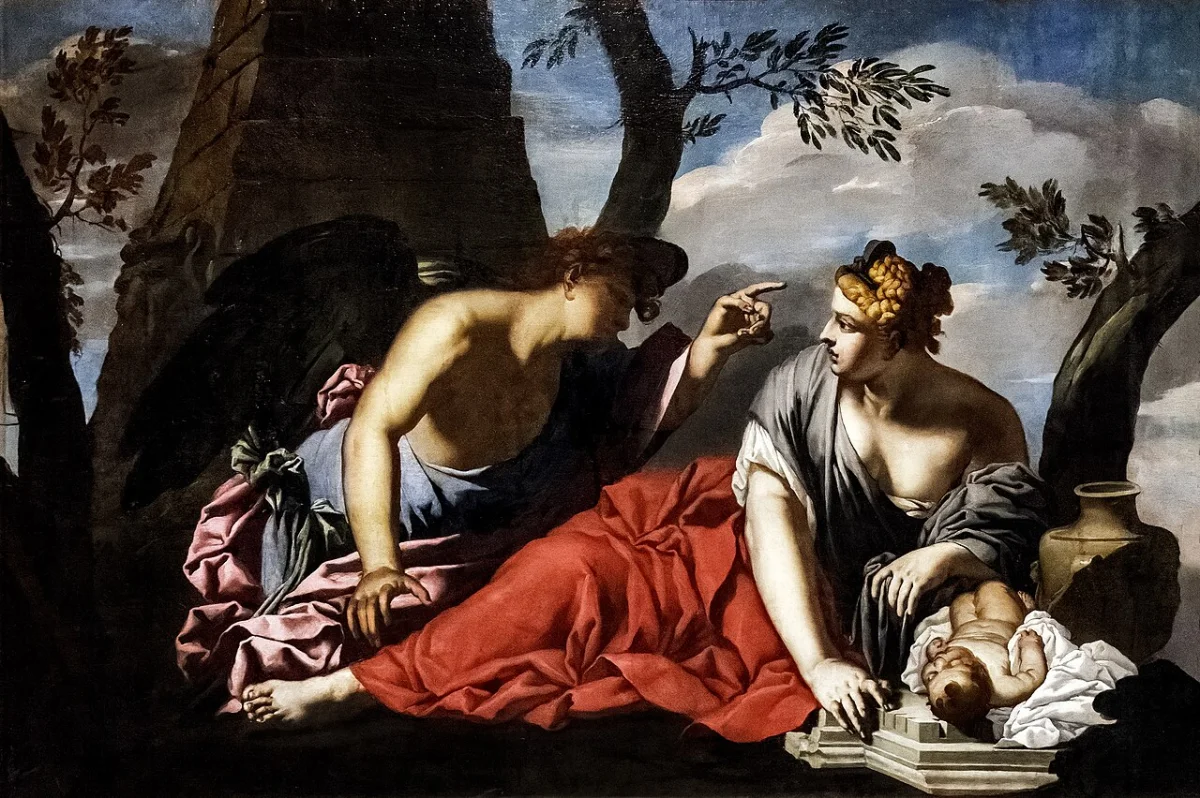
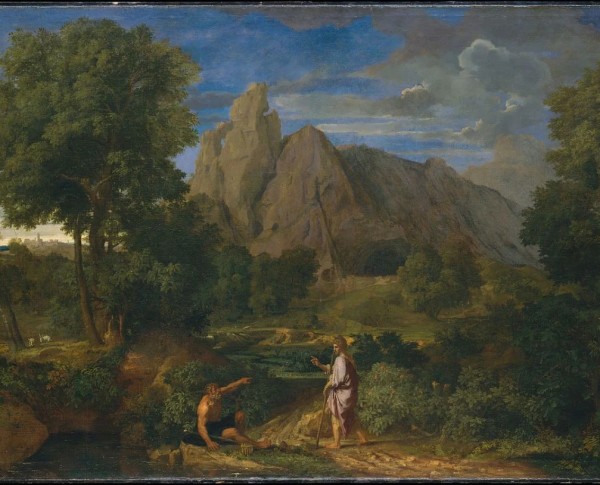
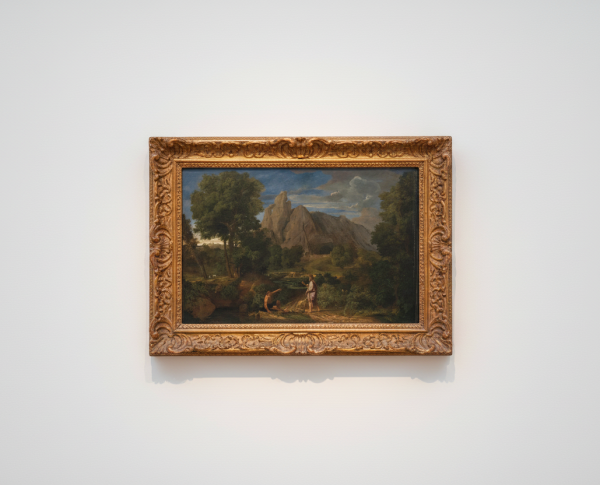
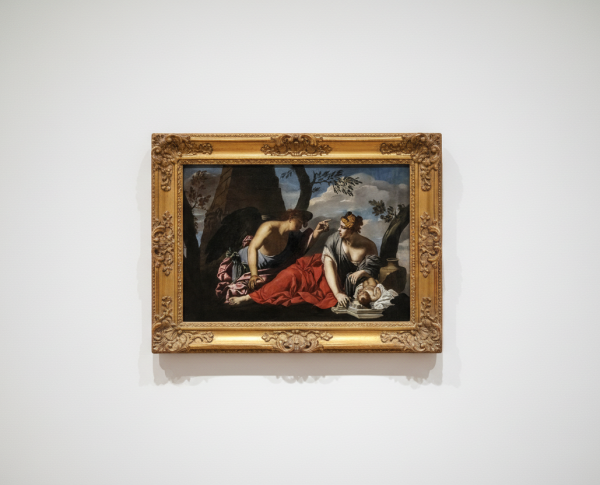
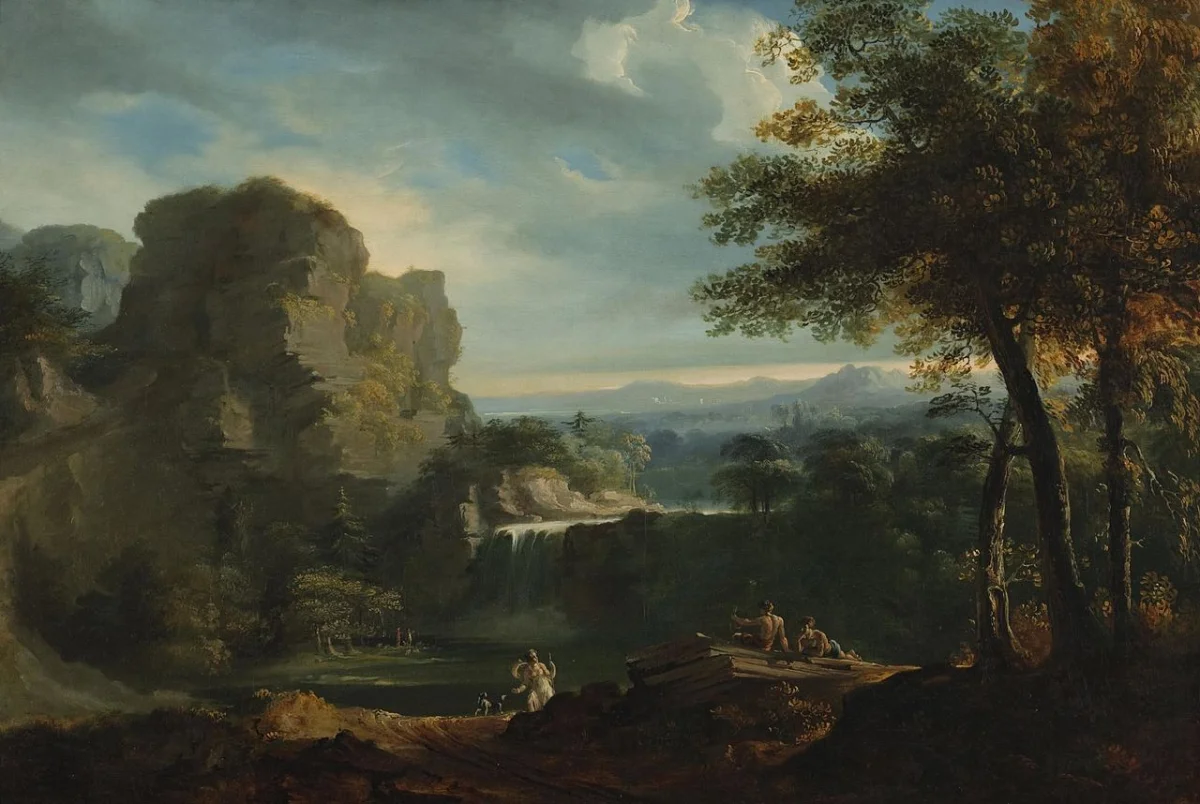
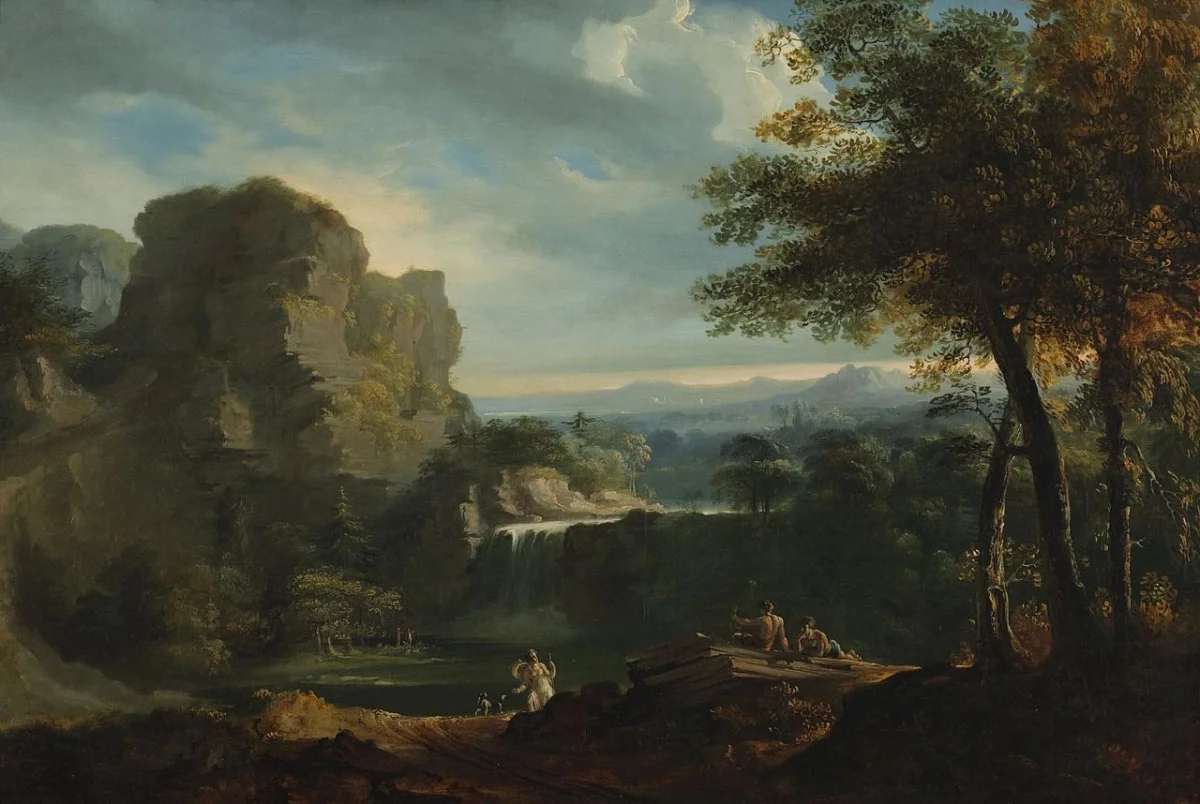
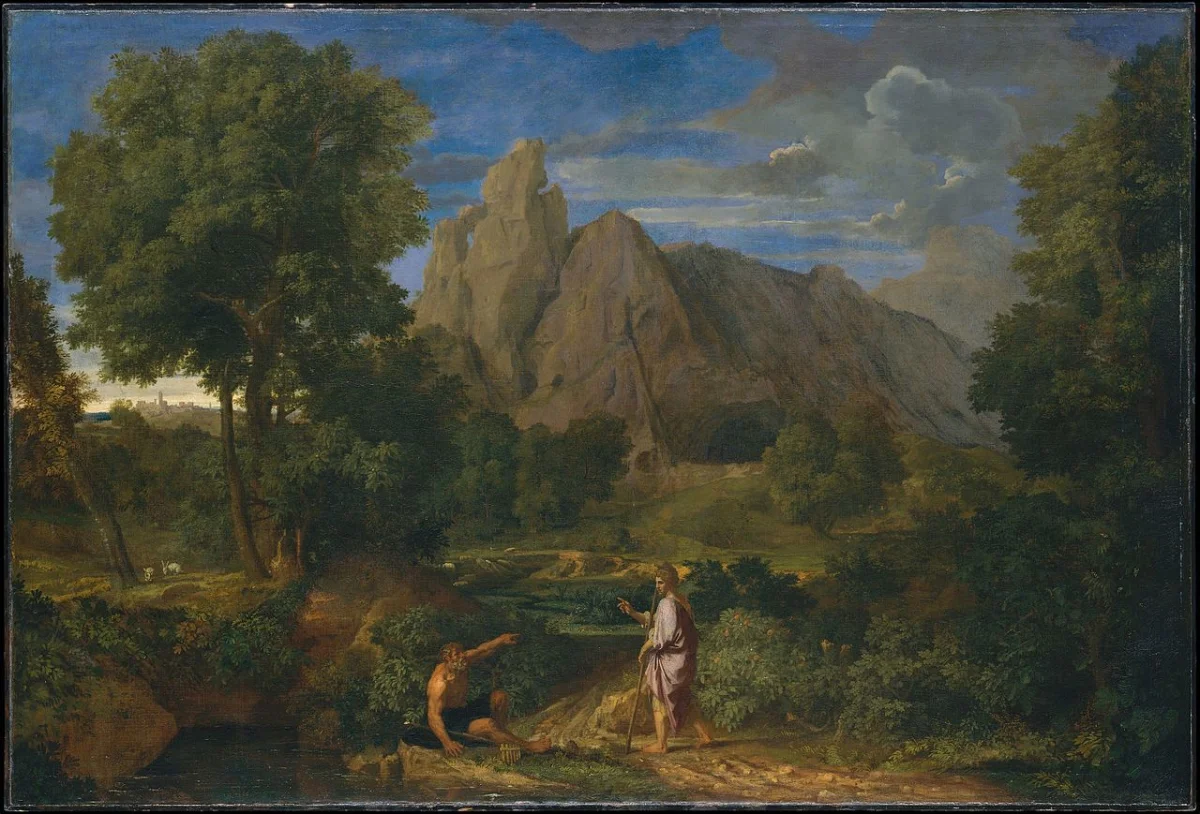
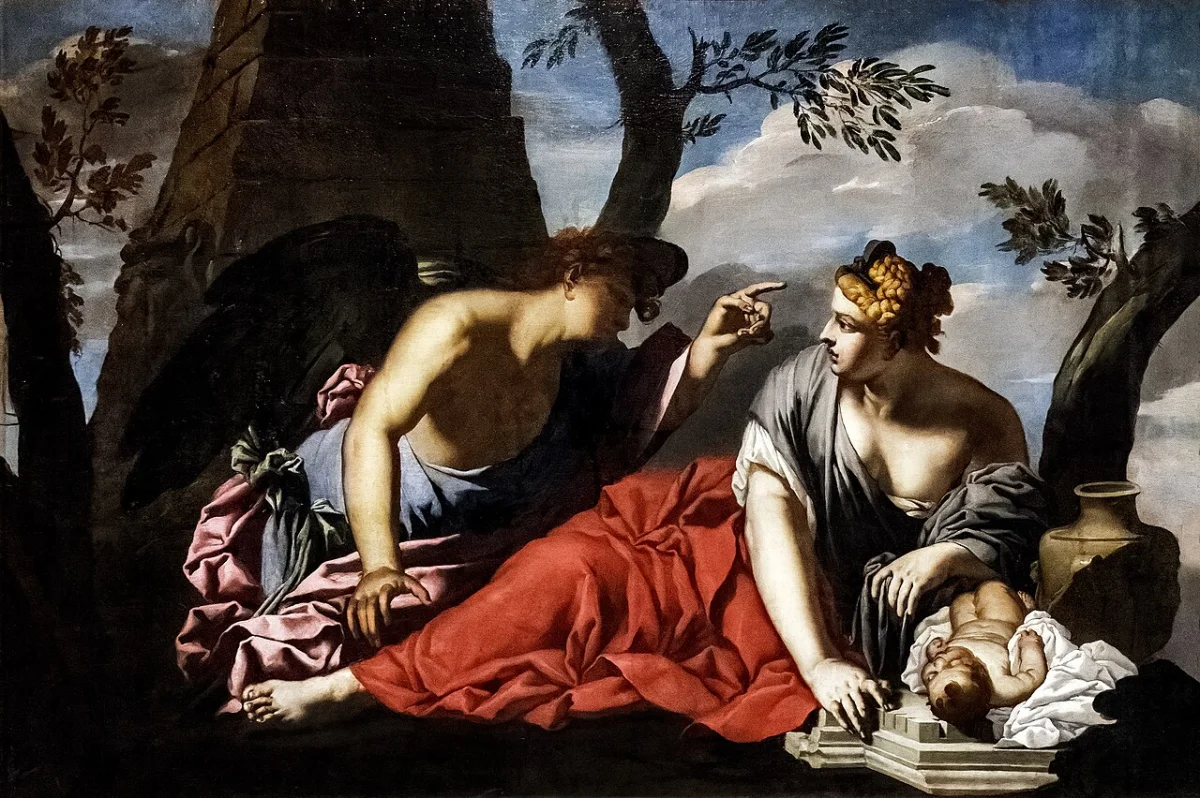
Francisque Millet’s "Arcadian Landscape" showcases the artist’s exceptional skill and attention to detail, evident in the lush foliage and delicate play of light typical of oil on canvas works from the Baroque period. The painting’s composition draws viewers into a world of serene pastures and ancient ruins. Collectors of Baroque masterpieces often seek out related products such as "The Angel and Hagar" and "Mercury and Battus" for their harmonious blend of technique and narrative.
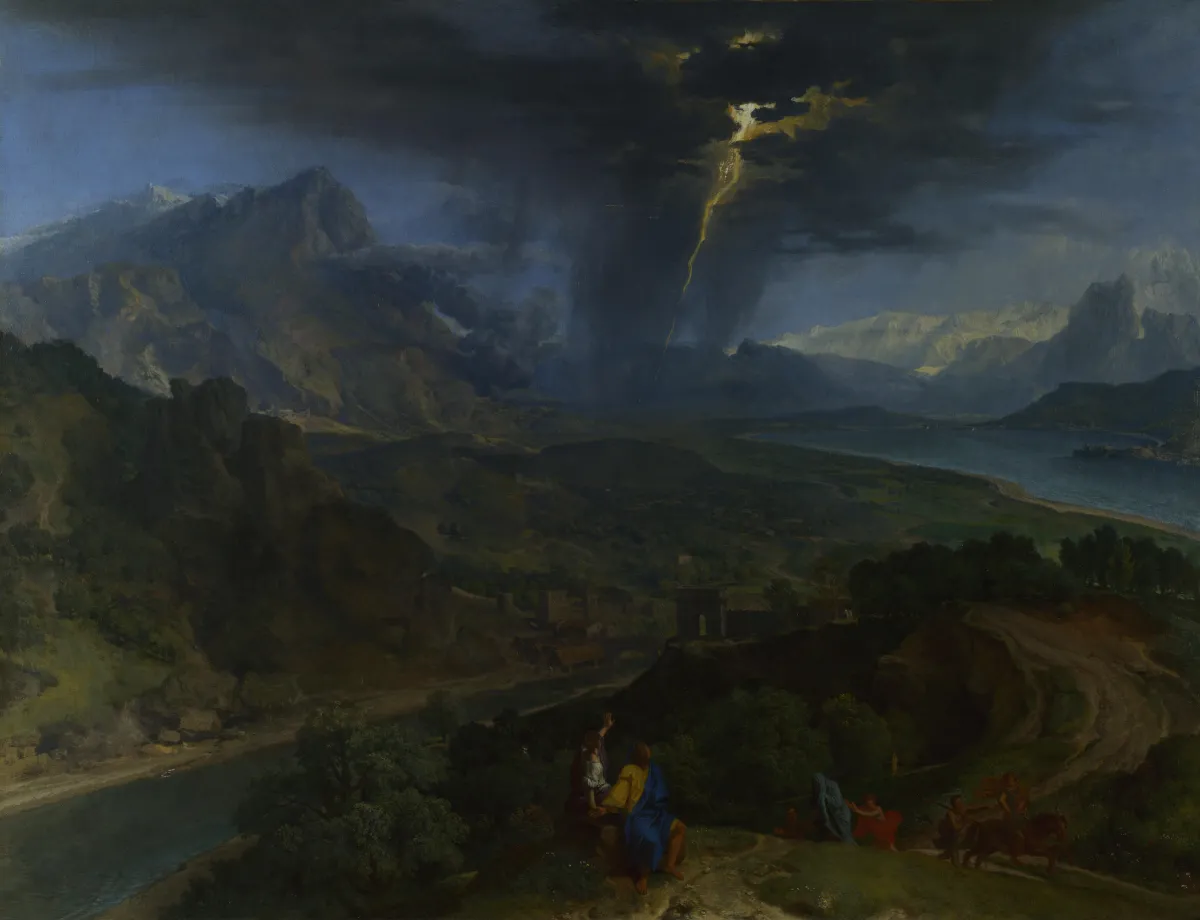
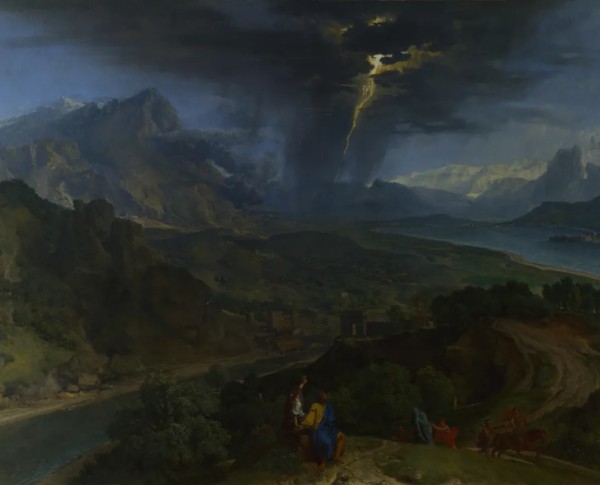
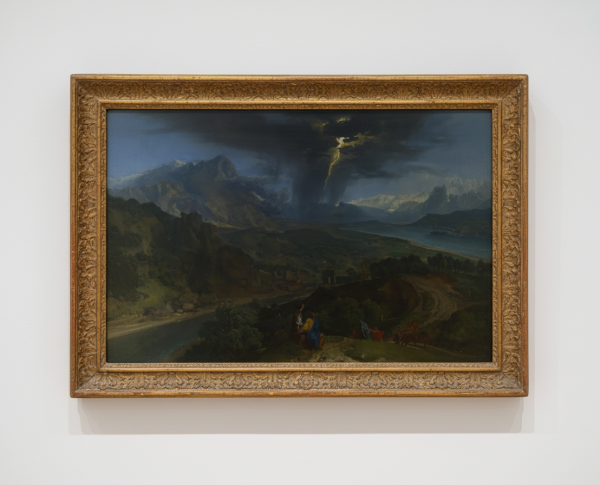
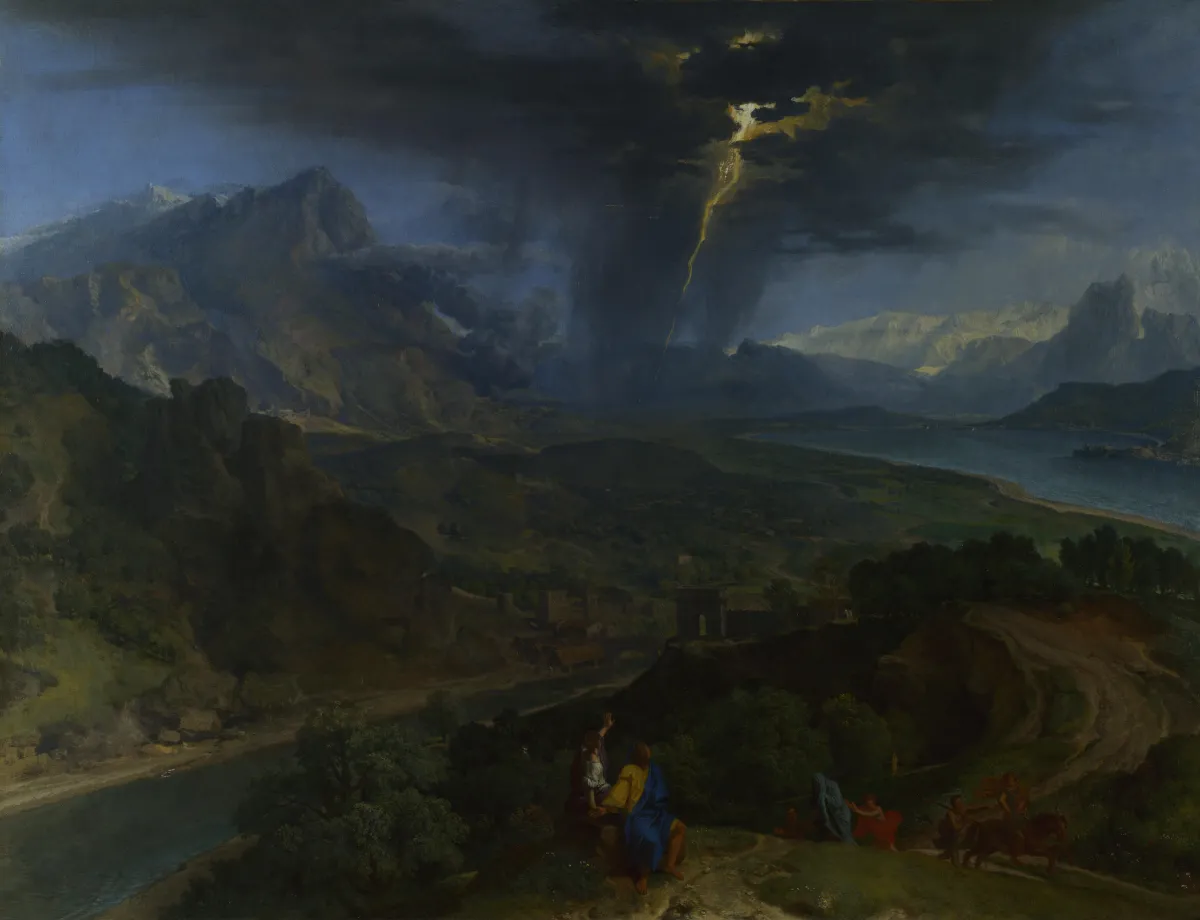
"Arcadian Landscape" invites viewers to discover the deeper meanings hidden within its idyllic scenery, a hallmark of Baroque storytelling. This fine art painting for sale encapsulates themes of harmony between humanity and nature, prevalent in Francisque Millet’s oeuvre. The subtle inclusion of classical figures and pastoral elements connects this work to related products like "Q17330538" and "Mountain landscape with lightning," enriching the tapestry of symbol-laden Baroque landscapes available to discerning collectors.
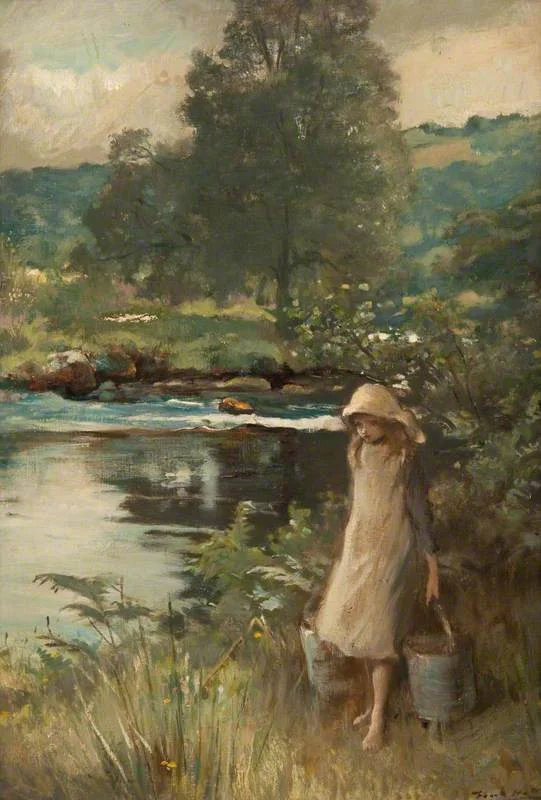
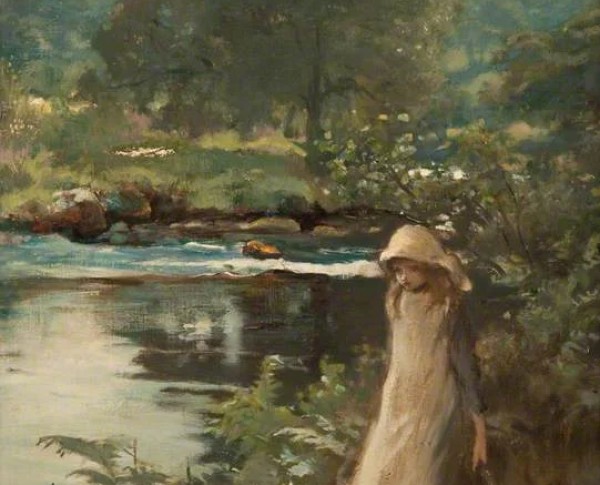
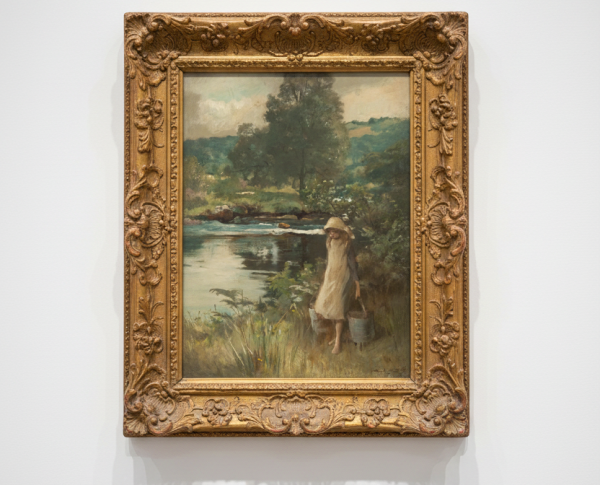
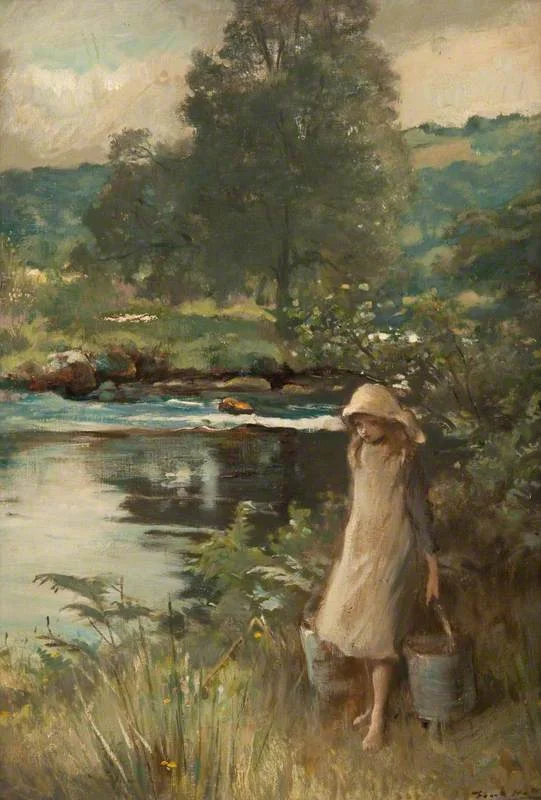
For those seeking a distinguished addition to their collection, "Arcadian Landscape" by Francisque Millet is an exceptional hand-painted oil painting from the Baroque movement. Its timeless beauty and historical significance make it a sought-after piece among connoisseurs. To further enhance a collection, consider related products such as "Girl carrying Water," "Mercury and Battus," and "The Angel and Hagar," each offering unique glimpses into the masterful world of Baroque fine art.
When Art Meets History
"Arcadian Landscape" by Francisque Millet stands as a testament to the Baroque movement's fascination with nature and myth. This hand-painted oil painting captures a serene, idealized countryside, reflecting the era's love for dramatic lighting and lush scenery. Millet’s work aligns with renowned Baroque masterpieces such as "The Calling of Saint Matthew" and "Amor Vincit Omnia," making it a distinguished example for those who appreciate historical fine art.
Techniques That Speak
Francisque Millet’s "Arcadian Landscape" showcases masterful oil on canvas techniques characteristic of the Baroque period. The artist skillfully employs rich color palettes and intricate brushwork to create depth and realism, echoing the technical prowess found in "Self-Portrait" and "Saint Matthew and the Angel." Through his use of light and shadow, Millet brings the pastoral scene to life, making this oil on canvas a striking piece within the Baroque tradition.
Emotions on Display
In "Arcadian Landscape," Francisque Millet evokes a sense of tranquility and nostalgia, inviting viewers to lose themselves in the harmonious scenery. The painting’s atmospheric composition and gentle transitions of light express the emotional intensity typical of Baroque art. As with "Q19161243" and other related works, this fine art painting for sale allows collectors to experience the profound emotional resonance that Millet masterfully weaves into each brushstroke.
Coveted by Collectors
"Arcadian Landscape" remains a highly sought-after piece among art collectors, celebrated for its exquisite representation of the Baroque movement. Francisque Millet’s artistry and the painting’s historical significance contribute to its desirability, much like "The Calling of Saint Matthew" or "Amor Vincit Omnia." With its status as a hand-painted oil painting, this masterpiece continues to attract admirers eager to own a piece of art history.
Related Baroque Hand-Painted Oil Paintings by Other Artists
Other Famous Baroque Artists:
Frequently Asked Questions About Arcadian Landscape
What is the historical context of "Arcadian Landscape"?
"Arcadian Landscape" was painted by Francisque Millet during the mid-19th century, a time characterized by the Romantic movement in art which emphasized emotion and nature. This painting reflects the era's fascination with pastoral themes and the idealization of rural life.
What artistic techniques did Millet employ in "Arcadian Landscape"?
Millet utilized a combination of soft brushwork and a muted color palette to evoke a sense of tranquility and harmony with nature. The atmospheric perspective and careful attention to light and shadow enhance the depth and realism of the landscape.
What themes are explored in "Arcadian Landscape"?
The painting explores themes of pastoral beauty, the simplicity of rural life, and the relationship between humanity and nature. It embodies the Romantic ideal of finding solace and inspiration in the natural world.
How does "Arcadian Landscape" reflect the ideals of the Romantic movement?
"Arcadian Landscape" reflects Romantic ideals by emphasizing emotion, individual experience, and a deep appreciation for nature. The serene depiction of the landscape invites viewers to contemplate the beauty and tranquility found in the natural environment.
What symbolic elements can be found in "Arcadian Landscape"?
The painting features symbols of peace and harmony, such as the idyllic setting and gentle rolling hills. These elements suggest an idealized vision of rural life, representing a retreat from the chaos of urban existence.
What influence did Millet have on later artists?
Francisque Millet's focus on rural subjects and his innovative techniques significantly influenced later artists, particularly those associated with the Barbizon School and the Impressionist movement, who sought to capture the beauty of everyday life and nature.
In what ways does "Arcadian Landscape" exemplify realism?
While "Arcadian Landscape" contains romantic elements, it also exemplifies realism through its authentic portrayal of the landscape and the everyday life of rural communities, emphasizing the dignity of labor and the beauty of the natural world.
What role does light play in "Arcadian Landscape"?
Light plays a crucial role in "Arcadian Landscape," as it creates mood and atmosphere. Millet's careful rendering of light enhances the three-dimensionality of the landscape and evokes a sense of time, often suggesting the tranquility of dawn or dusk.
How does "Arcadian Landscape" compare to other works by Millet?
What impact did "Arcadian Landscape" have on the perception of nature in art?
"Arcadian Landscape" contributed to a growing appreciation for nature in art, encouraging artists to explore and celebrate the beauty of the natural world. It helped to establish a precedent for future movements that would further emphasize environmental themes and the human connection to nature.






















_GFM_Painting_(1).webp)


 100% Hand-Painted: Finished in 3-6 Weeks

.png)















_(1).webp)