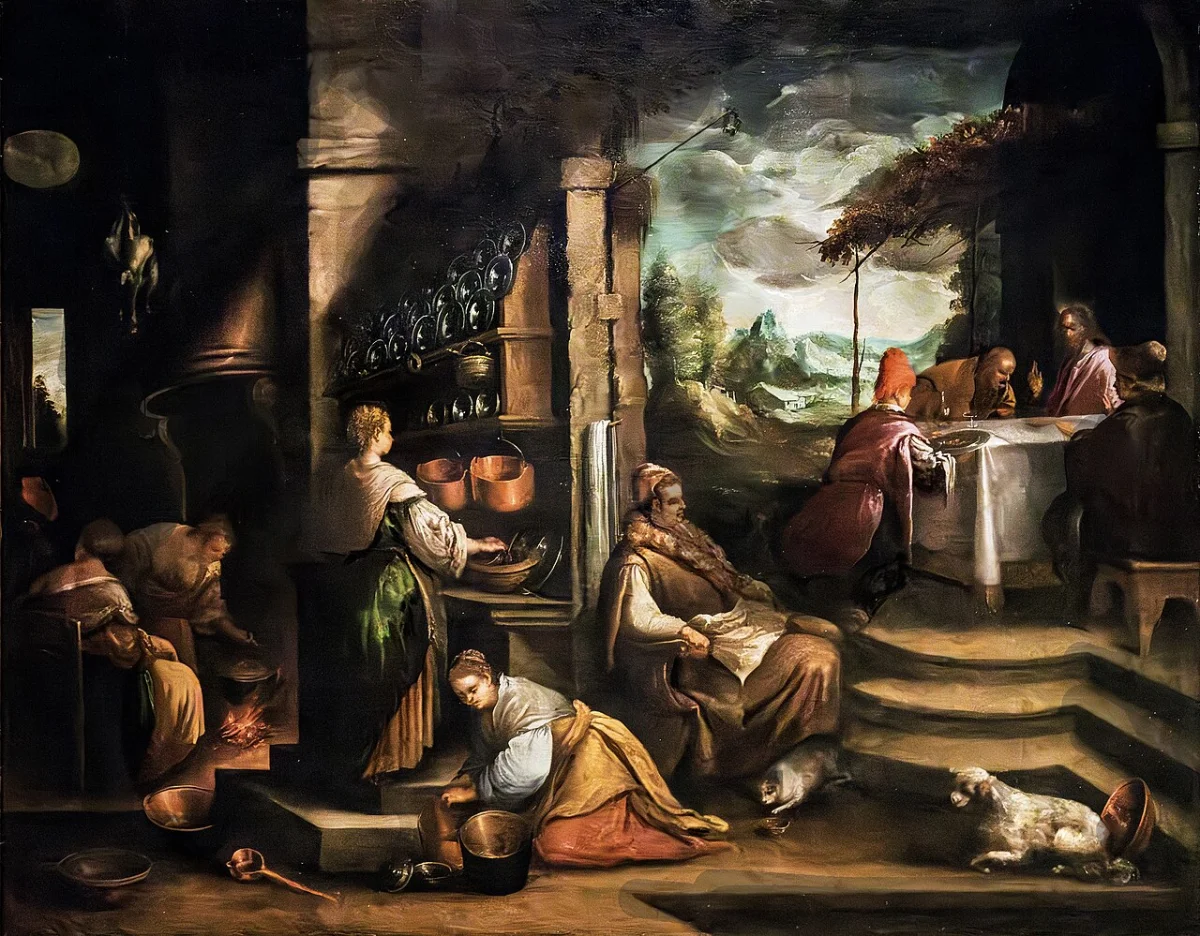
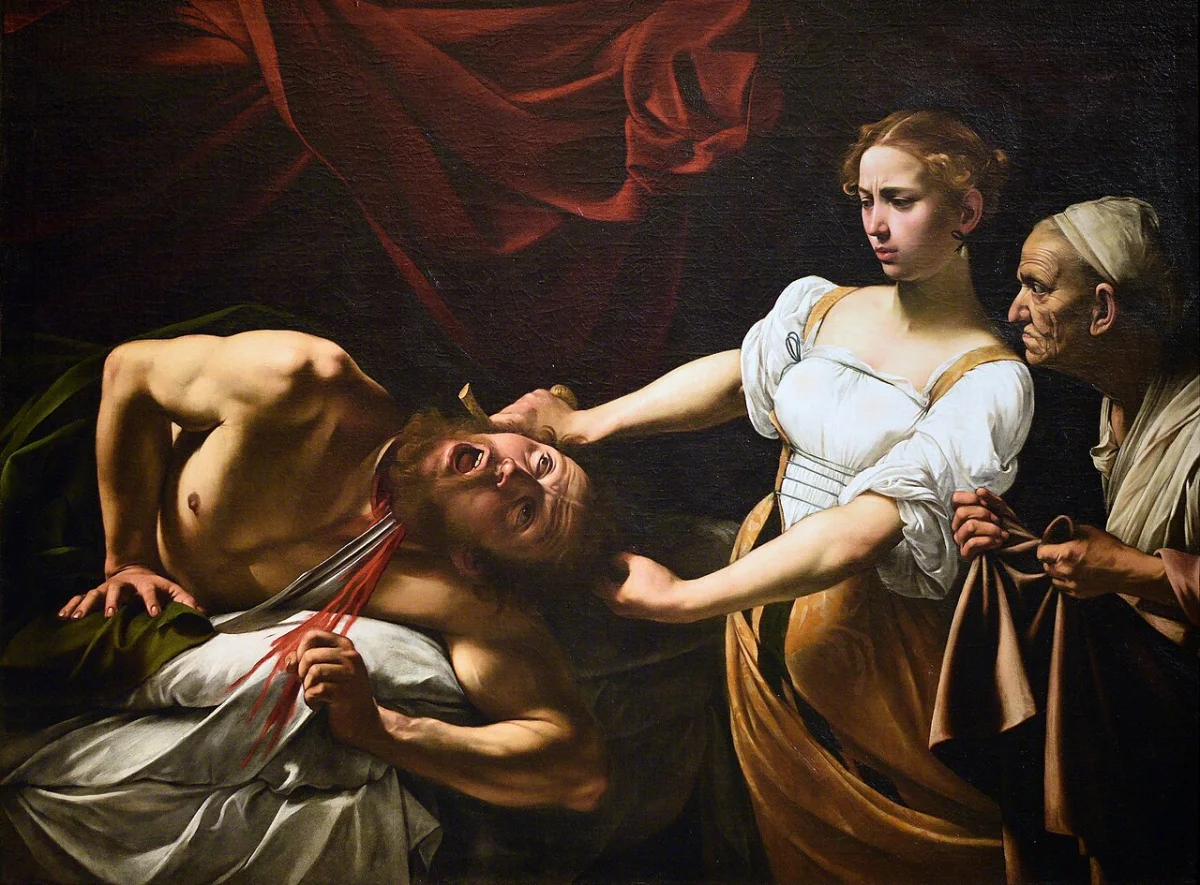
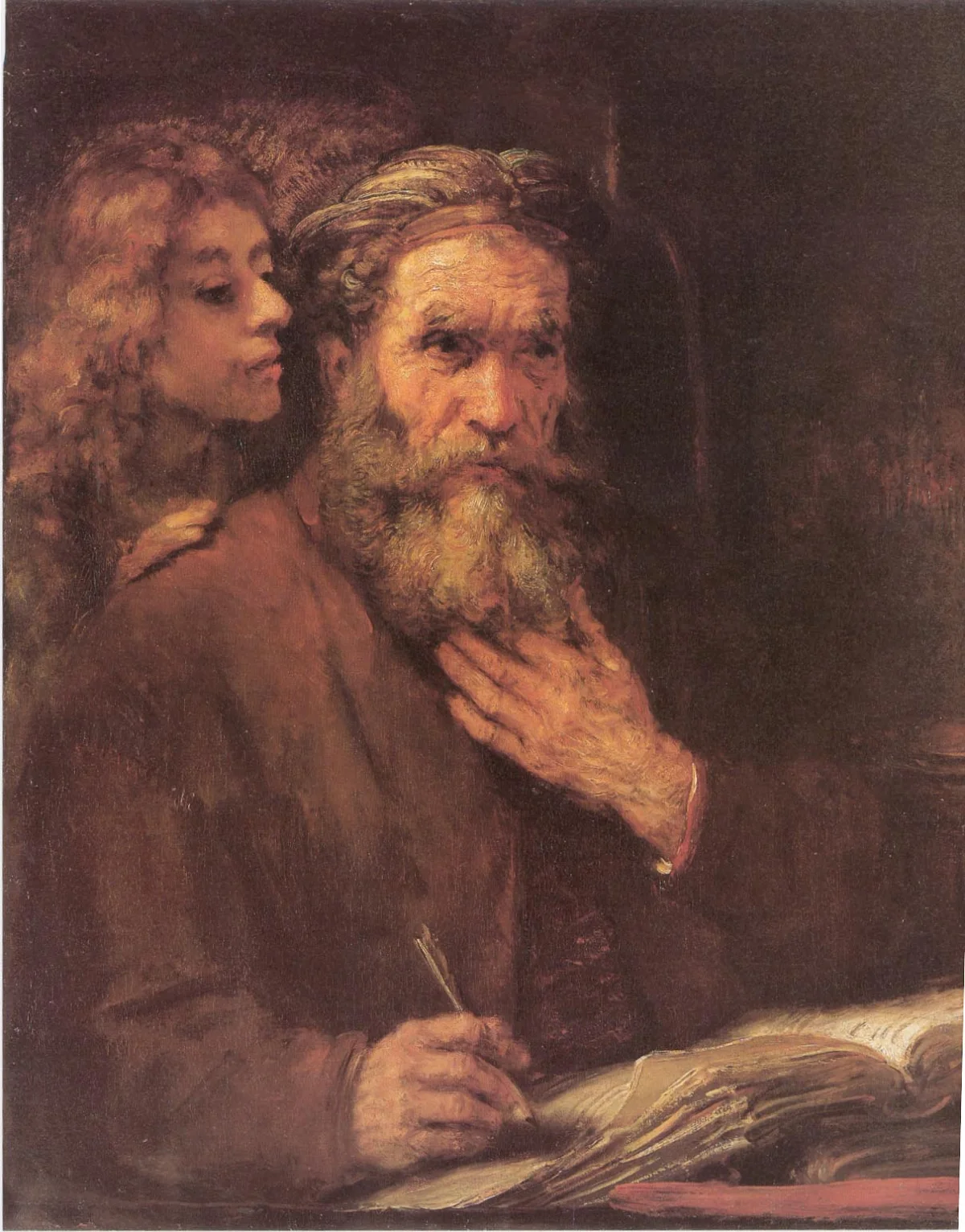
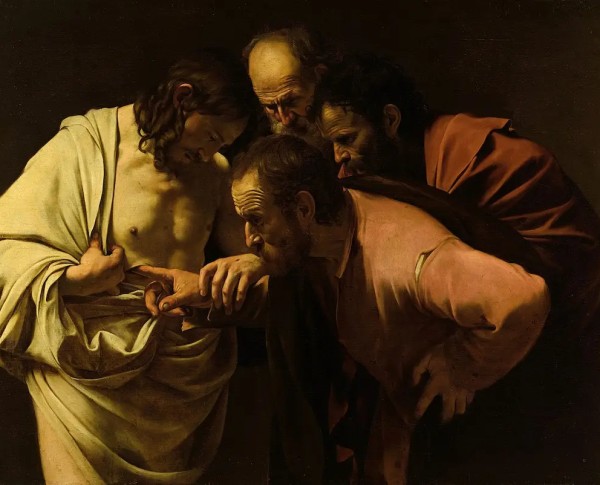
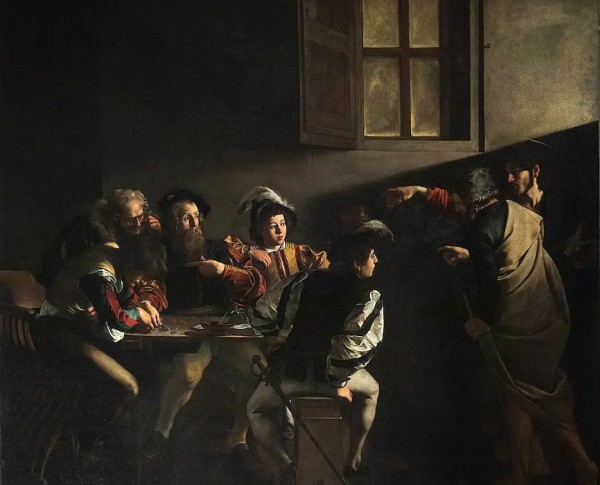
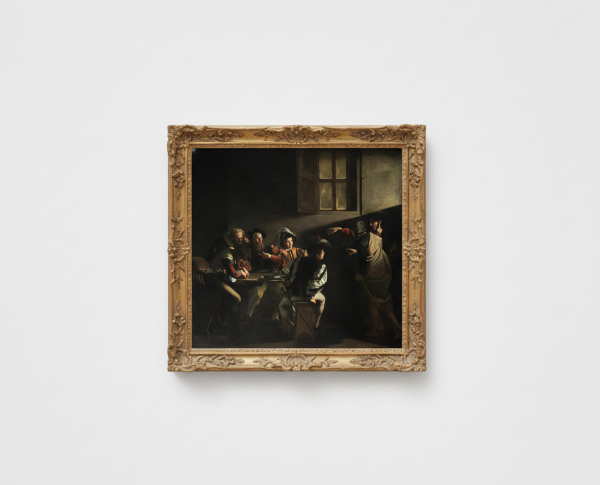
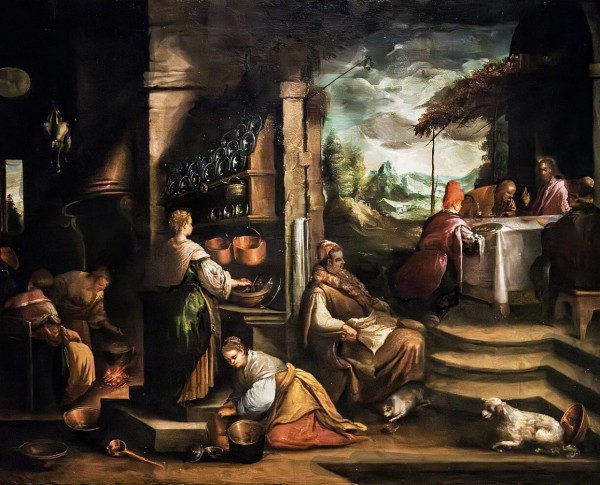
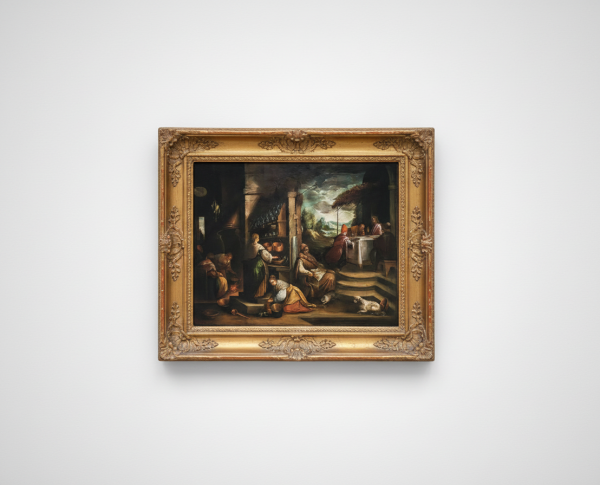
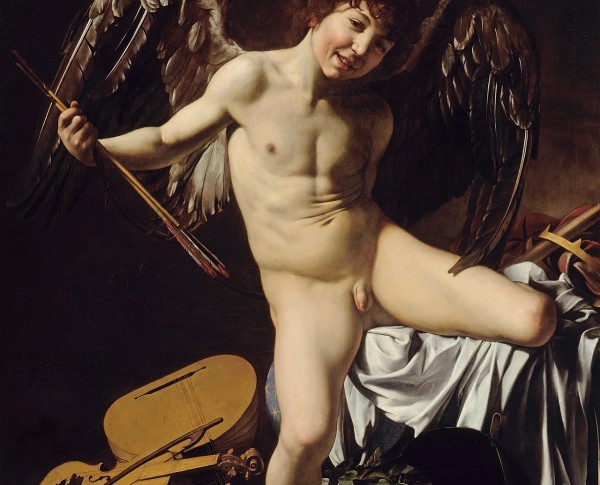
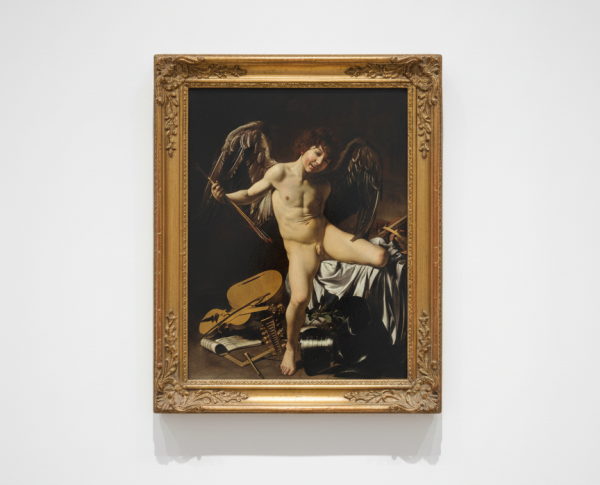
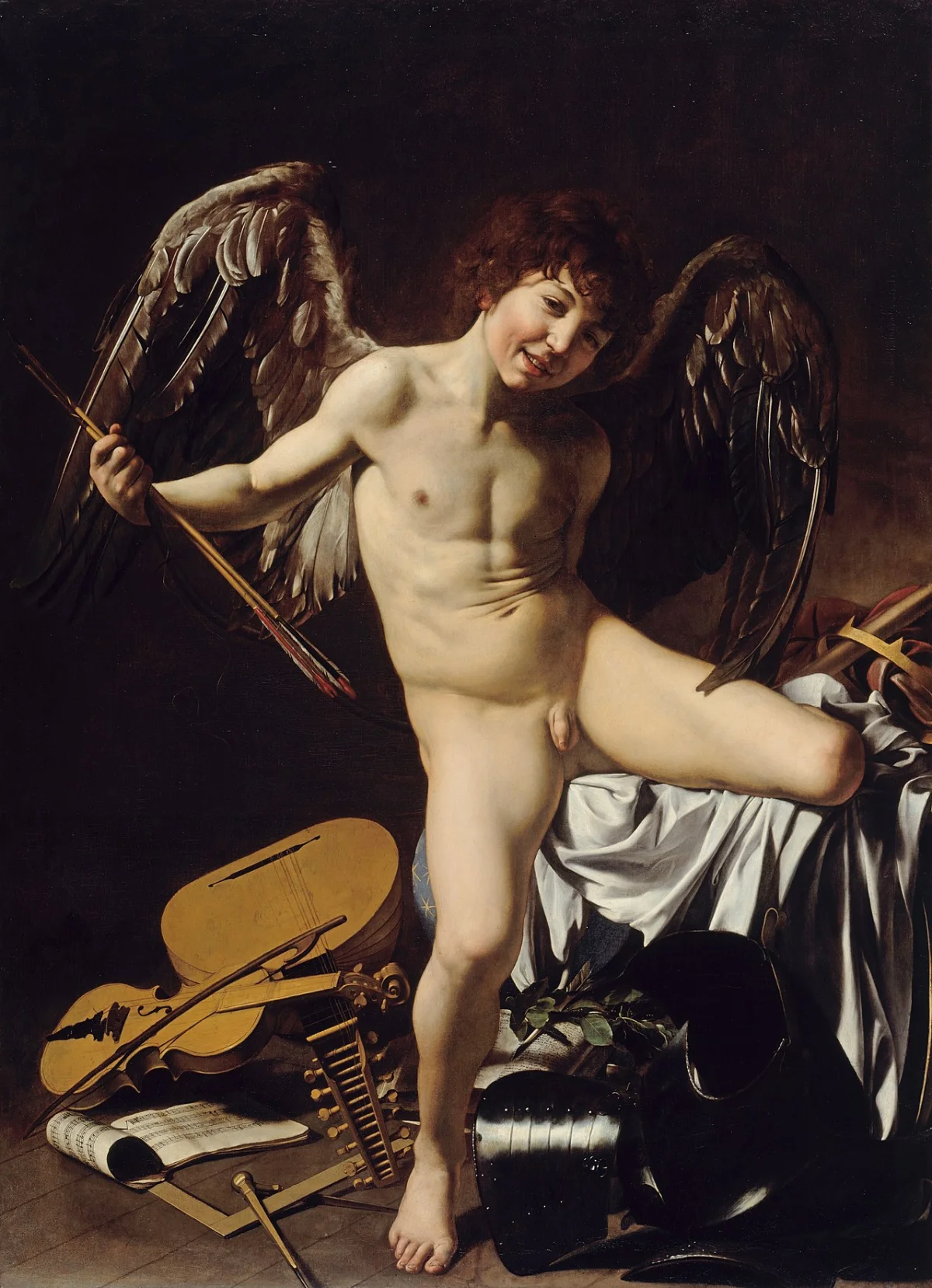
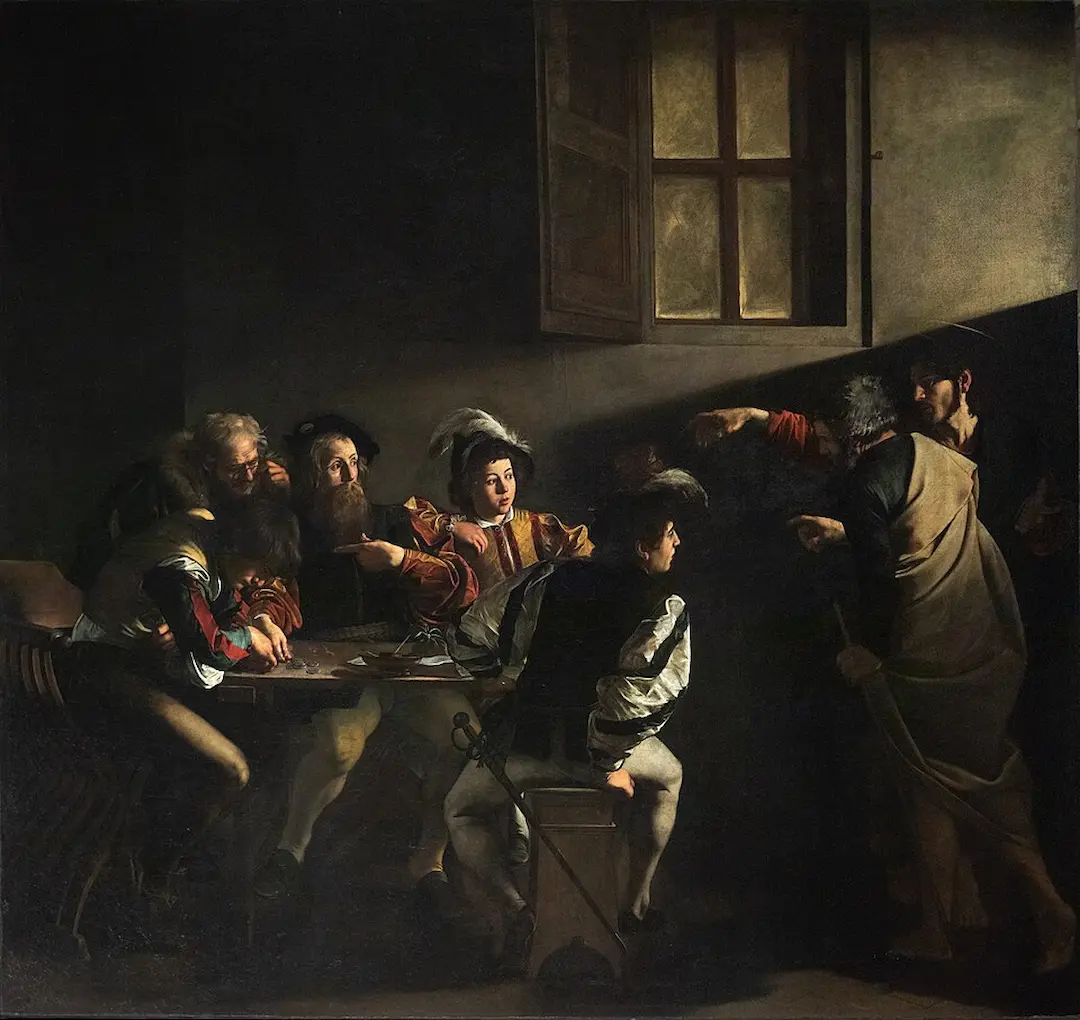
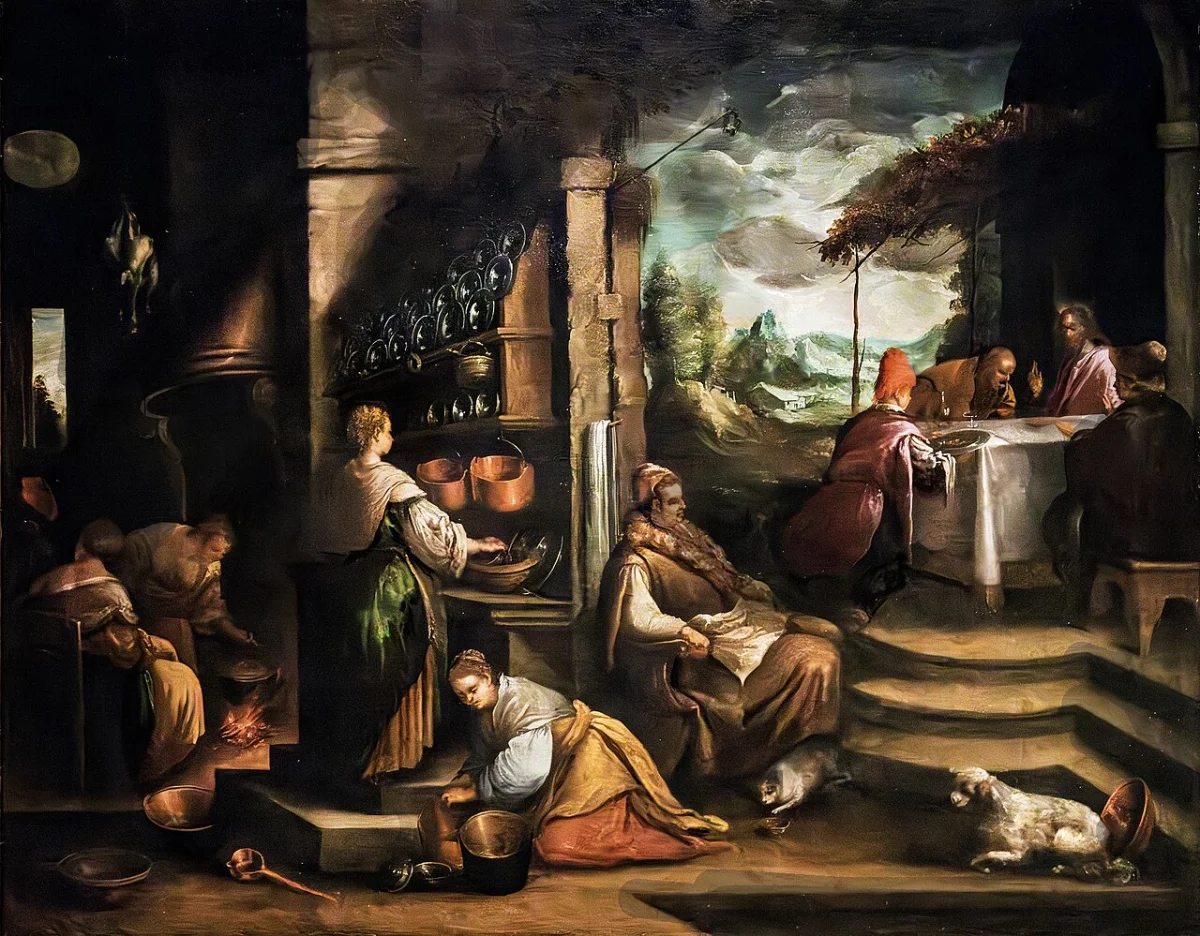
Caravaggio’s "Amor Vincit Omnia" exemplifies technical brilliance through his use of oil on canvas, bringing the figure of Cupid to life with meticulous attention to detail. The artist’s mastery of light and shadow, a hallmark of the Baroque movement, adds depth and realism to the scene. This technique is similarly evident in Caravaggio’s other masterpieces, such as "Supper at Emmaus" and "The Calling of Saint Matthew."
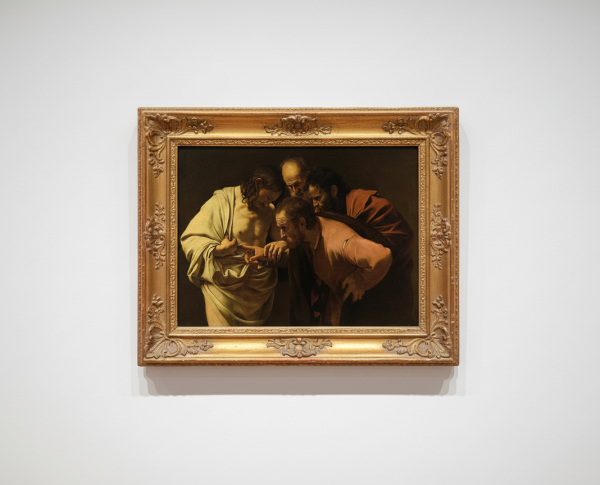
Every element in "Amor Vincit Omnia" is carefully chosen, imbuing the hand-painted oil painting with layers of meaning. Caravaggio employs symbolic objects—musical instruments, armor, and laurels—to represent love’s triumph over all. This narrative approach, central to many Baroque works, is echoed in related products like "Doubting Thomas" and "Supper at Emmaus," where storytelling is just as vivid and compelling.
For collectors seeking a fine art painting for sale, Caravaggio’s "Amor Vincit Omnia" is a prized acquisition. The painting’s historical significance, combined with its artistic mastery, makes it a standout in any collection of Baroque art. Collectors often pair it with related works, including "Supper at Emmaus," "Doubting Thomas," and "The Calling of Saint Matthew," to create a comprehensive showcase of Caravaggio’s genius.
When Art Meets History
"Amor Vincit Omnia" by Caravaggio stands as a testament to the Baroque movement's grandeur and drama. Painted in the early 17th century, this hand-painted oil painting captures the essence of a transformative era in art history. Caravaggio, renowned for his mastery of chiaroscuro, influenced countless artists and works, including "Holy Family" and "Repentant Mary Magdalene." The painting’s historical context enriches its allure, inviting viewers to explore the complexities of love and power during the Baroque period.
Techniques That Speak
Caravaggio’s "Amor Vincit Omnia" exemplifies the artist’s innovative use of oil on canvas, a hallmark of Baroque artistry. His technique of dramatic lighting and realistic depiction of forms brings the subject to life, echoing the style seen in "Portrait of Charles II" and "Mountain landscape with lightning." The painting’s dynamic composition and vivid contrasts showcase Caravaggio’s technical brilliance, making this oil on canvas masterpiece a standout in the realm of Baroque fine art.
Emotions on Display
The emotional intensity in Caravaggio's "Amor Vincit Omnia" is palpable, as the artist imbues the figure of Cupid with mischievous vitality. This fine art painting for sale radiates passion, defiance, and the triumph of love, reminiscent of the expressive power found in "Teresa Francisca Mudarra y Herrera." Through meticulous attention to gesture and expression, Caravaggio ensures that viewers feel the vibrancy and emotional depth characteristic of the Baroque movement.
Coveted by Collectors
"Amor Vincit Omnia" remains highly prized among collectors of Baroque art, with its hand-painted oil painting qualities and historical significance. Caravaggio’s works, including related pieces like "Repentant Mary Magdalene" and "Holy Family," are sought after for their rarity and impact. This masterpiece’s enduring appeal lies in its technical mastery and evocative storytelling, making it a cornerstone for anyone seeking a distinguished fine art painting for sale in the Baroque tradition.
Related Baroque Hand-Painted Oil Paintings by Other Artists
Other Famous Baroque Artists:
Frequently Asked Questions About Amor Vincit Omnia
What is the historical context of Amor Vincit Omnia?
Amor Vincit Omnia, painted by Caravaggio in the early 17th century, reflects the Baroque period's emphasis on dramatic realism and emotional intensity. This period was characterized by a shift towards personal expression and the exploration of human emotions, often influenced by the Counter-Reformation.
What are the main themes depicted in Amor Vincit Omnia?
The painting explores themes of love and power, illustrating the idea that love conquers all obstacles. This is symbolized by the central figure of Cupid, who embodies love's triumph over adversity, a prevalent theme in both literature and art of the time.
How does Caravaggio's style influence the painting?
Caravaggio is known for his use of chiaroscuro, the strong contrast between light and dark. In Amor Vincit Omnia, this technique enhances the three-dimensionality of the figures and draws the viewer's eye to Cupid, emphasizing his significance in the composition.
What symbolic elements are present in the painting?
The painting features various symbolic elements, including the laurel wreath, which represents victory, and the broken arrows, symbolizing the power of love to disarm and conquer. These elements reinforce the central message of love's supremacy.
Who are the figures depicted in Amor Vincit Omnia?
The central figure is Cupid, the Roman god of love, depicted as a youthful, winged boy. Surrounding him are allegorical figures representing the virtues and vices that love can influence, creating a narrative about the complexities of love.
What artistic techniques did Caravaggio employ in this work?
Caravaggio utilized dramatic lighting, realistic human figures, and emotional expressions to convey the intensity of love's power. His innovative approach to composition and perspective creates a dynamic interaction between the figures and the viewer.
How does Amor Vincit Omnia reflect Caravaggio's overall artistic philosophy?
The painting embodies Caravaggio's belief in the importance of realism and emotional authenticity in art. By portraying mythological subjects in a relatable manner, he invites viewers to engage with the deeper human experiences represented in his work.
What impact did Amor Vincit Omnia have on subsequent art movements?
This painting influenced the Baroque movement and later artists who sought to capture emotional depth and realism. Caravaggio's techniques and themes resonated through the ages, inspiring the development of Romanticism and Realism in the 19th century.
Where can one view Amor Vincit Omnia today?
Amor Vincit Omnia is housed in a prominent collection, where it continues to be studied and admired for its artistic merit and historical significance. Visitors can appreciate the painting's intricate details and powerful symbolism in person.
What is the significance of the title "Amor Vincit Omnia"?
The title translates to "Love Conquers All," a phrase that encapsulates the essence of the painting. It reflects the enduring belief in love's ability to overcome challenges and its central role in human experience, resonating with audiences throughout history.






















_GFM_Painting_(1).webp)


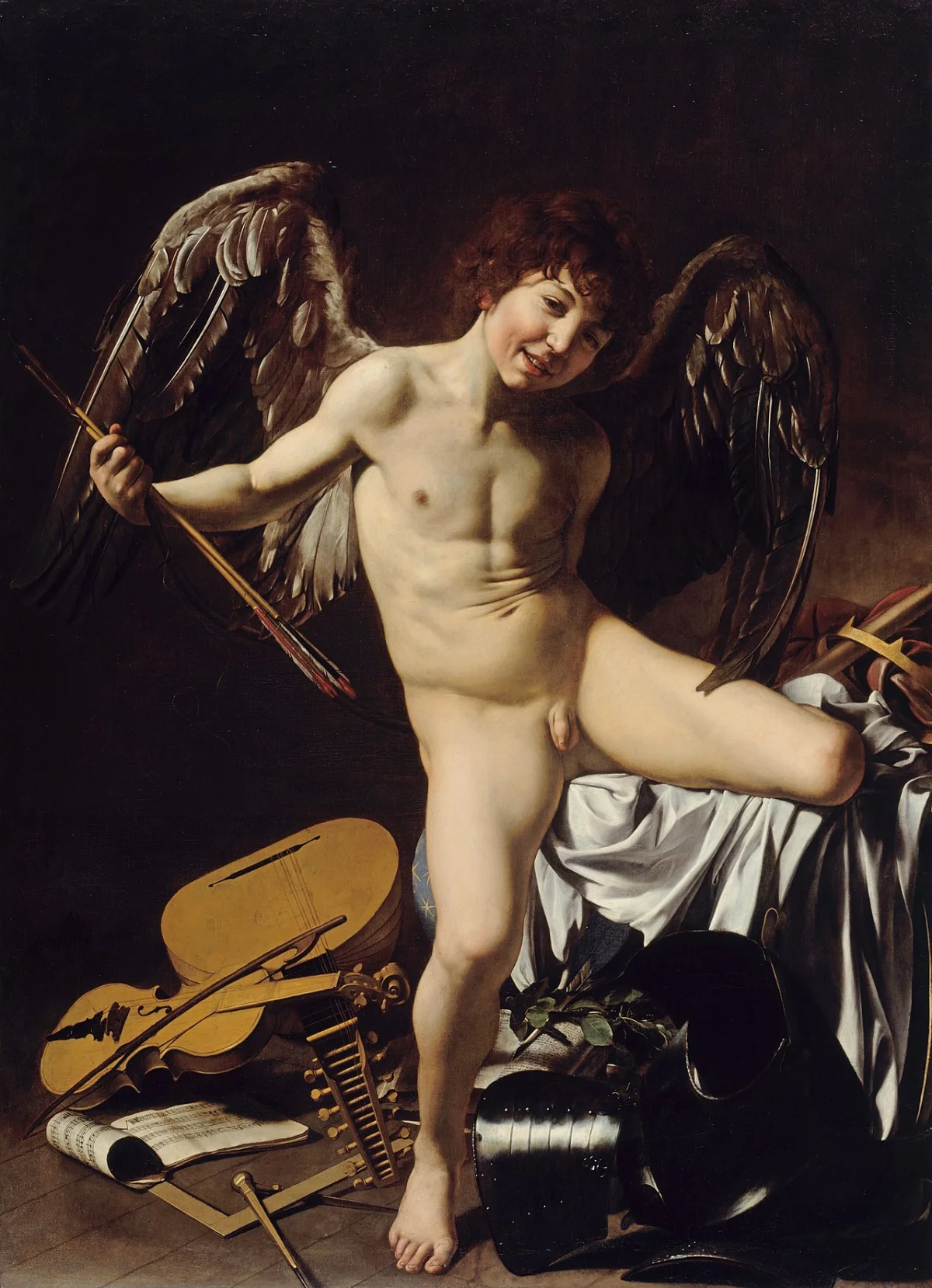
 100% Hand-Painted: Finished in 3-6 Weeks

.png)















_(1).webp)