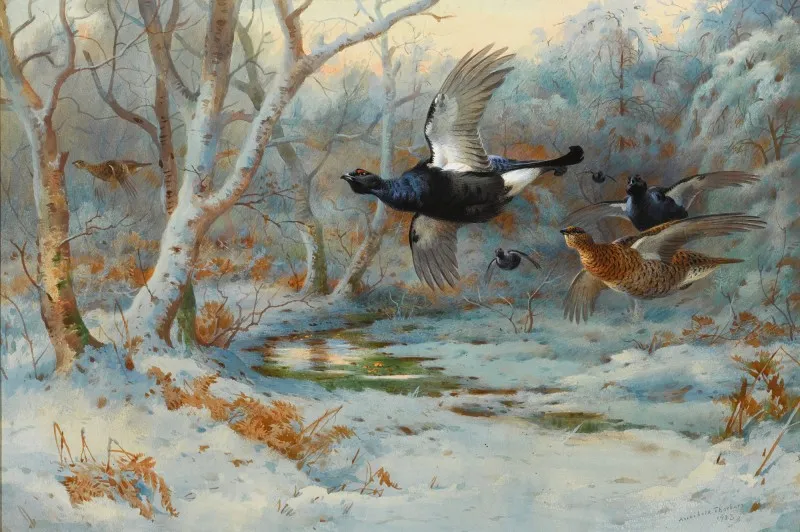
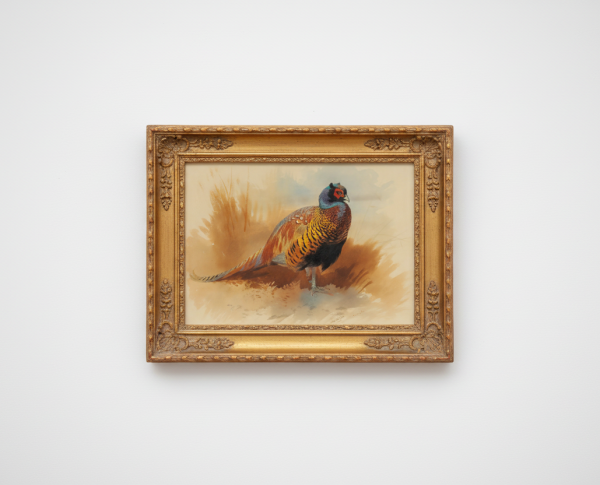
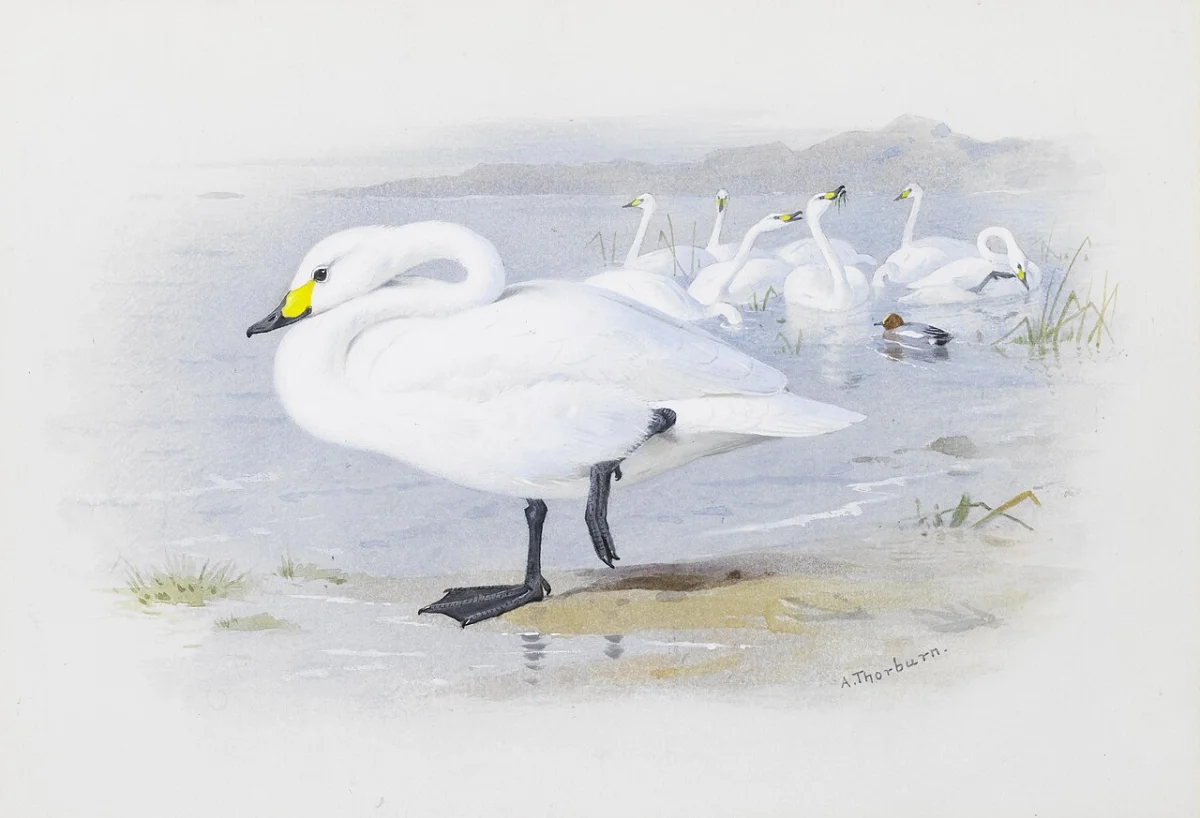
This exquisite oil on canvas reflects Thorburn’s meticulous attention to detail and his deep respect for nature. The fluid brushwork and delicate layering of colors bring the swan’s plumage and the tranquil scene to life. As a celebrated piece in the Naturalism movement, "Bewick's swan." shares its refined technique with related works such as "Little Owl and Scops Owl." and "Pair of Golden Eagles," making it a must-see for enthusiasts of wildlife art.
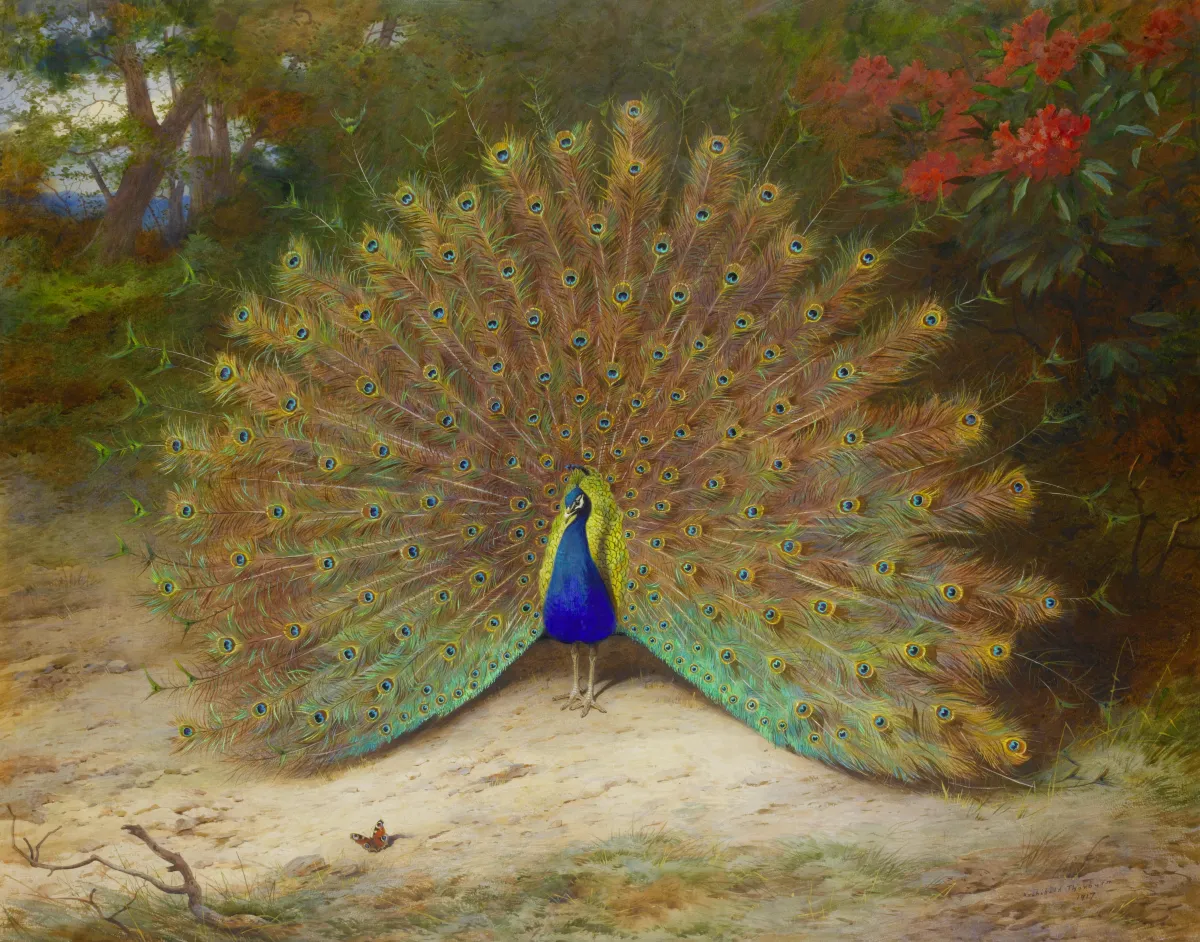
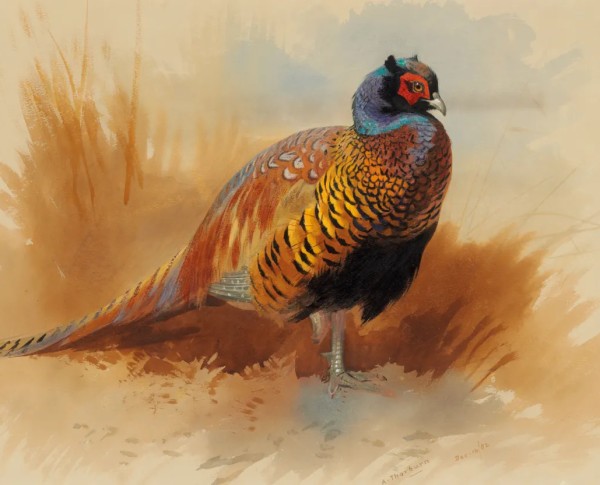
In "Bewick's swan.," Thorburn imbues the canvas with symbolism, evoking themes of grace, migration, and the quiet majesty of nature. This fine art painting for sale not only showcases the artist’s technical prowess but also invites viewers to contemplate the delicate balance of the natural world. Collectors might find similar narratives in related products like "Peacock and Peacock Butterfly," each piece telling its own unique story within the Naturalism movement.
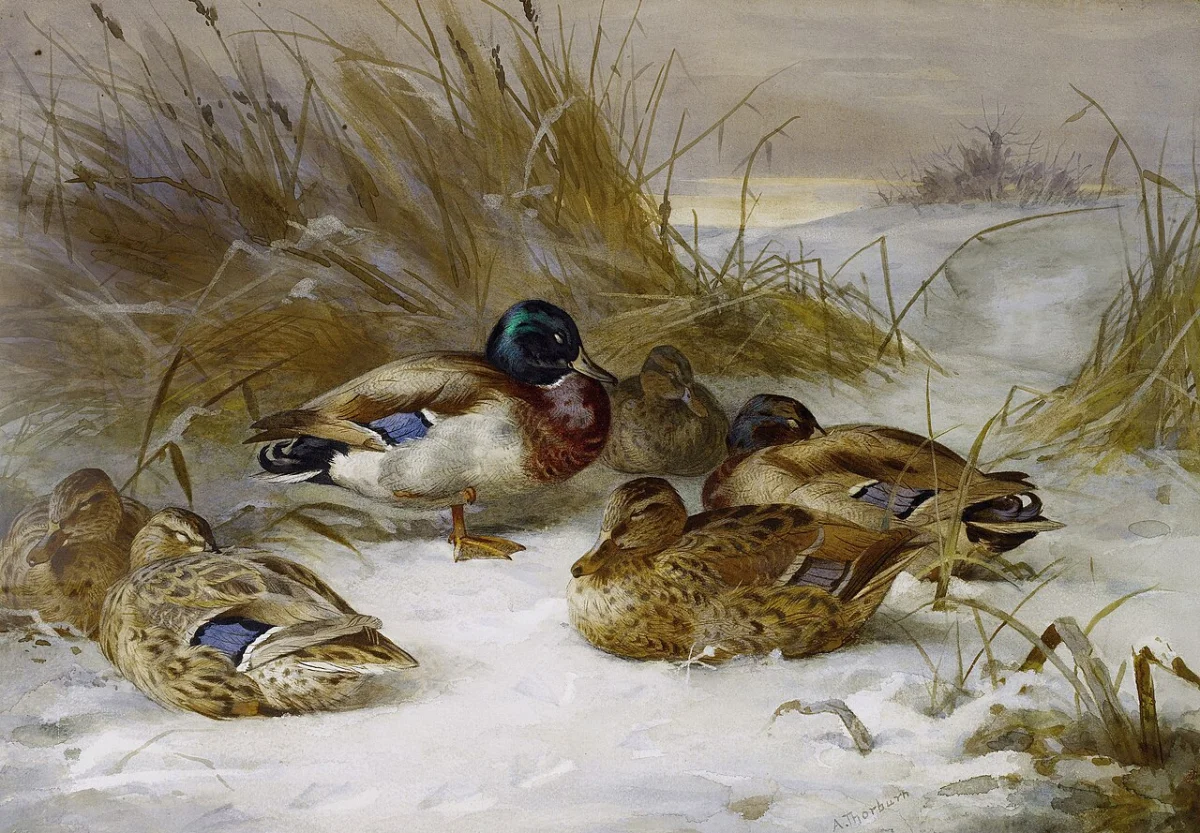
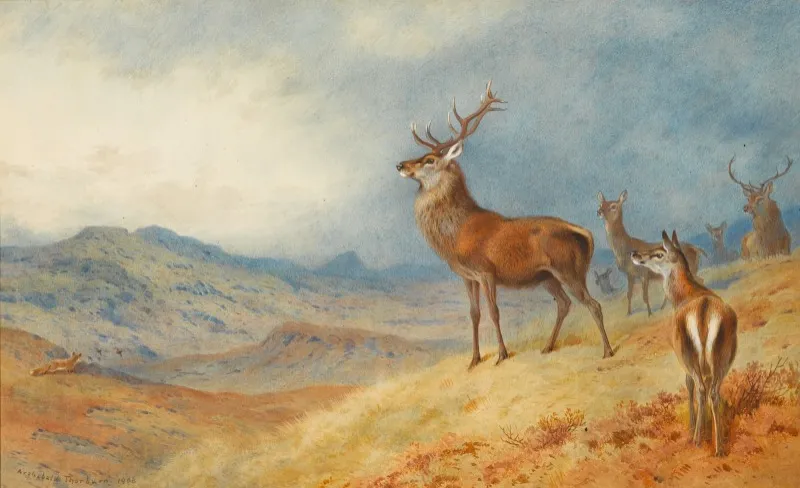
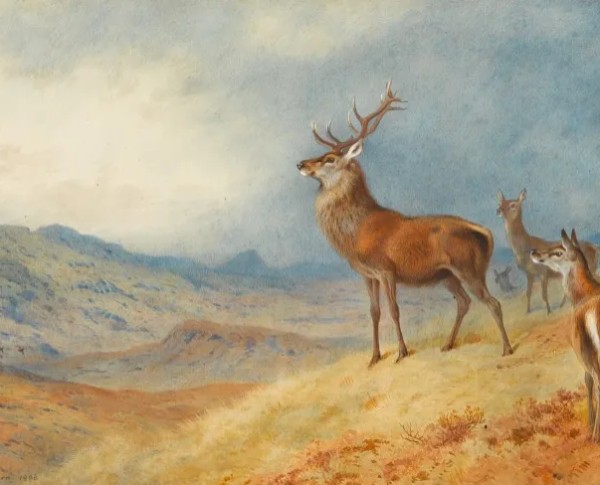
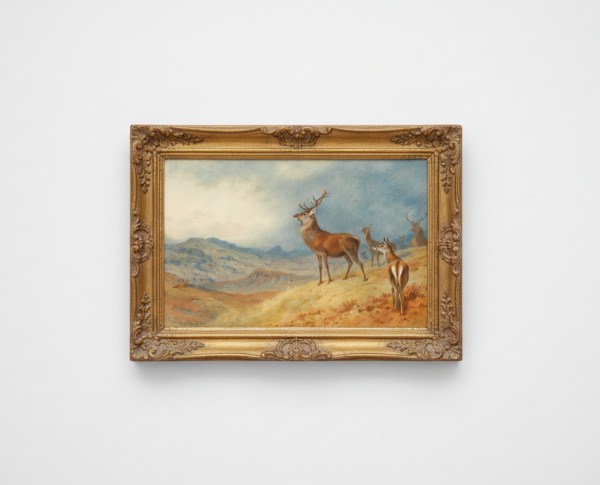
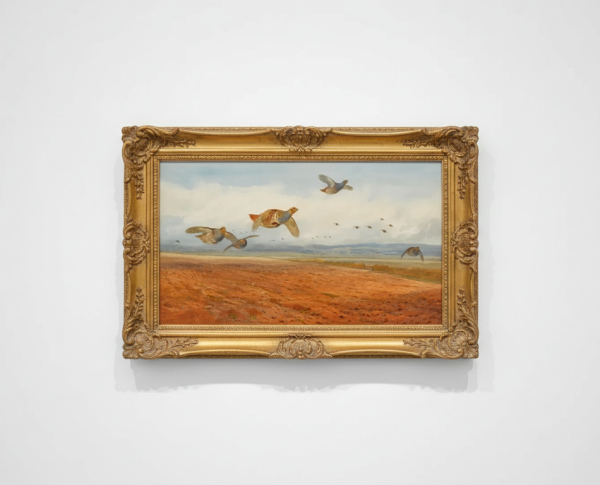
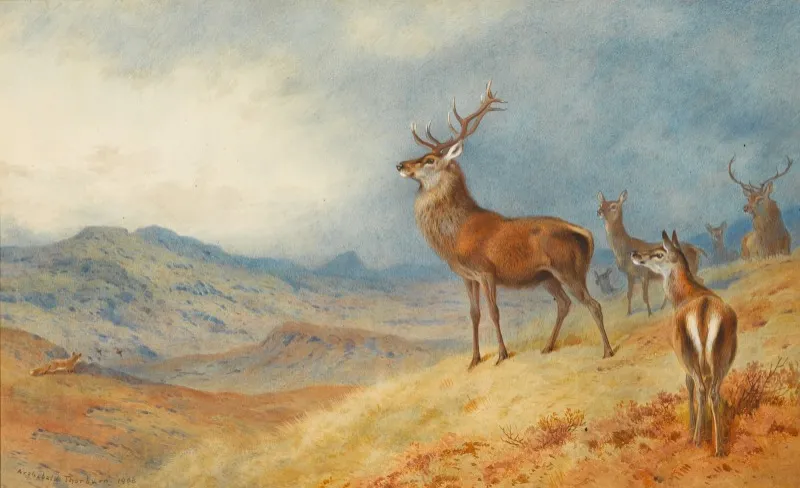
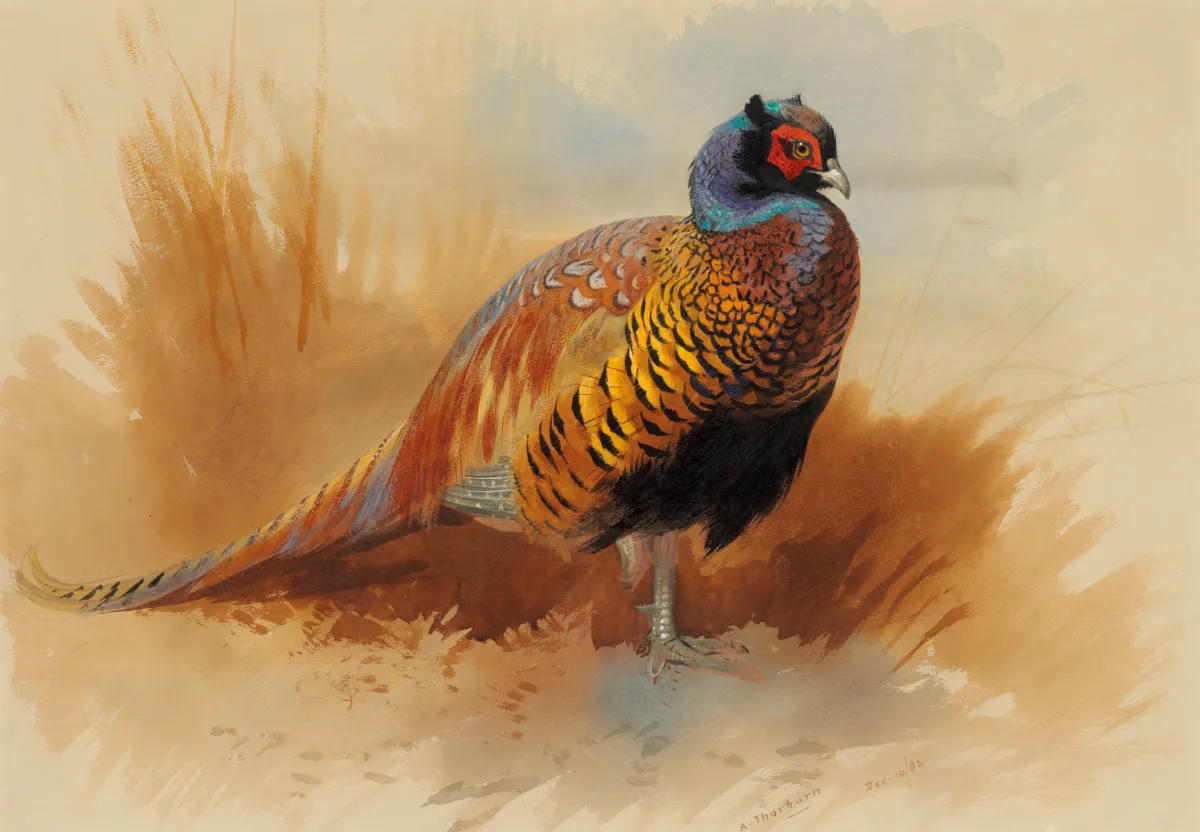
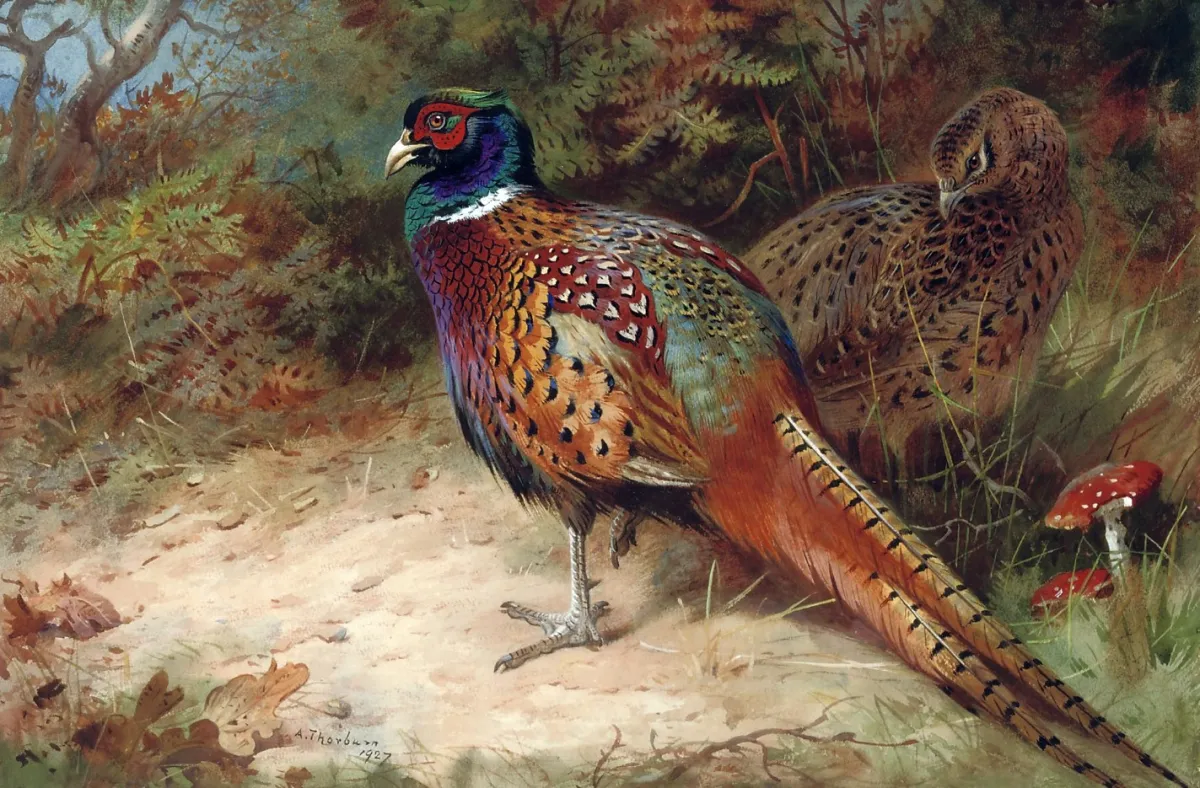
For those seeking a timeless addition to their collection, "Bewick's swan." by Archibald Thorburn is an exceptional choice. This hand-painted oil painting embodies the essence of the Naturalism movement and offers enduring value. With related products such as "Pheasants." and "Red Deer In A Highland Landscape" available, art lovers have the opportunity to curate a harmonious collection of Thorburn’s celebrated works in oil on canvas.
When Art Meets History
Archibald Thorburn’s "Bewick's Swan" stands as a testament to the rich traditions of the Naturalism movement. Painted during a period when artists sought to capture the essence of the natural world, this hand-painted oil painting reflects Thorburn’s dedication to realism and detail. "Bewick's Swan" is often discussed alongside other ornithological works by Thorburn, each contributing to the historical narrative of wildlife art and its role in scientific illustration and artistic appreciation alike.
Techniques That Speak
Thorburn’s mastery is evident in his application of oil on canvas, bringing to life the delicate feathers and serene environment of "Bewick's Swan." His brushwork, layering, and subtle blending techniques are hallmarks of the Naturalism movement, showcasing a commitment to lifelike representation. This painting, like many of Thorburn’s bird studies, demonstrates a meticulous approach that elevates the subject’s realism, making it a standout example of 19th-century wildlife artistry.
Emotions on Display
"Bewick's Swan" by Archibald Thorburn evokes a sense of tranquility and reverence for nature. The artist’s careful rendering captures the gentle dignity of the swan, allowing viewers to connect emotionally with the subject. This fine art painting for sale not only celebrates the beauty of the bird but also invites contemplation of the fragile ecosystems depicted. Thorburn’s emotional connection to his subjects is a defining trait of the Naturalism movement.
Coveted by Collectors
Thorburn’s "Bewick's Swan" remains highly sought after by collectors who appreciate its historical significance and artistic merit. As a hand-painted oil painting from the Naturalism movement, it appeals to those seeking authentic representations of wildlife. Collectors value Thorburn’s works for their meticulous detail and enduring charm, making "Bewick's Swan" a prized addition to any collection of fine art painting for sale, especially among enthusiasts of ornithological art.
Frequently Asked Questions About Bewick's swan.
Who is the artist of Bewick's swan?
The artist of Bewick's swan is Archibald Thorburn, a renowned Scottish painter known for his detailed depictions of wildlife.
What is the historical significance of Bewick's swan in art?
Bewick's swan has been a subject of fascination in art due to its graceful form and migratory behavior, symbolizing the beauty of nature and the importance of wildlife conservation.
What artistic techniques did Archibald Thorburn use in this painting?
Thorburn employed meticulous attention to detail and a naturalistic approach, utilizing oil paints to capture the delicate features and textures of the swan and its environment.
What themes are explored in Bewick's swan?
The painting explores themes of nature, wildlife, and the relationship between humans and the natural world, emphasizing the need for preservation and respect for wildlife.
In what year was Bewick's swan created?
Bewick's swan was created in the early 20th century, a period during which Thorburn was particularly active in wildlife art.
What symbolism is associated with the swan in this artwork?
In this artwork, the swan symbolizes grace, beauty, and tranquility, often representing purity and the ephemeral nature of life.
How does Bewick's swan reflect the artistic movements of its time?
This painting reflects the naturalism movement of the early 20th century, which emphasized realistic representation and a deep appreciation for the natural world.
What influences can be seen in Thorburn's depiction of wildlife?
Thorburn was influenced by the Romantic movement, which celebrated nature and individualism, as well as by his extensive studies of wildlife in their natural habitats.
Where can I find more information about Archibald Thorburn's work?
More information about Archibald Thorburn's work can be found in art history books, wildlife art exhibitions, and dedicated online resources focusing on his contributions to wildlife painting.
How has Bewick's swan been received by the art community?
Bewick's swan has been well received by the art community, praised for its technical skill and its role in raising awareness about the beauty and fragility of avian species.






















_GFM_Painting_(1).webp)


 100% Hand-Painted: Finished in 3-6 Weeks

.png)















_(1).webp)