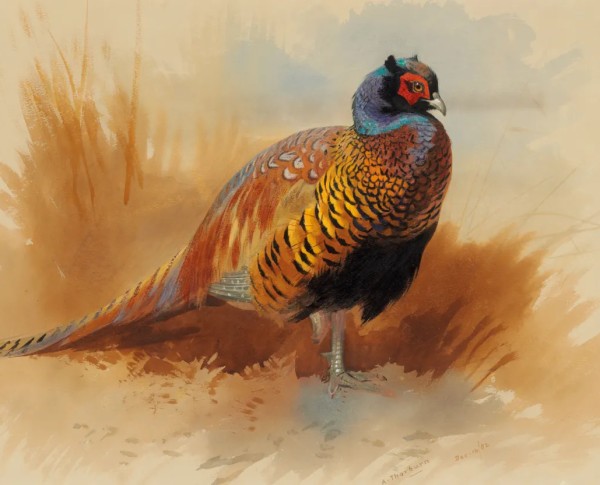
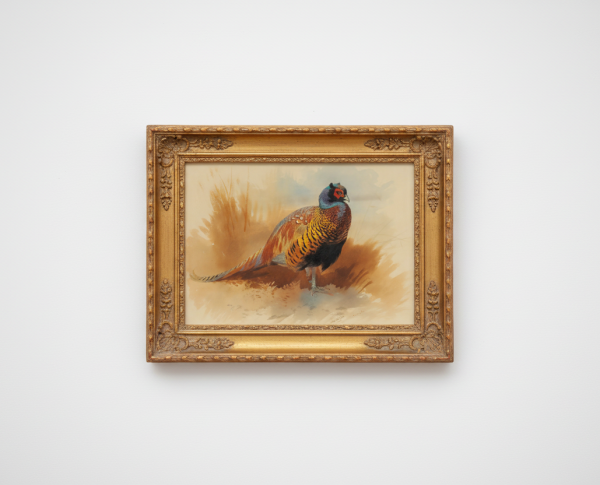
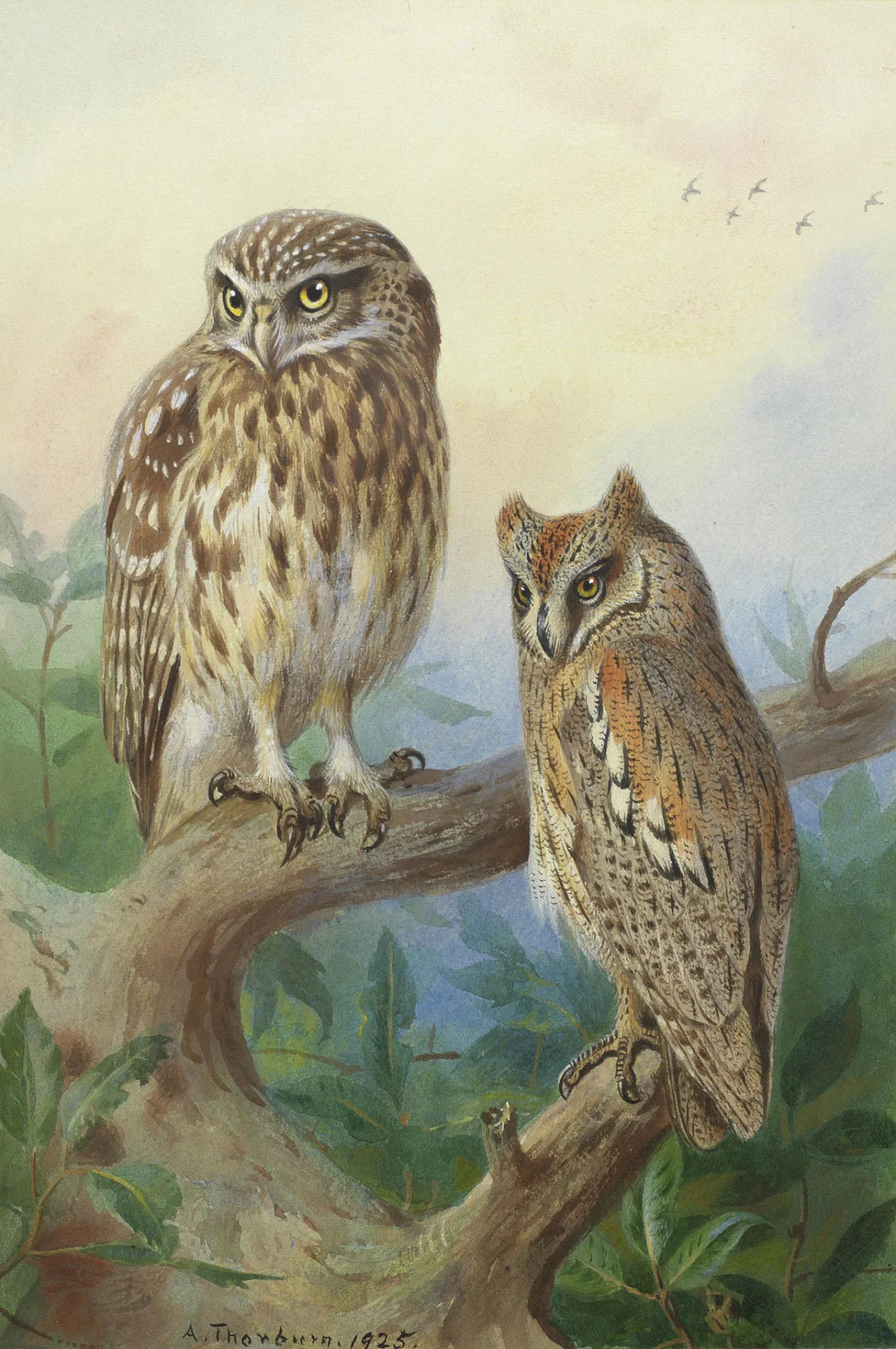
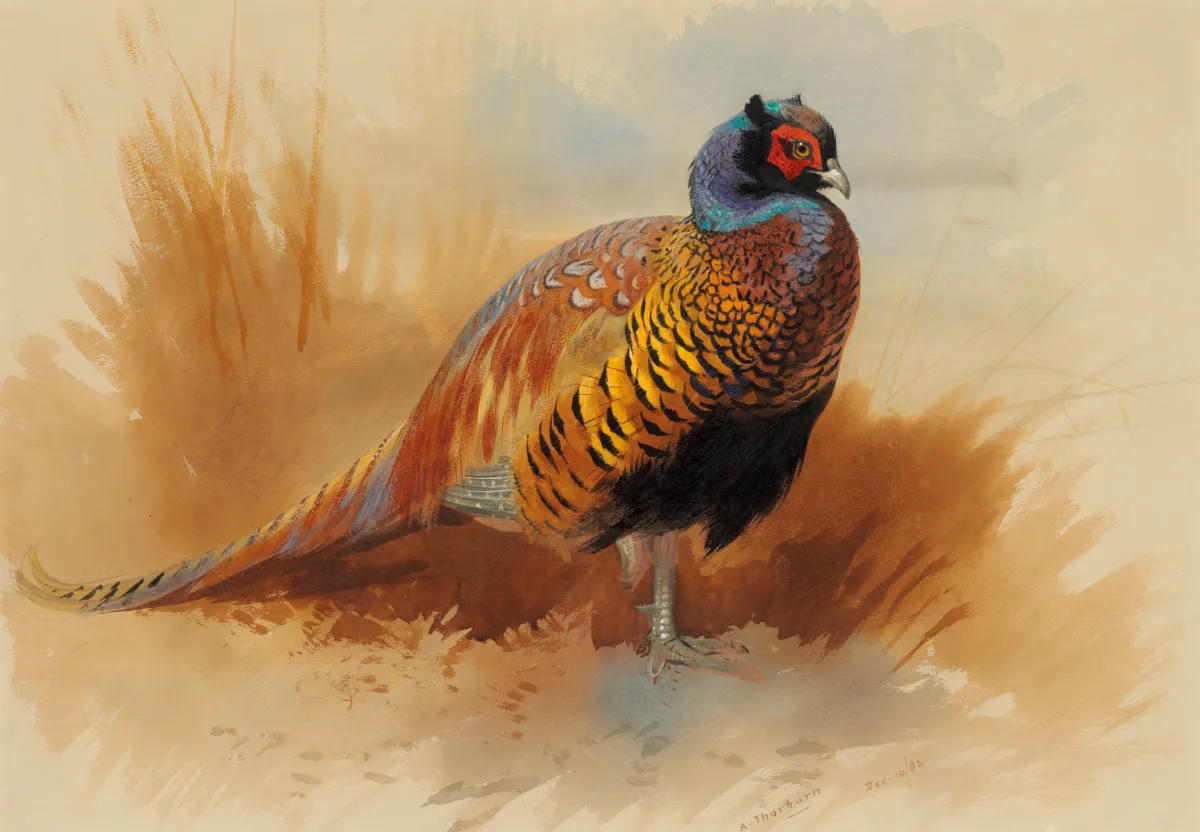
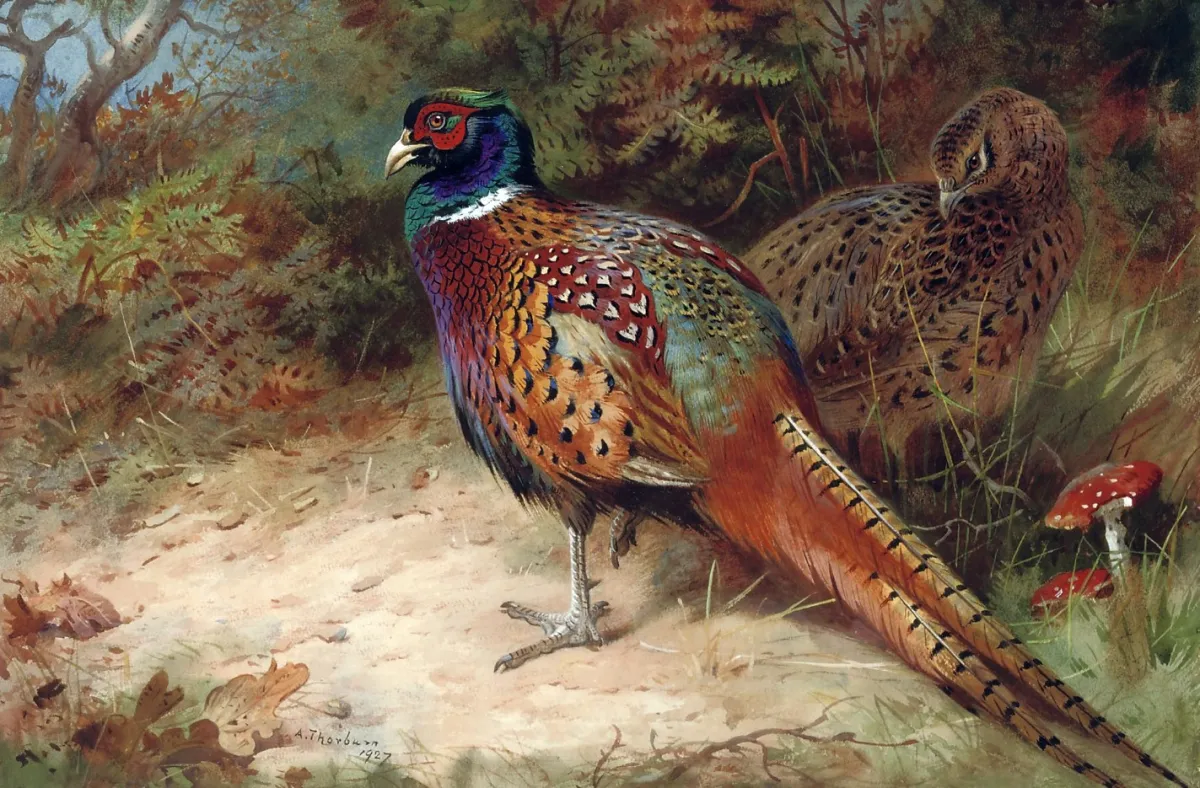
In "Little Owl and Scops Owl," Thorburn's meticulous technique and attention to detail shine through every brushstroke. This stunning oil on canvas showcases the artist’s ability to capture the delicate features and lifelike expressions of his avian subjects. Within the Naturalism movement, such works exemplify the highest standards of realism. Collectors of Thorburn’s art often seek related pieces like "Woodcock in a sandy hollow." and "Pheasants." to complement their collections.
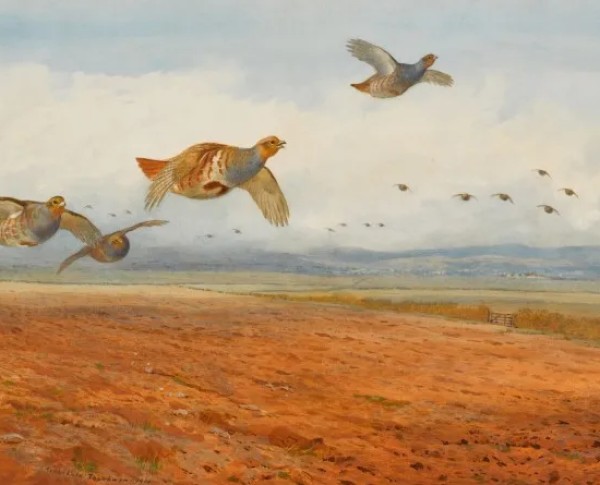
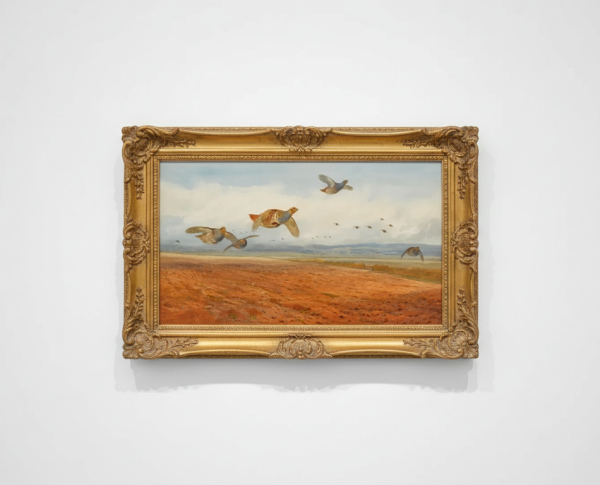
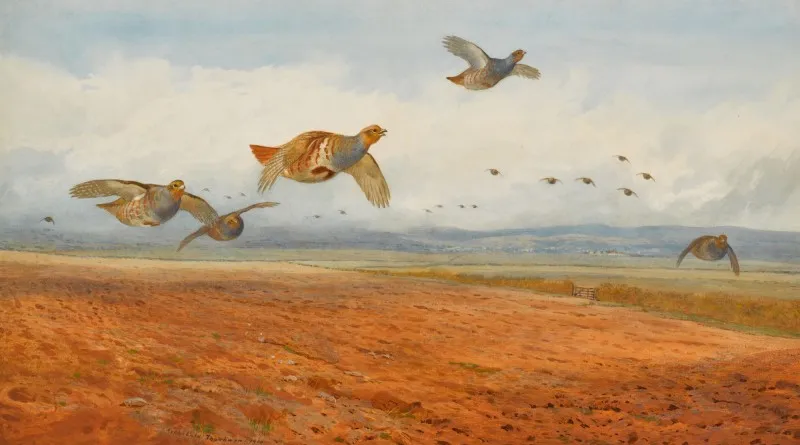
The painting "Little Owl and Scops Owl" by Archibald Thorburn invites viewers to explore the symbolic meaning behind these nocturnal birds. Through this fine art painting for sale, Thorburn highlights the mysterious and wise qualities often attributed to owls. The Naturalism movement’s emphasis on authentic representation brings these themes to life. Collectors may also be interested in Thorburn’s related works, such as "A Covey of Grey Partridge in Flight," which continue his narrative of wildlife in natural settings.
For art collectors, owning "Little Owl and Scops Owl" by Archibald Thorburn is more than acquiring a beautiful oil on canvas; it is investing in the legacy of the Naturalism movement. This hand-painted oil painting offers both historical value and aesthetic pleasure. Its timeless appeal aligns perfectly with related products like "Woodcock in a sandy hollow." and "Pheasants." making it a coveted addition to any fine art collection seeking authenticity and elegance.
When Art Meets History
Archibald Thorburn’s "Little Owl and Scops Owl" stands as a testament to the Naturalism movement, capturing wildlife with remarkable accuracy and sensitivity. Created during a period when hand-painted oil painting was valued for its authenticity, this masterpiece showcases Thorburn’s dedication to the natural world. Like his other celebrated works, "Little Owl and Scops Owl" reflects the artist’s deep understanding of avian subjects, making it a significant piece in the history of nature-inspired art.
Techniques That Speak
Thorburn’s expert use of oil on canvas brings the delicate features of the owls to life, highlighting their unique plumage and expressive eyes. His subtle brushwork and careful layering of colors exemplify the hallmark techniques of the Naturalism movement. Through these methods, he achieves a lifelike representation that draws viewers into the scene. The attention to detail in "Little Owl and Scops Owl" rivals that of his other wildlife paintings, emphasizing Thorburn’s technical mastery.
Emotions on Display
In "Little Owl and Scops Owl," Archibald Thorburn conveys a quiet intimacy between the two birds, evoking a sense of wonder and tranquility. The careful composition and naturalistic setting invite viewers to connect emotionally with the subjects. This fine art painting for sale not only captures the beauty of the owls but also stirs a deep appreciation for the serenity of the natural world, much like Thorburn’s other works in the Naturalism movement.
Coveted by Collectors
Collectors of wildlife art are continually drawn to Thorburn’s "Little Owl and Scops Owl" for its remarkable realism and historical significance. As a hand-painted oil painting, it holds a special place among fine art enthusiasts and nature lovers alike. The painting’s association with the Naturalism movement and the artist’s reputation for lifelike depictions make it a sought-after piece, complementing collections that feature similar works by Archibald Thorburn.
Frequently Asked Questions About Little Owl and Scops Owl.
What is the historical significance of Archibald Thorburn as an artist?
Archibald Thorburn was a prominent British wildlife artist known for his detailed and accurate representations of birds and other wildlife during the late 19th and early 20th centuries. His work contributed significantly to the field of natural history illustration.
What inspired Archibald Thorburn to create "Little Owl and Scops Owl"?
Thorburn was inspired by his passion for ornithology and the natural world. His extensive studies of bird species and their habitats informed his artistic choices, allowing him to depict the Little Owl and Scops Owl with remarkable accuracy and sensitivity.
What artistic techniques did Thorburn use in this painting?
Thorburn employed meticulous attention to detail, utilizing watercolors to achieve vibrant colors and delicate textures. His technique often included layering to create depth and realism, particularly in the feathers and natural surroundings of the owls.
What is the symbolism of the Little Owl and Scops Owl in this artwork?
The Little Owl is often associated with wisdom and knowledge, while the Scops Owl represents mystery and intuition. Together, they symbolize the balance between intellect and instinct, reflecting the complexities of nature and the avian world.
How does "Little Owl and Scops Owl" reflect the artistic movements of its time?
This painting embodies the naturalism movement prevalent in the late 19th century, where artists sought to depict subjects with accuracy and authenticity. Thorburn's work aligns with the broader trend of celebrating nature and wildlife in art during this period.
What role did nature play in Thorburn's artistic philosophy?
Nature was central to Thorburn's artistic philosophy. He believed that observing wildlife closely was essential for creating meaningful art. His dedication to capturing the essence of birds and their environments reflects a deep respect for the natural world.
In what ways did Thorburn's background influence his work?
Thorburn's upbringing in Scotland, surrounded by diverse wildlife, greatly influenced his artistic vision. His early exposure to nature fostered a lifelong passion for ornithology, which became a defining element of his artistic identity.
What is the significance of the composition in "Little Owl and Scops Owl"?
The composition of the painting is thoughtfully arranged to draw the viewer's eye to the owls while also incorporating their natural habitat. This balance enhances the viewer's understanding of the relationship between the birds and their environment.
How has "Little Owl and Scops Owl" been received by art critics and historians?
Art critics and historians have praised Thorburn's work for its technical skill and fidelity to nature. "Little Owl and Scops Owl" is often highlighted as a prime example of his ability to blend artistry with scientific observation, earning it a respected place in art history.
What can contemporary artists learn from Thorburn's approach to wildlife art?
Contemporary artists can learn the importance of observation and research in wildlife art from Thorburn's approach. His commitment to accurately representing nature serves as a reminder of the value of authenticity and the deep connection between art and the environment.






















_GFM_Painting_(1).webp)


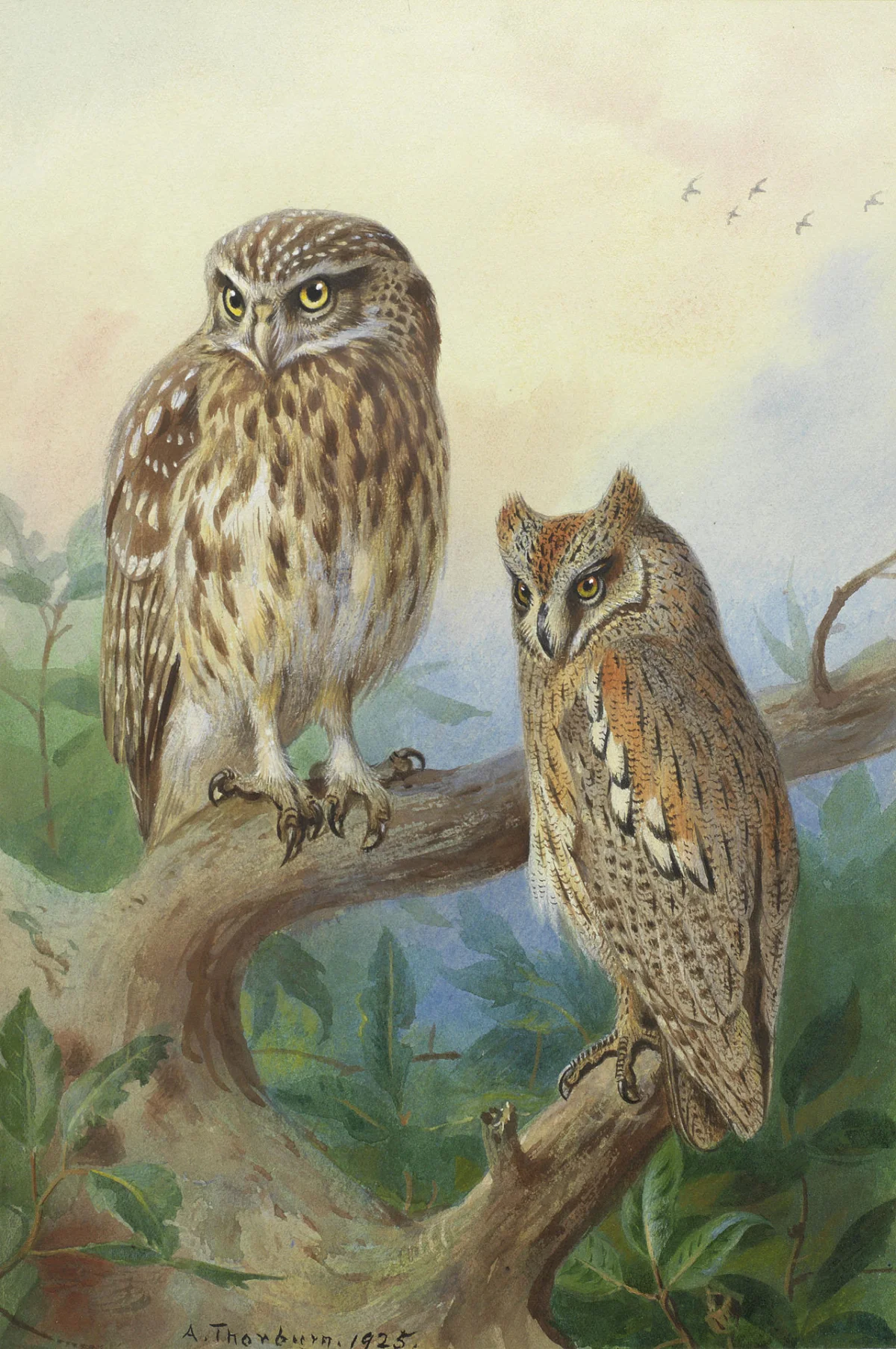
 100% Hand-Painted: Finished in 3-6 Weeks

.png)















_(1).webp)