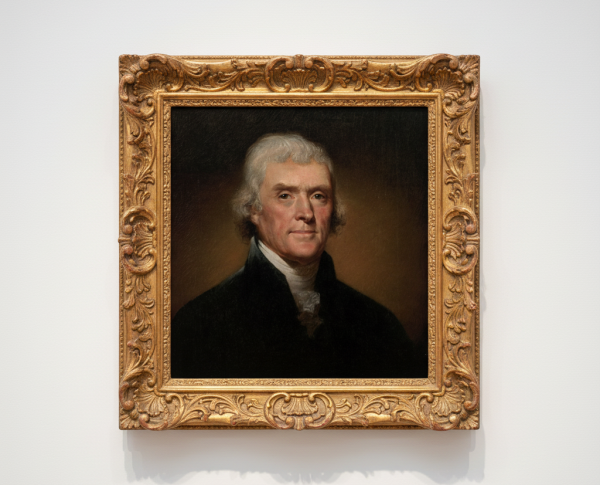
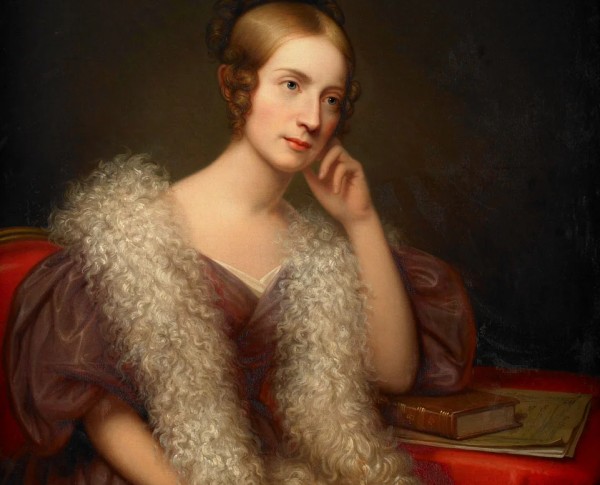
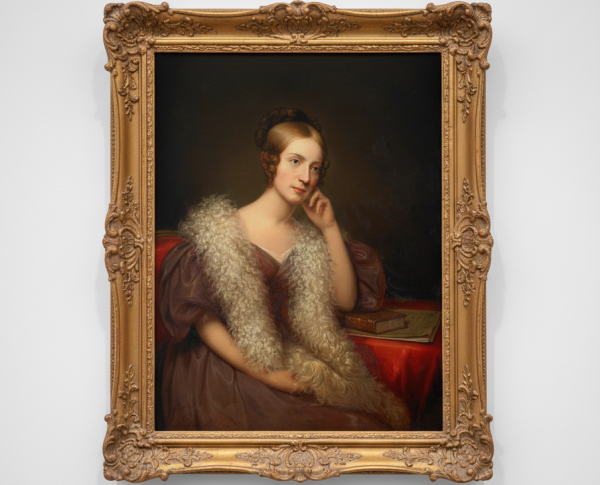
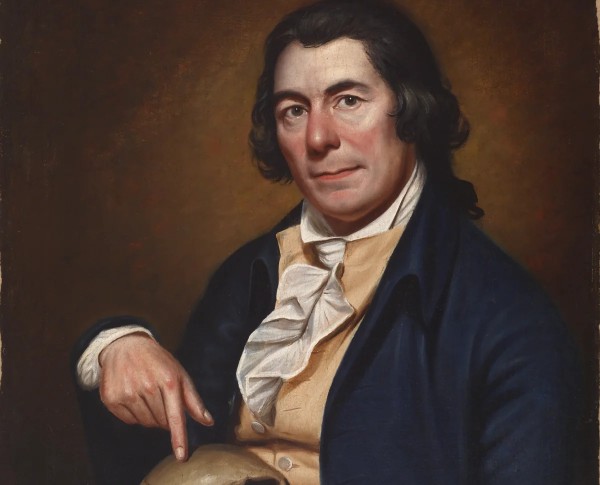
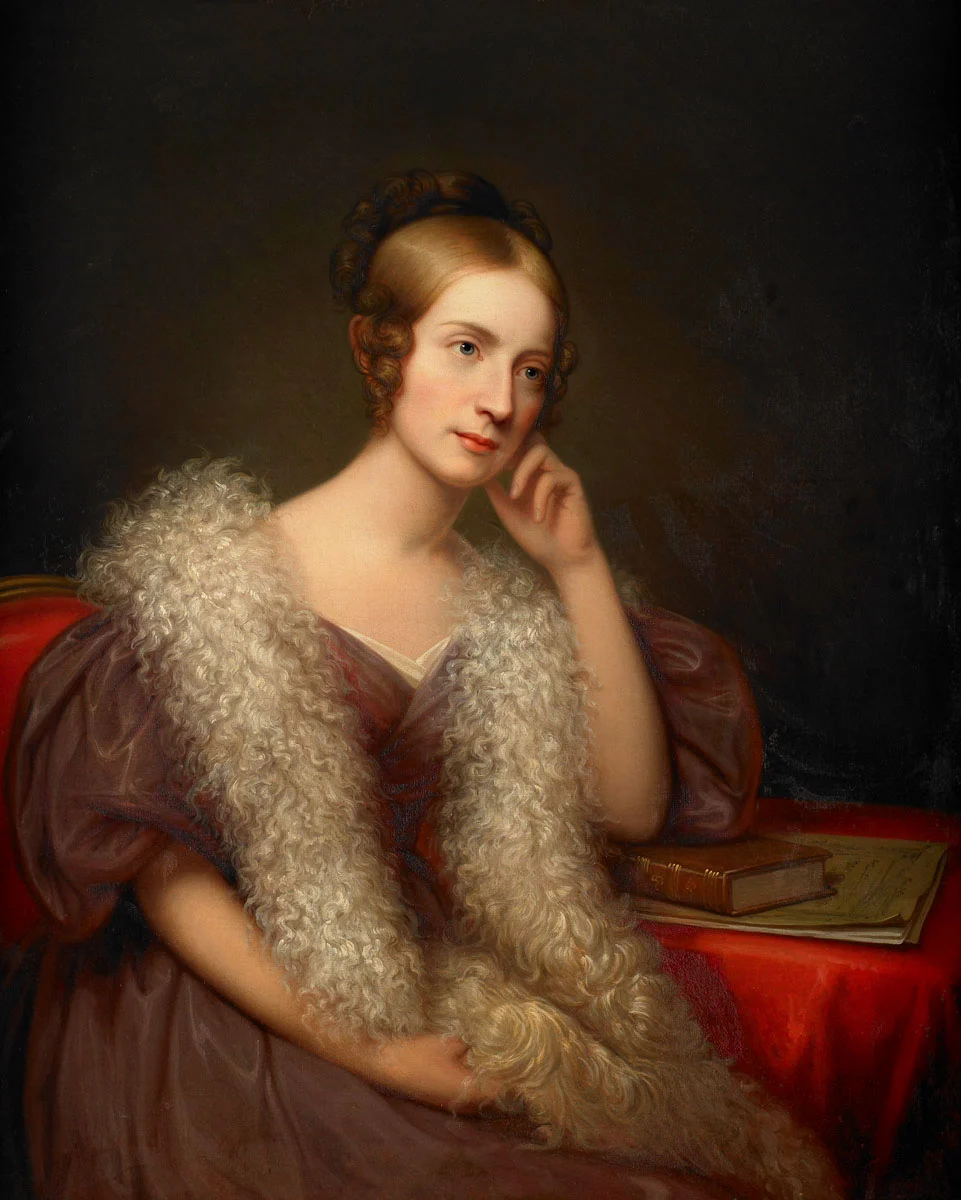
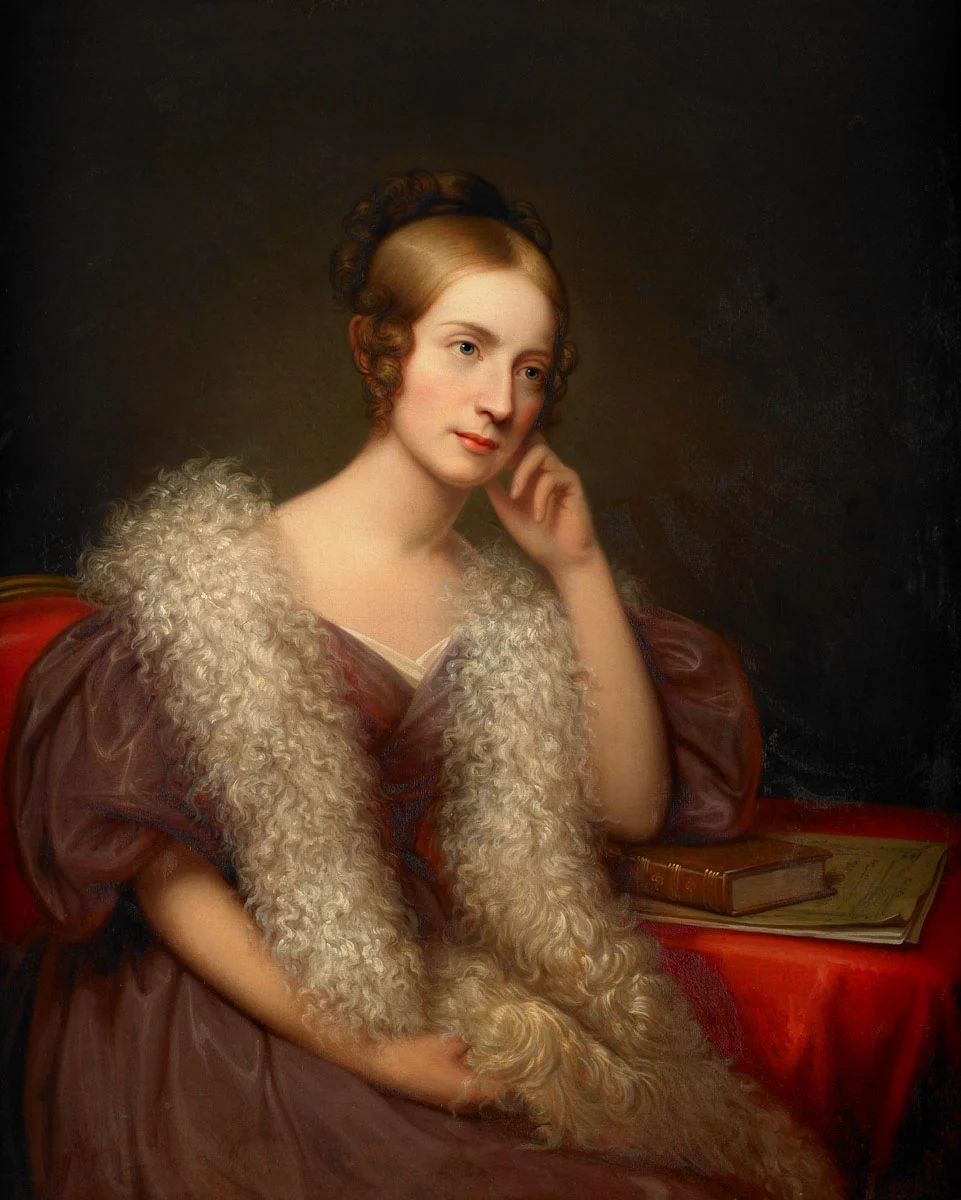
Every detail in "Caroline Louisa Pratt Bartlett" reveals Rembrandt Peale’s technical prowess with oil on canvas, a medium favored by Neo-Classical artists for its versatility and depth. The delicate rendering of textures, from the sitter’s attire to her expressive features, demonstrates Peale’s meticulous approach. Similar to his treatments in "Portrait of Thomas Jefferson" and "Timothy Matlack," this artwork embodies the era’s pursuit of harmony and realism, making it an enduring example of Neo-Classical excellence.
Within this fine art painting for sale, Rembrandt Peale conveys subtle narratives through composition and symbolism, hallmarks of the Neo-Classical movement. "Caroline Louisa Pratt Bartlett" is more than a portrait; it is a window into the social ideals and personal stories of its time. Collectors who appreciate symbolic storytelling will find connections to other Peale works, such as "Portrait of Thomas Jefferson" and "Timothy Matlack," further enriching their appreciation of his artistic legacy.
For art enthusiasts seeking a prestigious addition, "Caroline Louisa Pratt Bartlett" by Rembrandt Peale represents a rare opportunity. This hand-painted oil painting exemplifies Neo-Classical portraiture and complements collections featuring related works like "Portrait of Thomas Jefferson" and "Timothy Matlack." Its provenance and artistry make it a fine art painting for sale that not only enhances any gallery but also connects collectors to the timeless spirit of Peale’s celebrated oeuvre.
When Art Meets History
"Caroline Louisa Pratt Bartlett" by Rembrandt Peale stands as a testament to the Neo-Classical movement, capturing the elegance and poise of its era. This hand-painted oil painting not only reflects Peale’s remarkable skill but also connects viewers to the refined tastes of early nineteenth-century America. Like his works "Gorge at Cività Castellana" and "Lake Fucino and the Abruzzi Mountains," Peale’s portraiture reveals a unique blend of historical context and artistic innovation that has stood the test of time.
Techniques That Speak
Rembrandt Peale’s mastery in "Caroline Louisa Pratt Bartlett" is evident through his meticulous use of oil on canvas, a medium favored by Neo-Classical artists for its richness and longevity. His deliberate brushstrokes and attention to detail echo the finesse found in "Running Stream at San Cosimato" and "The Bridge at La Cava." These technical choices highlight Peale’s commitment to producing works that not only captivate but also endure, showcasing the artist's dedication to his craft.
Emotions on Display
In "Caroline Louisa Pratt Bartlett," Rembrandt Peale brings forth a gentle serenity, capturing the subject’s grace and inner strength. This fine art painting for sale is more than a portrait; it is an emotional narrative, similar to the evocative ambiance of "Kingdom of Naples." Peale’s nuanced approach allows viewers to connect deeply with the sitter, reflecting the Neo-Classical movement’s emphasis on clarity, rationality, and emotional restraint, all while inviting personal interpretation.
Coveted by Collectors
As with many of Rembrandt Peale’s works, "Caroline Louisa Pratt Bartlett" remains highly sought after by collectors who appreciate the timeless appeal of Neo-Classical portraiture. The painting’s hand-painted oil painting quality and historic significance make it a prized acquisition, just like "Lake Fucino and the Abruzzi Mountains" and "Running Stream at San Cosimato." Its presence in any collection signifies an investment in both cultural heritage and artistic excellence.
Related Neo-Classical Hand-Painted Oil Paintings by Other Artists
Other Famous Neo-Classical Artists:
Frequently Asked Questions About Caroline Louisa Pratt Bartlett
Who is depicted in the painting "Caroline Louisa Pratt Bartlett"?
The painting features Caroline Louisa Pratt Bartlett, a prominent figure in the early 19th century, known for her contributions to society and the arts.
What is the significance of the artist, Rembrandt Peale, in American art history?
Rembrandt Peale was a leading portrait painter in the early 19th century, known for his ability to capture the likeness and character of his subjects, contributing significantly to the development of American portraiture.
What artistic techniques did Rembrandt Peale employ in this painting?
Peale utilized a combination of chiaroscuro and fine detail to create depth and realism, emphasizing the subject's features and the textures of her clothing.
What is the historical context of the painting?
This painting was created during a time when portraiture was a popular means of documenting notable individuals, reflecting the social and cultural values of early 19th-century America.
What materials were used in the creation of "Caroline Louisa Pratt Bartlett"?
Rembrandt Peale typically used oil paints on canvas, a medium that allowed for rich color and detailed representation, which is evident in this work.
What themes are explored in "Caroline Louisa Pratt Bartlett"?
The painting explores themes of identity, femininity, and societal roles, capturing the essence of a woman who was both an individual and a representative of her time.
How does the composition of the painting contribute to its overall impact?
The composition is carefully arranged, with Caroline positioned centrally, drawing the viewer's eye and creating a sense of intimacy and connection with the subject.
What symbols are present in the painting, and what do they represent?
Elements such as the attire and background details symbolize the social status and cultural values of the period, highlighting the importance of women in society.
In what ways does this painting reflect the artistic trends of its time?
The painting reflects the neoclassical and romantic trends of the early 19th century, emphasizing realism, emotional depth, and the celebration of individual subjects.
What is the legacy of "Caroline Louisa Pratt Bartlett" in contemporary art discussions?
This painting continues to be a subject of study for its historical significance and its role in the evolution of portraiture, influencing contemporary discussions on identity and representation in art.






















_GFM_Painting_(1).webp)


 100% Hand-Painted: Finished in 3-6 Weeks

.png)

















_(1).webp)