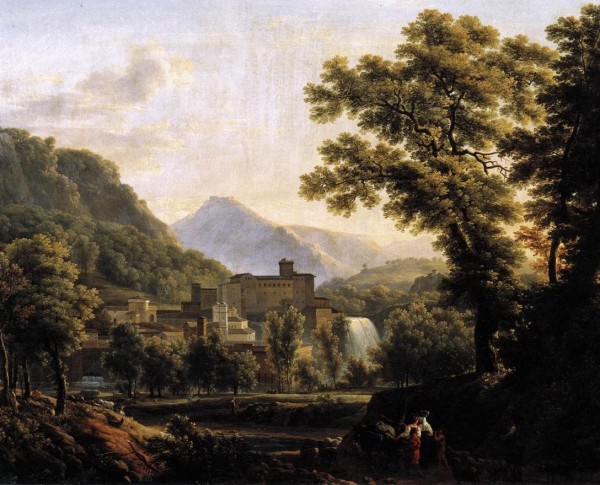
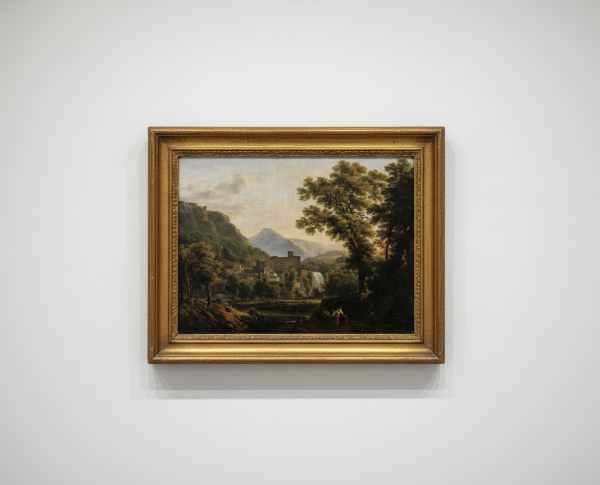
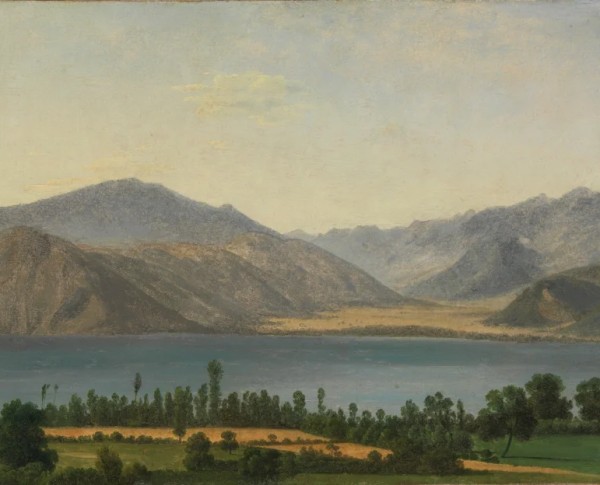
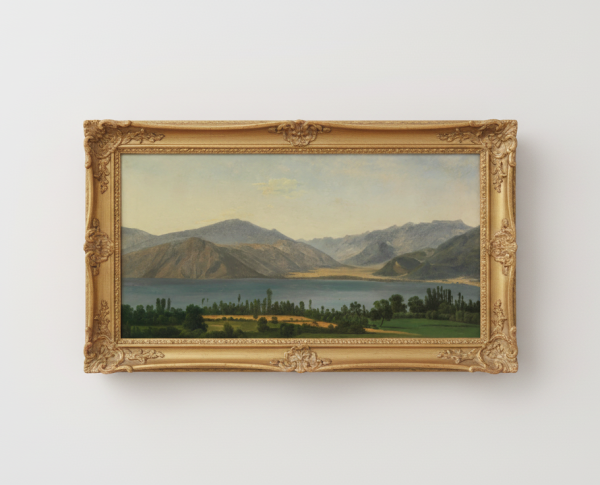
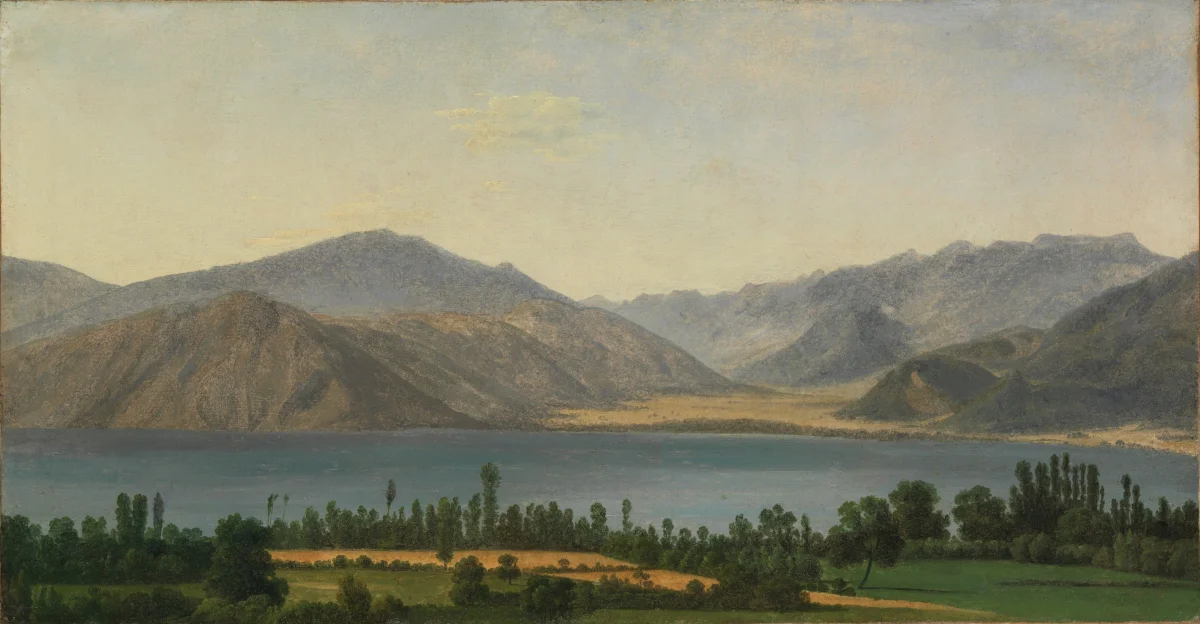
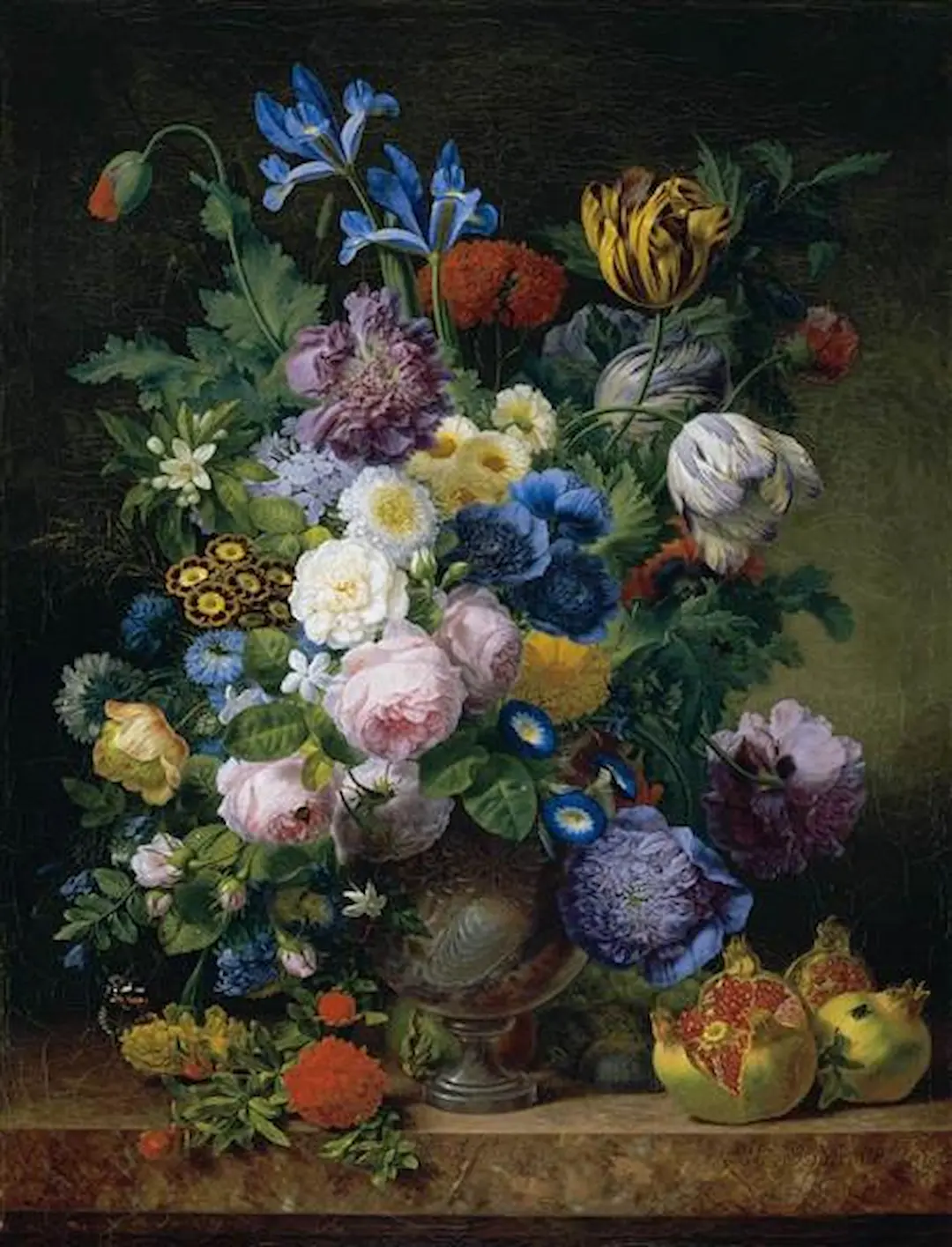
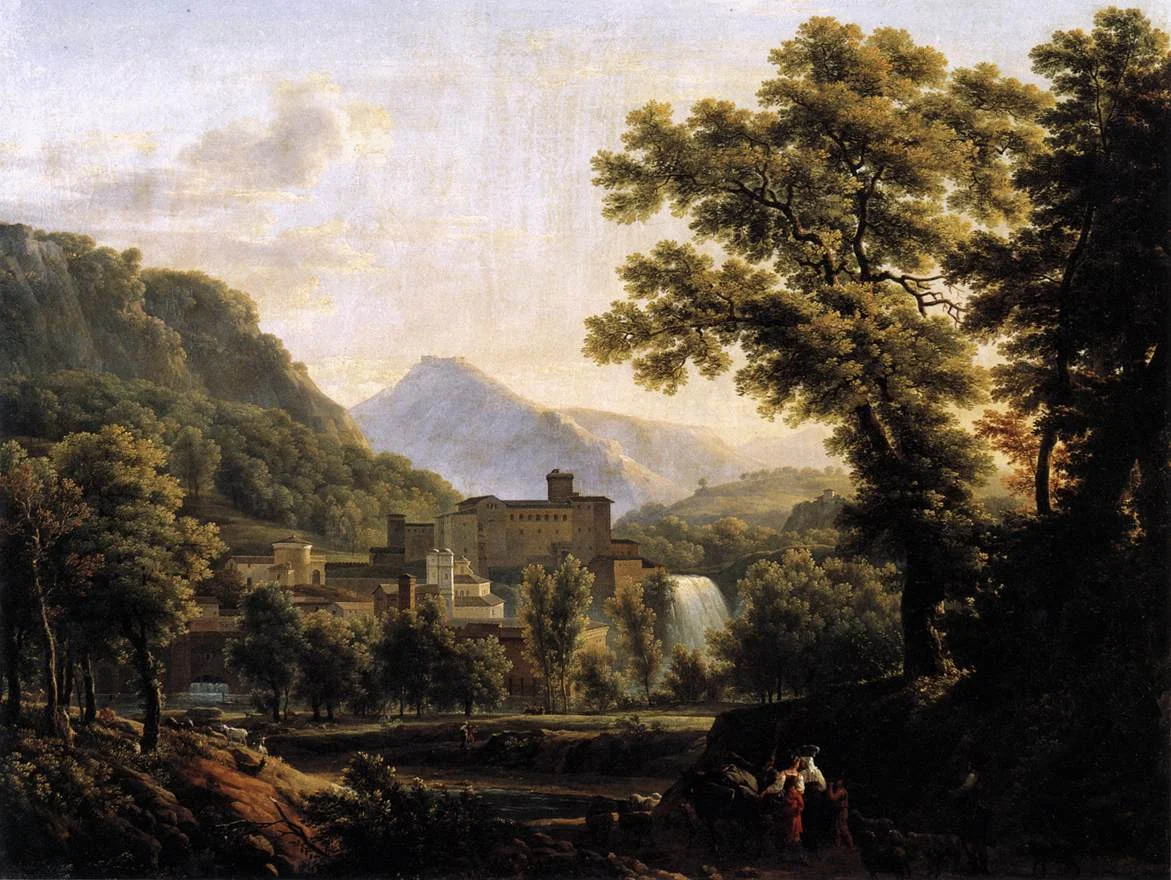
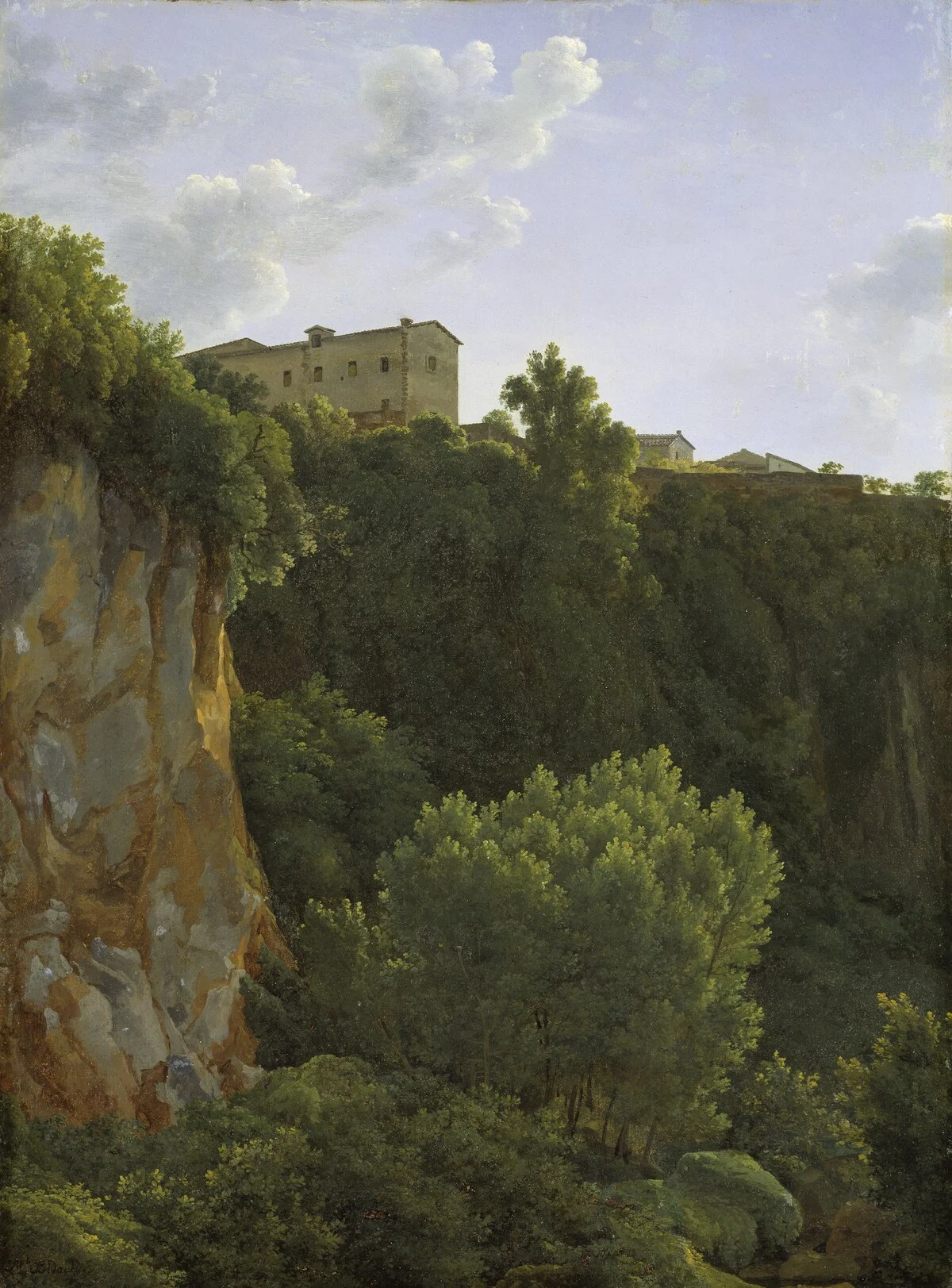
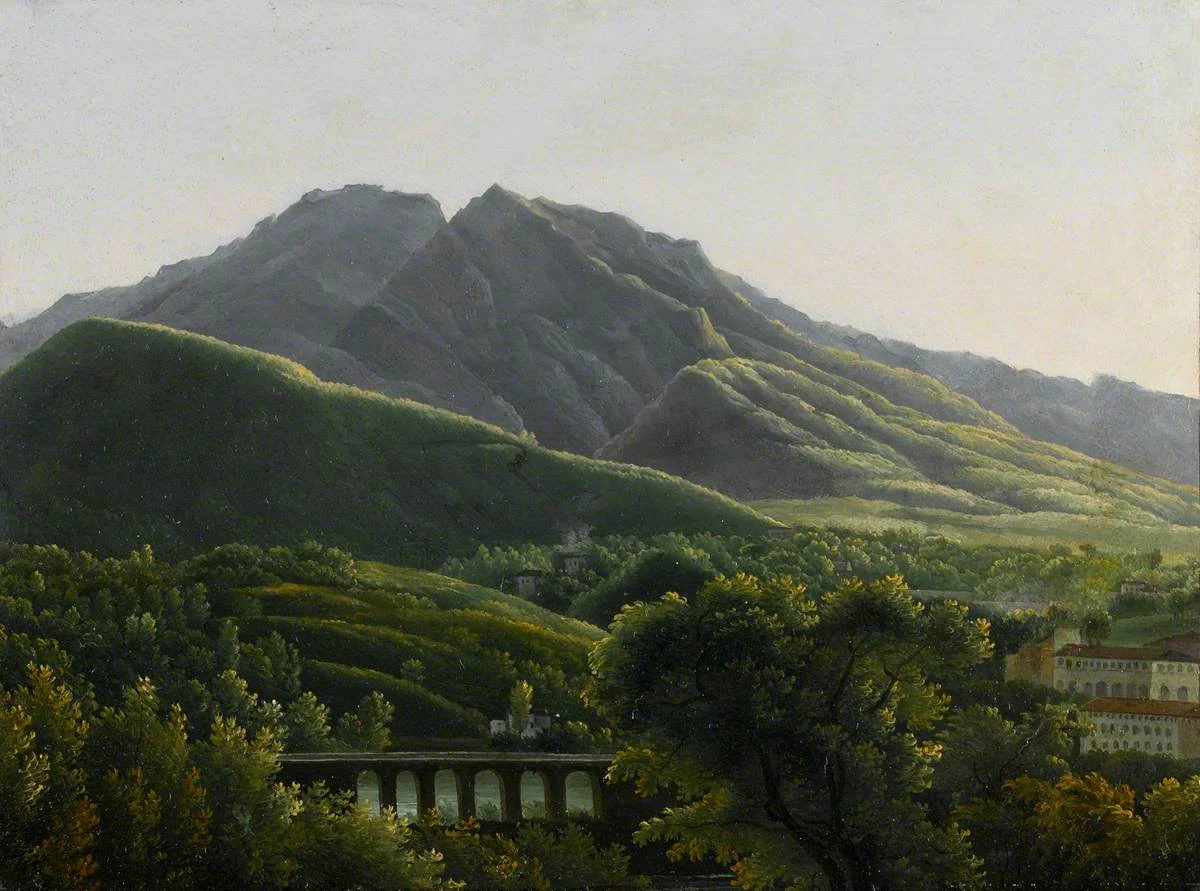
The meticulous technique in "Lake Fucino and the Abruzzi Mountains" demonstrates Bidauld’s expertise with oil on canvas. The precise rendering of mountains and water reveals his dedication to both realism and the harmonious compositions favored by the Neo-Classical movement. Similar to "Gorge at Cività Castellana" and "Still-Life 1810," this painting showcases Bidauld’s ability to blend technical skill with poetic vision, elevating each scene into a timeless work of art.
Within "Lake Fucino and the Abruzzi Mountains," Bidauld weaves subtle narratives and symbolic elements that invite reflection. The tranquil lake and majestic peaks represent the idealized harmony between humanity and nature, a core theme of Neo-Classical art. Like his works "The Bridge at La Cava" and "Kingdom of Naples," this fine art painting for sale resonates with viewers seeking meaning beyond the surface, offering a glimpse into the philosophical currents of the artist’s era.
For those searching for a distinguished addition to their collection, "Lake Fucino and the Abruzzi Mountains" is a standout choice. As a hand-painted oil painting by Jean-Joseph-Xavier Bidauld, it embodies the grace and sophistication of the Neo-Classical movement. Collectors often seek out related works such as "View of the Isle of Sora" and "Gorge at Cività Castellana," recognizing the lasting value and beauty found in each carefully crafted masterpiece.
When Art Meets History
Jean-Joseph-Xavier Bidauld’s "Lake Fucino and the Abruzzi Mountains" stands as a testament to the Neo-Classical movement, where landscapes became a bridge between nature and civilization. This hand-painted oil painting not only showcases Bidauld’s mastery but also echoes the grandeur of contemporaries like "Lament for Icarus" and "The Declaration of Independence." Through his work, Bidauld invites viewers to reflect on the deep historical and cultural roots that shaped both his art and the Neo-Classical era.
Techniques That Speak
Bidauld’s "Lake Fucino and the Abruzzi Mountains" is rendered meticulously in oil on canvas, exemplifying the technical prowess characteristic of Neo-Classical artists. His precise brushwork and subtle gradations of light create a harmonious balance, similar to detailed works like "Portrait of Thomas Jefferson" and "Timothy Matlack." The artist’s technique brings out the serene beauty of the landscape, making this painting a quintessential example of oil on canvas mastery from the period.
Emotions on Display
In "Lake Fucino and the Abruzzi Mountains," Jean-Joseph-Xavier Bidauld evokes a profound sense of tranquility and awe, hallmark emotions of Neo-Classical landscapes. The composition’s calm waters and majestic mountains invite introspection, much like "Caroline Louisa Pratt Bartlett" and "Lament for Icarus." This fine art painting for sale captures both the grandeur of nature and the reflective mood of its era, offering collectors a window into the artist’s emotional world.
Coveted by Collectors
Collectors prize Bidauld’s "Lake Fucino and the Abruzzi Mountains" for its historical significance and exquisite craftsmanship, making it a highly sought-after hand-painted oil painting. Its connection to the Neo-Classical movement and thematic resonance with works like "The Declaration of Independence" and "Portrait of Thomas Jefferson" further enhance its appeal. As a fine art painting for sale, it represents not only an investment in beauty but also a piece of art history cherished by discerning collectors.
Related Neo-Classical Hand-Painted Oil Paintings by Other Artists
Other Famous Neo-Classical Artists:
Frequently Asked Questions About Lake Fucino and the Abruzzi Mountains
What is the historical significance of "Lake Fucino and the Abruzzi Mountains"?
This painting captures the natural beauty of the Abruzzi region in Italy, reflecting the Romantic movement's emphasis on nature and its sublime qualities during the late 18th and early 19th centuries.
Who was Jean-Joseph-Xavier Bidauld?
Jean-Joseph-Xavier Bidauld was a French painter known for his landscapes and depictions of nature, particularly during the Romantic period. His works often emphasize the emotional connection between humans and the natural world.
What artistic techniques are evident in this painting?
Bidauld employs techniques such as chiaroscuro to create depth and dimension, as well as a rich color palette that enhances the emotional impact of the landscape.
What themes are explored in "Lake Fucino and the Abruzzi Mountains"?
The painting explores themes of nature's beauty, tranquility, and the relationship between humanity and the natural environment, characteristic of the Romantic era's fascination with the sublime.
How does this painting reflect the Romantic movement?
The painting reflects the Romantic movement through its emphasis on emotional expression, the grandeur of nature, and the portrayal of landscapes that evoke a sense of awe and introspection.
What is the significance of Lake Fucino in Italian culture?
Lake Fucino has historical significance as it was once one of the largest lakes in Italy and has been a site of agricultural and cultural importance, often symbolizing the connection between land and water in Italian heritage.
What role does light play in this artwork?
Light in "Lake Fucino and the Abruzzi Mountains" serves to highlight the natural features of the landscape, creating a sense of time and atmosphere that enhances the viewer's emotional experience of the scene.
What influences can be seen in Bidauld's style?
Bidauld's style shows influences from earlier landscape painters, such as Claude Lorrain, as well as the emerging Romantic ideals that prioritize emotional resonance and the beauty of untamed nature.
How does the composition of the painting contribute to its overall impact?
The composition is carefully balanced, with the lake serving as a focal point surrounded by the majestic mountains, drawing the viewer's eye and creating a harmonious relationship between the elements of nature.
What can viewers learn about the Abruzzi region from this painting?
Viewers can gain insight into the stunning natural landscapes of the Abruzzi region, characterized by its mountains and lakes, as well as the cultural significance of these features in Italian history and identity.






















_GFM_Painting_(1).webp)


 100% Hand-Painted: Finished in 3-6 Weeks

.png)















_(1).webp)