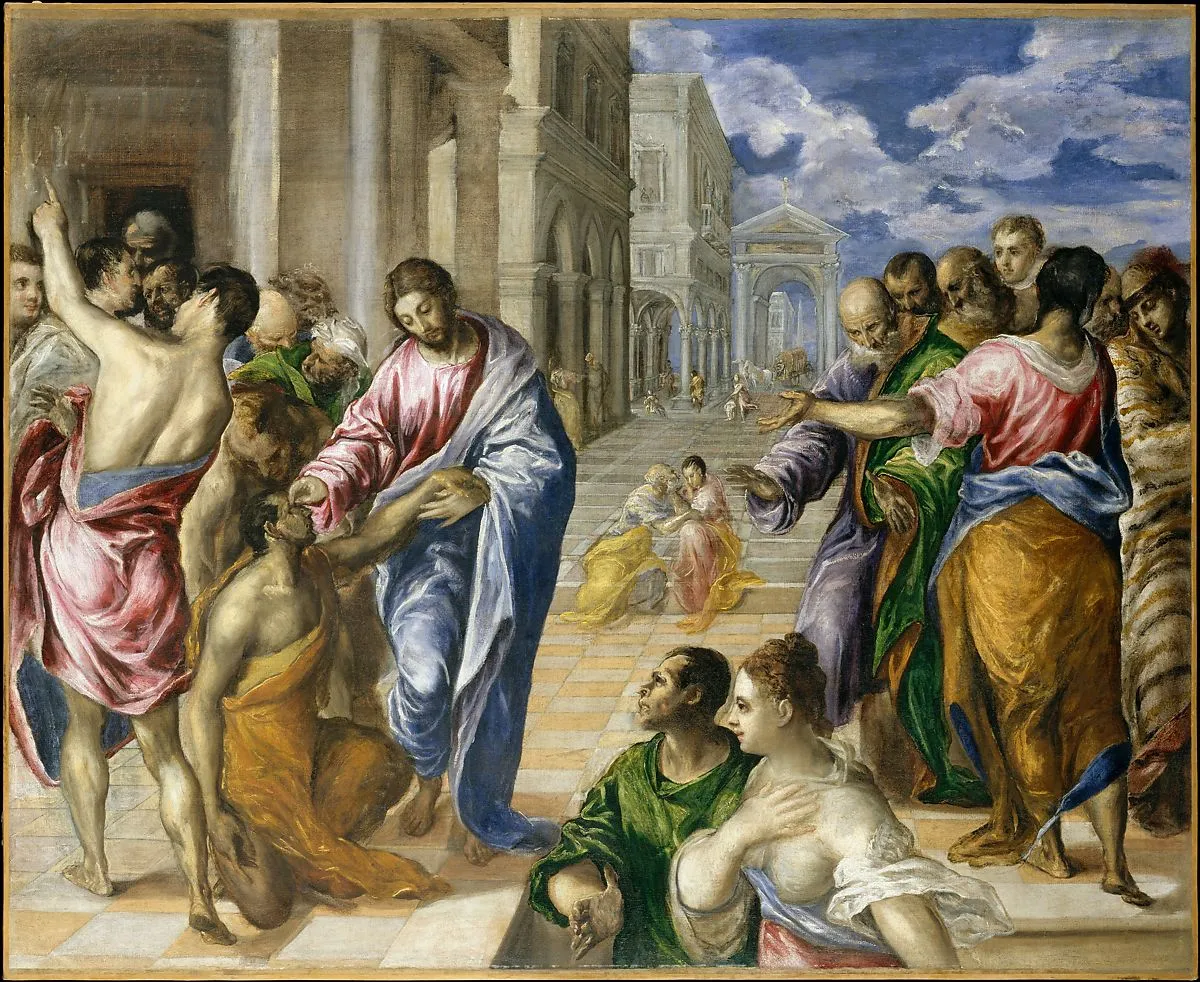
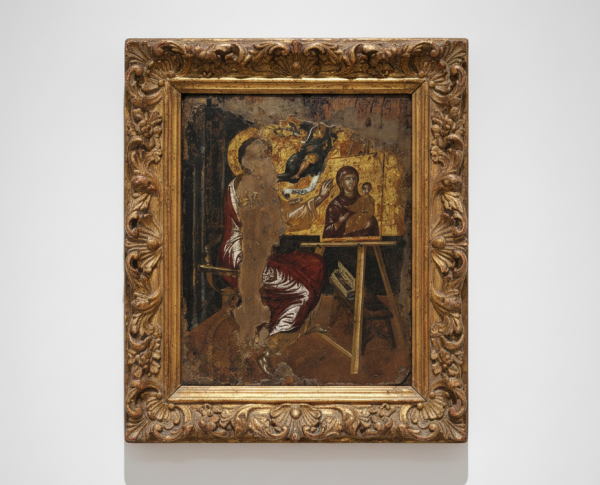
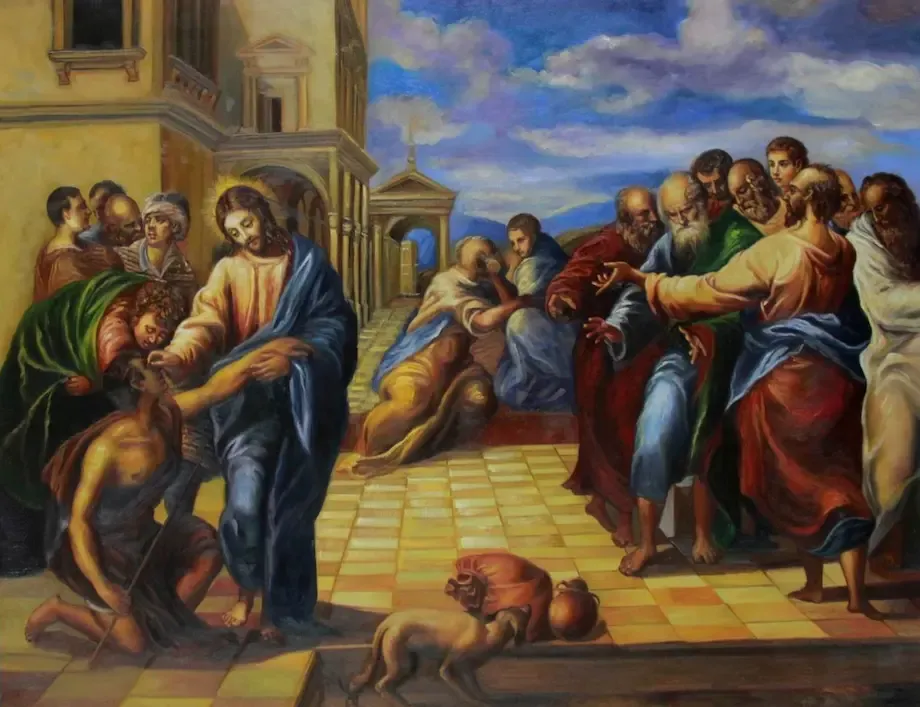
El Greco’s "Christ Healing the Blind Man" showcases his extraordinary skill with oil on canvas, a medium that allowed him to create luminous, ethereal effects. The artist’s innovative use of color and dramatic contrasts brings the biblical scene to life, making it a quintessential example of Mannerist technique. Art enthusiasts and collectors searching for captivating oil on canvas works often look to El Greco’s paintings for their emotional depth and technical brilliance.
Within the fine art painting for sale, "Christ Healing the Blind Man," El Greco weaves powerful symbolism and narrative. The depiction of Christ’s miraculous act is enhanced by the elongated figures and expressive gestures characteristic of the Mannerism movement. This fine art painting for sale not only tells a biblical story but also invites viewers to contemplate themes of faith and redemption, making it a meaningful addition to any art lover’s collection.
For those seeking a distinguished piece, "Christ Healing the Blind Man" by Doménikos Theotokópoulos is a coveted hand-painted oil painting that exemplifies the Mannerism movement. Its historical significance and masterful execution make it a prized acquisition for museums and private collectors alike. As a rare and impactful work, it stands out among fine art painting for sale, offering both aesthetic beauty and deep spiritual resonance to any collection.
When Art Meets History
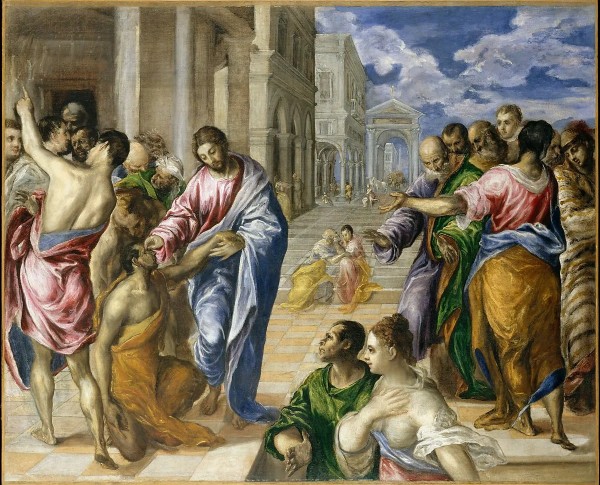
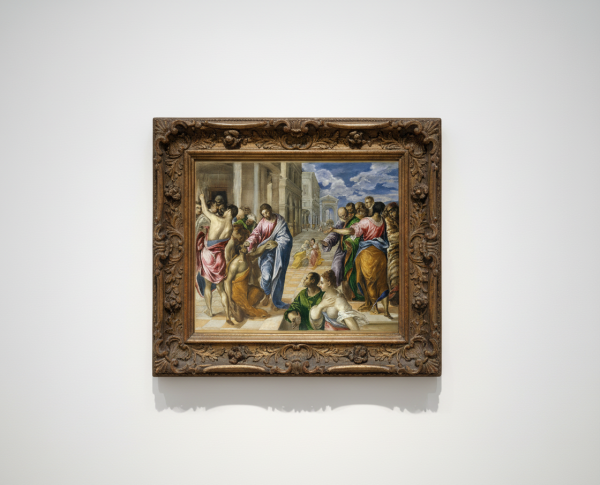
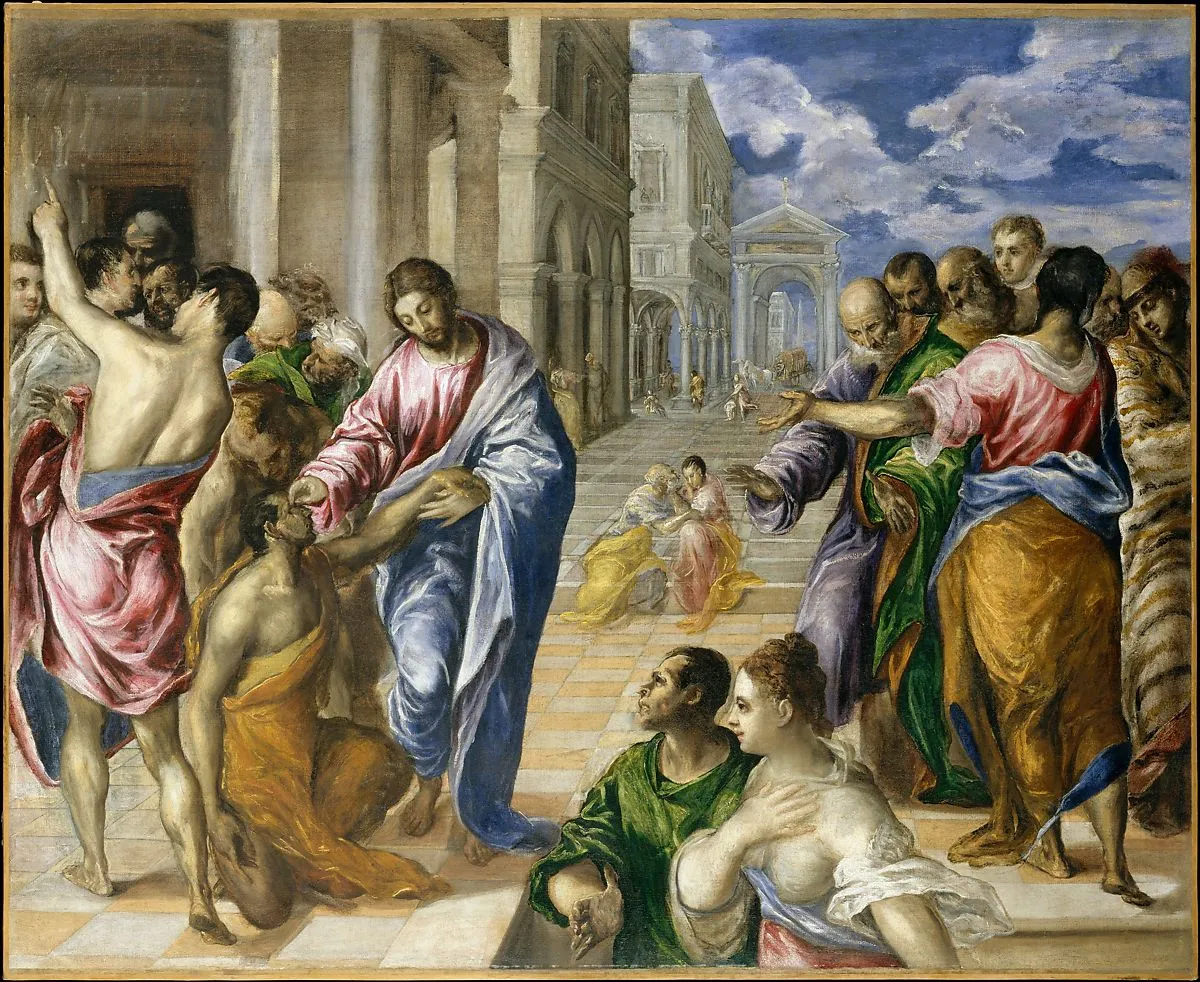
"Christ healing the blind man" by Doménikos Theotokópoulos, widely known as El Greco, captures a pivotal moment from the New Testament, rendered in the expressive style of the Mannerism movement. This hand-painted oil painting vividly brings biblical history to life, demonstrating El Greco's ability to intertwine spiritual narrative with artistic innovation. As with other masterpieces by El Greco, this work stands out for its unique interpretation, making it an essential piece for anyone interested in art and history.
Techniques That Speak
Doménikos Theotokópoulos's "Christ healing the blind man" showcases his mastery of oil on canvas, a medium he skillfully manipulated to achieve dramatic contrasts and elongated figures typical of Mannerism. The artist’s brushwork is dynamic, guiding the viewer's eye toward the miracle at the painting’s center. Like many of El Greco’s other works, this piece exemplifies his innovative approach to color, light, and form, setting a benchmark for expressive technique in European fine art.
Emotions on Display
In "Christ healing the blind man," El Greco channels the deep emotions of both the healer and the afflicted, using his signature Mannerist style to heighten the scene’s spiritual intensity. The figures’ elongated forms and vivid gestures draw viewers into the emotional core of the hand-painted oil painting. This capacity to evoke empathy and wonder is a hallmark of El Greco’s artistry, making the work a timeless example of emotional expression in religious art.
Coveted by Collectors
As a prime example of Mannerism, "Christ healing the blind man" by Doménikos Theotokópoulos stands out as a fine art painting for sale that attracts discerning collectors worldwide. Its historical significance and masterful technique ensure its value and desirability. Collectors are drawn not only to its visual beauty but also to its connection with El Greco’s legacy, making it a prized addition to any serious collection of European oil paintings.
Frequently Asked Questions About Christ healing the blind man
What is the historical context of "Christ healing the blind man"?
This painting, created by Doménikos Theotokópoulos, also known as El Greco, reflects the religious fervor of the late 16th century, a time marked by the Counter-Reformation and a renewed interest in biblical narratives.
What artistic techniques did El Greco use in this painting?
El Greco employed a unique combination of elongated figures, dramatic lighting, and expressive color palettes, which are characteristic of his Mannerist style, to convey emotional depth and spiritual significance.
What is the significance of the blind man in the painting?
The blind man symbolizes spiritual blindness and the need for divine enlightenment, representing humanity's quest for faith and understanding through Christ's miraculous healing.
How does the composition of the painting contribute to its meaning?
The composition draws the viewer's eye towards the central figures, emphasizing the interaction between Christ and the blind man, thus highlighting the theme of divine intervention and compassion.
What role does color play in "Christ healing the blind man"?
El Greco's use of vibrant colors contrasts the figures with the background, enhancing the emotional intensity of the scene and underscoring the miraculous nature of the event.
What influences can be seen in El Greco's style in this painting?
El Greco's style in this work reflects influences from Byzantine art, Venetian colorism, and the dramatic expressiveness of the Spanish Renaissance, showcasing a synthesis of diverse artistic traditions.
What is the significance of Christ's gesture in the painting?
Christ's outstretched hand signifies healing and divine authority, symbolizing His role as the savior and the source of spiritual illumination for those in darkness.
How does "Christ healing the blind man" reflect El Greco's religious beliefs?
The painting embodies El Greco's deep Catholic faith, illustrating the importance of miracles in affirming belief and the transformative power of Christ's love and grace.
What are the key themes explored in this artwork?
The key themes include faith, redemption, and the contrast between physical and spiritual sight, inviting viewers to reflect on their own spiritual journeys.
Where can this painting be viewed today?
"Christ healing the blind man" is housed in the collection of the Museo de Santa Cruz in Toledo, Spain, where it continues to attract visitors interested in El Greco's profound artistic legacy.






















_GFM_Painting_(1).webp)


 100% Hand-Painted: Finished in 3-6 Weeks

.png)















_(1).webp)