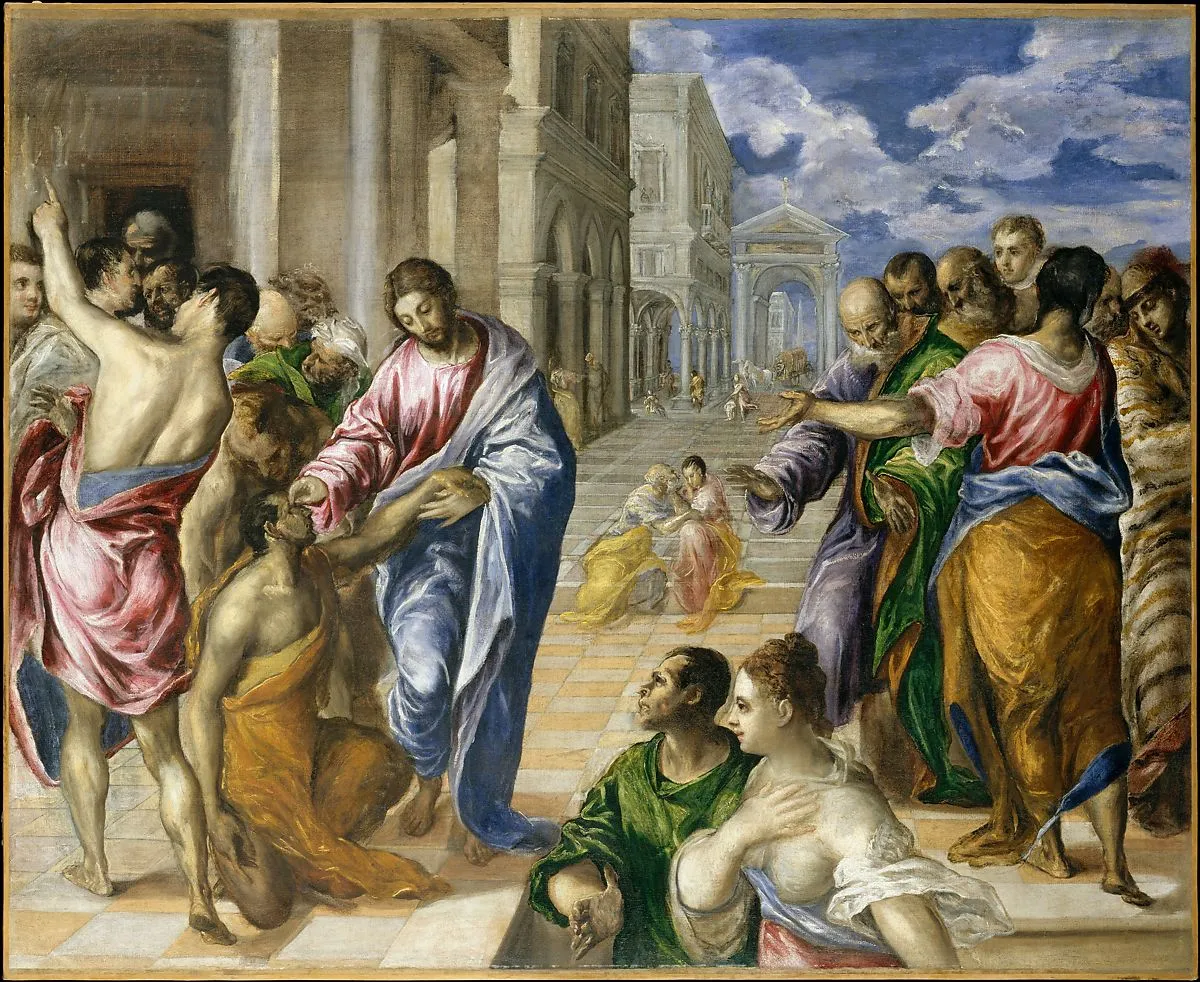
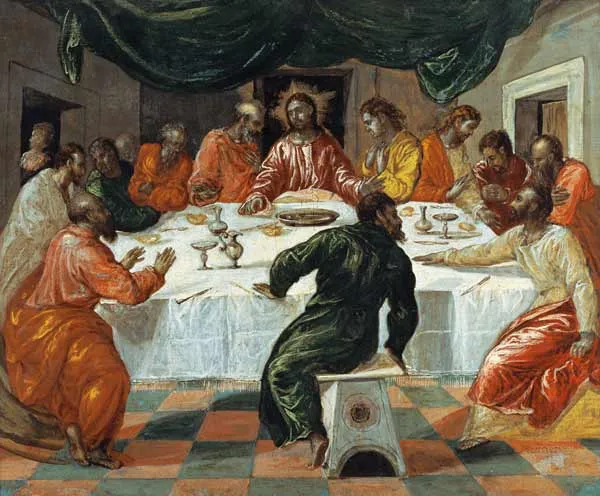
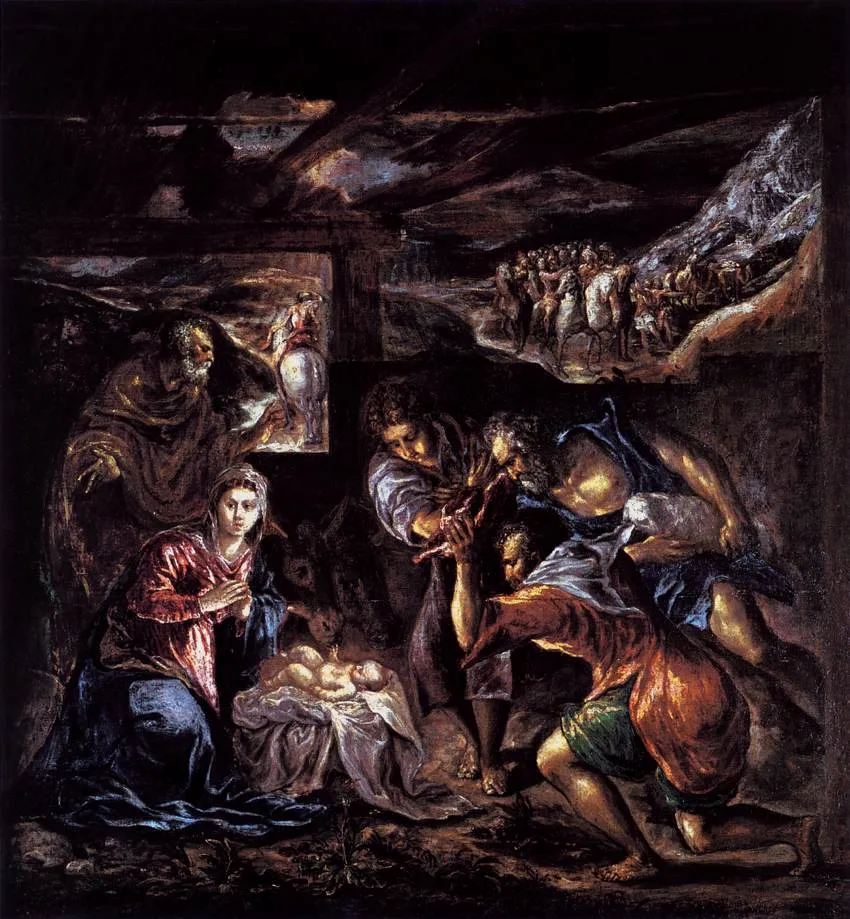
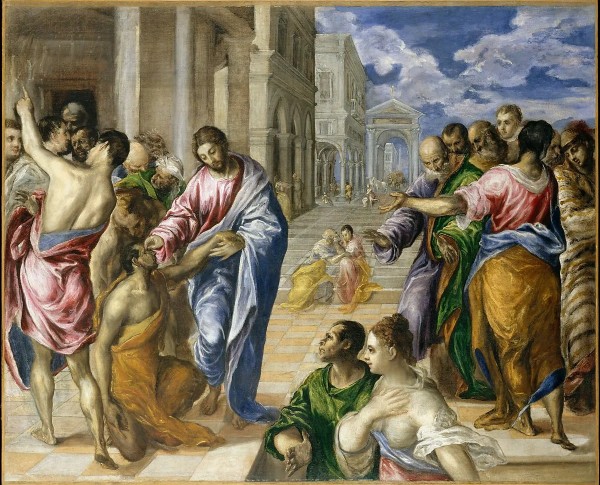
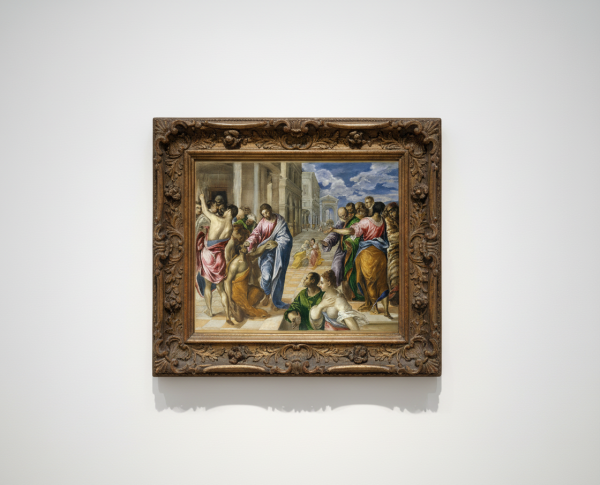
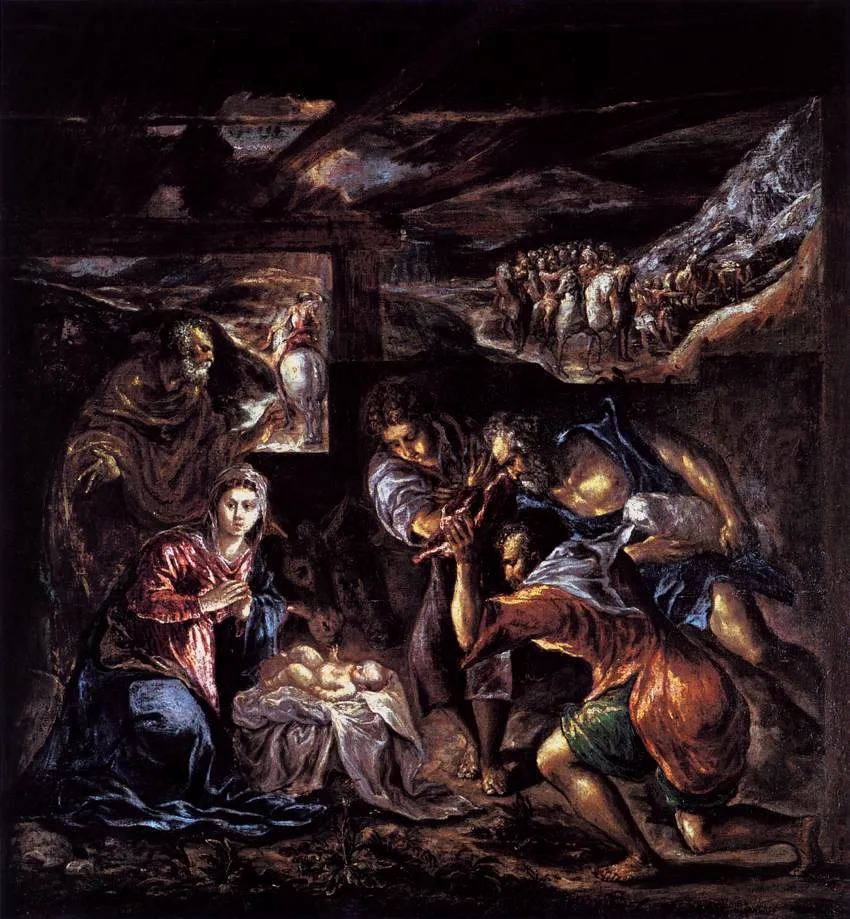
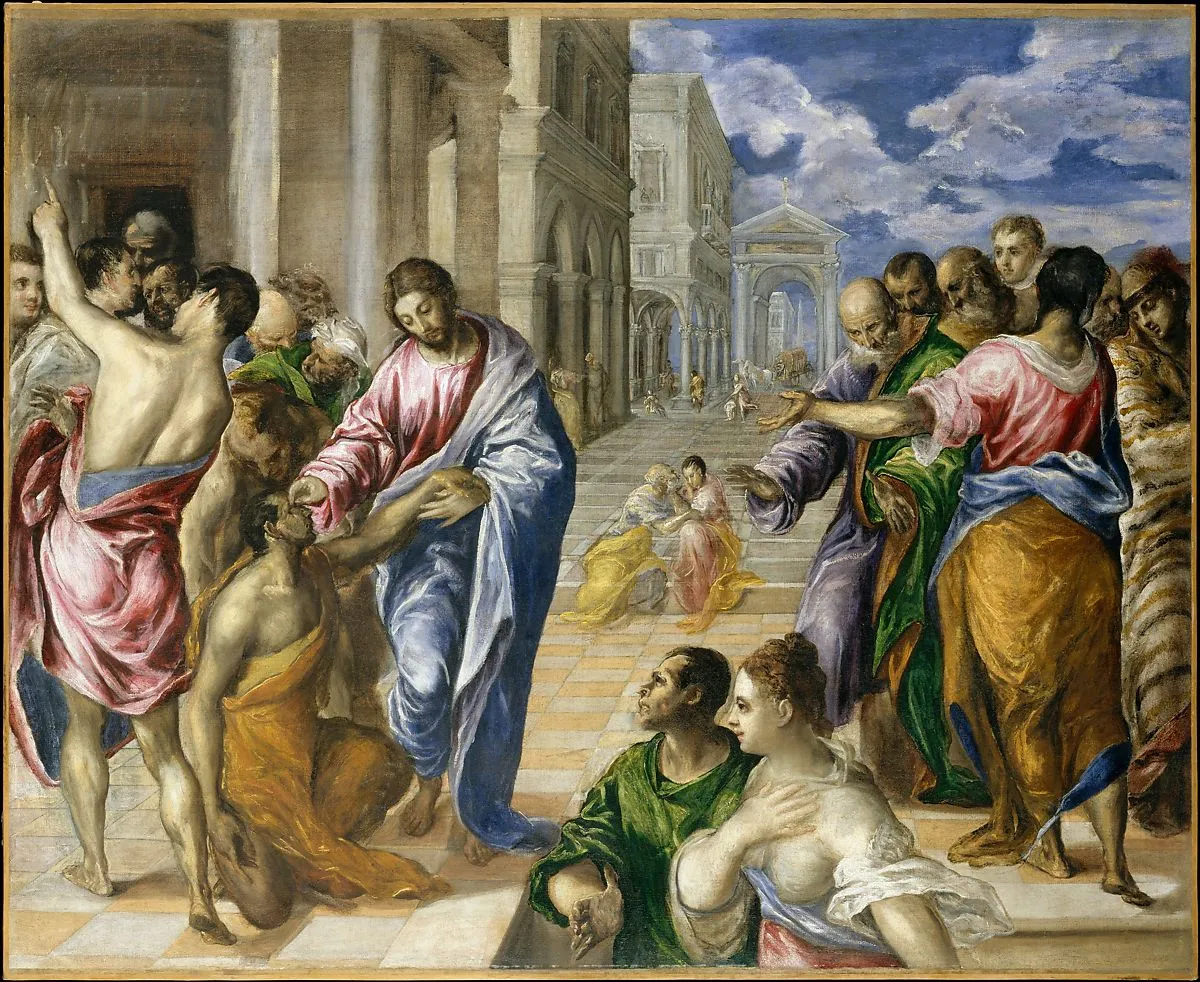
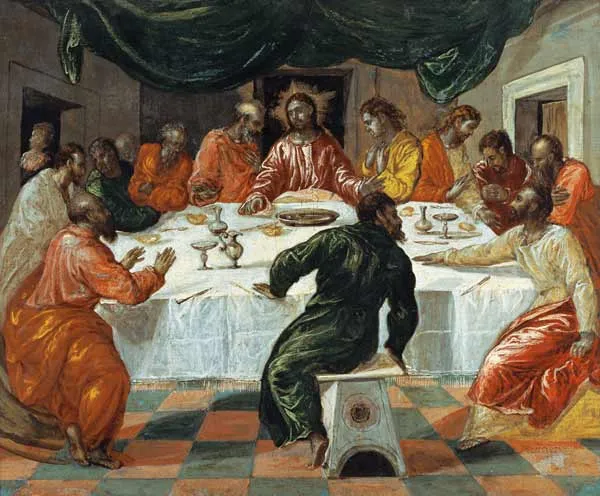
El Greco’s mastery is evident in every brushstroke of "Adoration of the Shepherds." The luminous figures and swirling drapery exemplify the artist’s command over oil on canvas techniques, a hallmark of Mannerism. His ability to blend light and shadow creates a sense of movement and emotion. Collectors and art enthusiasts seeking hand-painted oil paintings can also appreciate similar works such as "The Last Supper" and "Christ healing the blind man" for their technical brilliance.
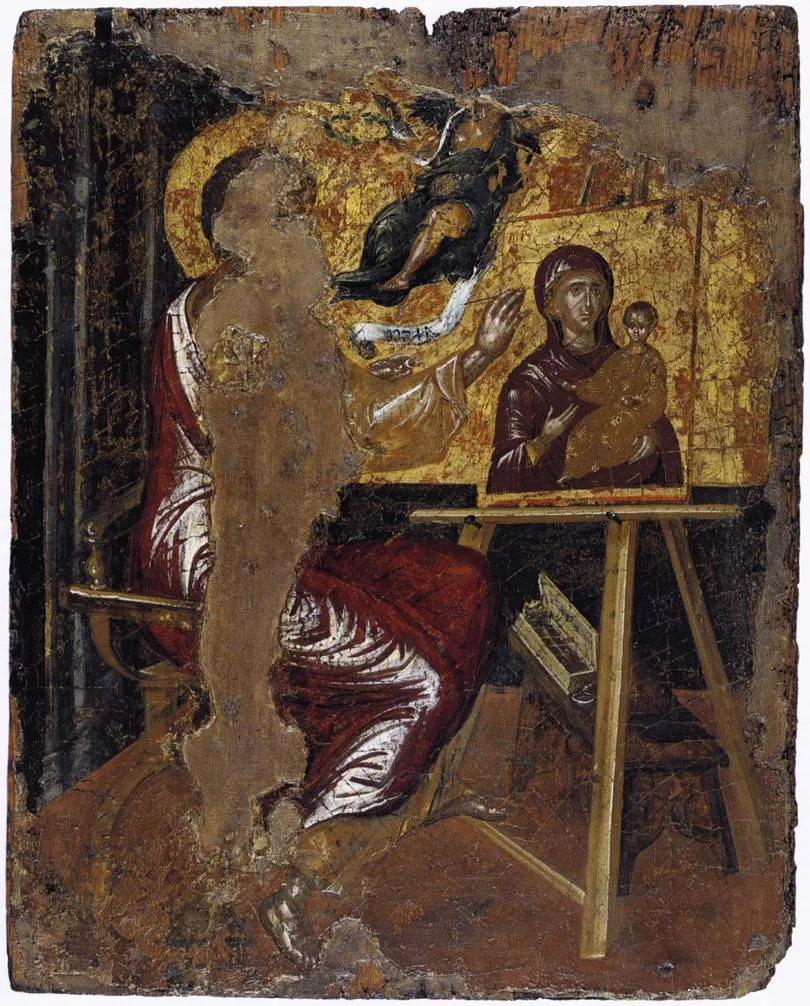
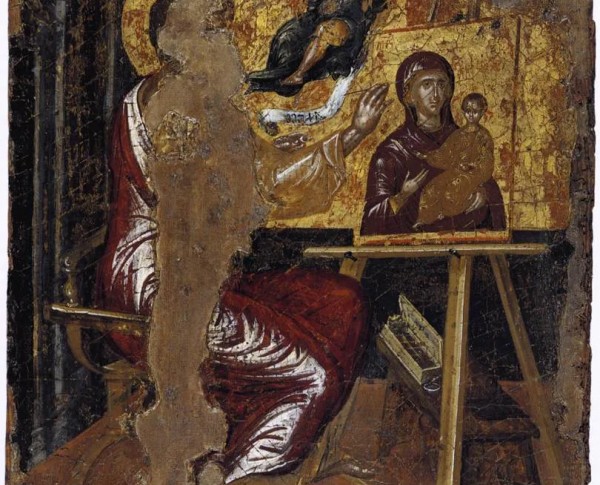
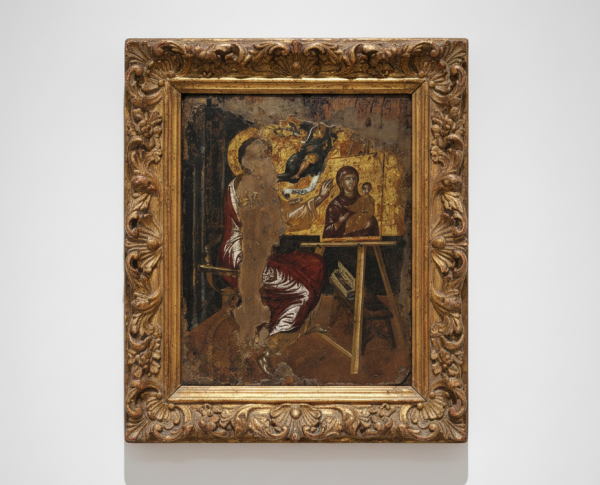
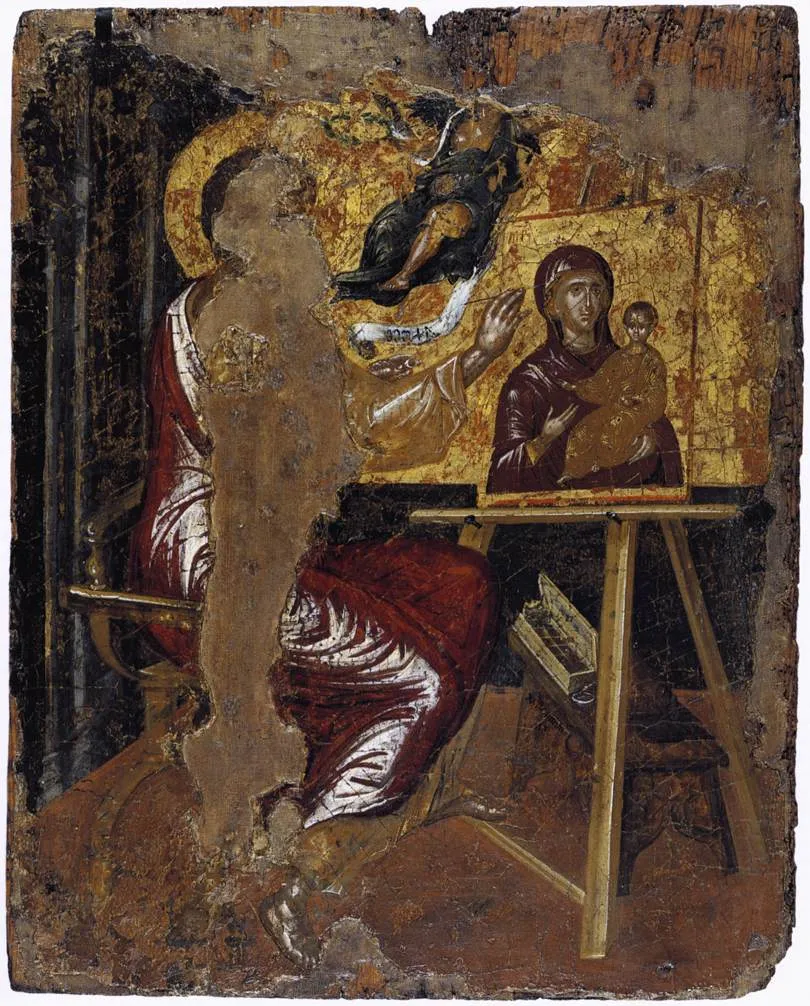
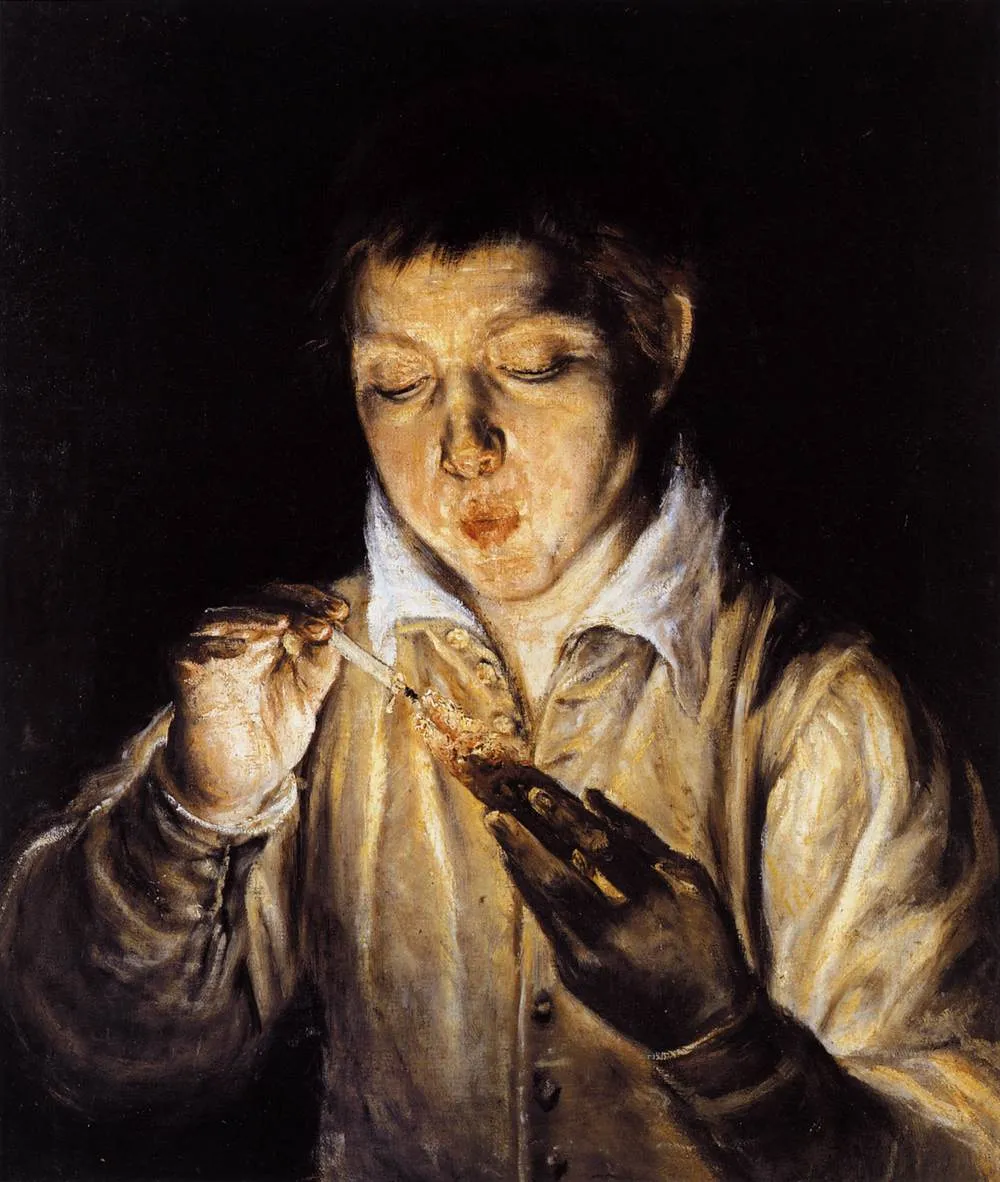
"Adoration of the Shepherds" weaves a narrative rich in religious symbolism, a signature of Doménikos Theotokópoulos’s approach within the Mannerism movement. The vibrant palette and expressive gestures draw viewers into the nativity story, inviting deeper contemplation. This fine art painting for sale shares thematic resonance with pieces like "St. Luke painting the Virgin" and "A boy blowing on an ember to light a candle," each offering unique insights into spiritual storytelling through art.
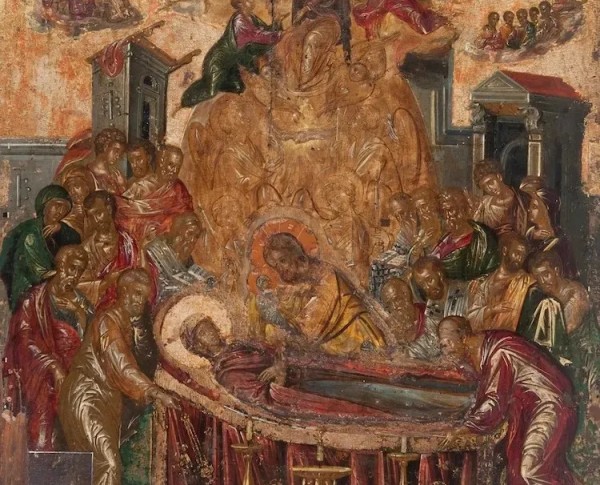
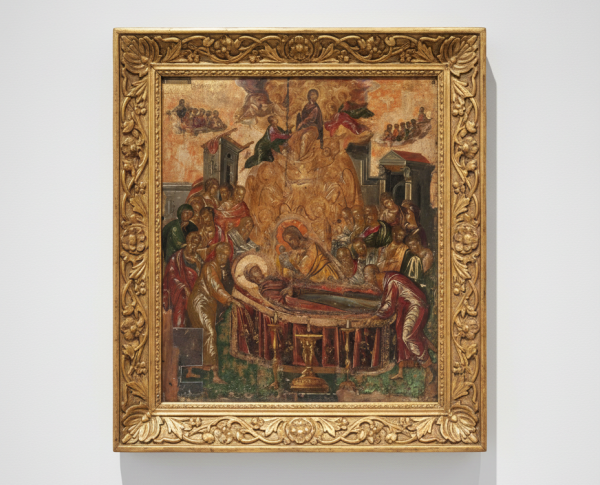
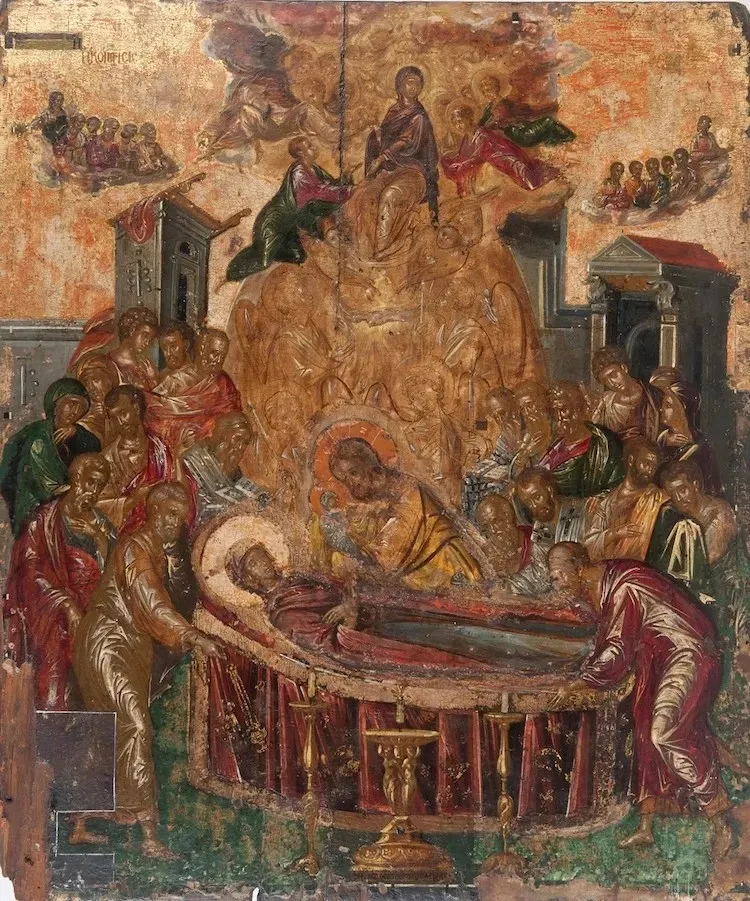
Owning "Adoration of the Shepherds" as an oil on canvas masterpiece is a privilege for any collector. Doménikos Theotokópoulos’s works are highly sought after, making this painting a valuable addition to any collection focused on the Mannerism movement. Those interested in expanding their selection can consider related products such as "Dormition of the Virgin" and "The Last Supper," each representing the pinnacle of fine art painting for sale and timeless artistic achievement.
When Art Meets History
"Adoration of the Shepherds" by Doménikos Theotokópoulos, famously known as El Greco, stands as a testament to the Mannerism movement's unique blend of spirituality and style. This hand-painted oil painting captures the biblical nativity scene, embracing elongated forms and dramatic lighting. Created during a period of profound religious transformation, El Greco's masterpiece reflects the era's quest for emotional depth and expressive power, much like his other celebrated works in the same vein.
Techniques That Speak
El Greco’s "Adoration of the Shepherds" showcases his signature oil on canvas technique, marked by swirling brushstrokes and bold color contrasts. The artist’s approach to composition and form is distinctive within the Mannerism movement, emphasizing verticality and ethereal illumination. Through these techniques, El Greco infuses the scene with movement and spiritual intensity, setting this painting apart from conventional Renaissance works and aligning it with other innovative creations of his artistic journey.
Emotions on Display
In "Adoration of the Shepherds," El Greco masterfully conveys the awe and reverence of the shepherds as they witness the nativity, a hallmark of his emotional storytelling. The painting’s expressive faces and dramatic gestures draw viewers into the moment, evoking a sense of wonder and devotion. This fine art painting for sale continues to inspire collectors and art lovers, exemplifying the emotional resonance found in the finest works of the Mannerism movement.
Coveted by Collectors
"Adoration of the Shepherds" remains highly sought after by collectors who appreciate the legacy of Doménikos Theotokópoulos and the Mannerism movement. The painting’s dynamic composition and spiritual intensity make it a prized example of hand-painted oil painting. As interest in El Greco's oeuvre endures, this masterpiece and similar works continue to attract attention from museums and private collections worldwide, highlighting the enduring appeal of his visionary artistry.
Frequently Asked Questions About Adoration of the Shepherds
What is the historical context of "Adoration of the Shepherds"?
"Adoration of the Shepherds" was painted by Doménikos Theotokópoulos, also known as El Greco, during the late 16th century. This period was marked by the Counter-Reformation, which sought to reaffirm the Catholic faith through art, emphasizing emotional engagement and spiritual themes.
What artistic techniques did El Greco use in this painting?
El Greco employed a distinctive style characterized by elongated figures, dramatic use of light and shadow, and vibrant colors. The composition is dynamic, with a strong diagonal line that draws the viewer's eye towards the central figures of the Holy Family.
What is the significance of the shepherds in this artwork?
The shepherds symbolize humility and the common man, representing the idea that the message of Christ's birth is accessible to all, not just the elite. Their presence emphasizes the theme of divine revelation to the lowly and marginalized.
How does El Greco convey emotion in "Adoration of the Shepherds"?
El Greco conveys emotion through expressive facial features and gestures of the figures. The shepherds exhibit awe and reverence, while the use of light highlights the tenderness of the Holy Family, creating a profound emotional connection with the viewer.
What role does light play in this painting?
Light serves as a crucial element in "Adoration of the Shepherds," illuminating the figures of the Holy Family and creating a divine atmosphere. The contrast between light and shadow enhances the spiritual significance of the scene, drawing attention to the central figures.
What are the symbolic elements present in the painting?
Key symbolic elements include the presence of the shepherds, representing humility, and the light surrounding the Holy Family, symbolizing divinity. The setting, often interpreted as a stable, further emphasizes the humble beginnings of Christ's life.
How does "Adoration of the Shepherds" reflect El Greco's unique style?
The painting reflects El Greco's unique style through its elongated figures, expressive colors, and emotional intensity. His approach to composition and use of light set him apart from his contemporaries, showcasing his innovative vision in religious art.
What influence did "Adoration of the Shepherds" have on later artists?
The painting influenced later artists by demonstrating the power of emotional expression and dramatic composition in religious art. El Greco's techniques inspired the Baroque movement, encouraging artists to explore similar themes of spirituality and human emotion.
What is the significance of the colors used in this painting?
The colors in "Adoration of the Shepherds" are rich and vibrant, with deep blues and warm golds that evoke a sense of wonder and reverence. The color palette enhances the emotional impact of the scene, contributing to the overall spiritual atmosphere.
Where can I view "Adoration of the Shepherds" today?
"Adoration of the Shepherds" is housed in various collections, including notable museums. Please check the current exhibitions at local galleries or museums for the opportunity to view this masterpiece in person.






















_GFM_Painting_(1).webp)


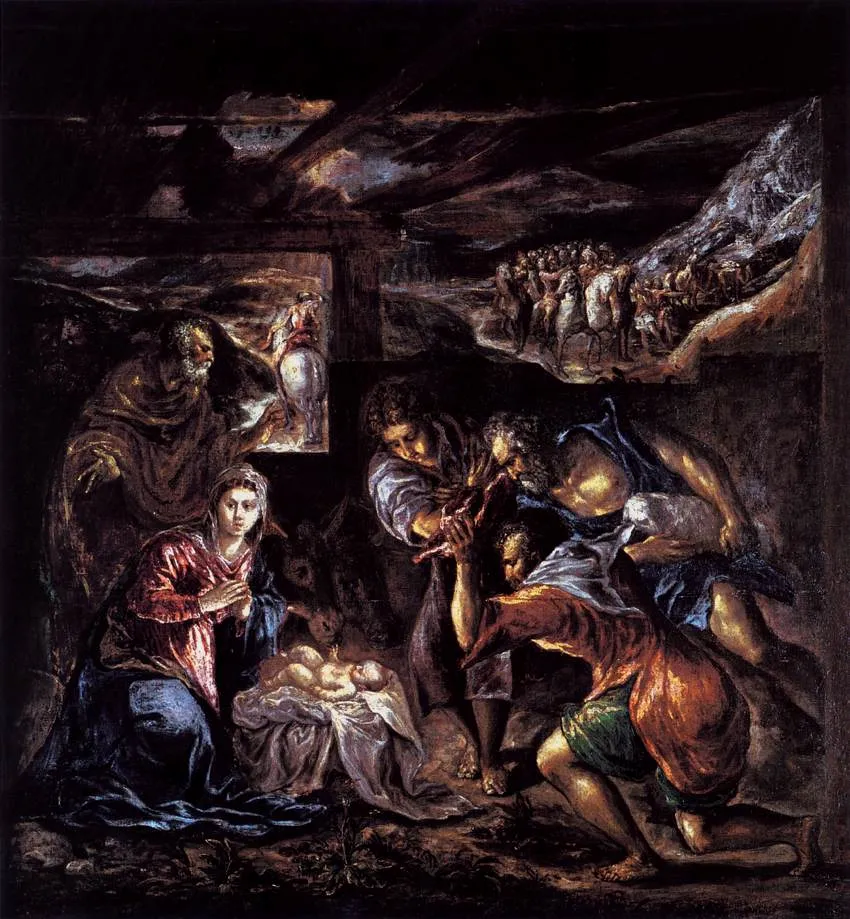
 100% Hand-Painted: Finished in 3-6 Weeks

.png)















_(1).webp)