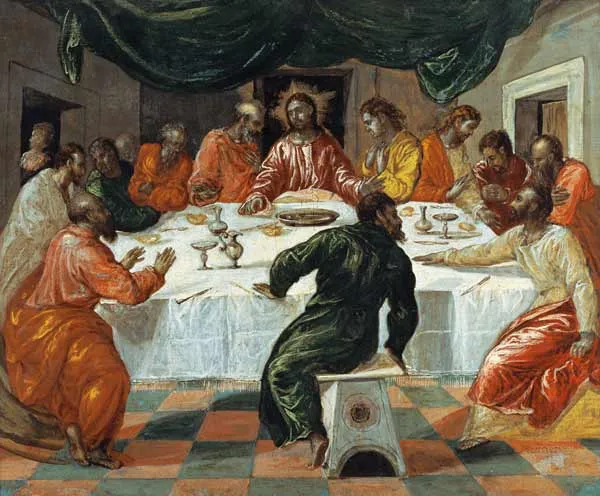
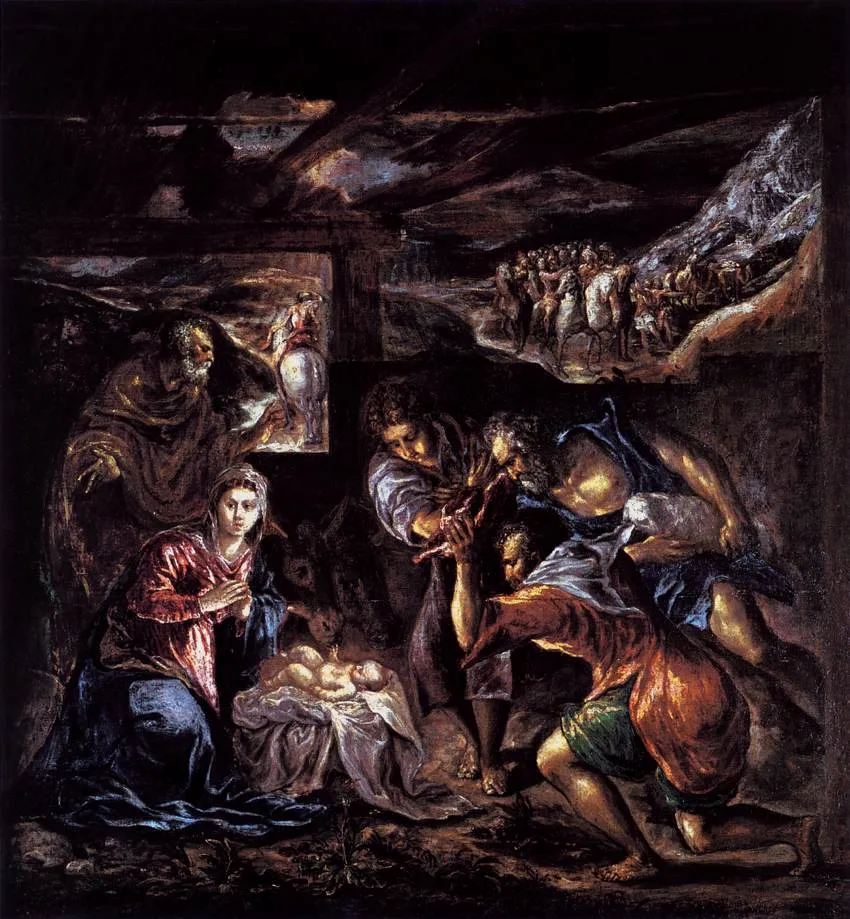
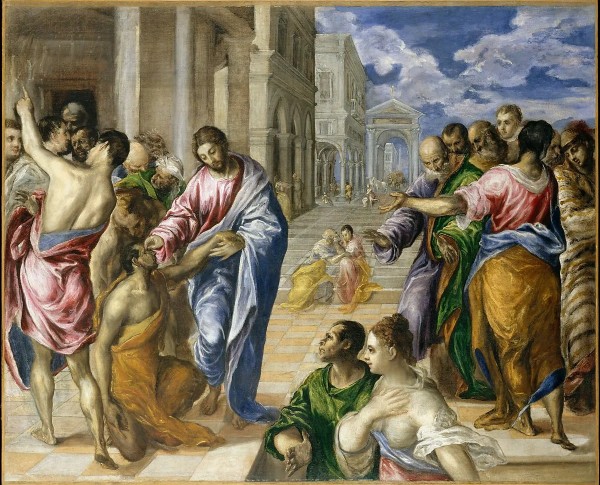
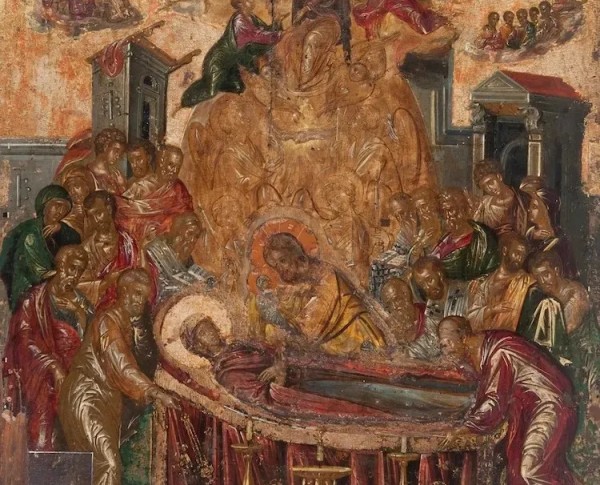
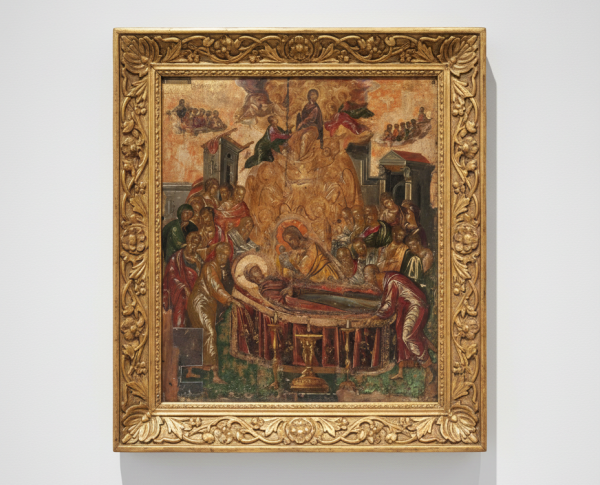
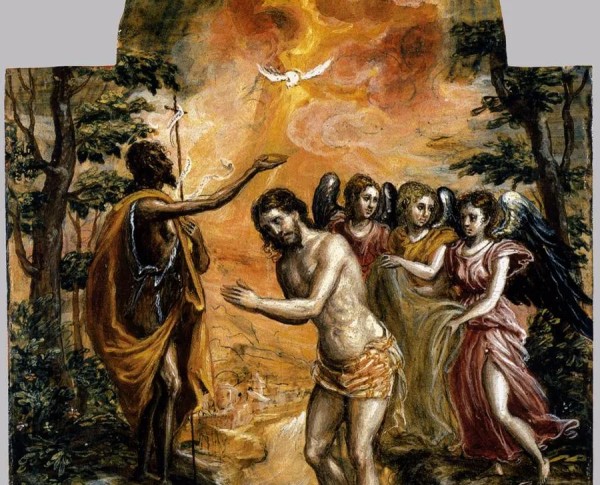
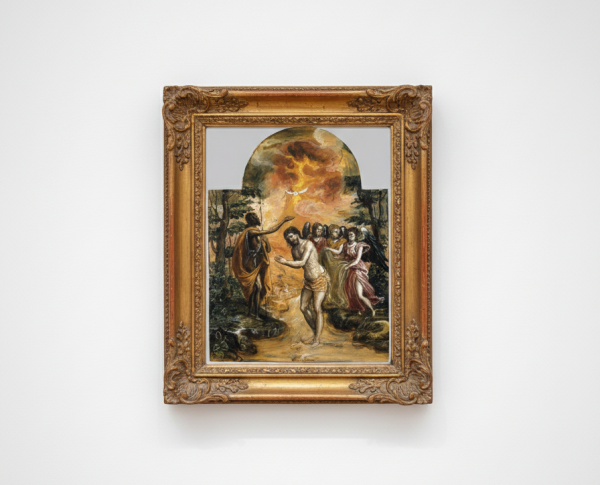
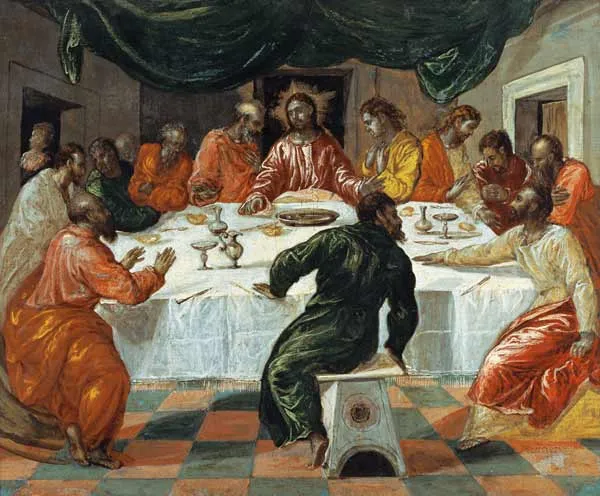
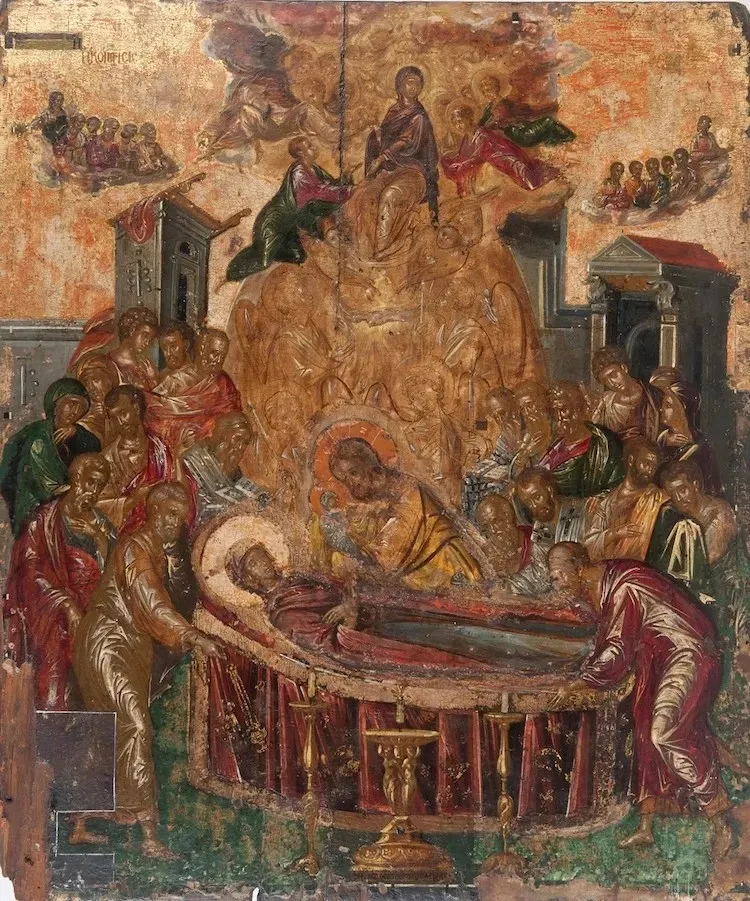
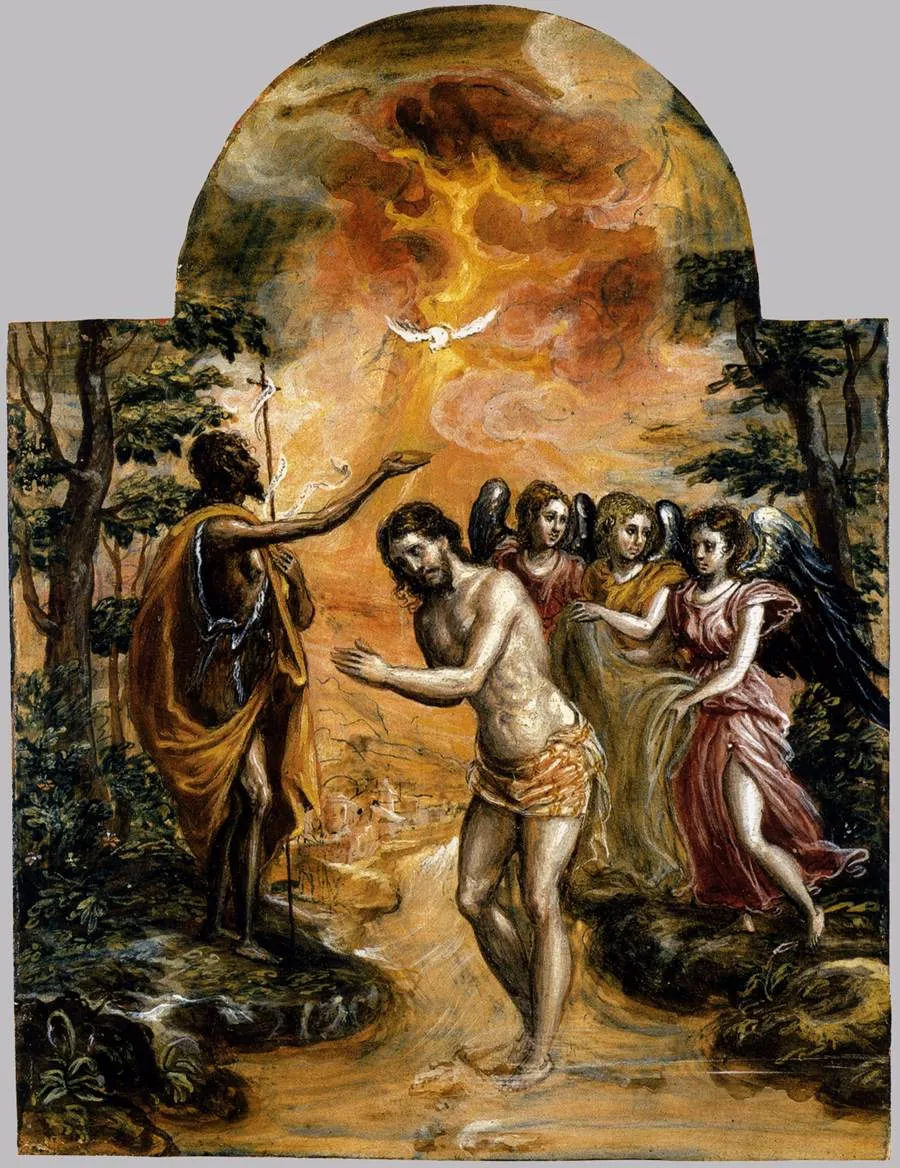
"The Last Supper" by El Greco is celebrated for its dynamic composition and expressive figures, hallmarks of the Mannerism movement. Each detail on this oil on canvas masterpiece reflects the artist’s masterful brushwork and bold use of color. Collectors and art enthusiasts often seek similar works, such as "Dormition of the Virgin" and "Baptism of Christ," for their remarkable craftsmanship and historical significance, making this painting a true testament to El Greco’s enduring legacy.
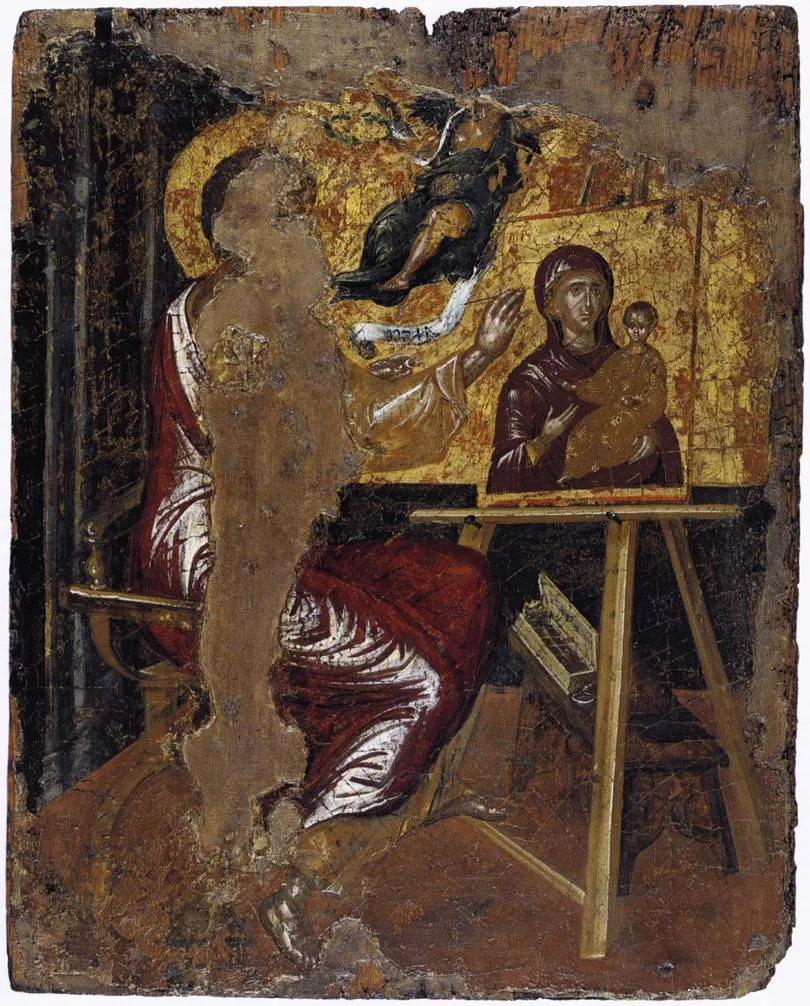
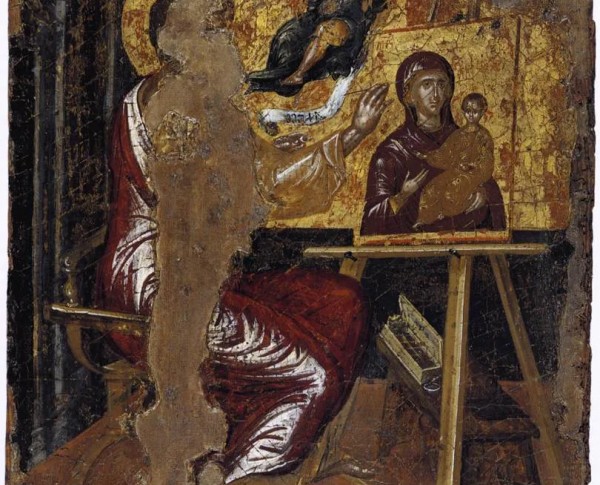
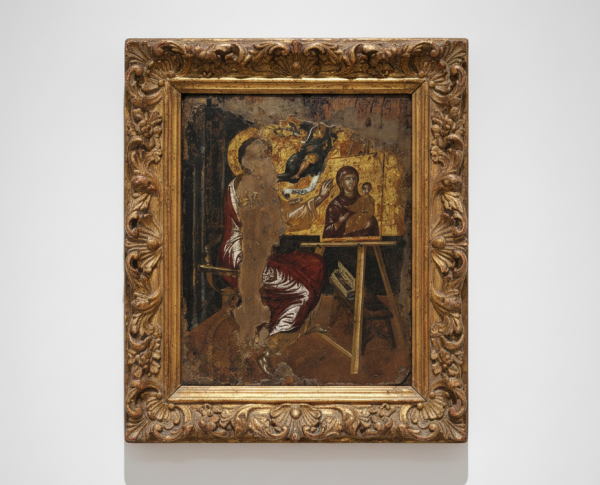
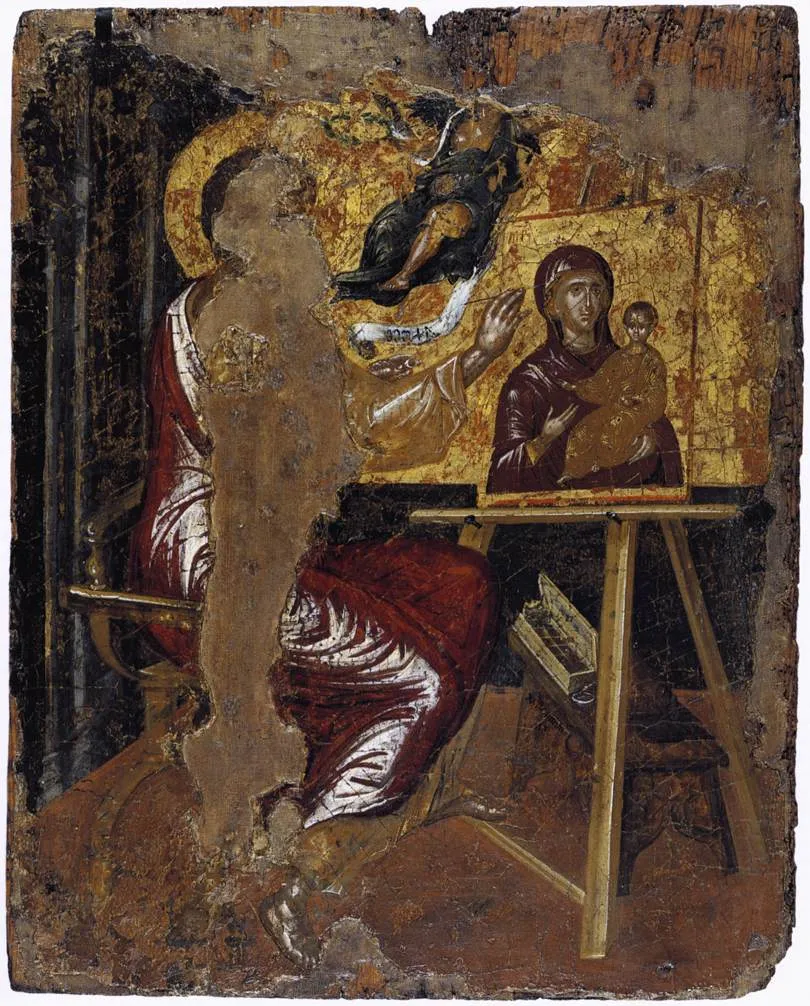
In "The Last Supper," Doménikos Theotokópoulos weaves intricate stories and symbols into his fine art painting for sale. The expressive gestures and luminous figures invite viewers to contemplate themes of faith and human emotion, typical of the Mannerism movement. This masterpiece, along with related pieces like "St. Luke painting the Virgin," serves as a profound narrative, offering depth and meaning to collectors and admirers of religious art through its rich symbolism and storytelling.
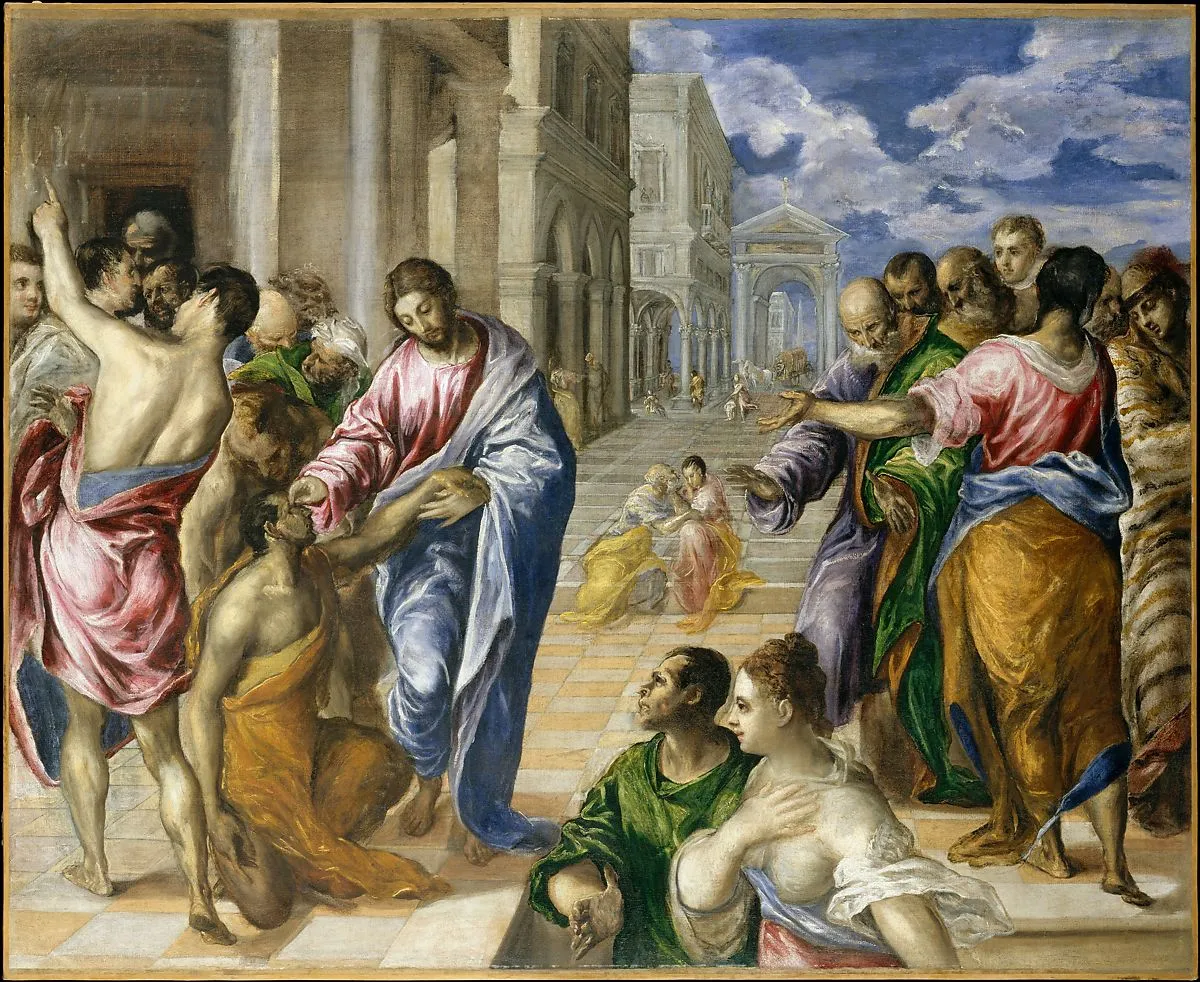
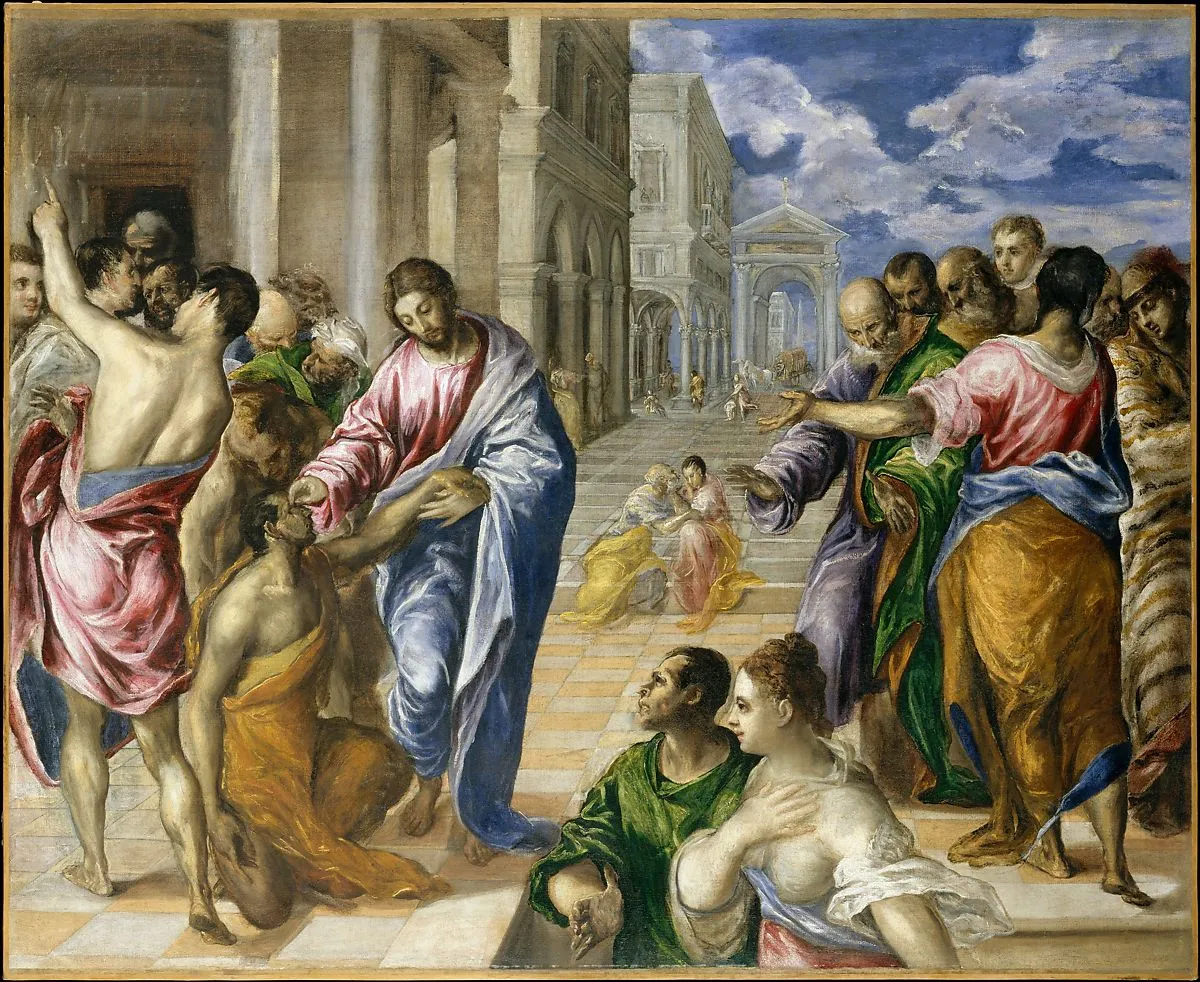
Owning "The Last Supper" by El Greco, a renowned hand-painted oil painting, is a dream for many collectors and art lovers. This iconic work from the Mannerism era brings prestige and historical value to any collection. Complementing pieces such as "Christ healing the blind man" and "Dormition of the Virgin" further enhance a collection, making these masterpieces not only visually captivating but also significant investments in the world of fine art painting for sale.
When Art Meets History
"The Last Supper" by Doménikos Theotokópoulos, also known as El Greco, is a remarkable hand-painted oil painting that captures a pivotal moment in Christian history. As a masterpiece of the Mannerism movement, it stands out for its dramatic composition and spiritual intensity. El Greco’s interpretation of this iconic scene is unique, distinguishing it from other depictions of the Last Supper. Collectors and art enthusiasts deeply appreciate this work for its historical significance and the artist’s innovative approach.
Techniques That Speak
El Greco’s "The Last Supper" showcases his extraordinary technique with oil on canvas, a medium he mastered during the height of the Mannerism movement. His elongated figures and bold color choices are hallmarks of his style, giving the painting a sense of movement and emotion. The careful use of light and shadow enhances the spiritual atmosphere, making this oil on canvas a testament to El Greco’s technical prowess and creative vision.
Emotions on Display
In "The Last Supper," Doménikos Theotokópoulos conveys a profound emotional depth, characteristic of the Mannerism movement. Each apostle’s expression and gesture are meticulously rendered, inviting viewers to explore the psychological drama of the scene. This fine art painting for sale is celebrated for its ability to evoke empathy and contemplation, drawing audiences into the narrative. El Greco’s mastery ensures that emotions remain central, making the work a favorite among collectors of expressive art.
Coveted by Collectors
Collectors worldwide seek out "The Last Supper" by El Greco as a fine art painting for sale, attracted by its unique blend of historical significance and artistic innovation. The painting’s association with the Mannerism movement, along with the artist’s reputation for dramatic storytelling, adds to its desirability. Doménikos Theotokópoulos’s works, including this celebrated masterpiece, continue to command attention and admiration in galleries and private collections around the globe.
Frequently Asked Questions About The Last Supper
What is the historical context of The Last Supper?
The Last Supper was painted by Doménikos Theotokópoulos, known as El Greco, between 1570 and 1576. It was commissioned for the monastery of Santo Domingo el Antiguo in Toledo, Spain, during the Spanish Renaissance, a period marked by a flourishing of the arts and a deep religious fervor.
What artistic techniques did El Greco use in The Last Supper?
El Greco employed a unique blend of Mannerism and Byzantine influences, characterized by elongated figures, dramatic lighting, and a vibrant color palette. His use of perspective guides the viewer's eye towards the central figure of Christ, enhancing the composition's emotional impact.
What is the significance of the composition in The Last Supper?
The composition of The Last Supper is carefully structured, with Christ at the center, flanked by his apostles. This arrangement emphasizes the moment of revelation where Jesus announces that one of them will betray him, creating a sense of tension and drama that is central to the narrative.
How does El Greco portray the apostles in The Last Supper?
El Greco captures the apostles' varied emotional responses to Christ's announcement through their facial expressions and gestures. Each figure is distinct, reflecting a range of human emotions from shock to disbelief, which adds depth to the overall scene.
What symbolism is present in The Last Supper?
The Last Supper is rich in symbolism; for instance, the use of light surrounding Christ symbolizes divinity and enlightenment. The presence of bread and wine on the table foreshadows the Eucharist, highlighting the painting's religious significance.
What influences did El Greco draw upon for The Last Supper?
El Greco was influenced by both Italian Renaissance artists and Byzantine traditions. His exposure to the works of Michelangelo and Titian is evident in his dramatic use of color and form, while his elongated figures reflect his Byzantine heritage.
What role does light play in The Last Supper?
Light in The Last Supper serves to highlight the central figure of Christ, creating a focal point that draws the viewer's attention. El Greco's manipulation of light and shadow also enhances the emotional intensity of the scene, contributing to the overall atmosphere of divine revelation.
How does The Last Supper compare to other depictions of the same subject?
Unlike many traditional depictions of The Last Supper, which often emphasize symmetry and balance, El Greco's interpretation is more dynamic and expressive. His unique style and emotional depth set his version apart, making it a significant contribution to the genre.
What is the significance of the colors used in The Last Supper?
The color palette of The Last Supper is vibrant and expressive, with rich blues, reds, and golds. These colors not only enhance the emotional tone of the painting but also serve to symbolize various spiritual themes, such as the divine nature of Christ and the humanity of the apostles.
What impact has The Last Supper had on art history?
The Last Supper has had a profound influence on the development of Western art, inspiring countless artists and becoming a reference point for future interpretations of the subject. El Greco's innovative style and emotional depth have paved the way for modern expressions of religious themes in art.






















_GFM_Painting_(1).webp)


 100% Hand-Painted: Finished in 3-6 Weeks

.png)















_(1).webp)