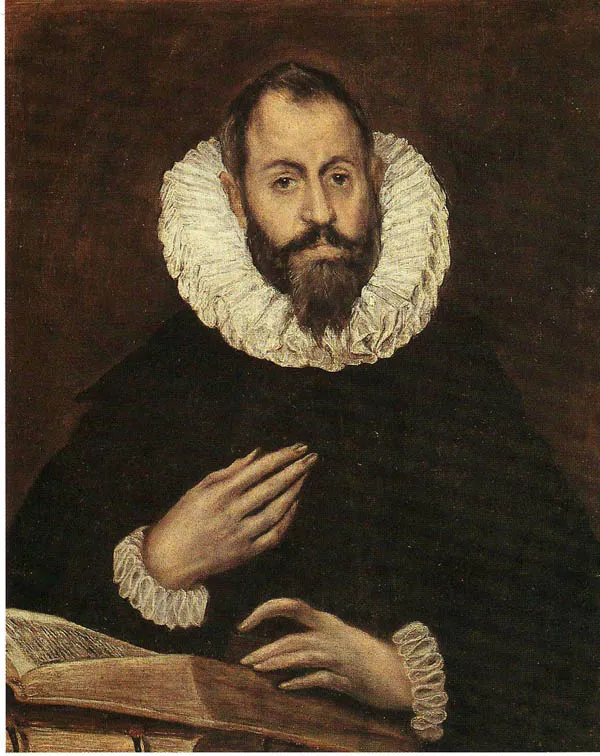
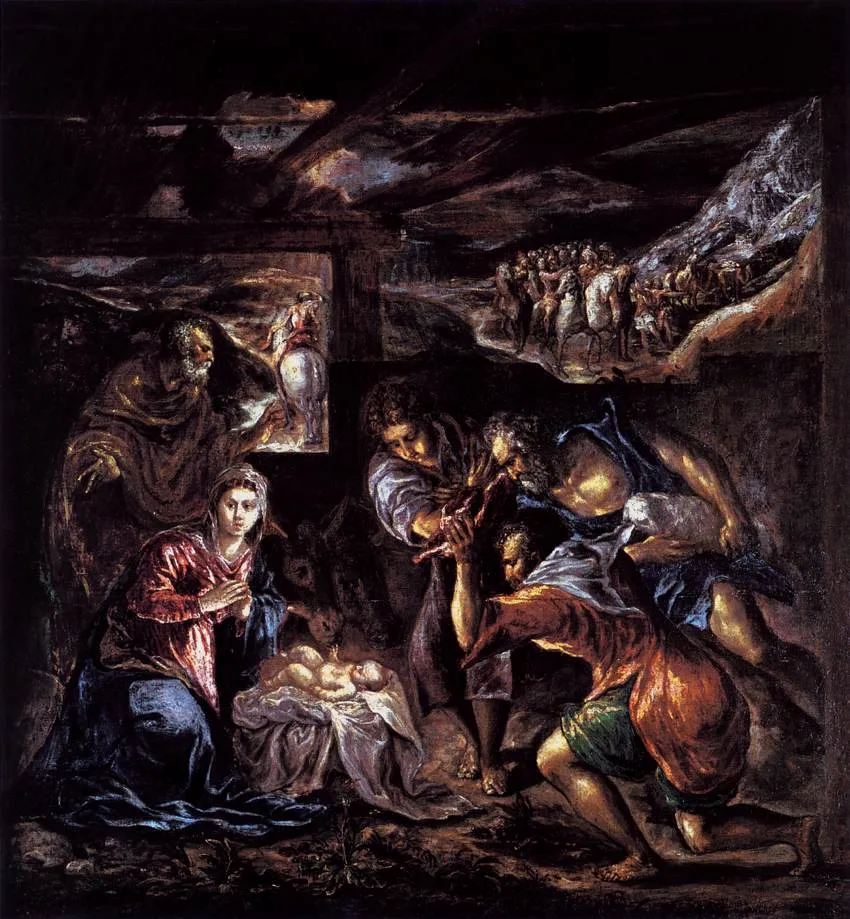
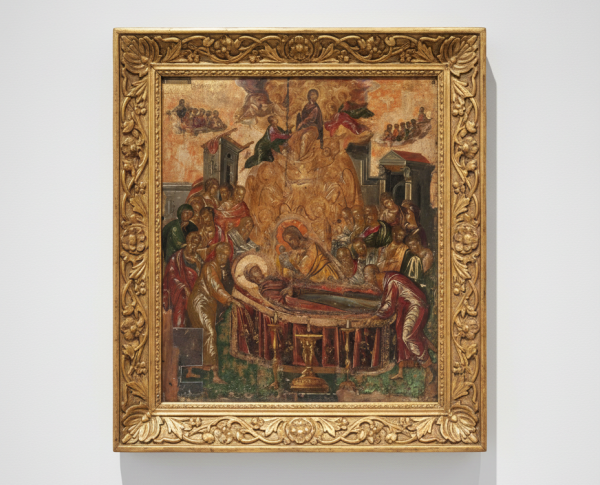
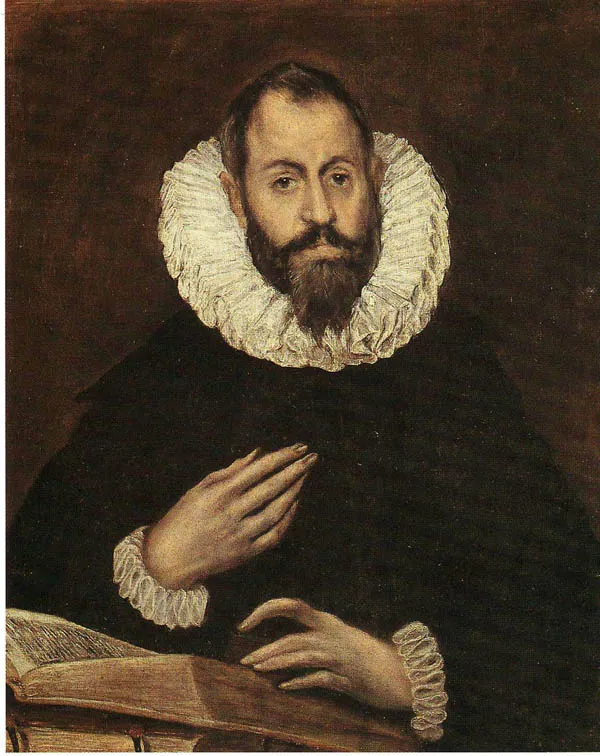
"Portrait of a man, possibly Alonso de Herrera" showcases the remarkable talent of Doménikos Theotokópoulos, also known as El Greco, a leading figure in the Mannerism movement. This hand-painted oil painting stands as a testament to his distinctive style, characterized by elongated forms and expressive features. Collectors and enthusiasts seeking works like "The Entombment of Christ" and "Adoration of the Shepherds" often appreciate the lasting legacy embedded within each brushstroke of this distinguished masterpiece.
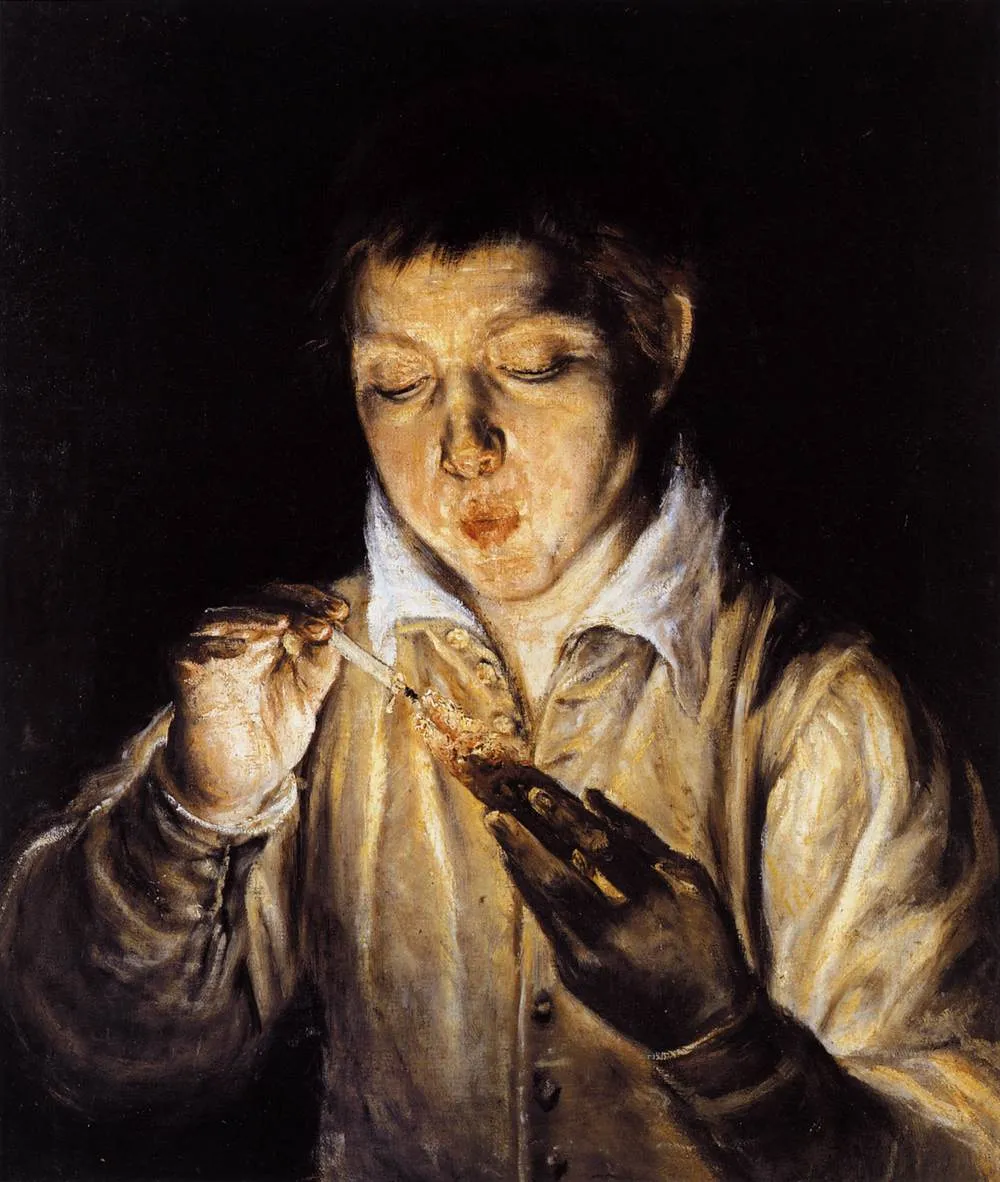
Doménikos Theotokópoulos’s "Portrait of a man, possibly Alonso de Herrera" exemplifies his mastery of oil on canvas, a medium that allowed him to capture subtle nuances and vibrant contrasts. The Mannerism movement’s influence is evident in the painting’s unique composition and dramatic flair. For those interested in acquiring a piece of history, this work stands alongside related masterpieces such as "A boy blowing on an ember to light a candle" and "Portrait of a Gentleman from the Casa de Leiva."
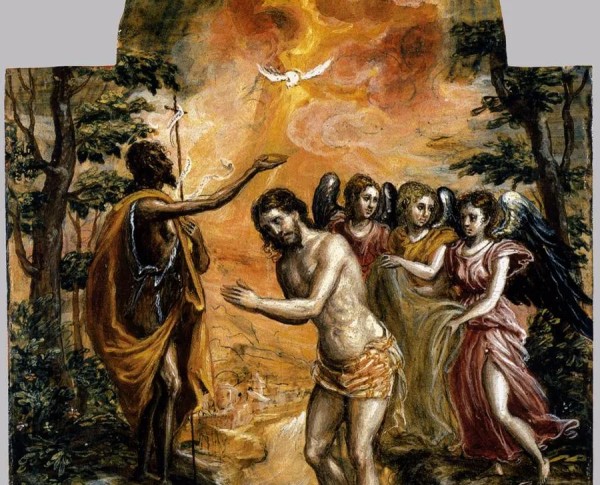
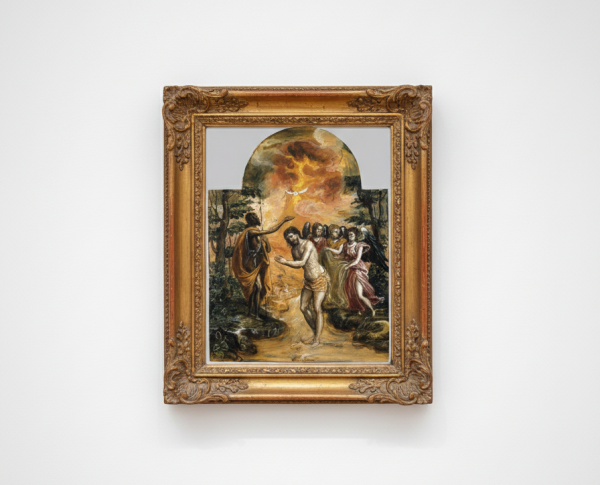
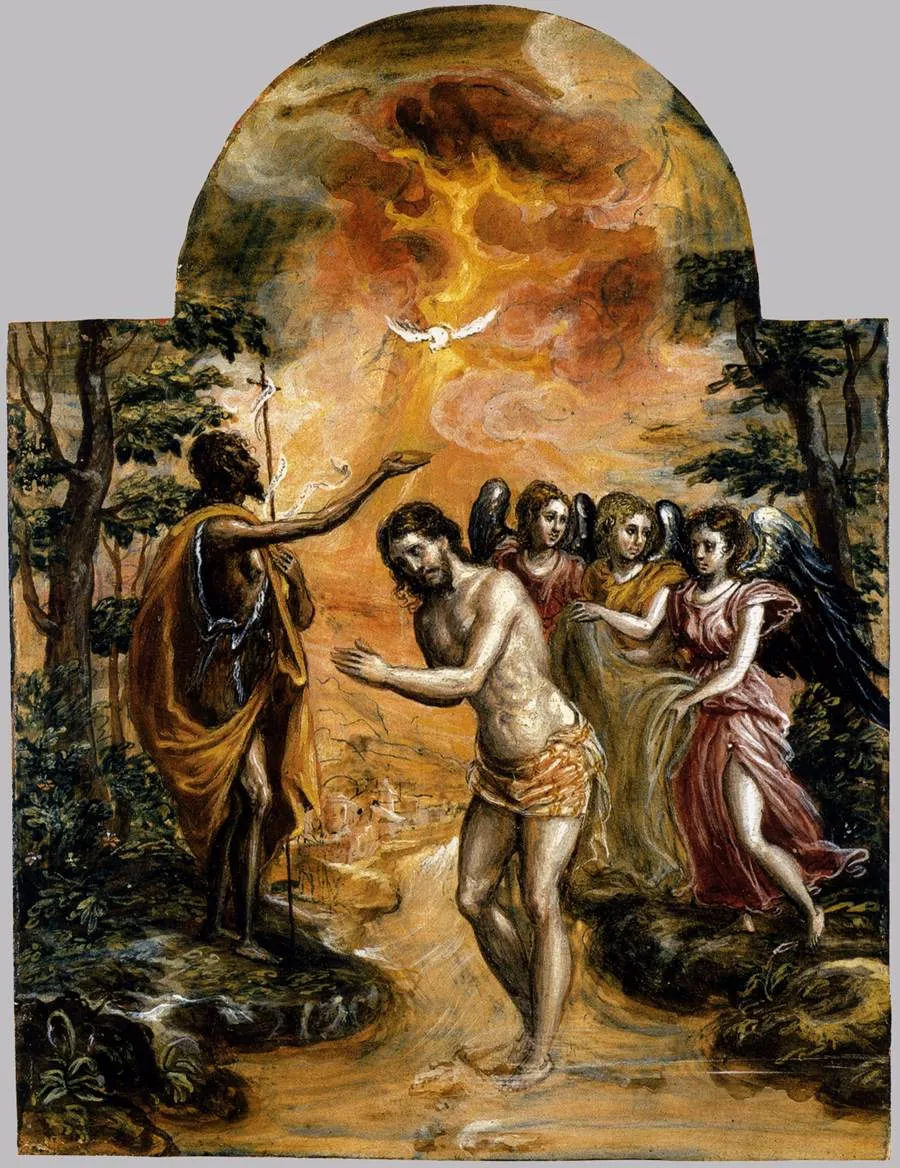
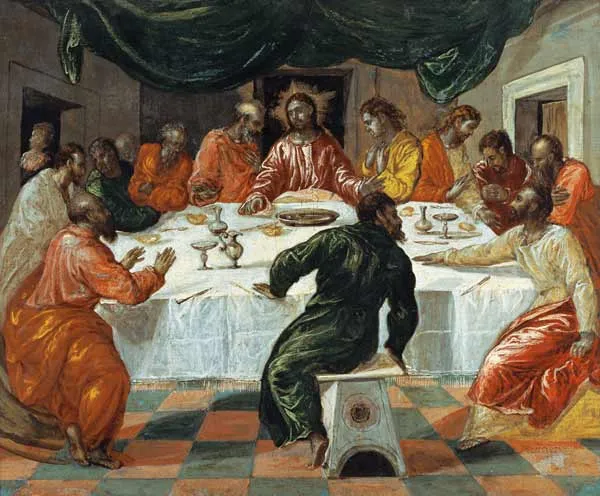
Every detail in "Portrait of a man, possibly Alonso de Herrera" by Doménikos Theotokópoulos tells a story, reflecting the symbolic richness typical of Mannerism. This fine art painting for sale invites viewers to interpret the sitter’s enigmatic expression and attire, much like the narratives found in "Baptism of Christ" and "The Last Supper." The painting’s subtle gestures and refined palette encourage art lovers to delve deeper into its historical and cultural context.
For discerning collectors, "Portrait of a man, possibly Alonso de Herrera" by Doménikos Theotokópoulos is a rare find within the world of Mannerist art. This hand-painted oil painting not only captures the essence of its era but also complements collections featuring related works like "The Entombment of Christ" and "Adoration of the Shepherds." Acquiring such a masterpiece ensures the preservation of artistic heritage and enhances any fine art portfolio with its timeless appeal.
When Art Meets History
"Portrait of a man, possibly Alonso de Herrera" by Doménikos Theotokópoulos, also known as El Greco, is a compelling example of the Mannerism movement. Created during a time of artistic transition, this hand-painted oil painting captures the nuanced interplay between Renaissance ideals and the emerging Baroque style. Like many of El Greco’s works, it reflects the artist’s unique vision and stands alongside his other celebrated portraits as a testament to the era's evolving artistic sensibilities.
Techniques That Speak
Doménikos Theotokópoulos employed masterful techniques in this oil on canvas portrait, utilizing elongated forms and dramatic lighting to convey psychological depth. The brushwork and color palette are signature elements of the Mannerism period, emphasizing expressive detail over realistic representation. El Greco’s innovative approach in this painting and others demonstrates how oil on canvas became a favored medium for artists seeking to push the boundaries of traditional portraiture.
Emotions on Display
In "Portrait of a man, possibly Alonso de Herrera," El Greco conveys profound emotion through subtle gestures and intense facial expressions. The sitter’s gaze and posture invite viewers to contemplate the inner life of the subject, a hallmark of the artist’s style within the Mannerism movement. This fine art painting for sale appeals to collectors and enthusiasts alike, who admire the emotional resonance found in El Greco’s portraits and other related paintings.
Coveted by Collectors
Collectors around the world seek out works like "Portrait of a man, possibly Alonso de Herrera" due to their historical significance and unique artistry. As a hand-painted oil painting by Doménikos Theotokópoulos, it exemplifies the qualities that make Mannerism so intriguing. The demand for El Greco’s paintings, including related masterpieces, underscores their enduring appeal in the fine art market and their status as prized possessions for discerning collectors.
Frequently Asked Questions About Portrait of a man, possibly Alonso de Herrera
Who is the artist of this painting?
The painting "Portrait of a man, possibly Alonso de Herrera" was created by the renowned Spanish artist Doménikos Theotokópoulos, commonly known as El Greco.
What is the significance of the subject's identity?
The subject of the painting is believed to be Alonso de Herrera, a notable figure of the time, which adds historical context and depth to the artwork, reflecting the social and cultural dynamics of 16th-century Spain.
What artistic techniques are employed in this painting?
El Greco is known for his unique use of elongated forms and dramatic lighting. In this portrait, he employs these techniques to convey the subject's character and emotional depth, creating a striking visual impact.
How does this painting reflect the characteristics of the Mannerist style?
This painting exemplifies Mannerism through its exaggerated proportions, complex poses, and emotional intensity, which diverge from the balanced compositions of the Renaissance, showcasing El Greco's distinctive approach to portraiture.
What colors are predominantly used in the painting, and what do they symbolize?
The use of deep blues and rich earth tones in the painting symbolizes both the nobility and the somber nature of the subject, while also enhancing the overall dramatic effect typical of El Greco's works.
What is the historical context of the painting?
Created during the late Renaissance period, this portrait reflects the cultural and artistic shifts occurring in Spain, particularly the rise of individualism and the importance of portraiture as a means of social status representation.
What role does light play in this artwork?
Light in this painting is used to highlight the subject's facial features and attire, creating a focal point that draws the viewer's attention and enhances the emotional resonance of the portrait.
How does El Greco's background influence this painting?
El Greco's Greek heritage and exposure to both Byzantine and Western artistic traditions inform his unique style, blending elements of spirituality and realism, which is evident in the portrayal of the subject's expression and attire.
What is the significance of the pose and expression of the subject?
The subject's pose and contemplative expression suggest a sense of introspection and dignity, reflecting the intellectual and cultural aspirations of the era, as well as the personal character of Alonso de Herrera.
How does this painting compare to other works by El Greco?
Compared to other works by El Greco, this portrait showcases his mastery in capturing the human spirit, while also highlighting his signature style of elongated forms and vibrant color palettes, making it a quintessential example of his oeuvre.






















_GFM_Painting_(1).webp)


 100% Hand-Painted: Finished in 3-6 Weeks

.png)















_(1).webp)