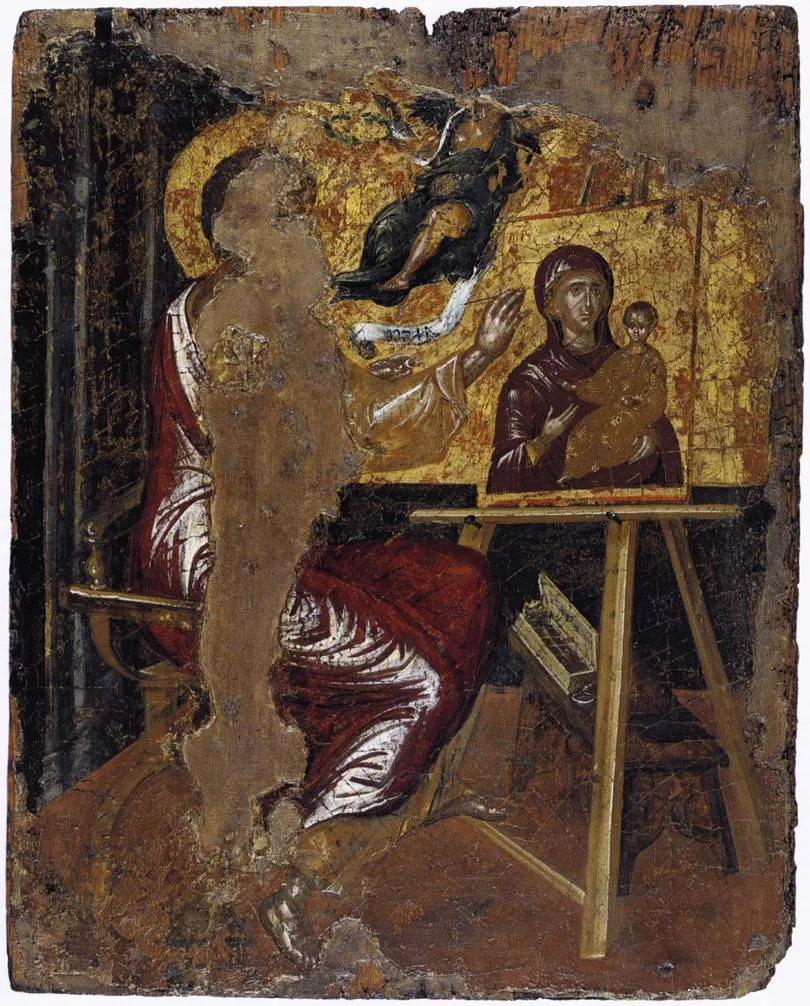
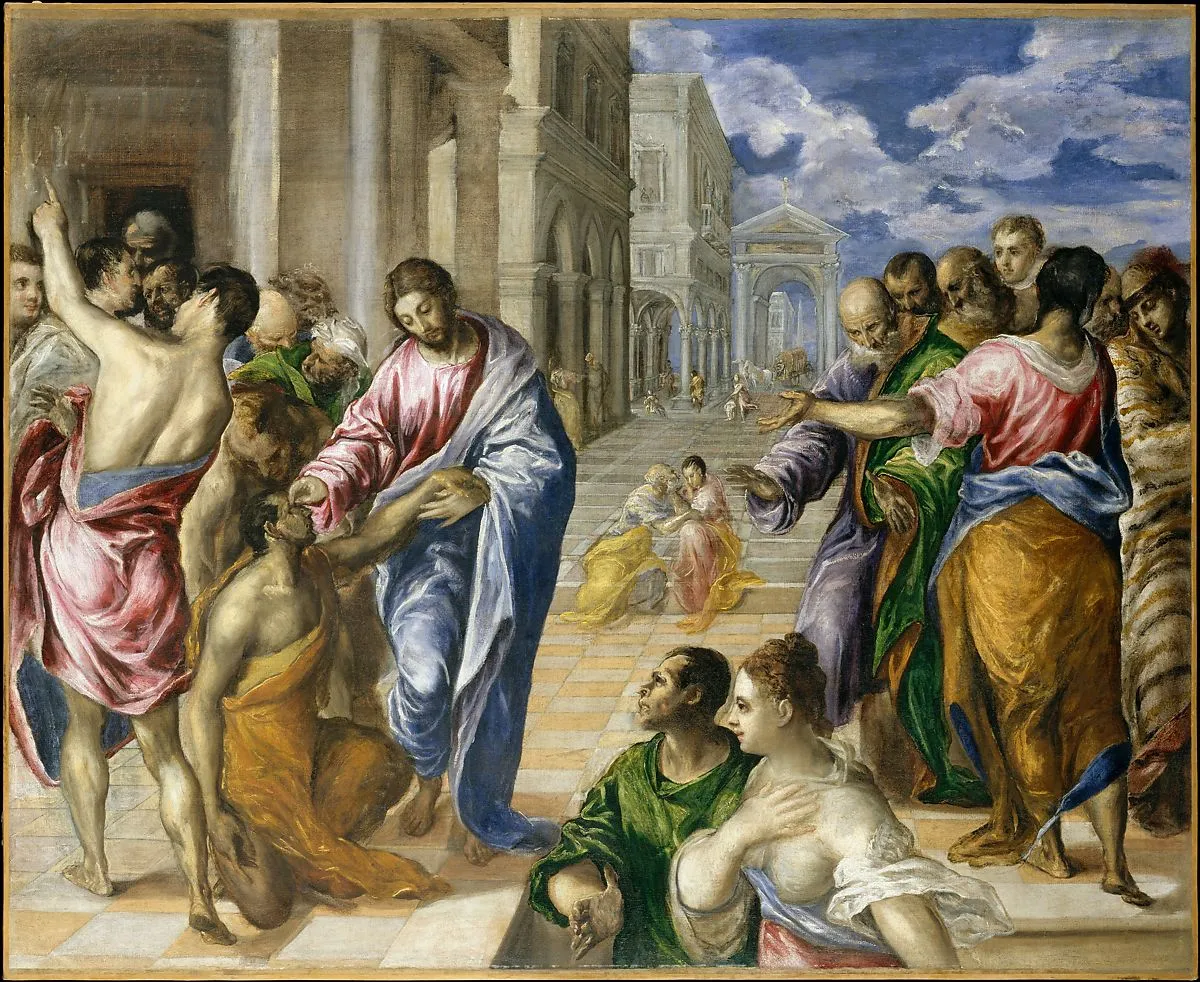
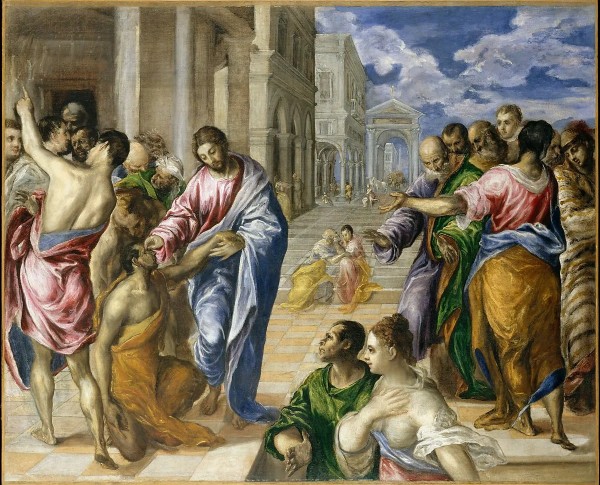
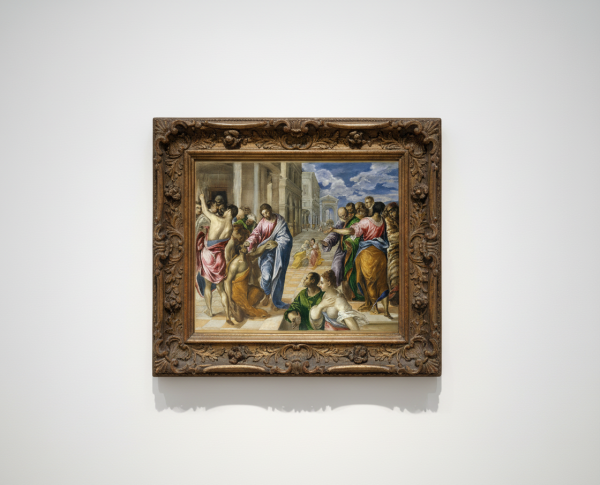
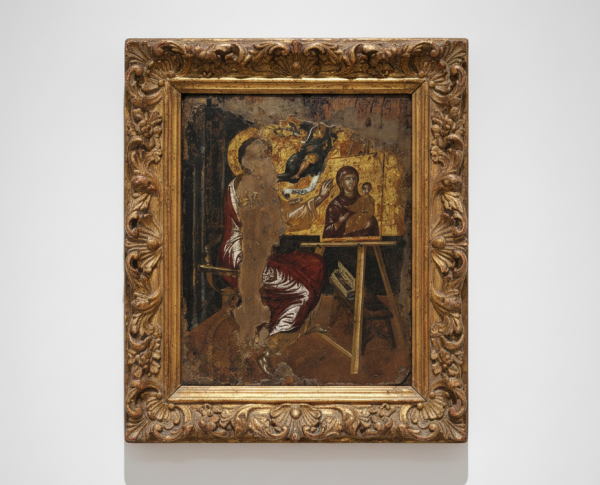
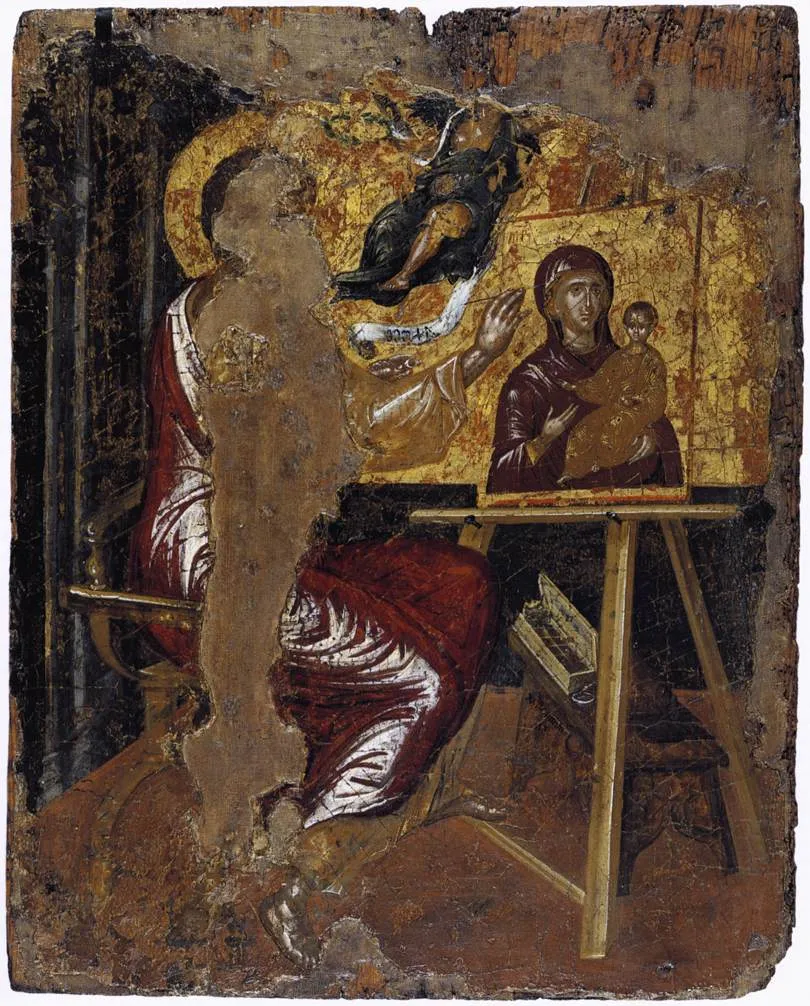
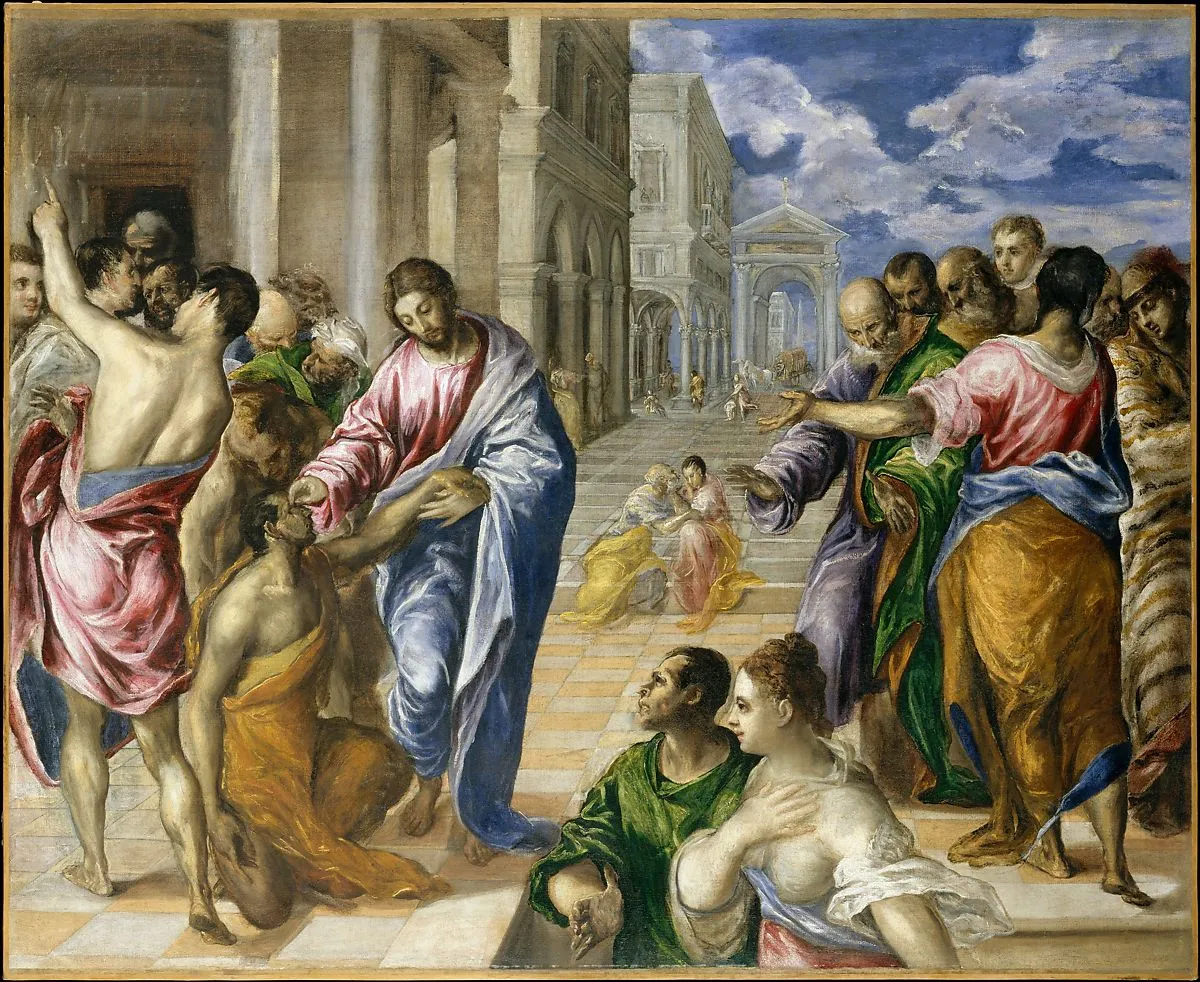
El Greco’s "St. Luke painting the Virgin" demonstrates his mastery with oil on canvas, employing elongated forms and dramatic color contrasts typical of the Mannerism movement. Every brushstroke reveals the artist’s innovative approach, capturing both spiritual intensity and technical brilliance. Collectors and enthusiasts admire how this painting complements other masterpieces such as "Christ healing the blind man," making it a sought-after addition to any gallery of oil on canvas works.
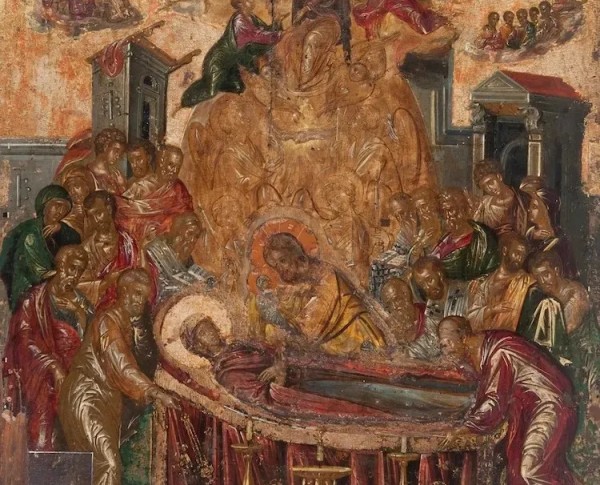
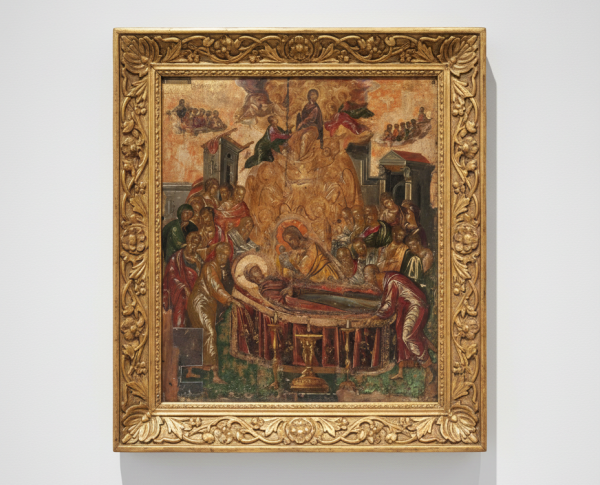
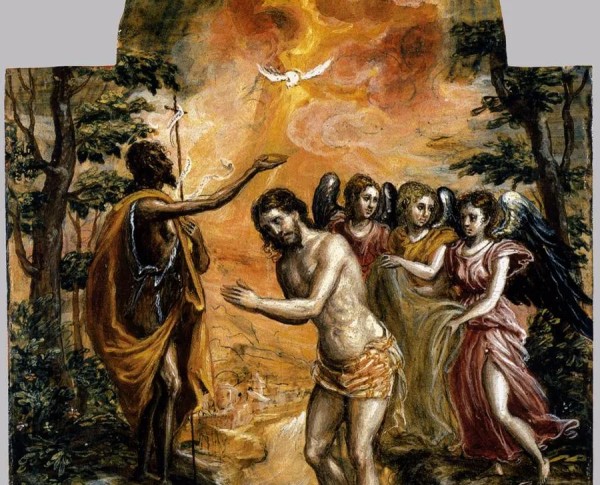
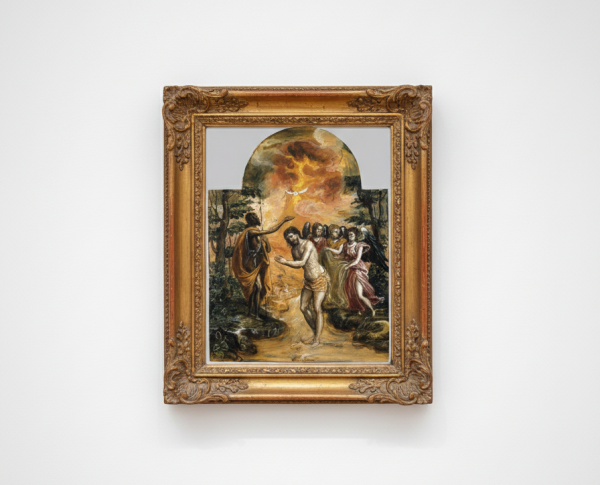
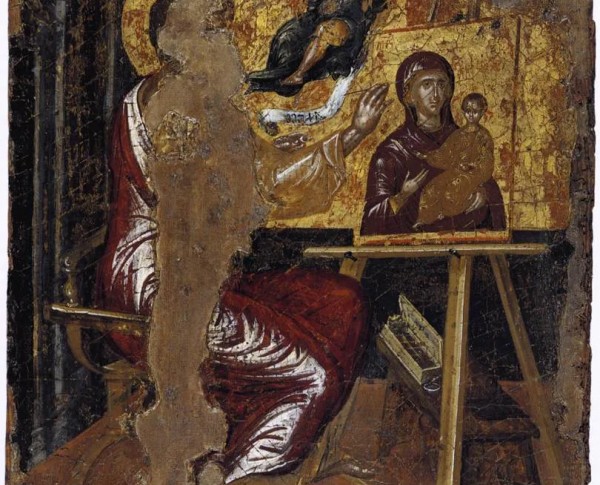
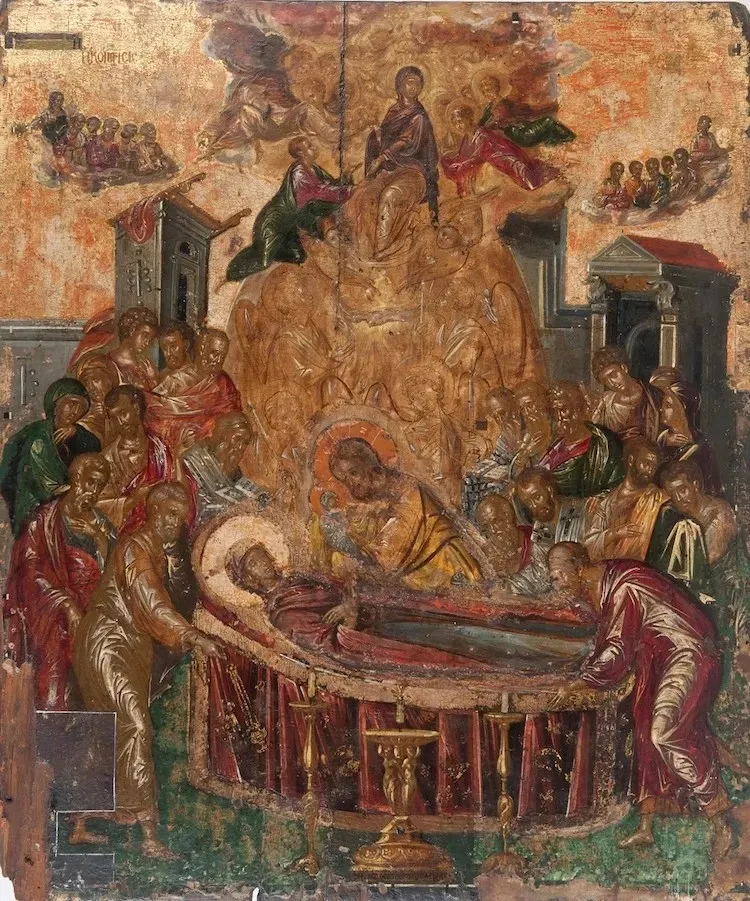
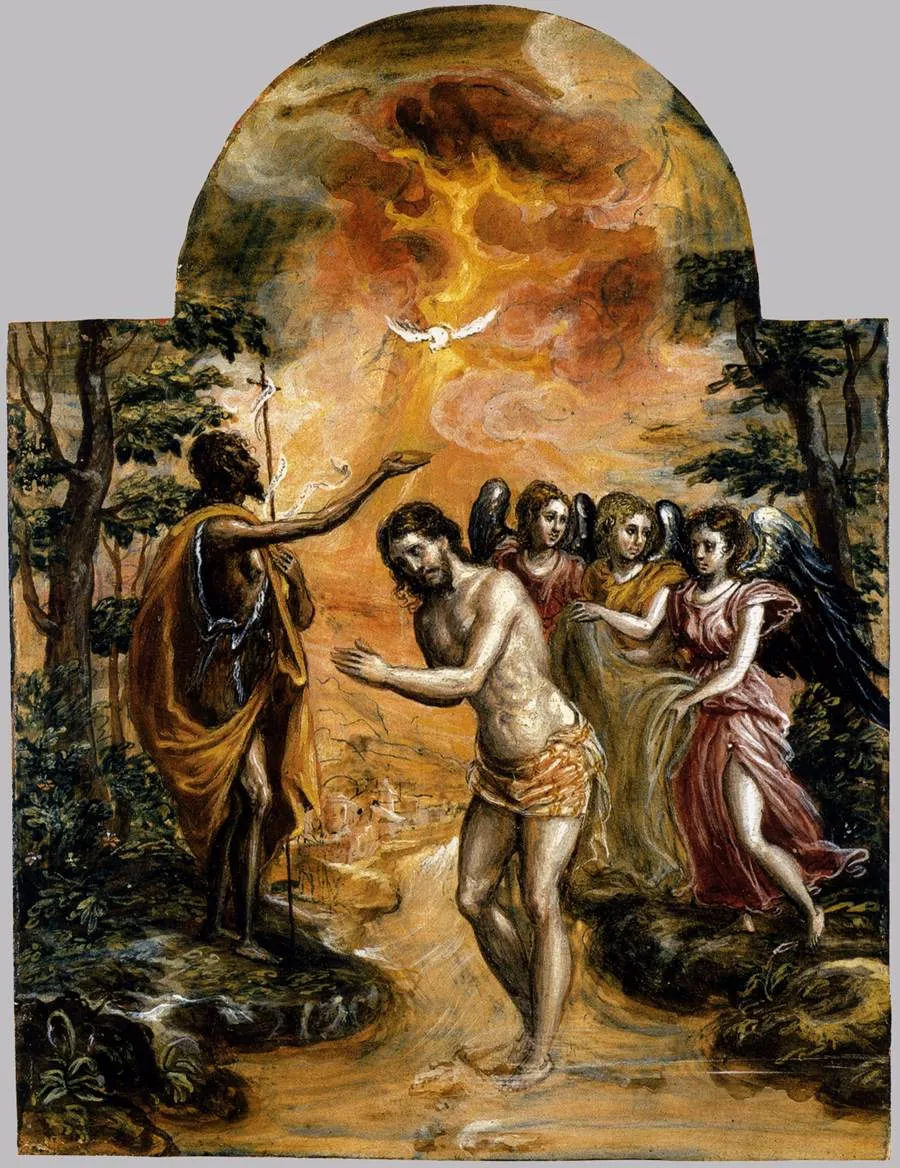
Within "St. Luke painting the Virgin," Doménikos Theotokópoulos weaves layers of narrative and symbolism, hallmarks of Mannerist art. The scene highlights St. Luke, the patron saint of artists, capturing the Virgin Mary’s likeness—a motif rich in meaning. This fine art painting for sale invites viewers to explore its spiritual depth and connect it with related masterpieces like "Baptism of Christ" and "Dormition of the Virgin," enriching any art lover’s experience.
For collectors seeking a fine art painting for sale, "St. Luke painting the Virgin" by Doménikos Theotokópoulos is an exceptional choice. Its roots in the Mannerism movement and connection to works such as "Christ healing the blind man" make it both a historical and aesthetic treasure. This hand-painted oil painting not only elevates any collection but also serves as a testament to El Greco’s enduring legacy in the world of fine art.
When Art Meets History
"St. Luke painting the Virgin" by Doménikos Theotokópoulos, known widely as El Greco, stands as a testament to the Mannerism movement’s profound influence on religious art. This hand-painted oil painting captures a pivotal moment in Christian tradition, blending historical reverence with artistic innovation. El Greco’s unique vision connects this work to other masterpieces of his era, making it a significant example of how history and creativity intertwine within fine art.
Techniques That Speak
El Greco’s mastery is evident in his use of oil on canvas, a medium that enabled him to achieve dramatic contrasts and elongated forms characteristic of Mannerism. In "St. Luke painting the Virgin," his brushwork and color palette infuse the scene with spiritual intensity. These technical choices, also seen in his other paintings, highlight the artist’s ability to evoke depth and emotion, setting his works apart as enduring examples of oil on canvas artistry.
Emotions on Display
The expressive faces and gestures in "St. Luke painting the Virgin" reveal El Greco’s talent for conveying deep emotion through fine art painting for sale. The Virgin’s gentle serenity and St. Luke’s focused devotion invite viewers to reflect on themes of faith and inspiration. This emotional resonance, a hallmark of the Mannerism movement, connects the painting to other works by El Greco, making it a beloved subject for art enthusiasts and collectors alike.
Coveted by Collectors
As a remarkable hand-painted oil painting, "St. Luke painting the Virgin" remains highly sought after by collectors and institutions worldwide. Its combination of historical significance and artistic brilliance makes it a prized addition to any collection of Mannerist art. The enduring appeal of El Greco’s work, including this masterpiece, has ensured its status as a fine art painting for sale that continues to captivate and inspire new generations of admirers.
Frequently Asked Questions About St. Luke painting the Virgin
What is the historical context of "St. Luke painting the Virgin"?
This painting was created during the late Renaissance period, a time marked by a revival of classical learning and an emphasis on humanism. Doménikos Theotokópoulos, known as El Greco, was influenced by both Byzantine and Western art traditions, which is reflected in this work.
Who is St. Luke and why is he significant in Christian art?
St. Luke is one of the four Evangelists and is traditionally credited with writing the Gospel of Luke and the Acts of the Apostles. In Christian art, he is often depicted as a painter, symbolizing the divine inspiration of art and the importance of visual representation in conveying religious narratives.
What artistic techniques did El Greco employ in this painting?
El Greco utilized a unique combination of elongated forms, dramatic lighting, and vibrant color palettes. His use of chiaroscuro enhances the emotional intensity of the scene, while the expressive brushwork adds a sense of movement and spirituality.
What symbolism is present in "St. Luke painting the Virgin"?
The painting symbolizes the connection between the divine and the earthly. St. Luke is often depicted with a quill and a book, representing his role as a writer of the Gospel. The Virgin Mary is portrayed as a nurturing figure, emphasizing her importance in Christian theology as the Mother of God.
How does this painting reflect El Greco's artistic style?
The work exemplifies El Greco's distinctive style characterized by elongated figures, dramatic expressions, and a spiritual intensity. His approach to color and light creates a mystical atmosphere that invites viewers to engage with the divine subject matter.
What influences can be seen in El Greco's depiction of the Virgin Mary?
El Greco's depiction of the Virgin Mary shows influences from both Byzantine iconography and Western Renaissance art. The Virgin is often portrayed with a serene expression and a sense of grace, embodying both maternal tenderness and divine majesty.
What role does the composition play in the overall impact of the painting?
The composition of "St. Luke painting the Virgin" is carefully arranged to draw the viewer's eye towards the central figures. The triangular arrangement of St. Luke, the Virgin, and the child creates a sense of harmony and stability, while also emphasizing the spiritual connection between them.
In what ways does this painting reflect the cultural exchange of its time?
This painting illustrates the cultural exchange between Eastern and Western art traditions. El Greco's Greek heritage and his later work in Spain allowed him to blend Byzantine elements with Renaissance techniques, resulting in a unique artistic voice that transcends cultural boundaries.
What is the significance of the colors used in this painting?
The color palette in "St. Luke painting the Virgin" is rich and vibrant, with deep blues and reds that convey a sense of depth and emotion. The use of gold and luminous highlights enhances the divine aspect of the figures, reinforcing their sacred nature.
How has "St. Luke painting the Virgin" influenced modern interpretations of religious art?
This painting has had a lasting impact on modern interpretations of religious art by emphasizing the emotional and spiritual connection between the viewer and the subject. El Greco's innovative style has inspired countless artists to explore the use of color, form, and expression in conveying religious themes.






















_GFM_Painting_(1).webp)


 100% Hand-Painted: Finished in 3-6 Weeks

.png)















_(1).webp)