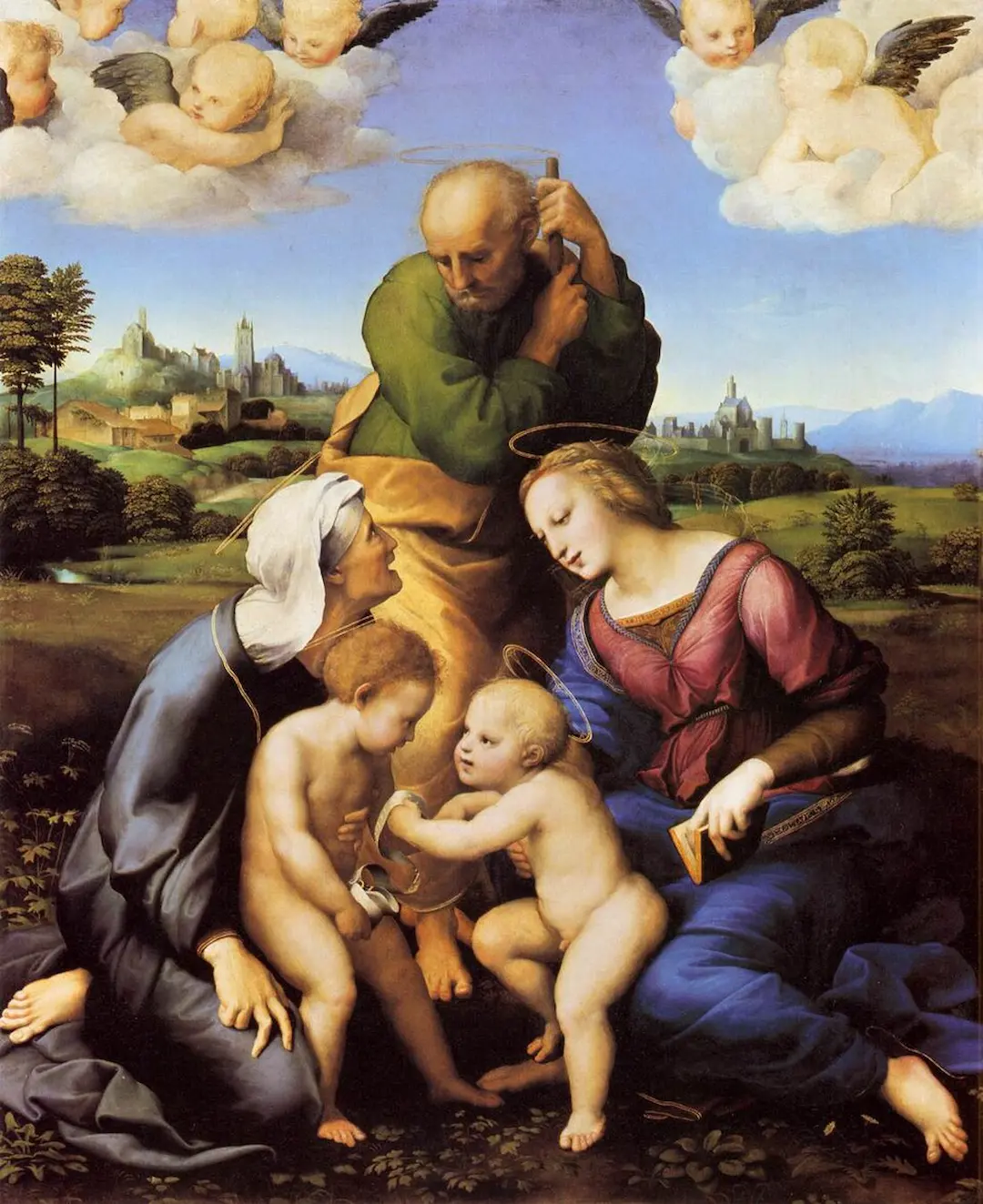
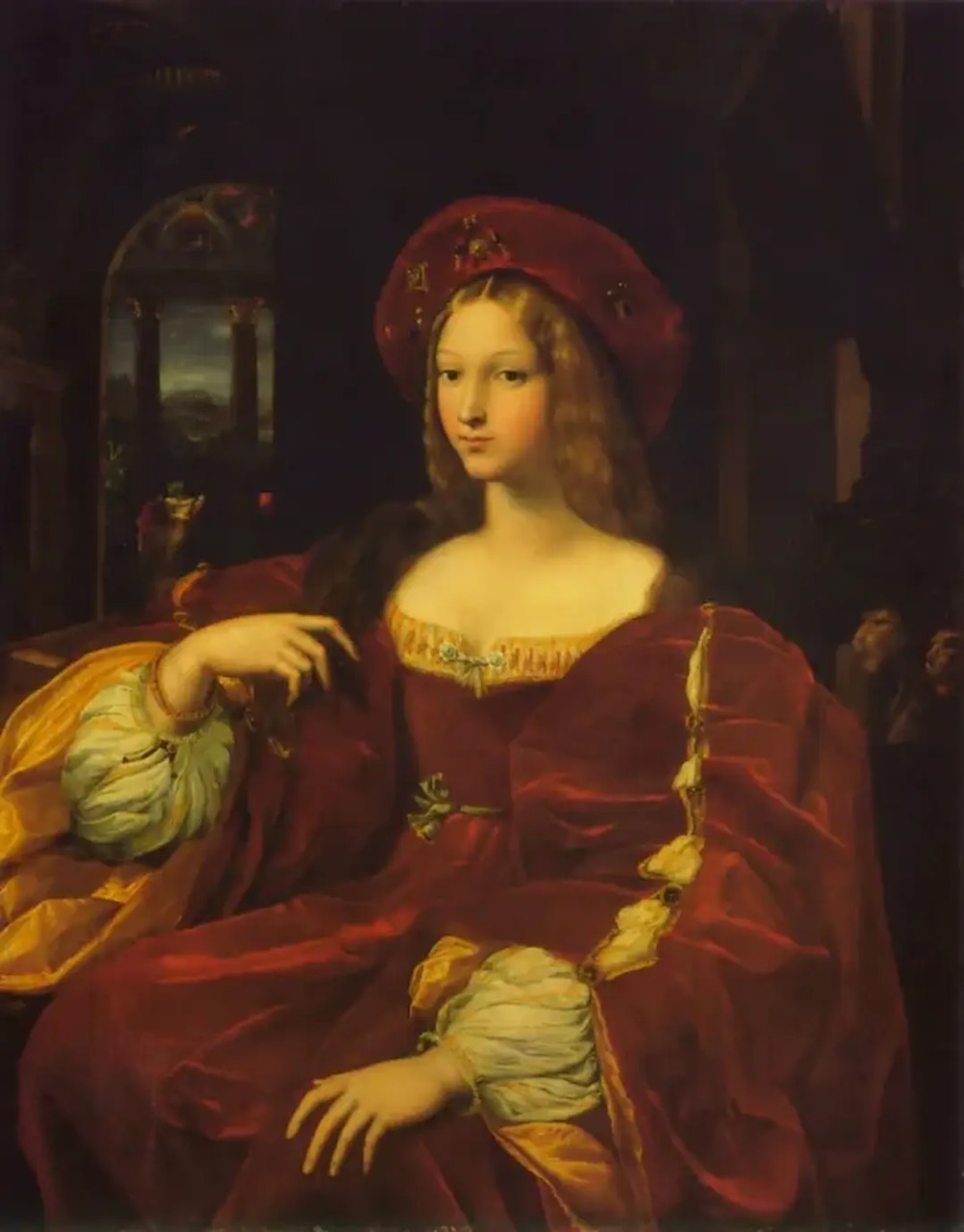
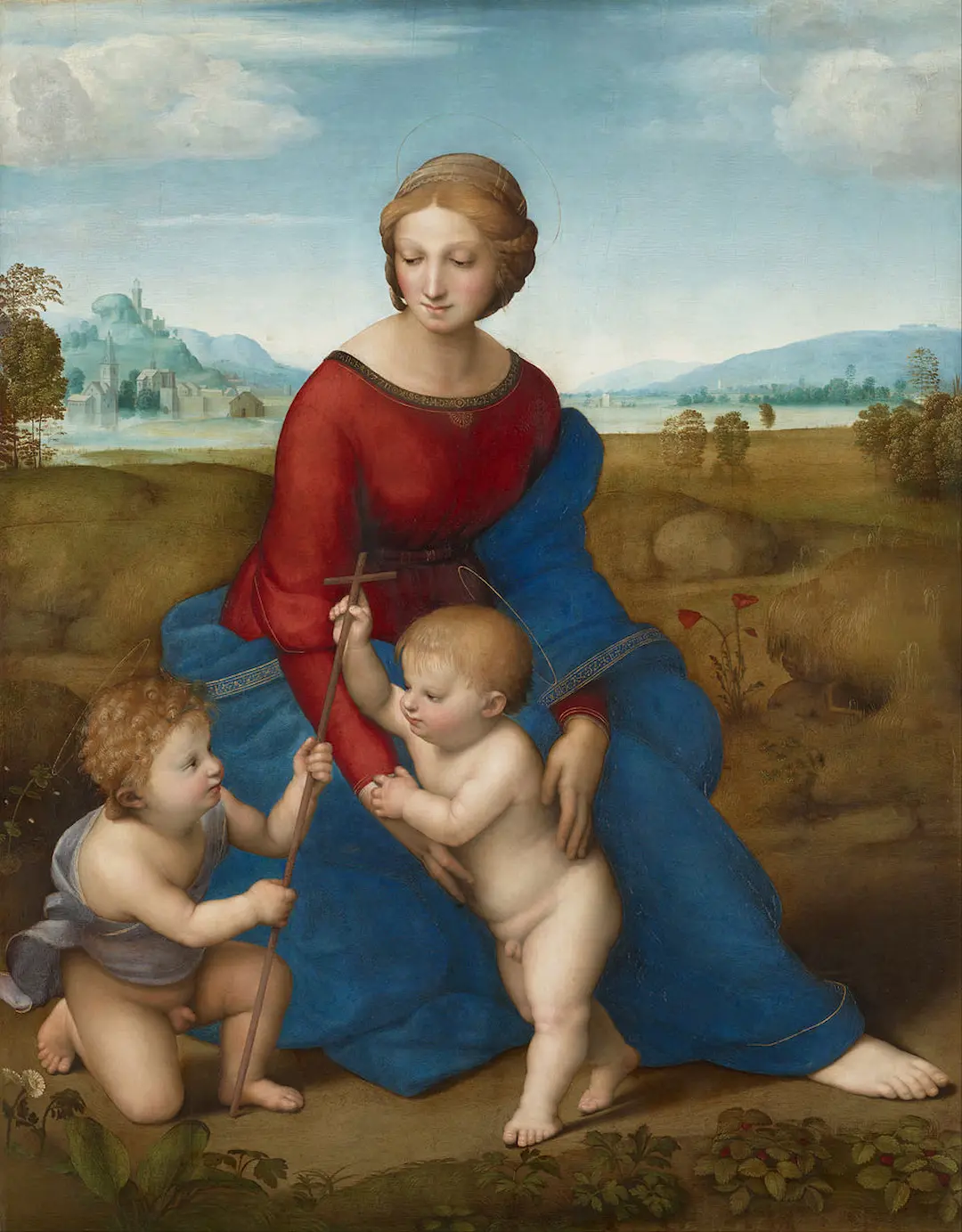
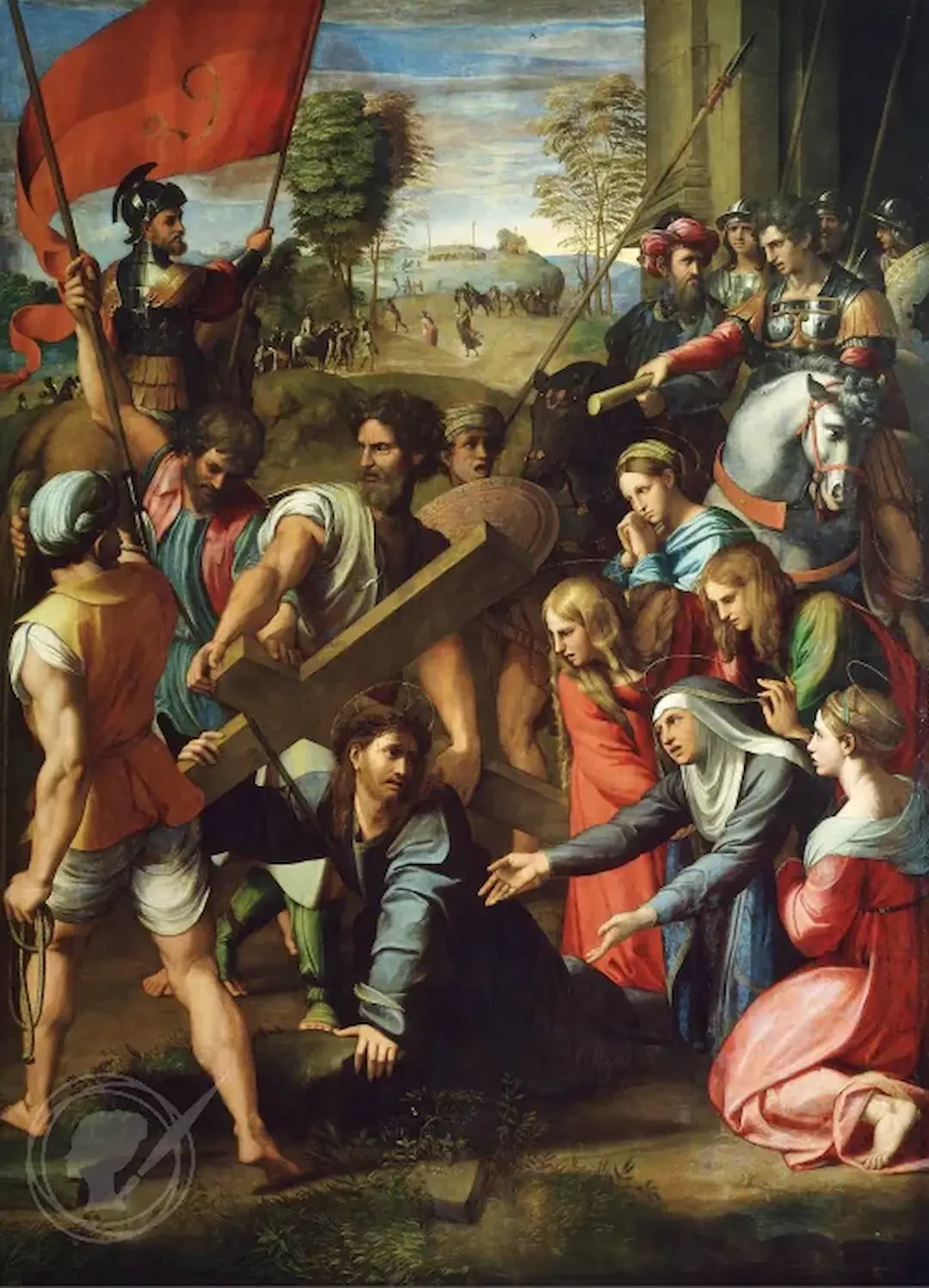
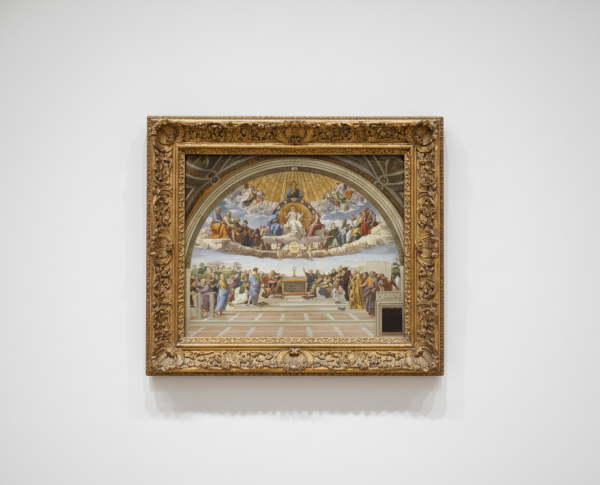
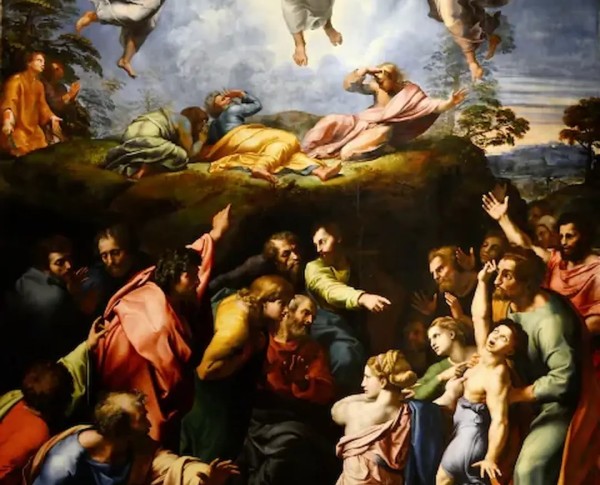
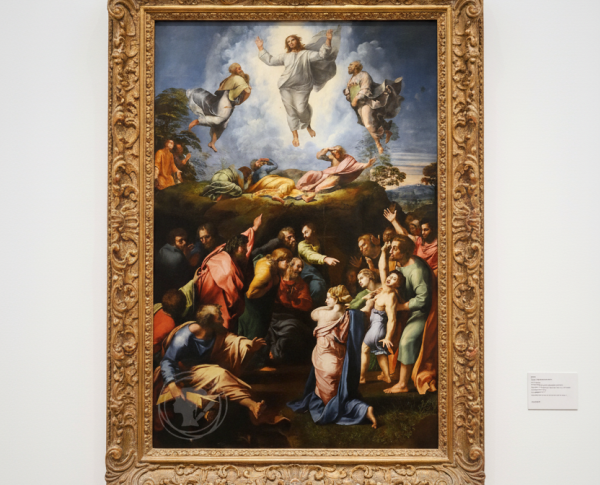
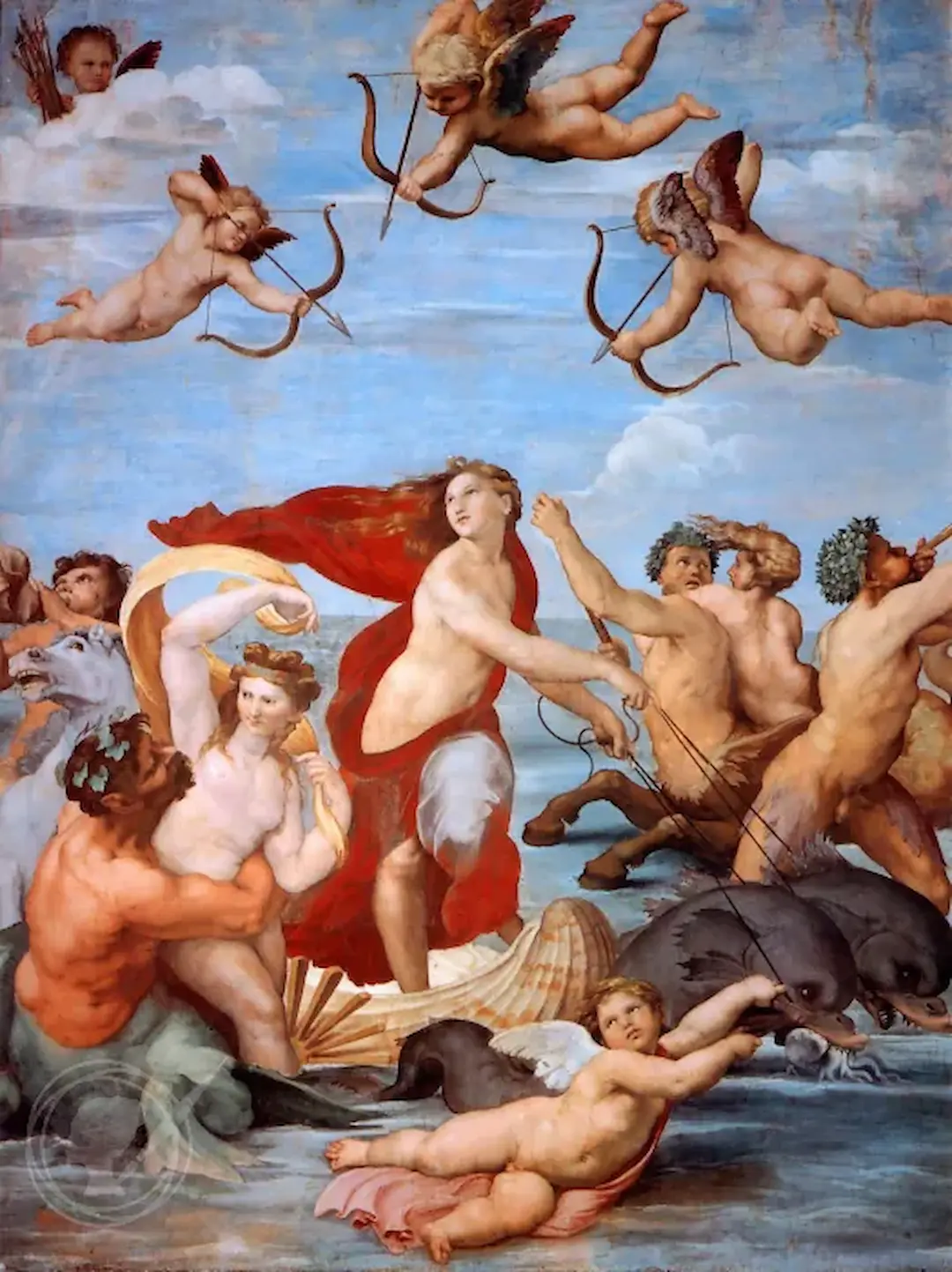
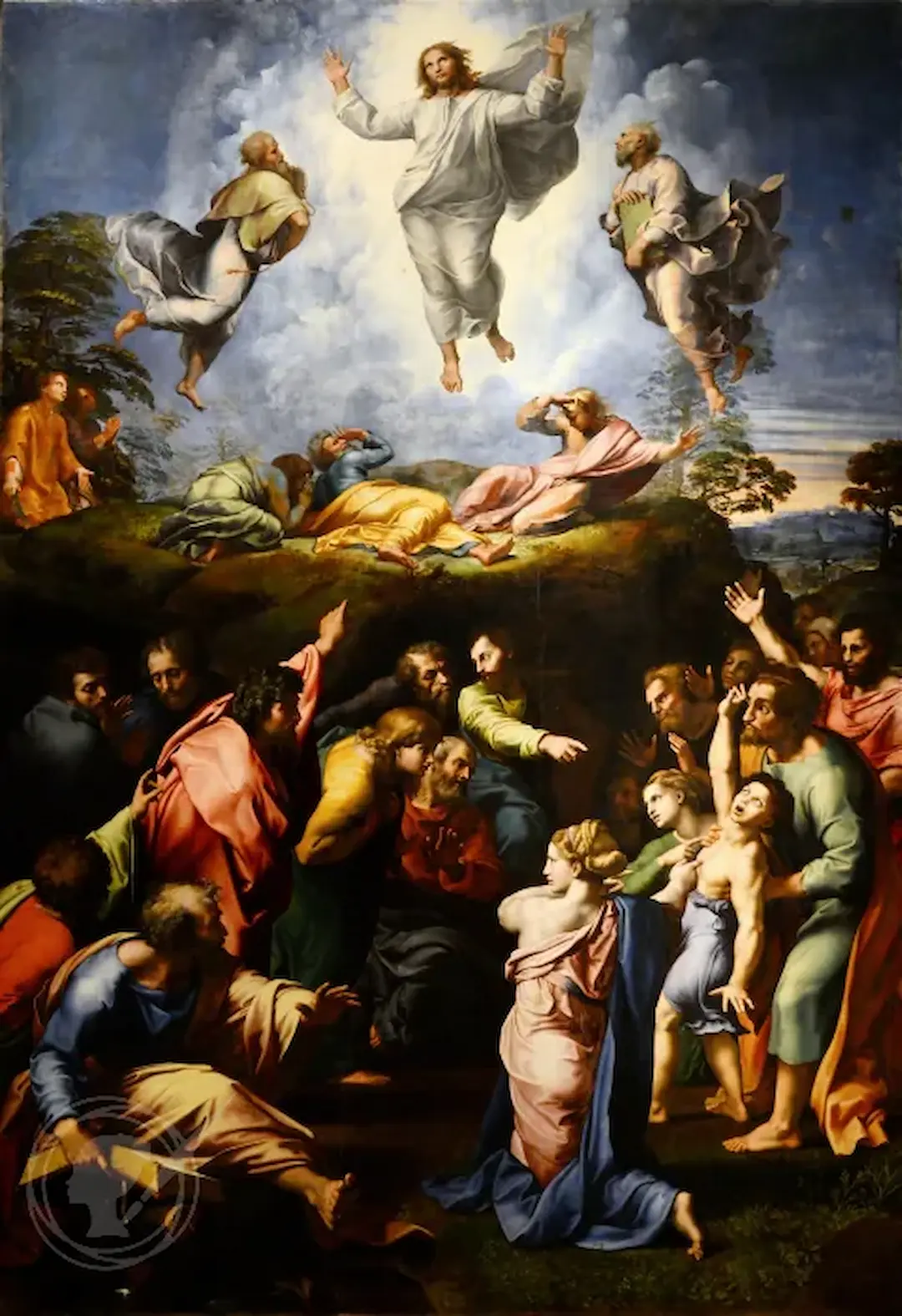
Raffaello Sanzio’s "The Triumph Of Galatea" is a testament to his exceptional skill, with each brushstroke showcasing the exquisite detail characteristic of oil on canvas masterpieces. The artist’s use of vibrant colors and harmonious forms reveals the technical brilliance that defines the High Renaissance. Those interested in adding a piece of history to their collection might also consider "Madonna of Belvedere (or Madonna del Prato)" or "The Transfiguration" as complementary acquisitions.
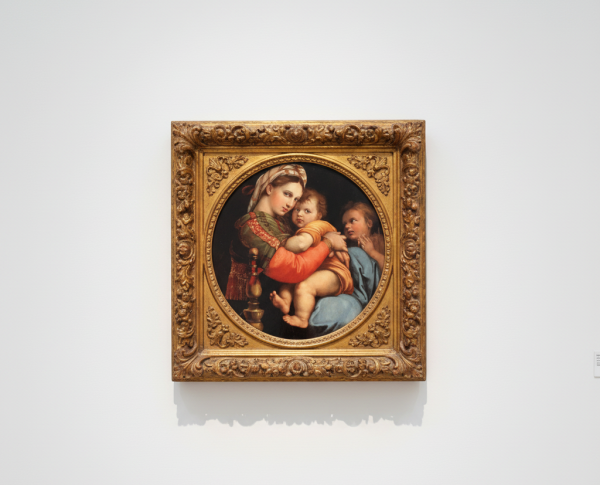
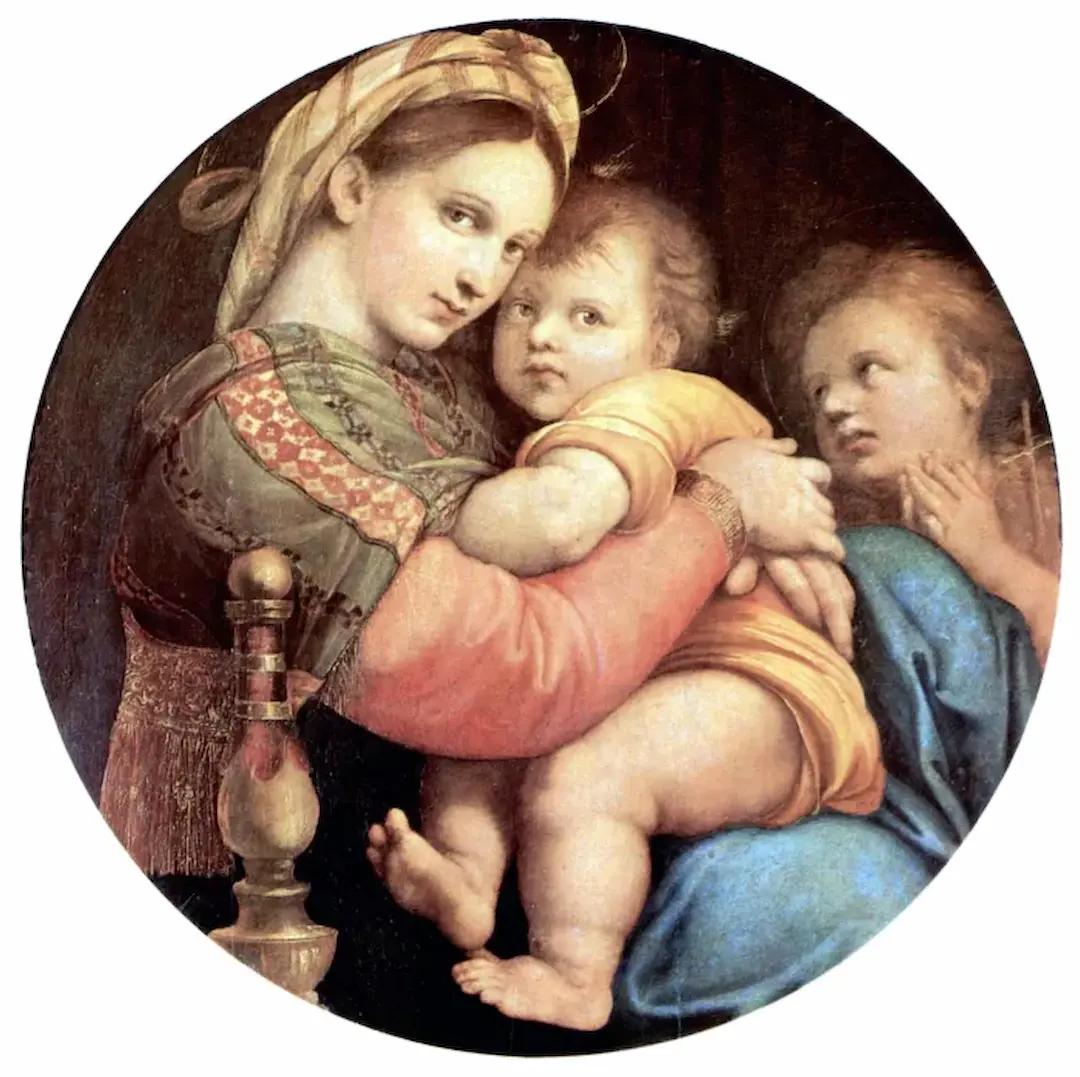
This fine art painting for sale depicts the nymph Galatea, surrounded by mythical creatures, symbolizing love’s triumph and the harmony of nature. Raffaello Sanzio infused the scene with allegorical elements, inviting viewers to interpret the deeper meanings behind each figure. For collectors seeking more from the High Renaissance movement, "Cherubini" and "The Madonna Of The Chair" offer additional layers of symbolism and narrative depth within their compositions.
"The Triumph Of Galatea" remains a prized hand-painted oil painting, sought after by museums and private collectors alike. Its enduring appeal lies in the combination of Raffaello Sanzio’s artistic genius and the iconic themes of the High Renaissance. Those looking for a fine art painting for sale to enrich their collection should also explore related masterpieces such as "La Donna Velata" and "The Transfiguration" for their historical and artistic significance.
When Art Meets History
"The Triumph Of Galatea" by Raffaello Sanzio stands as a remarkable testament to the grandeur of the High Renaissance movement. Created in 1512, this hand-painted oil painting captures the mythological subject with unparalleled vibrancy and depth. Raffaello, alongside contemporaries like Leonardo da Vinci and Michelangelo, contributed to a golden era of artistic achievement. Related masterpieces such as "The Last Supper 1498" and "Mona Lisa (La Gioconda) c. 1503-05" share this rich historical context and enduring legacy.
Techniques That Speak
Raffaello Sanzio’s mastery is evident in his exquisite use of oil on canvas, a medium that allowed for subtle gradations and brilliant coloration in "The Triumph Of Galatea." His technique, marked by delicate brushwork and harmonious composition, mirrors the sophistication found in works like "Creation of Adam 1510." The painting's dynamic forms and fluid motion reflect the ideals of the High Renaissance, making it a touchstone for anyone who appreciates the finest in classical artistry.
Emotions on Display
The emotional resonance in "The Triumph Of Galatea" is unmistakable, as Raffaello Sanzio brings mythological figures to life with expressive gestures and luminous color. The painting radiates joy and vitality, much like his contemporaries’ works, including "Portrait of Cecilia Gallerani (Lady with an Ermine) 1483-90." This fine art painting for sale captures the viewer’s imagination, making it a celebrated example of how Renaissance artists conveyed human emotion and divine beauty on canvas.
Coveted by Collectors
Collectors and art enthusiasts continue to seek out masterpieces from the High Renaissance, with "The Triumph Of Galatea" by Raffaello Sanzio being a prime example. Its enduring allure, alongside renowned works like "Female head (The Lady of the Dishevelled Hair) (or La Scapigliata)," underscores its importance in art history. Owning such a hand-painted oil painting not only represents a passion for culture but also an investment in a timeless legacy cherished by generations.
Related High Renaissance Hand-Painted Oil Paintings by Other Artists
Other Famous High Renaissance Artists:
Frequently Asked Questions About The Triumph Of Galatea
What is the historical context of The Triumph Of Galatea?
The Triumph Of Galatea was painted by Raffaello Sanzio, also known as Raphael, around 1512-1514 during the High Renaissance, a period marked by a renewed interest in classical antiquity and humanism.
What themes are explored in The Triumph Of Galatea?
The painting explores themes of love, beauty, and the triumph of the divine over nature, as Galatea, a sea nymph, is depicted in a moment of ecstatic joy, surrounded by mythological figures.
Who is Galatea and what does she symbolize in the painting?
Galatea is a character from Greek mythology, a sea nymph who represents ideal beauty and love. In the painting, she symbolizes the triumph of love and the harmonious relationship between humans and nature.
What artistic techniques did Raphael employ in this painting?
Raphael utilized techniques such as chiaroscuro to create depth, vibrant colors to enhance emotion, and dynamic composition to convey movement and energy among the figures.
How does The Triumph Of Galatea reflect Renaissance ideals?
The painting reflects Renaissance ideals through its emphasis on human beauty, the use of classical mythology, and the portrayal of the human form in a naturalistic yet idealized manner.
What is the significance of the figures surrounding Galatea?
The figures surrounding Galatea, including the sea creatures and other mythological beings, symbolize the various aspects of nature and the joyous celebration of life, enhancing the overall theme of triumph.
Where is The Triumph Of Galatea currently located?
The Triumph Of Galatea is housed in the Villa Farnesina in Rome, Italy, a site renowned for its Renaissance art and architecture.
What influence did The Triumph Of Galatea have on later artists?
The Triumph Of Galatea influenced later artists by showcasing the potential of mythological themes in art and the integration of classical elements into Renaissance painting, inspiring movements such as Neoclassicism.
What role does color play in The Triumph Of Galatea?
Color plays a crucial role in the painting, with Raphael using a vibrant palette to evoke emotion, highlight the figures, and create a sense of harmony and balance within the composition.
How does The Triumph Of Galatea compare to other works by Raphael?
Compared to other works by Raphael, The Triumph Of Galatea showcases his mastery of movement and emotion, as well as his ability to blend narrative with visual beauty, making it one of his most celebrated pieces.






















_GFM_Painting_(1).webp)


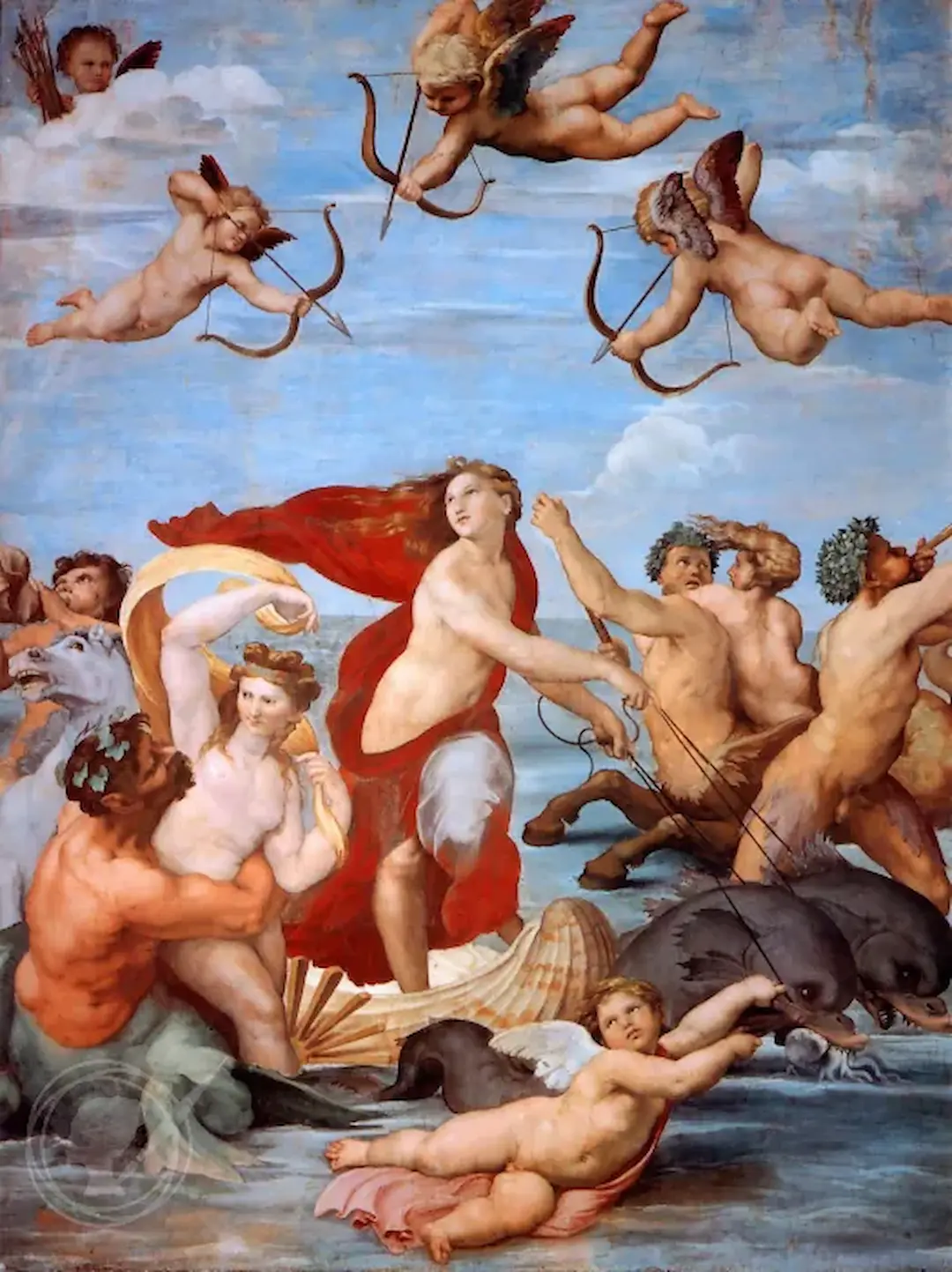
 100% Hand-Painted: Finished in 3-6 Weeks

.png)
















_(1).webp)