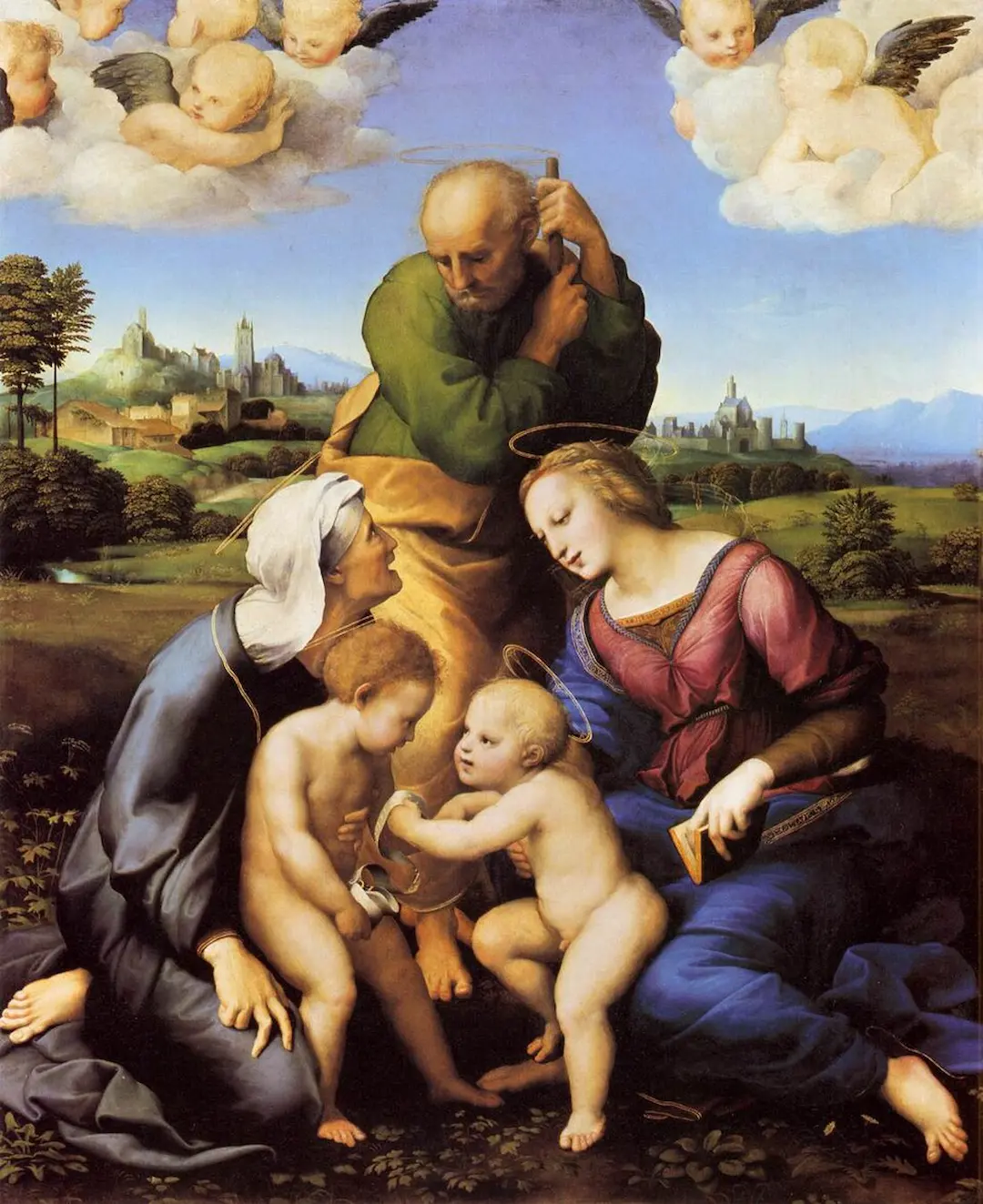
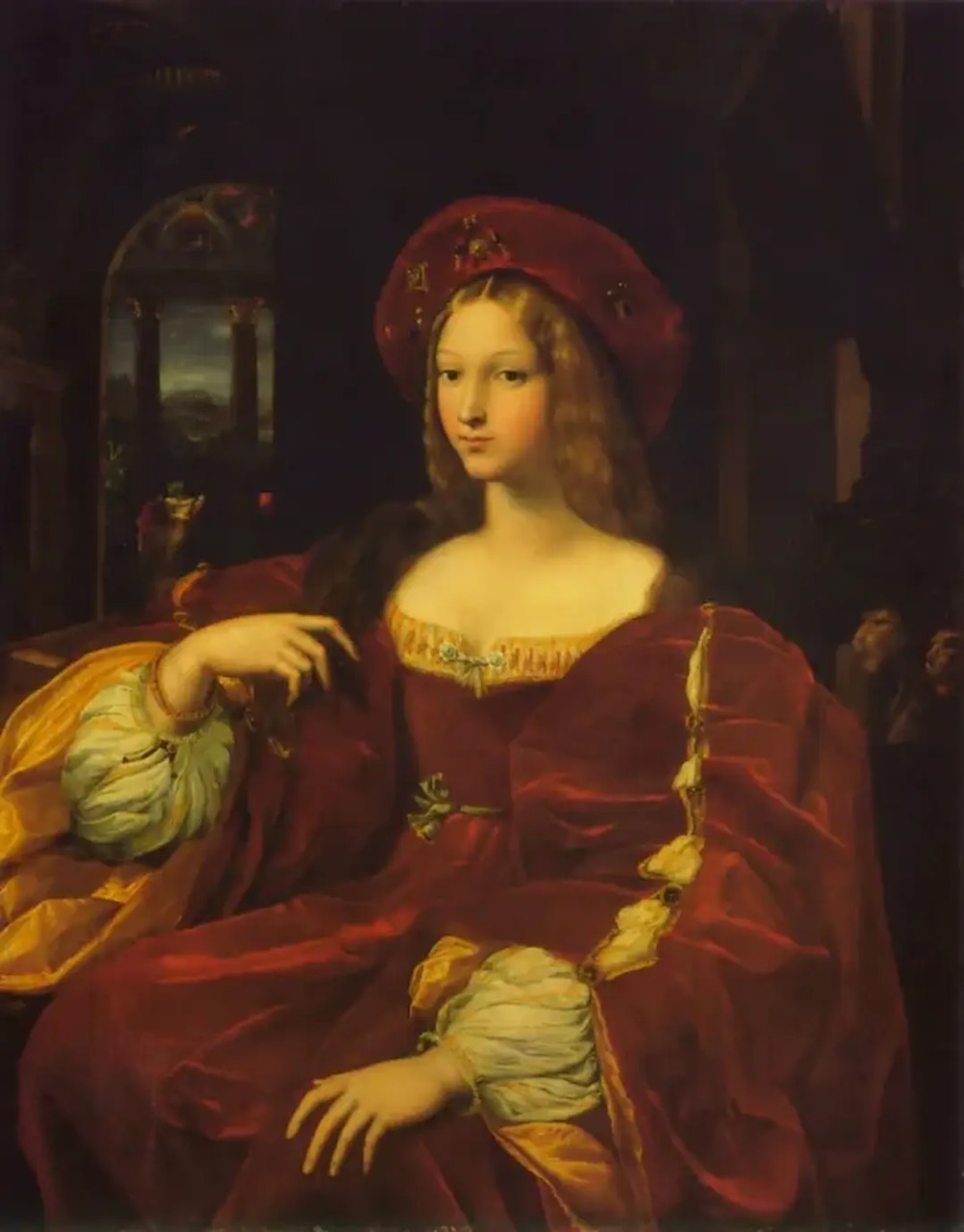
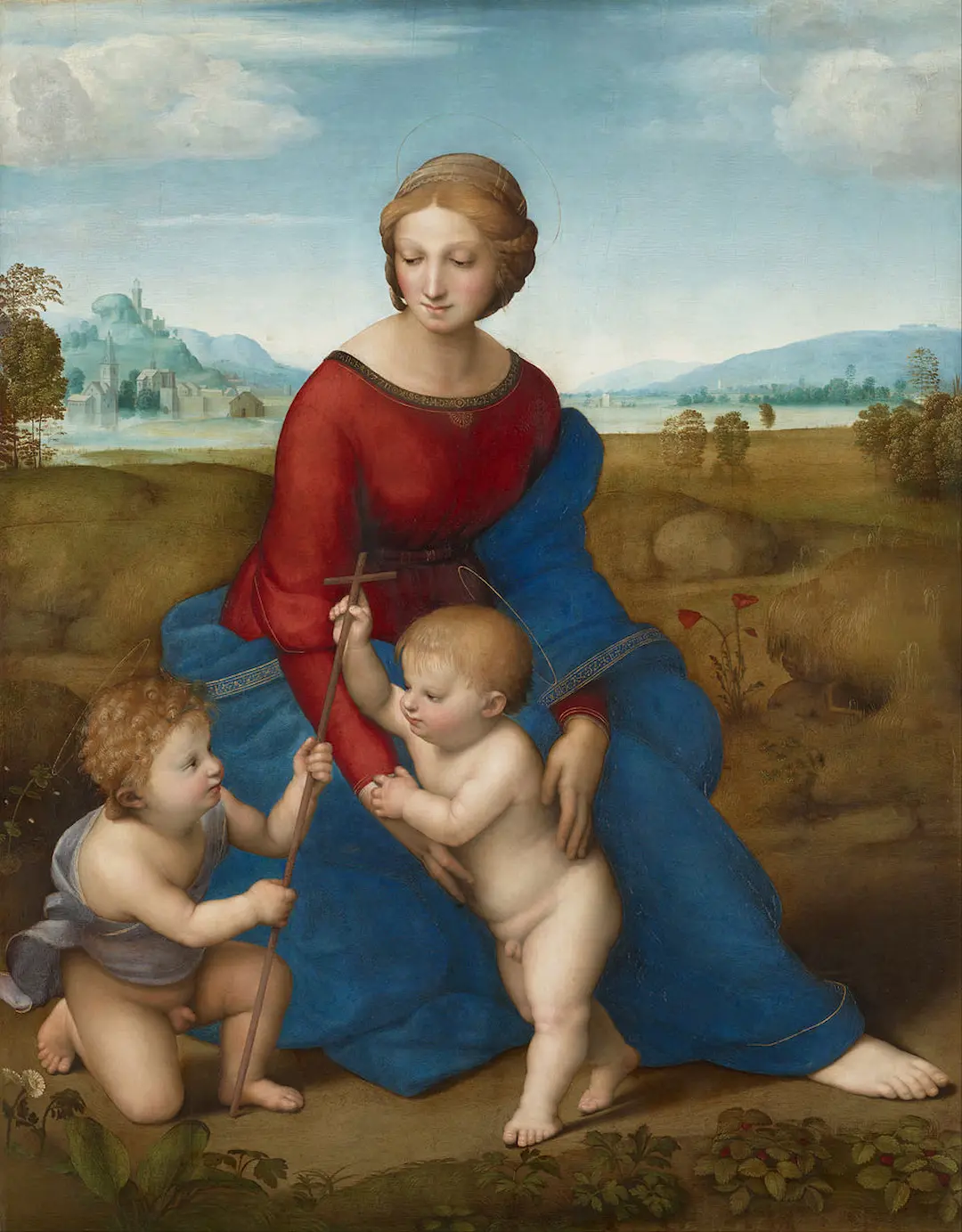
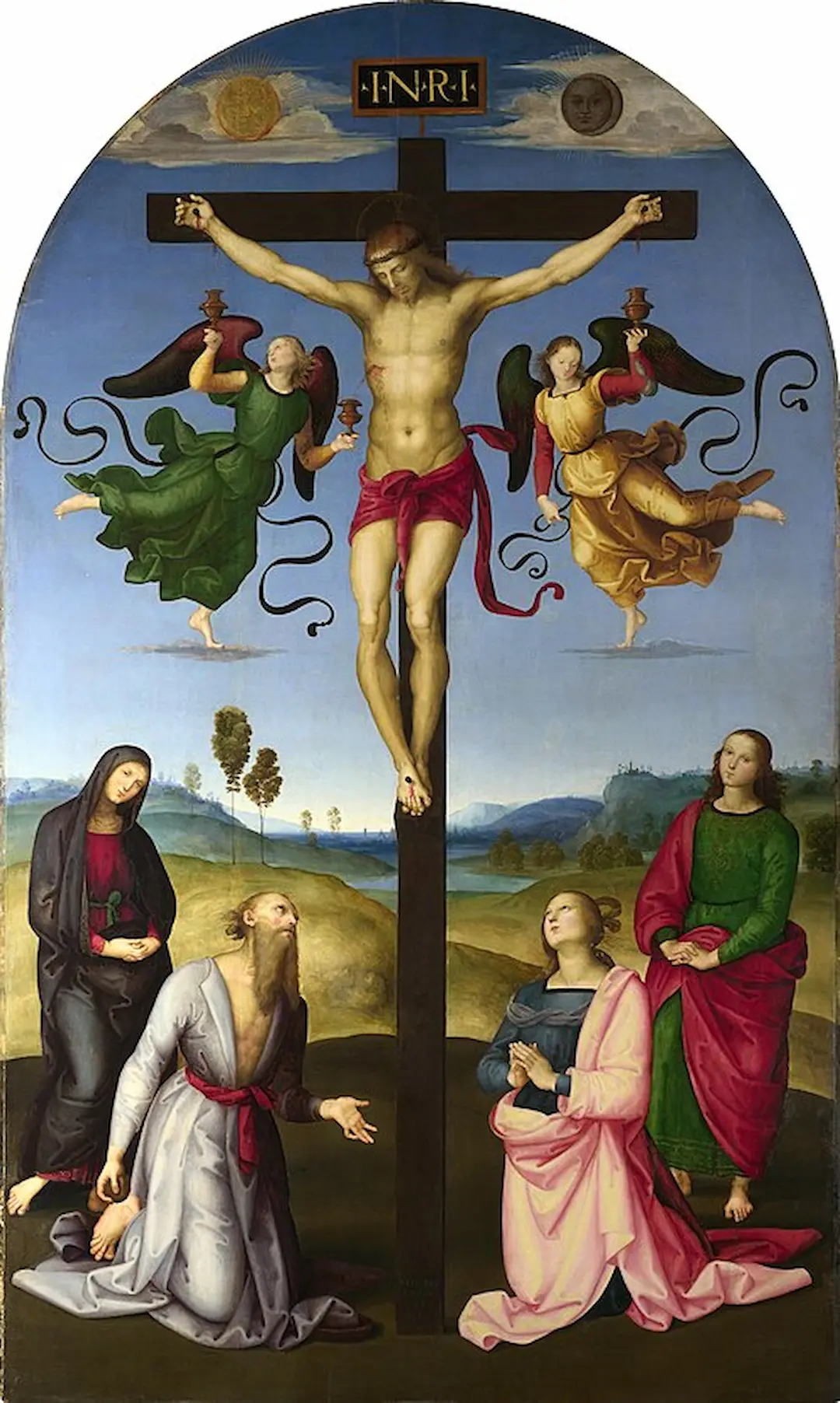
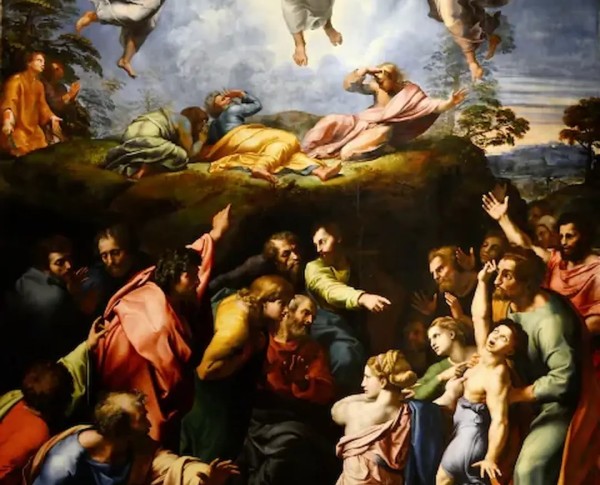
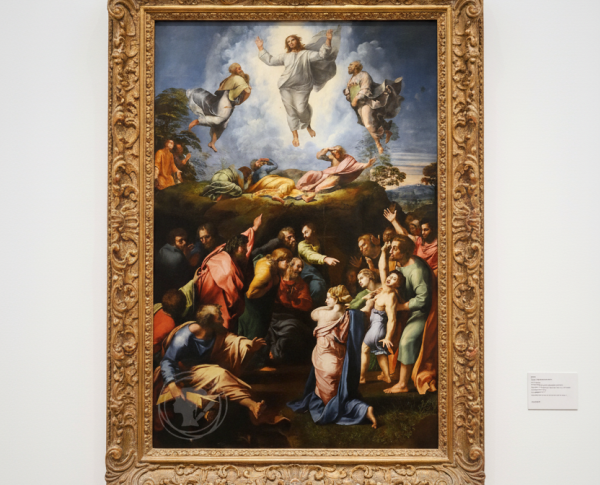
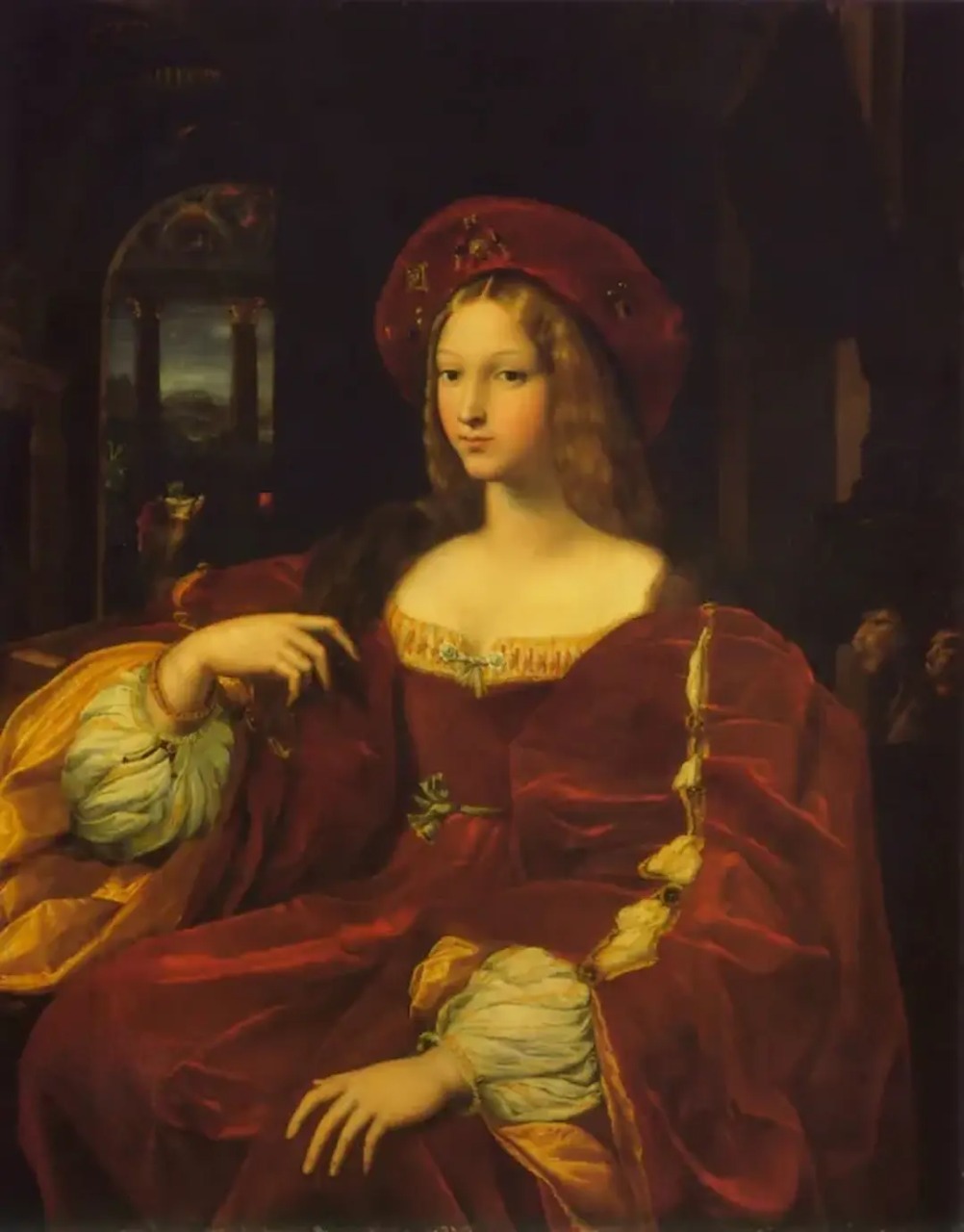
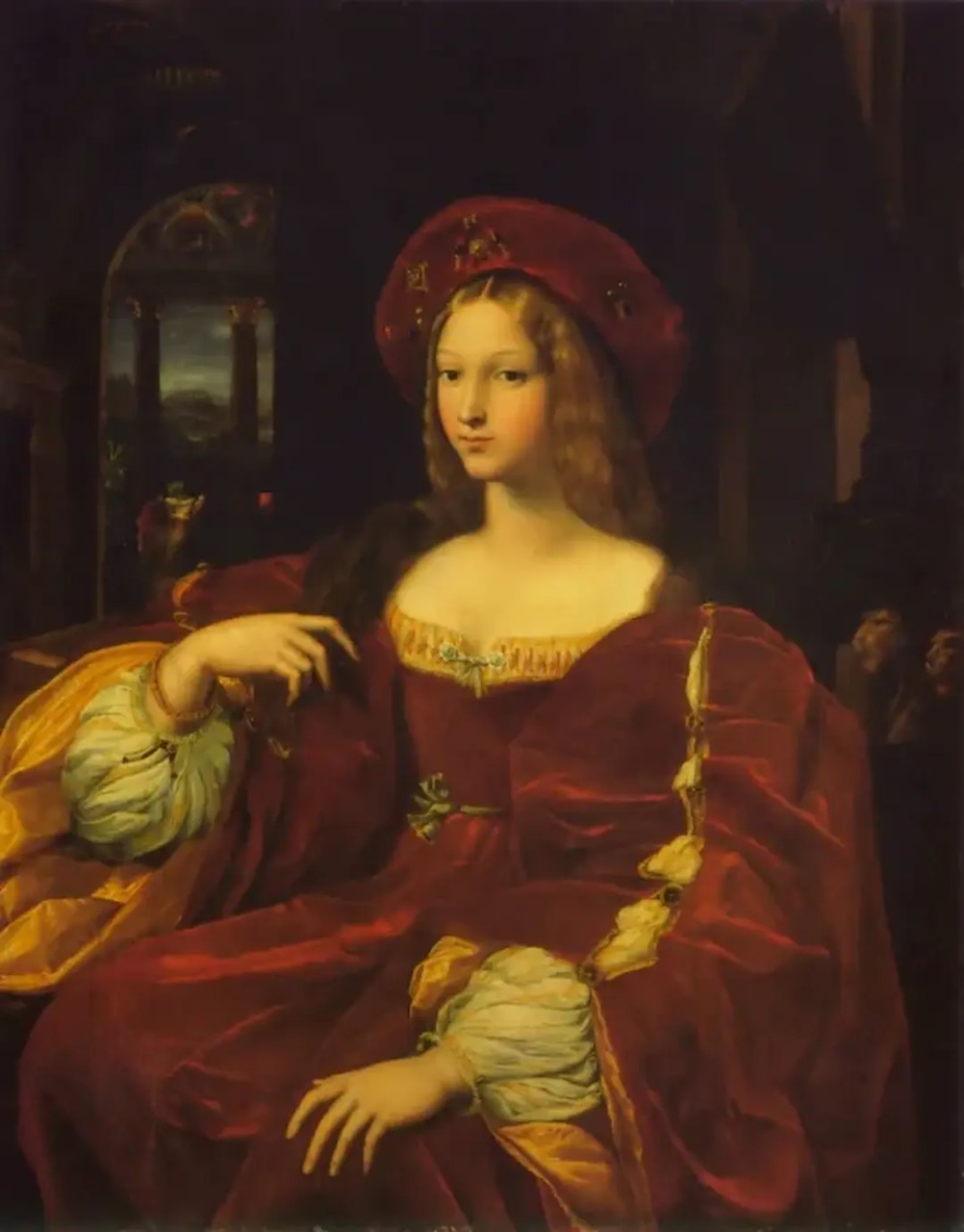
Raffaello Sanzio’s technique in "Joanna Of Aragon" exemplifies the refined artistry of oil on canvas that defines the High Renaissance. Each brushstroke demonstrates his meticulous attention to detail, especially in the rendering of fabrics and facial expressions. This approach is mirrored in his other celebrated works such as "The Woman with the Unicorn" and "The Vision of Ezekiel," showcasing the mastery that makes his paintings highly sought after by art enthusiasts and historians alike.
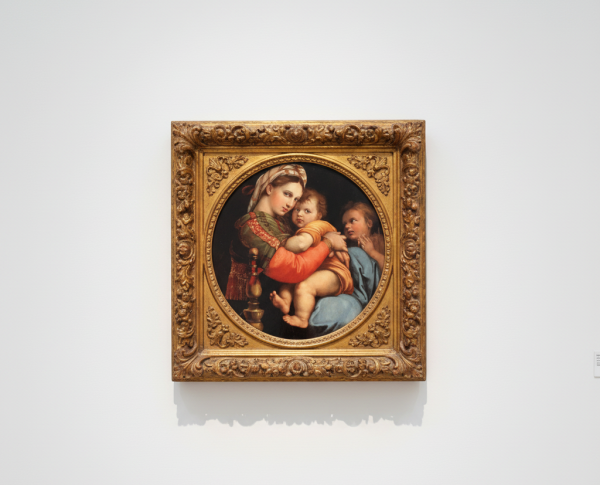
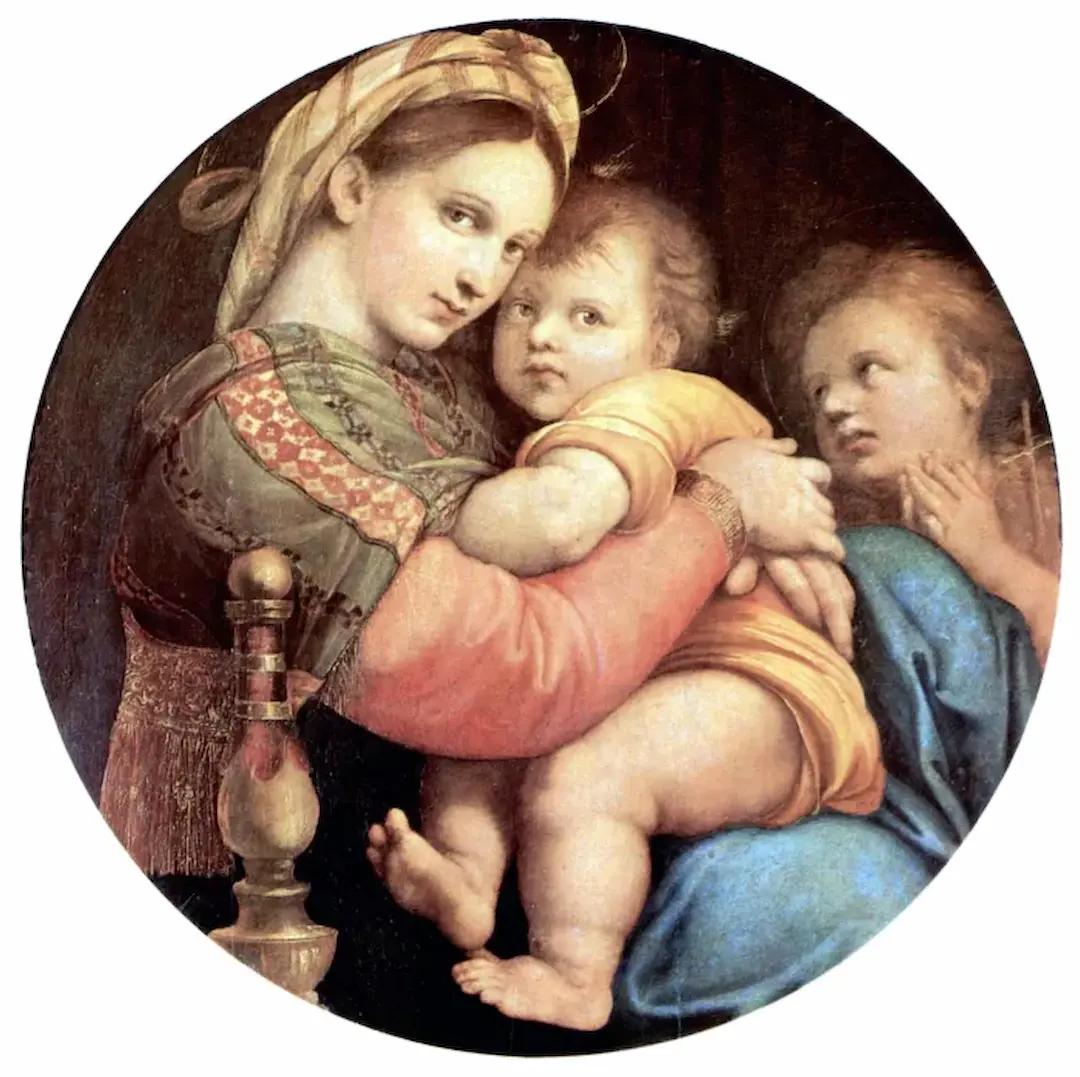
The portrait of "Joanna Of Aragon" reveals layers of symbolism, from the subject’s elaborate attire to her poised demeanor, all captured through Sanzio’s expert hand-painted oil painting technique. These symbolic elements echo the narrative richness found in "Self Portrait" and "The Madonna Of The Chair." Through such works, Raffaello Sanzio communicates themes of nobility, virtue, and humanism, hallmark traits of the High Renaissance movement that continue to captivate viewers today.
Owning "Joanna Of Aragon" is more than acquiring an oil on canvas; it is possessing a piece of art history. As a fine art painting for sale, it appeals to discerning collectors who value the legacy of Raffaello Sanzio and the High Renaissance. Complementing collections with related works like "Cherubini" or "The Madonna Of The Chair" enhances any gallery, making each painting a true treasure for those passionate about timeless artistic excellence.
When Art Meets History
"Joanna Of Aragon" by Raffaello Sanzio is a masterful representation of the High Renaissance movement, blending historical narrative with artistic excellence. This hand-painted oil painting reflects the societal and cultural influences of its era, much like other celebrated works such as "Creation of Adam 1510" and "The Last Supper 1498." Raffaello’s portrait captures not only Joanna’s graceful presence but also the grandeur and sophistication that defined Renaissance portraiture.
Techniques That Speak
Raffaello Sanzio’s "Joanna Of Aragon" exemplifies the artist’s mastery of oil on canvas, a favored medium of the High Renaissance. His delicate brushwork and layered glazes create a lifelike texture and depth, reminiscent of "Portrait of Cecilia Gallerani (Lady with an Ermine) 1483-90." The subtle interplay of light and shadow in this painting demonstrates Raffaello’s technical prowess and his ability to evoke realism and elegance in every detail.
Emotions on Display
In "Joanna Of Aragon," Raffaello Sanzio conveys a profound sense of poise and introspection, characteristic of the High Renaissance. The subject’s serene expression and gentle demeanor evoke the emotional depth seen in works like "Female head (The Lady of the Dishevelled Hair) (or La Scapigliata)." This fine art painting for sale invites viewers to connect with Joanna’s inner world, reflecting the artist’s sensitivity to the human spirit.
Coveted by Collectors
As with the iconic "Mona Lisa (La Gioconda) c. 1503-05," Raffaello Sanzio’s "Joanna Of Aragon" remains highly sought after by collectors and art enthusiasts. The painting’s historical significance and exquisite technique make it a prized addition to any collection. Collectors value this oil on canvas for its rarity and the enduring legacy of the High Renaissance, ensuring its status as a timeless masterpiece in the world of fine art.
Related High Renaissance Hand-Painted Oil Paintings by Other Artists
Other Famous High Renaissance Artists:
Frequently Asked Questions About Joanna Of Aragon
What is the historical significance of "Joanna Of Aragon"?
"Joanna Of Aragon" is significant as it portrays the daughter of Ferdinand II of Aragon and Isabella I of Castile, highlighting the political alliances and royal lineage of the time.
Who was Raffaello Sanzio and what is his connection to this painting?
Raffaello Sanzio, commonly known as Raphael, was an Italian painter and architect of the High Renaissance. He is renowned for his clarity of form and ease of composition, which are evident in "Joanna Of Aragon."
What artistic techniques did Raphael employ in "Joanna Of Aragon"?
Raphael utilized techniques such as chiaroscuro to create depth, as well as sfumato to achieve soft transitions between colors, enhancing the lifelike quality of Joanna's portrayal.
What are the symbolic elements present in "Joanna Of Aragon"?
The painting includes various symbolic elements, such as the crown representing royalty and the rich fabrics symbolizing wealth and status, which collectively emphasize Joanna's noble heritage.
In what year was "Joanna Of Aragon" painted?
"Joanna Of Aragon" was painted in 1518, during a period when Raphael was at the height of his artistic career, showcasing his mastery of portraiture.
What influences can be seen in Raphael's portrayal of Joanna?
Raphael's portrayal of Joanna reflects influences from classical art, particularly in the idealization of her features and the use of drapery that echoes ancient Roman sculptures.
How does "Joanna Of Aragon" compare to other portraits of the time?
Compared to other portraits of the time, "Joanna Of Aragon" stands out for its psychological depth and the intimate expression captured in Joanna's gaze, showcasing Raphael's unique approach to portraiture.
What was the reception of "Joanna Of Aragon" when it was first unveiled?
Upon its unveiling, "Joanna Of Aragon" was well-received, admired for its lifelike representation and the elegance of its composition, which set a new standard for portrait painting in the Renaissance.
What are the key characteristics of Raphael's style evident in this painting?
Key characteristics of Raphael's style evident in "Joanna Of Aragon" include harmonious proportions, a serene expression, and a balanced composition that draws the viewer's eye to the subject.
Where can "Joanna Of Aragon" be viewed today?
"Joanna Of Aragon" is housed in a prominent art collection, allowing visitors to appreciate Raphael's artistry and the historical context of the painting in person.






















_GFM_Painting_(1).webp)


 100% Hand-Painted: Finished in 3-6 Weeks

.png)
















_(1).webp)