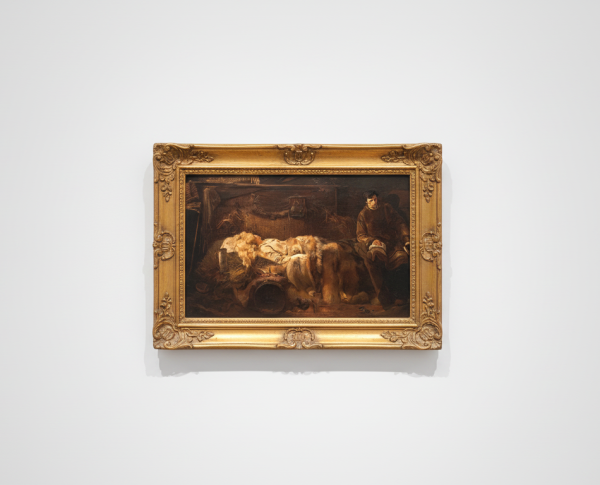
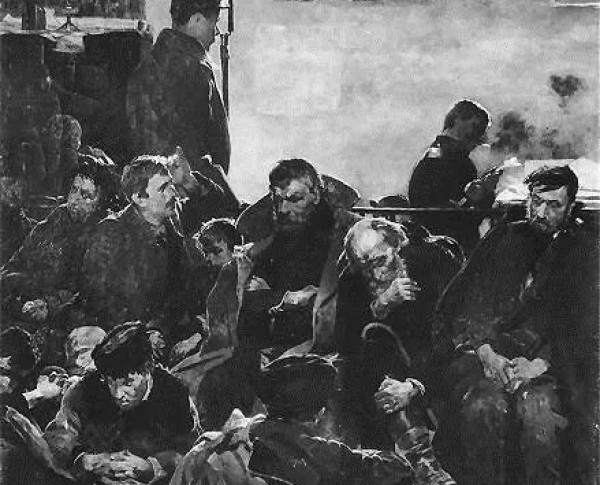
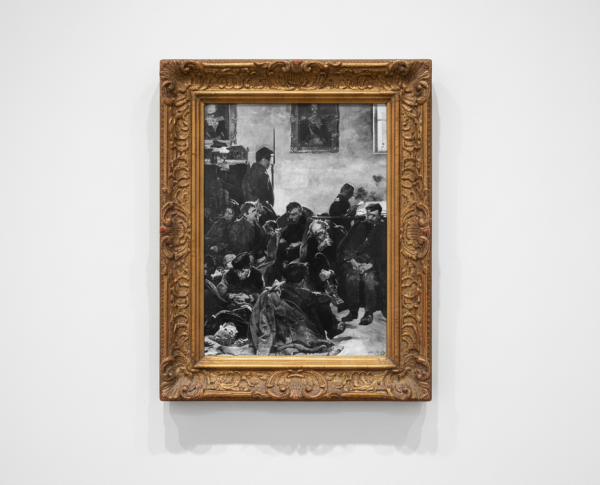
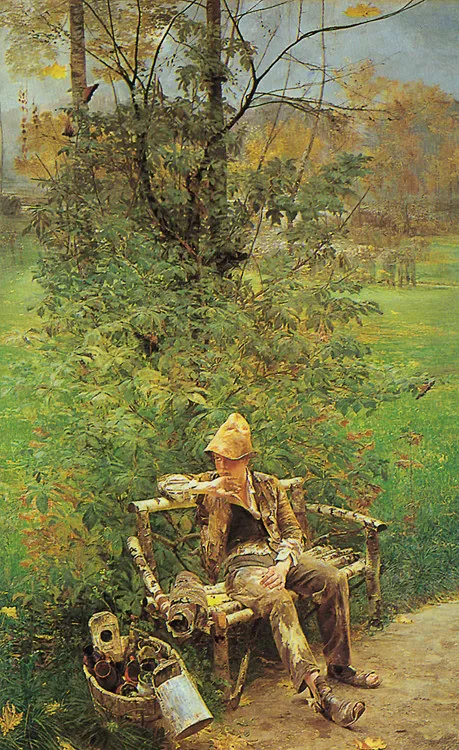
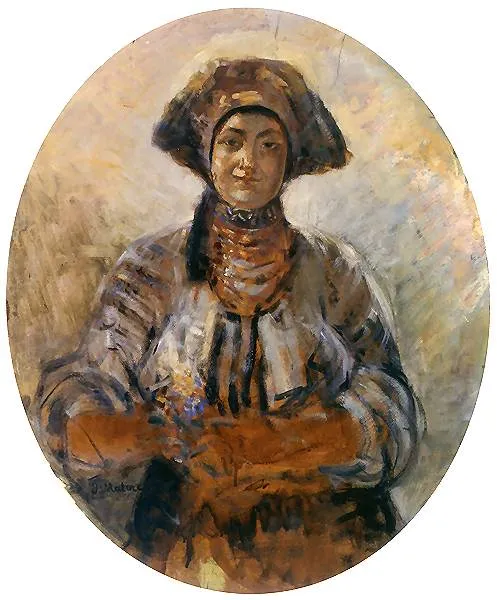
Jacek Malczewski’s technical brilliance shines through in "Christmas Eve in Siberia," demonstrating his command of oil on canvas. The delicate interplay of light and shadow, coupled with his intricate brushwork, brings the scene to life. This Symbolist masterpiece is reminiscent of the artist’s other celebrated works, including "The Painter Boy" and "Ukrainian," and illustrates why Malczewski remains a touchstone for collectors seeking museum-quality oil on canvas paintings.
Rich in metaphor and allegory, "Christmas Eve in Siberia" weaves a narrative that transcends its wintry landscape. Malczewski, a luminary of the Symbolism movement, infuses the composition with layered symbolism—echoing themes found in "At the stage" and "Art." This hand-painted oil painting not only depicts a specific moment but also invites viewers to reflect on exile, hope, and spiritual resilience, hallmarks of the artist’s enduring legacy.
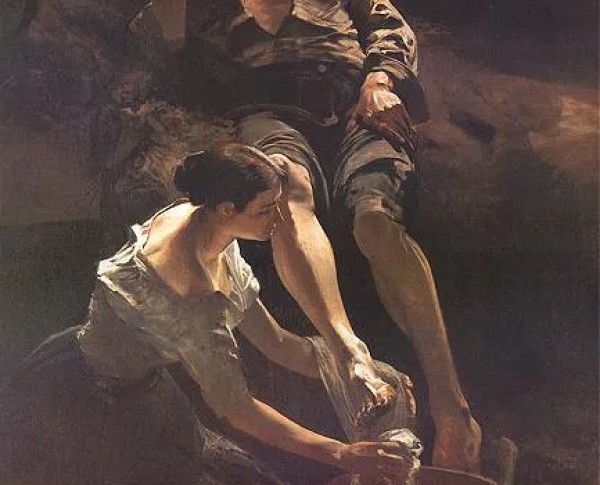
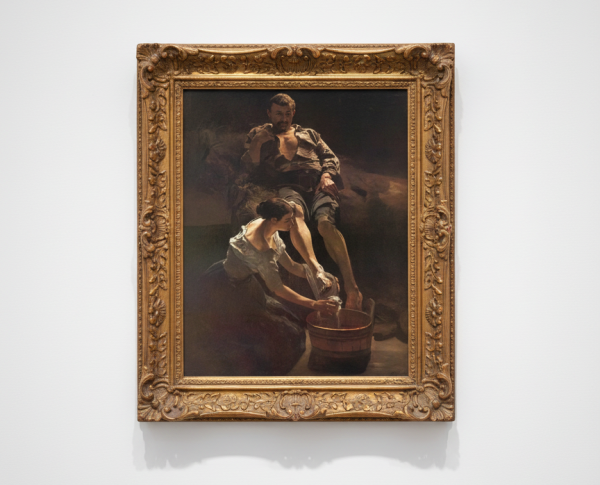
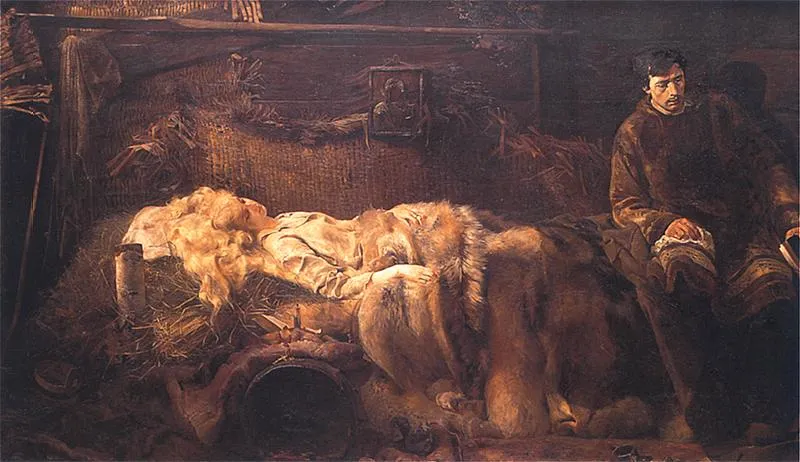
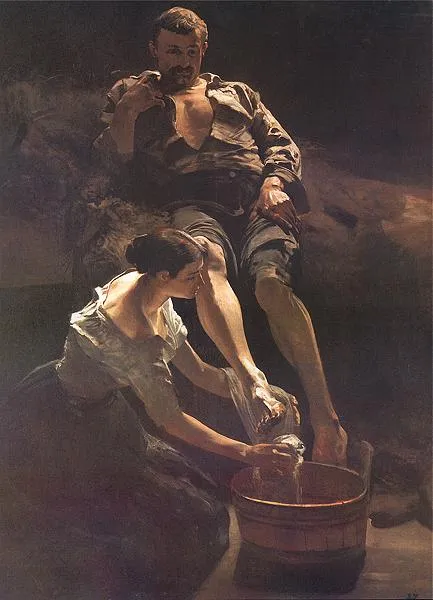
For discerning collectors, "Christmas Eve in Siberia" by Jacek Malczewski represents an exceptional fine art painting for sale. As a celebrated work of the Symbolism movement, it stands alongside related masterpieces such as "Death of Ellenai" and "Washing of feet." This oil on canvas painting offers both aesthetic pleasure and historical significance, making it a prized addition to any serious art collection and a lasting tribute to Malczewski’s genius.
When Art Meets History
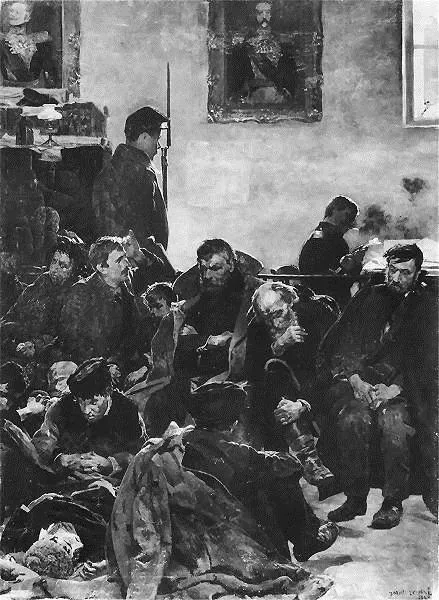
"Christmas Eve in Siberia" by Jacek Malczewski is a poignant example of Symbolism, capturing the emotional and historical depth of its era. This hand-painted oil painting reflects the hardships faced by exiled Poles during the late 19th century, skillfully intertwining national identity with personal suffering. Malczewski, a master of atmosphere, aligns his work with related paintings like "Catalan Camacho" and "Federico Beltran Masses," offering a unique perspective on the intersection of art and historic narrative.
Techniques That Speak
Malczewski’s "Christmas Eve in Siberia" demonstrates the evocative power of oil on canvas, a medium he masterfully manipulates to create expressive textures and haunting color palettes. The brushwork in this Symbolist masterpiece echoes the emotive style found in works such as "Susanna" and "Pola Negri and Rudolph Valentino." Each stroke and color choice amplifies the story behind the scene, making this oil on canvas a testament to the artist’s technical prowess and narrative skill.
Emotions on Display
In this fine art painting for sale, Malczewski channels a spectrum of emotions—longing, hope, and sorrow—through the figures gathered in a desolate Siberian landscape. "Christmas Eve in Siberia" resonates with the same depth found in "Rudolph Valentino & Enrique De Meneses Oct Eh," immersing viewers in the psychological and spiritual struggles of its subjects. The Symbolism movement’s focus on inner realities is vividly realized, inviting contemplation on the enduring power of art to evoke empathy.
Coveted by Collectors
Jacek Malczewski’s "Christmas Eve in Siberia" holds a special place among collectors who value Symbolist masterpieces. The hand-painted oil painting is sought after not only for its technical brilliance but also for its historical resonance, similar to works like "Alcalde De Cabezón" and "Casament D'irene Narezo I Federico Beltrán." Collectors appreciate the painting’s ability to bridge the past and present, making it a truly remarkable fine art painting for sale.
Related Symbolism Hand-Painted Oil Paintings by Other Artists
Other Famous Symbolism Artists:
Frequently Asked Questions About Christmas Eve in Siberia
What is the historical context of "Christmas Eve in Siberia"?
"Christmas Eve in Siberia" was created during a time when Poland was partitioned and under foreign rule. The painting reflects the struggles of the Polish people and their longing for freedom, as well as the harsh realities of life in Siberia, where many were exiled.
What artistic style does Jacek Malczewski employ in this painting?
Jacek Malczewski is known for his Symbolist style, which is evident in "Christmas Eve in Siberia." The painting combines realistic elements with symbolic imagery, creating a dreamlike quality that conveys deeper meanings about suffering and hope.
What are the main themes depicted in "Christmas Eve in Siberia"?
The main themes include exile, longing, and the juxtaposition of despair and hope. The painting captures the emotional turmoil of those separated from their homeland during the Christmas season, a time typically associated with family and togetherness.
What symbols are present in the painting and what do they represent?
Key symbols in the painting include the Christmas tree, which represents hope and the spirit of the holiday, and the snow-covered landscape, symbolizing isolation and the harshness of exile. The figures depicted convey a sense of melancholy and resilience.
How does Malczewski's personal background influence this artwork?
Malczewski's experiences as a Polish artist during a time of national turmoil deeply influenced his work. His personal connection to themes of exile and national identity is reflected in "Christmas Eve in Siberia," making it a poignant commentary on the Polish experience.
What emotions does "Christmas Eve in Siberia" evoke in viewers?
The painting evokes a sense of nostalgia, sorrow, and longing. Viewers may feel a deep empathy for the figures depicted, as well as a connection to the universal themes of separation and the desire for belonging during significant moments like Christmas.
In what ways does this painting reflect the broader Symbolist movement?
"Christmas Eve in Siberia" embodies the Symbolist movement through its emphasis on emotional depth and the use of allegorical imagery. It seeks to transcend mere representation, inviting viewers to explore the inner feelings and spiritual experiences of the subjects.
What is the significance of the Christmas setting in the painting?
The Christmas setting serves as a powerful contrast to the themes of exile and loneliness. It highlights the emotional weight of being separated from loved ones during a time traditionally associated with joy and celebration, thus intensifying the painting's impact.
How has "Christmas Eve in Siberia" been received by art critics and historians?
The painting has been praised for its emotional depth and technical skill. Art critics and historians often highlight its significance in Polish art history, viewing it as a critical reflection of national identity and the human condition during times of hardship.
What techniques did Malczewski use to create the atmosphere in the painting?
Malczewski employed a combination of rich color palettes, dramatic lighting, and intricate details to create a haunting atmosphere. His brushwork and composition guide the viewer's eye, enhancing the emotional resonance of the scene.






















_GFM_Painting_(1).webp)

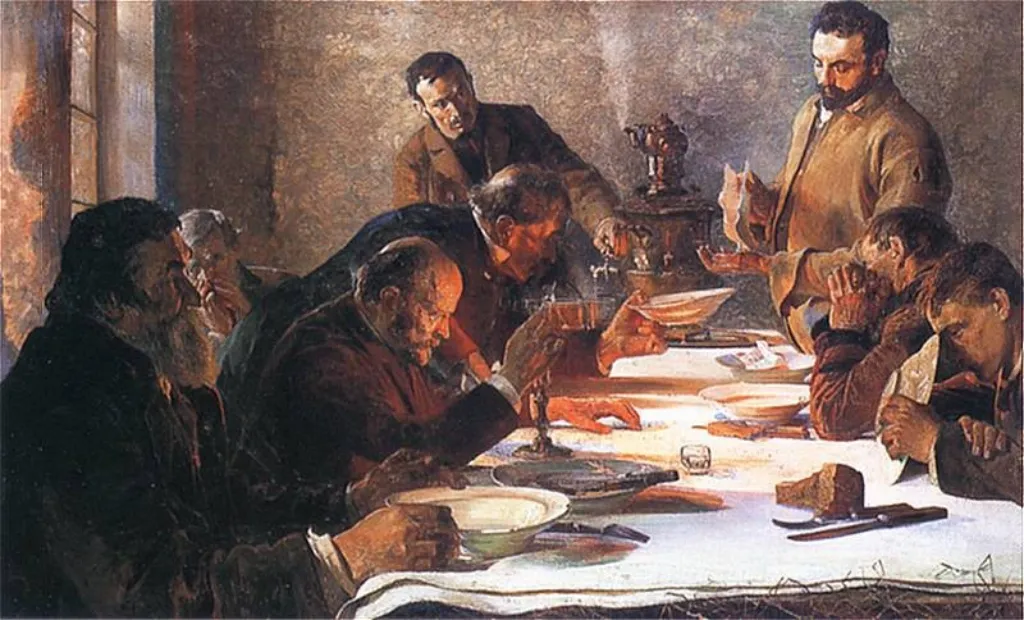

 100% Hand-Painted: Finished in 3-6 Weeks

.png)















_(1).webp)