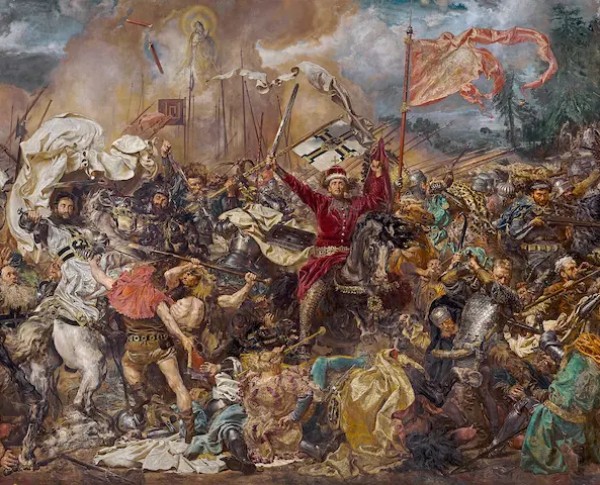
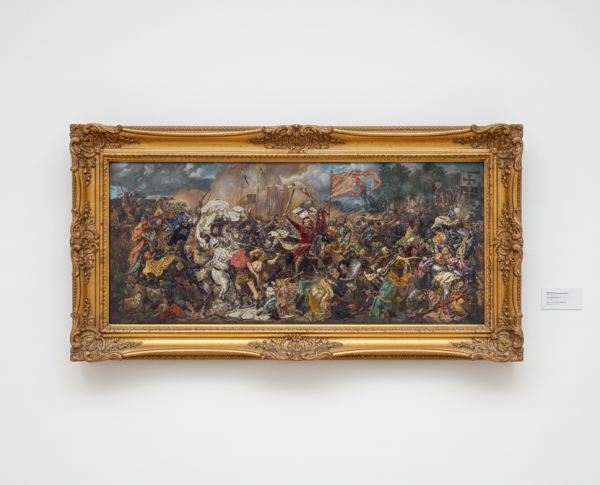
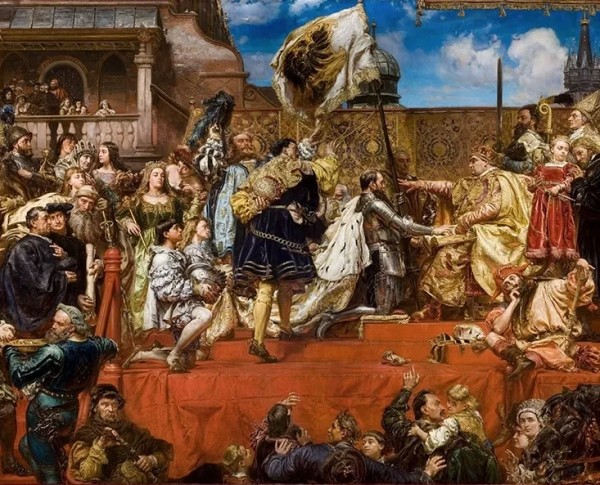
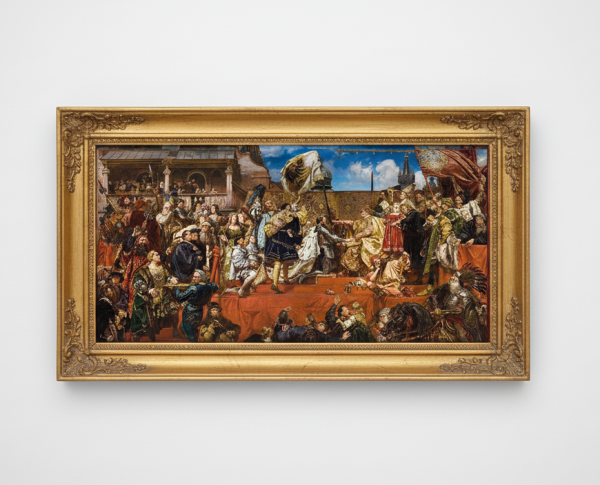
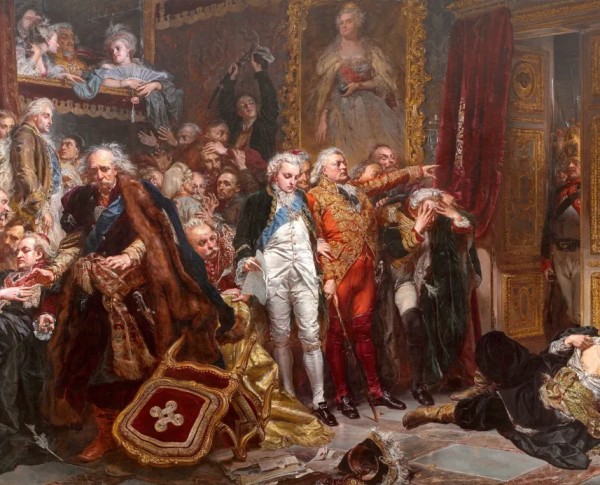
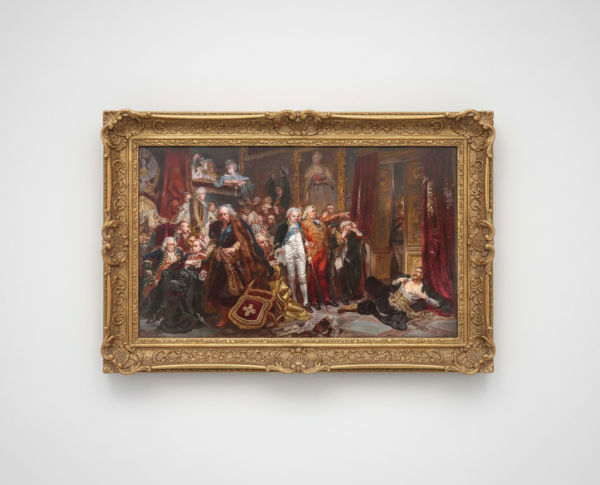
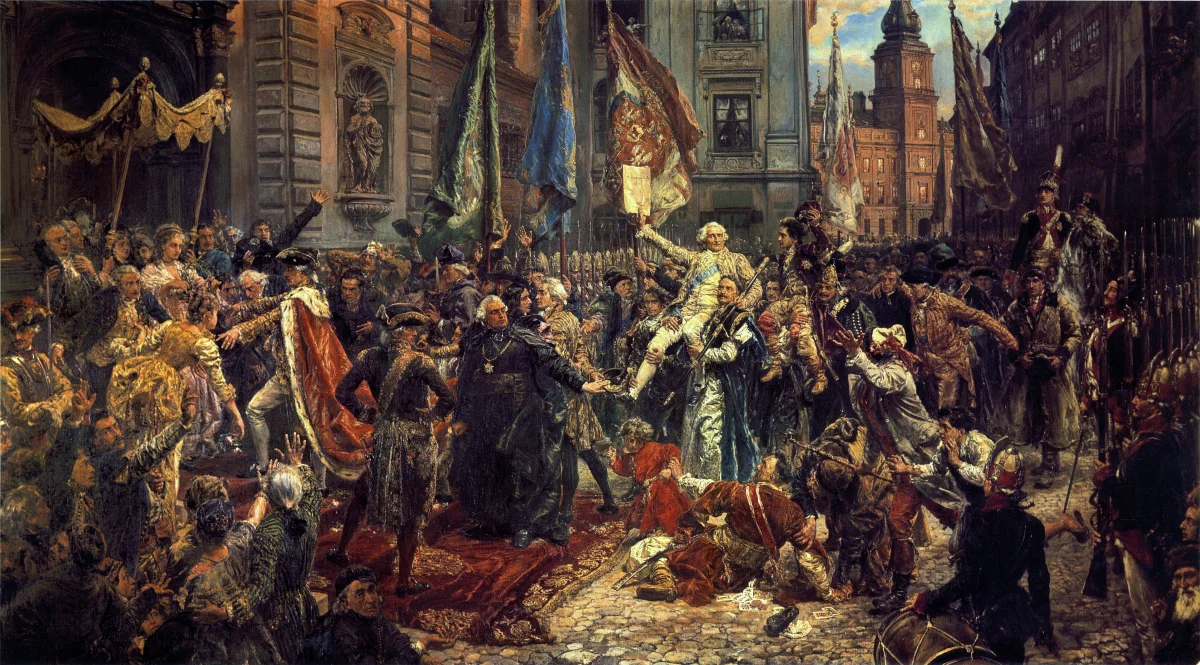
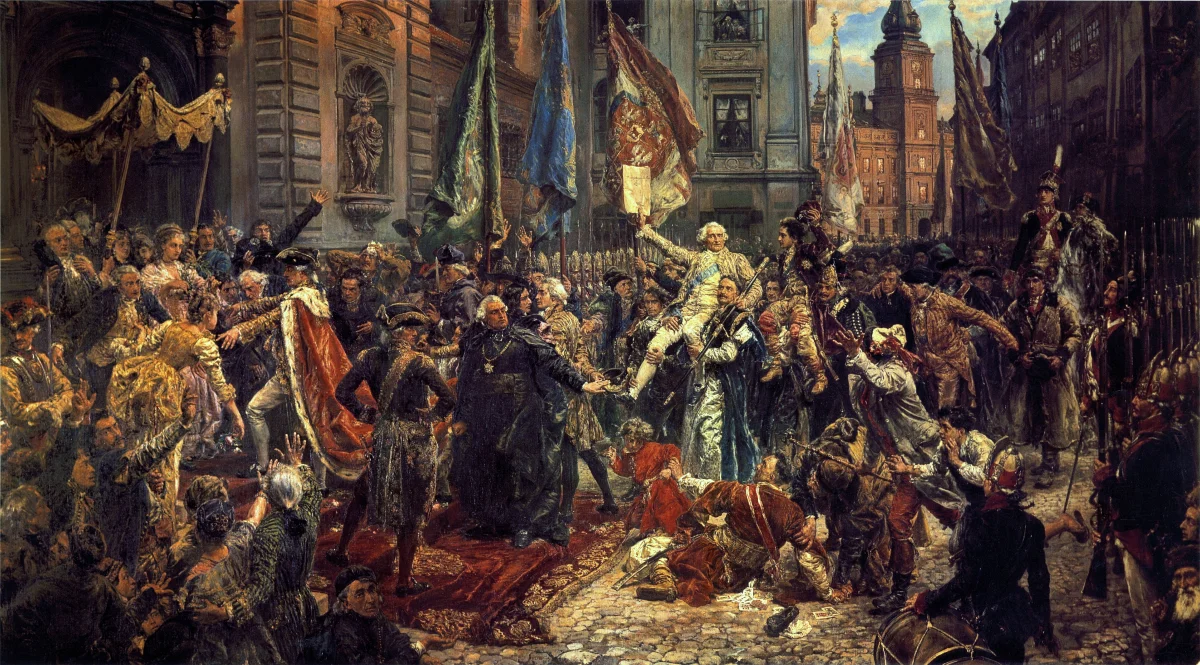
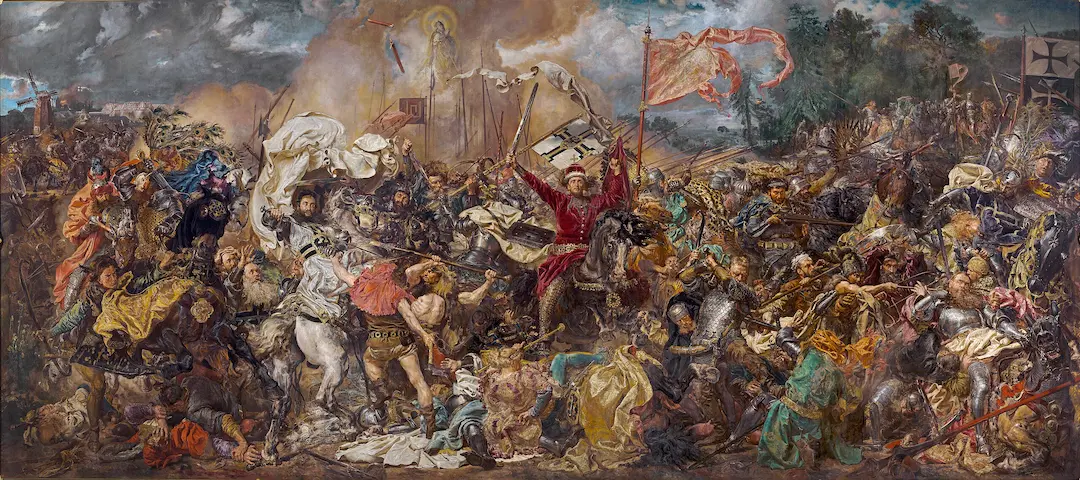
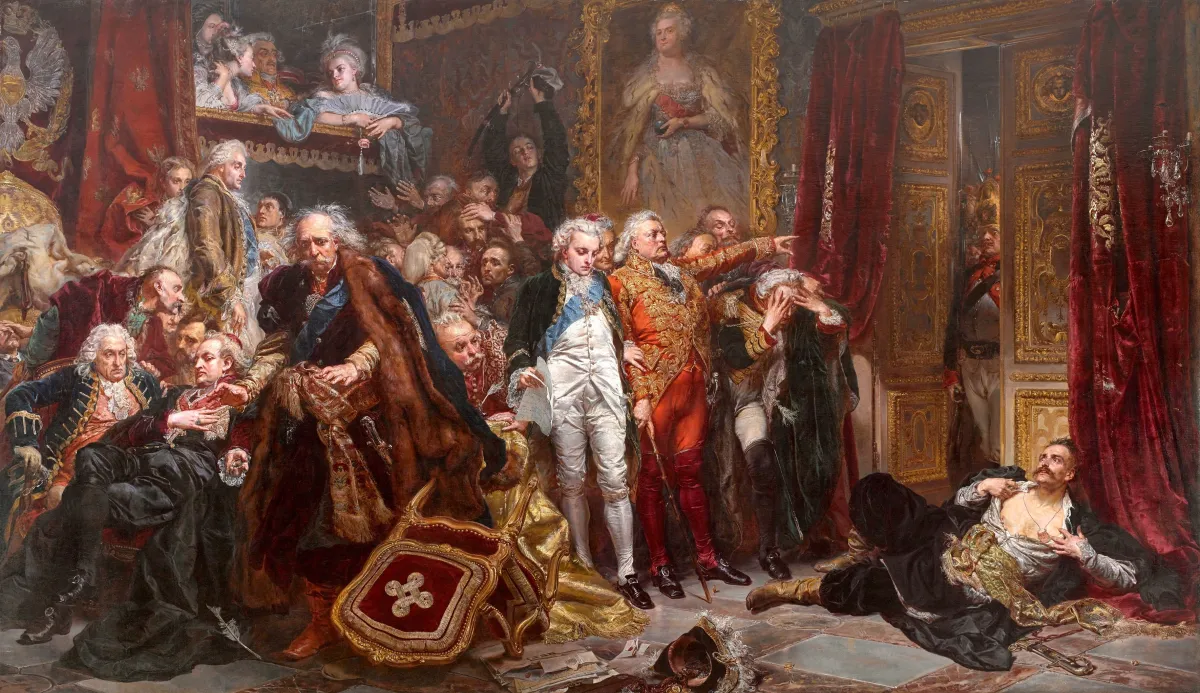
Matejko’s "Constitution of May 3, 1791" demonstrates extraordinary skill in the oil on canvas medium, characteristic of the Historicism movement. Each brushstroke reveals the artist’s meticulous attention to detail, from the expressive faces to the elaborate costumes. This masterpiece aligns with other notable works by Matejko, such as "Rejtan" and "Battle of Grunwald," showcasing a commitment to historical accuracy and artistic brilliance in every composition.
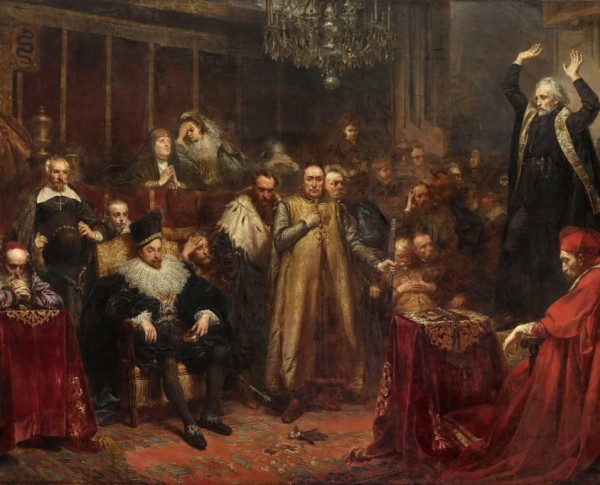
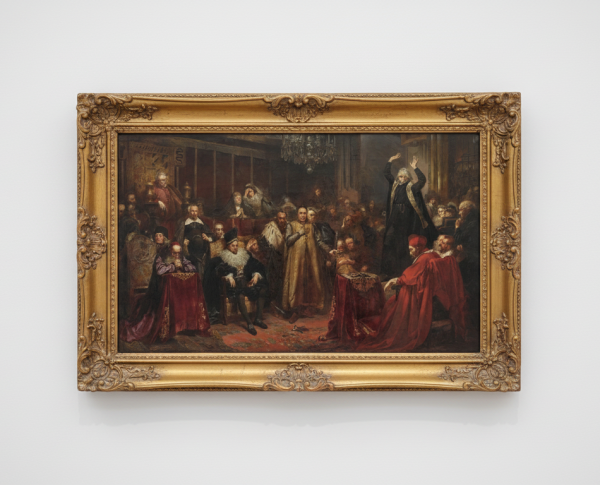
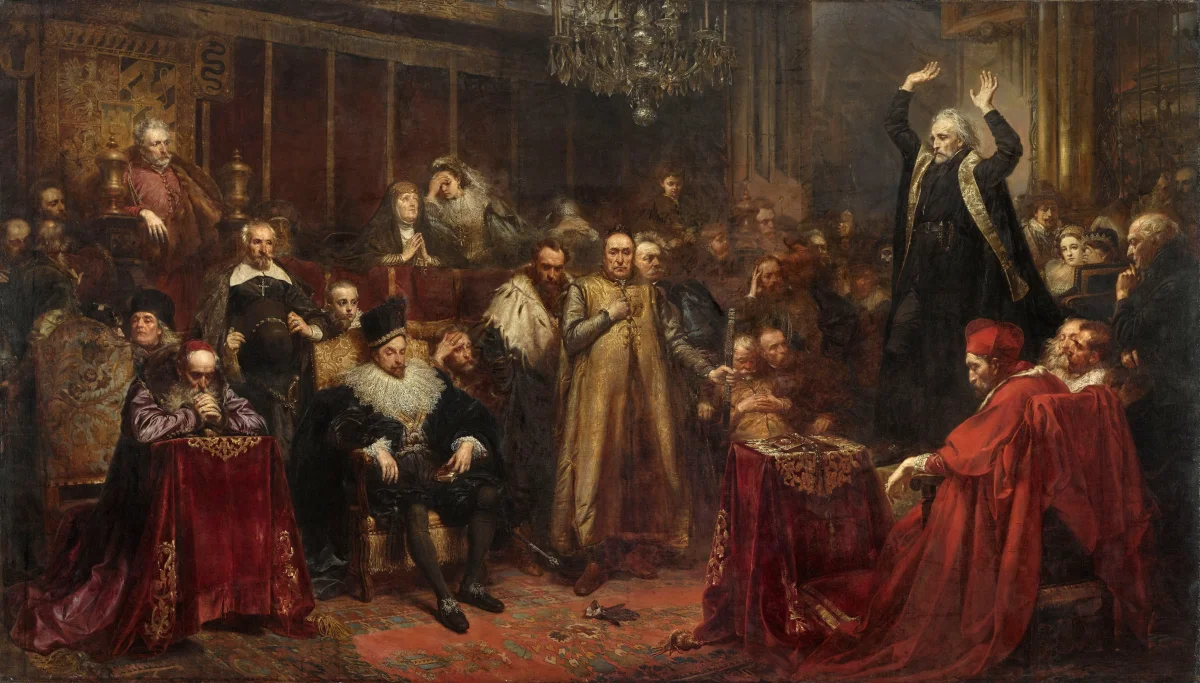
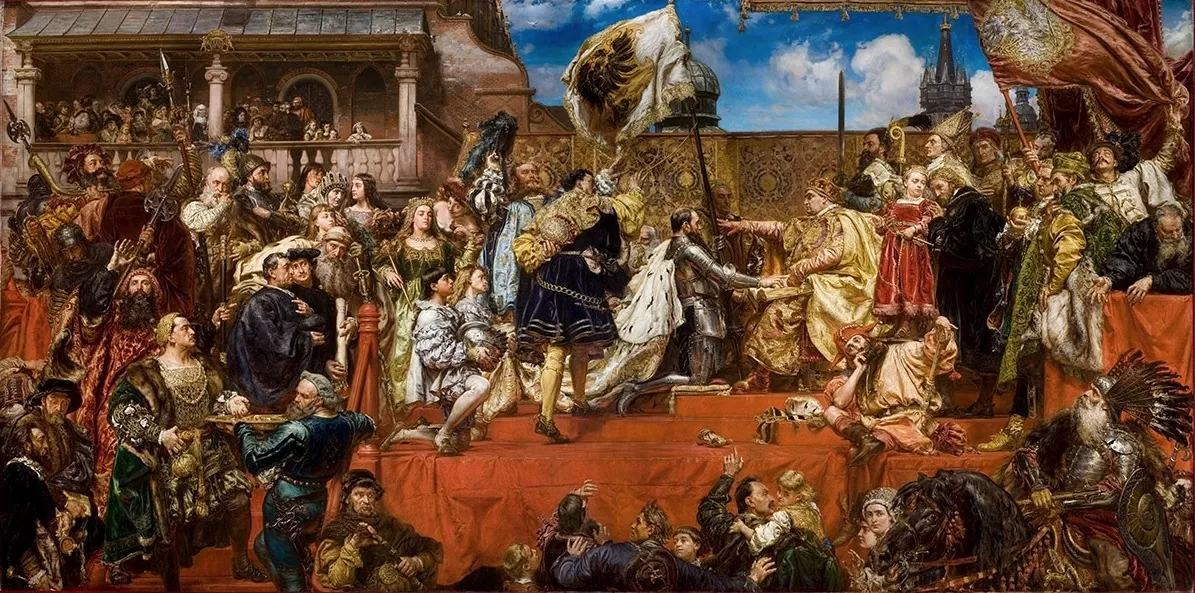
The "Constitution of May 3, 1791" is more than a fine art painting for sale; it is a visual narrative brimming with symbolism. Jan Matejko intricately weaves together historical figures and national emblems, encapsulating the hope and unity of a transformative era. As with his other paintings, like "Skarga's Sermon" and "Prussian Homage," Matejko’s work invites viewers to discover the deeper meanings and stories embedded within each scene.
Owning a hand-painted oil painting such as Matejko’s "Constitution of May 3, 1791" is a unique opportunity for collectors and art enthusiasts. This iconic piece from the Historicism movement pairs beautifully with related works like "Rejtan" and "Battle of Grunwald." Whether displayed alone or alongside other fine art painting for sale, Matejko’s masterpiece promises to enrich any collection with its historical significance and artistic excellence.
When Art Meets History
Jan Matejko's masterpiece, "Constitution of May 3, 1791," is a celebrated hand-painted oil painting that immortalizes a pivotal moment in Polish history. As a leading figure in the Historicism movement, Matejko skillfully blends artistic vision with historical narrative. Through this painting, viewers are transported to the heart of the Polish parliament, witnessing the enactment of one of Europe’s first modern constitutions. This work stands alongside other monumental paintings by Matejko, enhancing its historical and artistic significance.
Techniques That Speak
Rendered in oil on canvas, "Constitution of May 3, 1791" showcases Jan Matejko’s meticulous technique and mastery of the Historicism style. Every detail, from the grand architectural background to the expressive faces, demonstrates the artist’s dedication to authenticity and dramatic storytelling. Matejko’s handling of light and shadow brings the scene to life, making the painting a true testament to the enduring power of oil on canvas in capturing the essence of historic events.
Emotions on Display
In this fine art painting for sale, Jan Matejko brilliantly conveys the emotional intensity of the momentous day. The expressions of hope, pride, and determination on the figures’ faces reflect the collective spirit of a nation embracing change. Through the Historicism movement, Matejko invites viewers to connect emotionally with the past, making "Constitution of May 3, 1791" not just a visual feast but also a profound experience that resonates with contemporary audiences.
Coveted by Collectors
"Constitution of May 3, 1791" by Jan Matejko remains a highly sought-after hand-painted oil painting among art collectors and historians alike. As a hallmark of the Historicism movement, it represents both artistic excellence and national pride. The painting’s rich narrative and technical brilliance make it a prized possession, standing alongside other historic works by Matejko. Its enduring appeal ensures that this masterpiece continues to be a coveted treasure in the world of fine art.
Frequently Asked Questions About Constitution of May 3, 1791
What historical event does the painting "Constitution of May 3, 1791" depict?
The painting illustrates the adoption of the Constitution of May 3, 1791, which was a significant milestone in Polish history, marking the establishment of a constitutional monarchy and aiming to modernize the governance of Poland.
Who is the artist behind "Constitution of May 3, 1791"?
The artwork was created by Jan Matejko, a renowned Polish painter known for his historical paintings that often depict pivotal moments in Polish history.
What artistic style is employed in "Constitution of May 3, 1791"?
Jan Matejko utilized a realist style, characterized by detailed and dramatic portrayals of historical events, which serves to evoke a sense of national pride and emotional engagement with the subject matter.
What symbols are present in the painting, and what do they represent?
The painting features various symbols such as the Polish eagle, representing national sovereignty, and the constitution itself, symbolizing progress and reform. These elements collectively signify the struggle for Polish independence and governance.
How does the composition of the painting contribute to its message?
The composition is dynamic, with figures arranged in a triangular formation that draws the viewer's eye toward the central document, emphasizing its importance. The expressions and postures of the figures convey a sense of urgency and determination.
What role do the figures in the painting play in the historical context?
The figures depicted are key historical figures involved in the creation and adoption of the constitution, including politicians and military leaders, highlighting their contributions to the advancement of Polish democracy and governance.
What impact did the Constitution of May 3, 1791, have on Poland?
The constitution aimed to strengthen the Polish state and limit the power of the nobility, but it faced opposition and was ultimately short-lived due to foreign intervention, making its depiction in art a poignant reminder of Poland's struggle for independence.
How does "Constitution of May 3, 1791" reflect the cultural identity of Poland?
The painting serves as a powerful representation of Polish national identity, encapsulating the aspirations for freedom and self-governance, and it has become an emblem of Polish pride and historical consciousness.
In what ways has "Constitution of May 3, 1791" influenced Polish art and culture?
This painting has inspired generations of artists and historians, reinforcing the importance of national history in Polish culture and encouraging a sense of unity and resilience among the Polish people.
Where can one view the painting "Constitution of May 3, 1791"?
The painting is housed in the National Museum in Warsaw, Poland, where it continues to be a focal point for discussions about Polish history and identity.






















_GFM_Painting_(1).webp)


 100% Hand-Painted: Finished in 3-6 Weeks

.png)















_(1).webp)