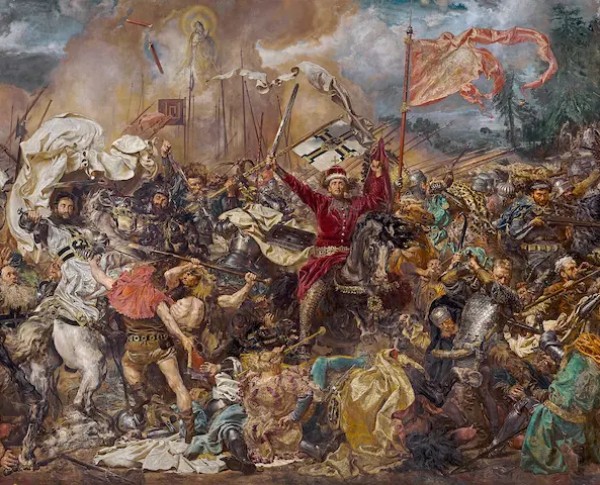
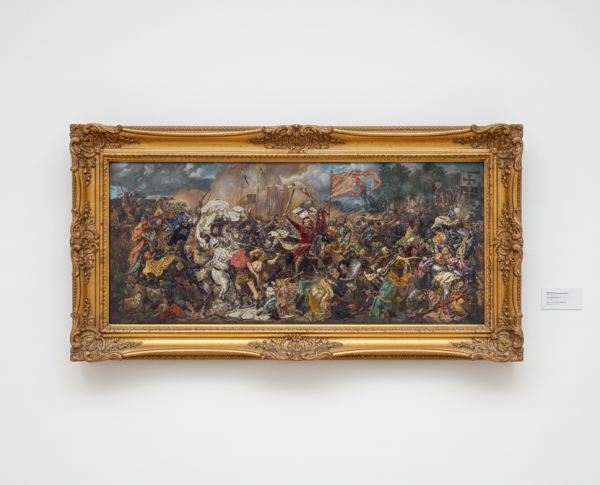
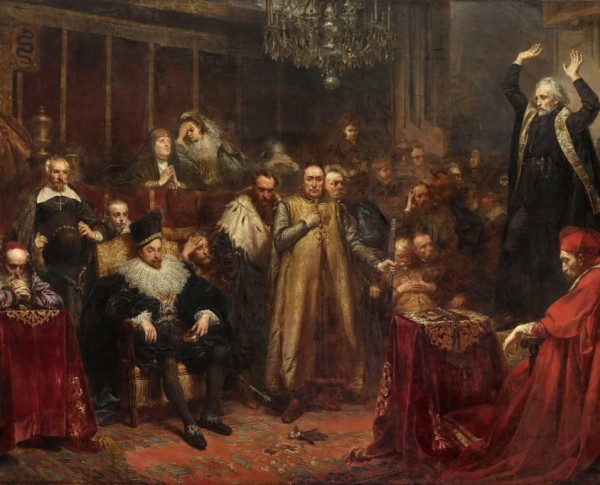
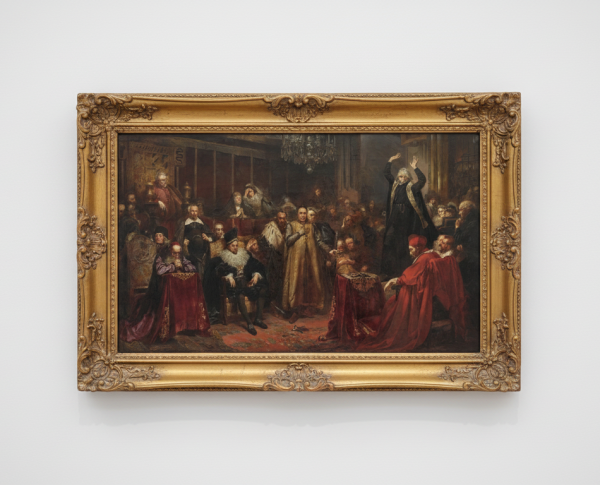
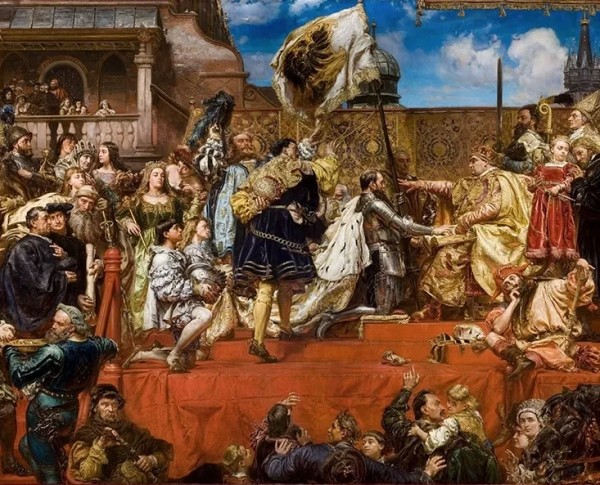
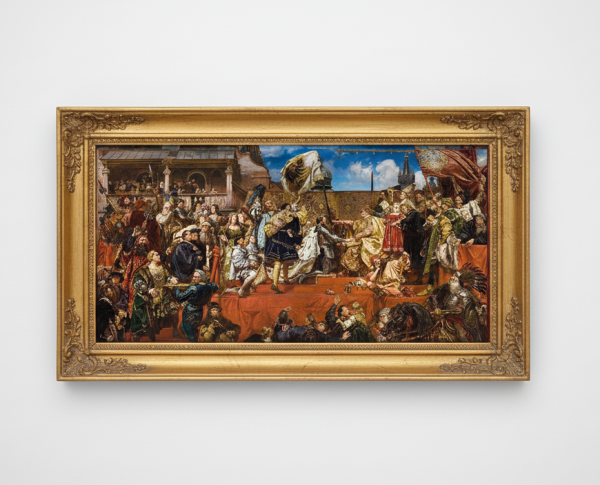
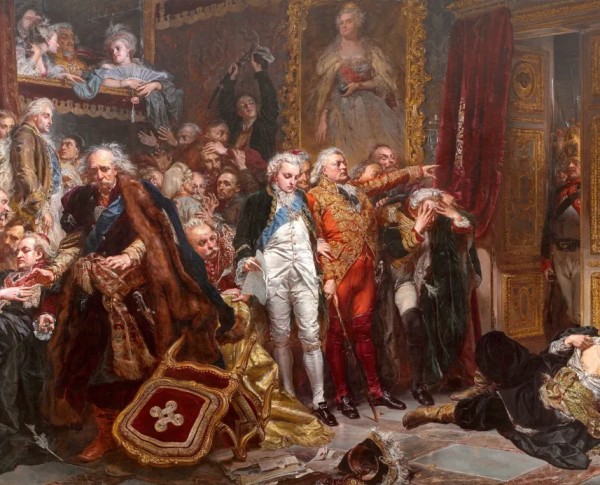
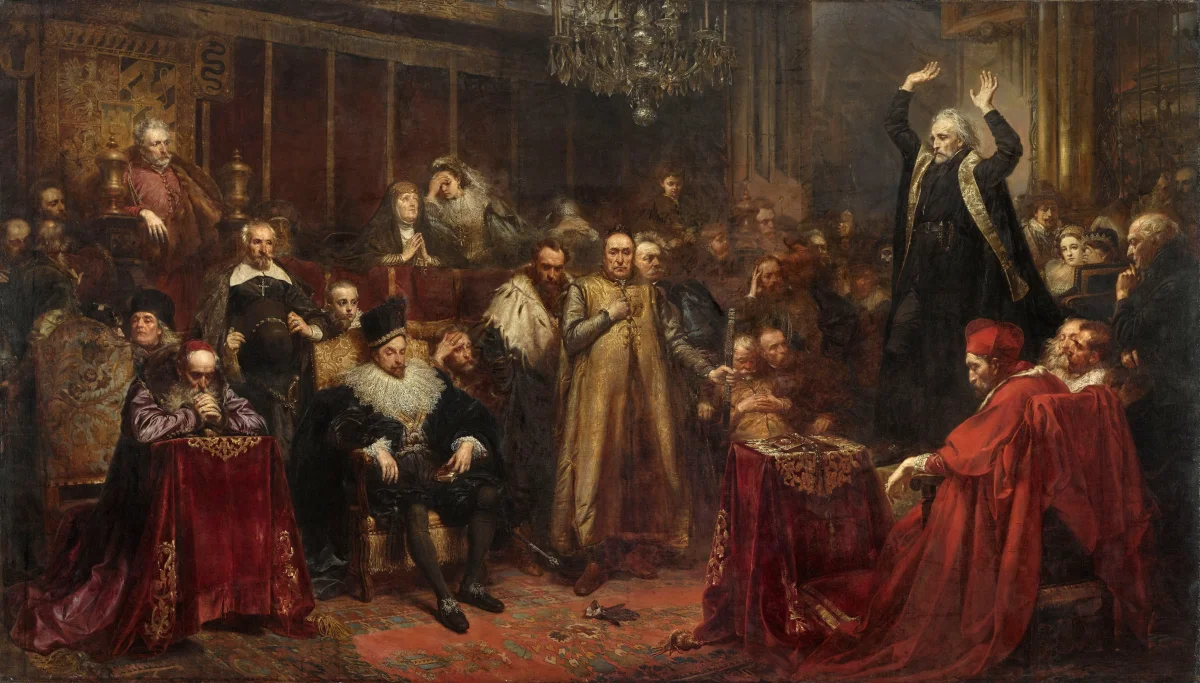
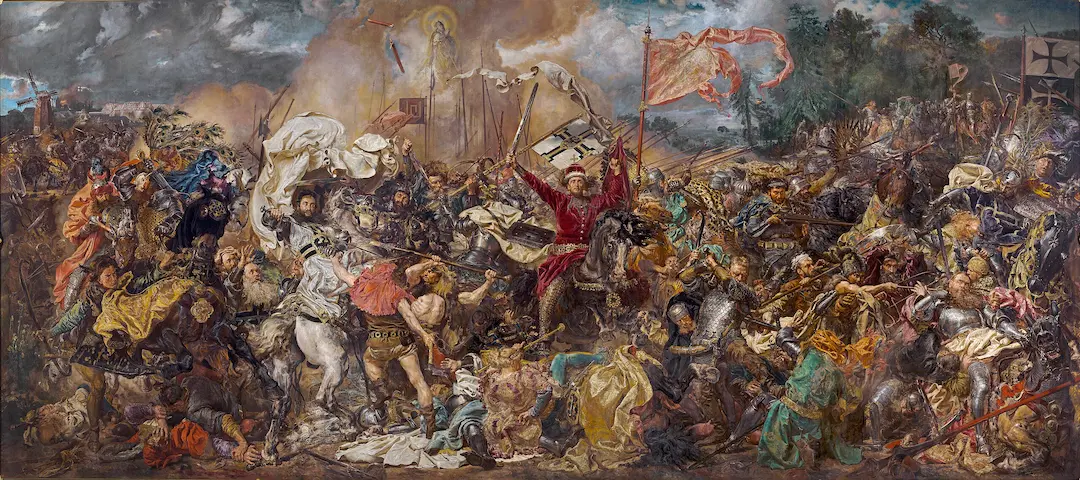
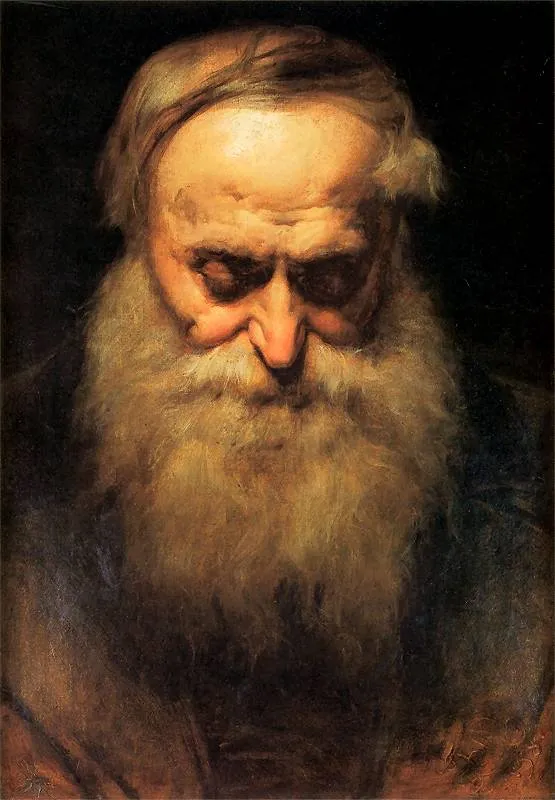
Jan Matejko’s technique in "Skarga's Sermon" demonstrates unparalleled expertise in oil on canvas, blending intricate details with a rich, dramatic palette. Each brushstroke is meticulously crafted, showcasing the artist’s deep understanding of both his medium and subject matter. As a leading figure of the Historicism movement, Matejko’s works, including the renowned "Battle of Grunwald," embody the essence of Polish history, making this oil on canvas a prized possession for collectors and enthusiasts alike.
"Skarga's Sermon" is more than just a fine art painting for sale; it is a visual narrative filled with symbolism and historical context. Jan Matejko carefully weaves together the political and religious tensions of the era, using the language of Historicism to convey deeper meanings. The expressive faces and dynamic composition invite viewers to interpret the underlying stories, much like his acclaimed "Battle of Grunwald," another testament to Matejko’s storytelling prowess in paint.
For art collectors, "Skarga's Sermon" by Jan Matejko is an exceptional hand-painted oil painting that exemplifies the grandeur of the Historicism movement. Its historical resonance and artistic mastery make it an invaluable addition to any collection. Those interested in expanding their appreciation for Matejko’s legacy should also consider his "Battle of Grunwald," as both pieces offer a glimpse into Poland’s past through the lens of fine art painting for sale.
When Art Meets History
"Skarga's Sermon" by Jan Matejko is a remarkable example of the Historicism movement, blending historical accuracy with artistic interpretation. This hand-painted oil painting illustrates a pivotal moment in Polish history, capturing the moral and political tensions of the era. Matejko, known for his dedication to historical themes, used his works to educate and inspire. Like his other masterpieces, "Skarga's Sermon" stands as a testament to the power of art in preserving national identity and collective memory.
Techniques That Speak
Jan Matejko’s mastery is evident in his use of oil on canvas, a medium that allows for intricate detail and rich coloration. In "Skarga's Sermon," the artist’s brushwork and layered textures bring the scene to life, emphasizing the drama and significance of the event. Matejko’s technical prowess places him among the leading figures of the Historicism movement, and his attention to detail rivals other fine art painting for sale from the same era, making this work a true collector’s piece.
Emotions on Display
The emotional intensity captured in "Skarga's Sermon" is a hallmark of Jan Matejko’s approach to historic subjects. Through expressive faces and dynamic composition, this hand-painted oil painting conveys the passion, despair, and hope of its characters. The Historicism movement often sought to evoke strong feelings, and Matejko achieves this by immersing viewers in the psychological drama of the scene. His ability to evoke empathy sets this painting apart from other works of its kind.
Coveted by Collectors
As a celebrated example of oil on canvas from the Historicism movement, "Skarga's Sermon" continues to attract the attention of art lovers and historians alike. Jan Matejko’s reputation ensures that every fine art painting for sale by him is highly valued. The painting’s historical relevance and technical brilliance make it a prized addition to any collection, highlighting the enduring appeal of Matejko’s works and the continued fascination with Poland’s storied past.
Frequently Asked Questions About Skarga's Sermon
What historical event does "Skarga's Sermon" depict?
"Skarga's Sermon" illustrates a pivotal moment in Polish history, showcasing the sermon delivered by Father Piotr Skarga, a Jesuit priest, in the 17th century. His address highlighted the moral and spiritual decline of the Polish-Lithuanian Commonwealth.
Who was Jan Matejko and what is his significance in Polish art?
Jan Matejko was a prominent Polish painter known for his historical paintings that often depict significant events and figures in Polish history. His work has played a crucial role in shaping Polish national identity through art.
What artistic techniques did Jan Matejko employ in "Skarga's Sermon"?
Matejko utilized a dramatic composition, rich colors, and intricate details to convey emotion and intensity. His use of light and shadow enhances the solemnity of the scene, drawing the viewer's eye to the central figure of Skarga.
What is the symbolism behind the figures depicted in the painting?
The figures in "Skarga's Sermon" represent various societal roles and responses to the priest's message. Their expressions and postures symbolize the moral dilemmas faced by the Polish nobility and the populace during a time of crisis.
How does "Skarga's Sermon" reflect the socio-political climate of 17th century Poland?
The painting reflects the turmoil and challenges faced by Poland during the 17th century, including internal strife and external threats. Skarga's sermon serves as a call for unity and moral awakening amidst these difficulties.
What role does light play in the composition of "Skarga's Sermon"?
Light in "Skarga's Sermon" serves to highlight the central figure of Father Skarga, symbolizing enlightenment and moral clarity. The contrast between light and shadow emphasizes the gravity of his message and the emotional weight of the moment.
How has "Skarga's Sermon" influenced Polish cultural identity?
The painting has become an iconic representation of Polish nationalism and moral introspection. It encourages viewers to reflect on the importance of ethical leadership and civic responsibility in the face of adversity.
What materials did Jan Matejko use in "Skarga's Sermon"?
Jan Matejko primarily used oil on canvas for "Skarga's Sermon," a medium that allowed him to achieve the vivid colors and detailed textures characteristic of his work.
What is the significance of the setting in "Skarga's Sermon"?
The setting, likely a church or public space, underscores the religious and communal aspects of Skarga's message. It serves as a backdrop that enhances the solemnity and urgency of the sermon being delivered.
How does "Skarga's Sermon" compare to other works by Jan Matejko?
"Skarga's Sermon" shares thematic similarities with other works by Matejko, such as "The Battle of Grunwald," in its focus on Polish history and identity. However, it uniquely emphasizes moral and spiritual themes rather than military triumph.






















_GFM_Painting_(1).webp)


 100% Hand-Painted: Finished in 3-6 Weeks

.png)















_(1).webp)