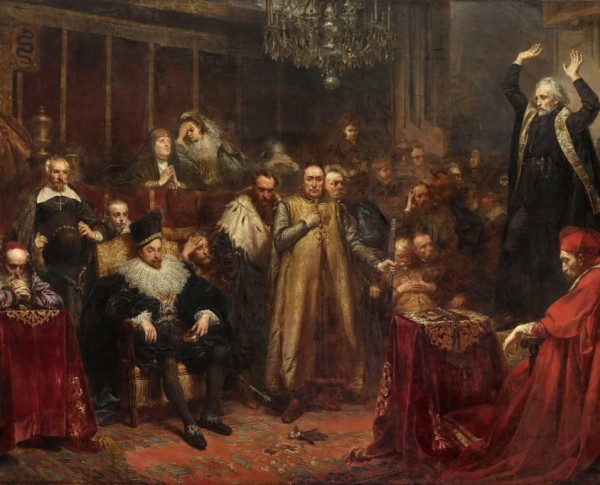
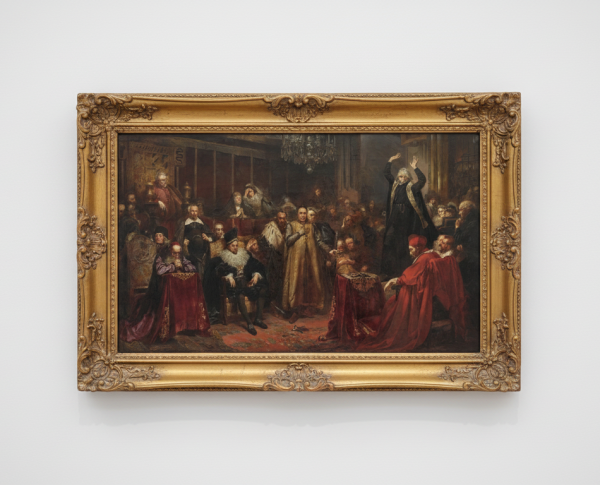
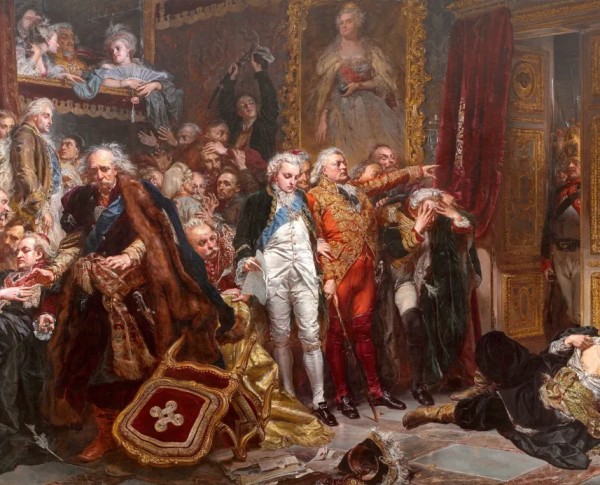
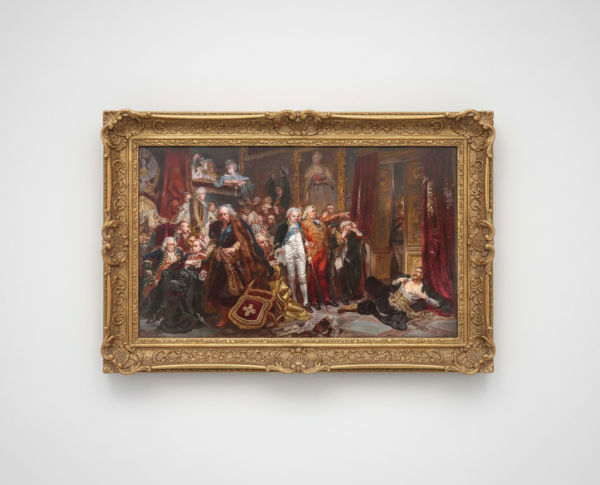
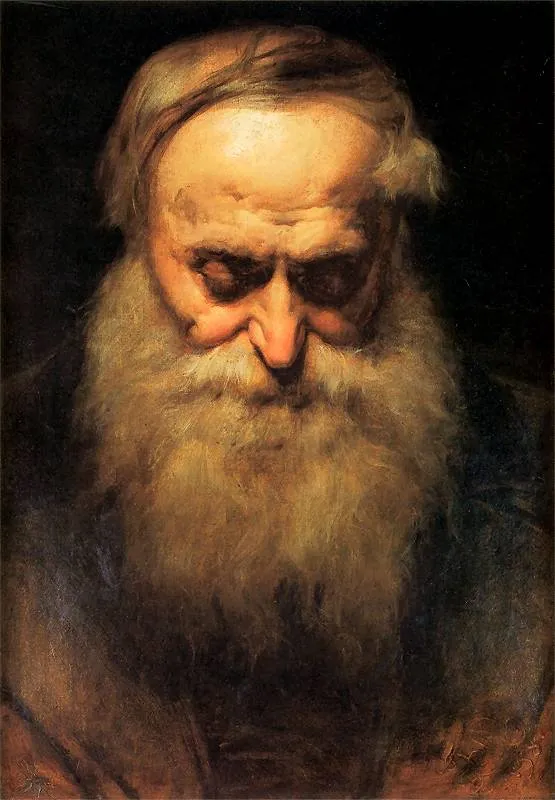
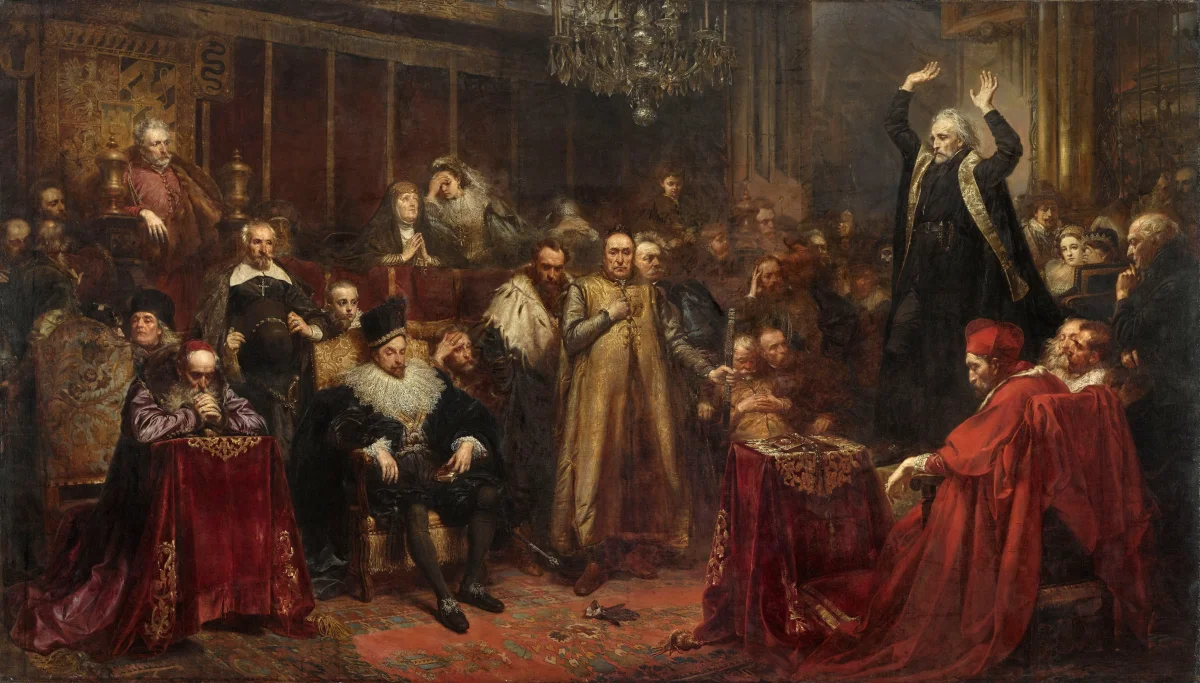
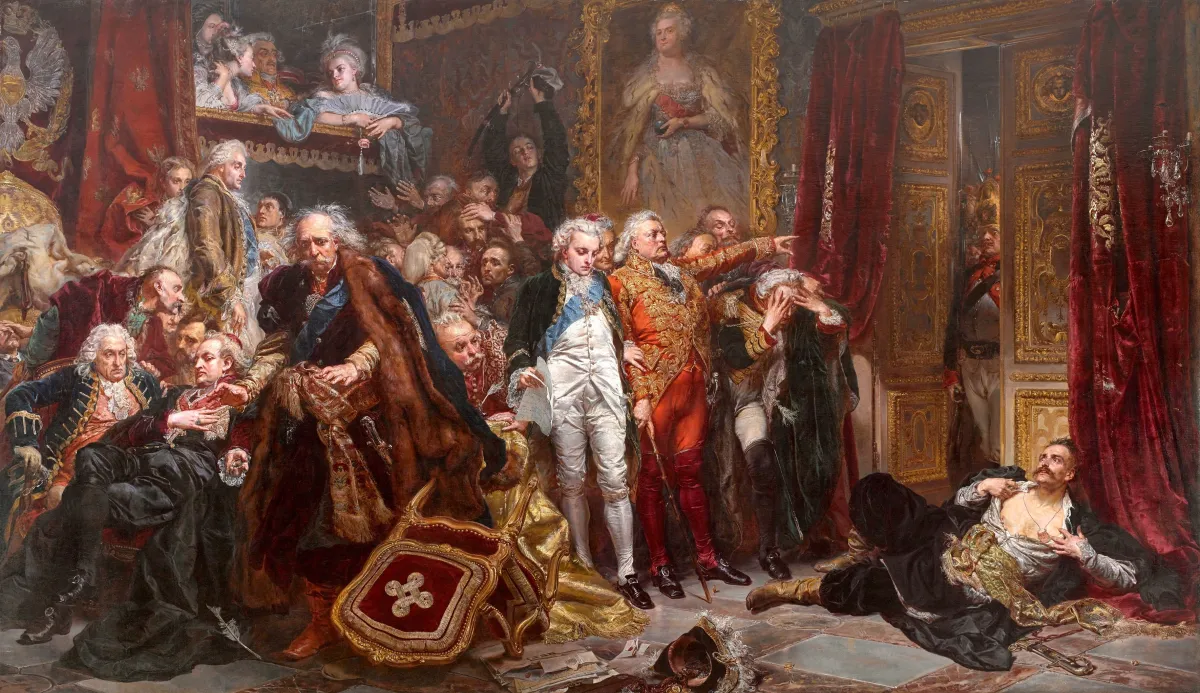
Jan Matejko's technical prowess is evident in every brushstroke of "Old man's head." The oil on canvas technique allows for rich textures and lifelike expressions, hallmarks of his work within the Historicism movement. Those who appreciate Matejko’s attention to detail will also admire related works like "Rejtan" and "Skarga's Sermon." His ability to evoke emotion and depth ensures this oil on canvas remains a sought-after treasure among collectors and art historians alike.
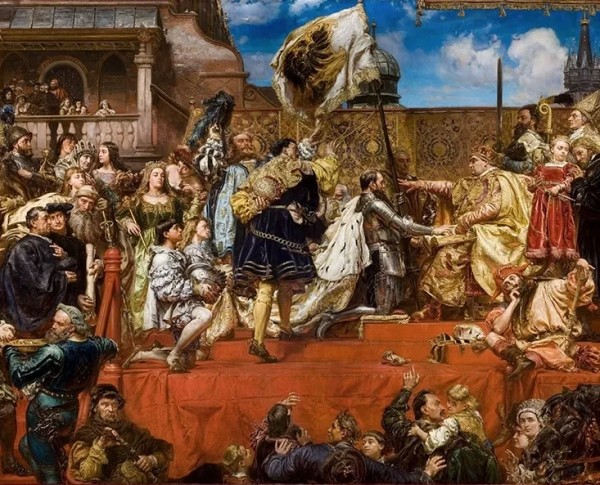
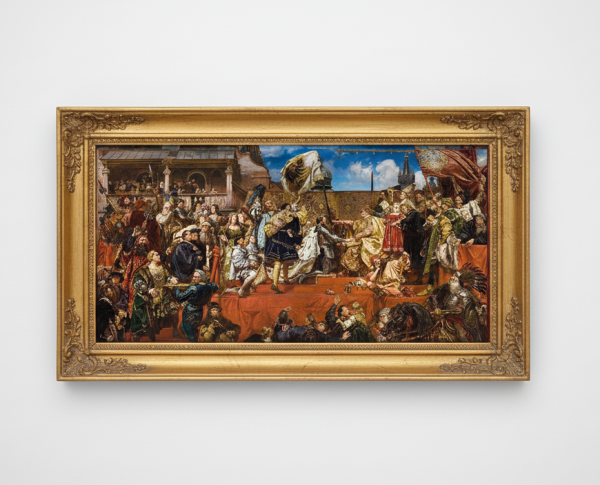
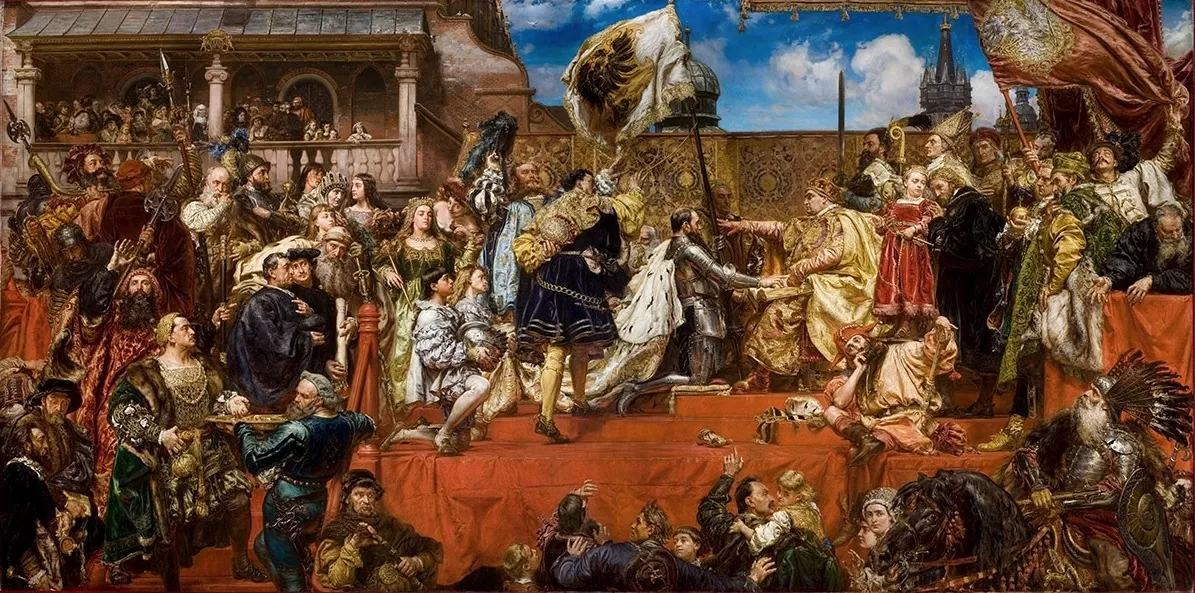
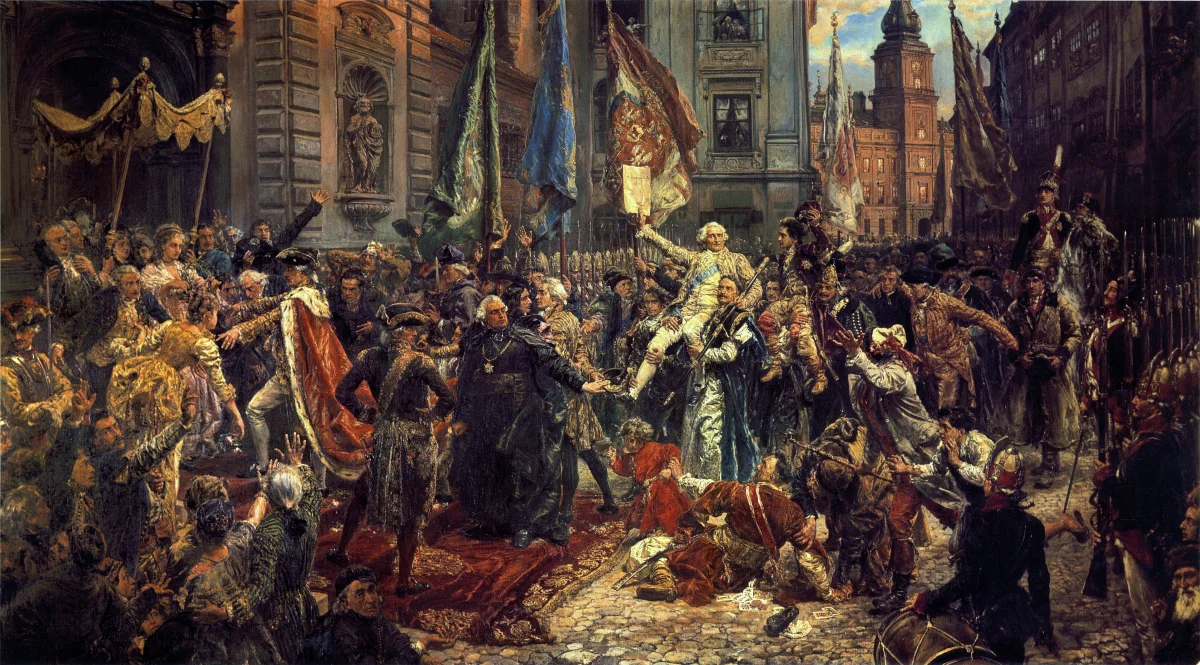
Within "Old man's head," Jan Matejko weaves subtle stories and symbols reflective of the Historicism movement. The painting’s composition and use of light suggest wisdom and resilience, inviting viewers to interpret its deeper meaning. As with his celebrated pieces "Constitution of May 3, 1791" and "Prussian Homage," Matejko’s hand-painted oil paintings often reveal layers of narrative, making each viewing a unique experience for admirers and scholars of fine art.
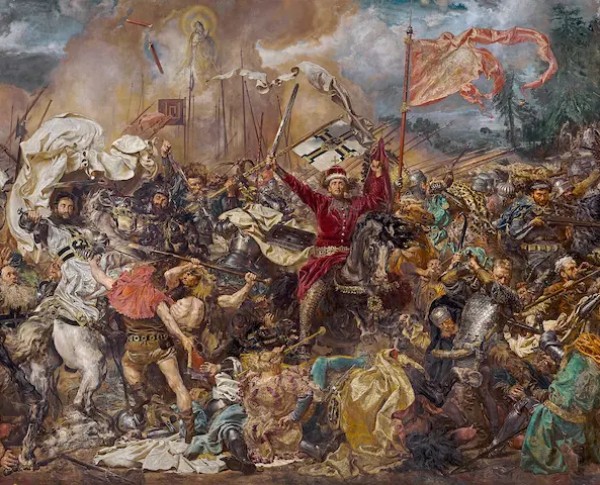
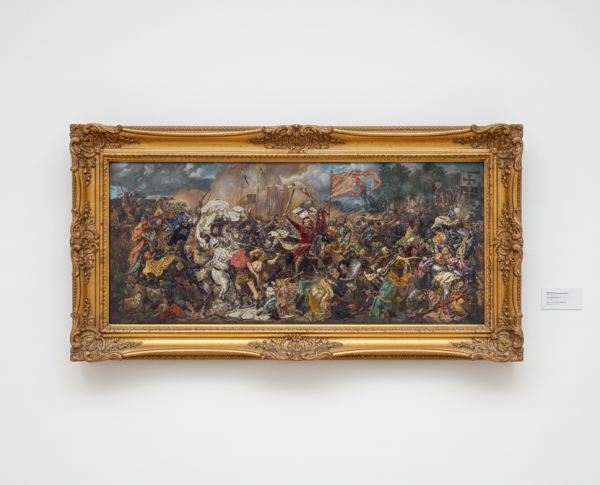
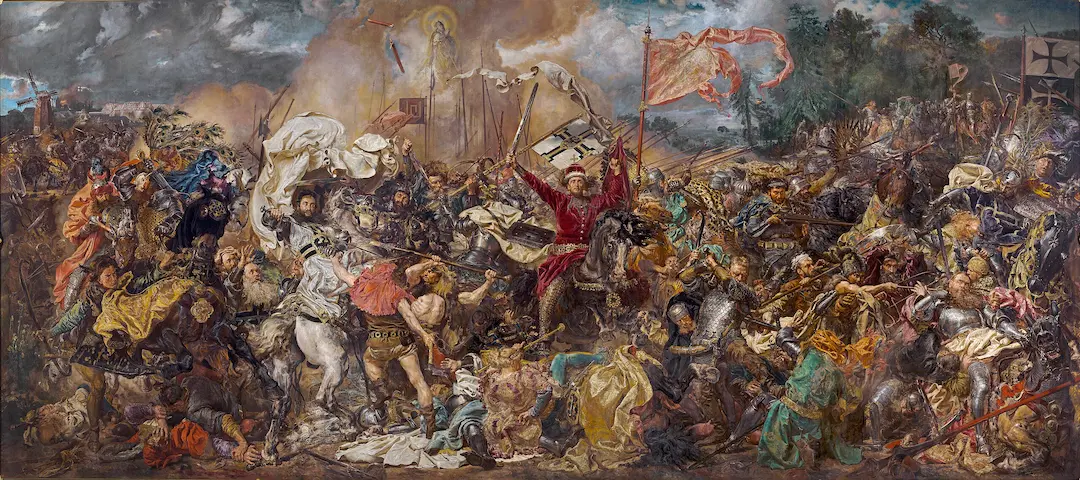
For art collectors, "Old man's head" by Jan Matejko is a fine art painting for sale that embodies historical significance and artistic excellence. The piece stands alongside renowned works such as "Battle of Grunwald" and "Rejtan," symbolizing the best of the Historicism movement. Its oil on canvas medium ensures lasting beauty and value, making it a prized addition to any serious collection of European masterpieces or historic-themed art.
When Art Meets History
The painting "Old man's head" by Jan Matejko stands as a testament to the rich tapestry of the Historicism movement. This hand-painted oil painting captures the essence of a bygone era, blending tradition with innovation. Matejko, known for his masterful depictions of Polish history, imbues this portrait with a sense of timelessness. Like his other works, "Old man's head" offers viewers a glimpse into the soul of its subject, making history feel vivid and alive.
Techniques That Speak
Jan Matejko’s remarkable skill is evident in every brushstroke of "Old man's head," rendered meticulously in oil on canvas. The use of light and shadow, a hallmark of the Historicism movement, brings depth and realism to the portrait. Matejko’s technique emphasizes the textures of aged skin and hair, creating a lifelike impression. This approach, echoed in his other masterpieces, showcases why his oil on canvas works remain enduring favorites among art enthusiasts and historians alike.
Emotions on Display
"Old man's head" by Jan Matejko is more than a mere representation; it is a profound exploration of human emotion. The subject’s gaze, filled with wisdom and contemplation, invites viewers to connect on a personal level. This fine art painting for sale captures the emotional depth characteristic of the Historicism movement. Matejko’s intuitive portrayal resonates with those who appreciate art that stirs the soul, making it a sought-after piece for collectors who value emotional authenticity.
Coveted by Collectors
Collectors prize "Old man's head" by Jan Matejko for its historical significance and artistic mastery. As a hand-painted oil painting from the Historicism movement, it holds a special place in the world of fine art. The rarity and quality of Matejko’s works, including this evocative portrait, make them highly desirable. Art aficionados seeking a fine art painting for sale are drawn to the legacy and craftsmanship that define "Old man's head," ensuring its lasting appeal.
Frequently Asked Questions About Old man's head
What is the historical significance of "Old man's head"?
"Old man's head" is significant as it reflects the artistic style and cultural context of 19th-century Poland, showcasing Jan Matejko's deep engagement with national identity and history.
What artistic techniques did Jan Matejko employ in this painting?
Jan Matejko utilized a combination of realistic portraiture and expressive brushwork, capturing the intricate details of the subject's features and conveying a sense of emotional depth.
What themes are explored in "Old man's head"?
The painting explores themes of wisdom, age, and the passage of time, reflecting on the experiences and stories carried by the elderly, which resonates with universal human experiences.
How does "Old man's head" reflect Jan Matejko's artistic philosophy?
The painting embodies Matejko's philosophy of portraying historical and cultural narratives, emphasizing the importance of individual stories within the broader context of national history.
What symbolism is present in "Old man's head"?
The old man's visage symbolizes wisdom and the accumulation of life experiences, serving as a reminder of the value of history and the lessons learned from the past.
In what ways does this painting connect to Polish culture?
"Old man's head" connects to Polish culture by highlighting the respect for elders and the importance of memory and tradition in shaping national identity.
What influences can be seen in Matejko's style in this work?
Matejko's style in "Old man's head" shows influences from Romanticism, particularly in its emotional intensity and focus on individual character, while also incorporating elements of realism.
How does the composition of "Old man's head" contribute to its impact?
The composition, with a focus on the subject's face and expression, draws the viewer's attention and evokes a sense of intimacy and contemplation, enhancing the painting's emotional resonance.
What can be inferred about the subject of "Old man's head"?
The subject likely represents a composite figure, embodying the collective wisdom of the older generation, and serves as a visual narrative of the historical context of Matejko's time.
How does "Old man's head" fit within the broader context of Jan Matejko's body of work?
"Old man's head" fits within Matejko's oeuvre as a poignant exploration of individual character amidst historical narratives, complementing his larger historical paintings that depict significant events in Polish history.























_GFM_Painting_(1).webp)


 100% Hand-Painted: Finished in 3-6 Weeks

.png)















_(1).webp)